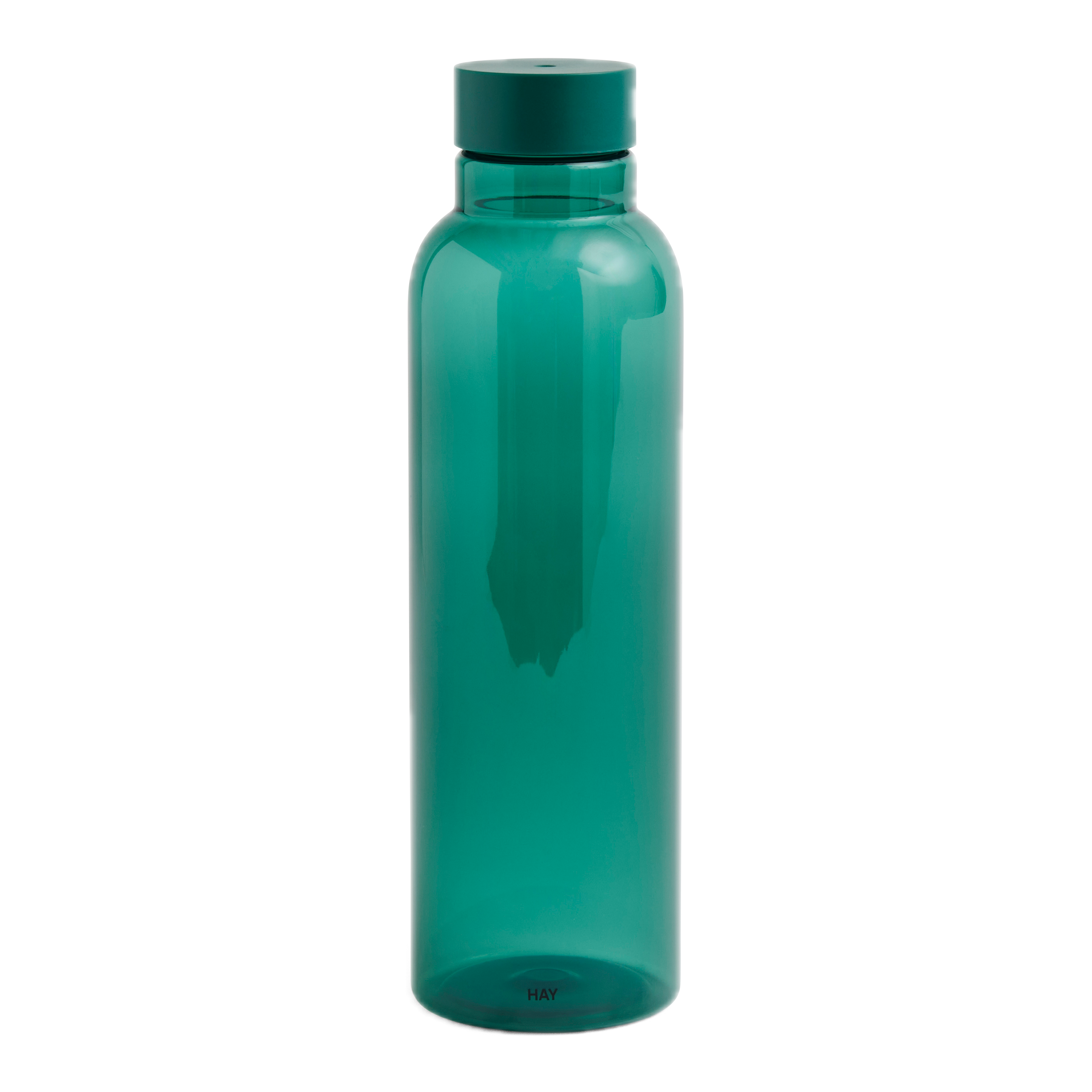
Miz Water Bottle
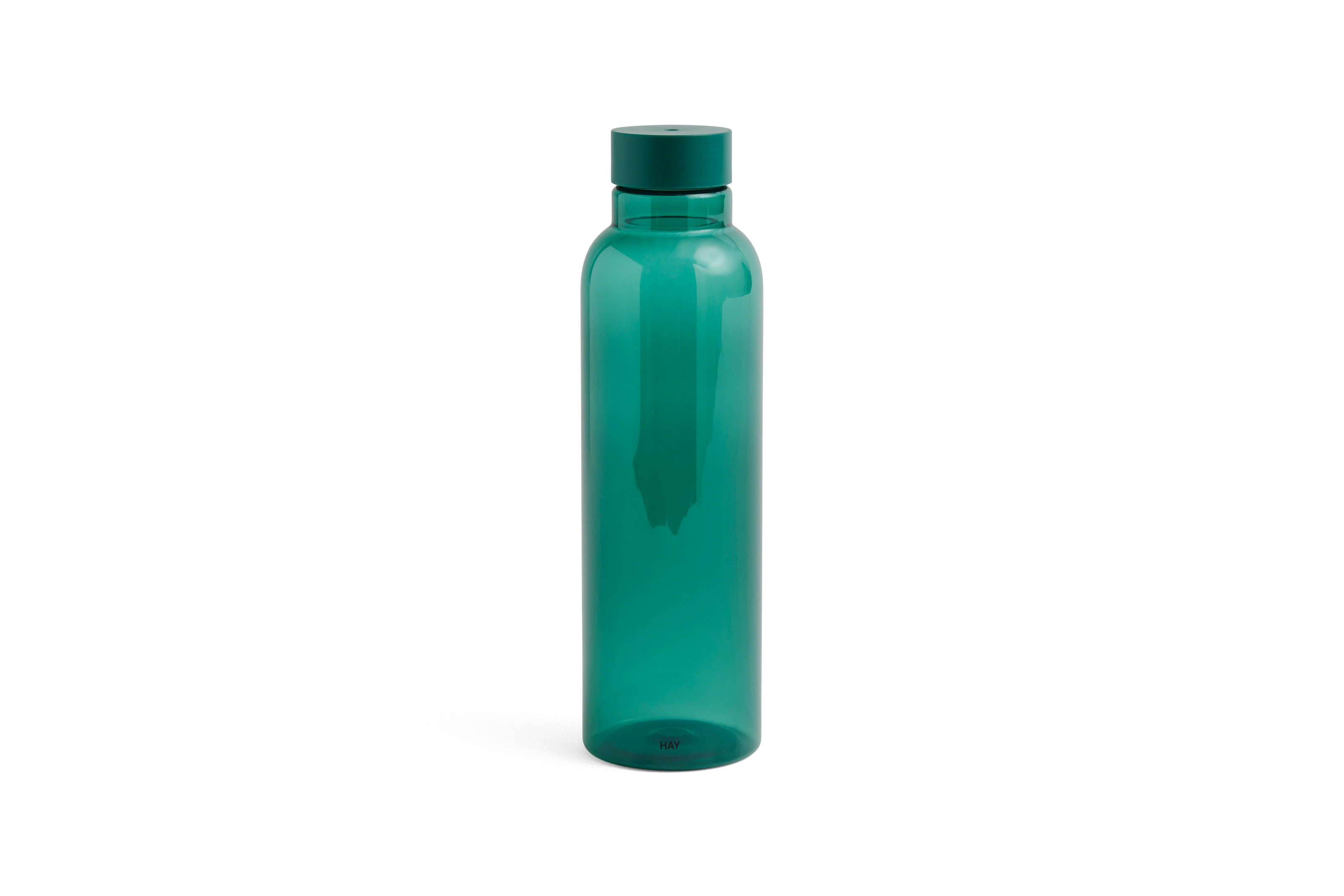
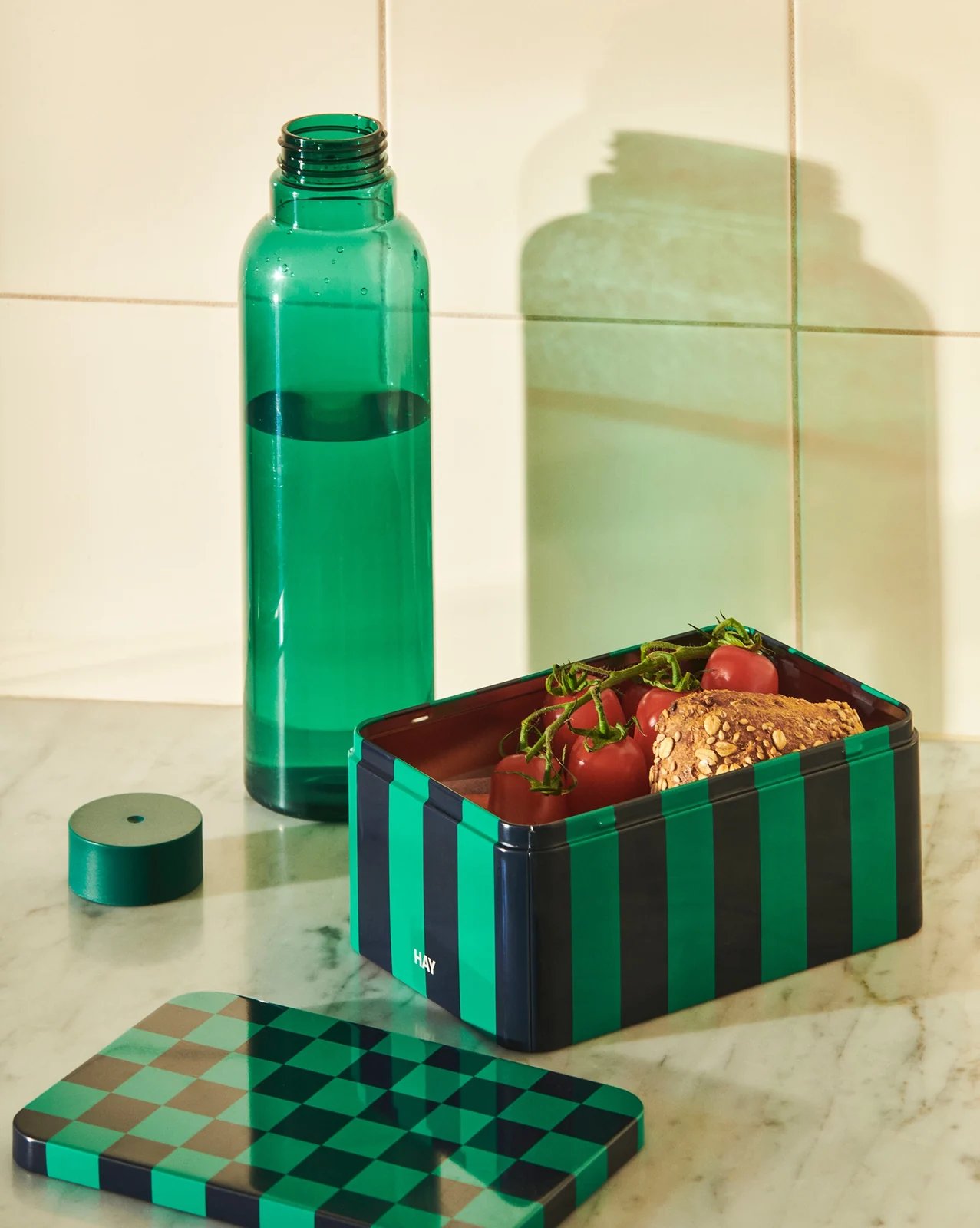
A slim water bottle designed by Naoto Fukasawa.
Image source
Hand-picked design objects and everyday goods for your home, kitchen, workspace, and everyday carry.
No objects match these filters.
Drag in any direction to explore. Arrow keys move the grid. Enter opens the object at the center.
A slim water bottle designed by Naoto Fukasawa.
Image source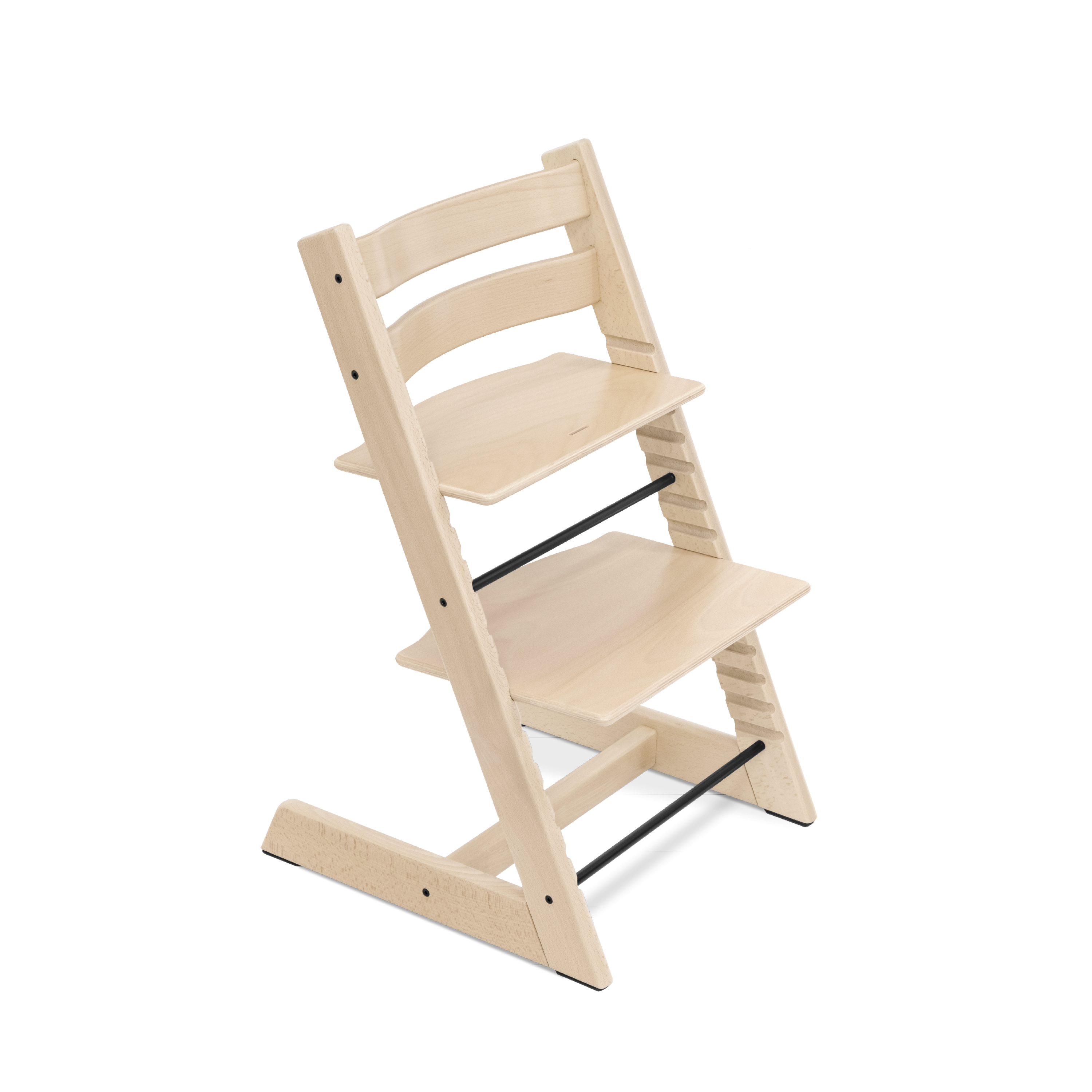
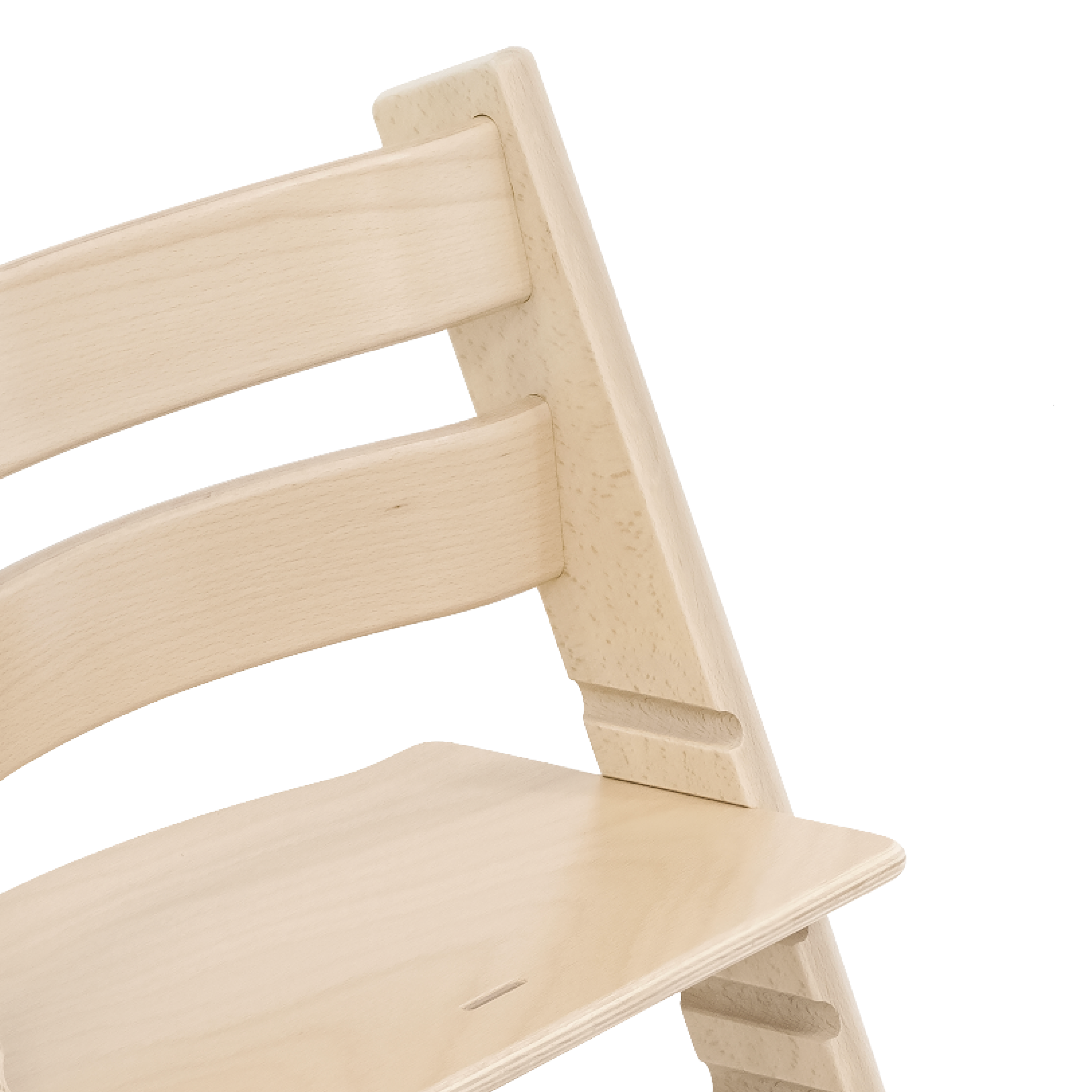
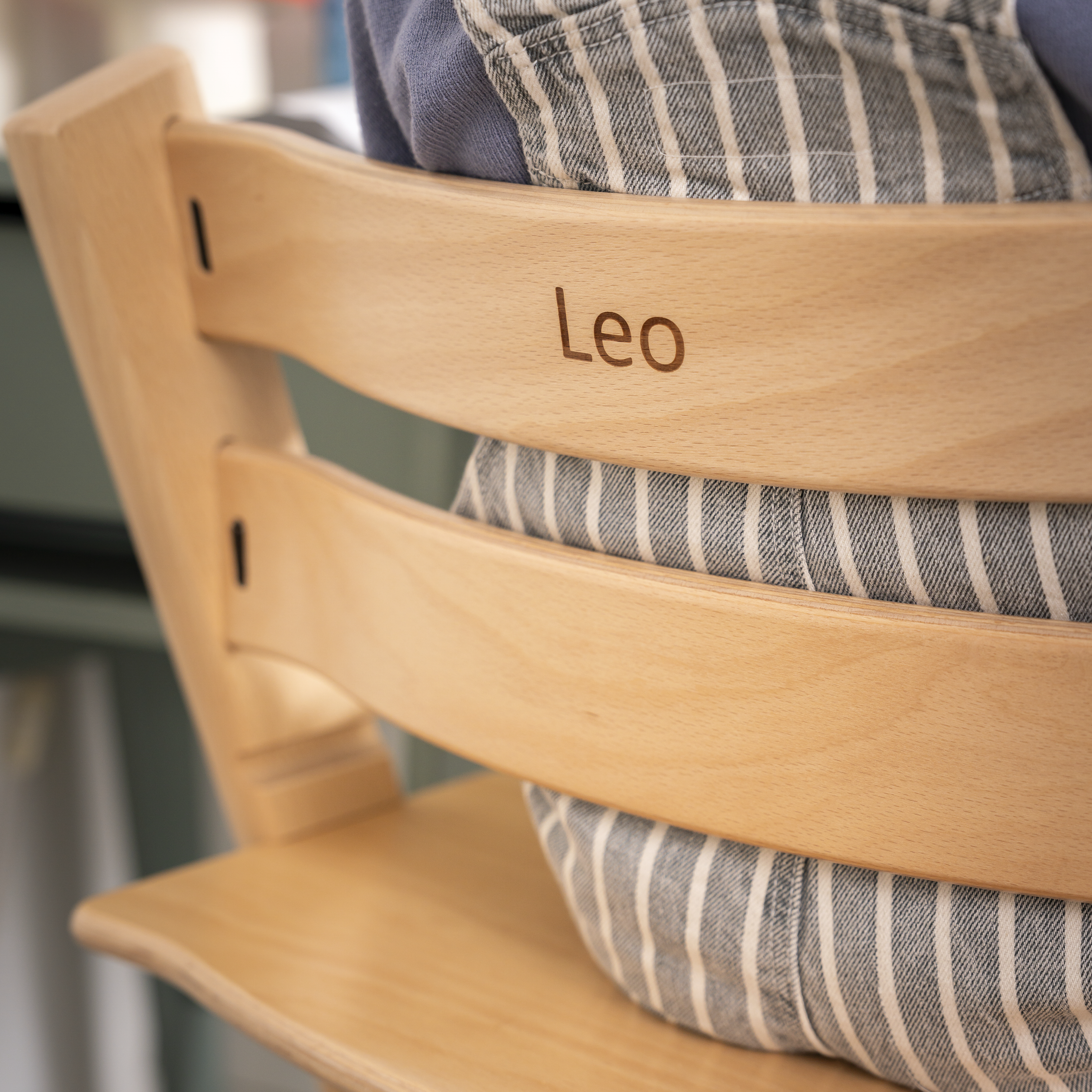
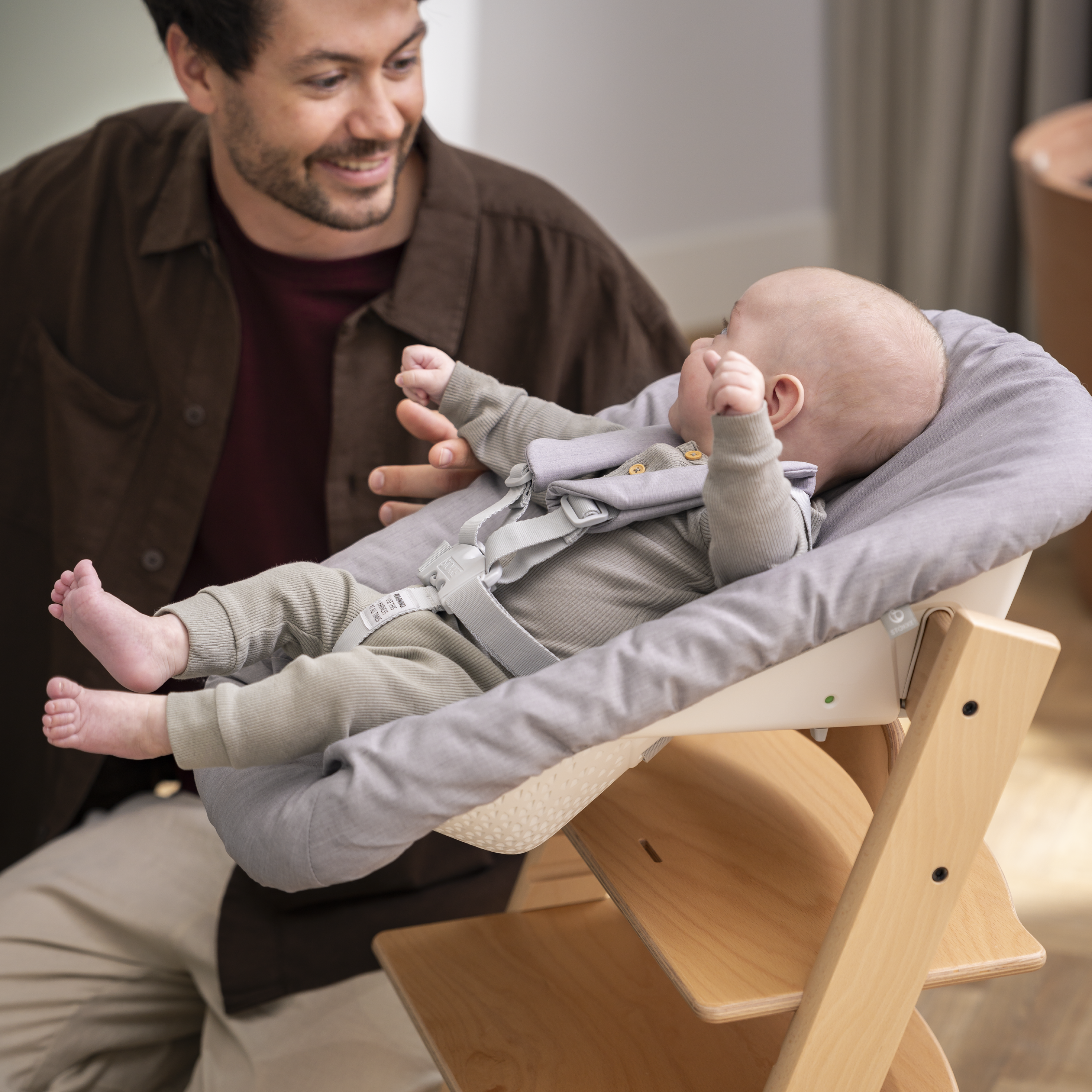
Peter Opsvik’s adjustable wooden chair, made to grow with its user.
Image source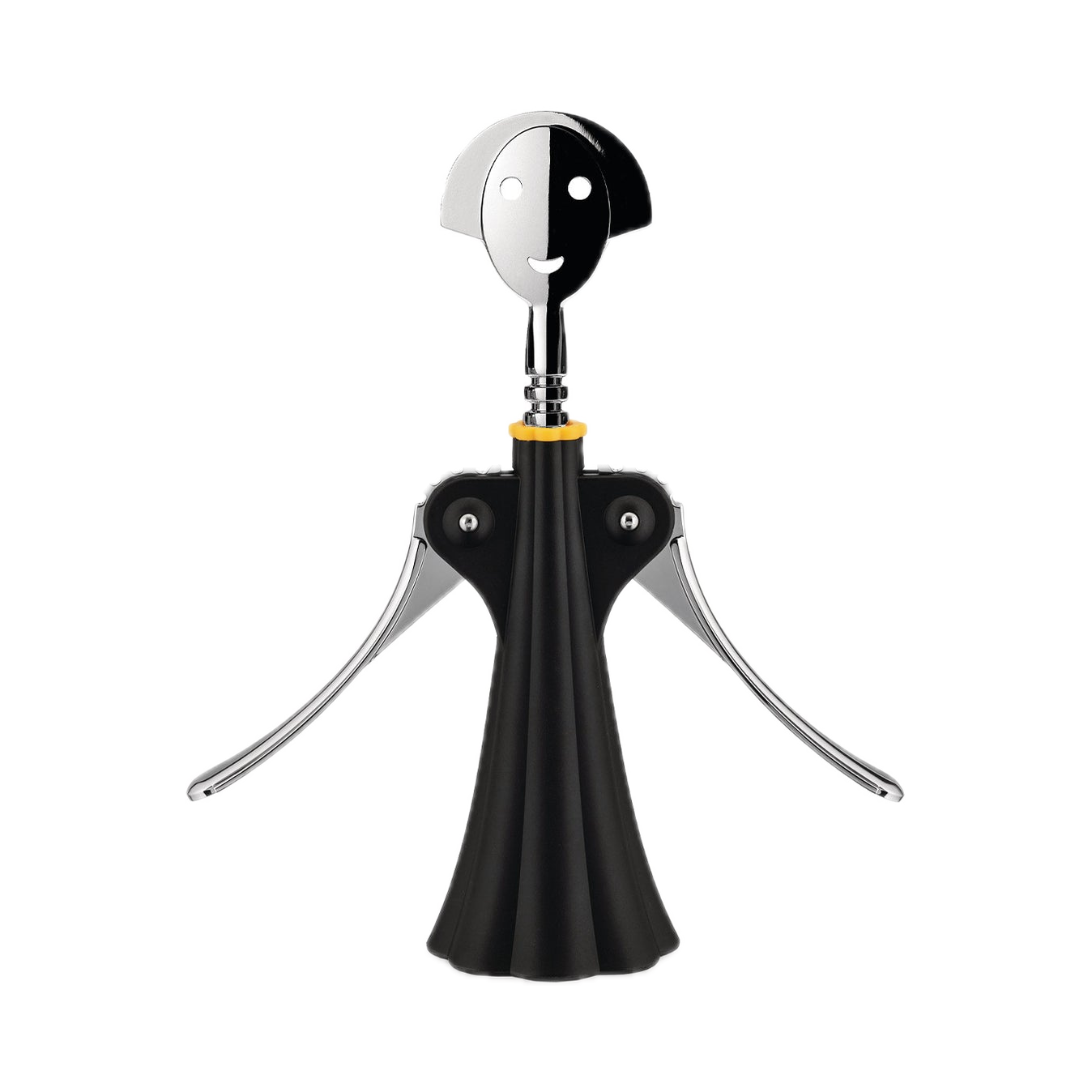
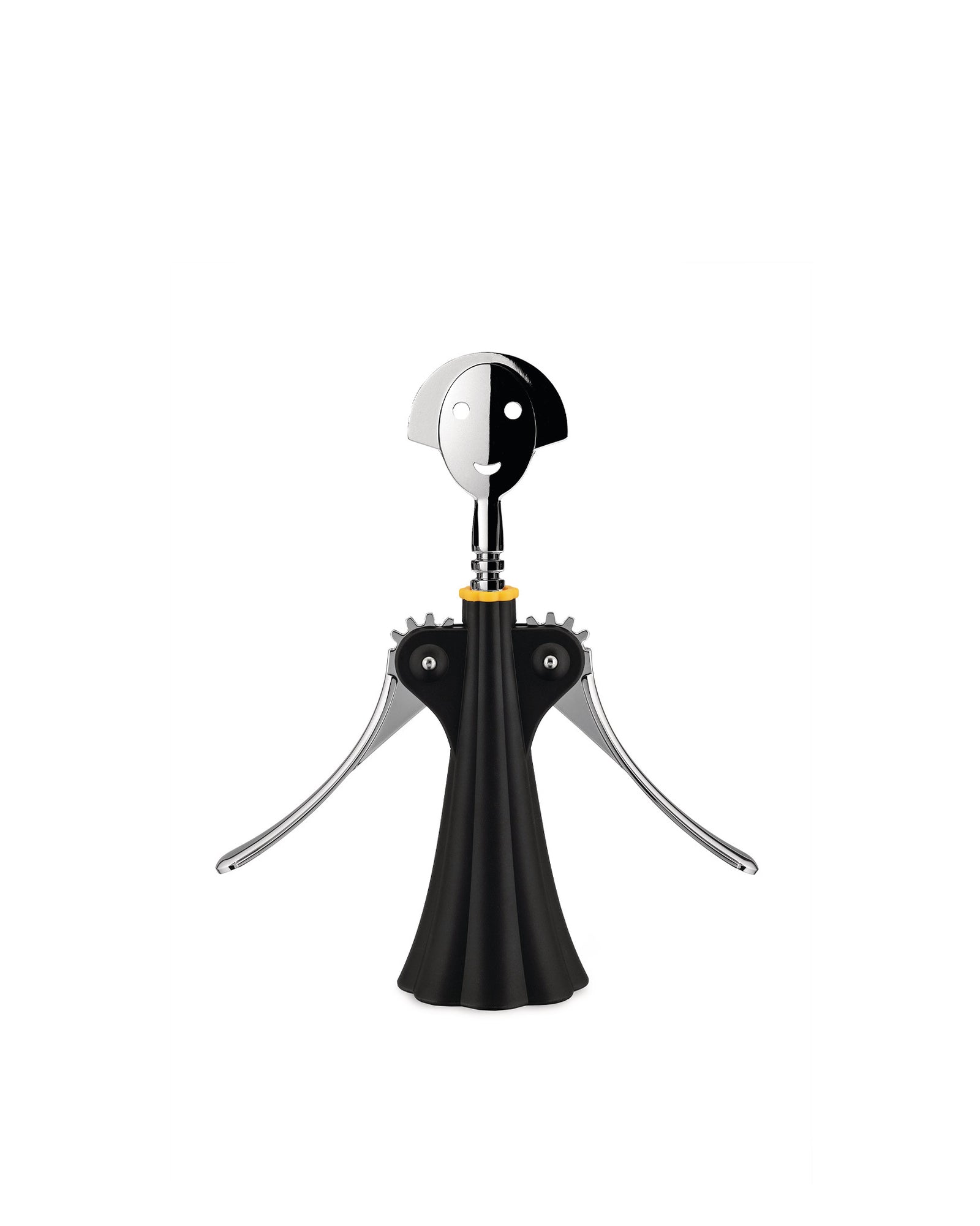
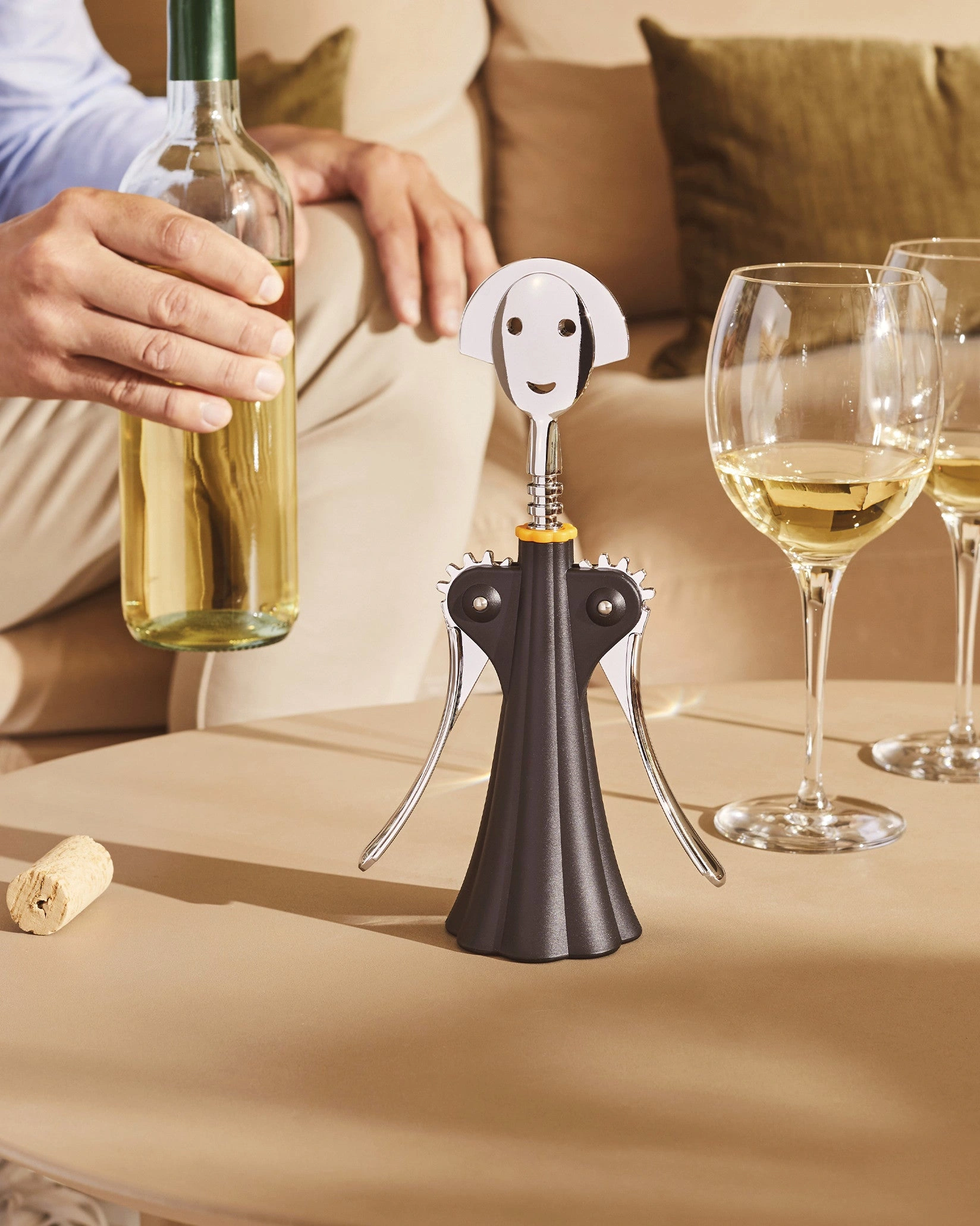
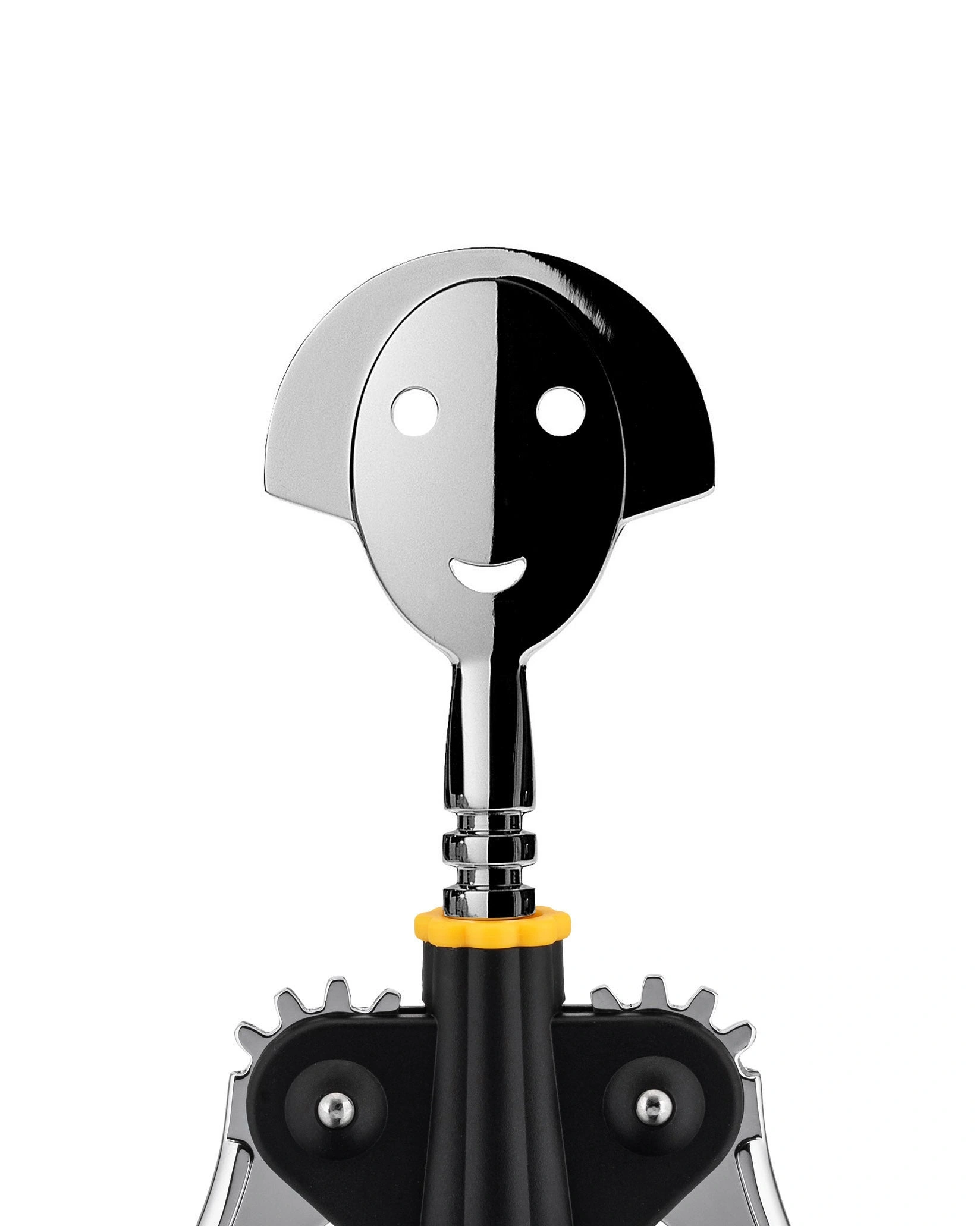
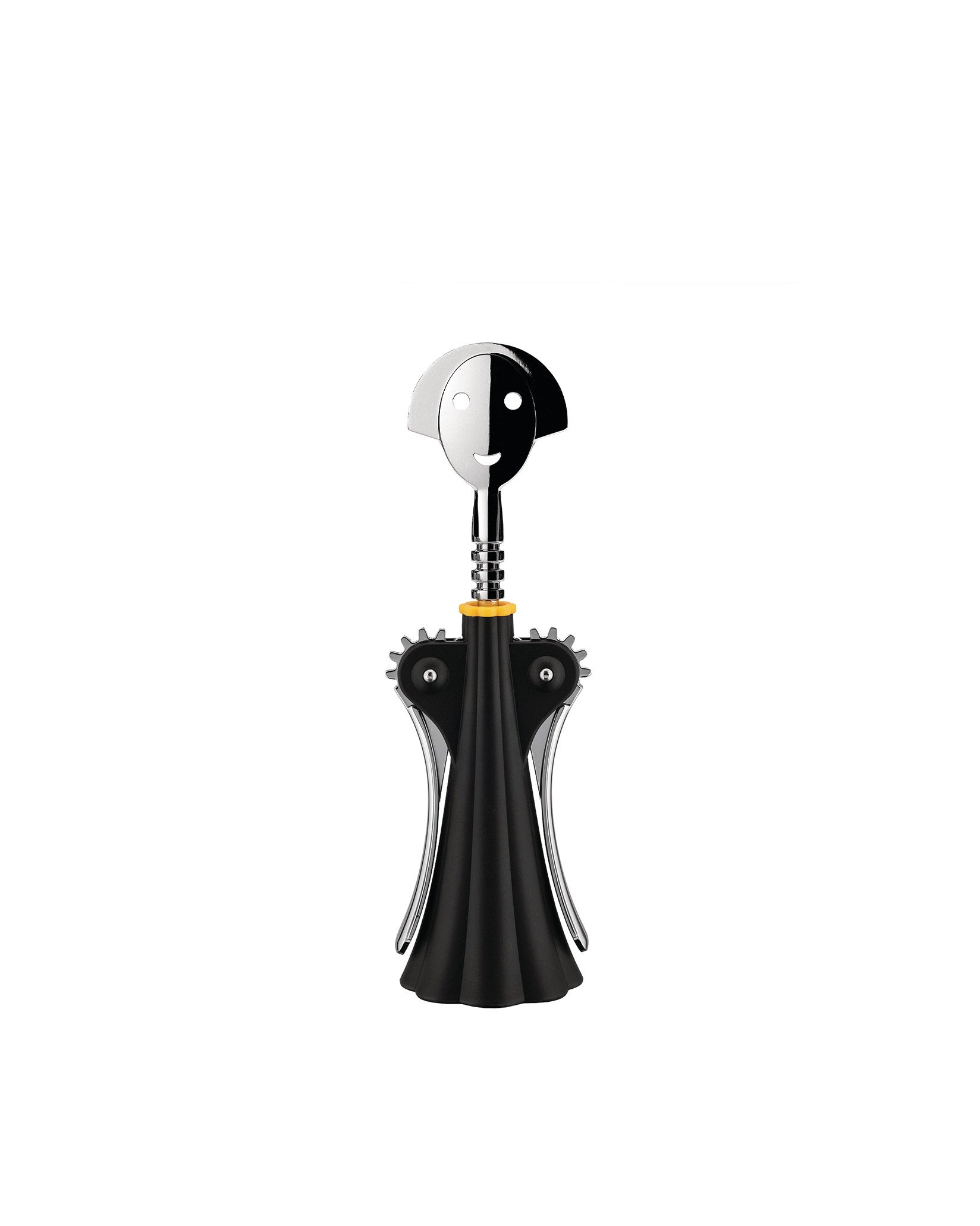
Alessandro Mendini’s smiling, figure-shaped corkscrew.
Image source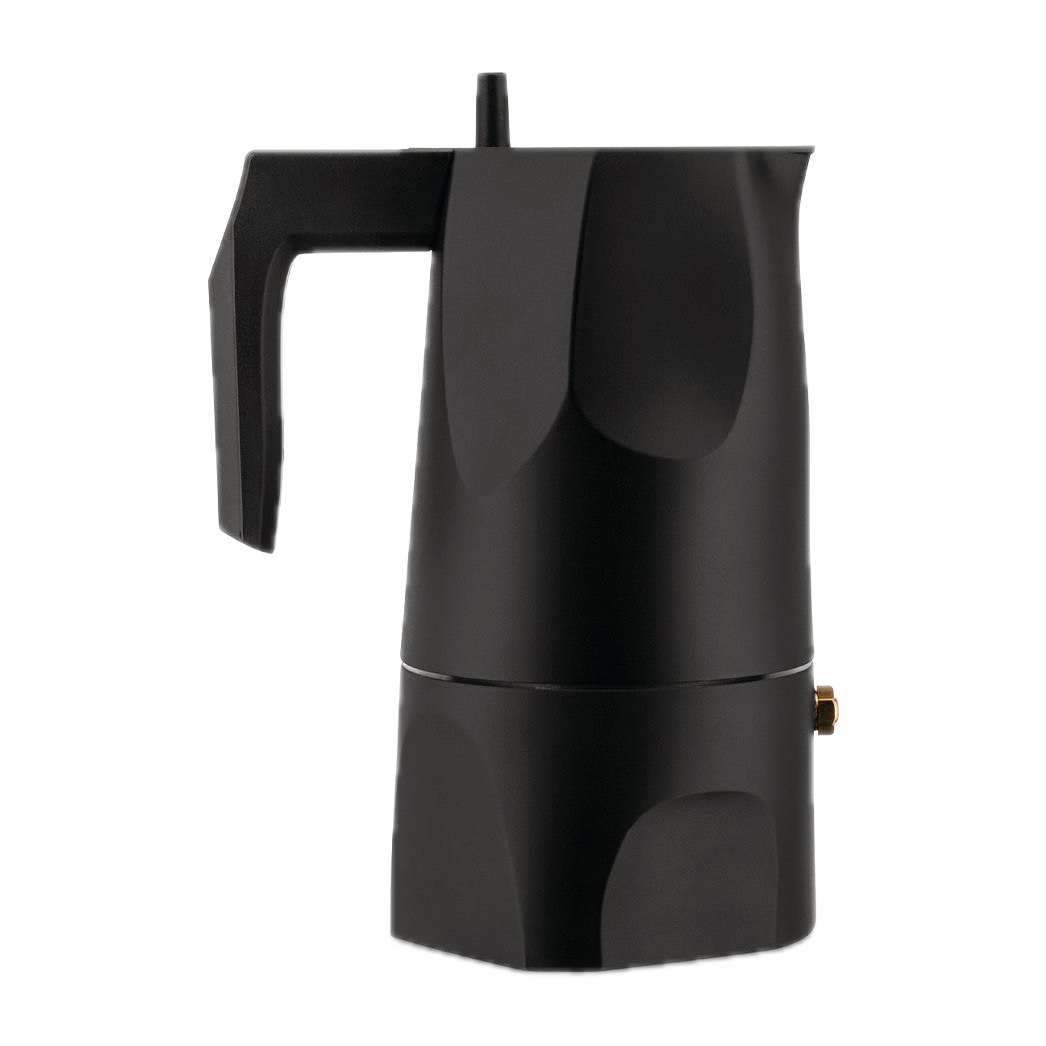
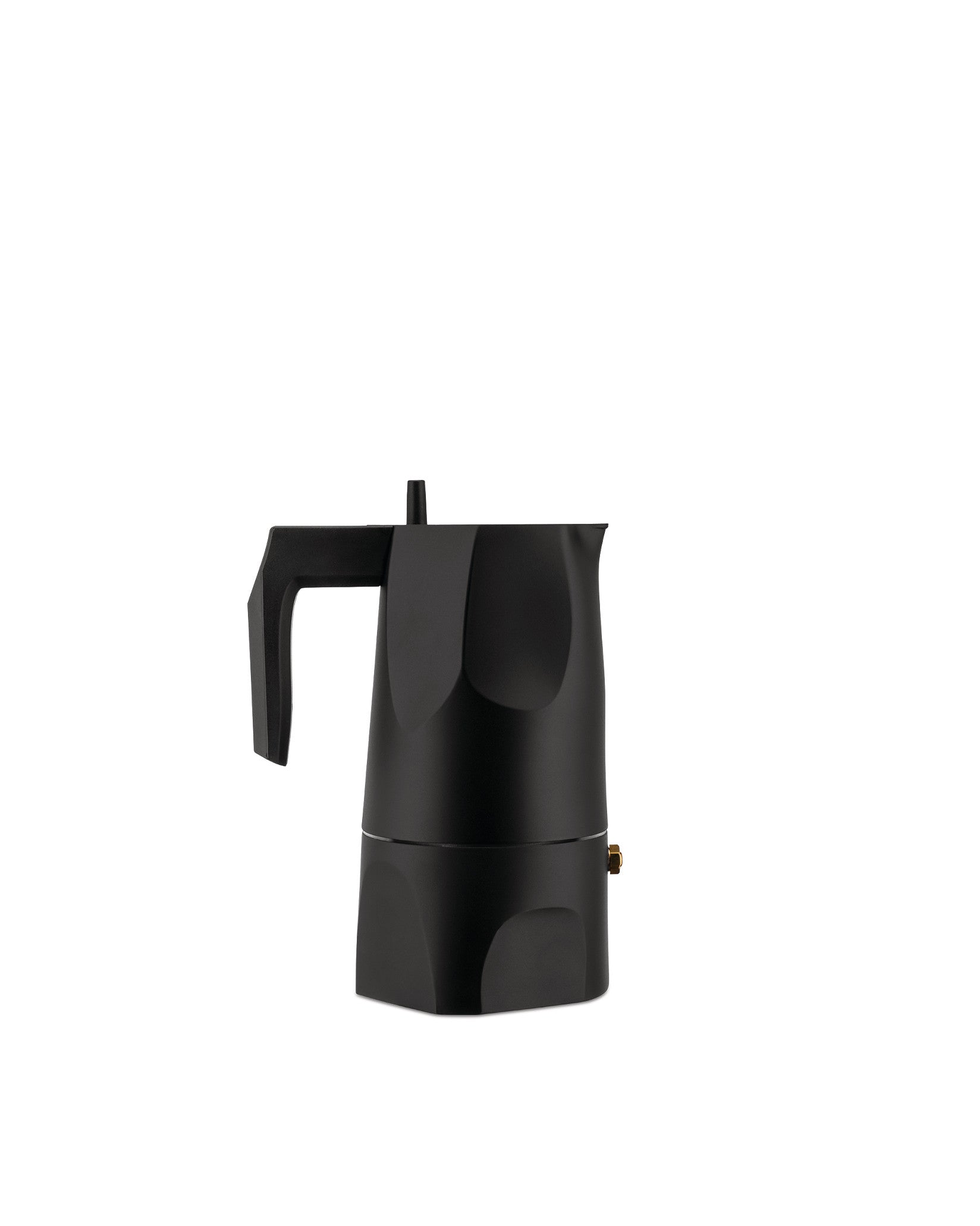
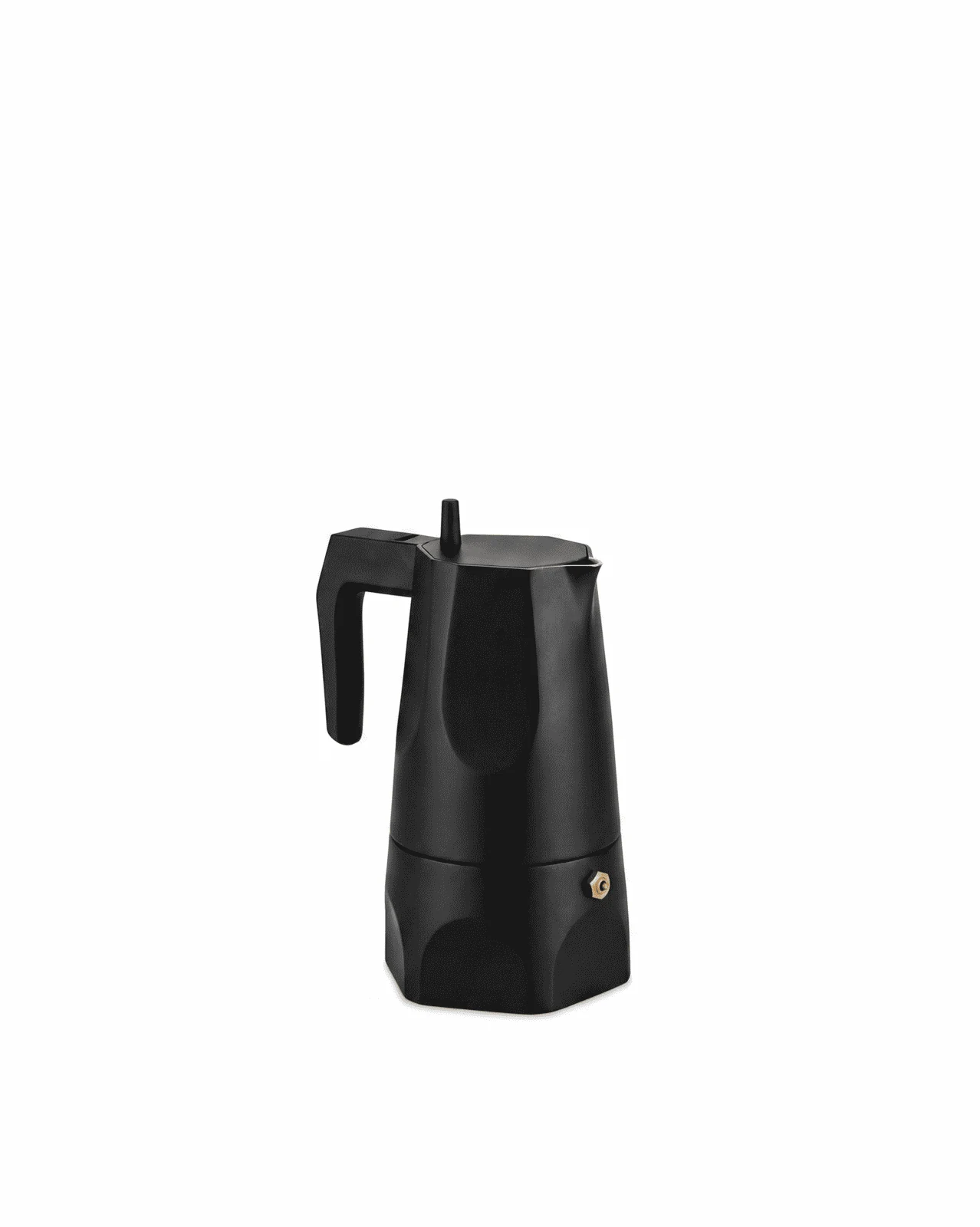
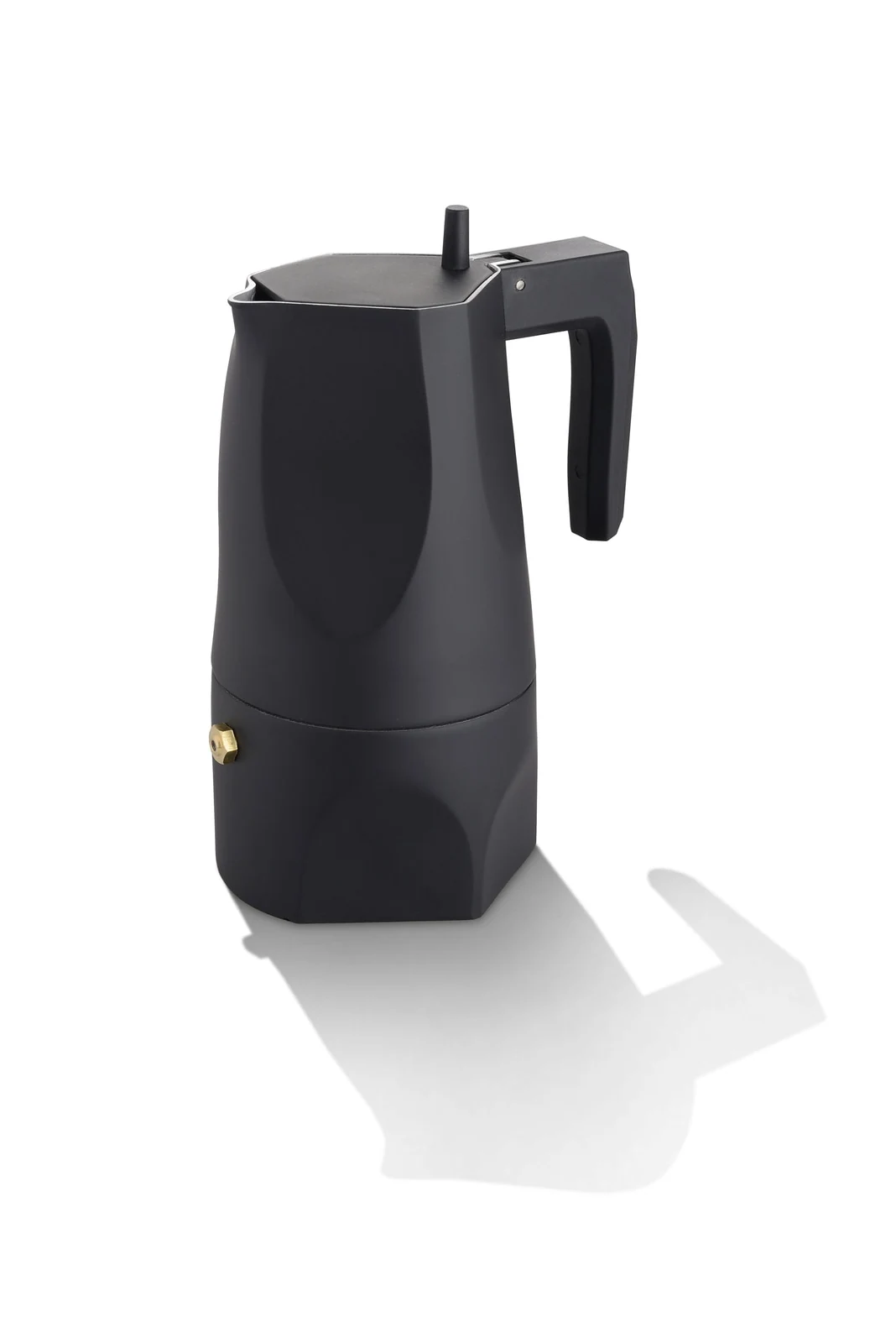
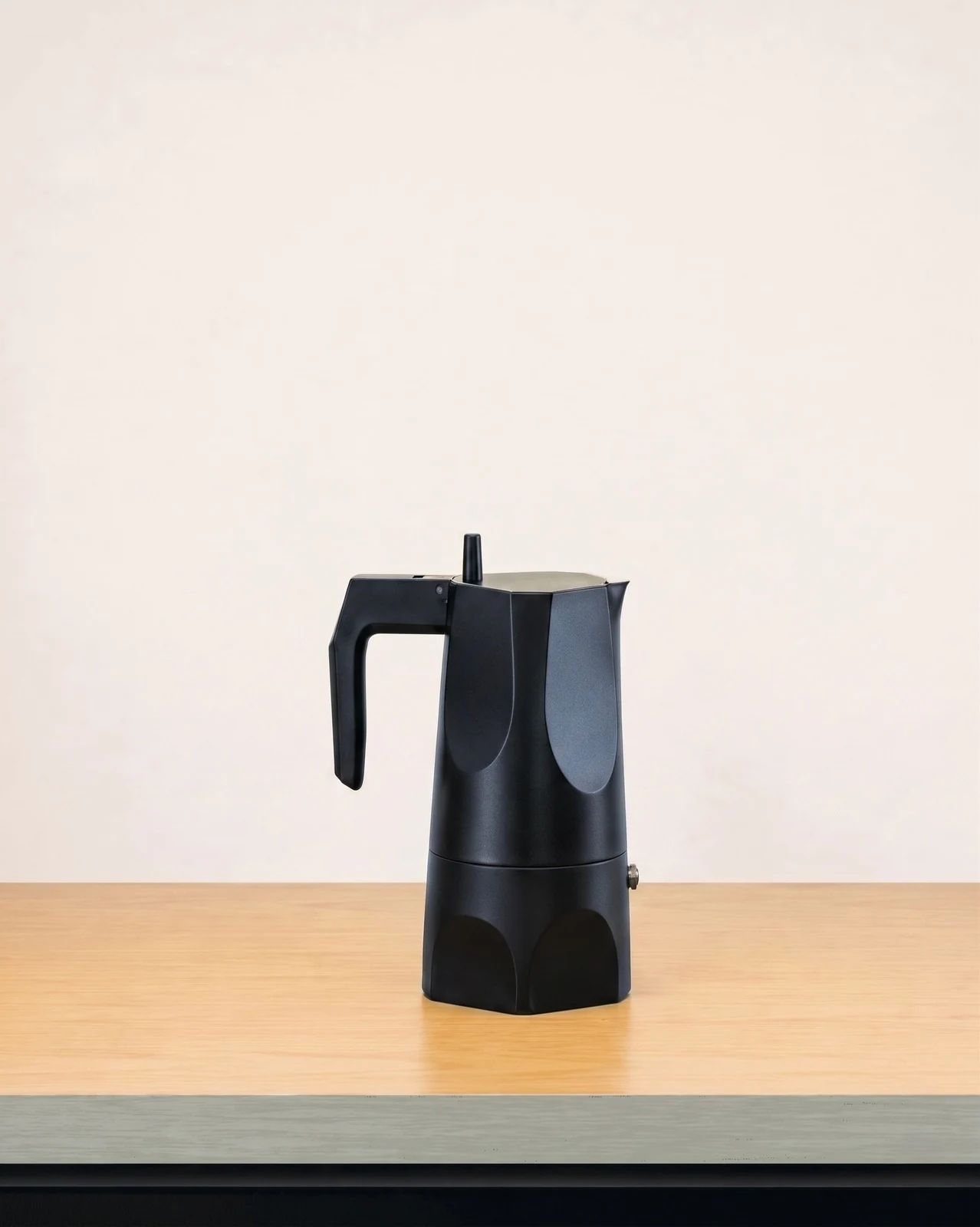
Mario Trimarchi’s faceted espresso maker, shaped by the idea of carving volcanic stone.
Image source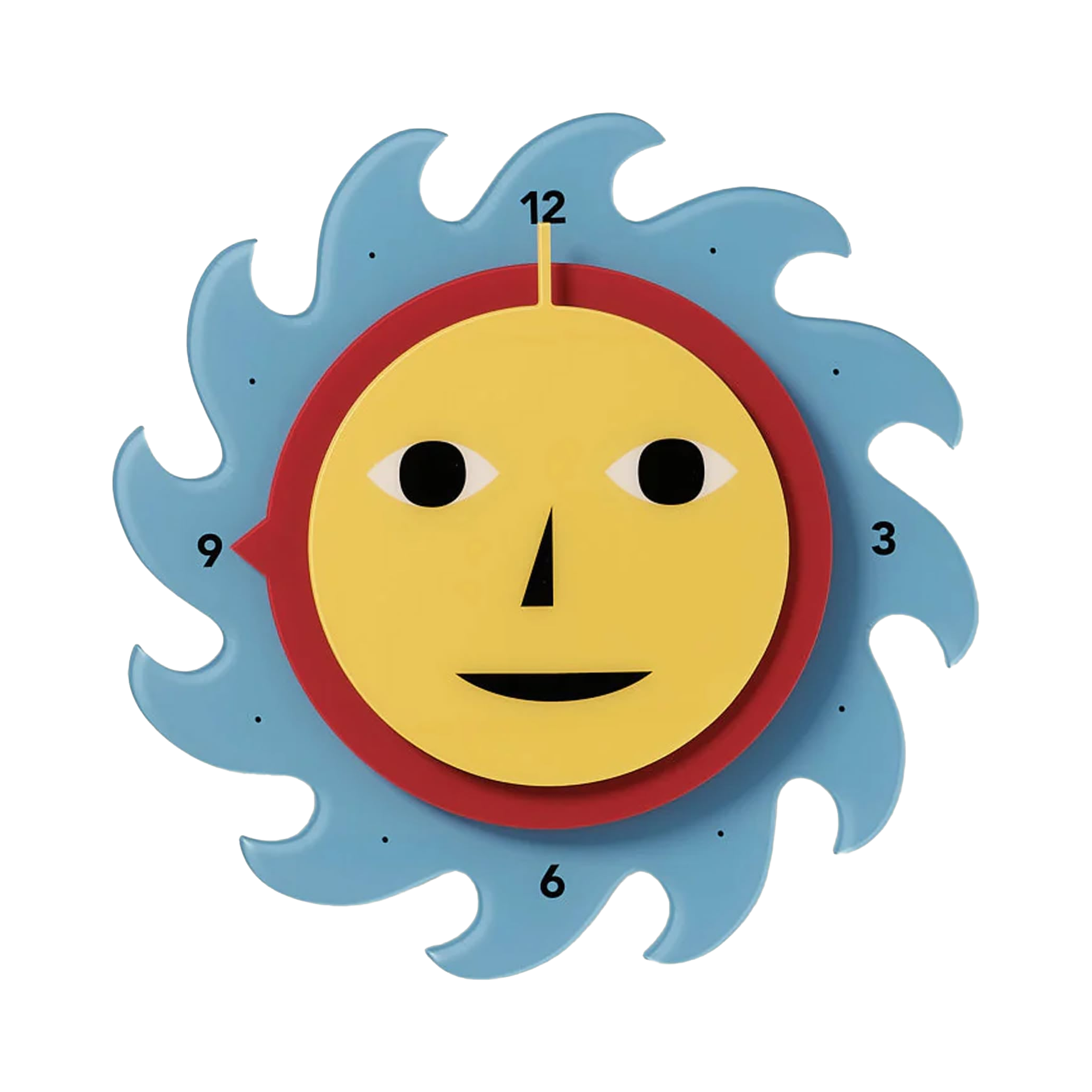
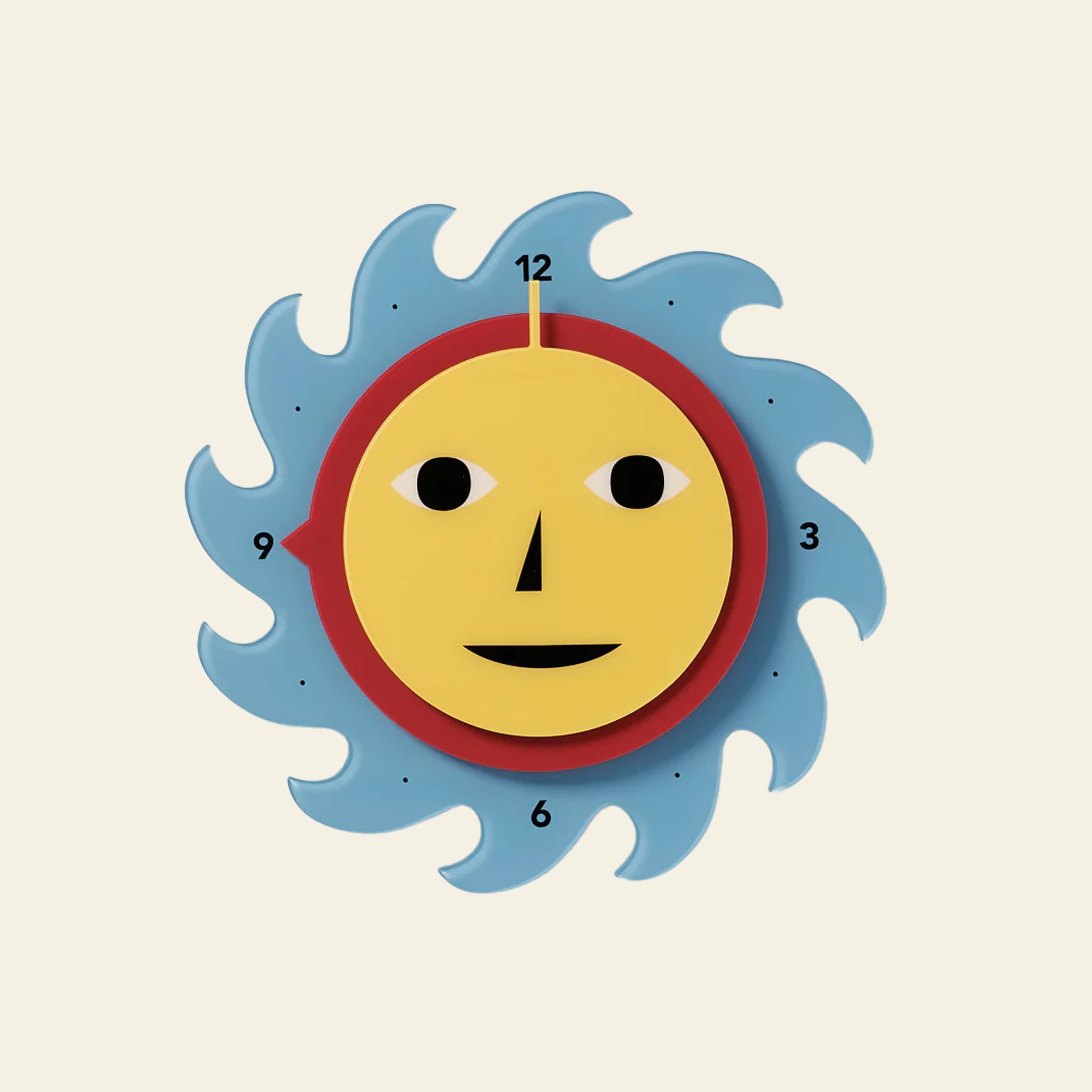
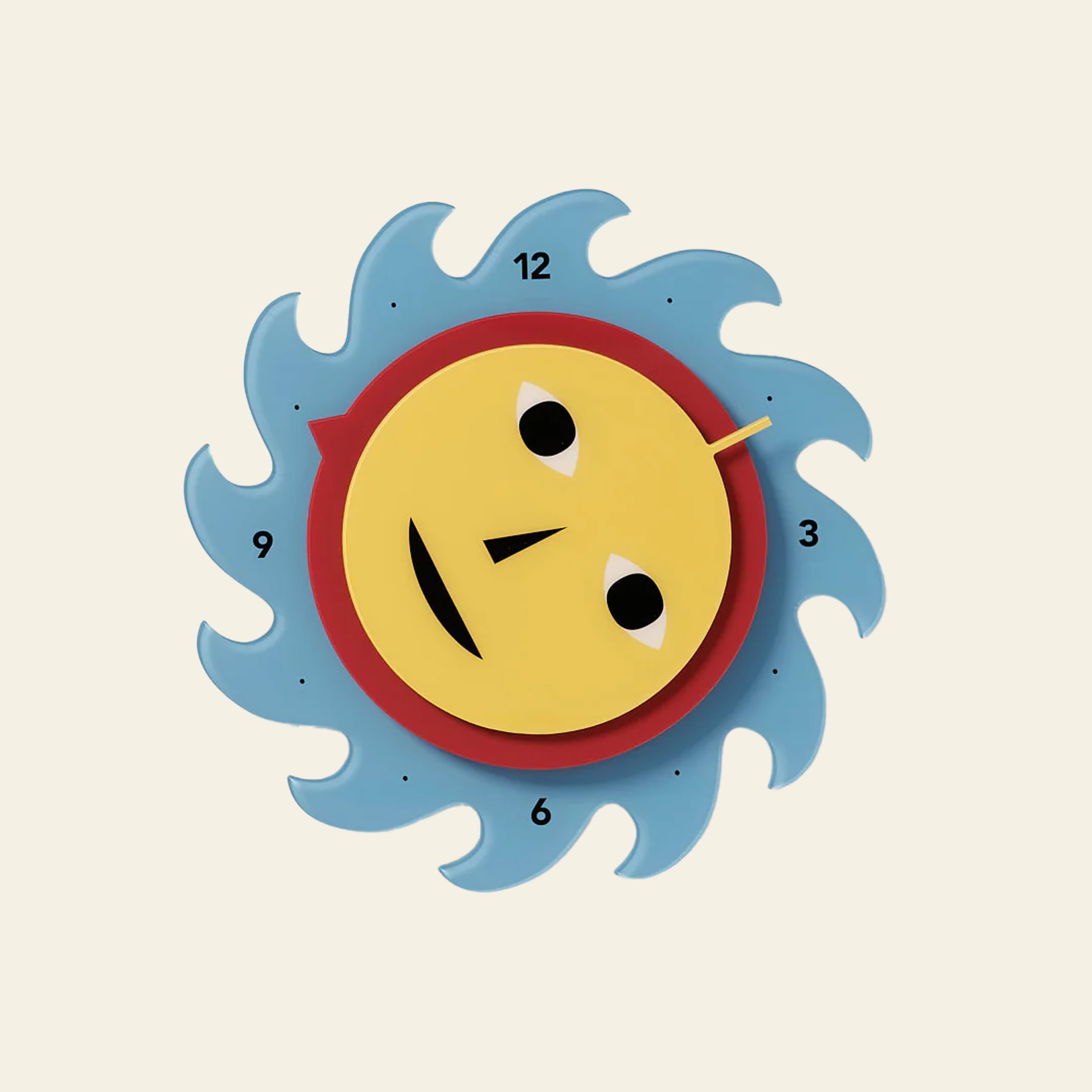
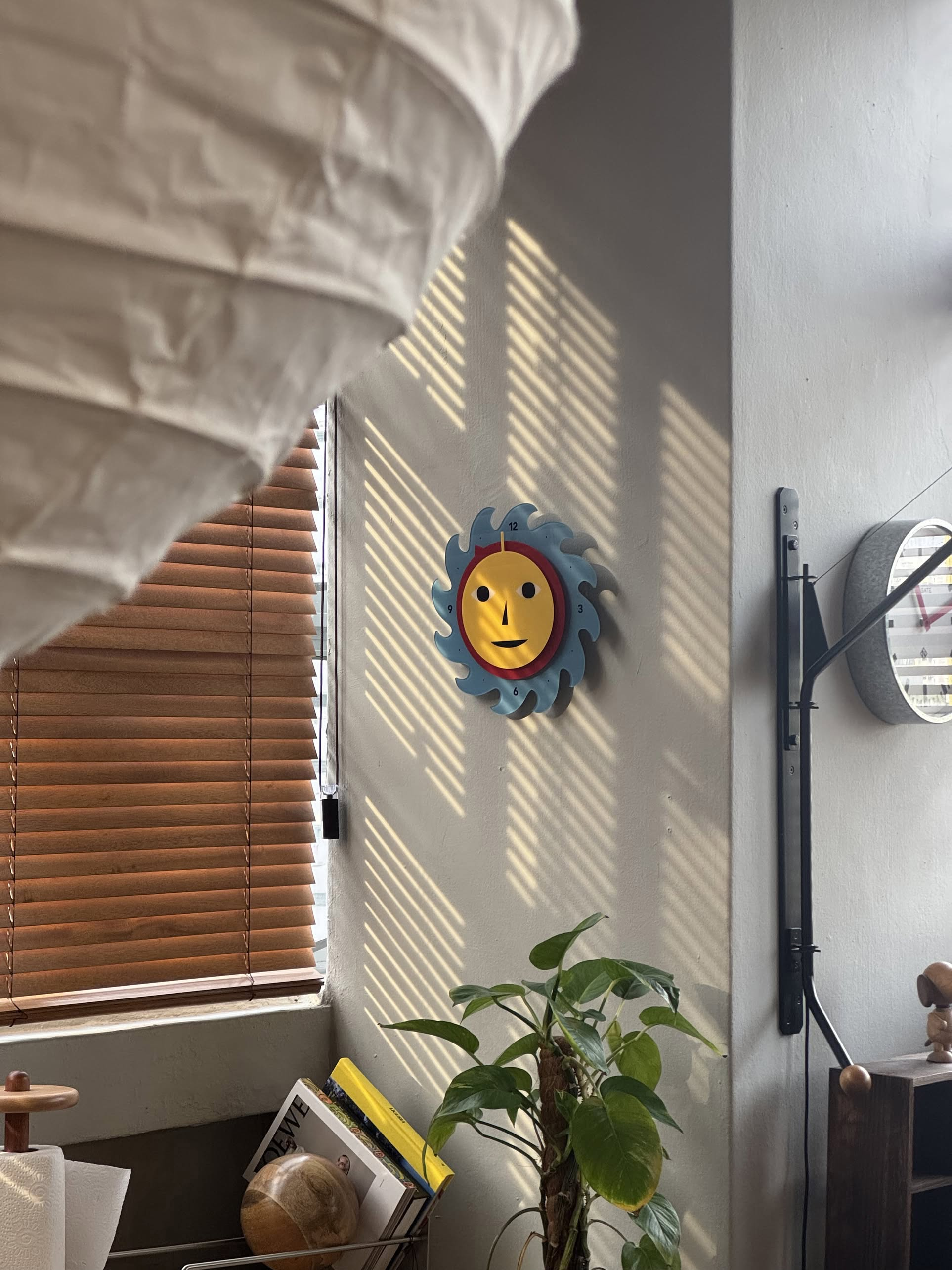
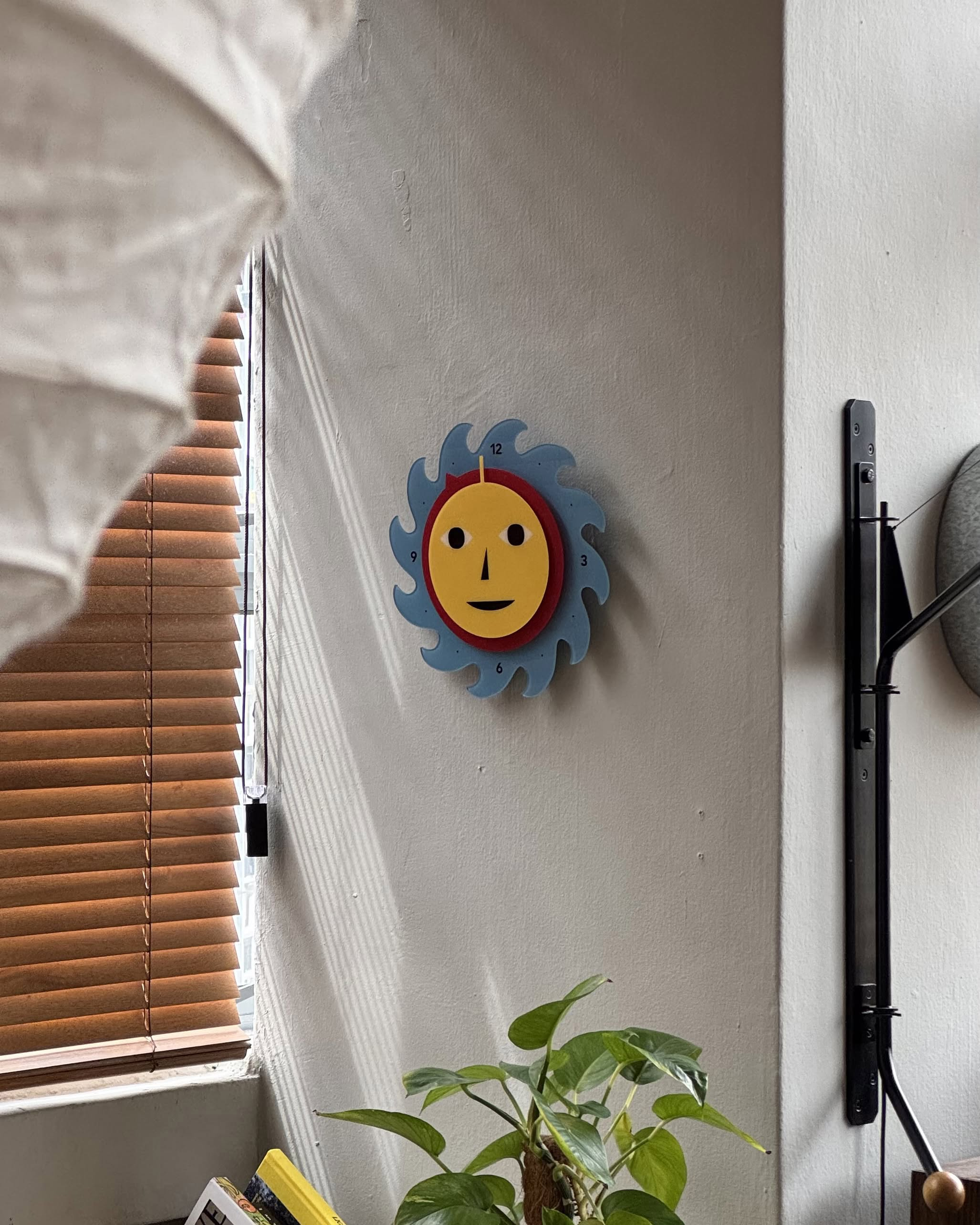
A sun-shaped clock with a face that changes as the hands move.
Image source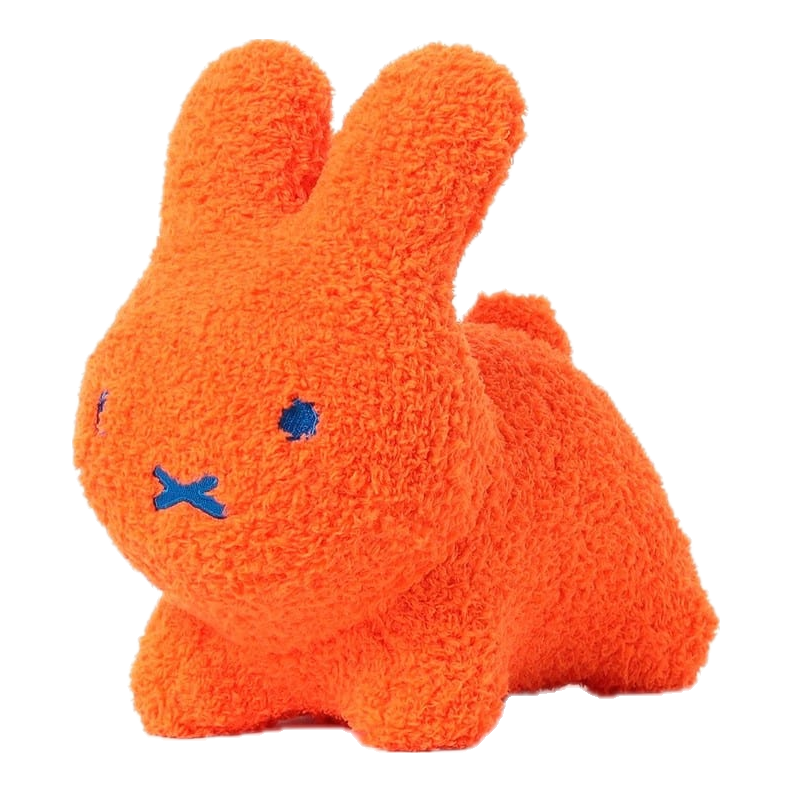
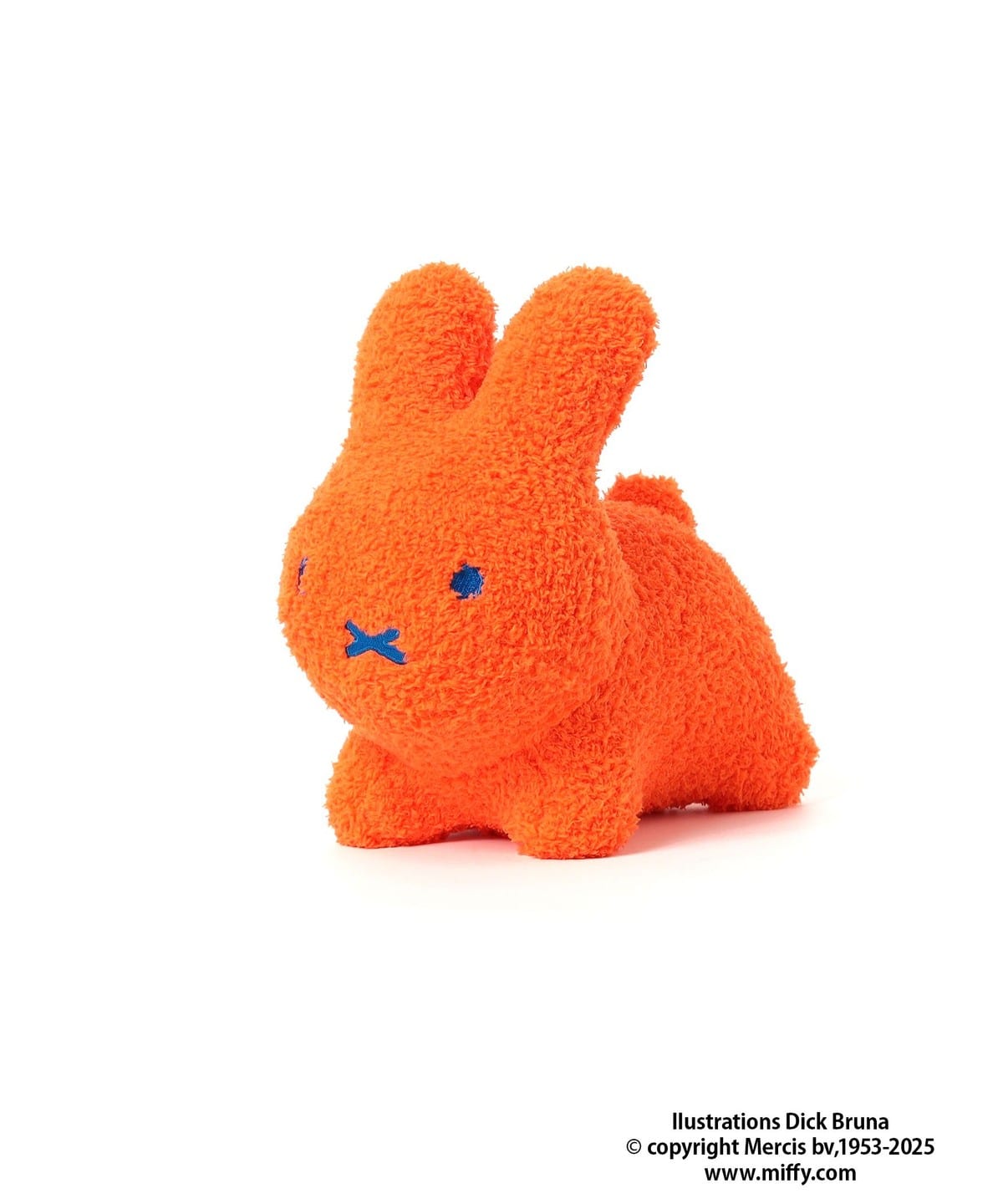
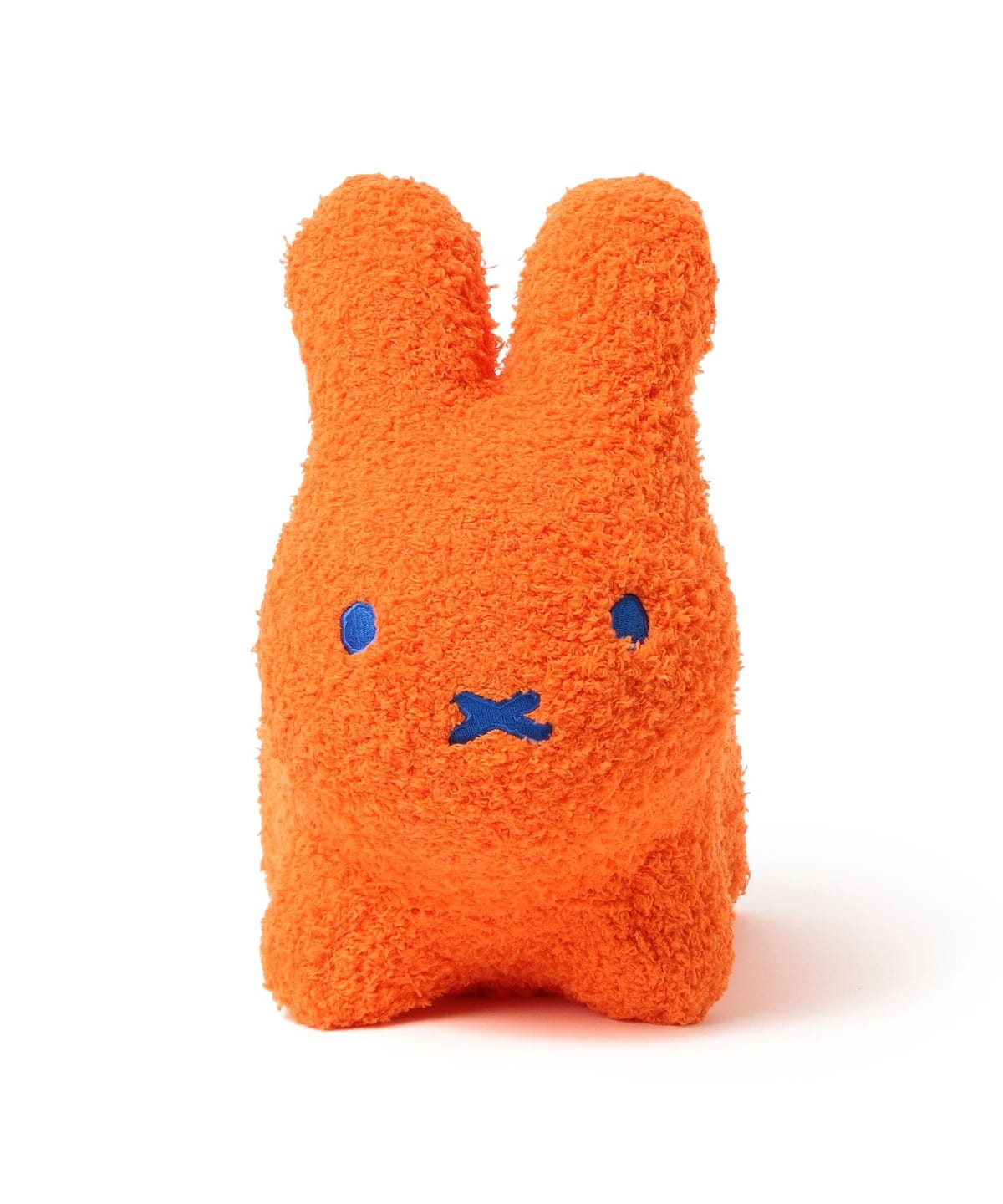
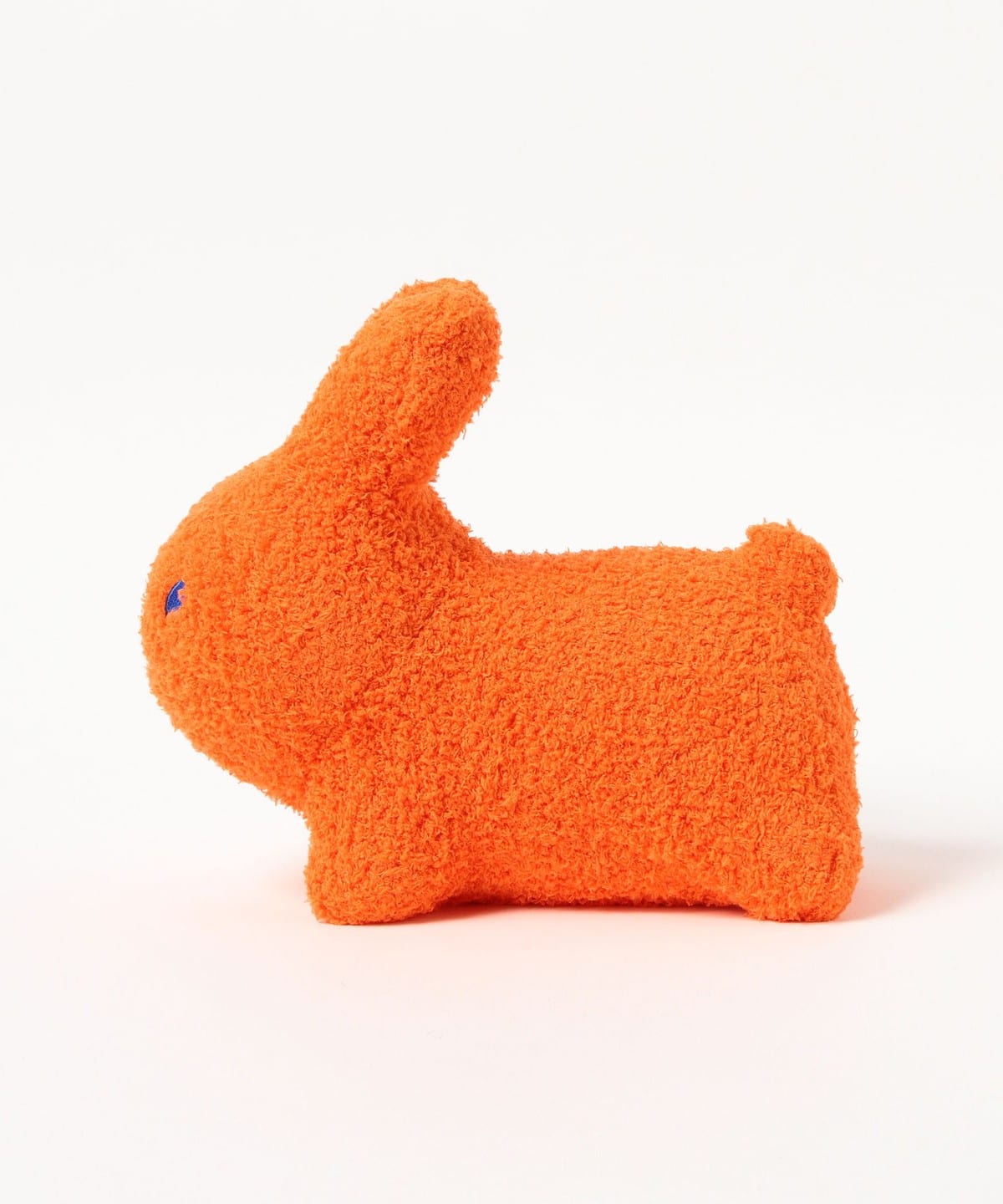
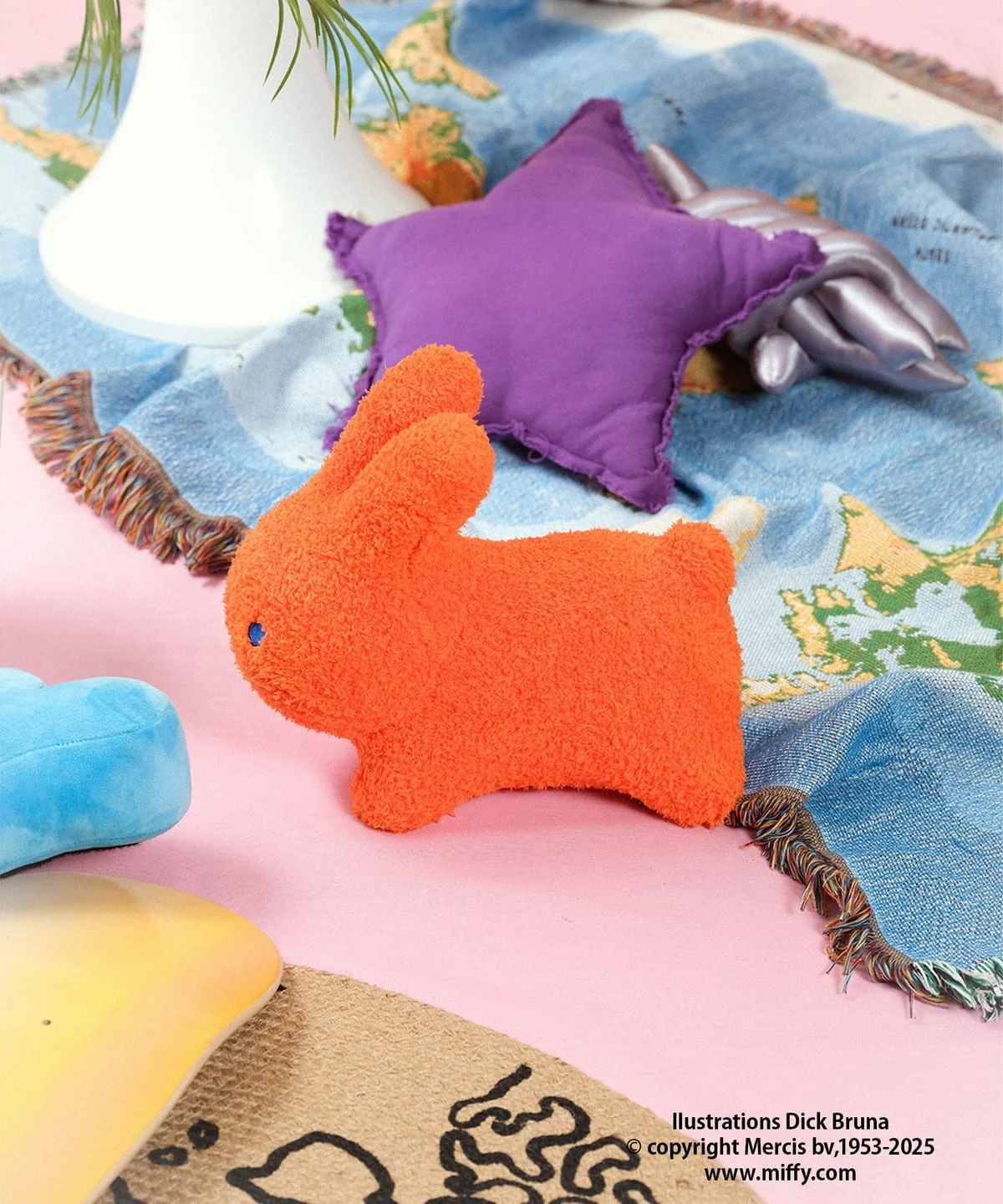
Dick Bruna’s rabbit in a soft, removable orange cover, made exclusively for BEAMS.
Image source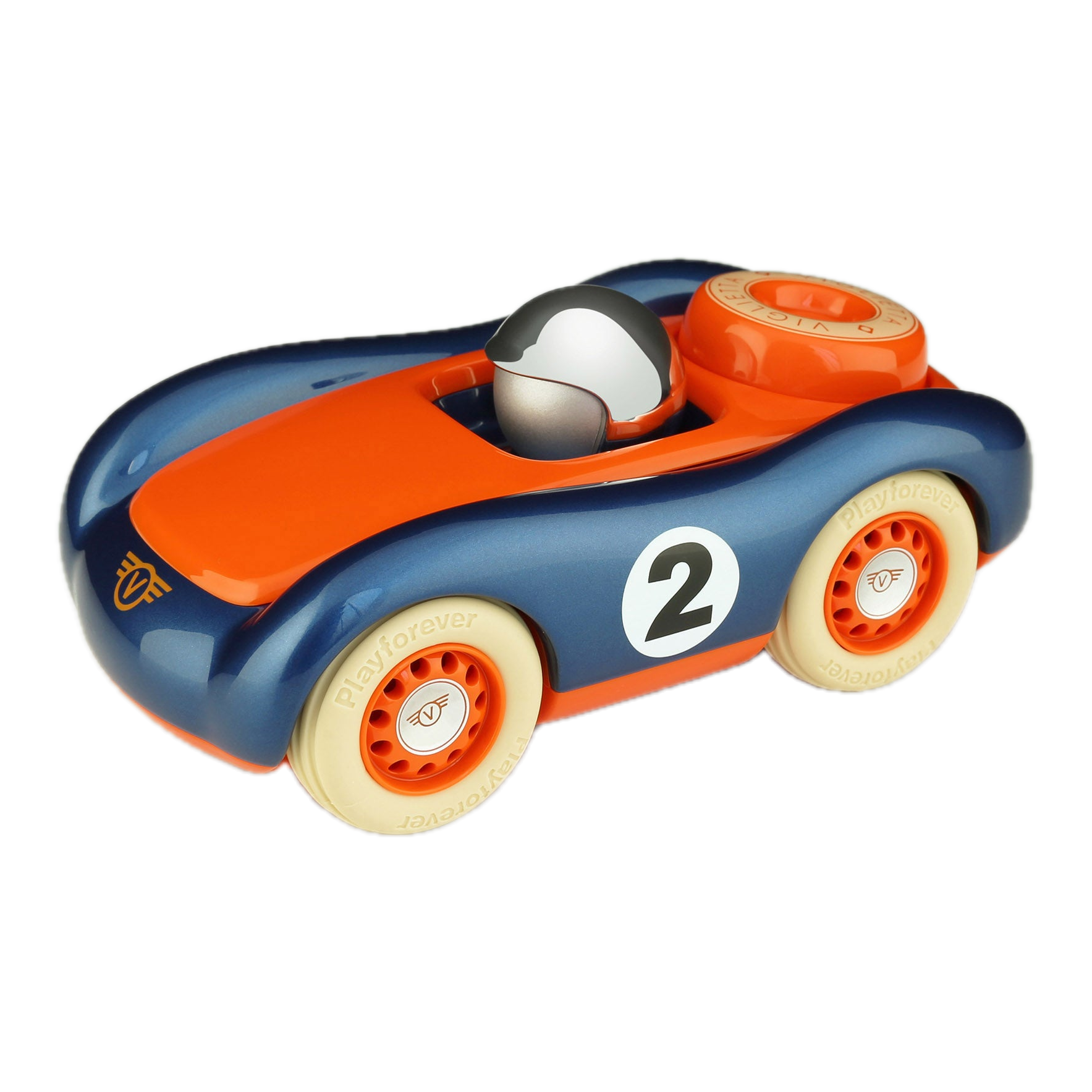
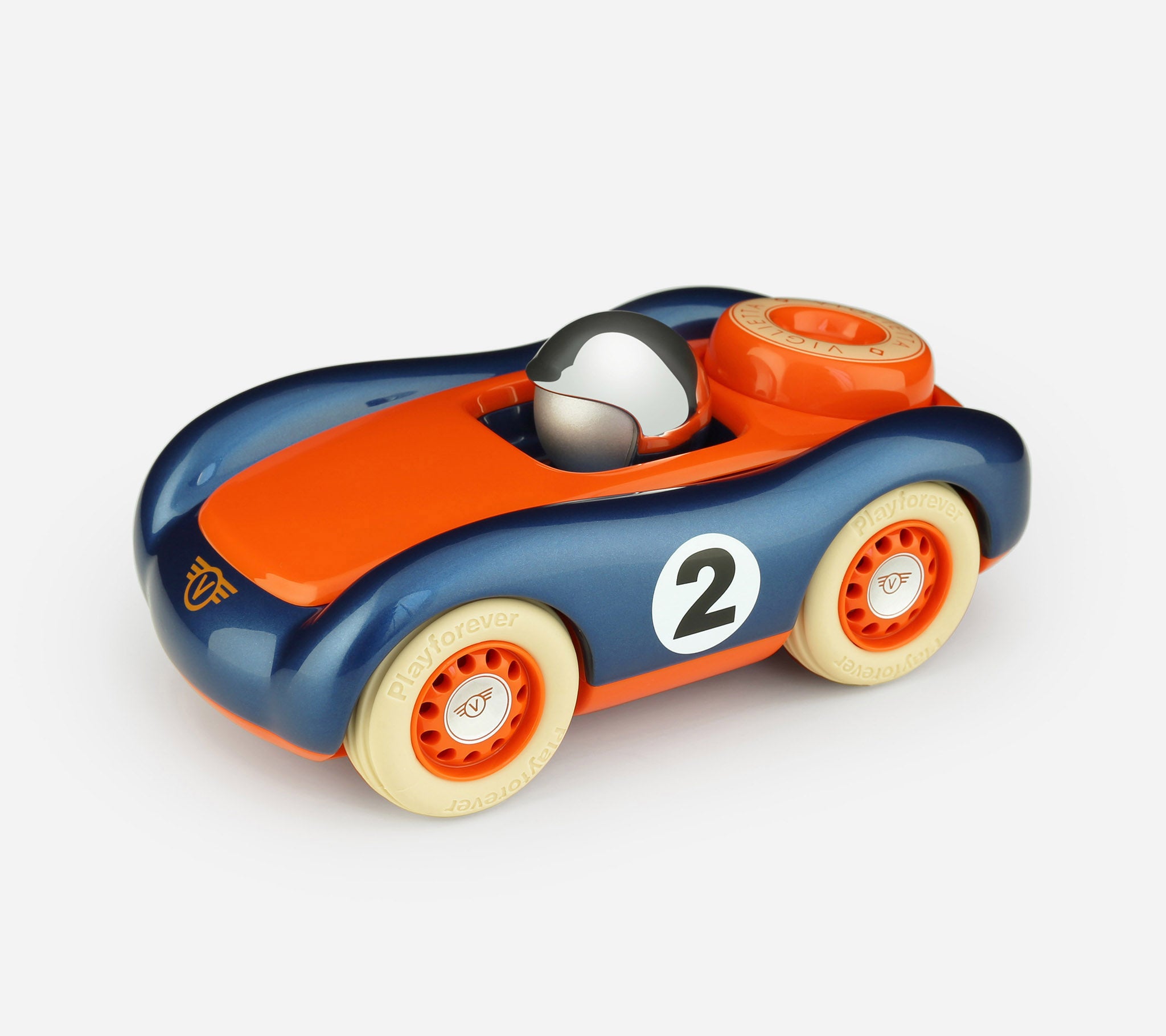
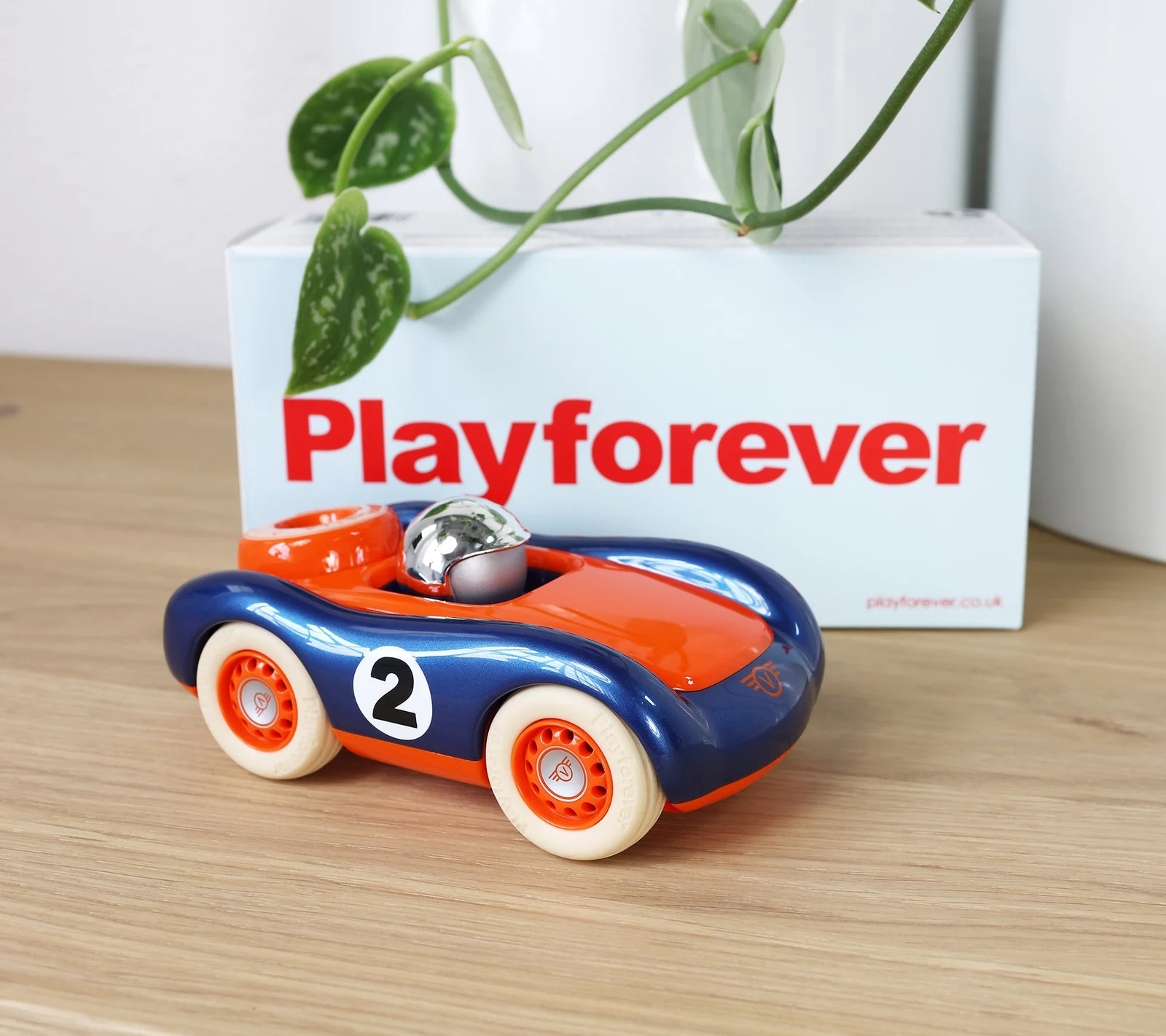
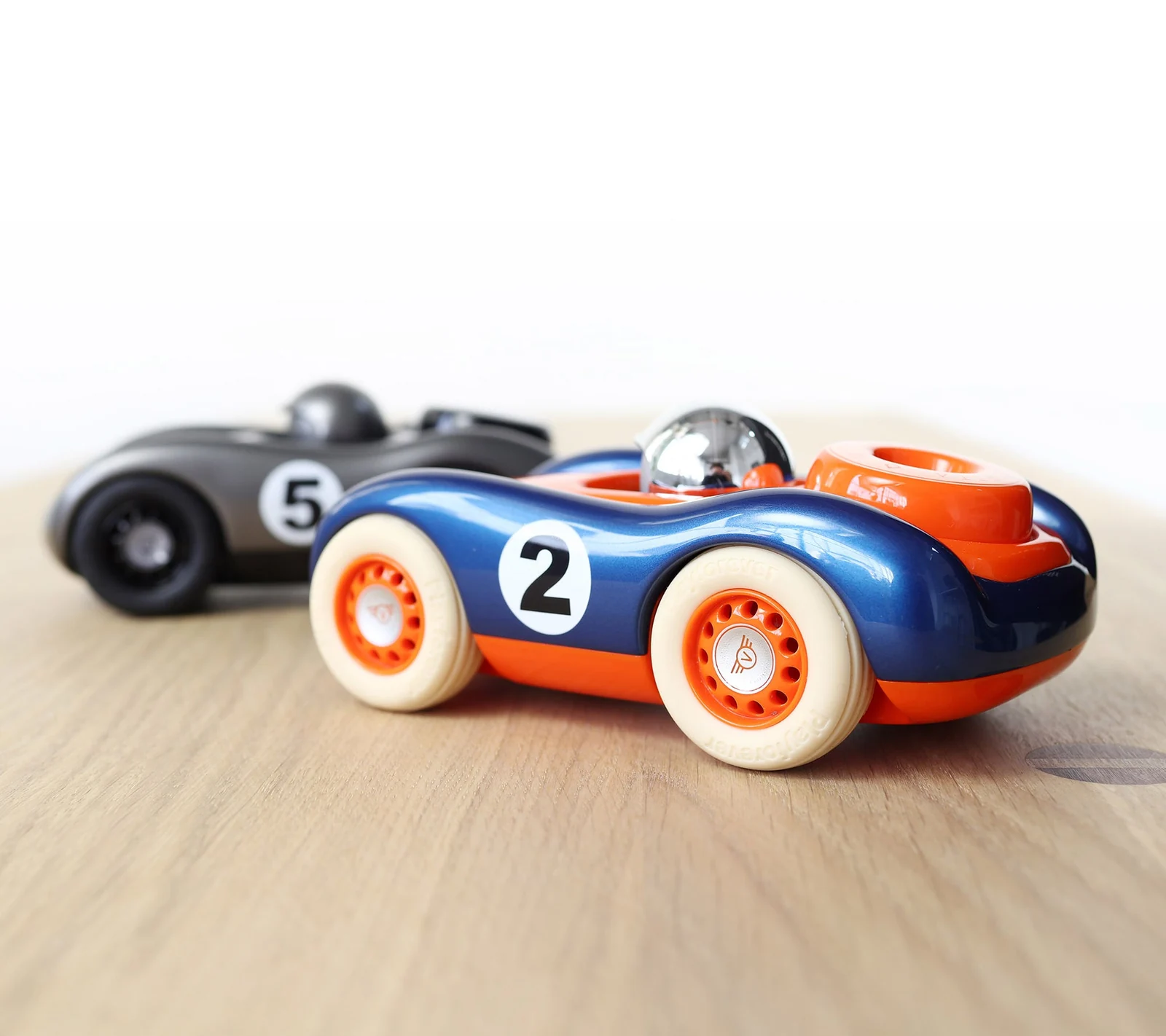
A small racing car with a metallic blue body, orange cockpit, and rubber tires.
Image source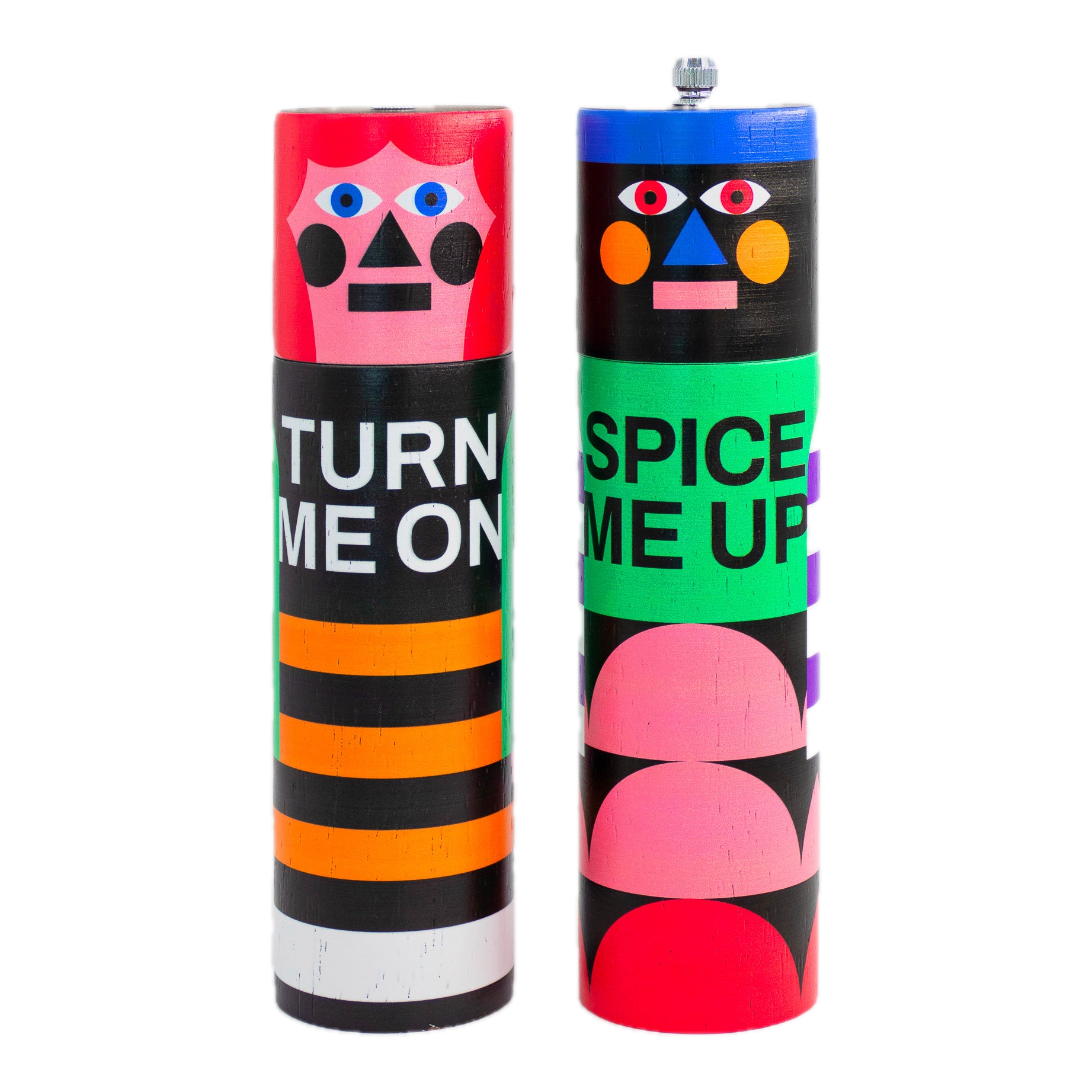
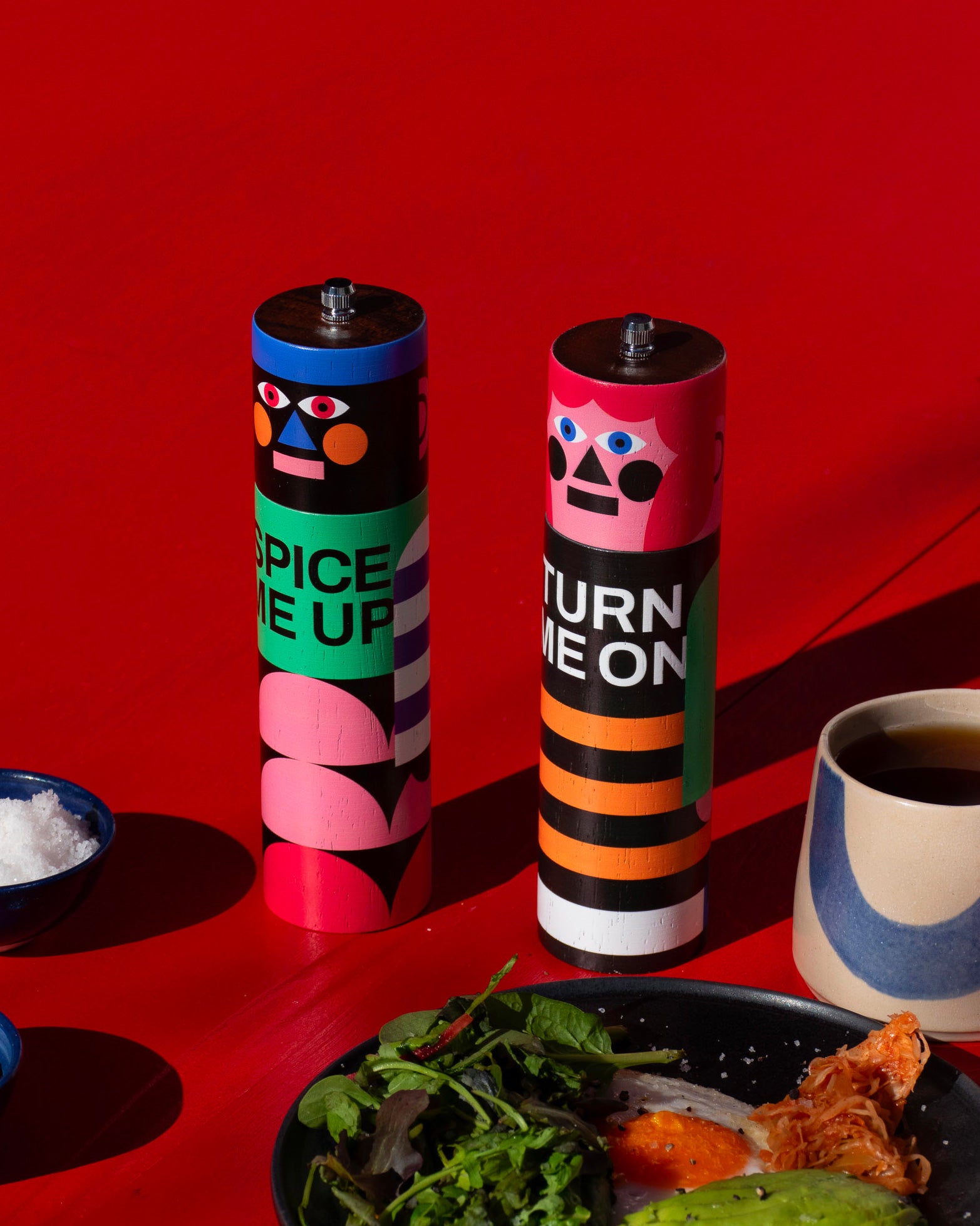
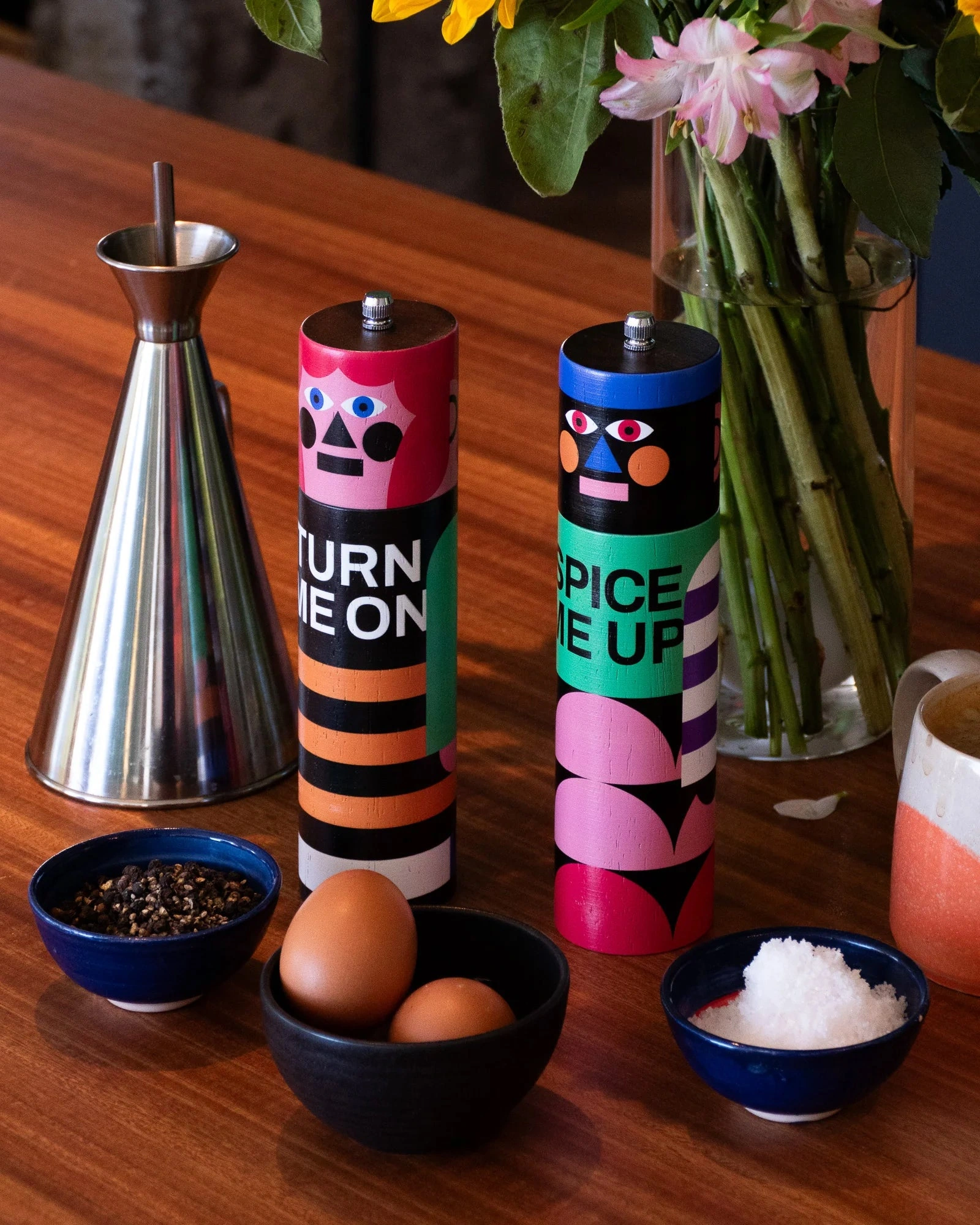
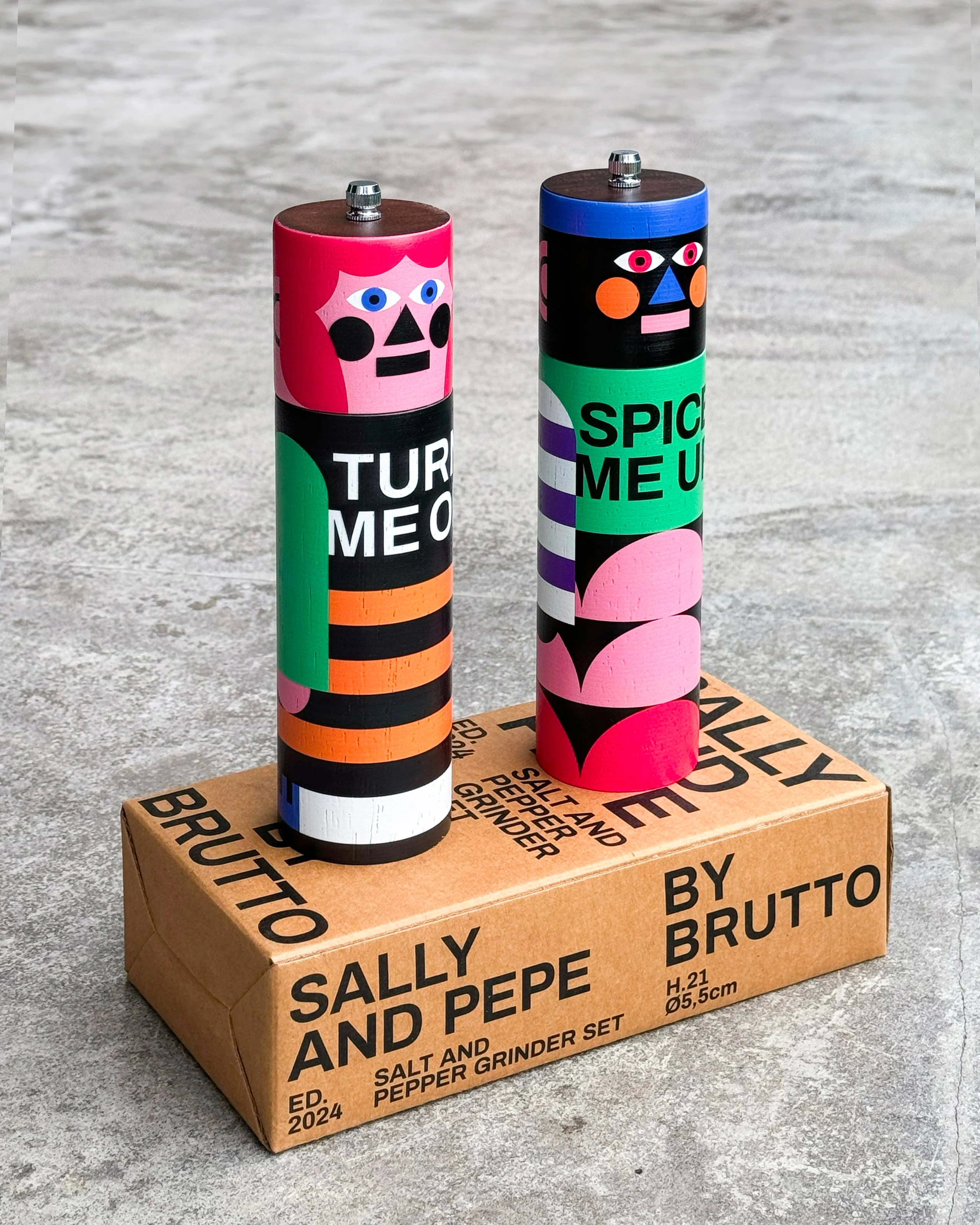
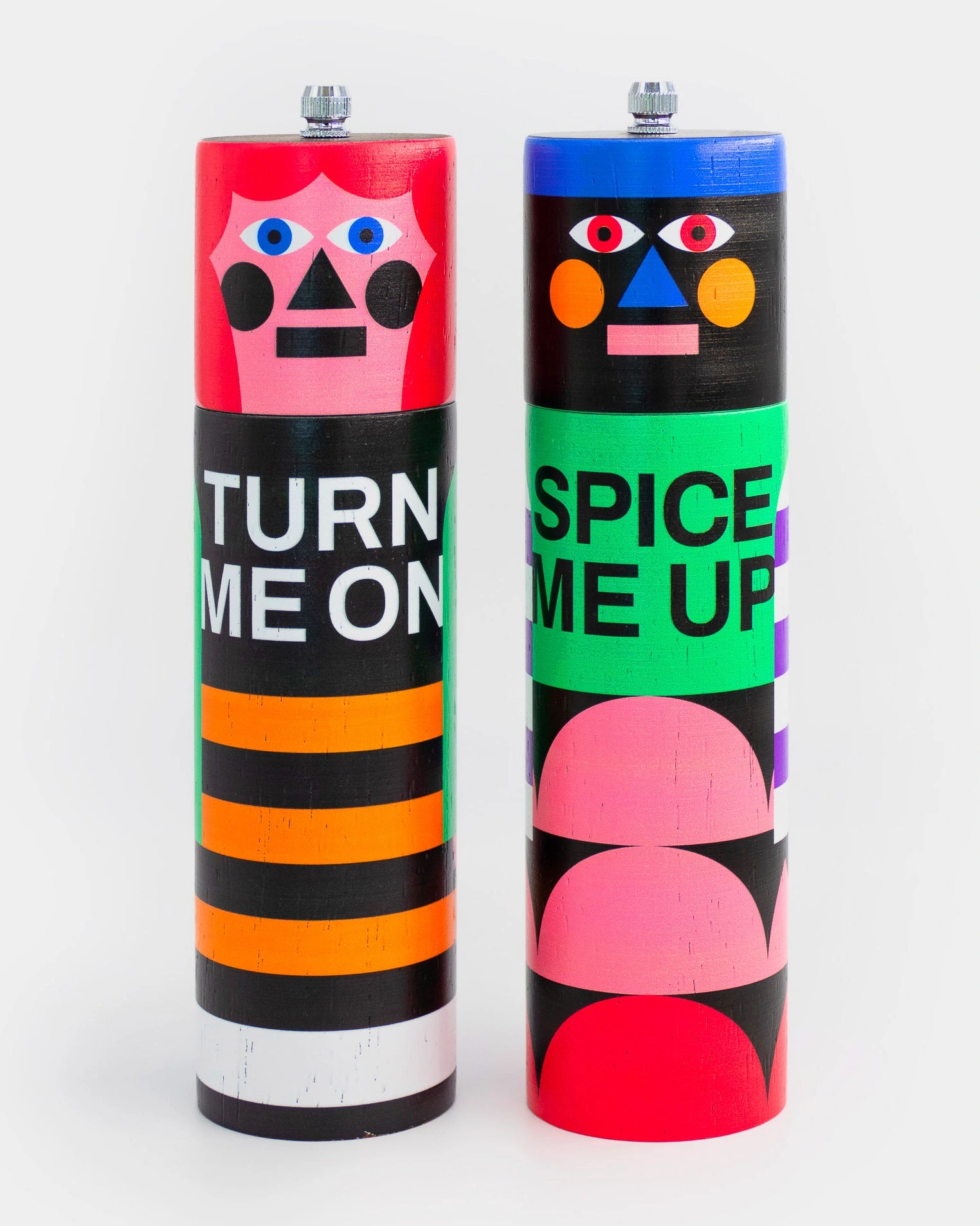
Marco Oggian’s graphic salt and pepper grinders bring two characters to the table.
Image source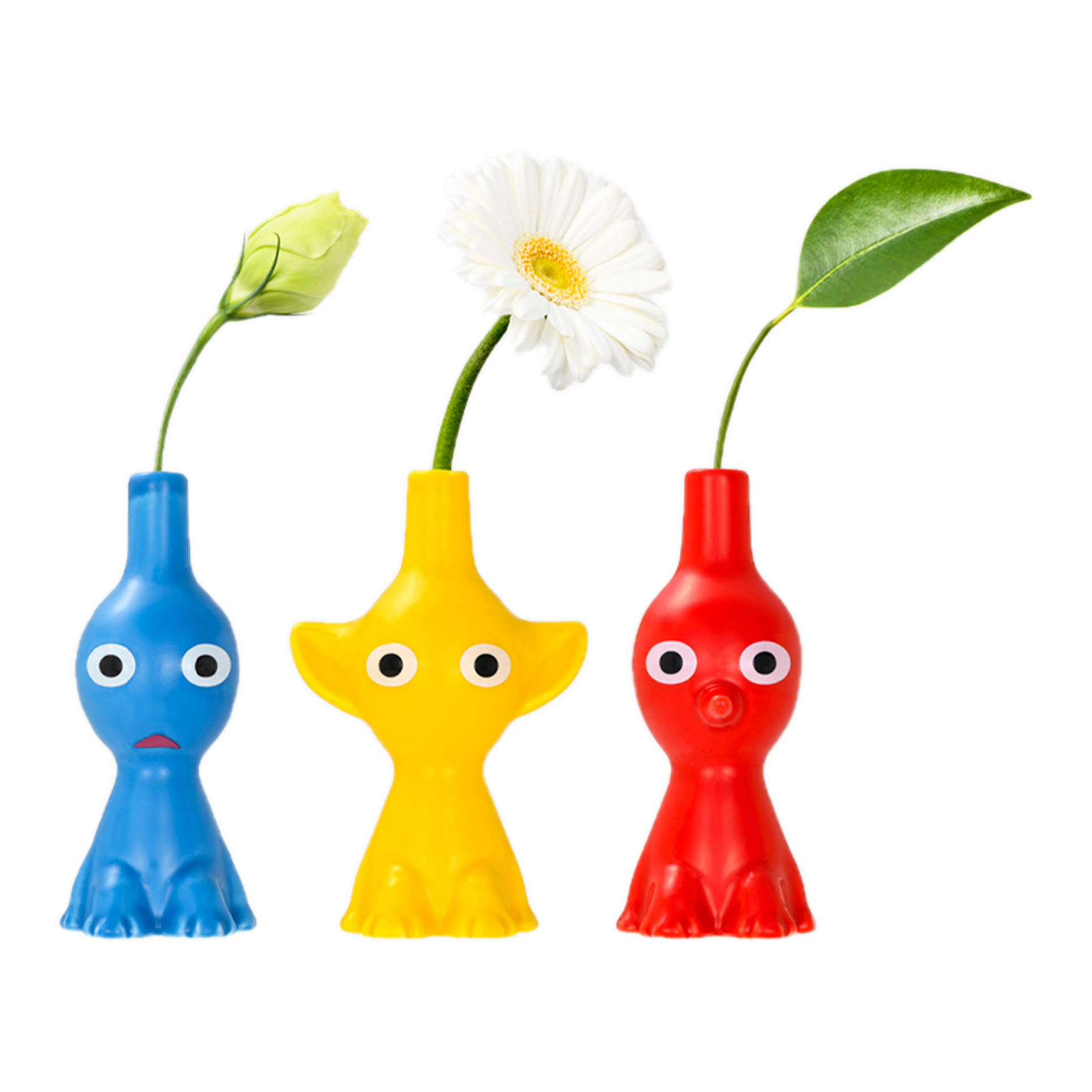
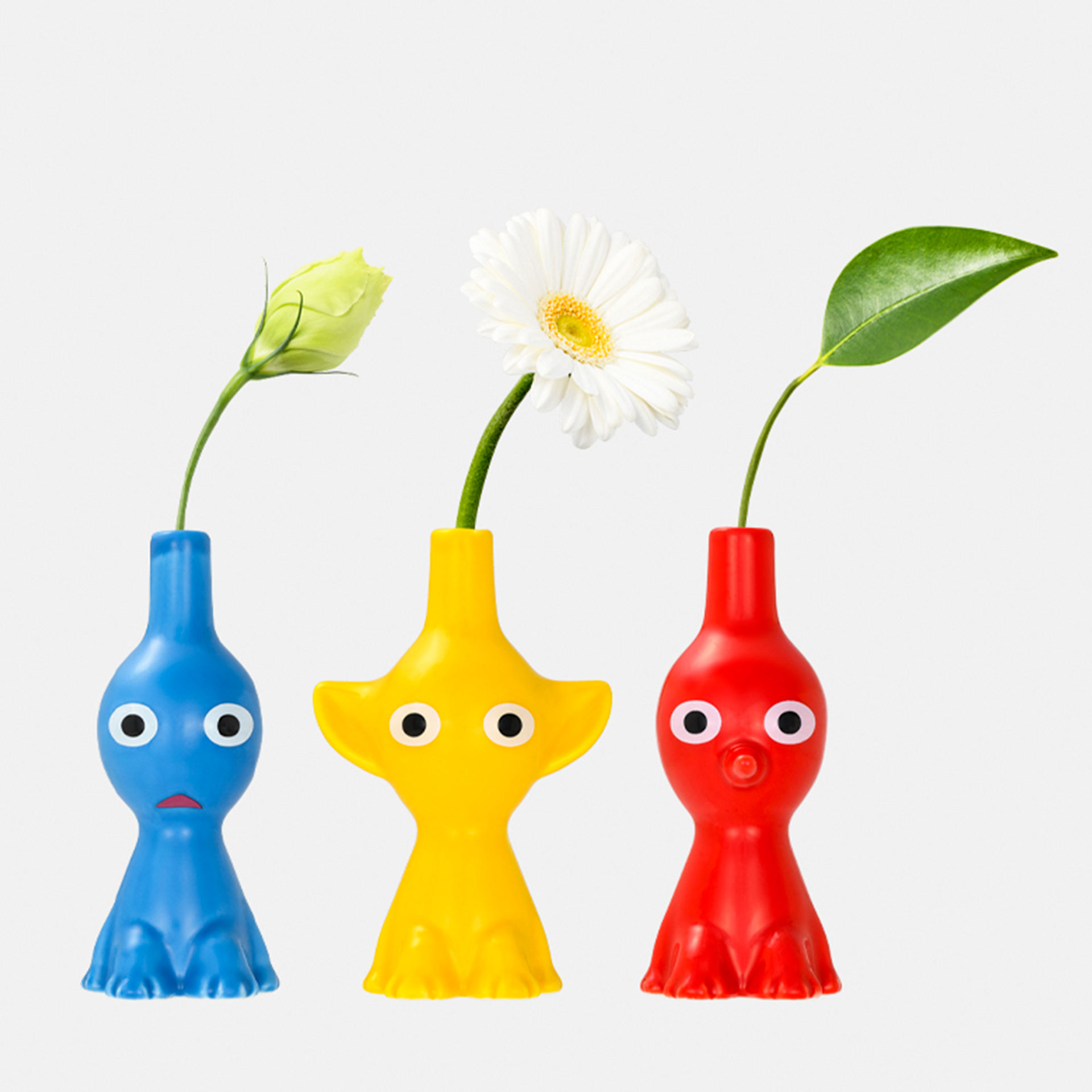
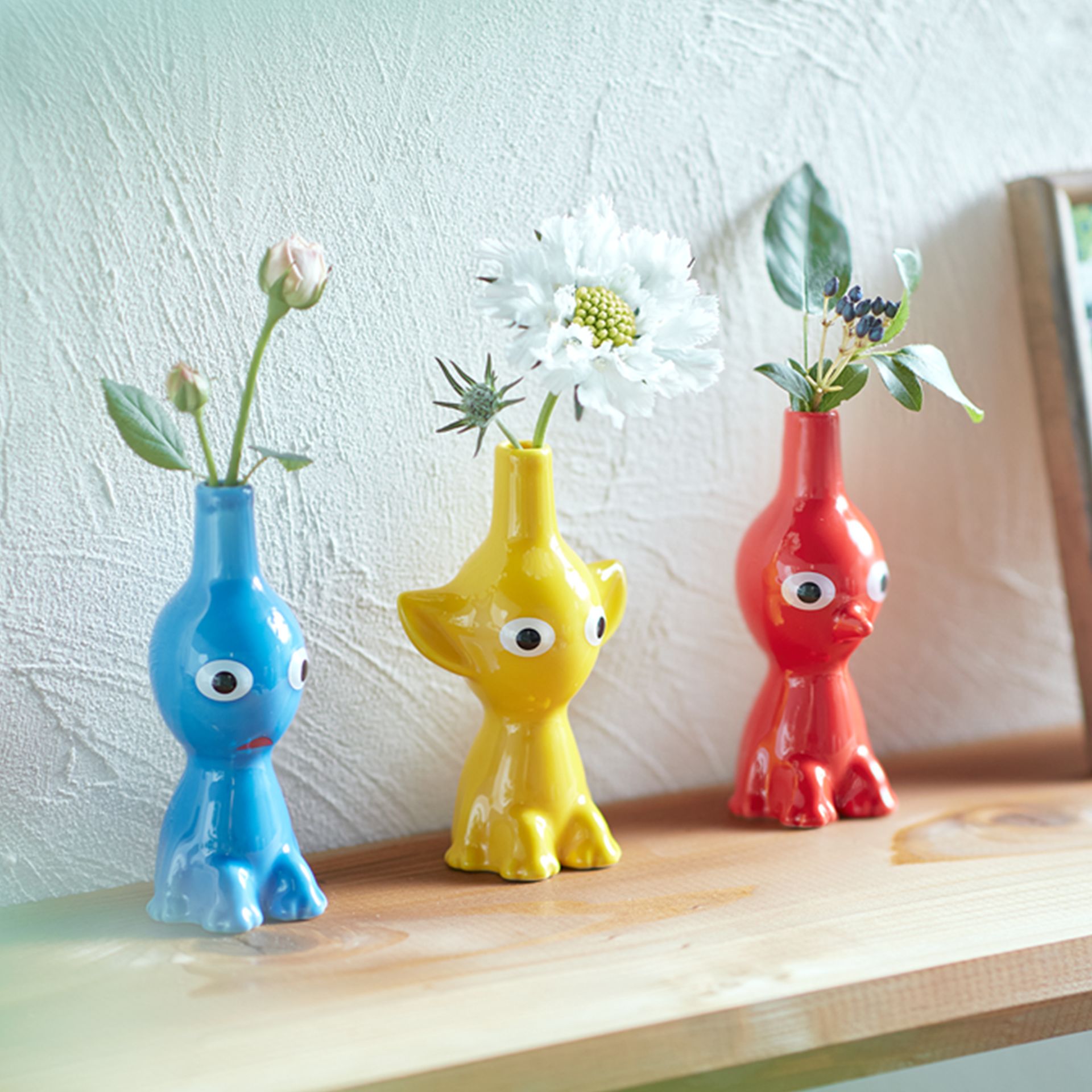
Red, yellow, and blue Pikmin become ceramic vases, each holding a single stem.
Image source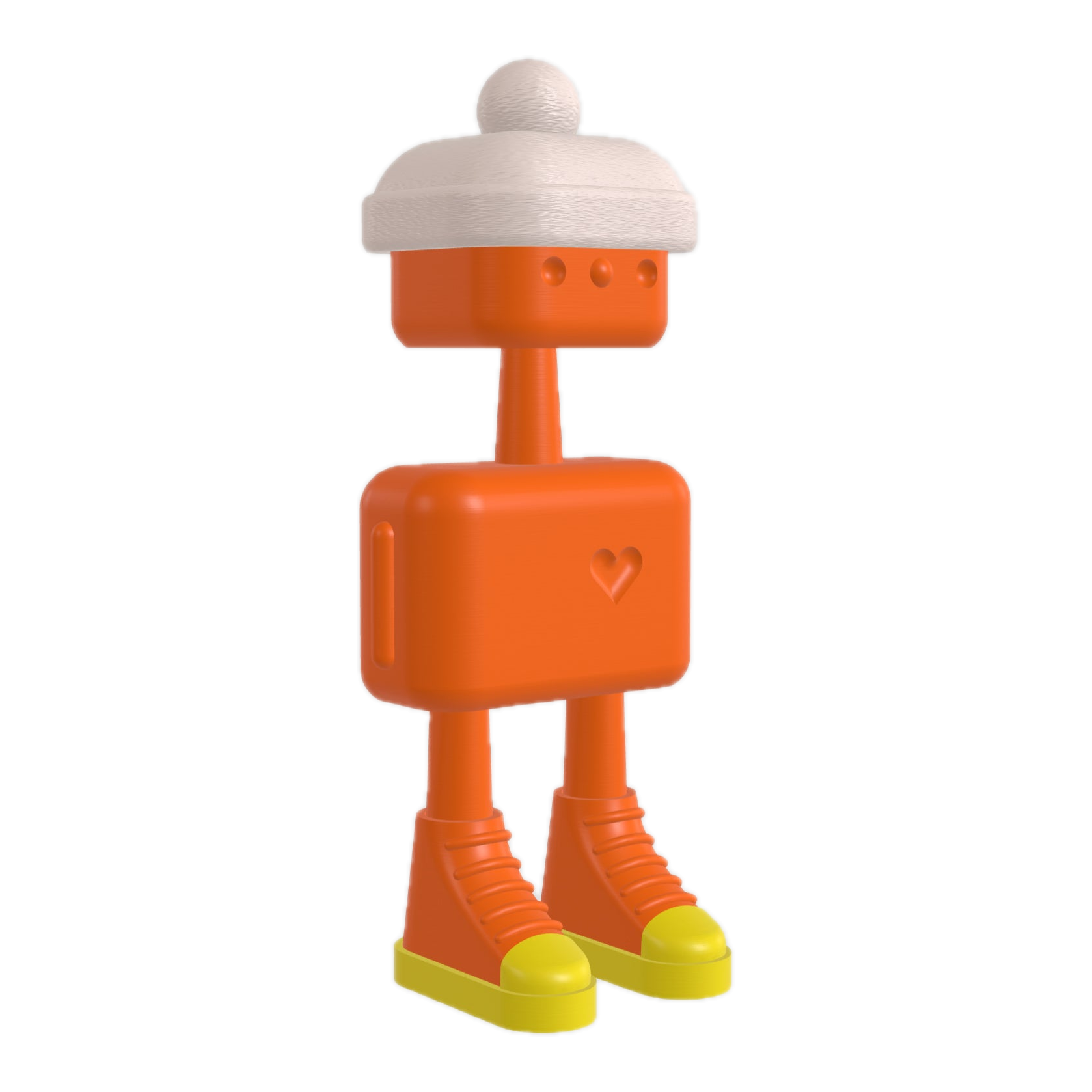
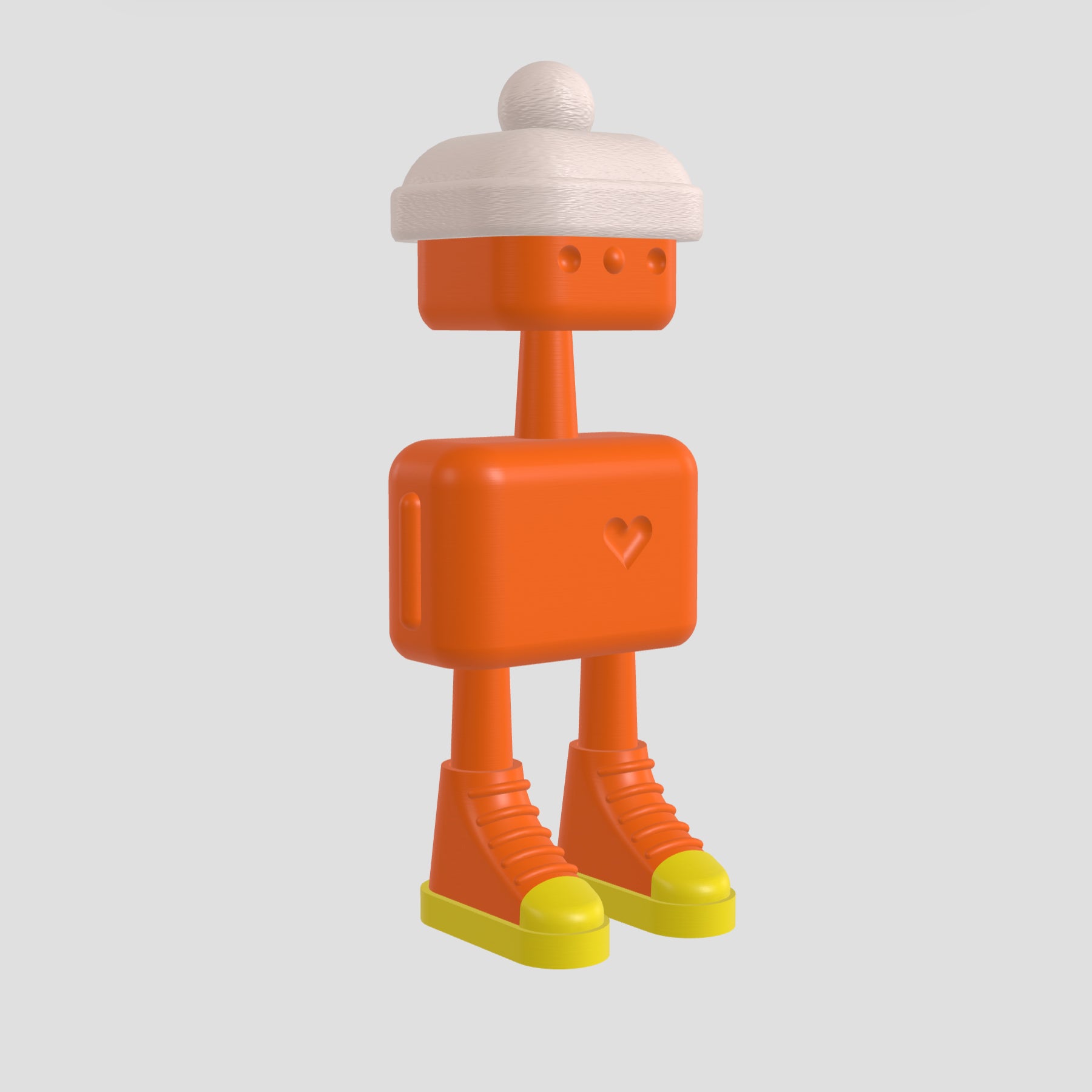
A persimmon-orange Robi figure with a cream beanie, yellow-soled boots, and a heart on its chest.
Image source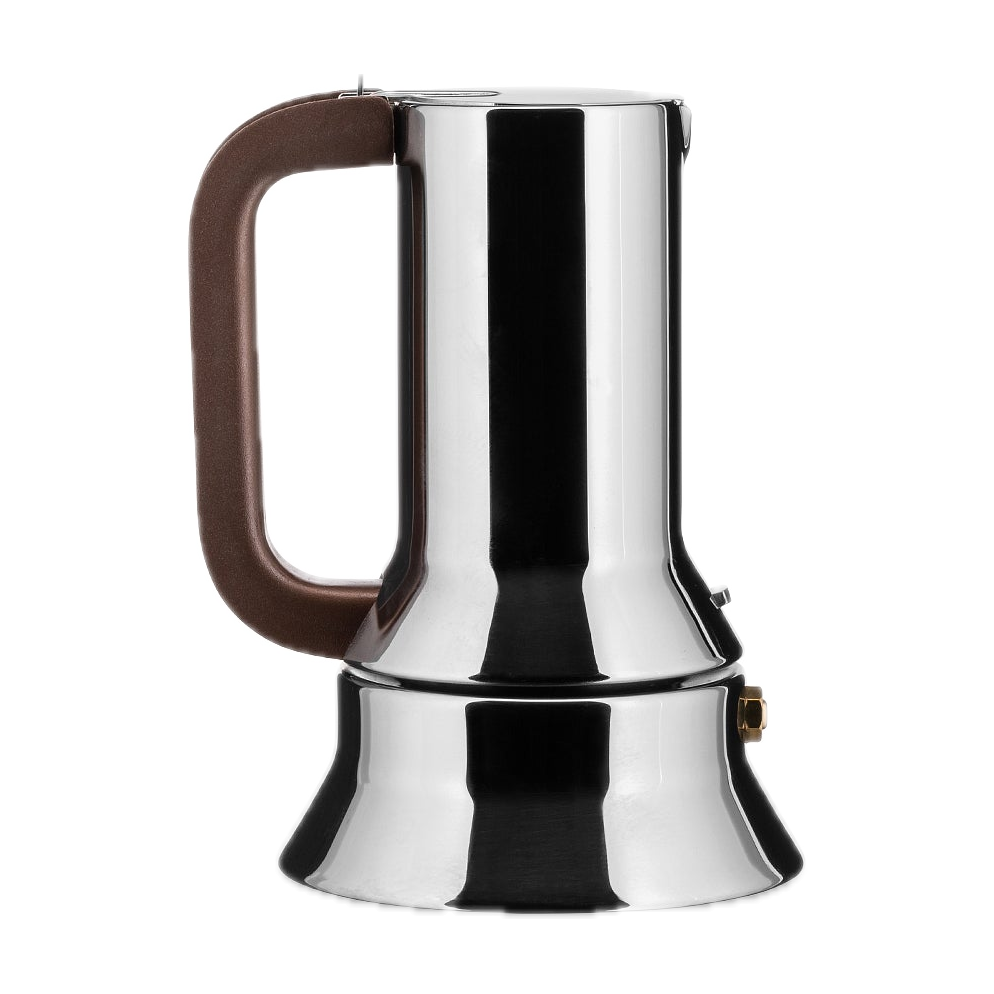
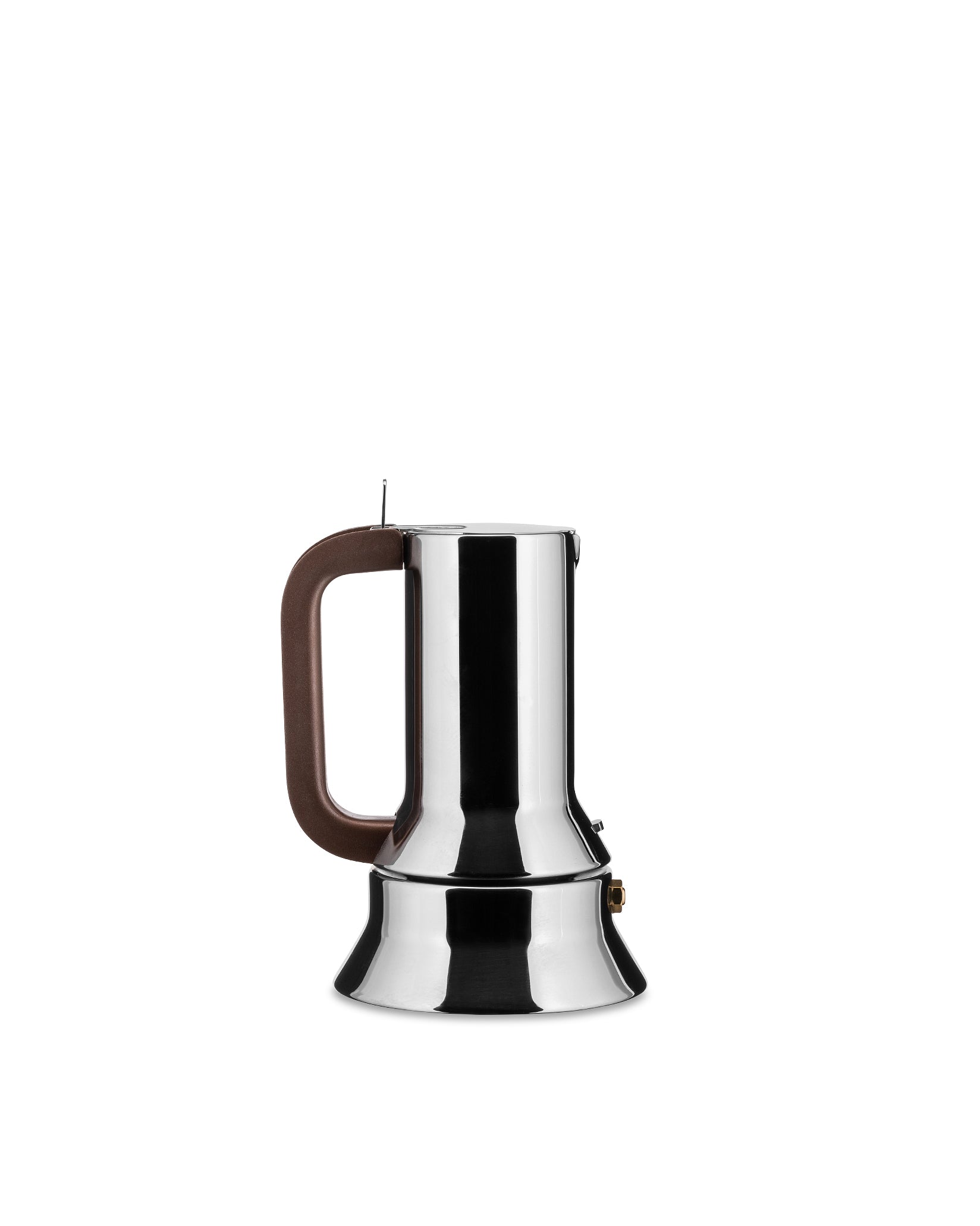
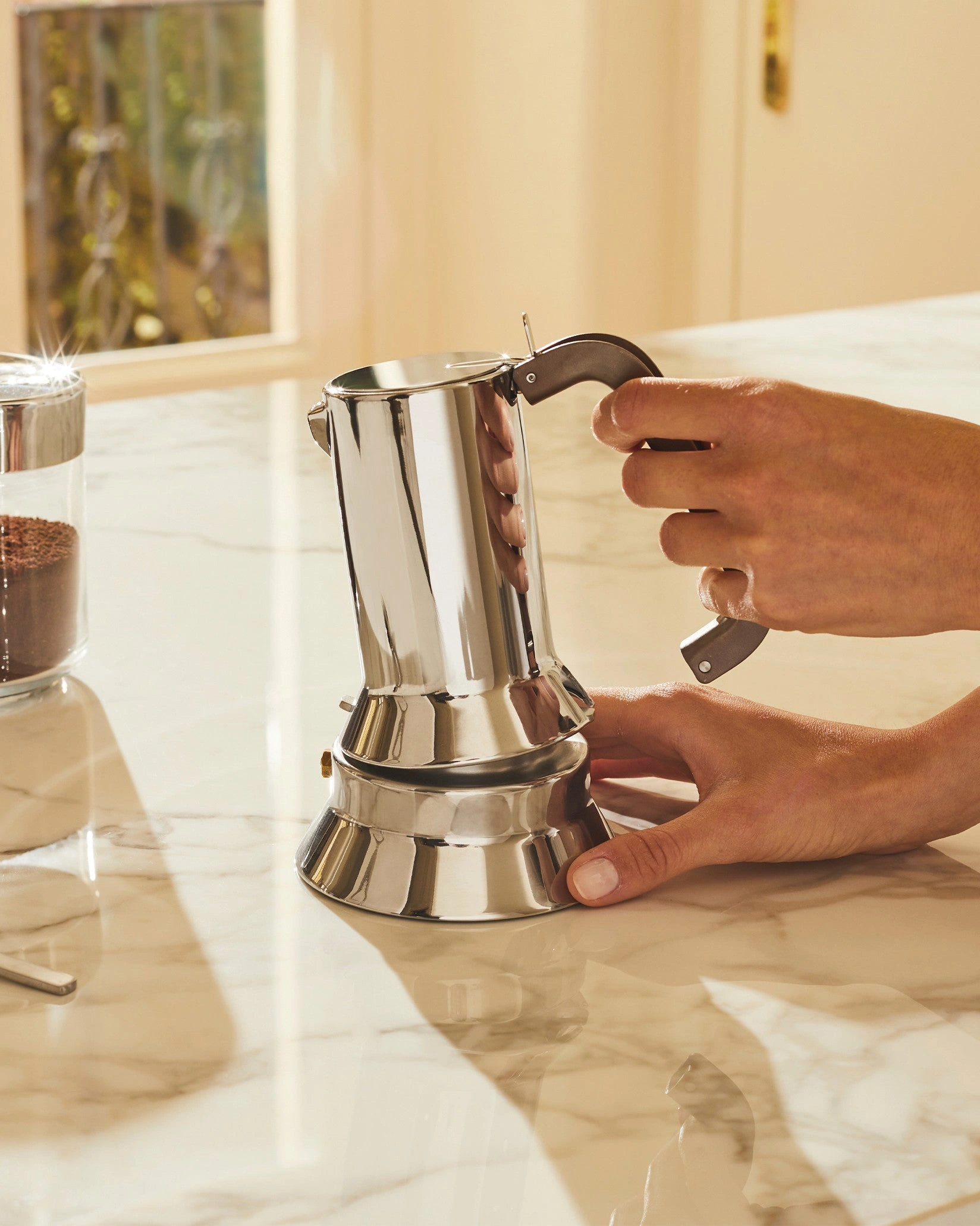
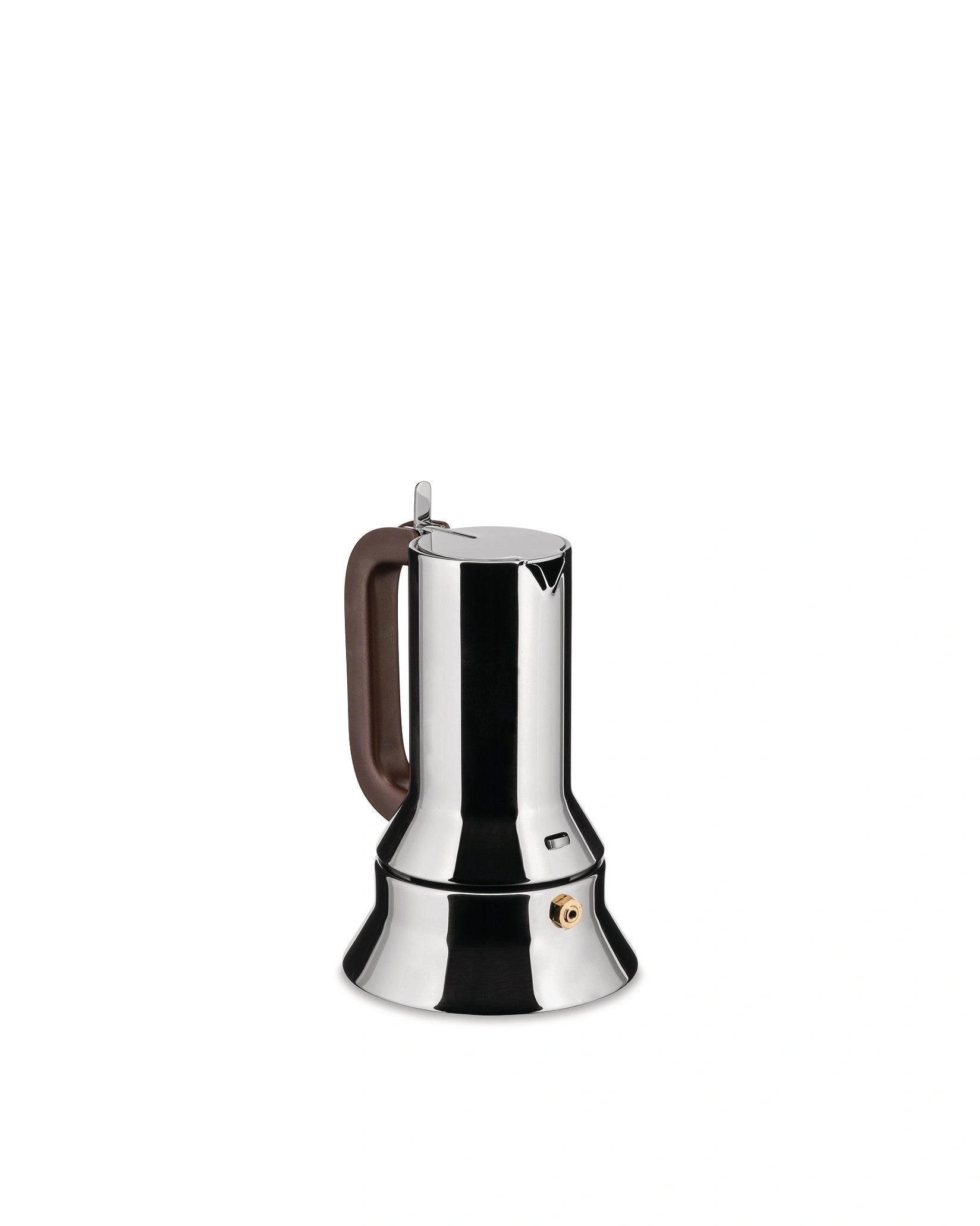
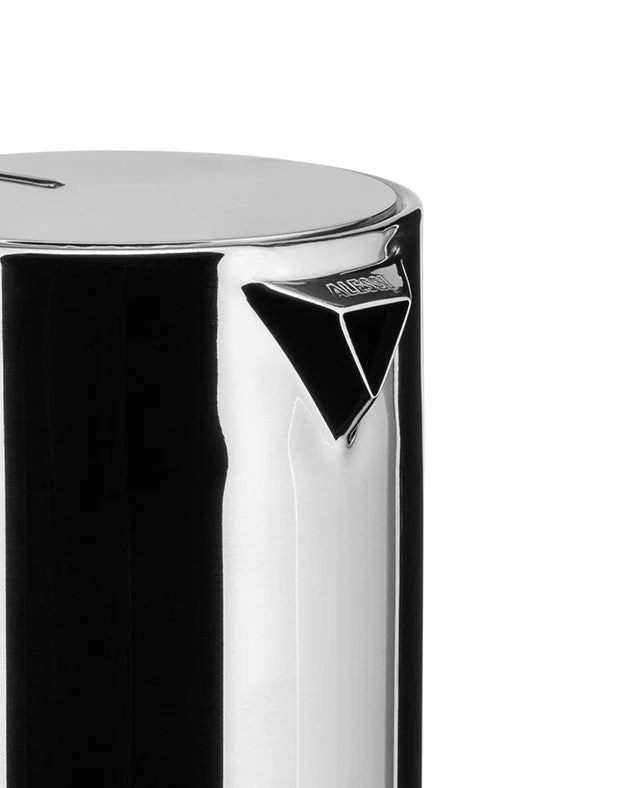
Richard Sapper’s stainless steel espresso maker, with a handle that locks the body closed.
Image source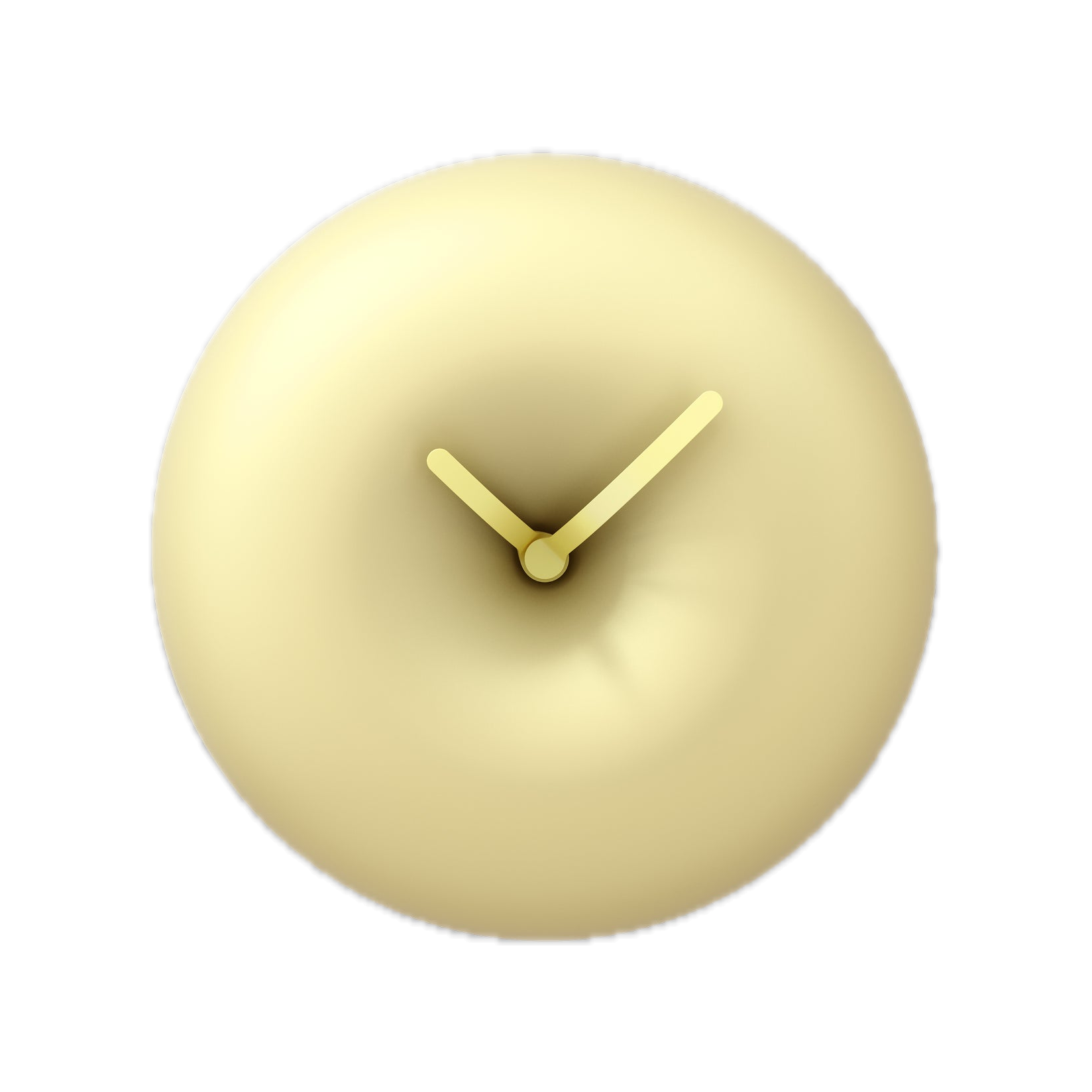
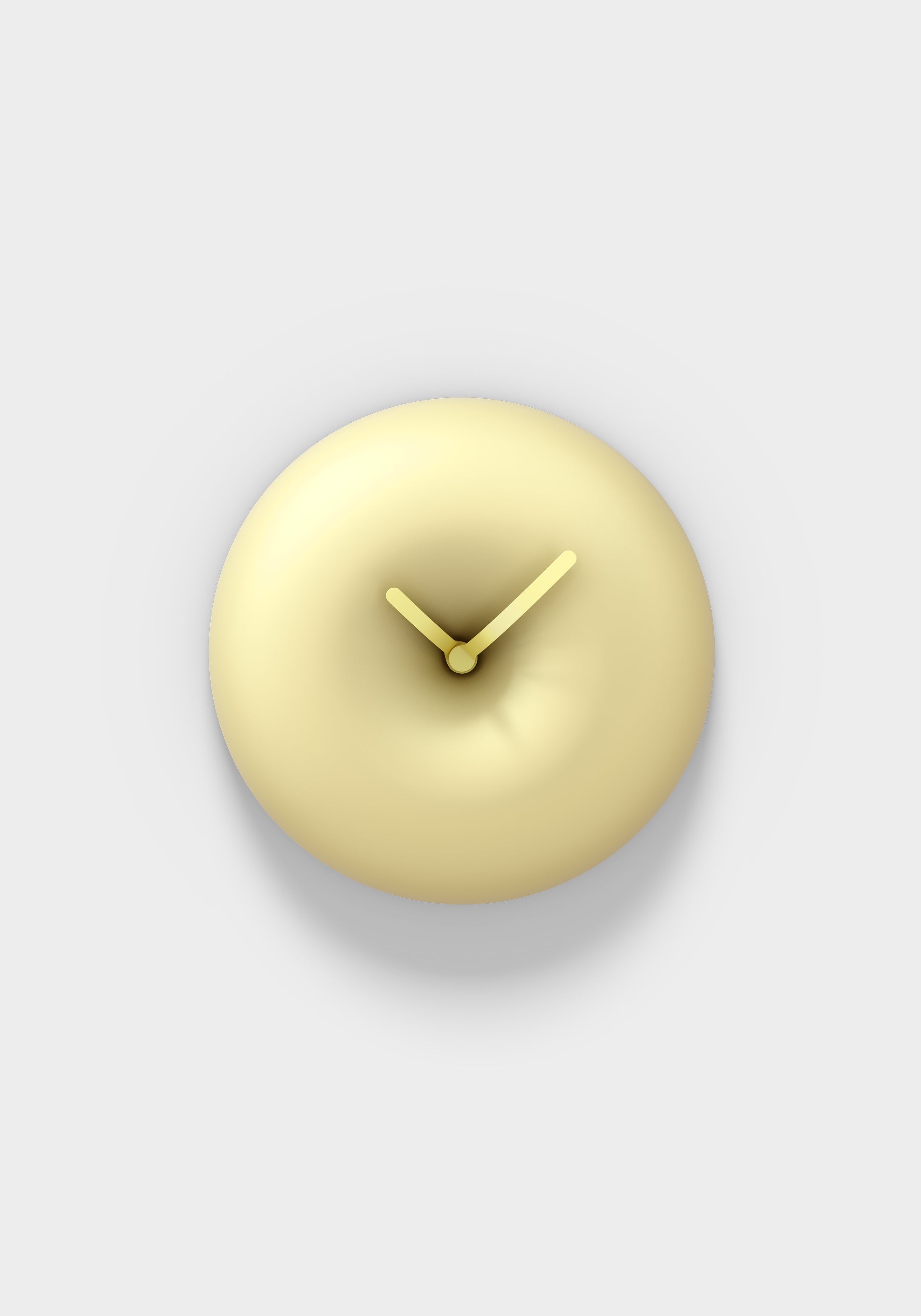
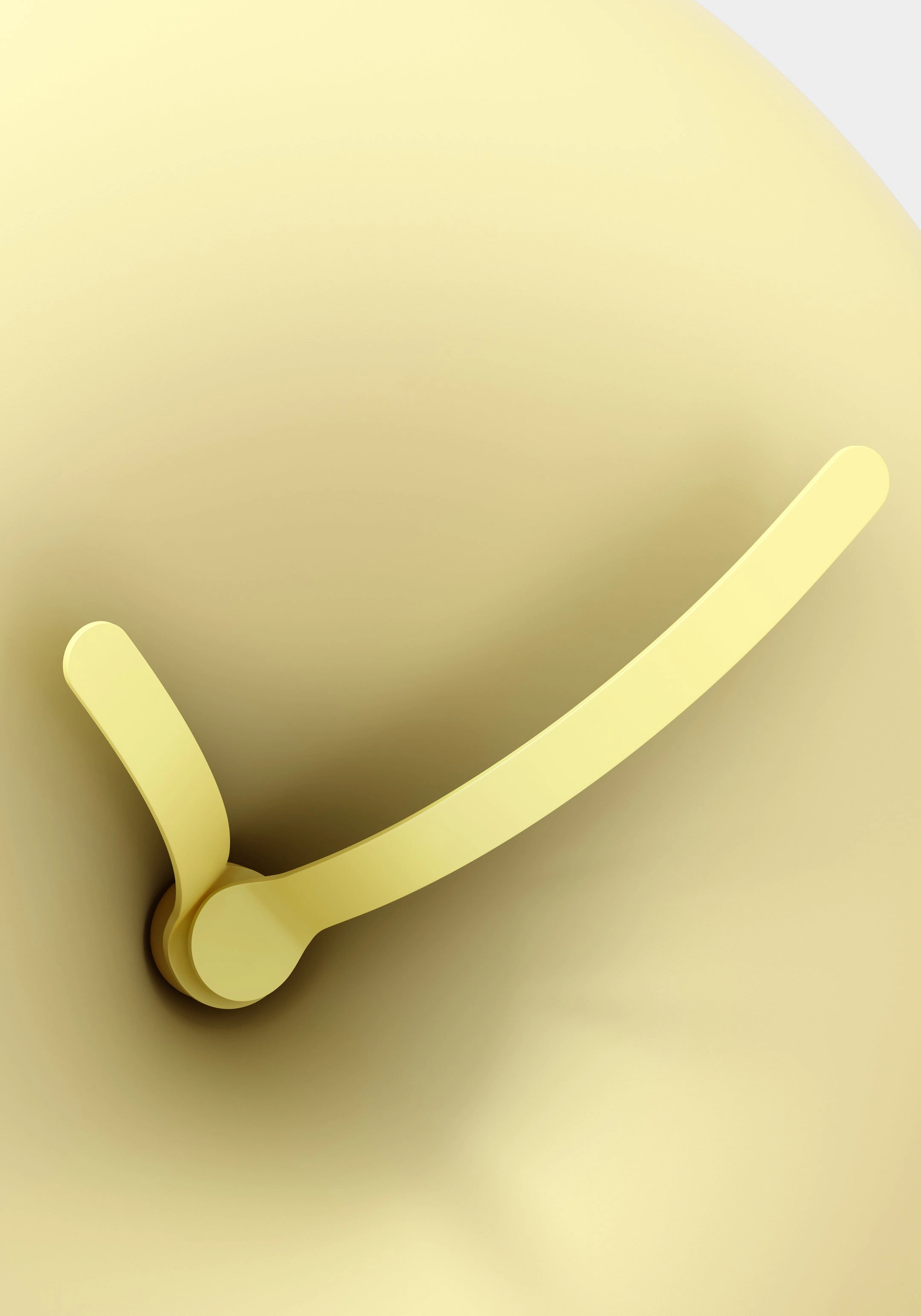
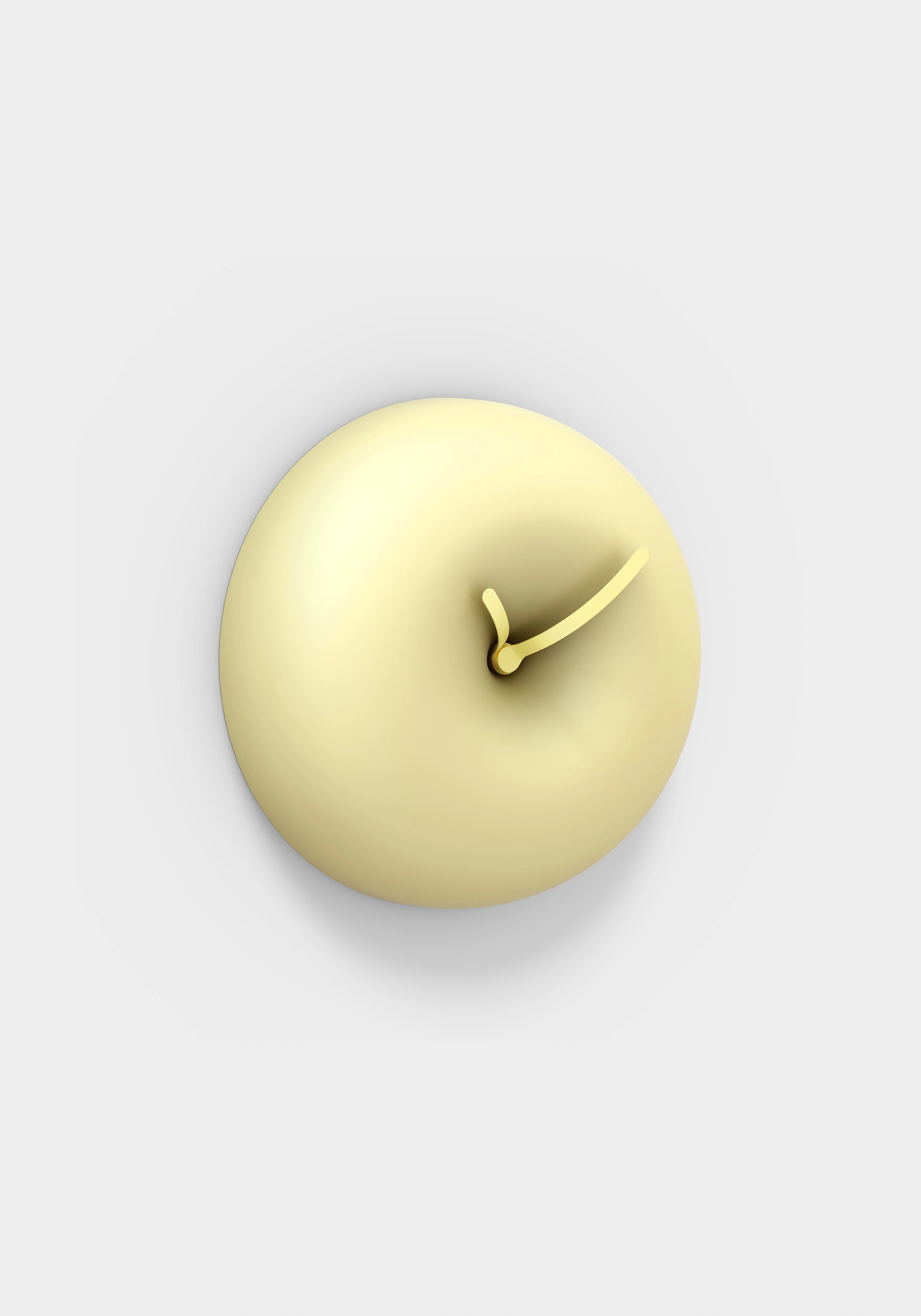
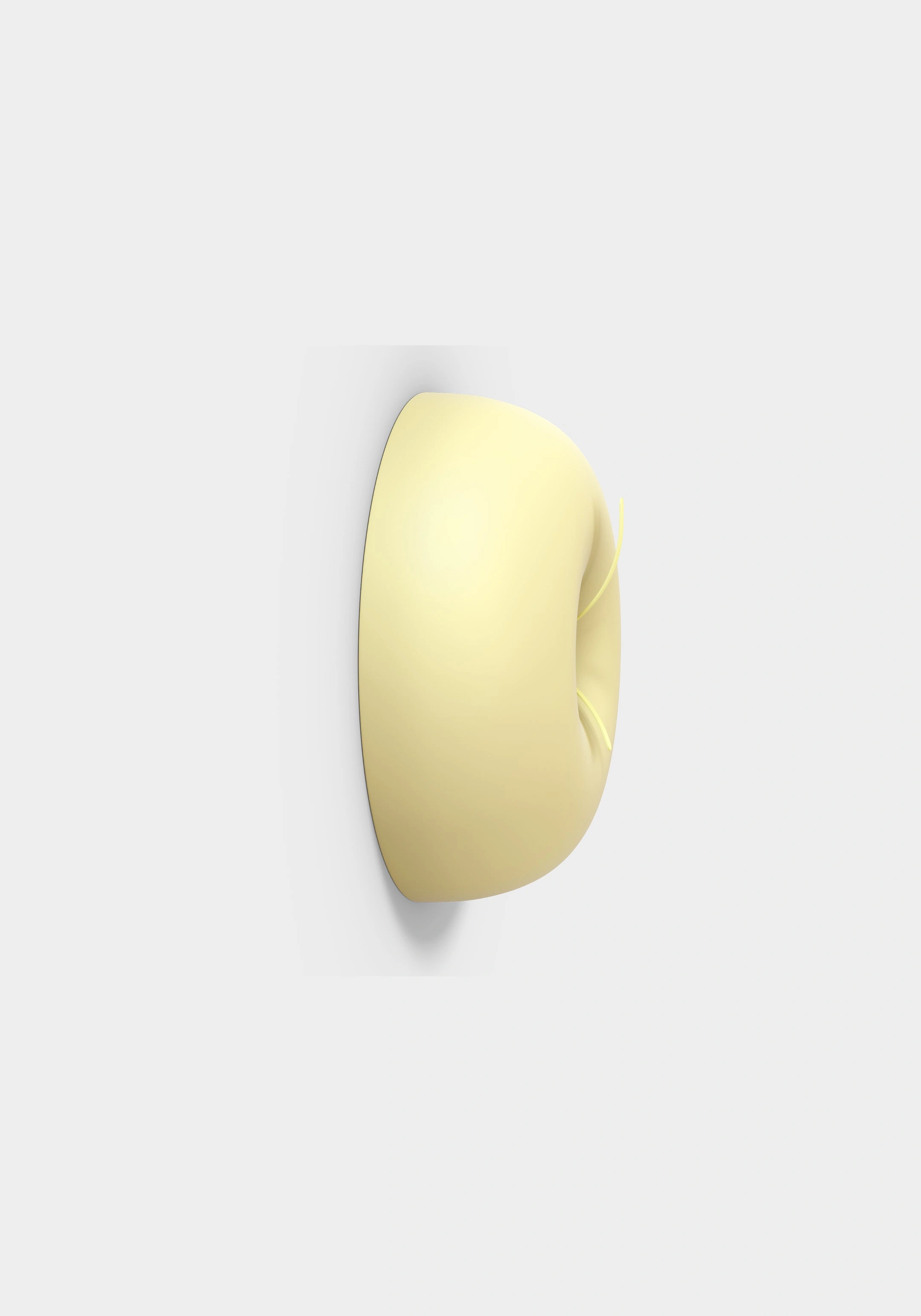
A softly rounded wall clock that lets the hands do the talking.
Image source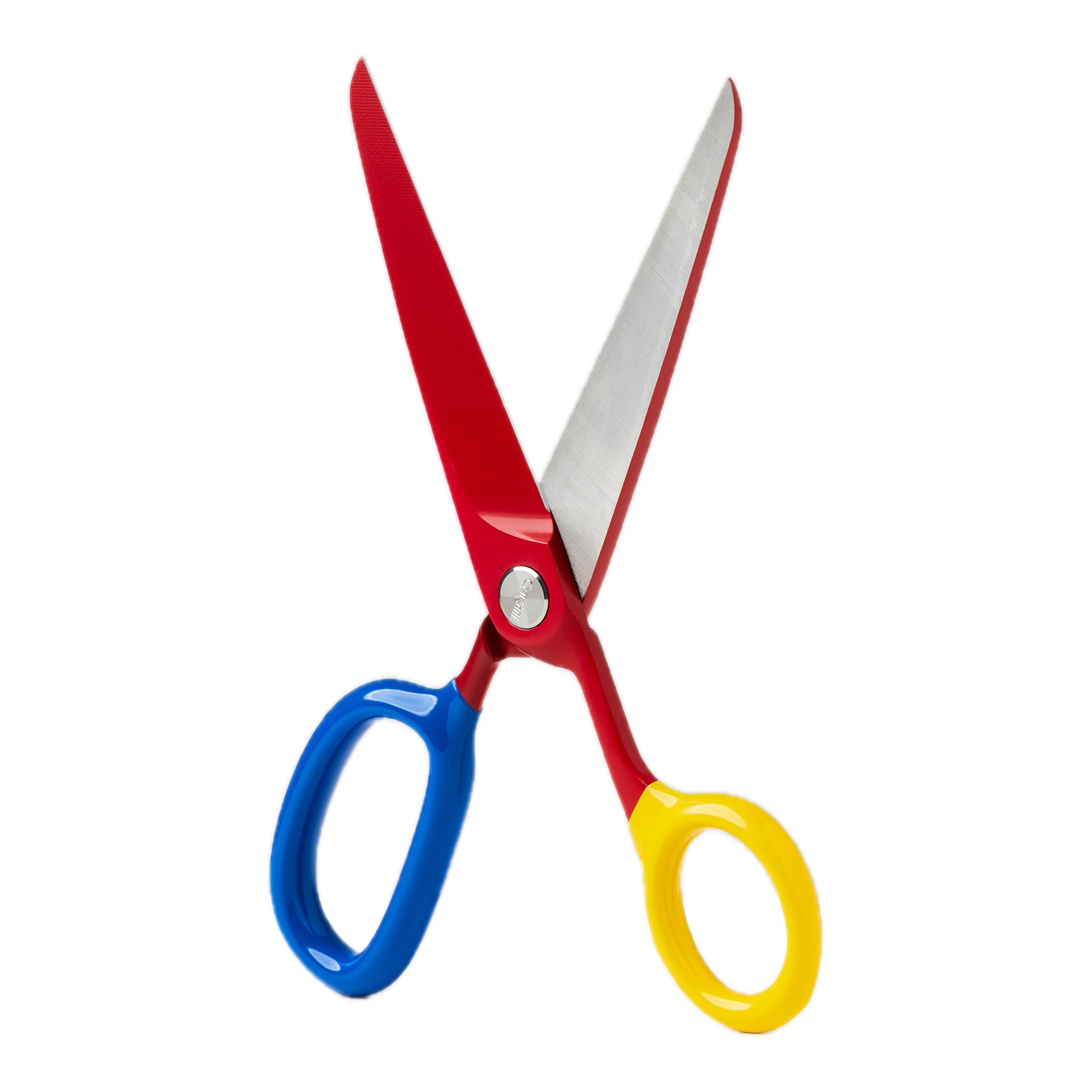
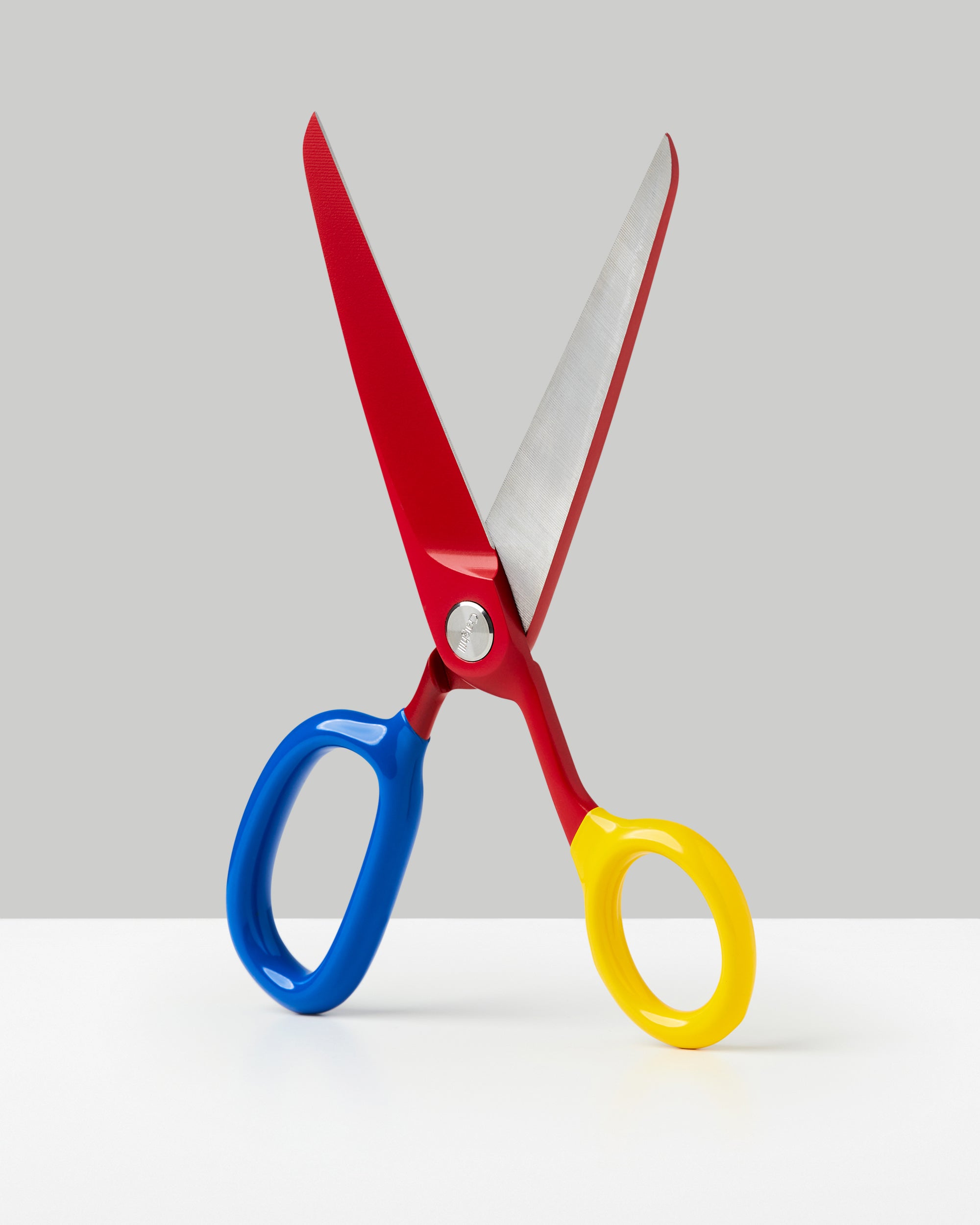
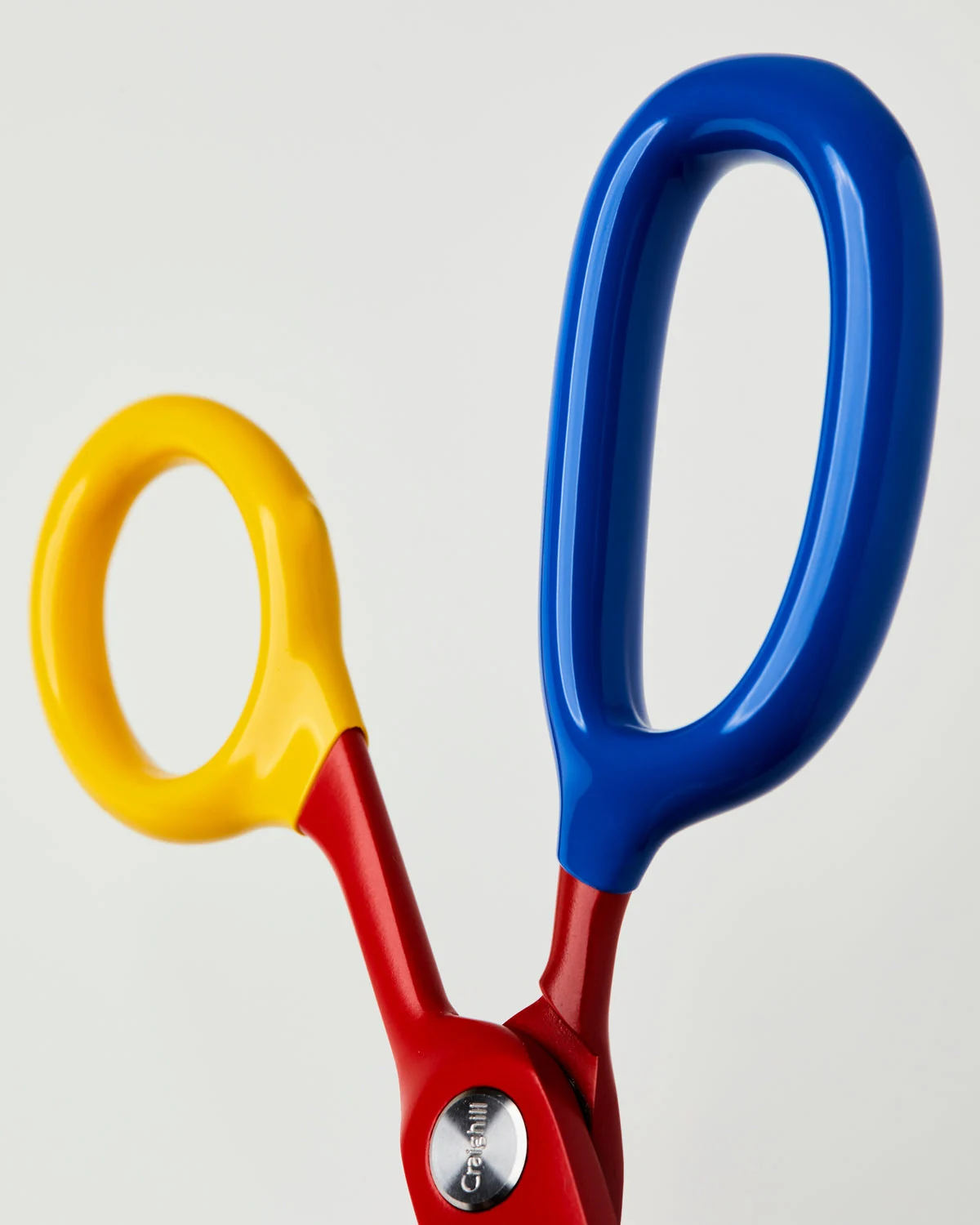
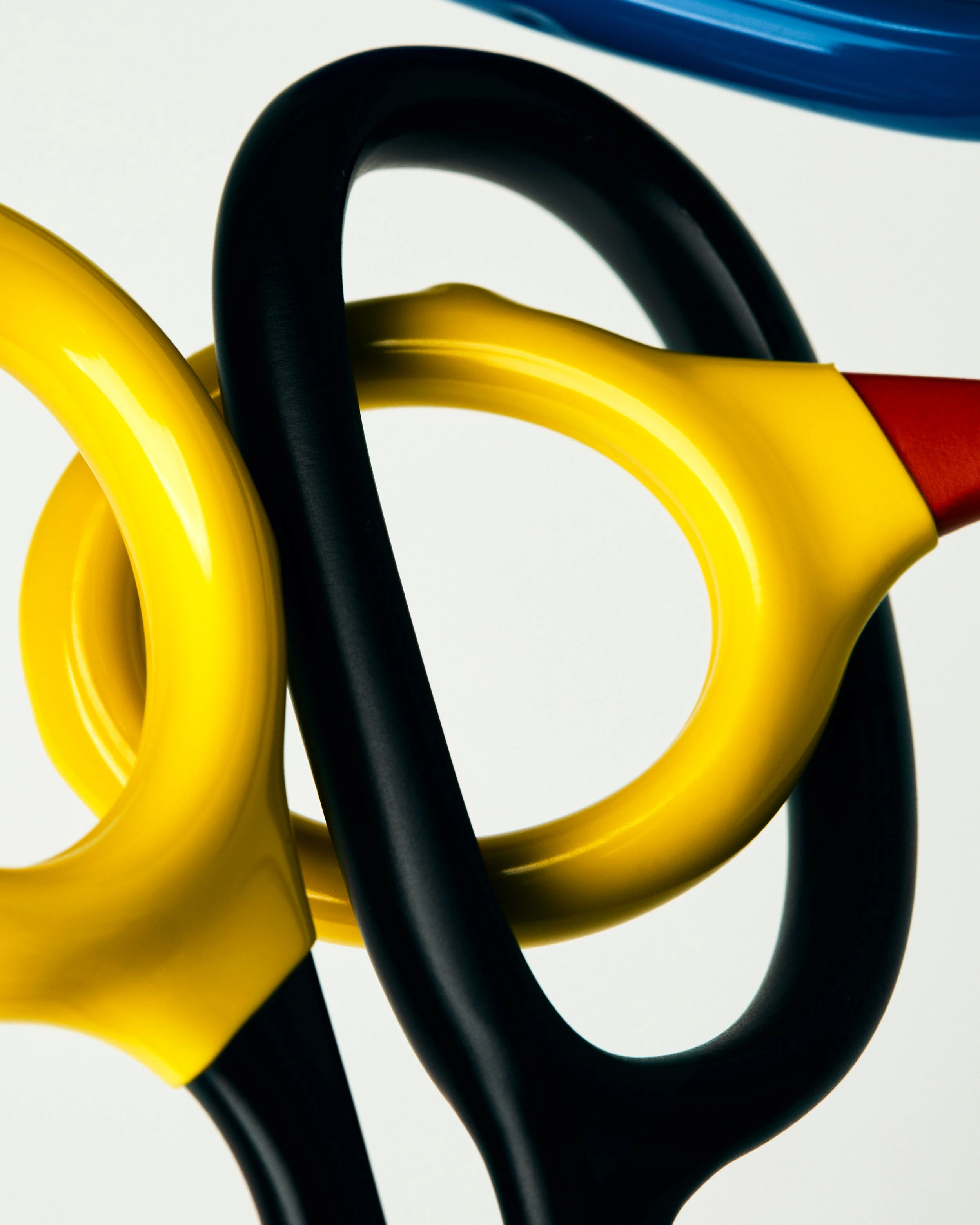
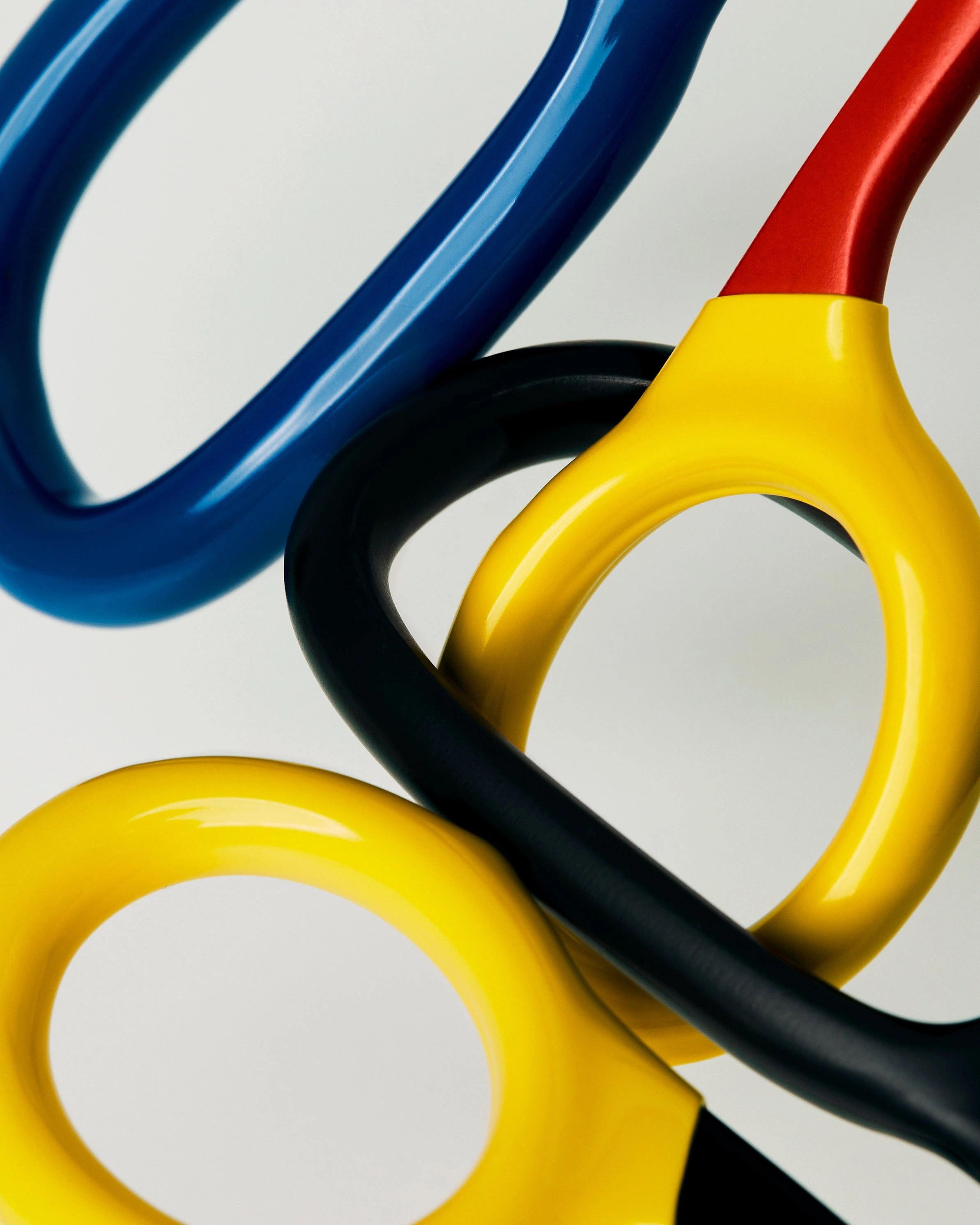
Red blades and blue and yellow handle loops give this everyday cutting tool a primary-color palette.
Image source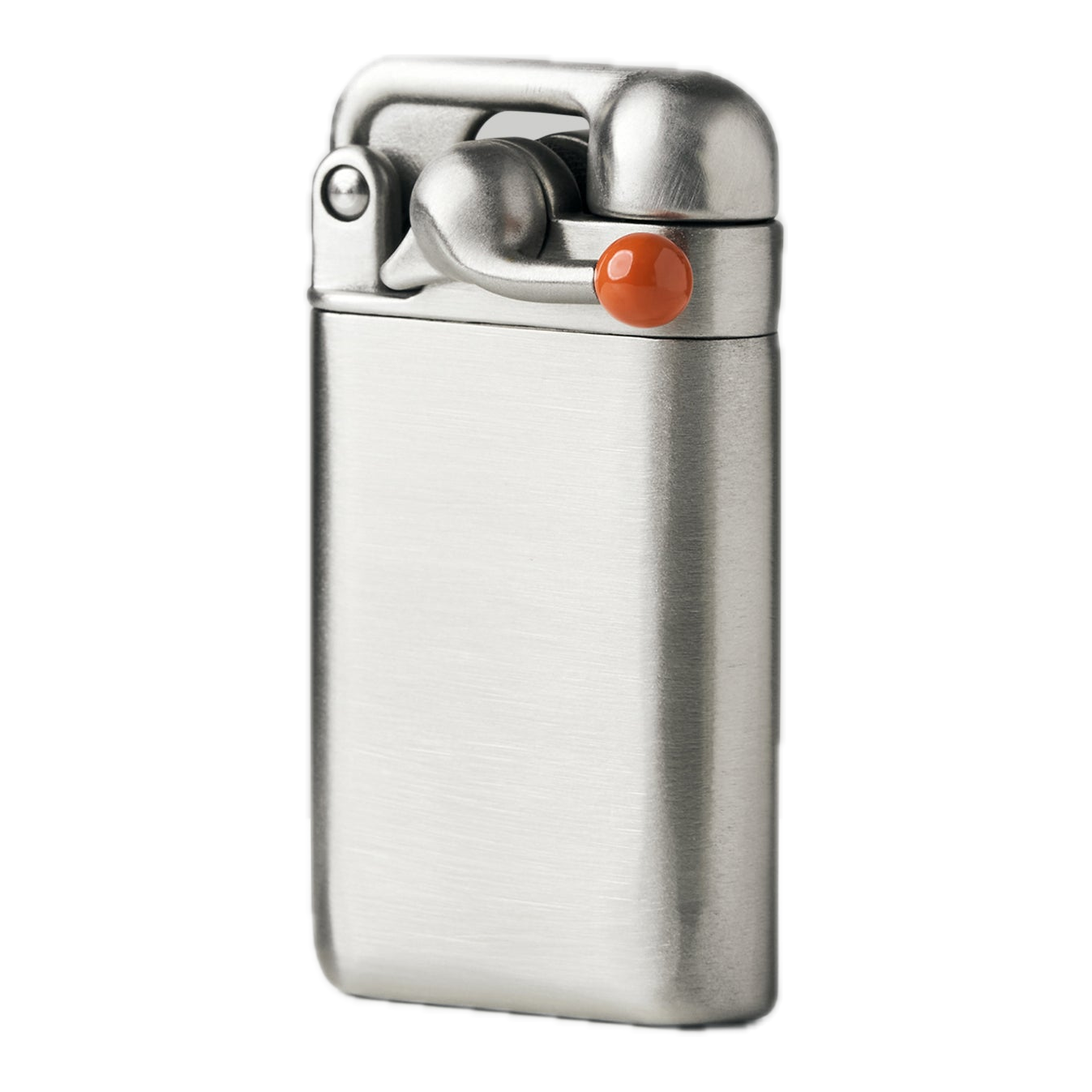
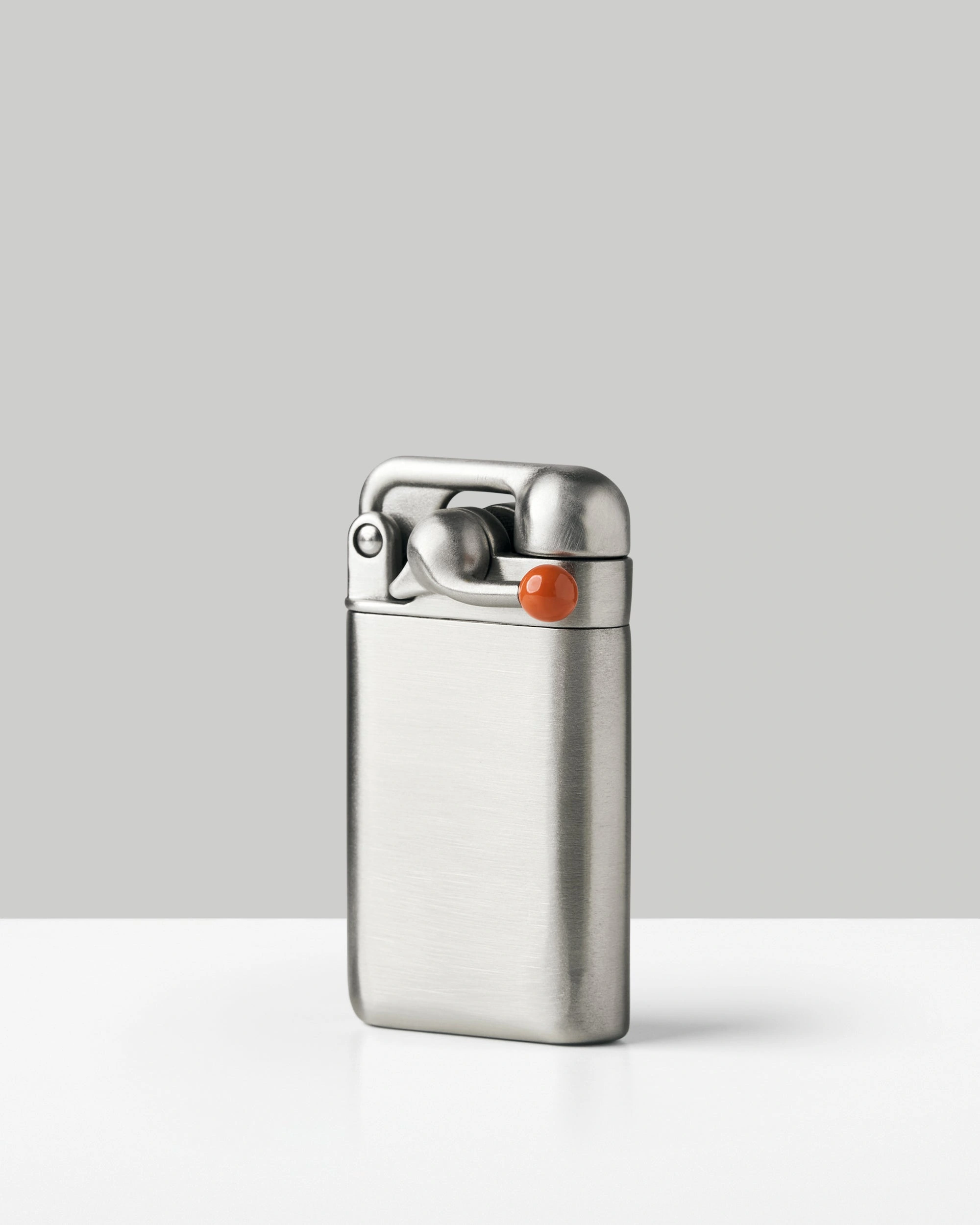
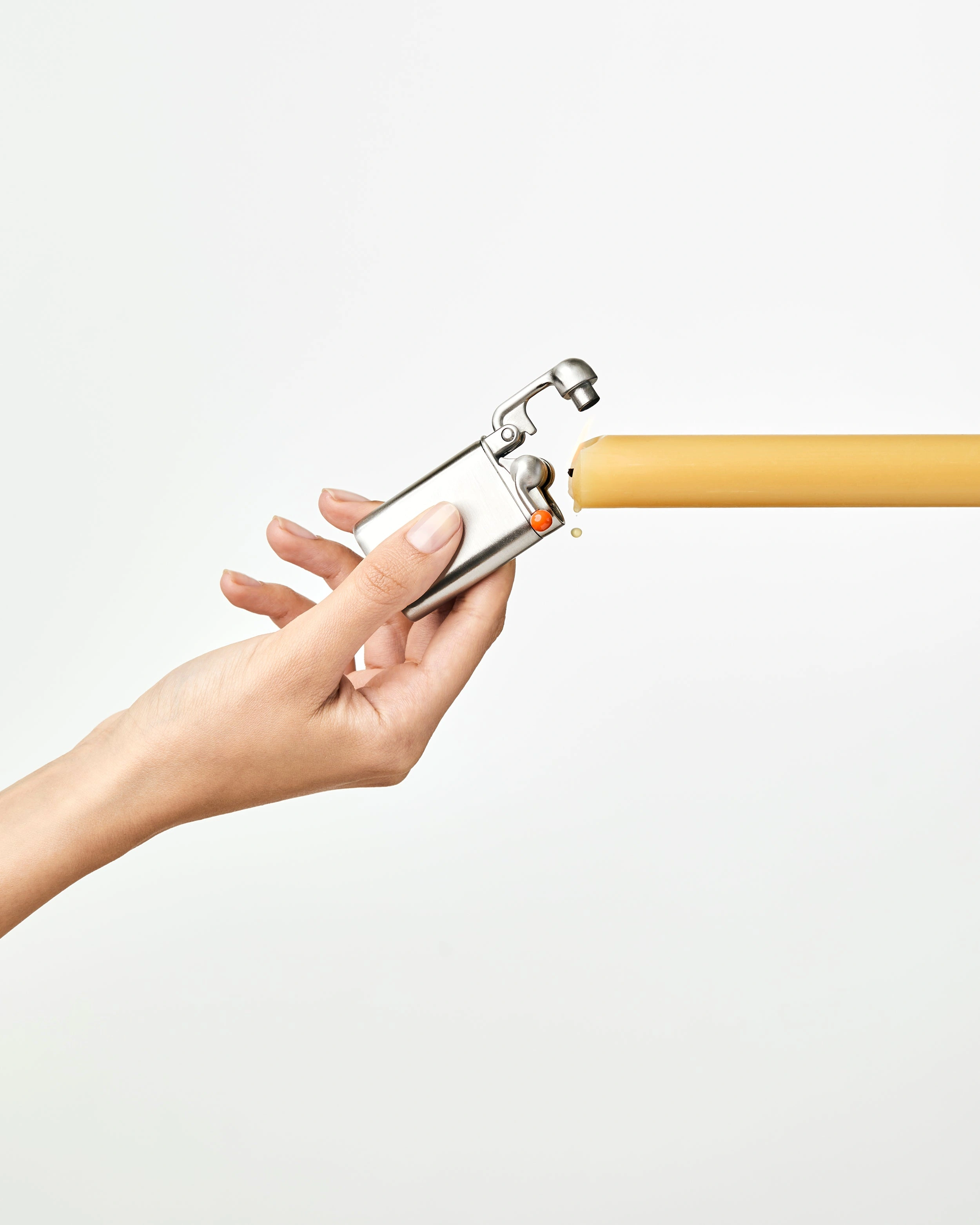
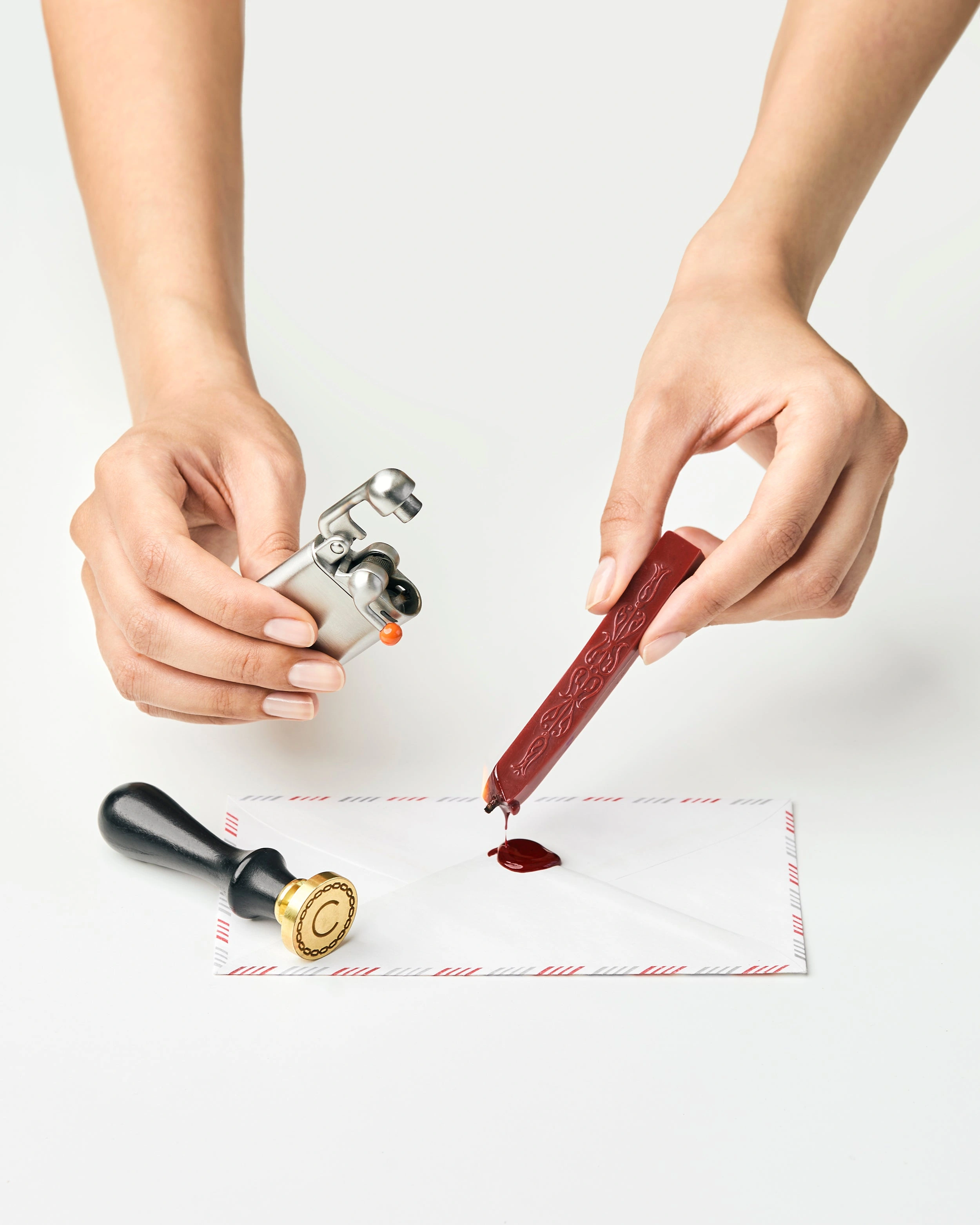
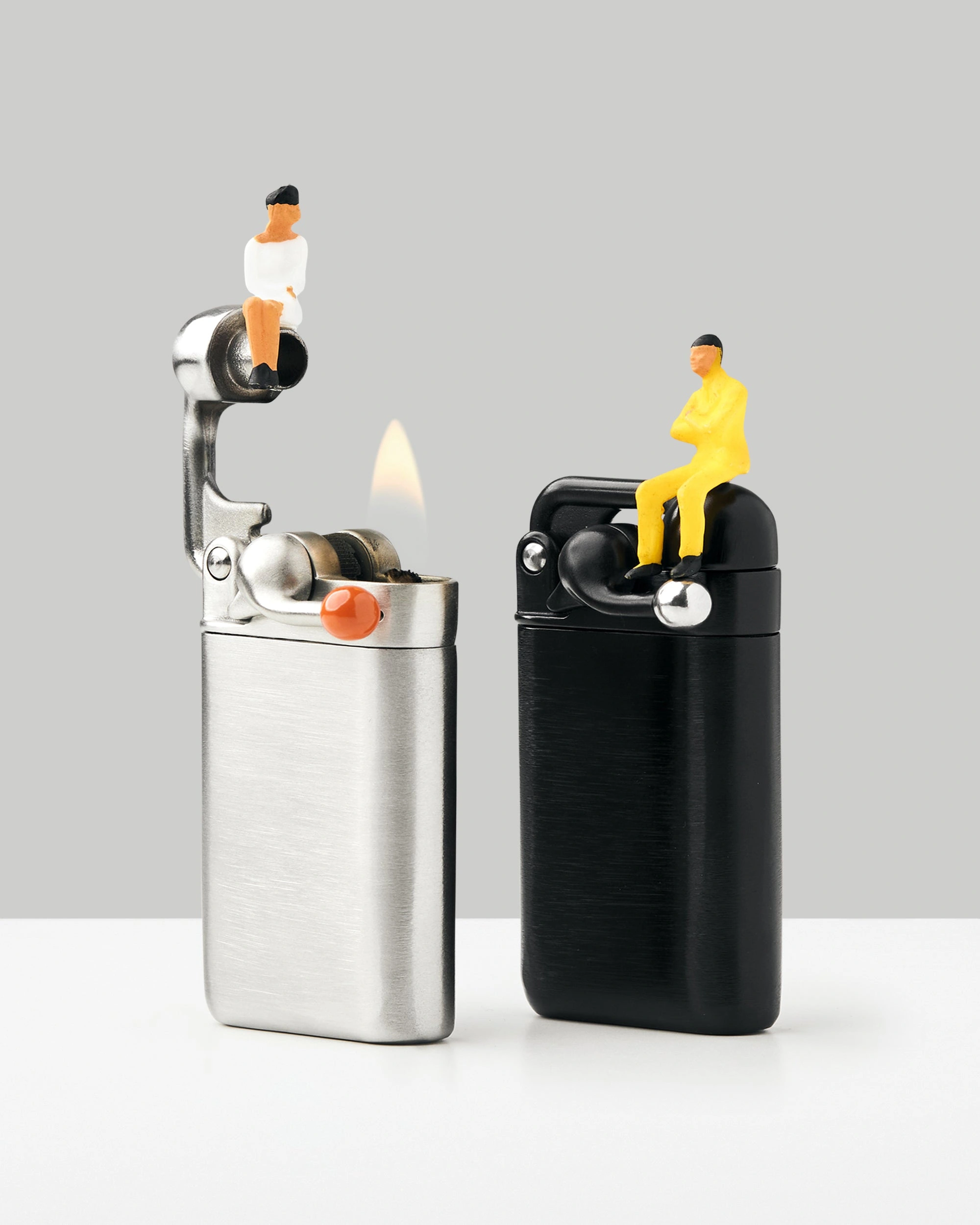
A refillable steel lighter with a hinged lid and a tactile opening mechanism.
Image source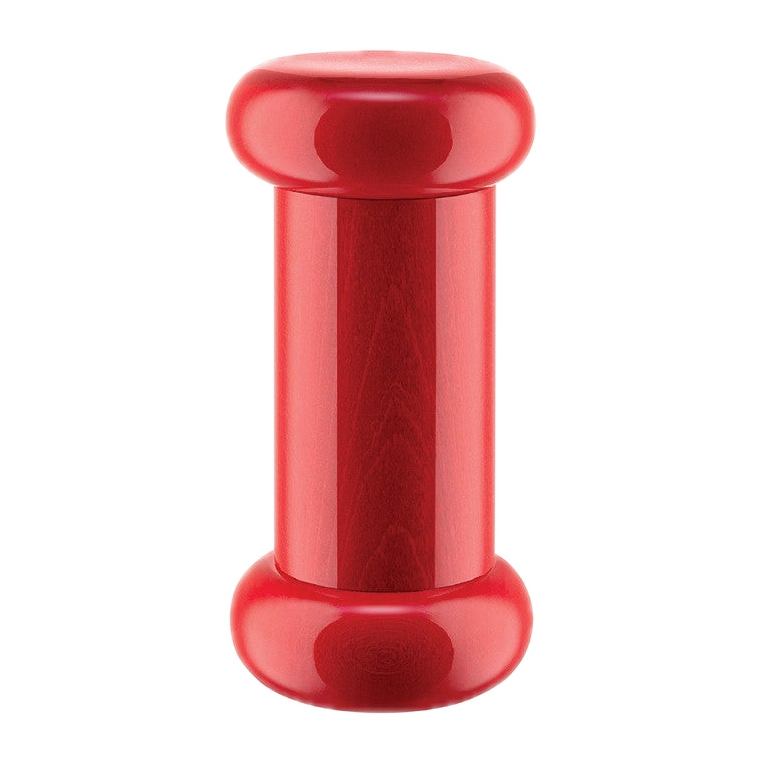
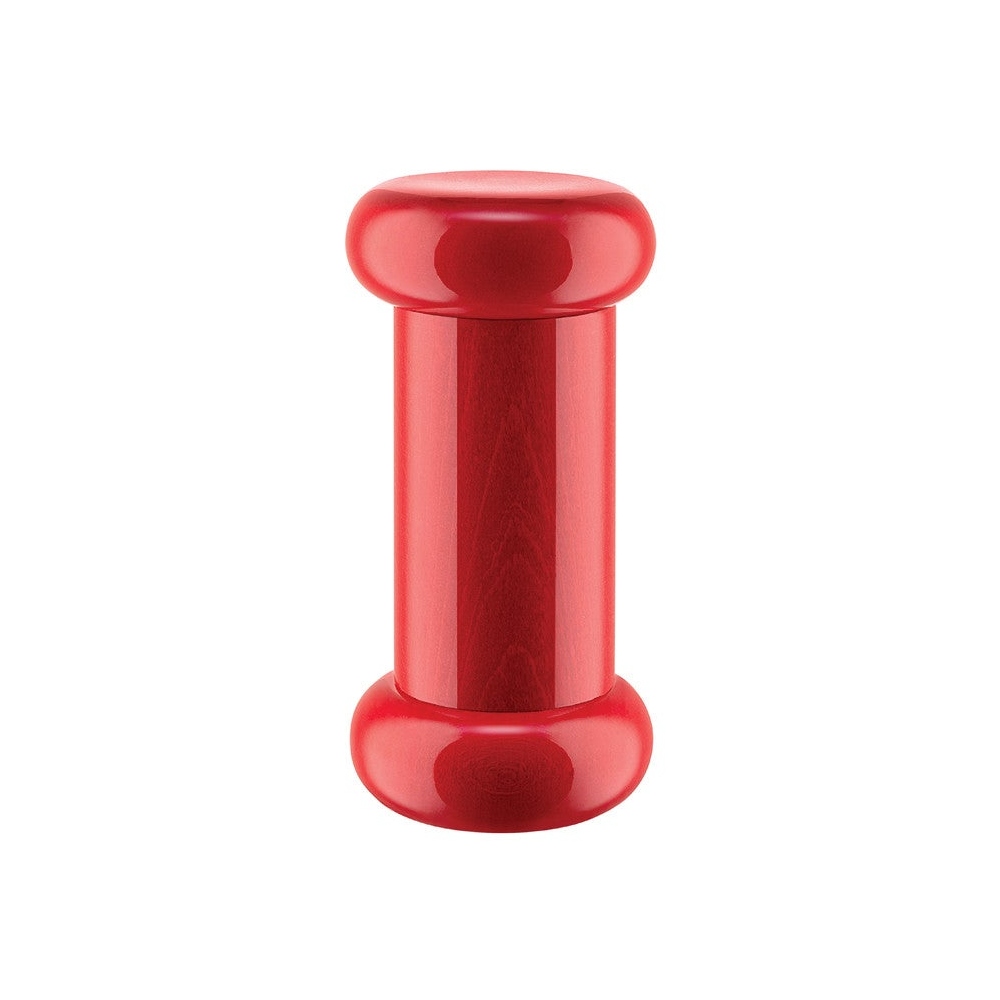
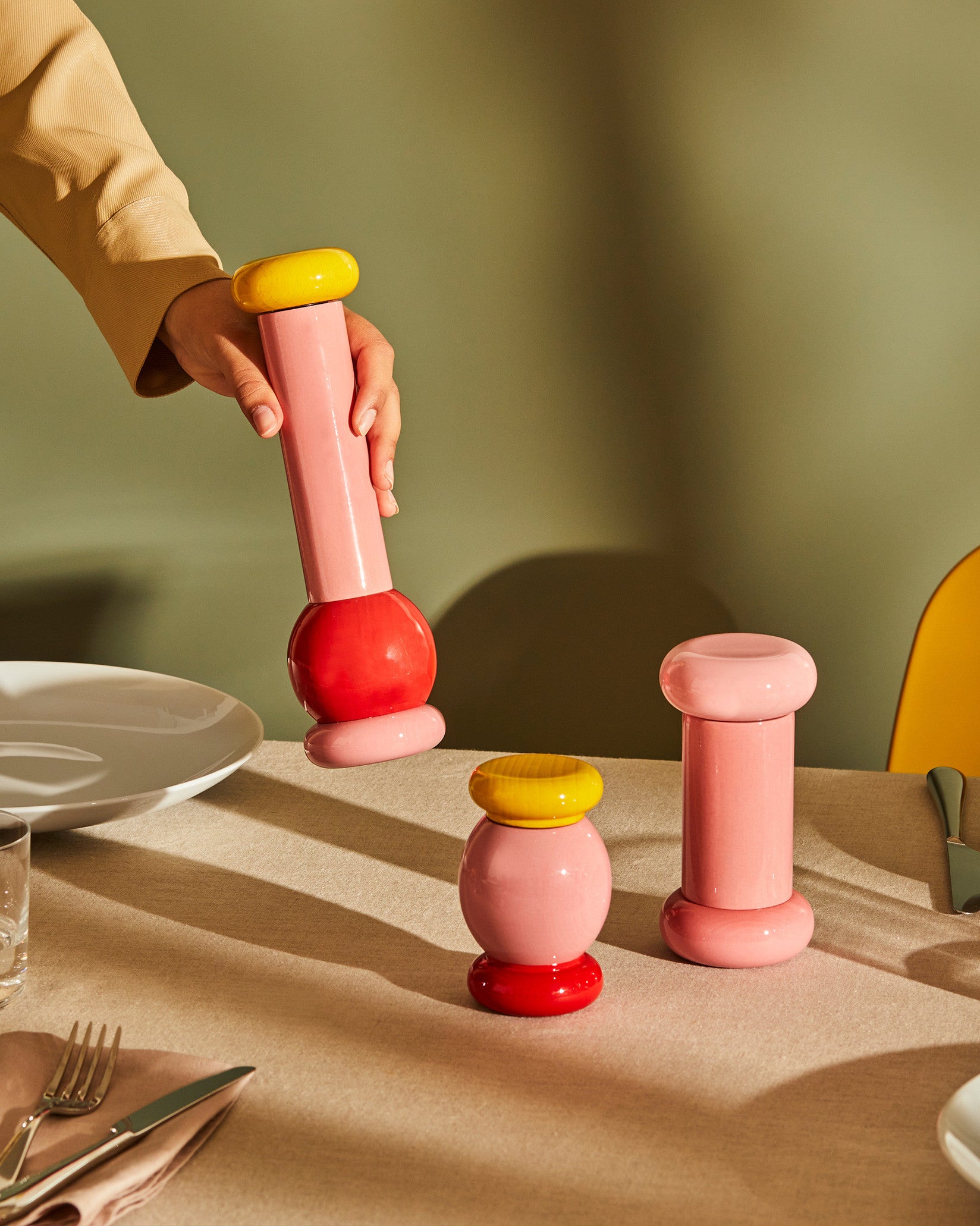
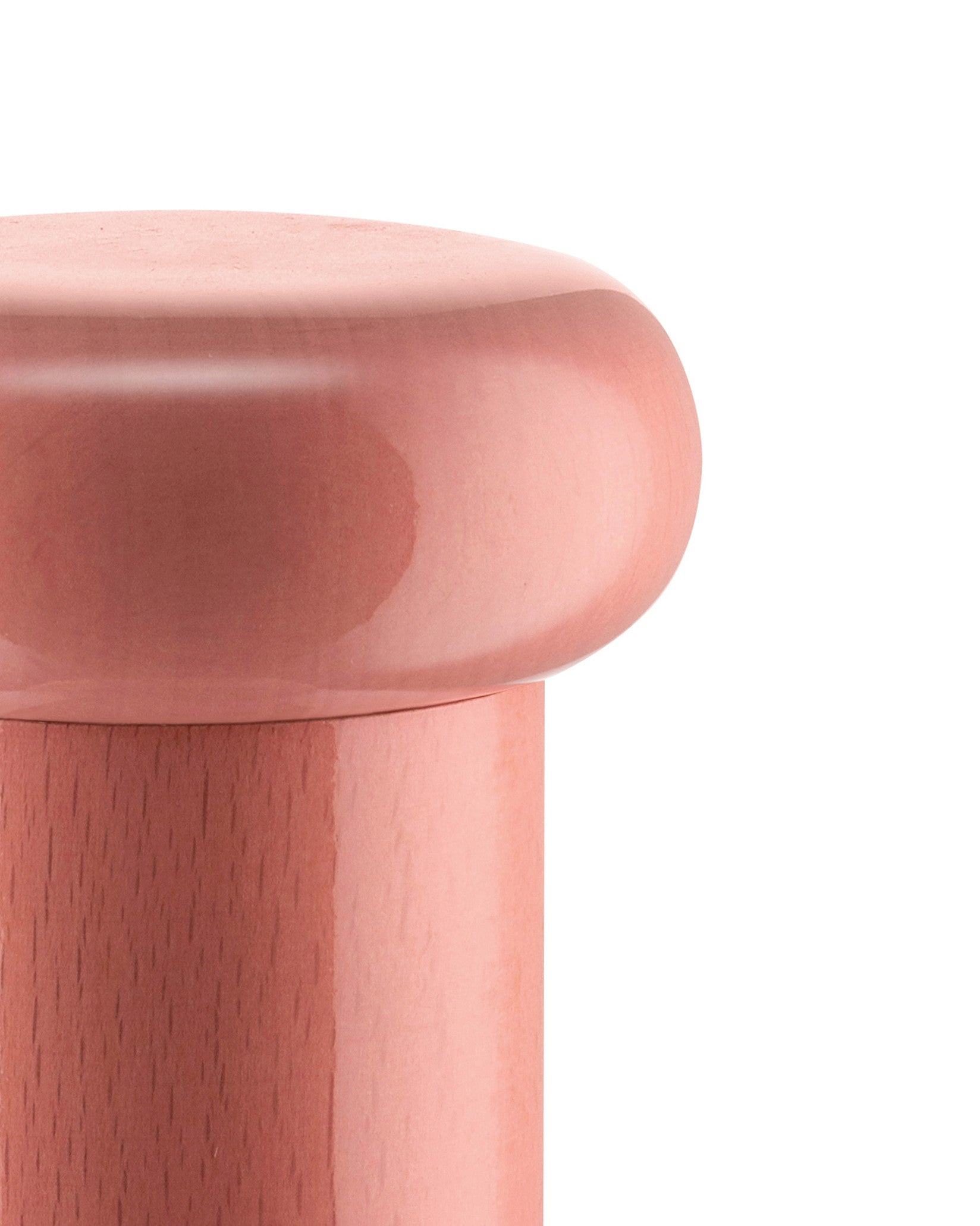
Ettore Sottsass’s turned-wood mill, one of the small sculptural objects in the Twergi collection.
Image source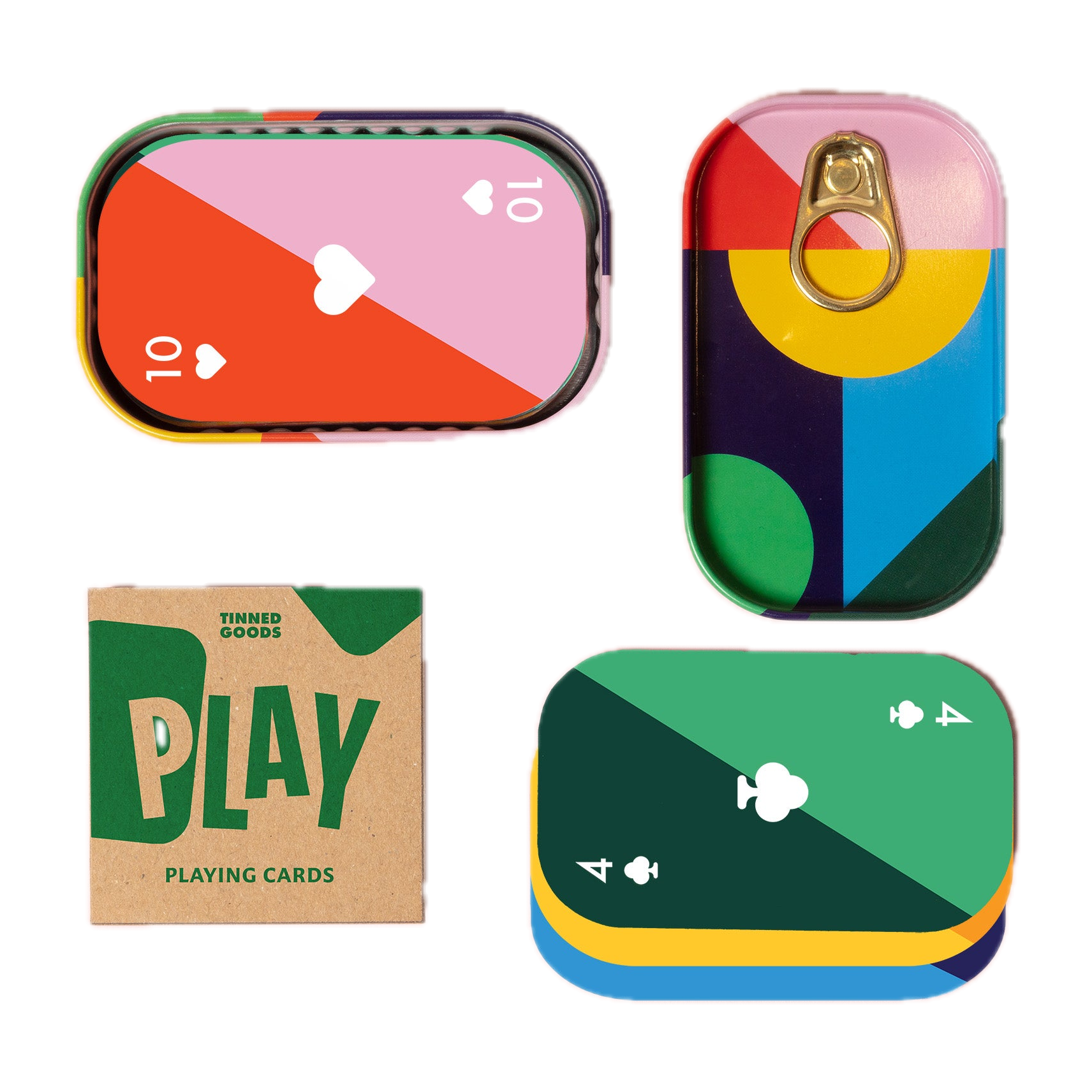
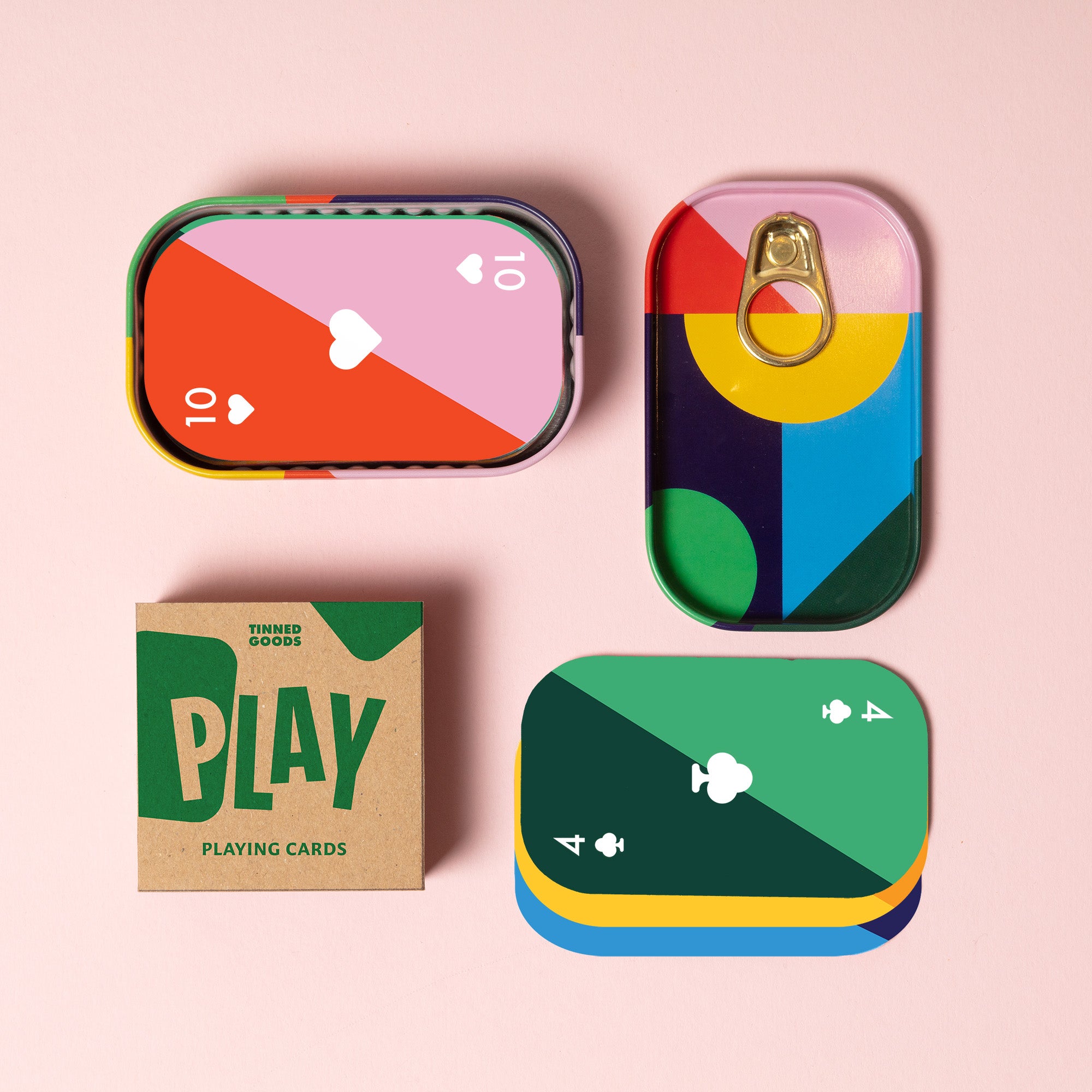
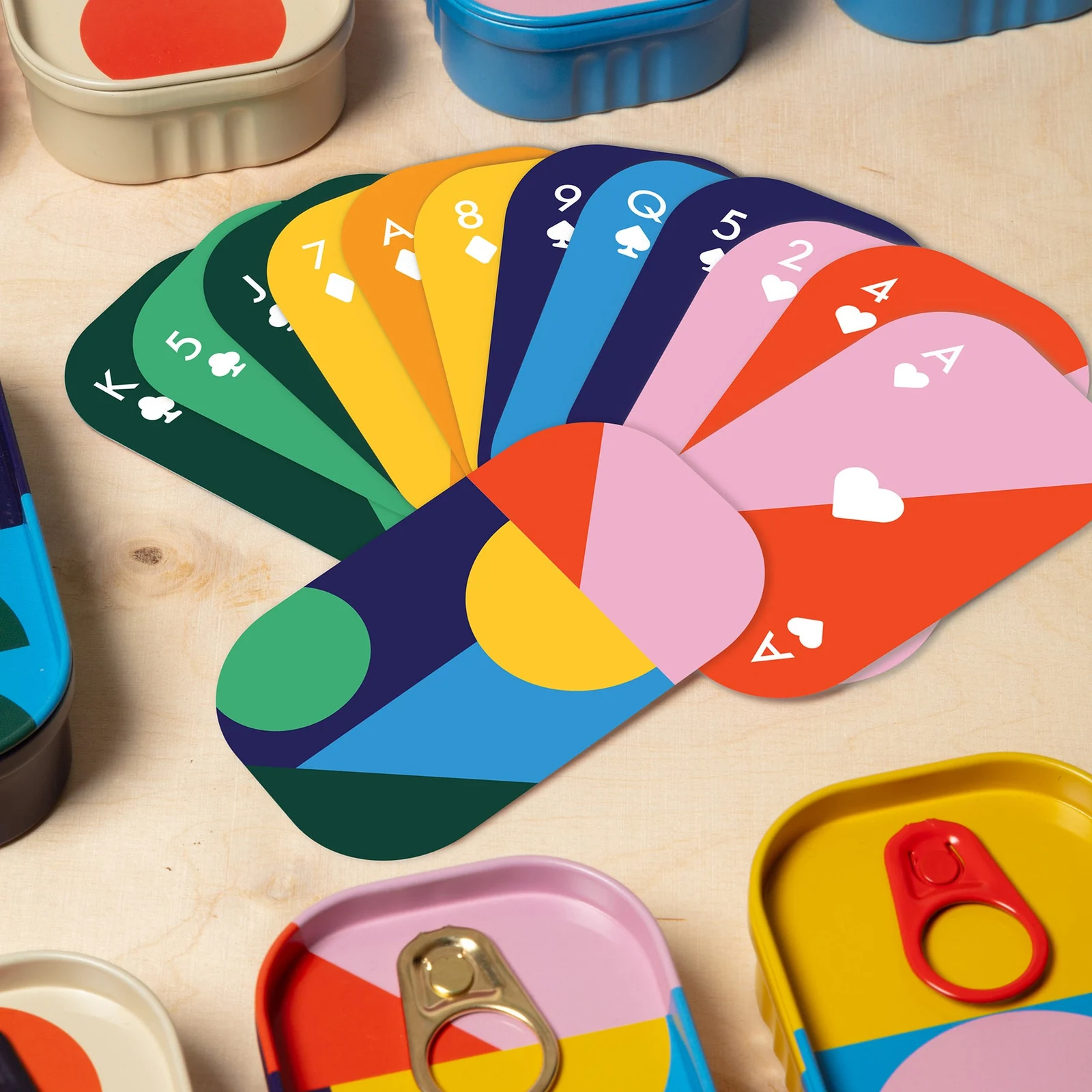
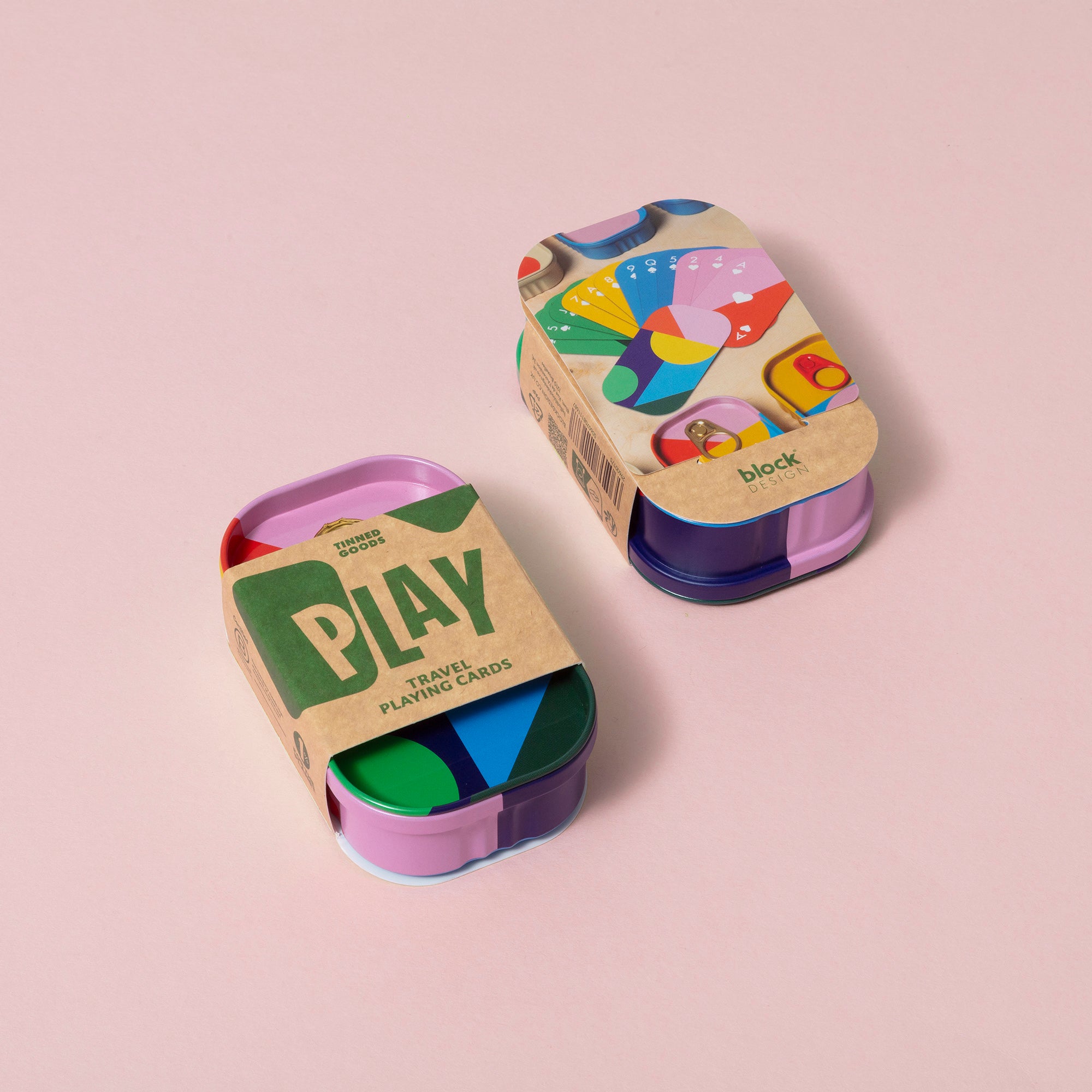
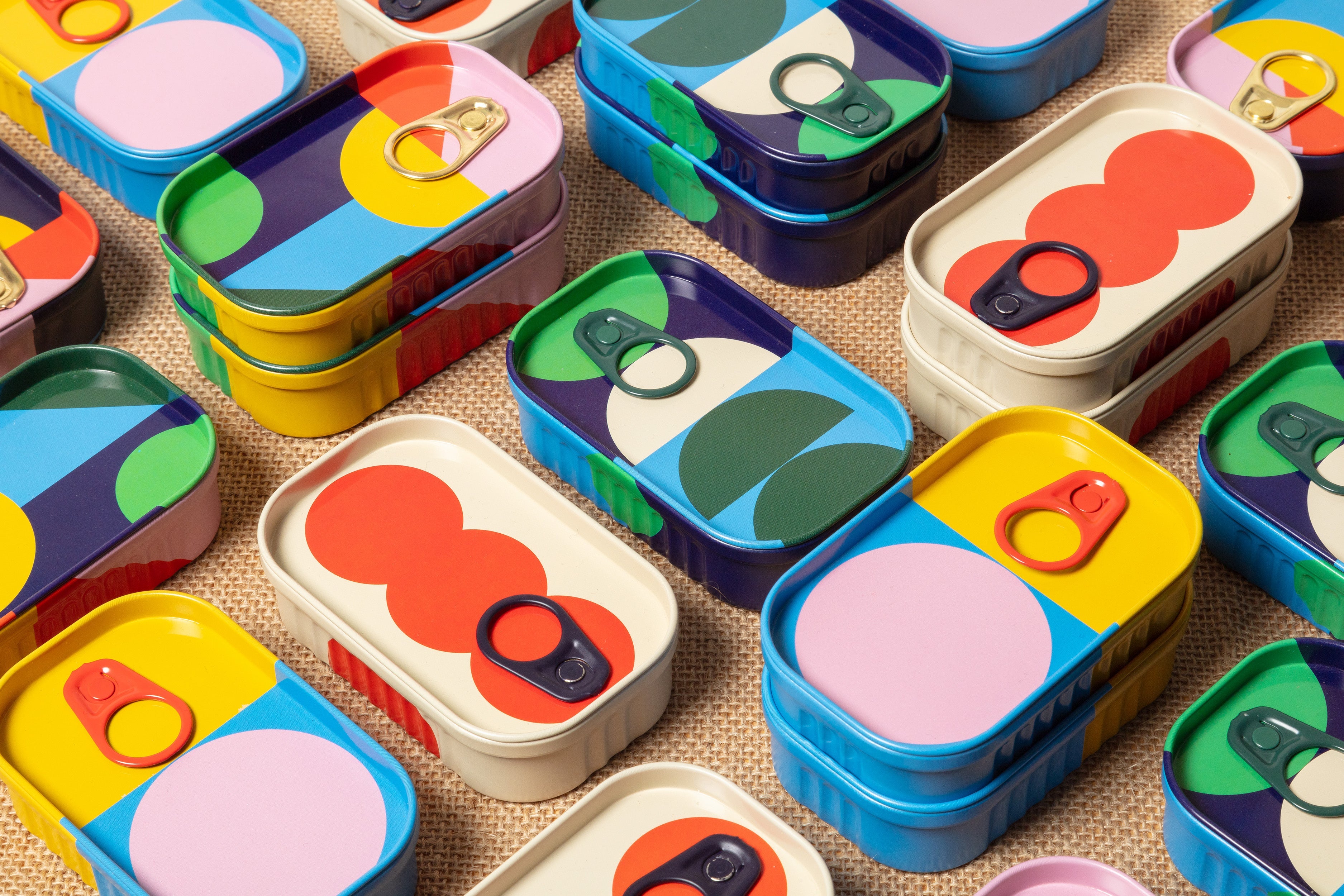
A colorful pocket tin containing playing cards, ready to take a game with you.
Image source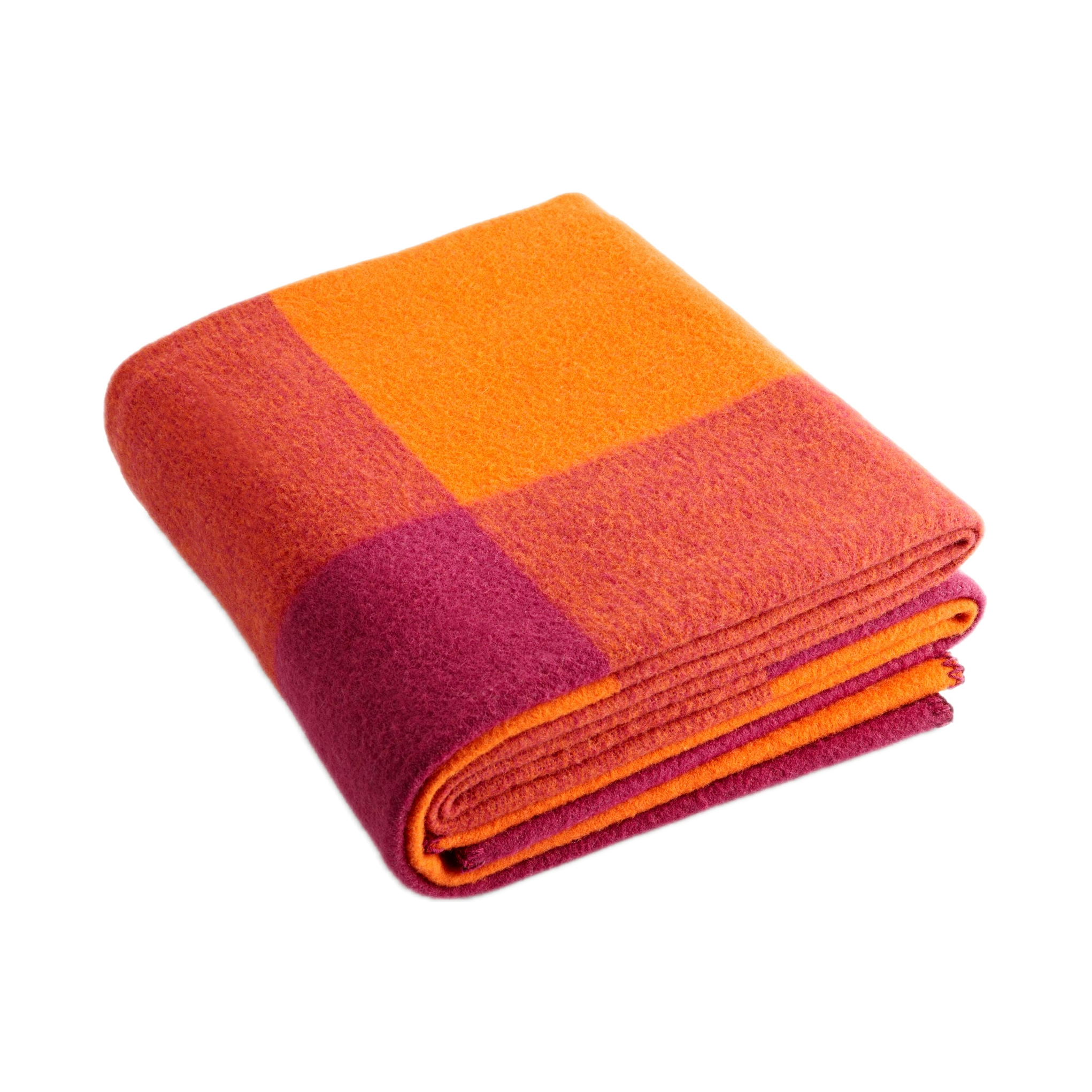
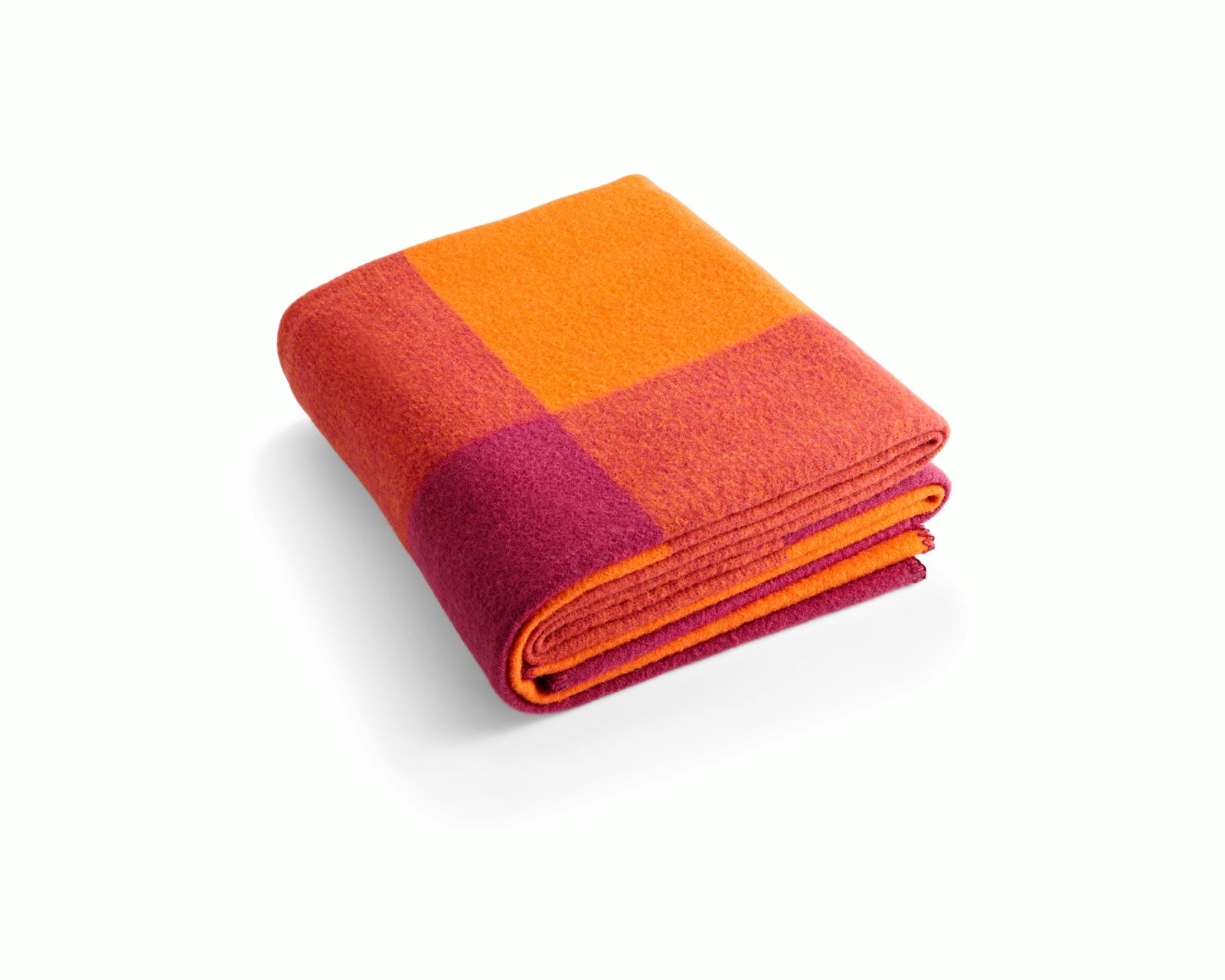
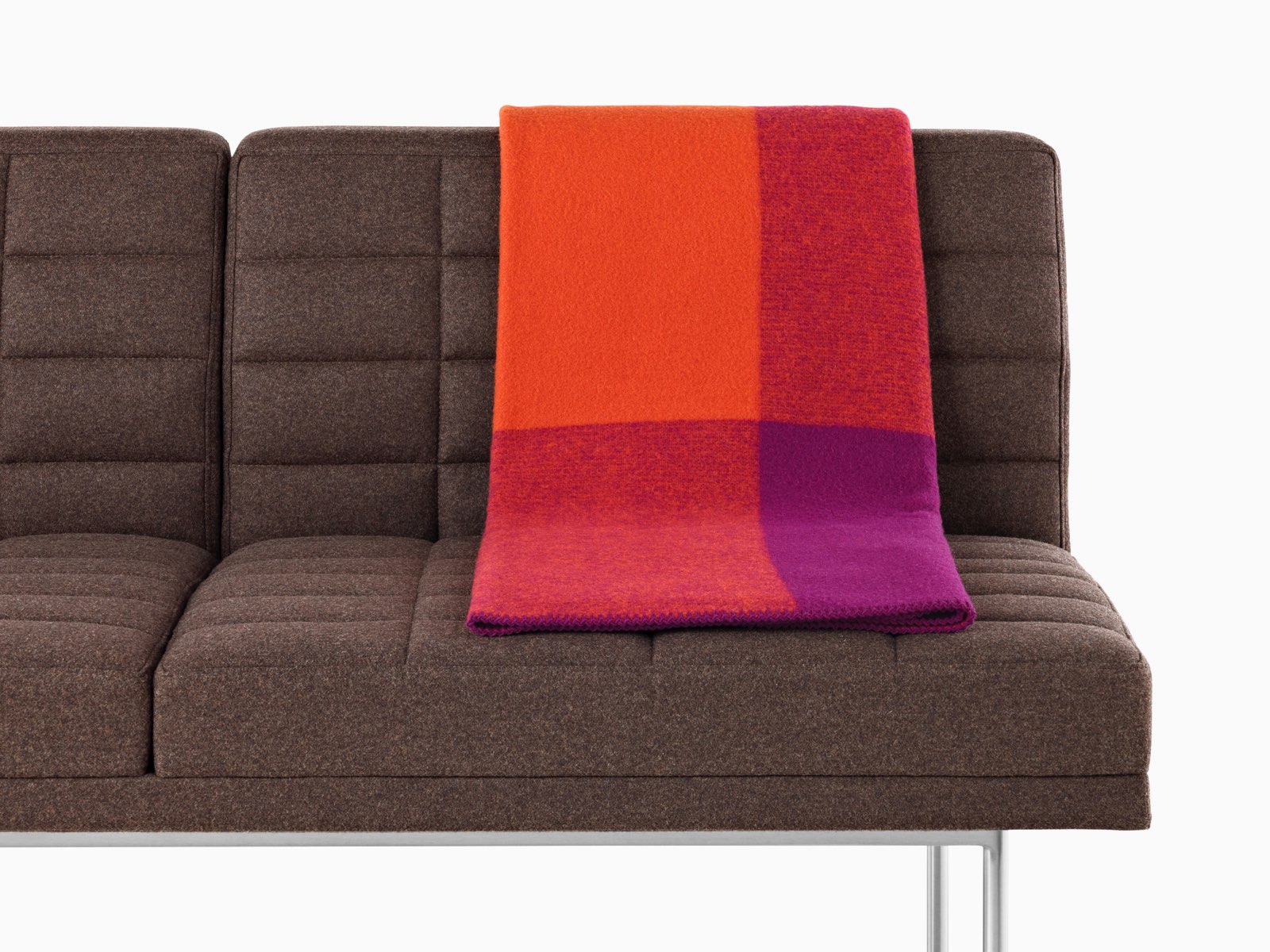
Alexander Girard’s bold color blocks, woven in virgin wool by Pendleton.
Image source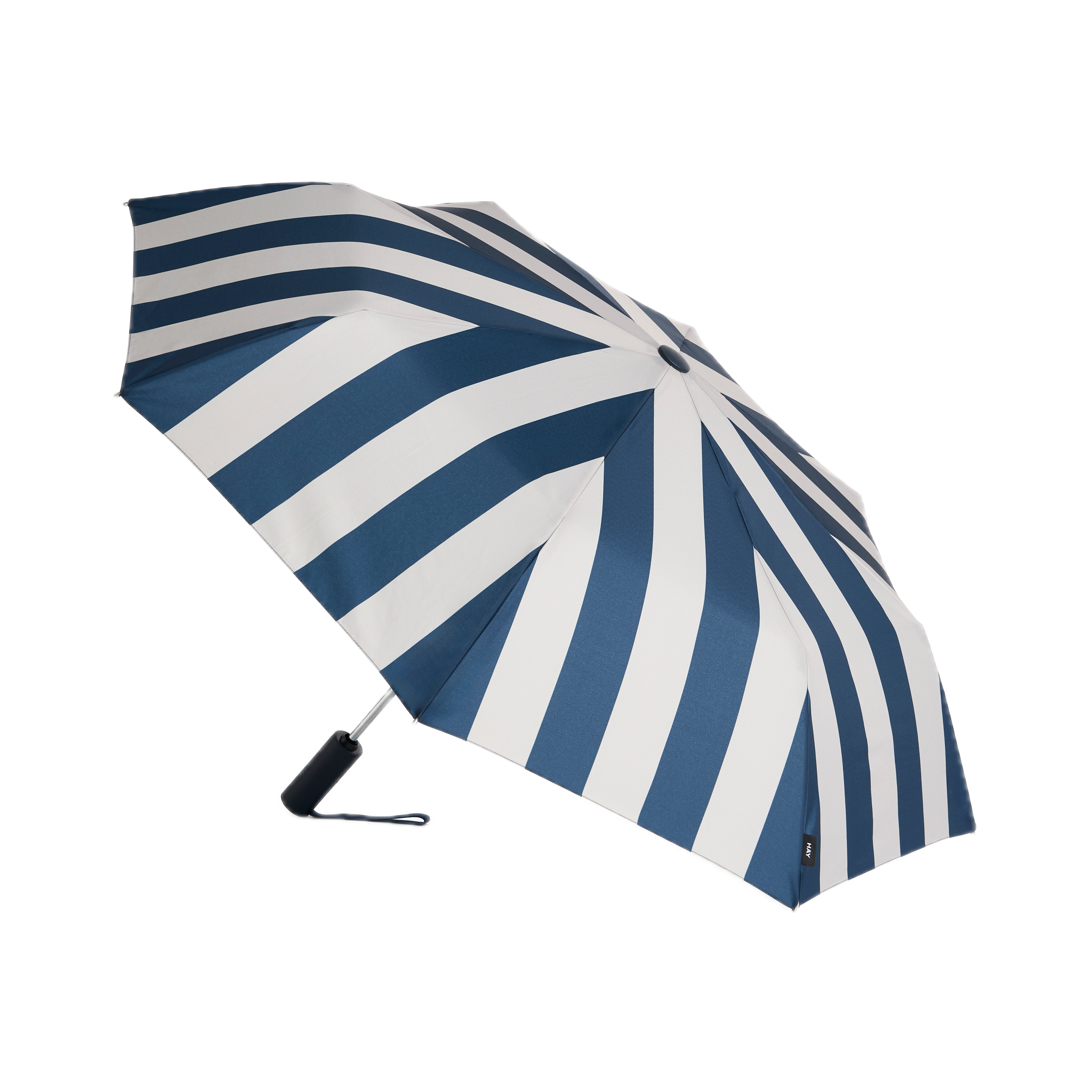
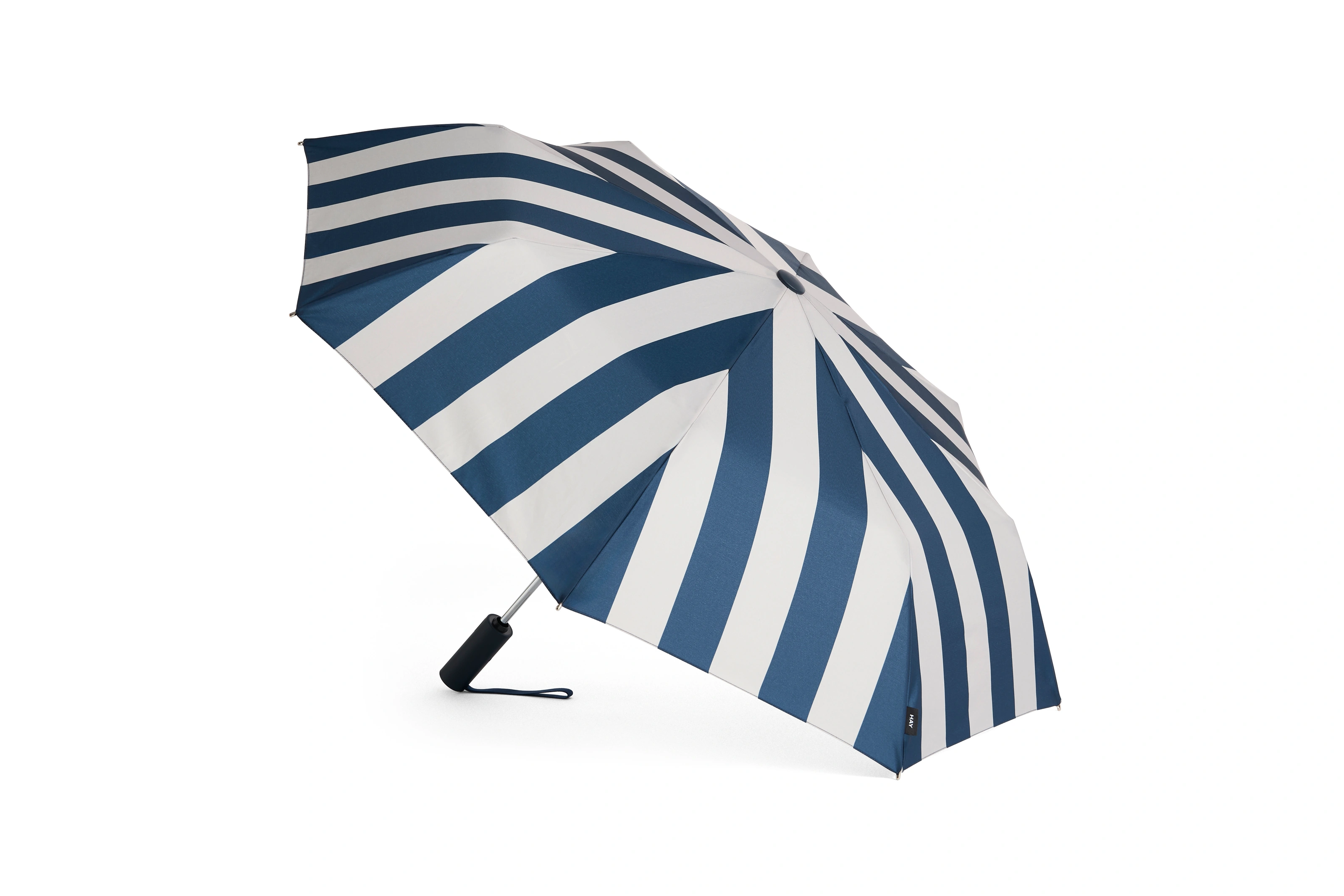
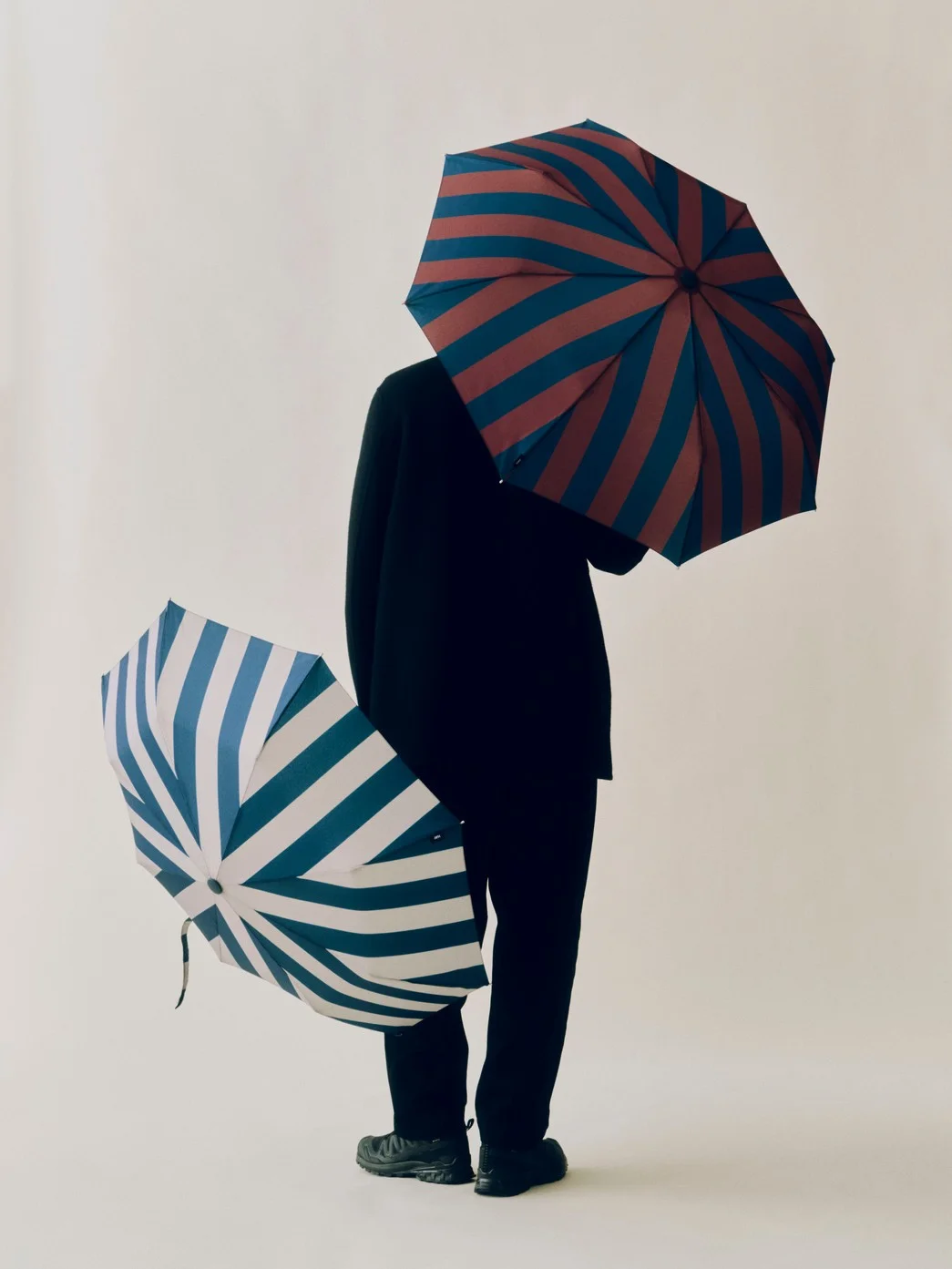
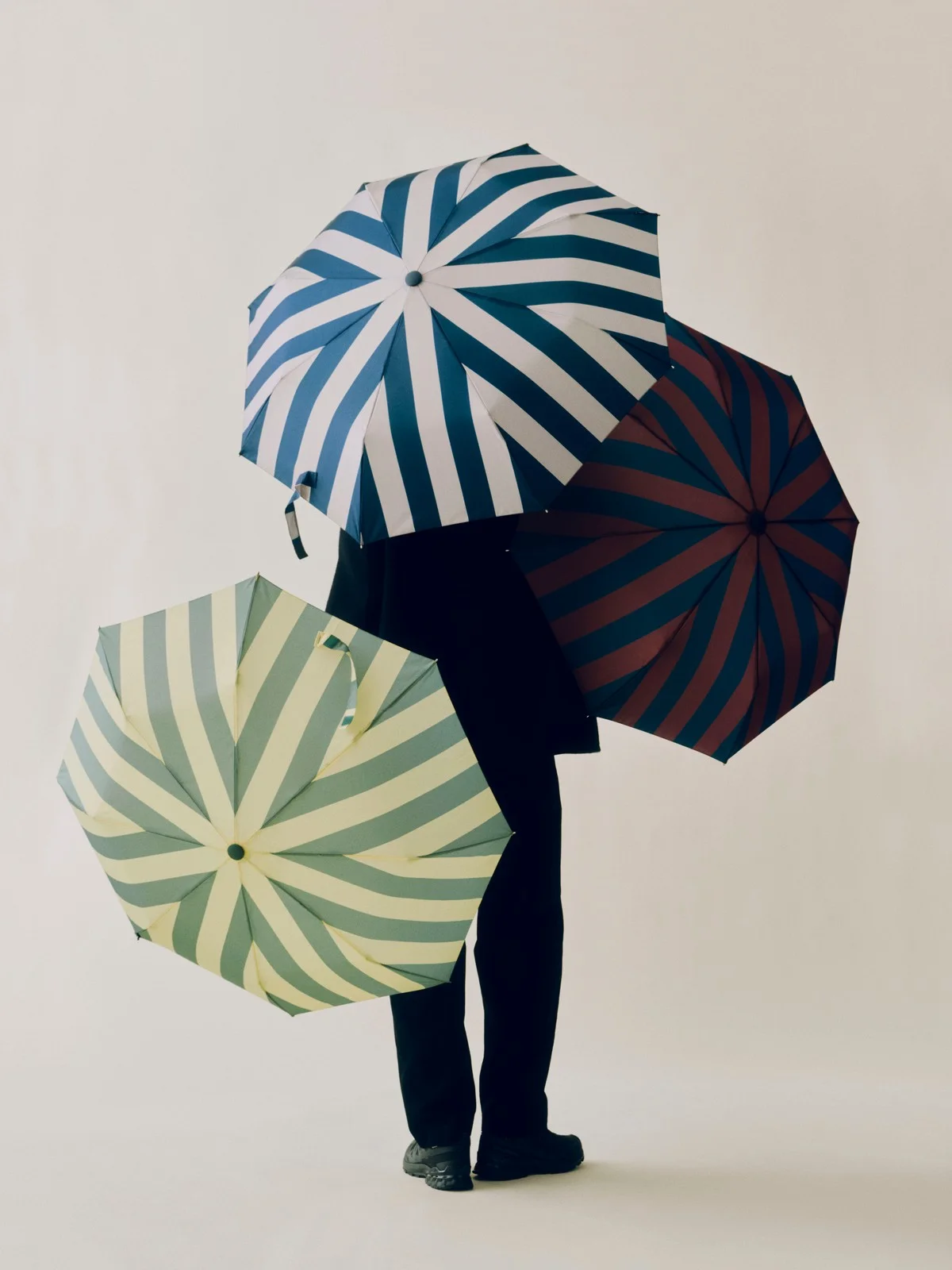
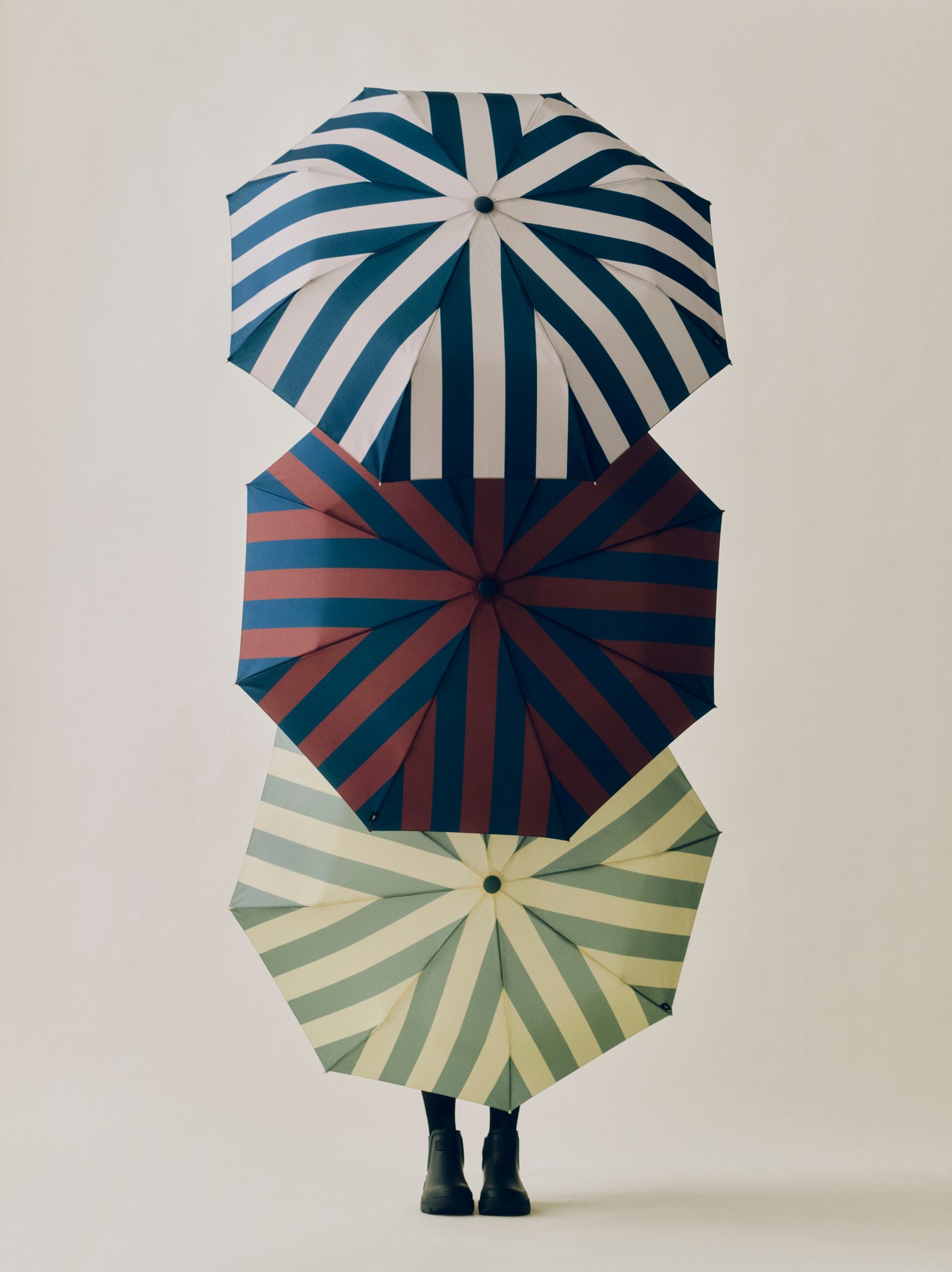
A folding umbrella with a striped canopy and a matching case.
Image source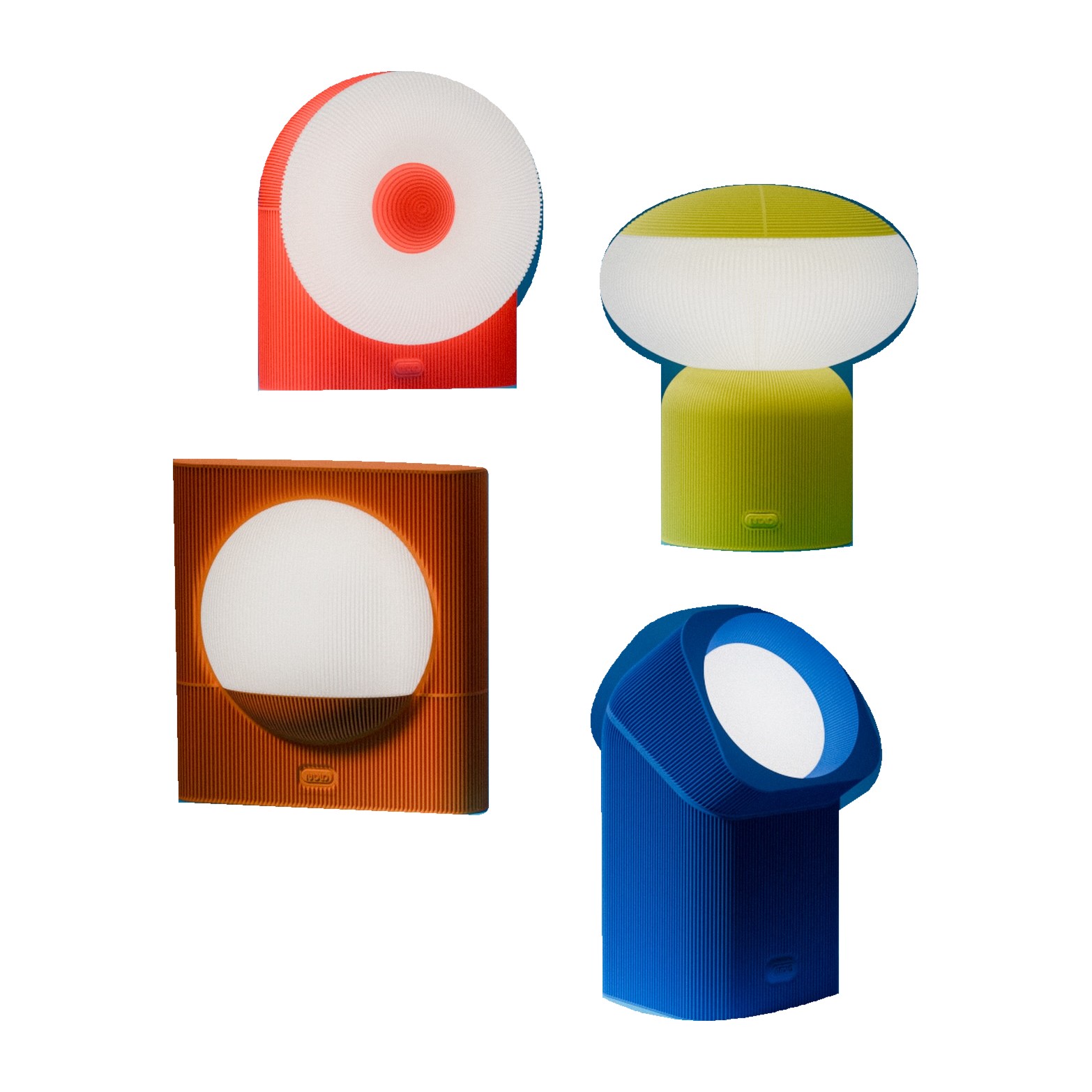
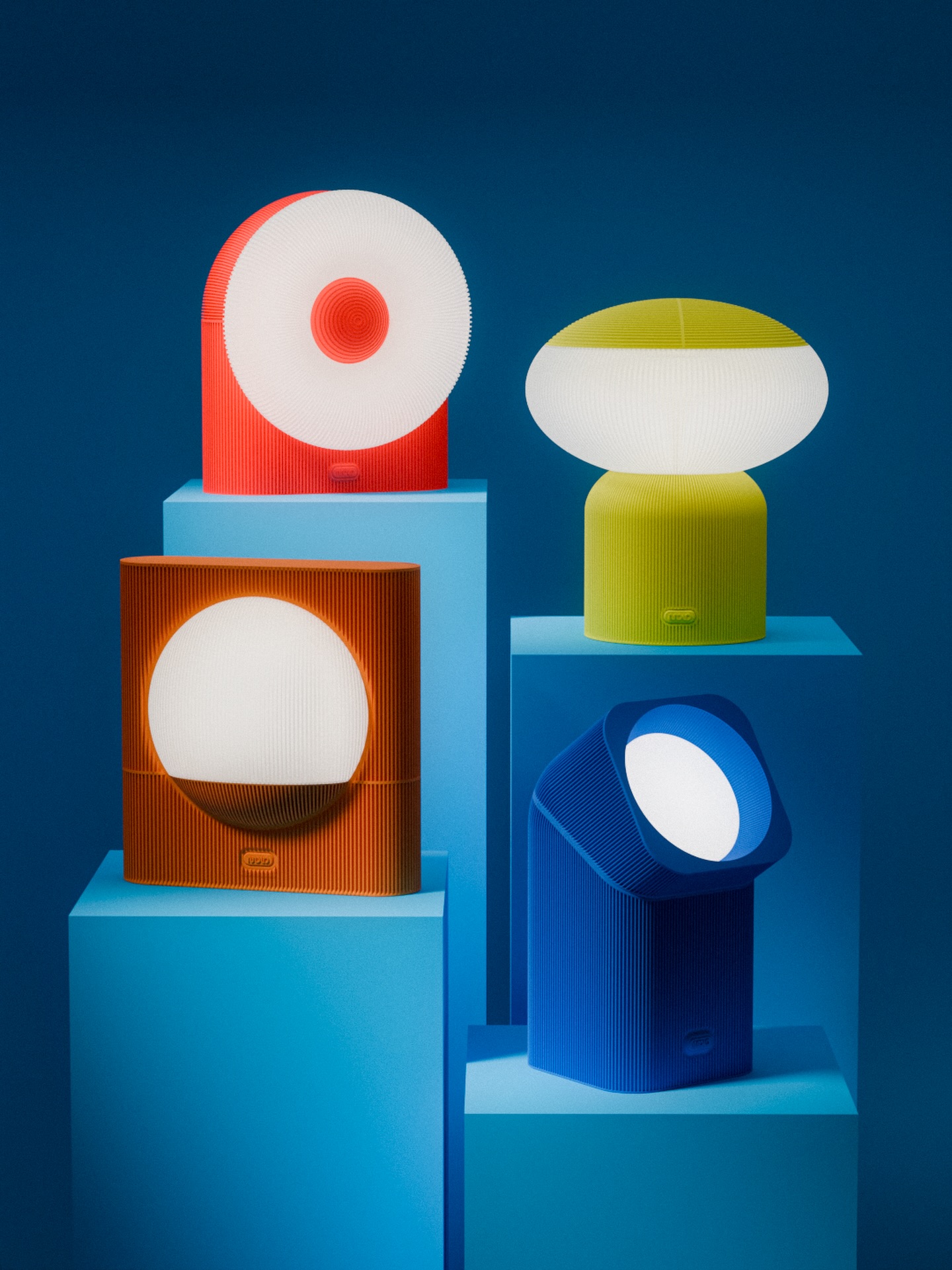
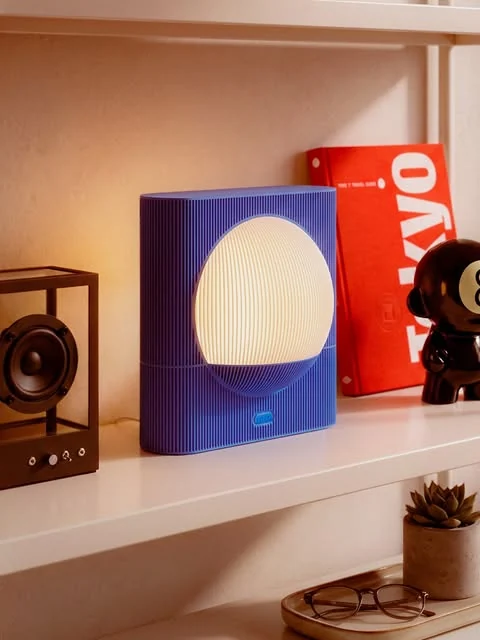
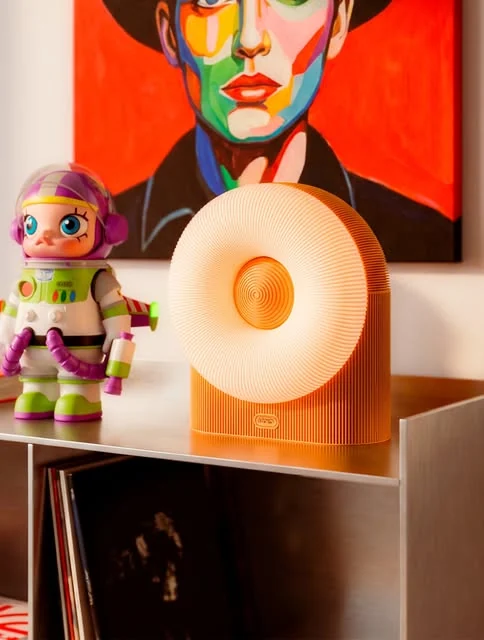
A collection of sculptural lamps with pleated forms and bold colors, inspired by pop culture.
Image source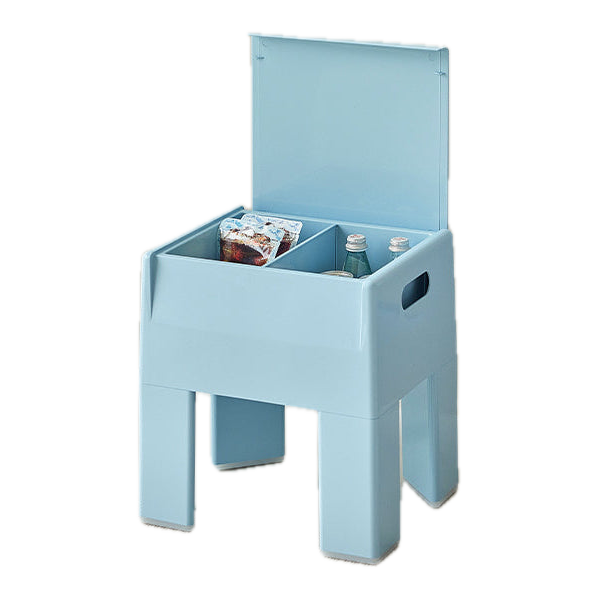
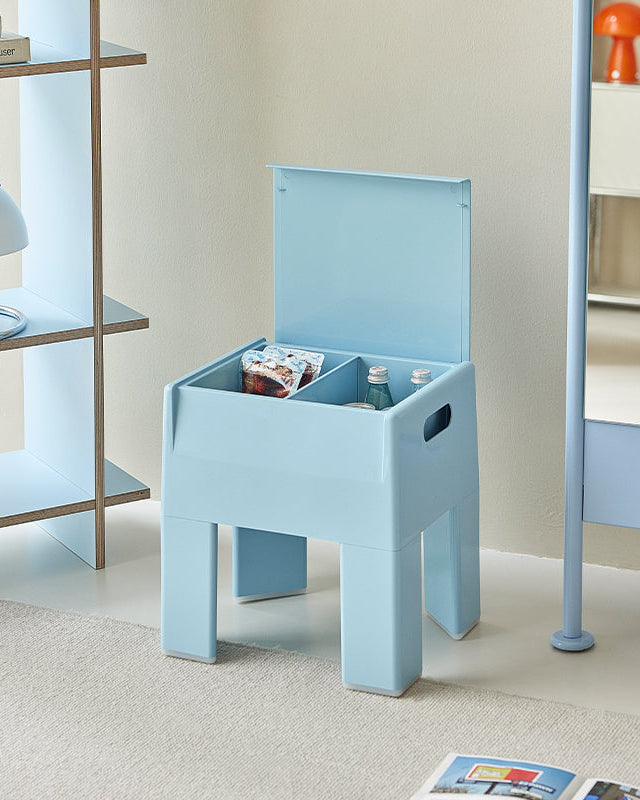
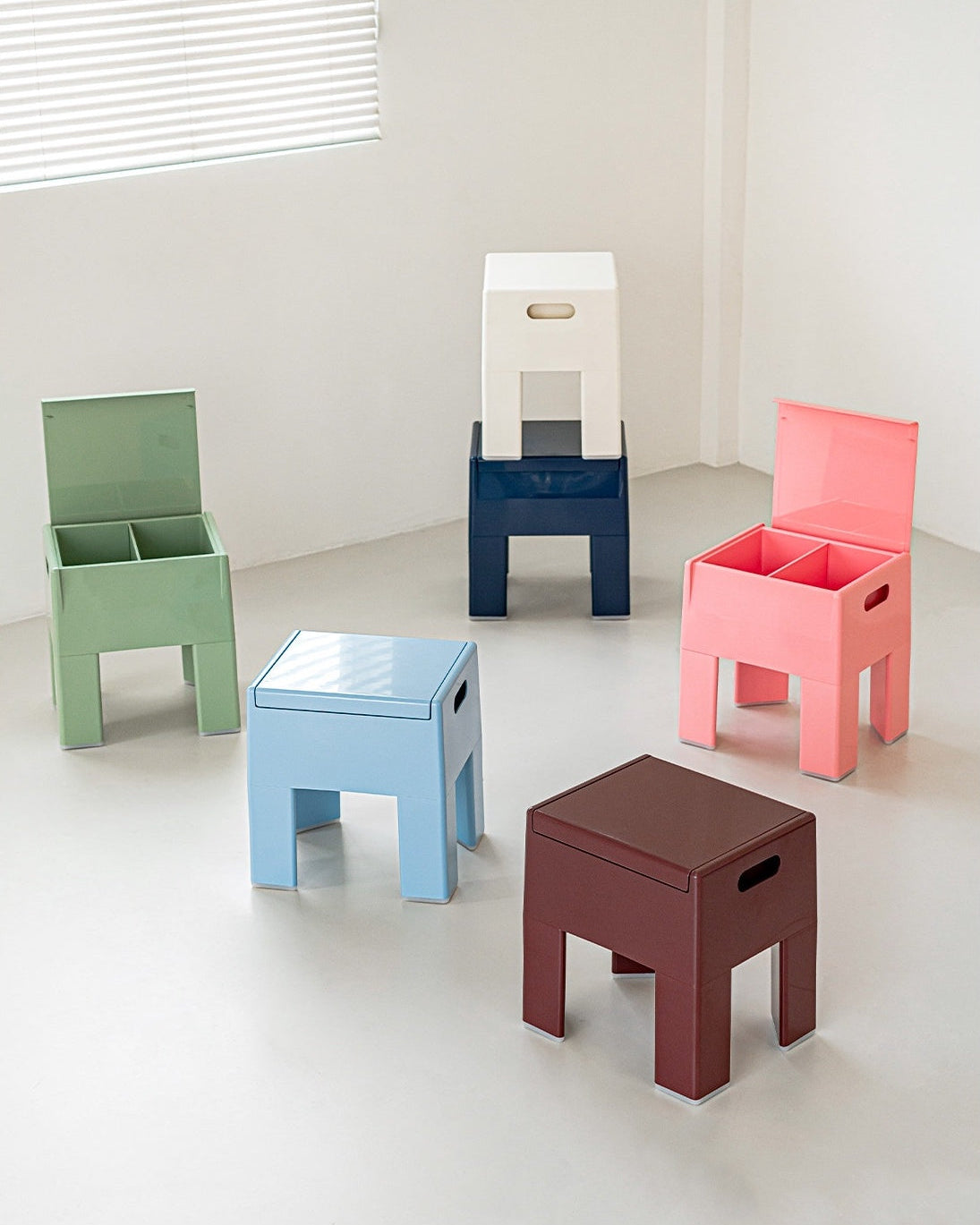
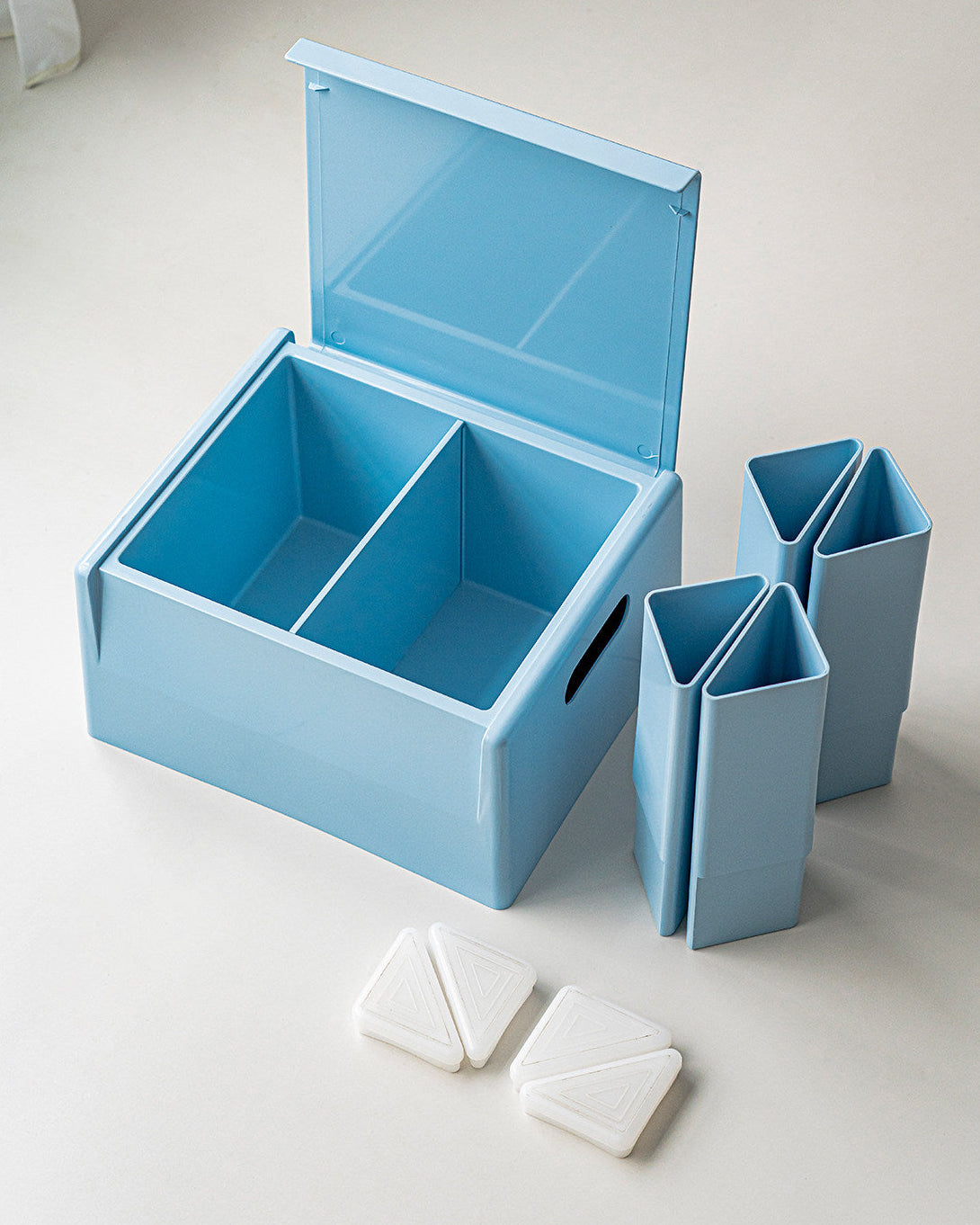
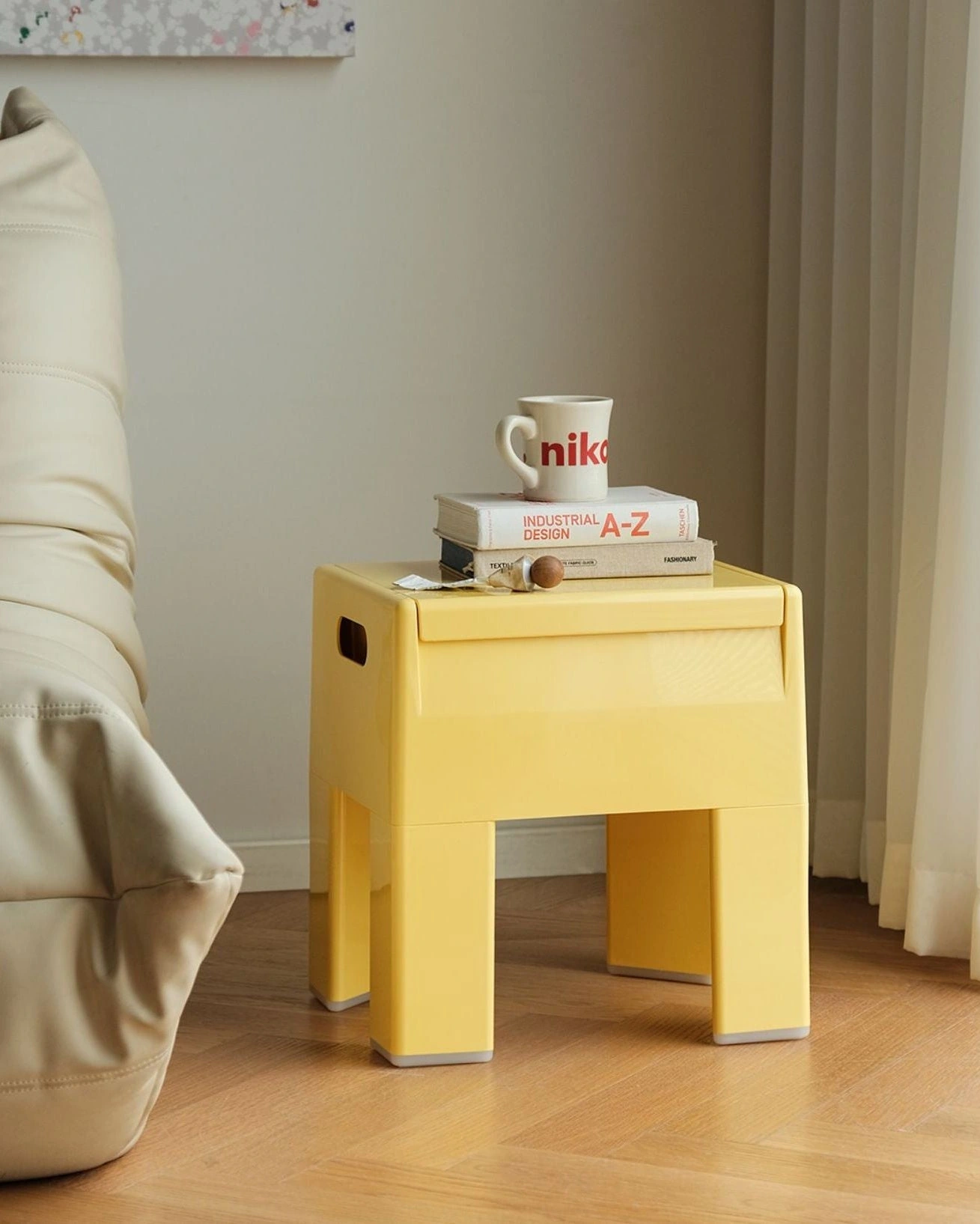
A small stool with a lift-off seat that reveals hidden storage. It doubles as a side table.
Image source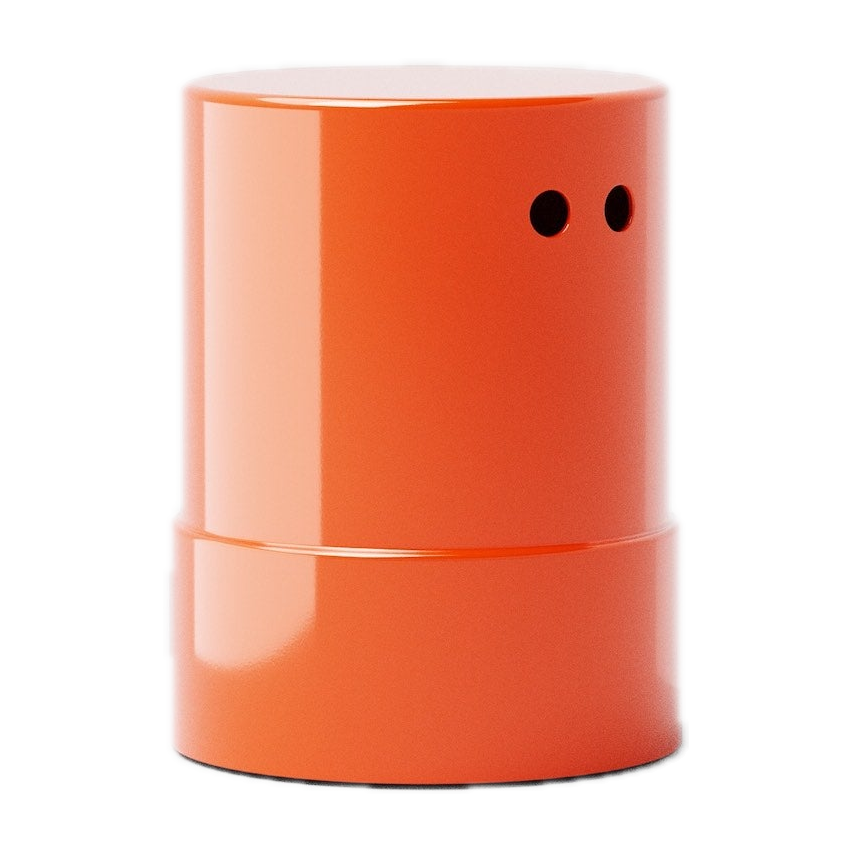
Not for sale
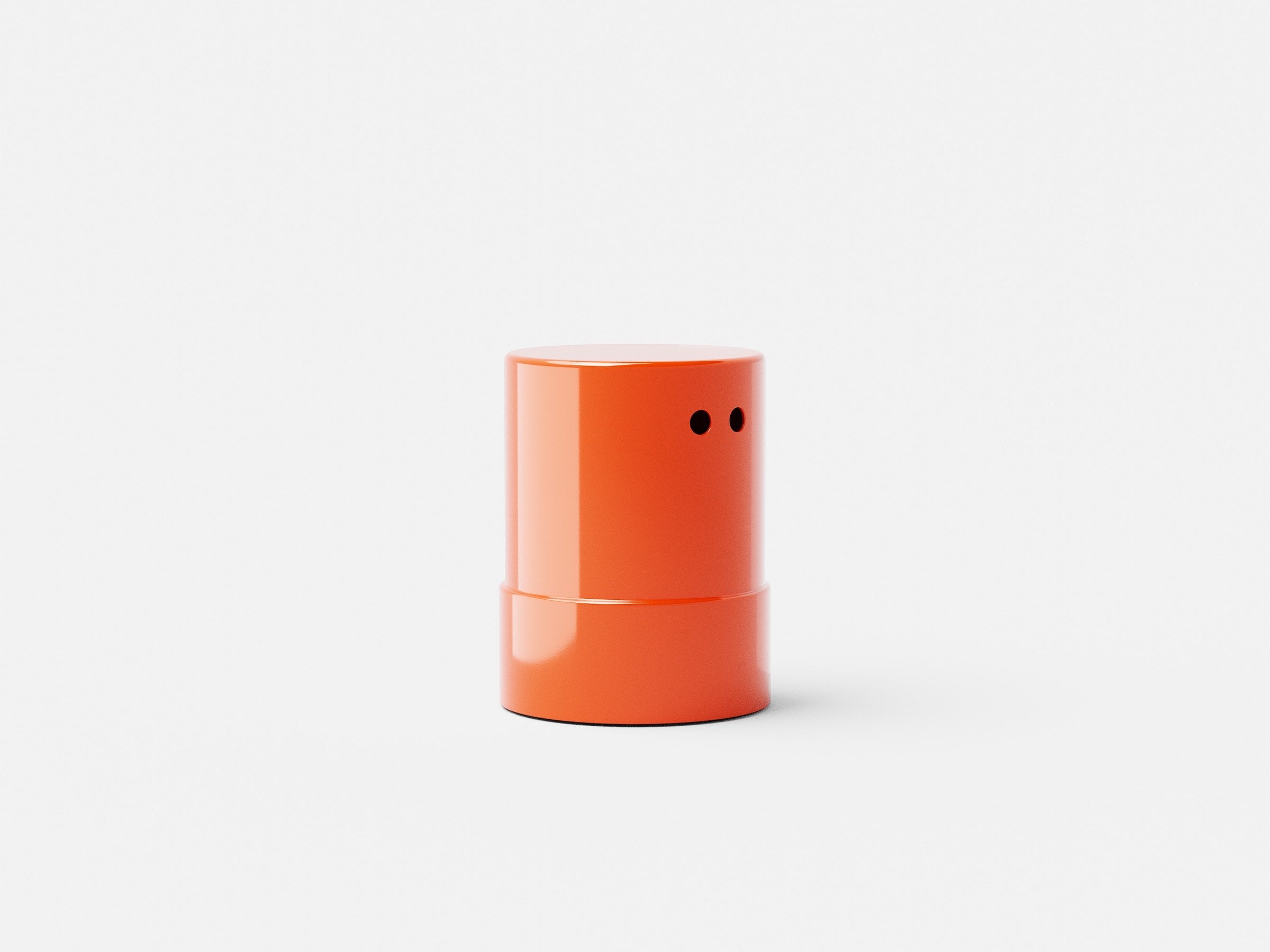
Jutta Gössl’s aluminum stacking stools, with cutout eyes that peer from beneath the seat.
Image source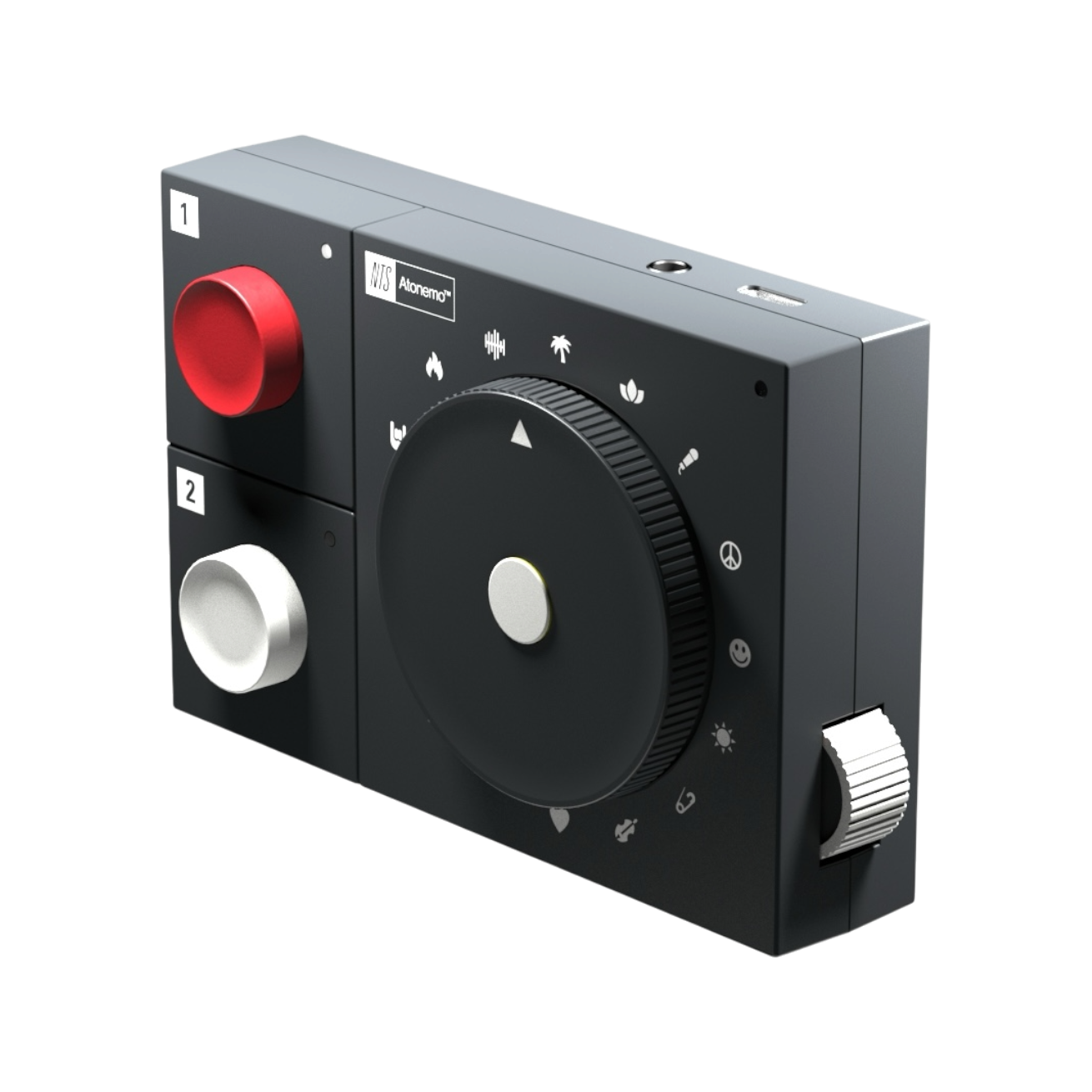
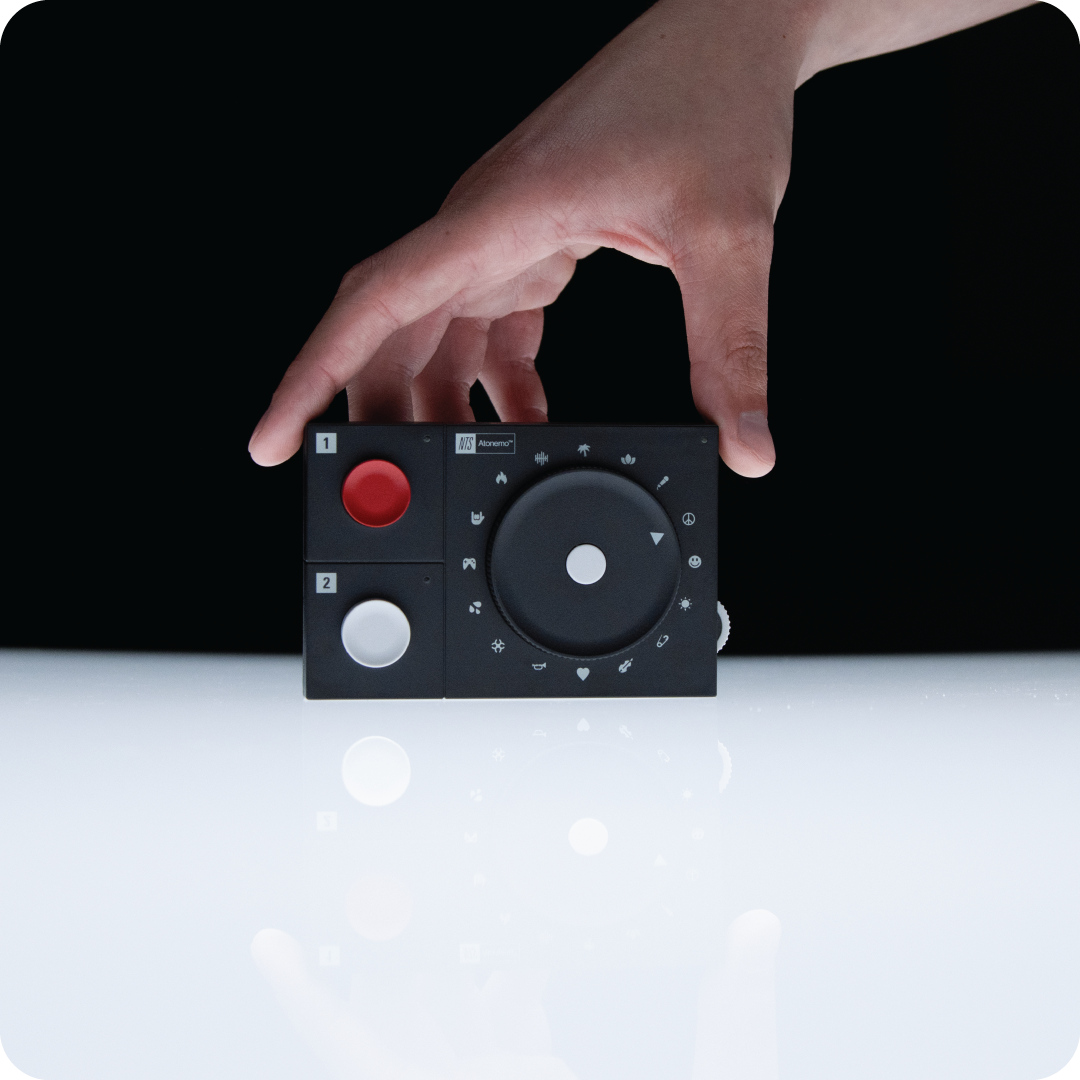
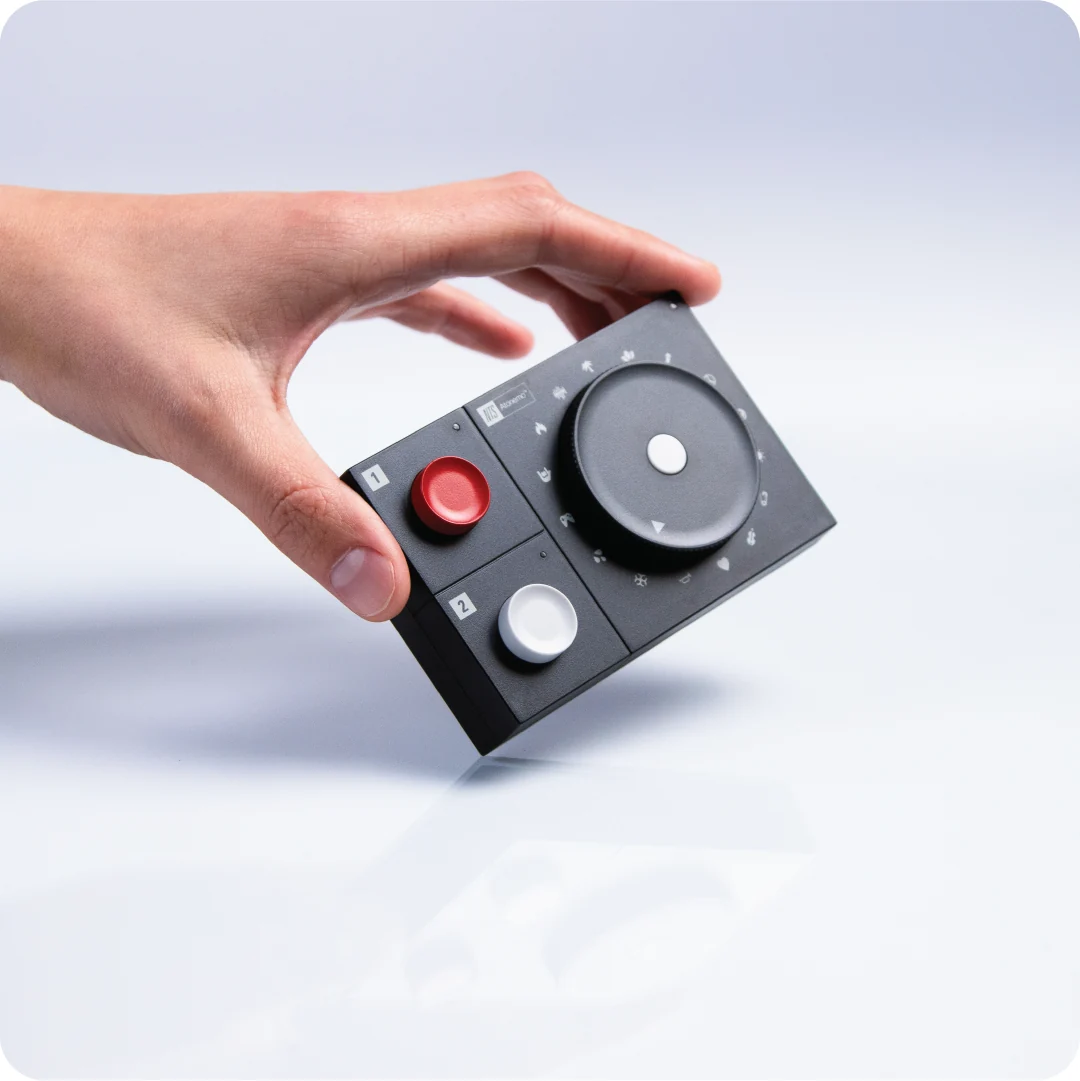
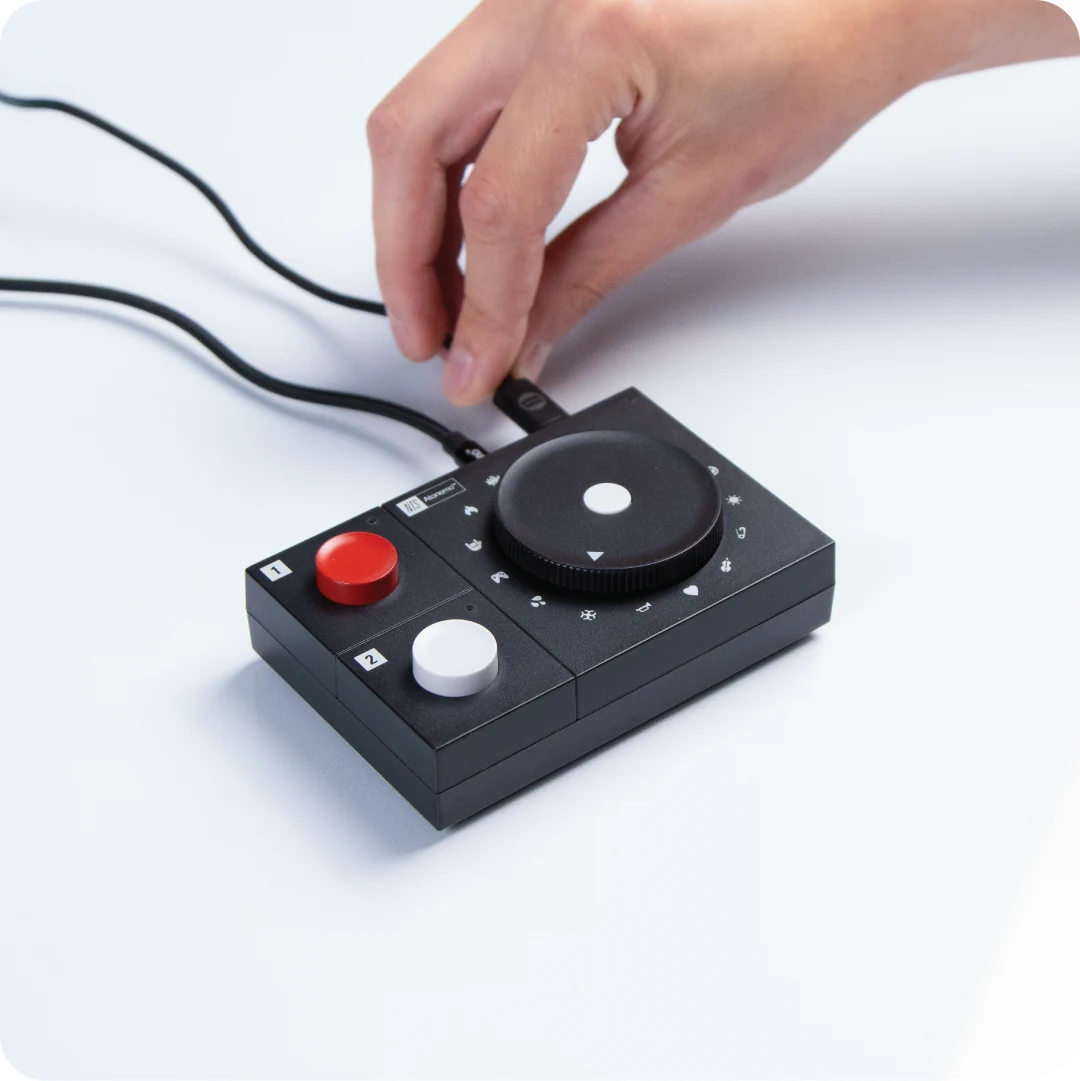
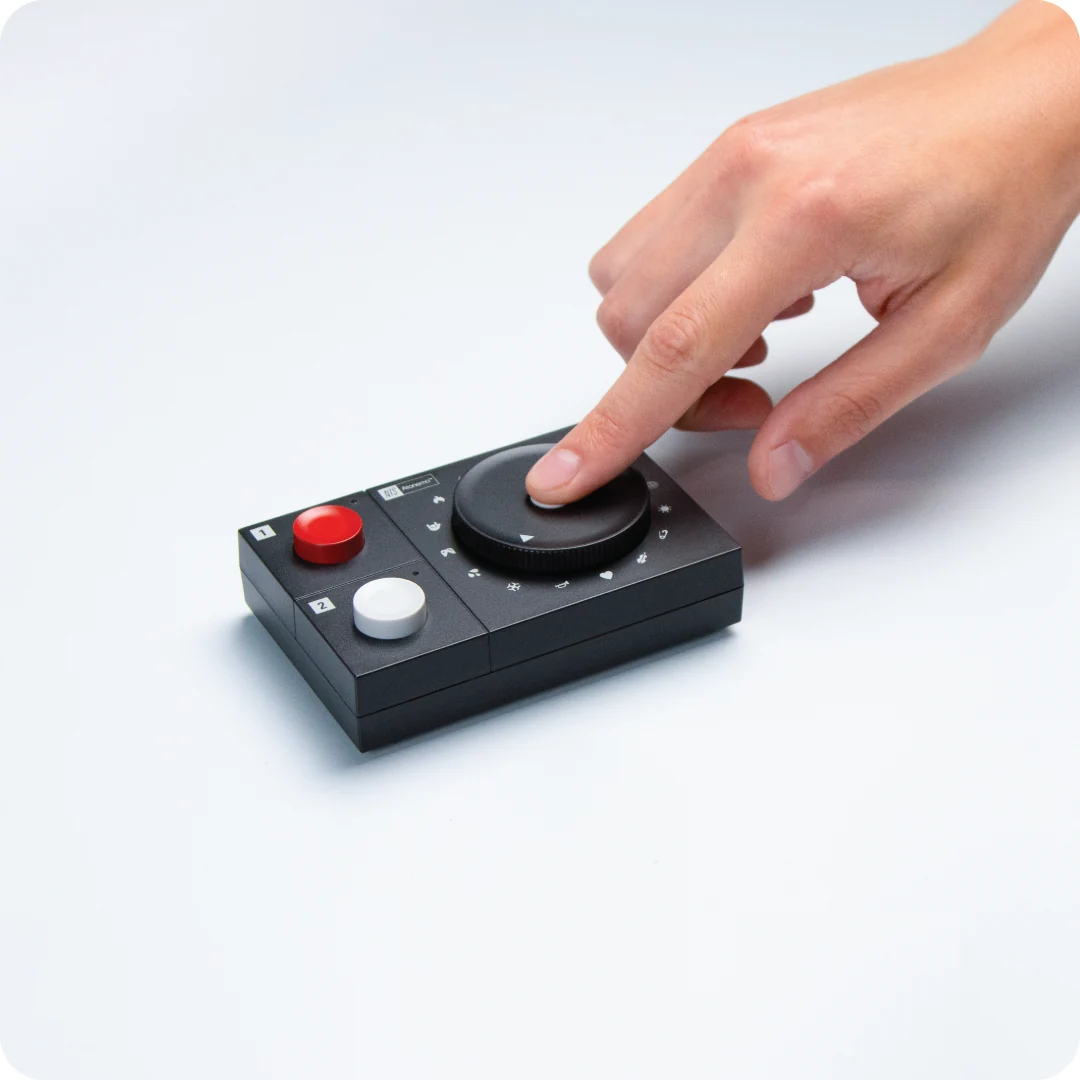
A compact Wi-Fi player that brings NTS radio to your speakers, with a physical dial for listening.
Image source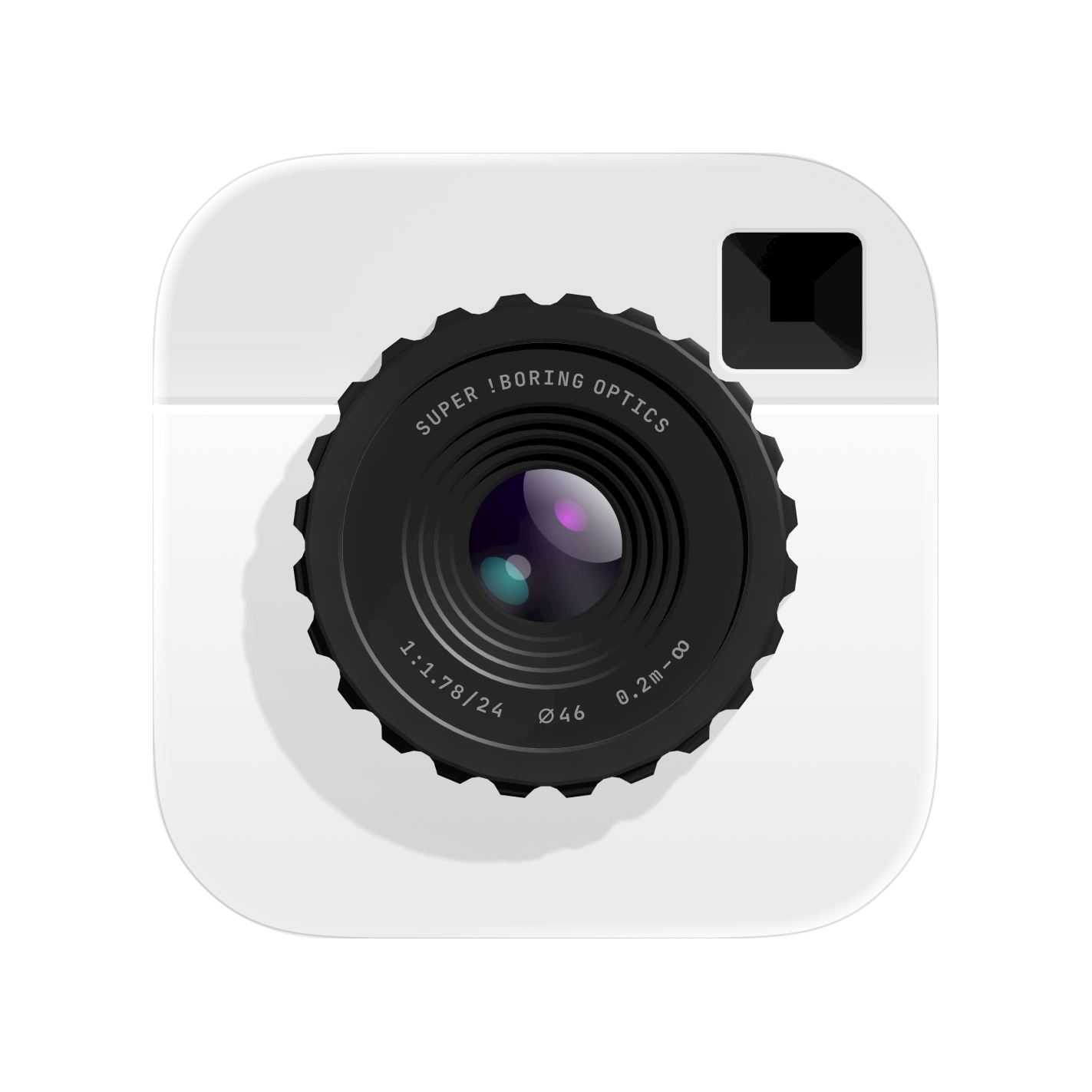
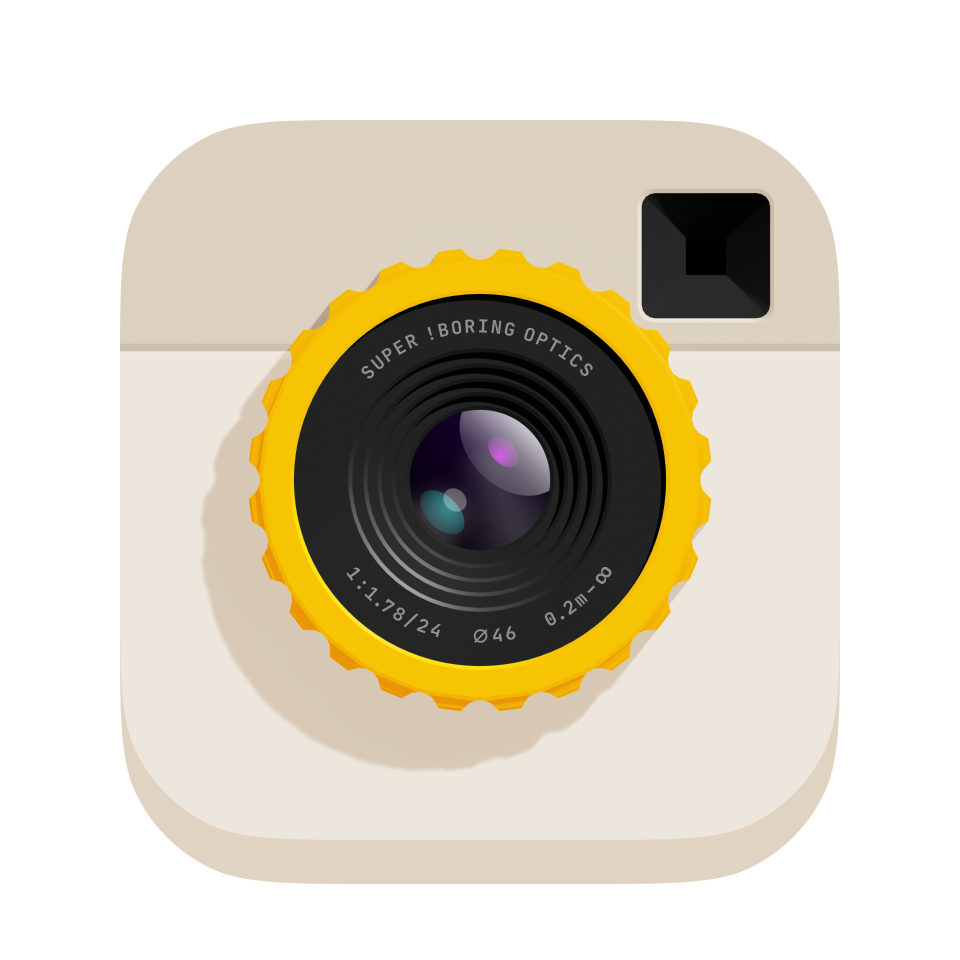
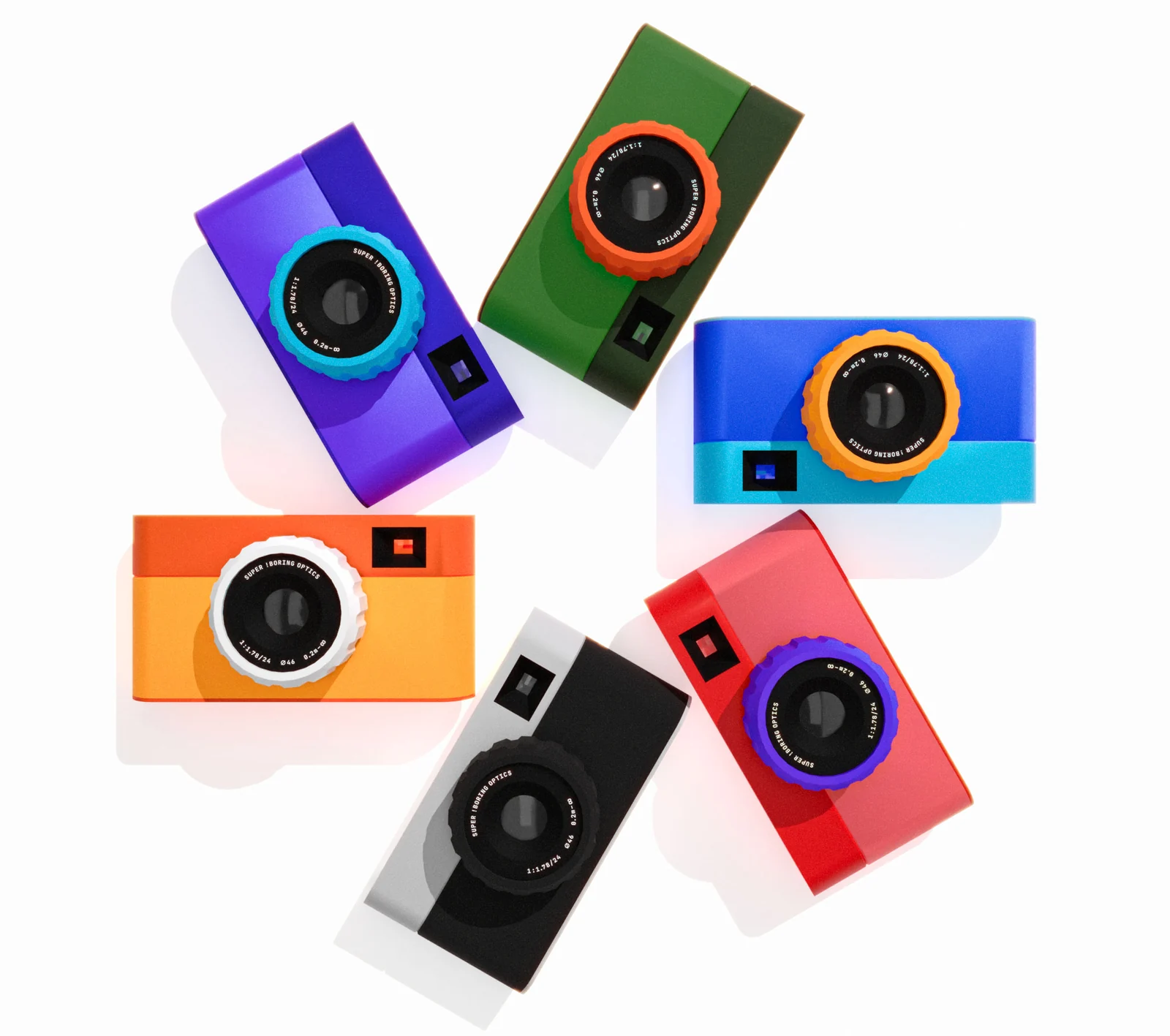
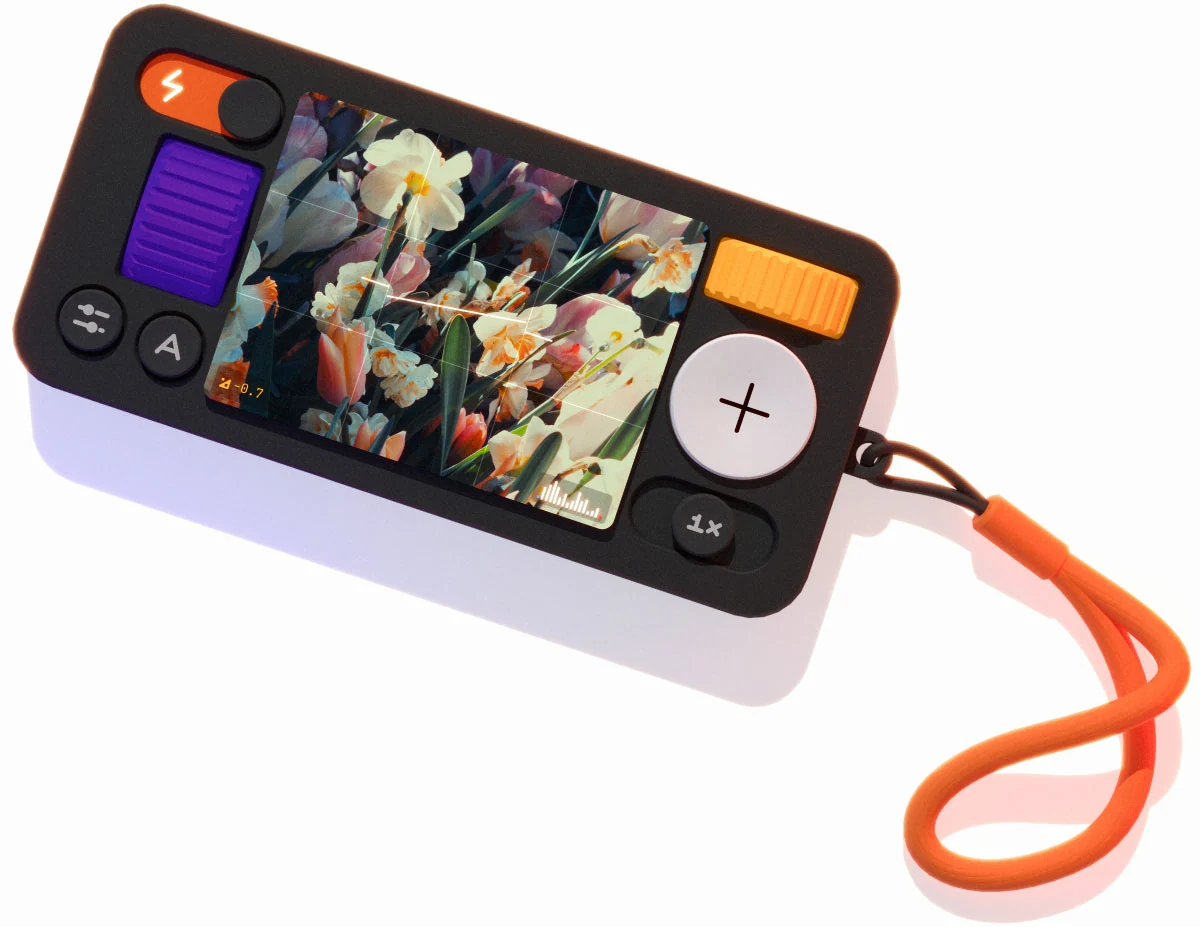
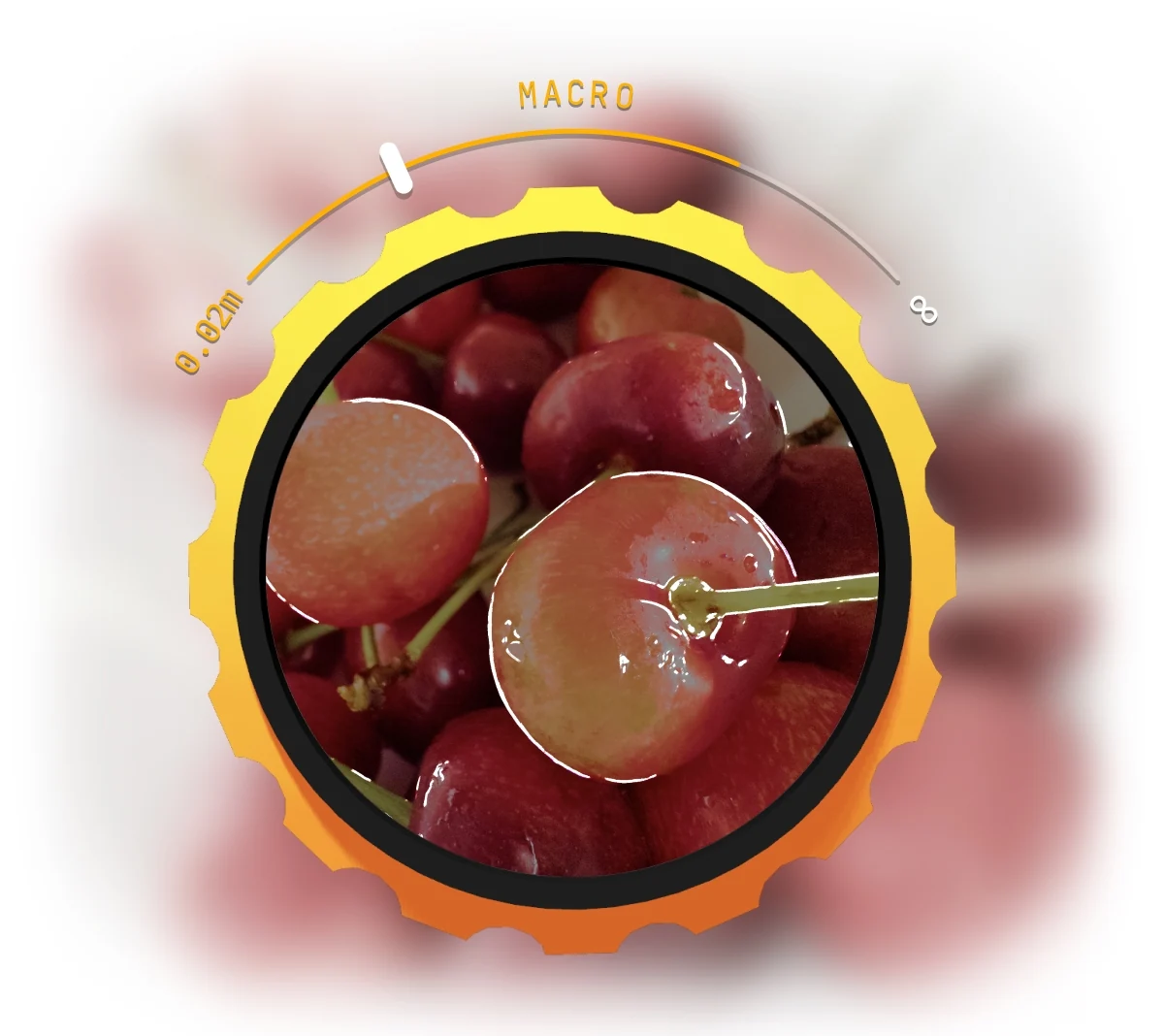
An iPhone camera app with tactile controls and a playful interface for taking everyday photographs.
Image source
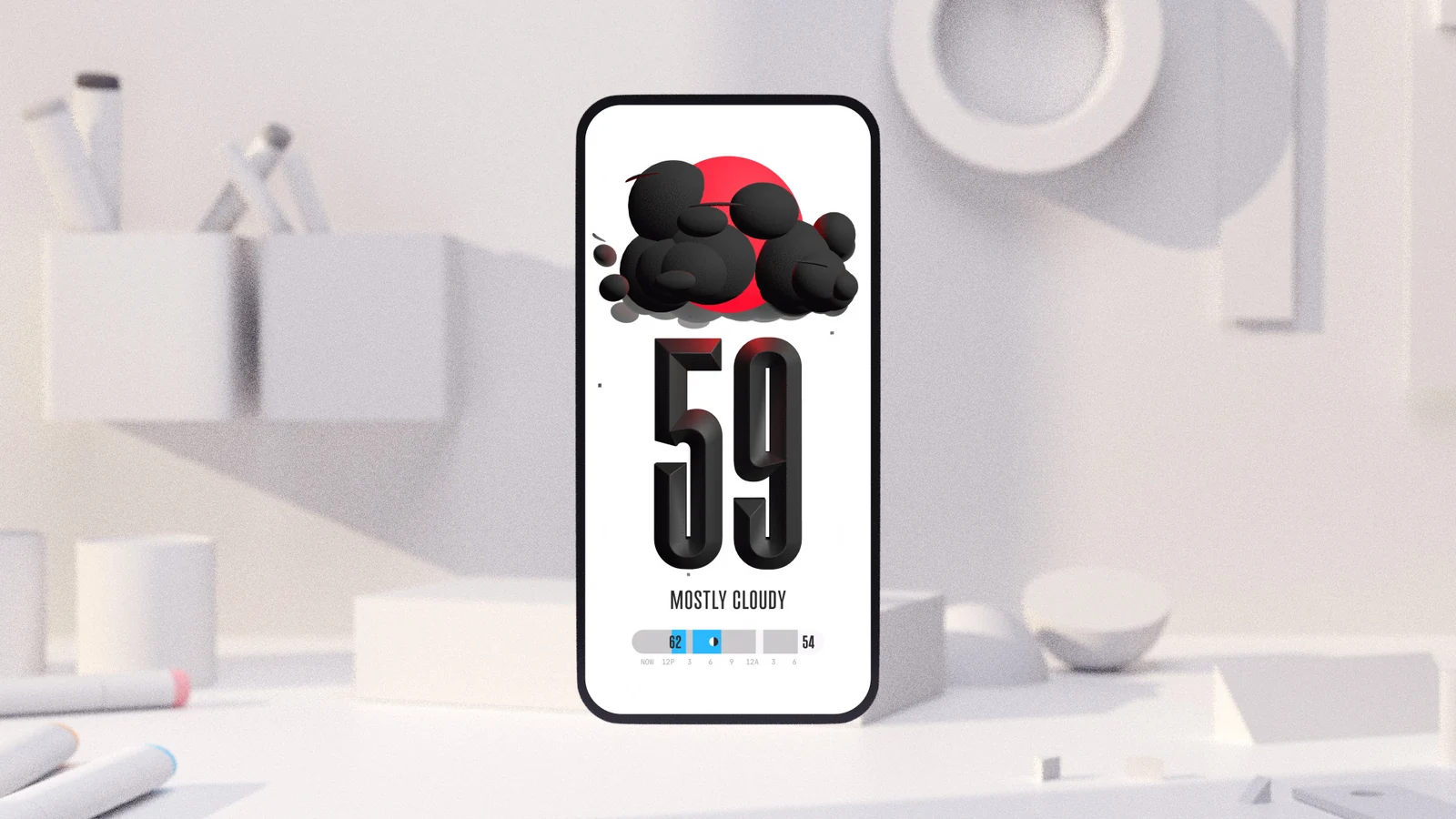
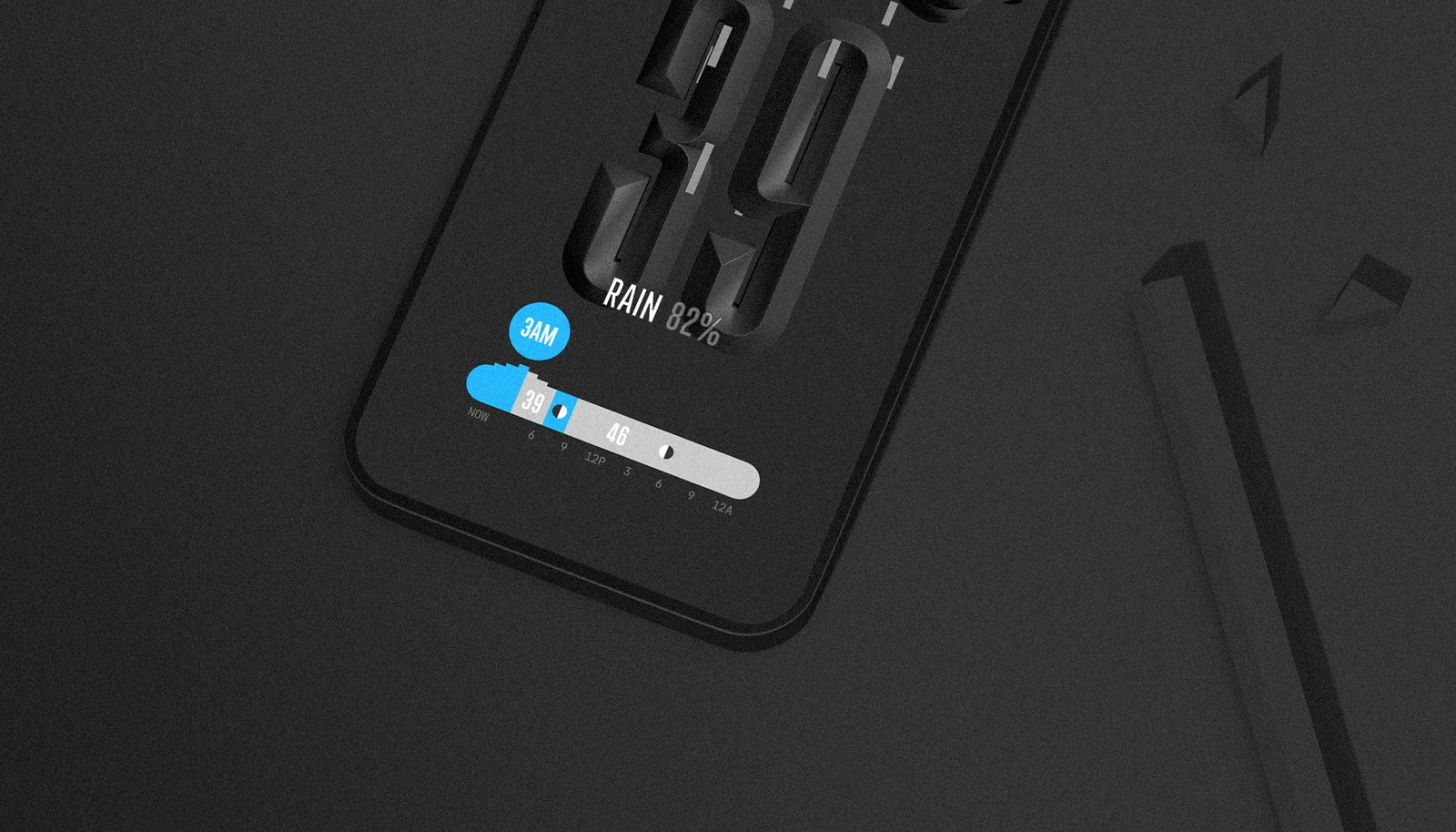
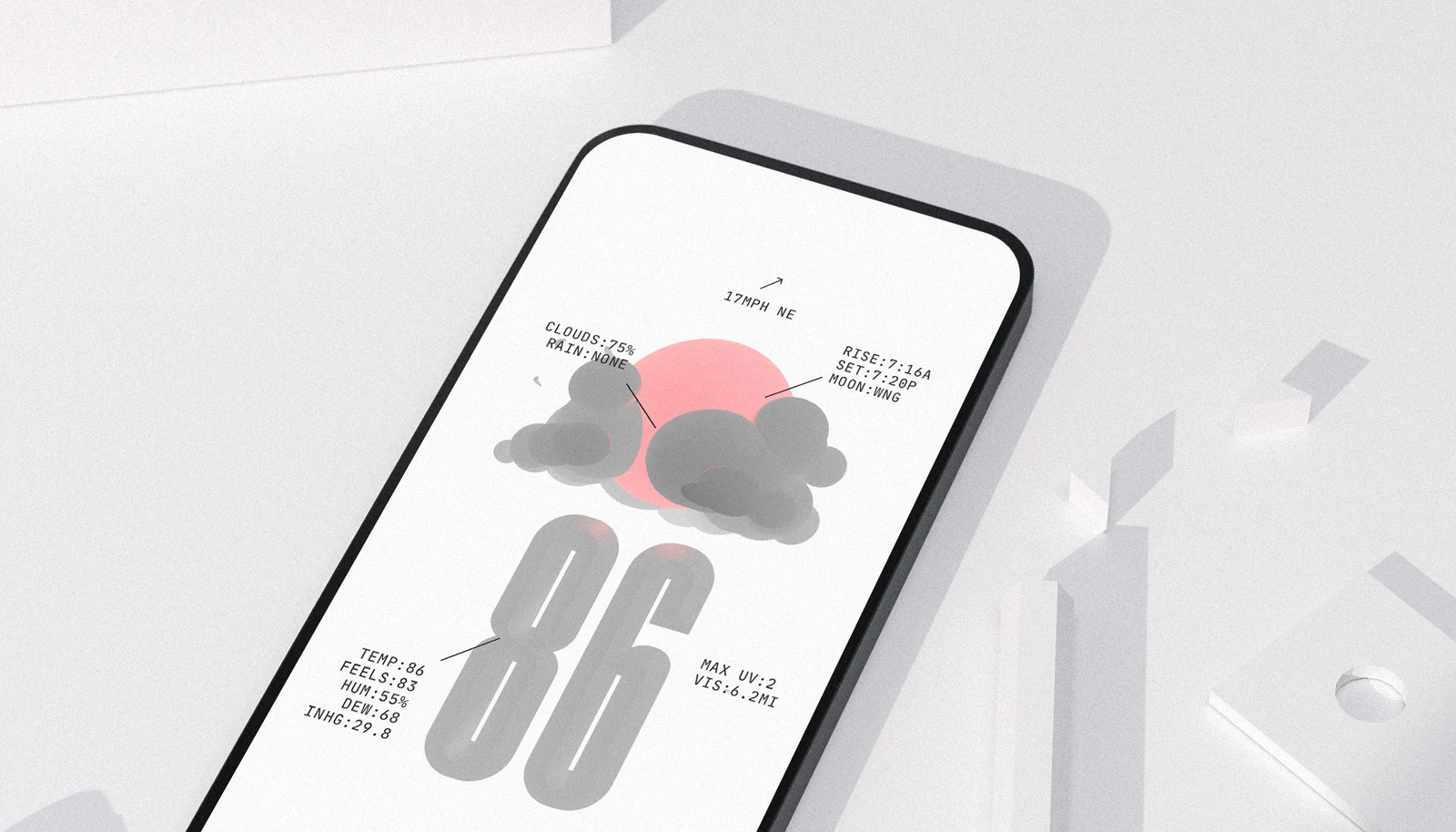
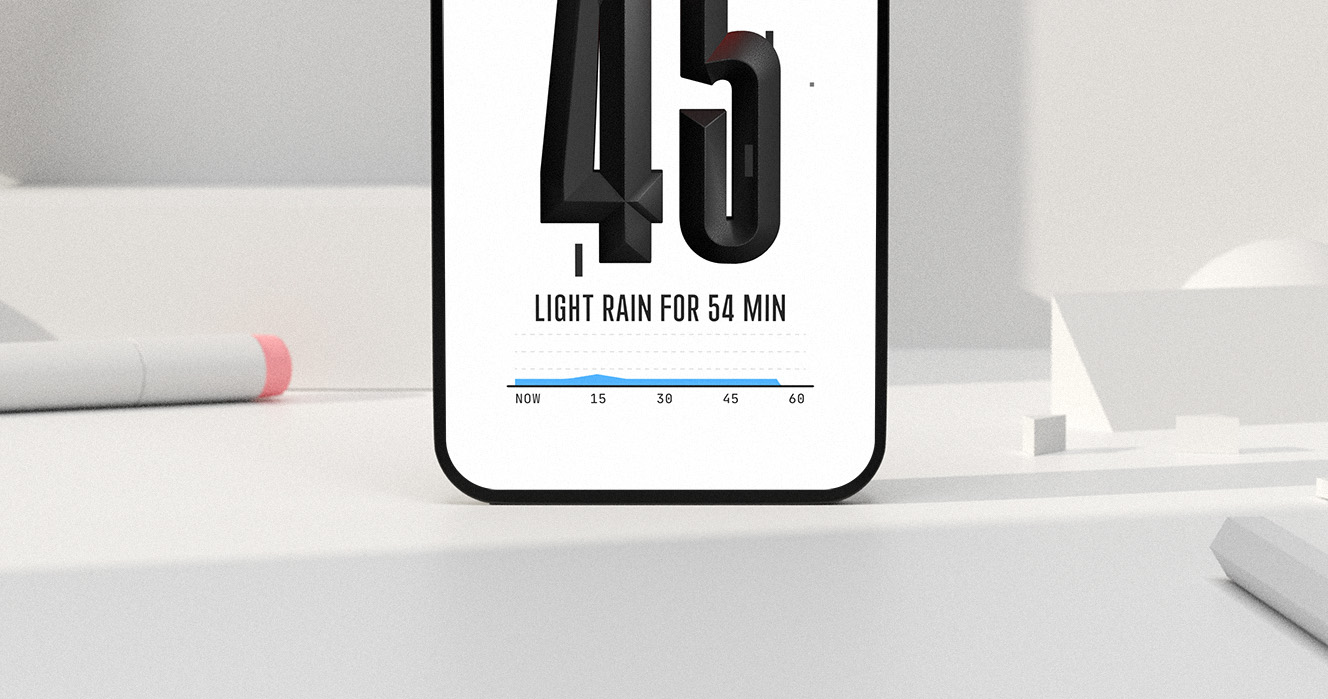
A weather app that turns the forecast into an interactive world of 3D shapes, color, and motion.
Image source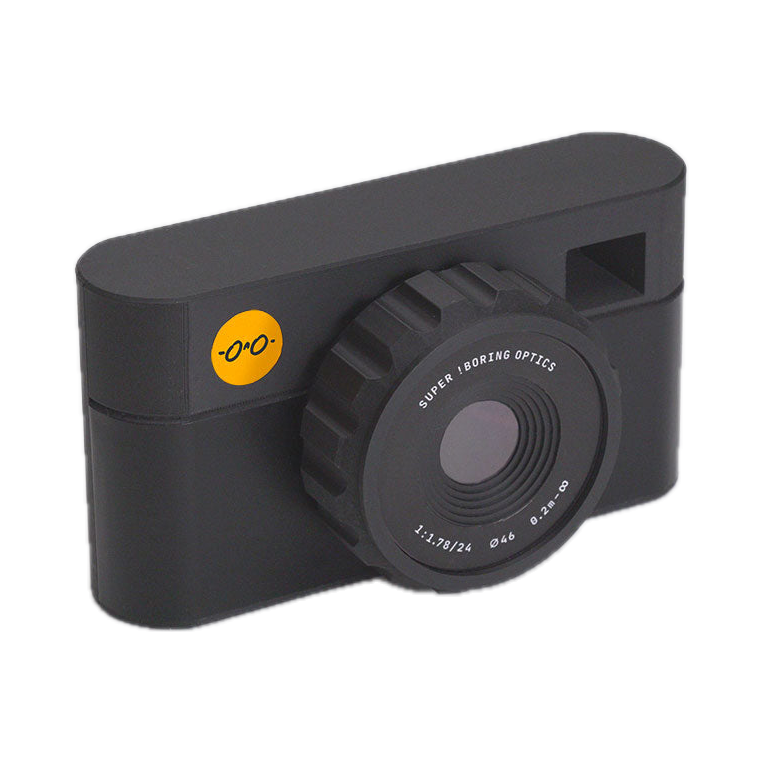
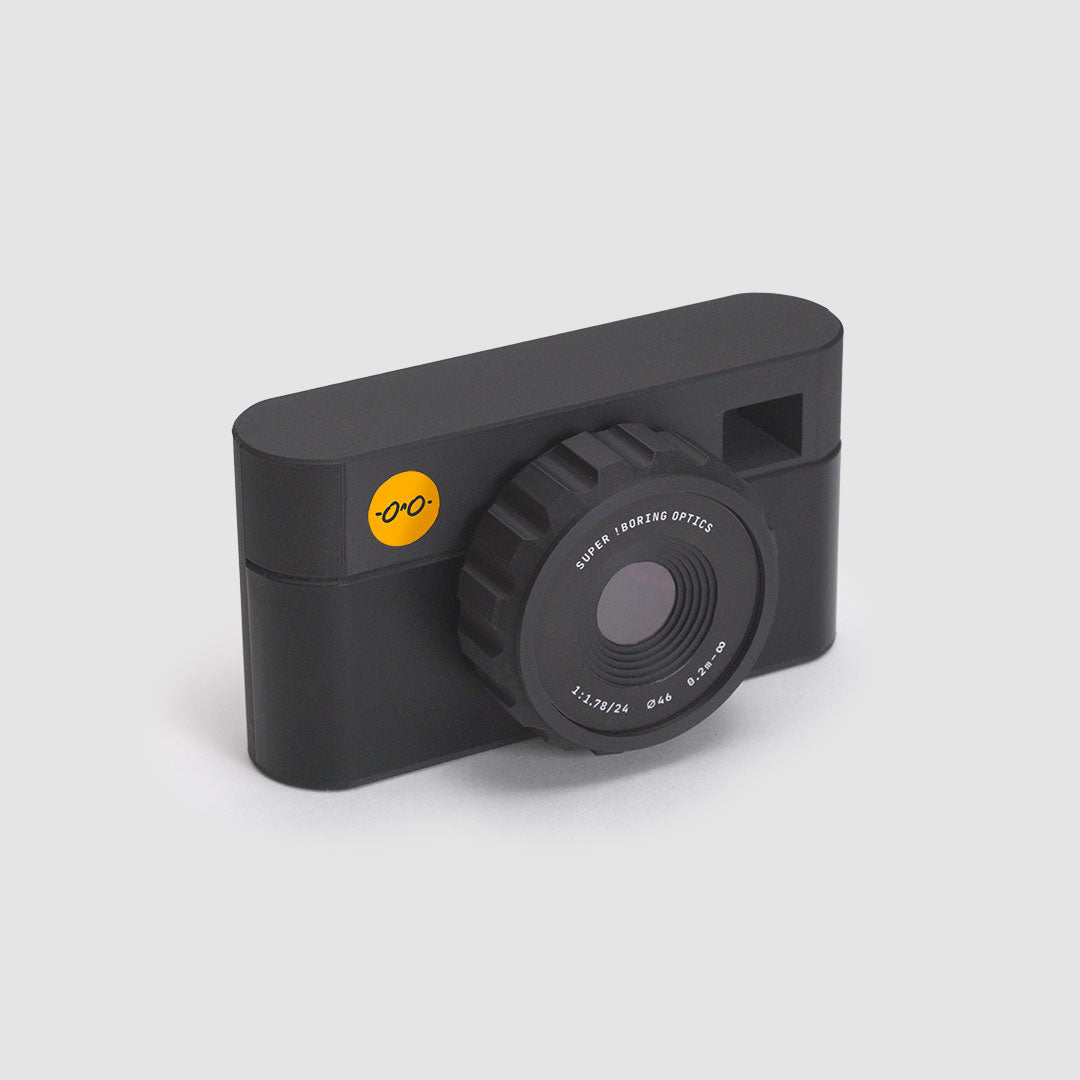
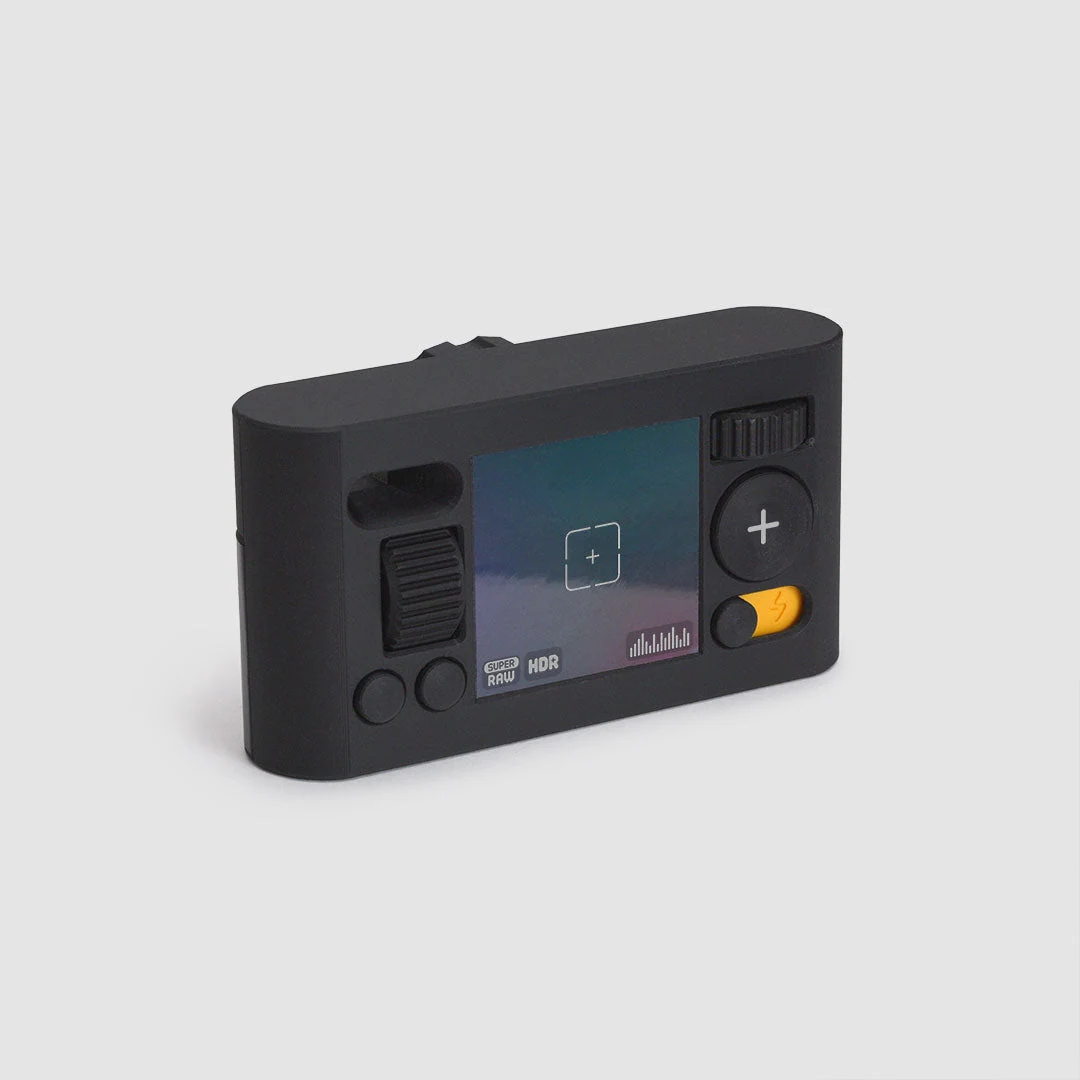
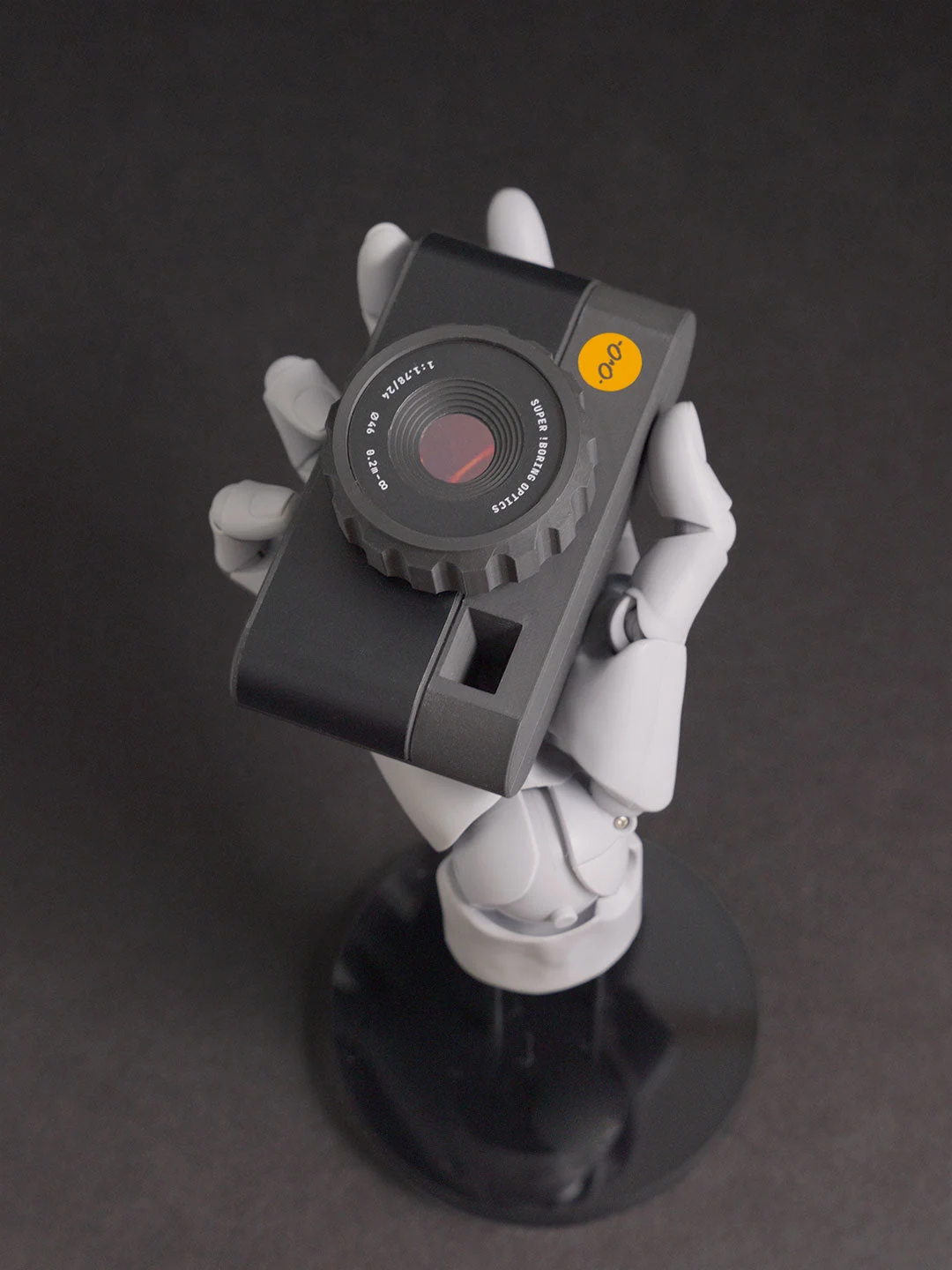
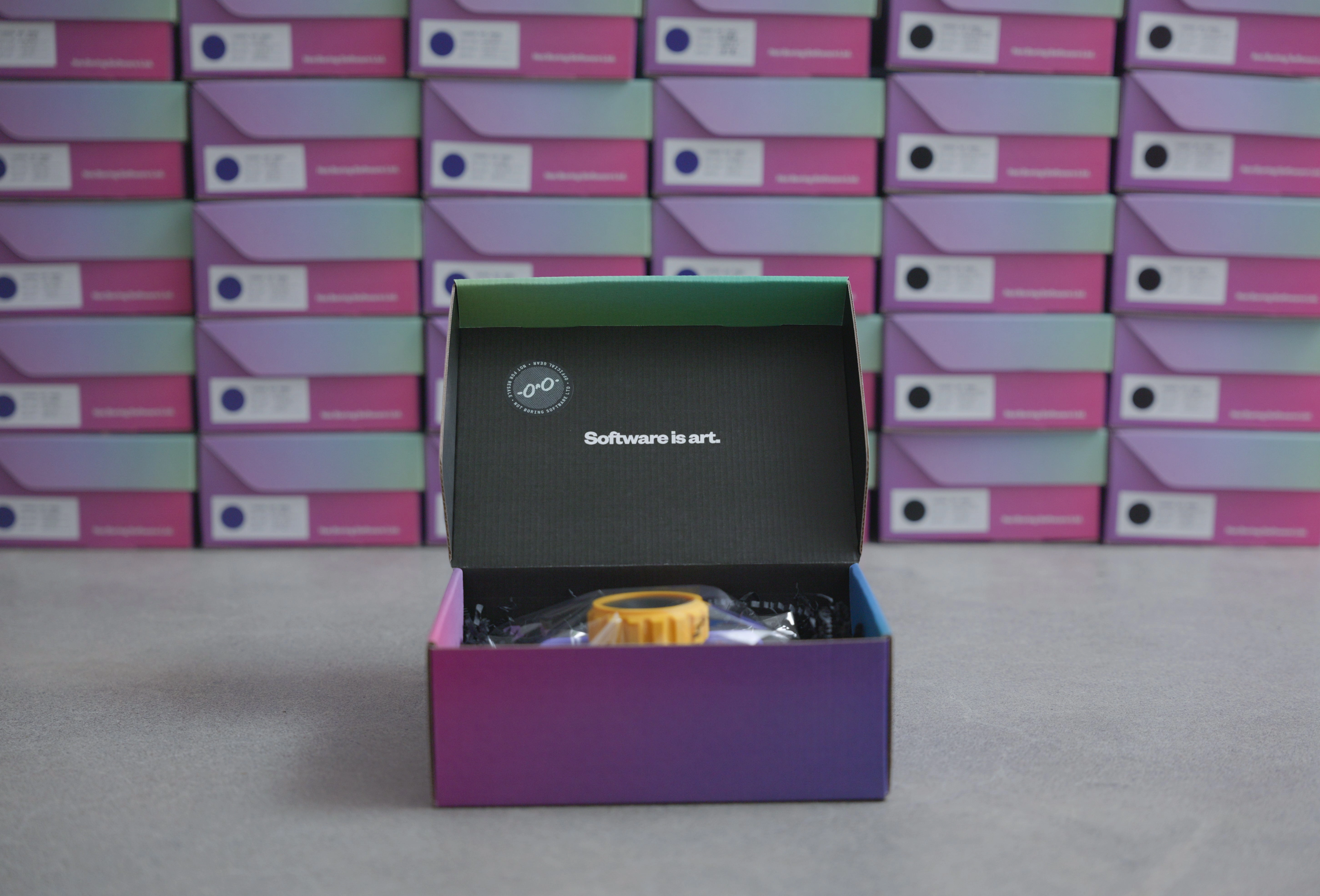
A collectible camera-shaped art model with movable dials, buttons, and a lens. Made to play with; it doesn’t take photos.
Image source
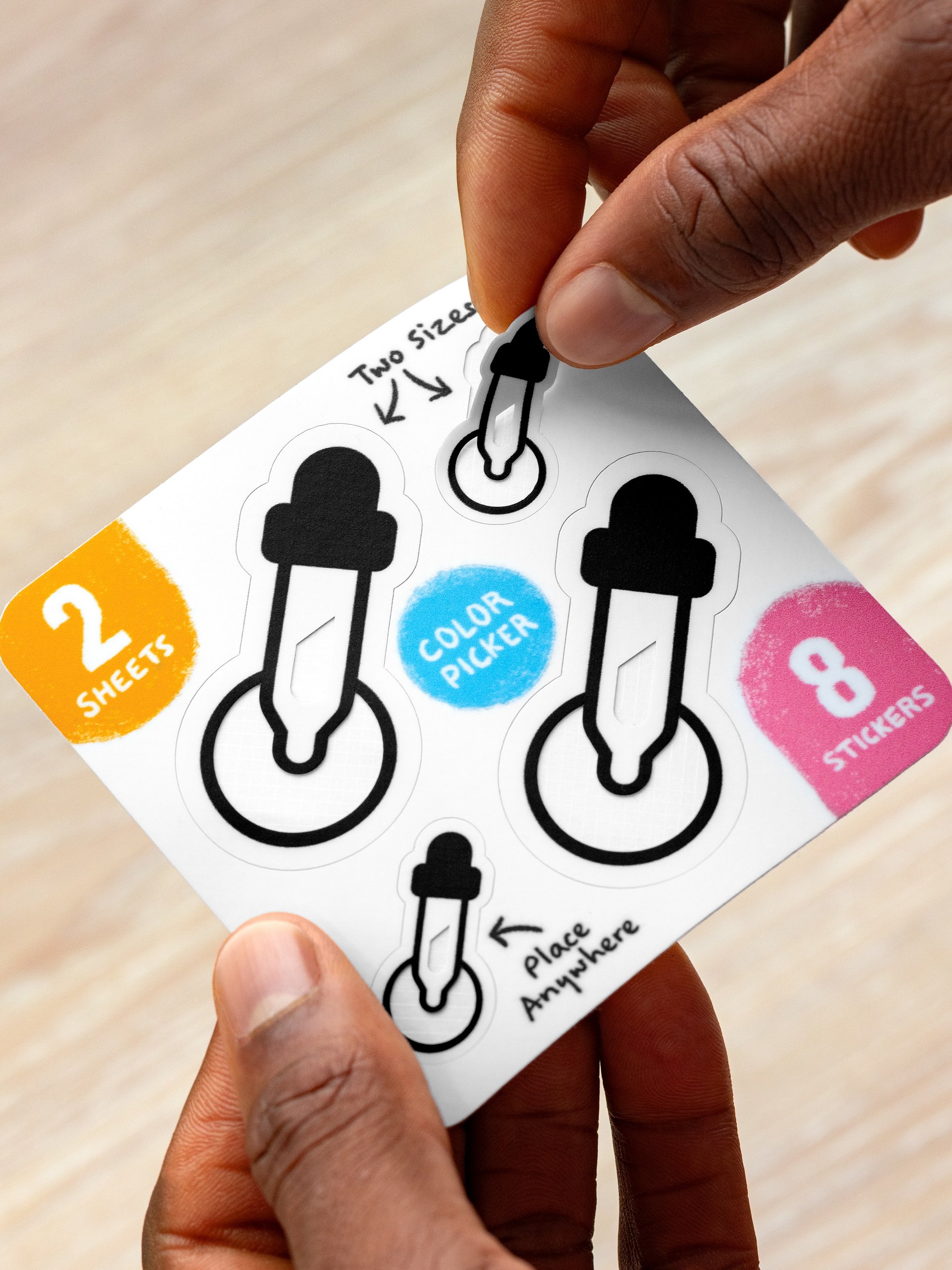
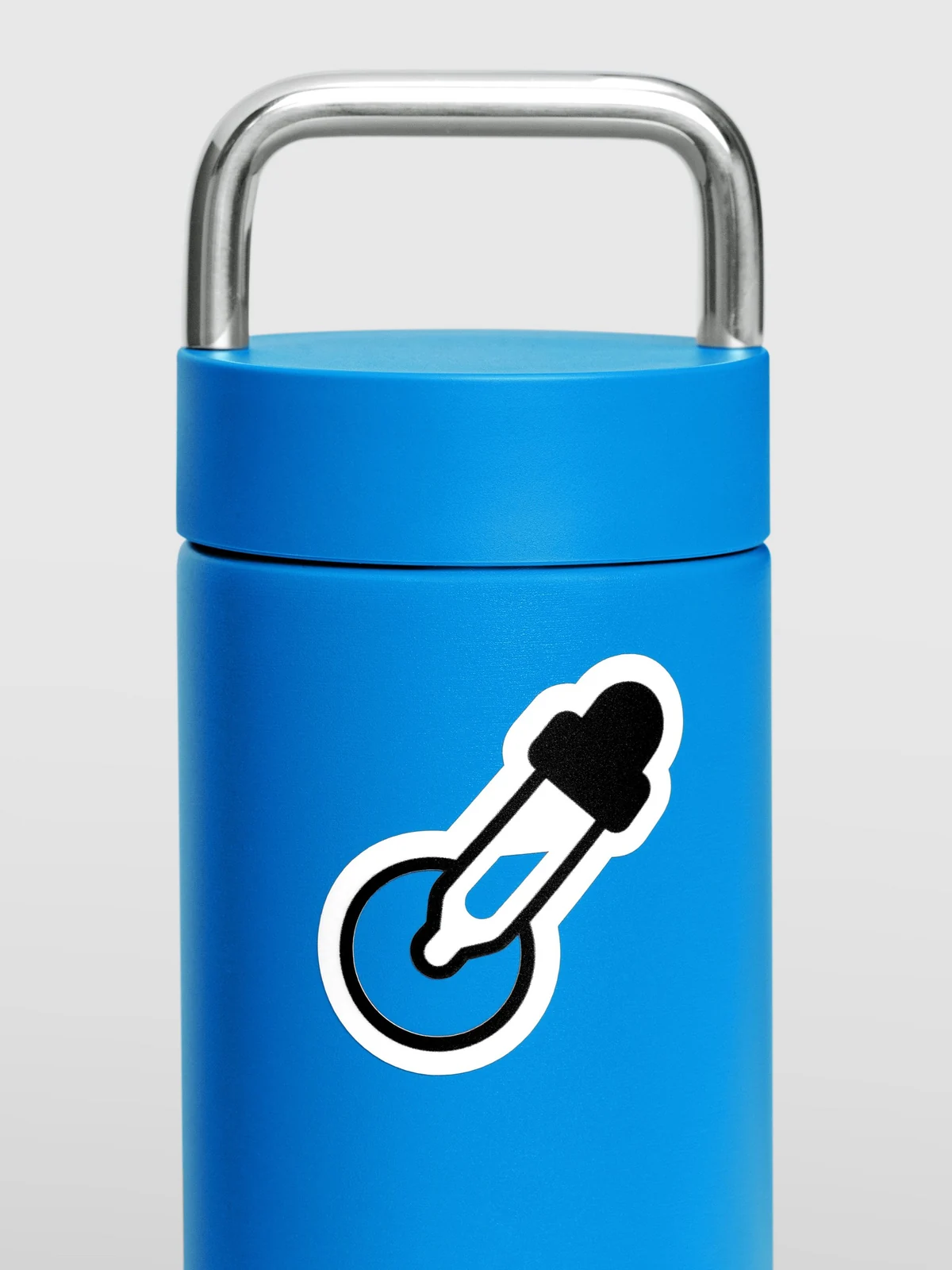
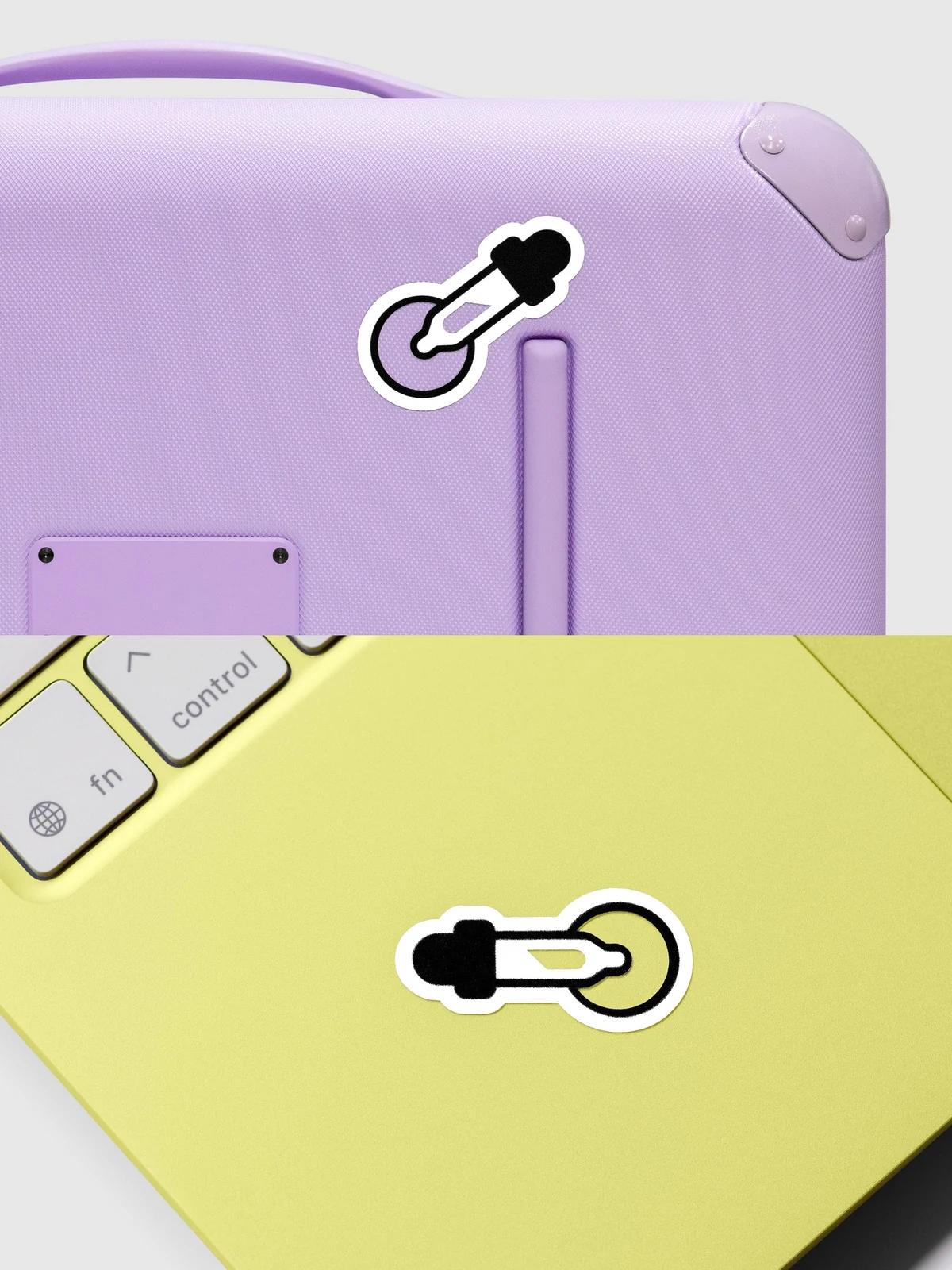
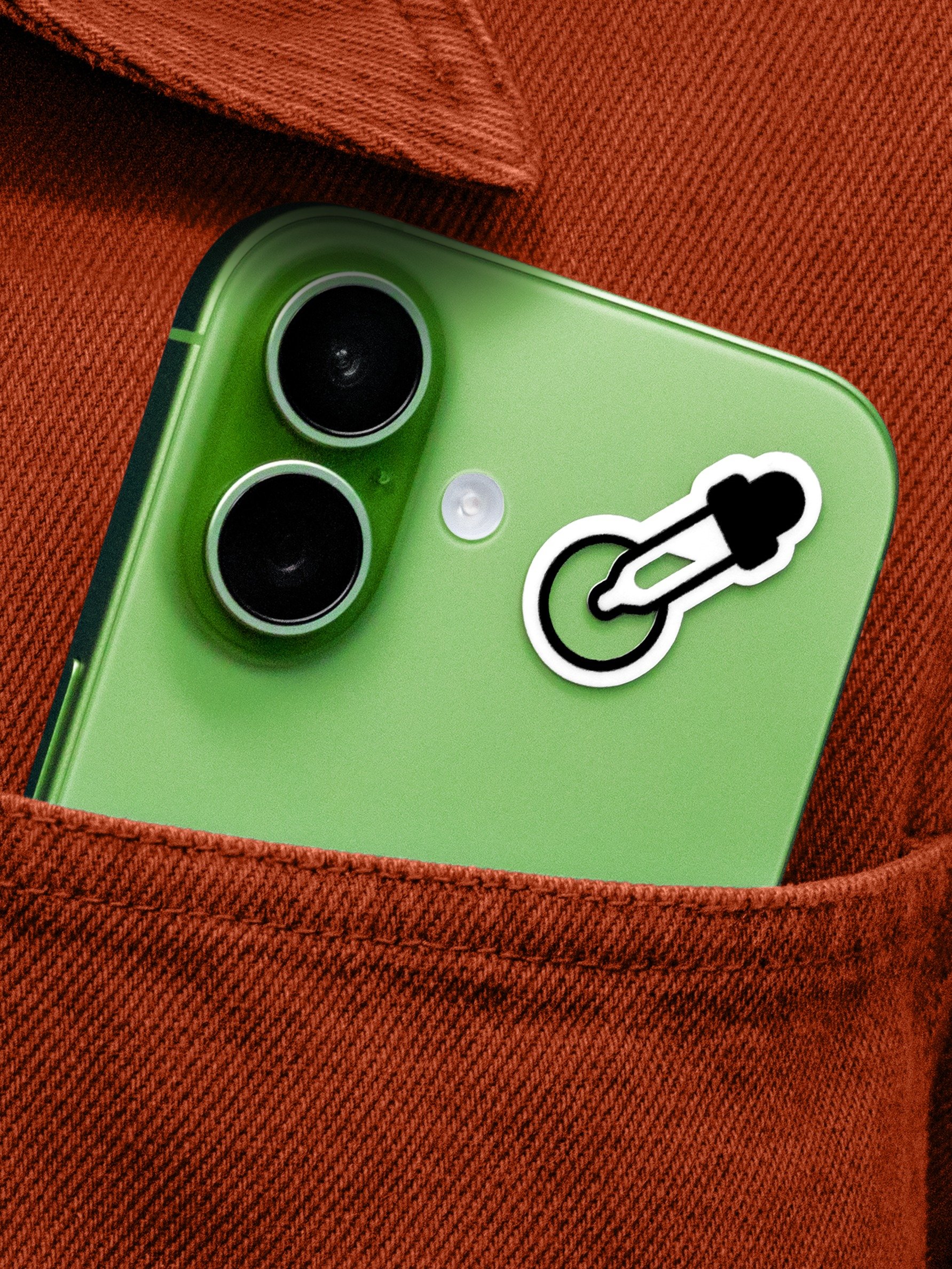
Eight color-picker stickers that turn the colors of everyday surfaces into sampled swatches.
Image source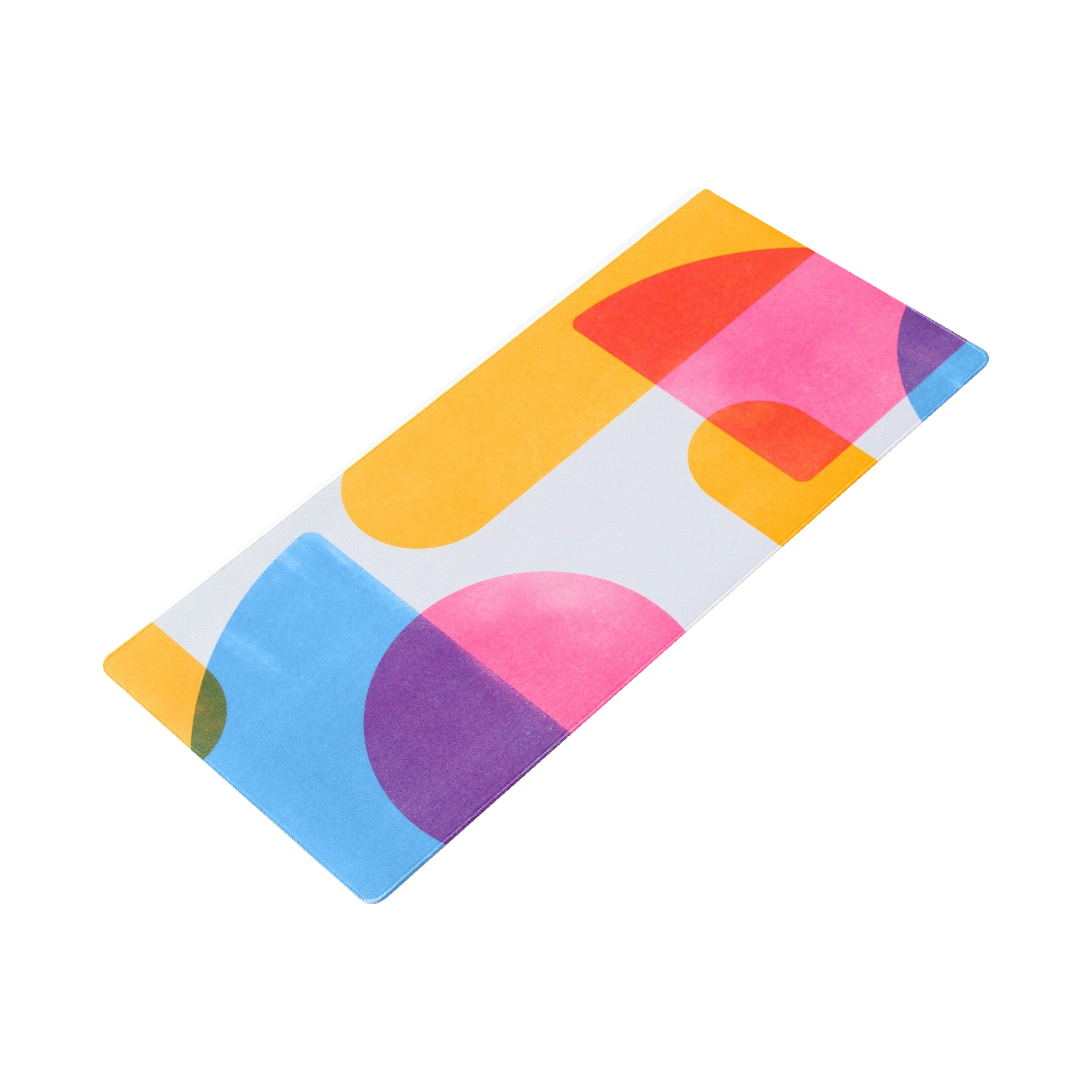
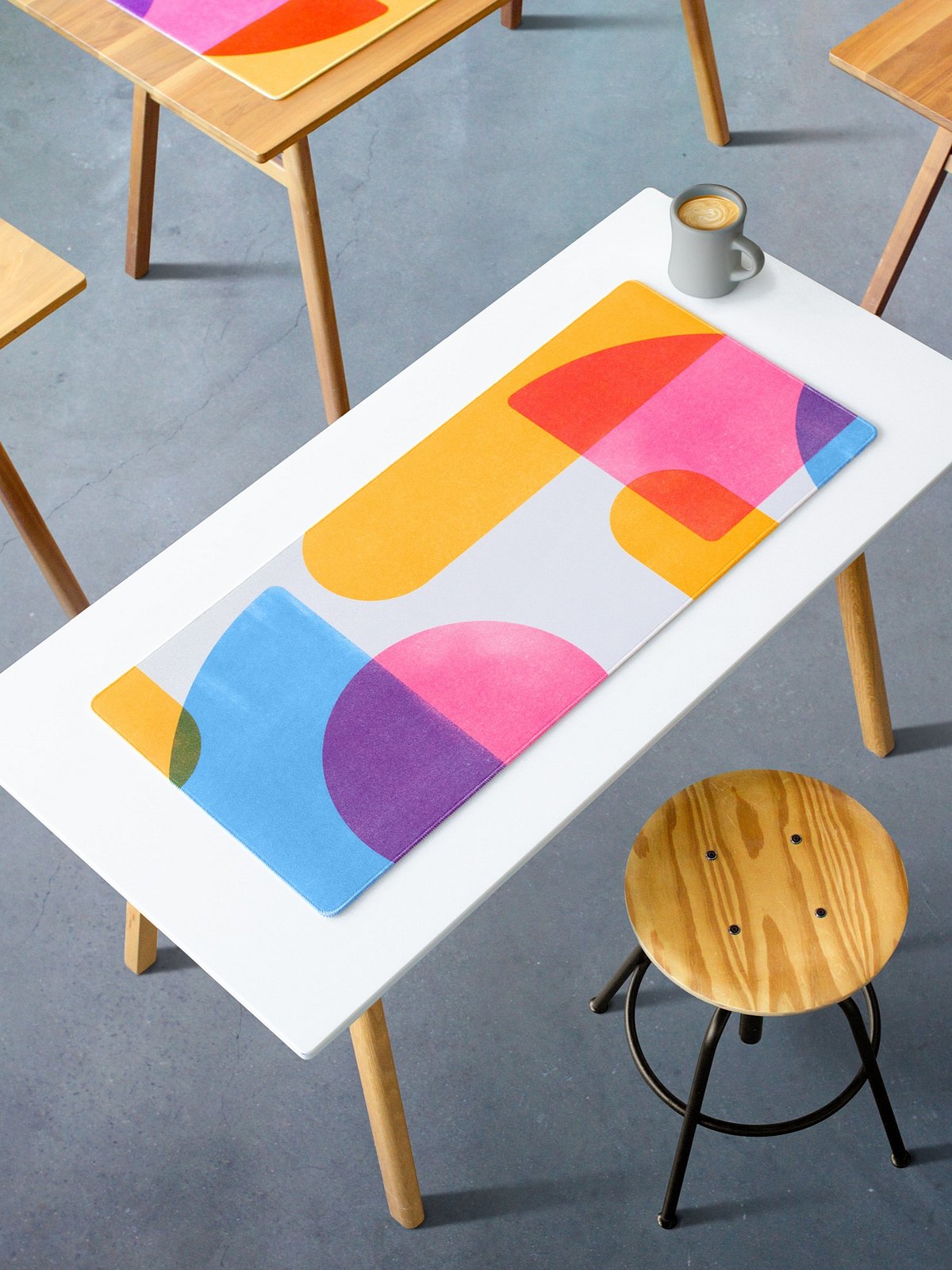
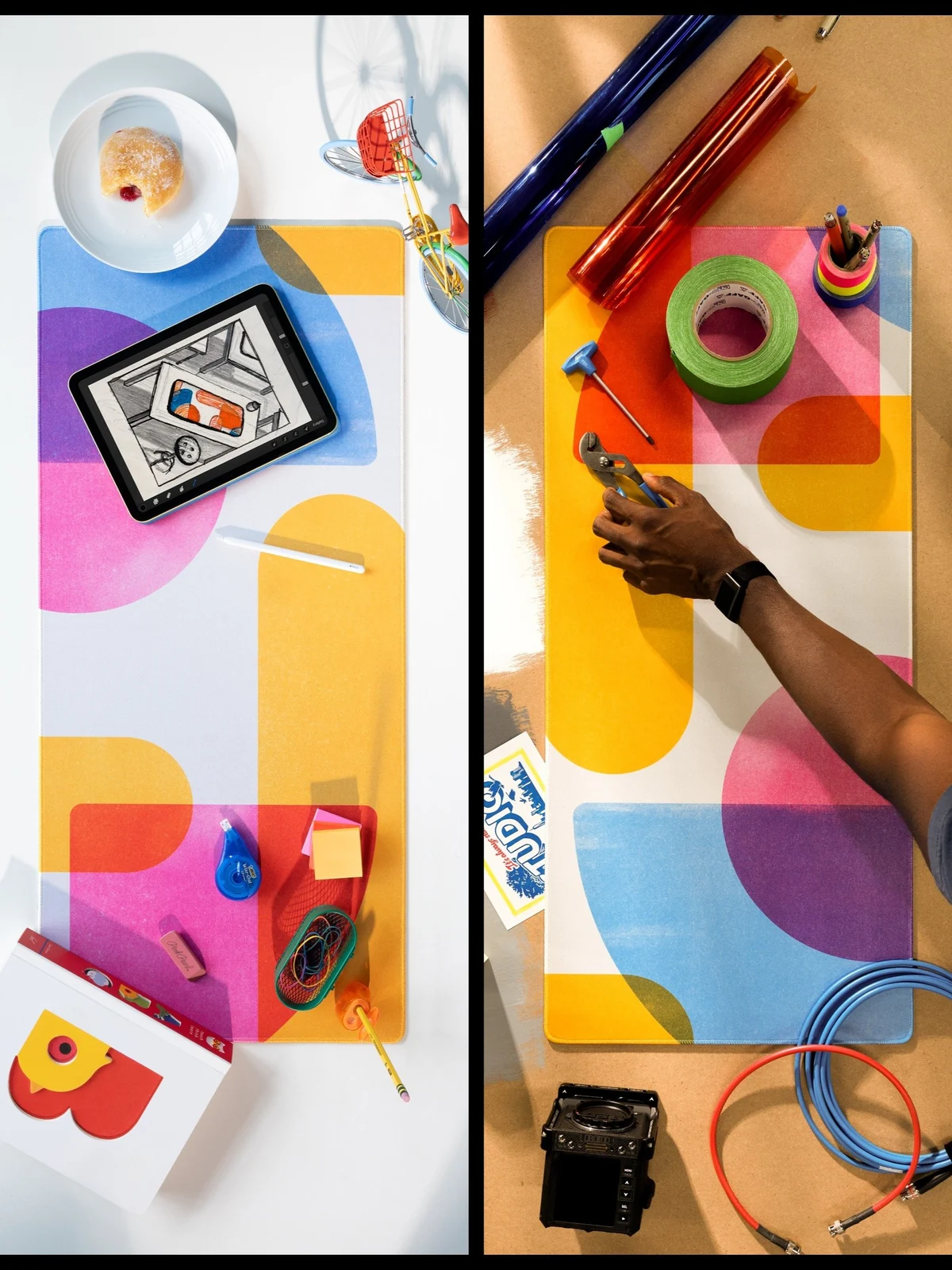
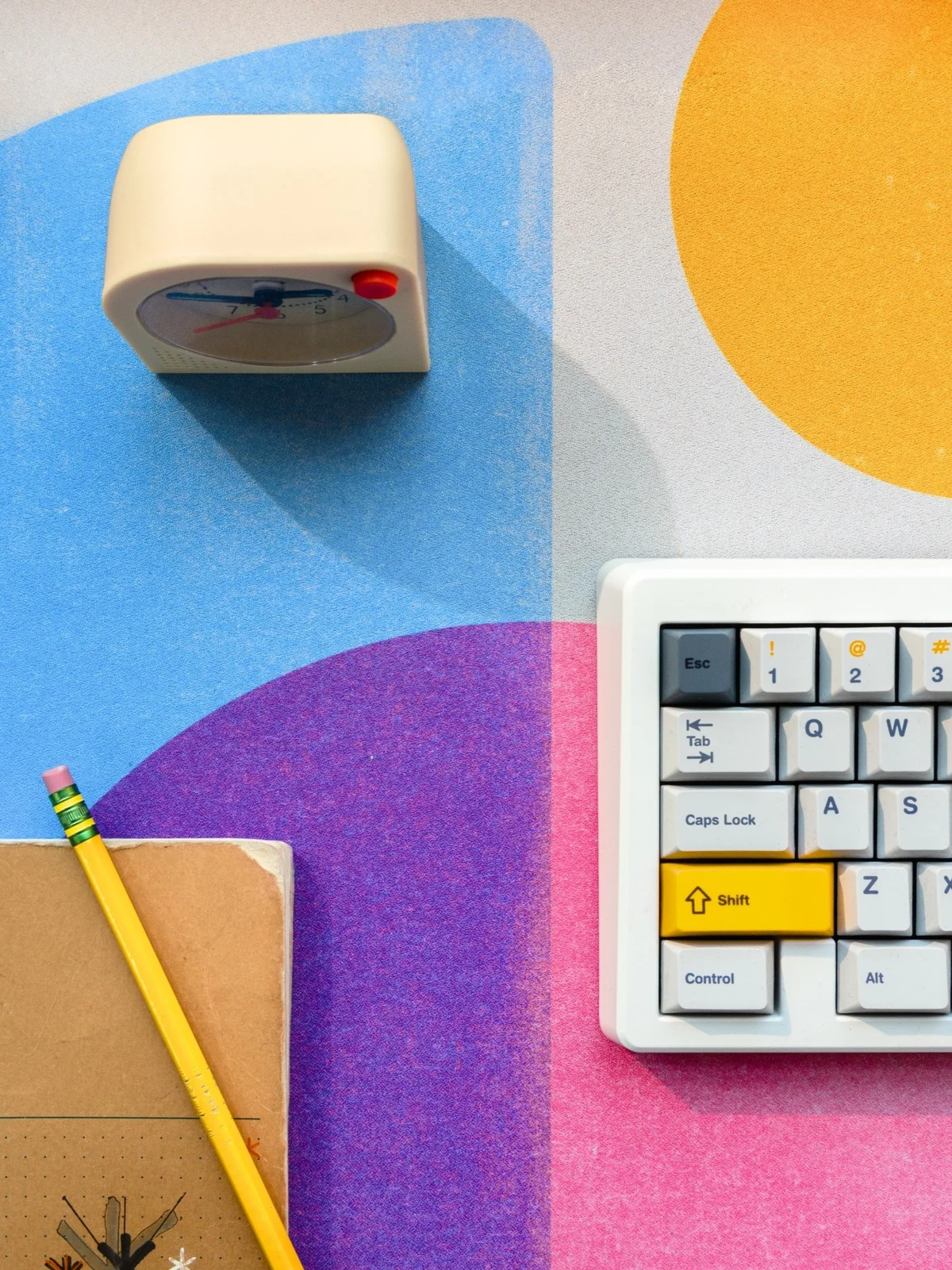
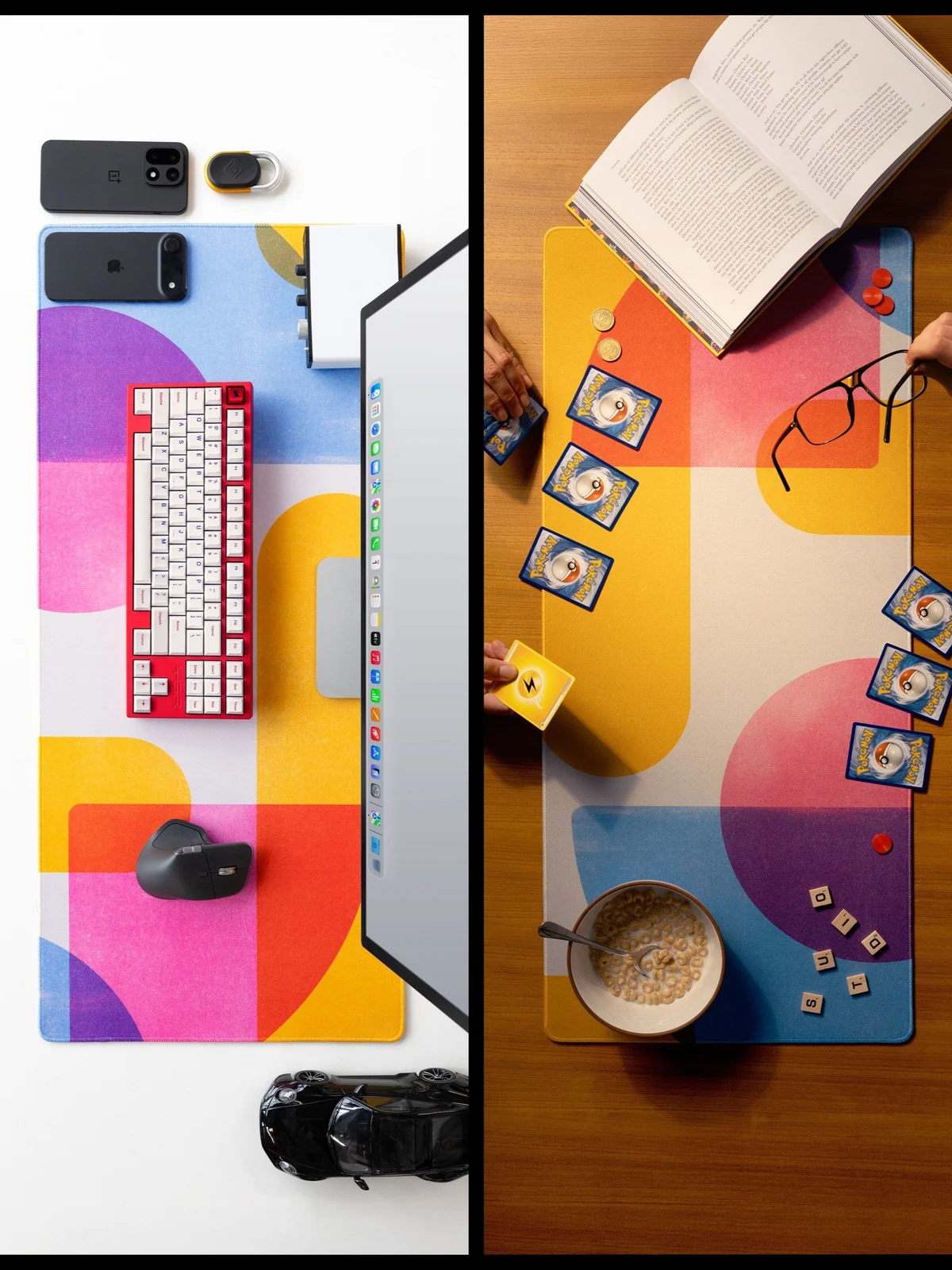
A desk mat with overlapping graphic shapes and a broad surface for a keyboard and mouse.
Image source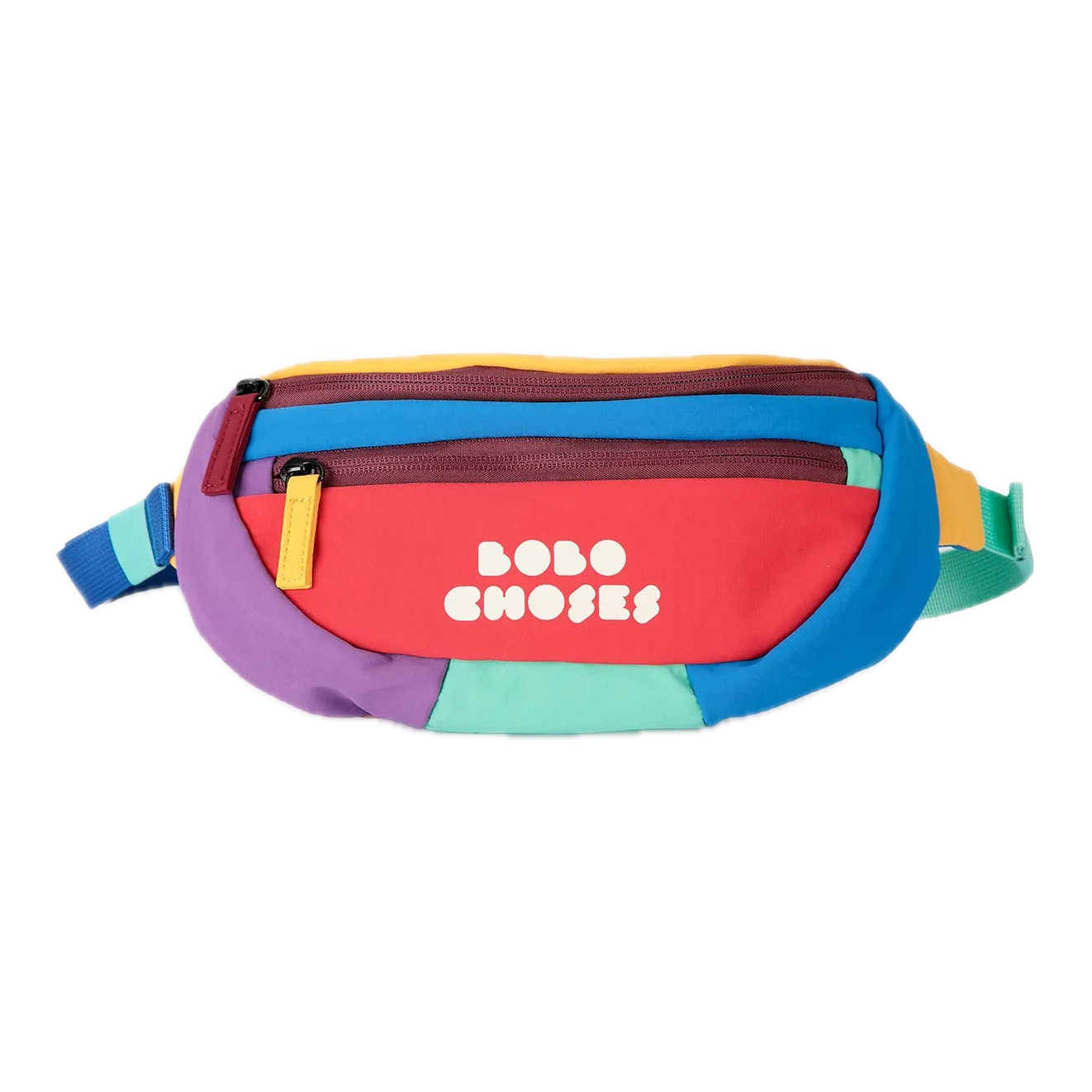
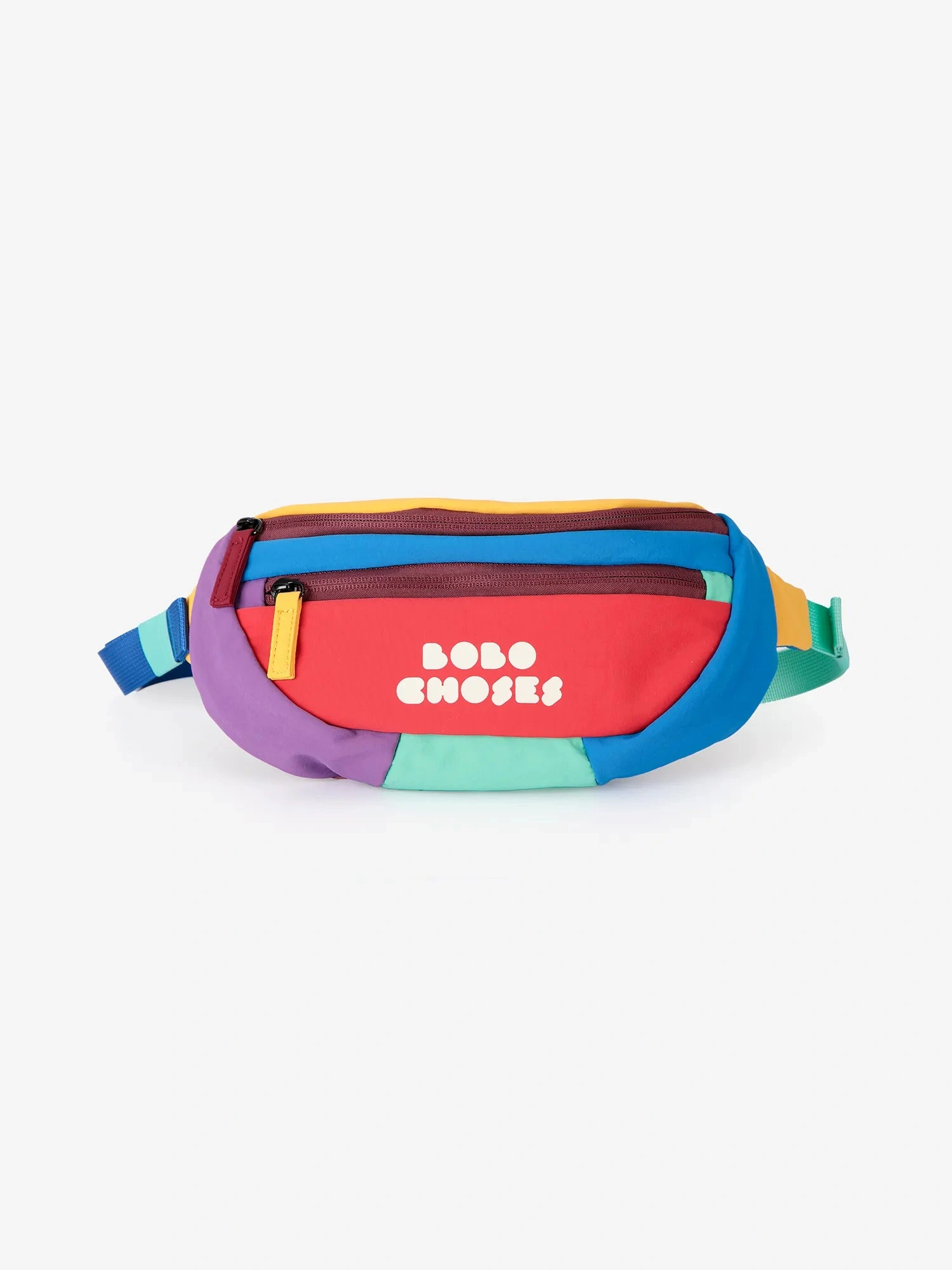
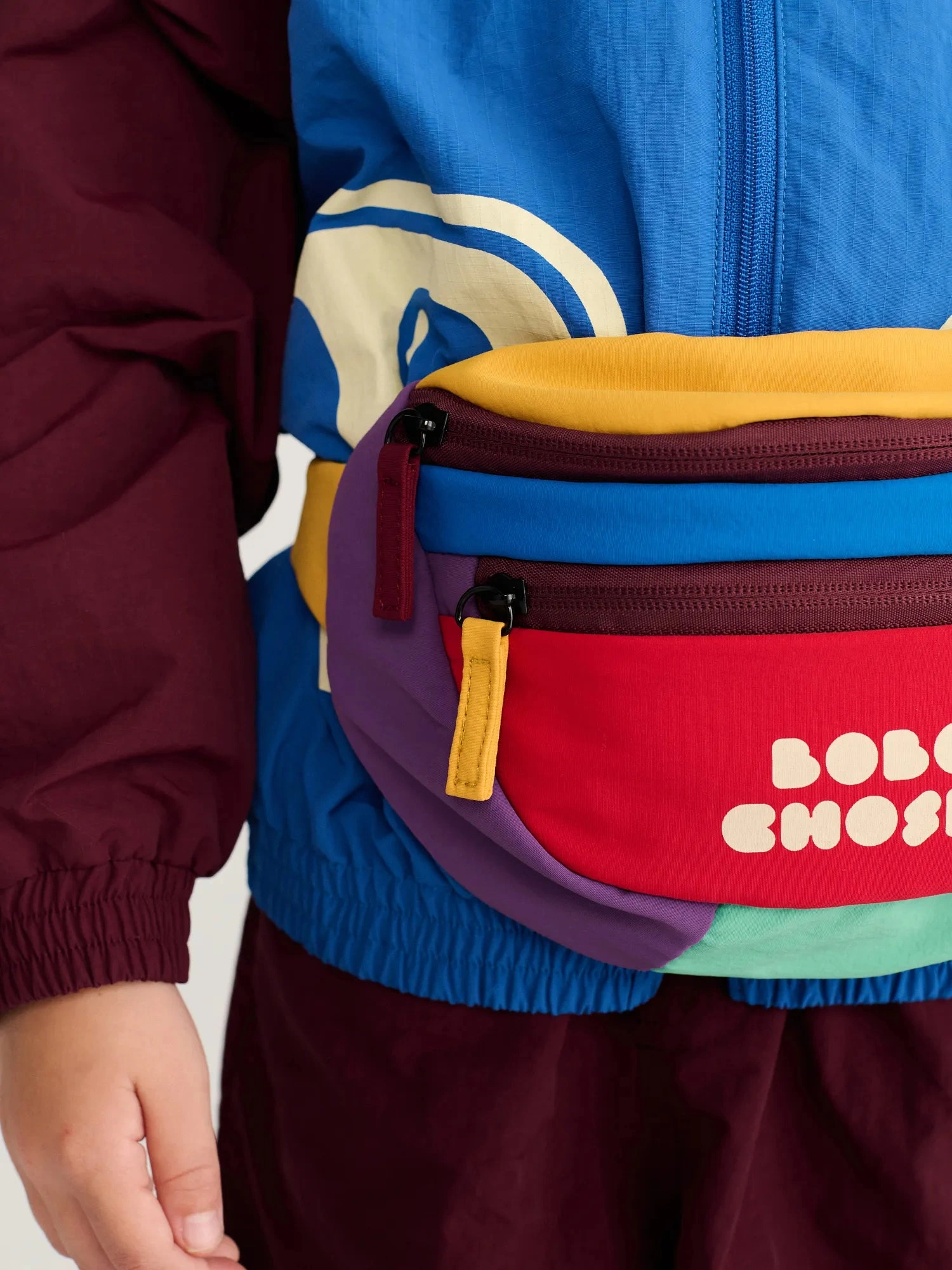
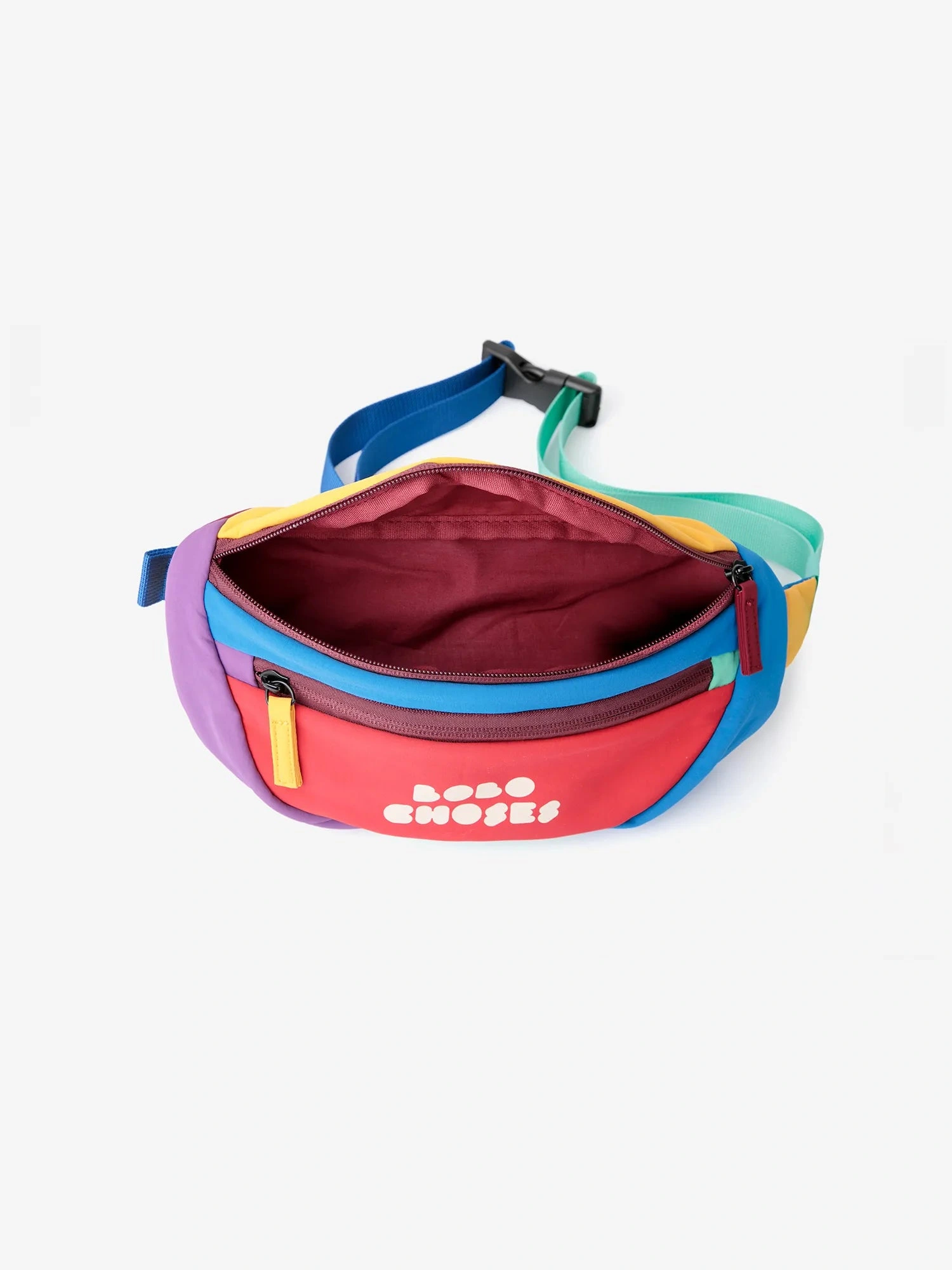
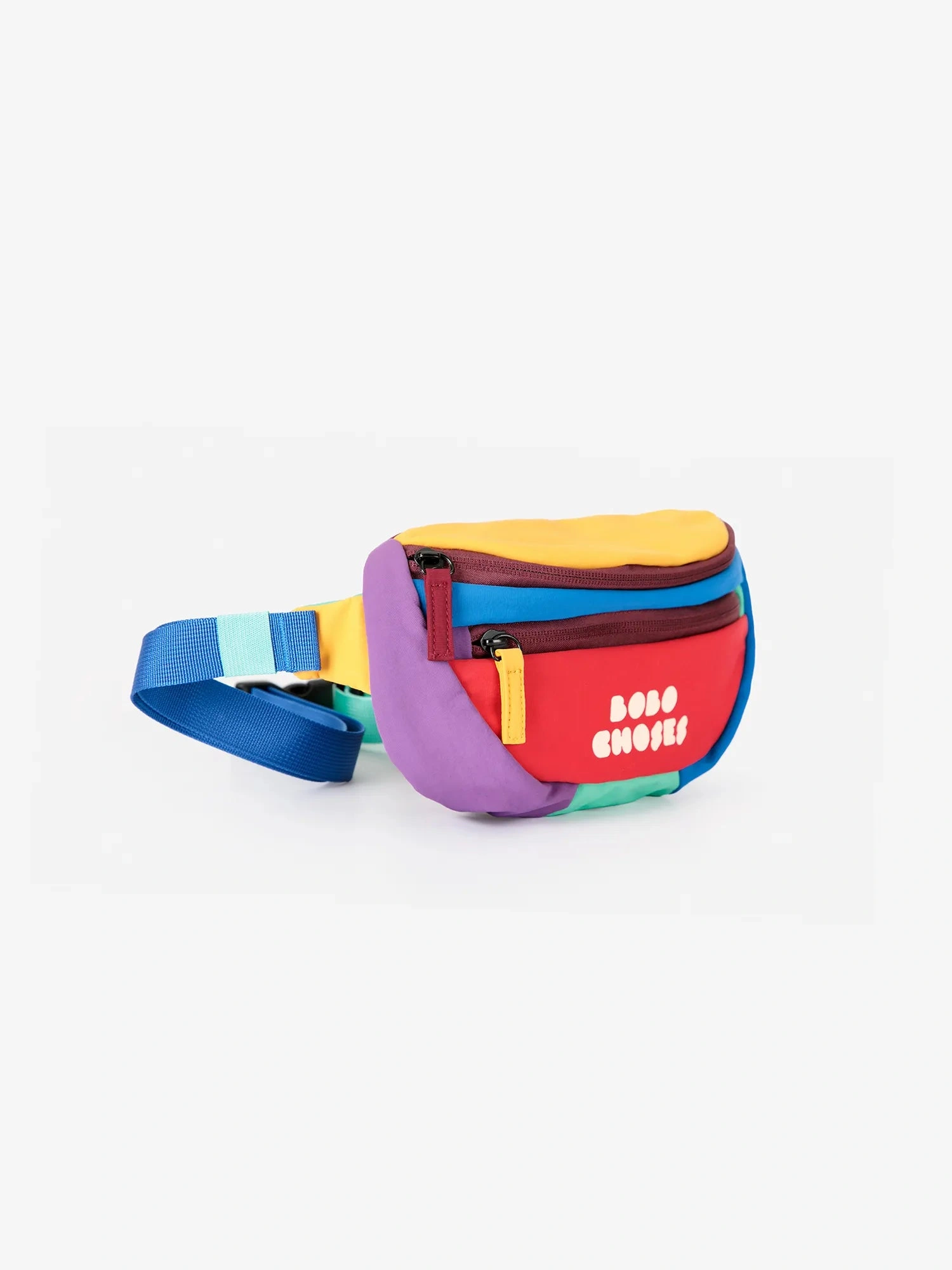
A colorful zippered belt pouch that keeps small daily essentials close at hand.
Image source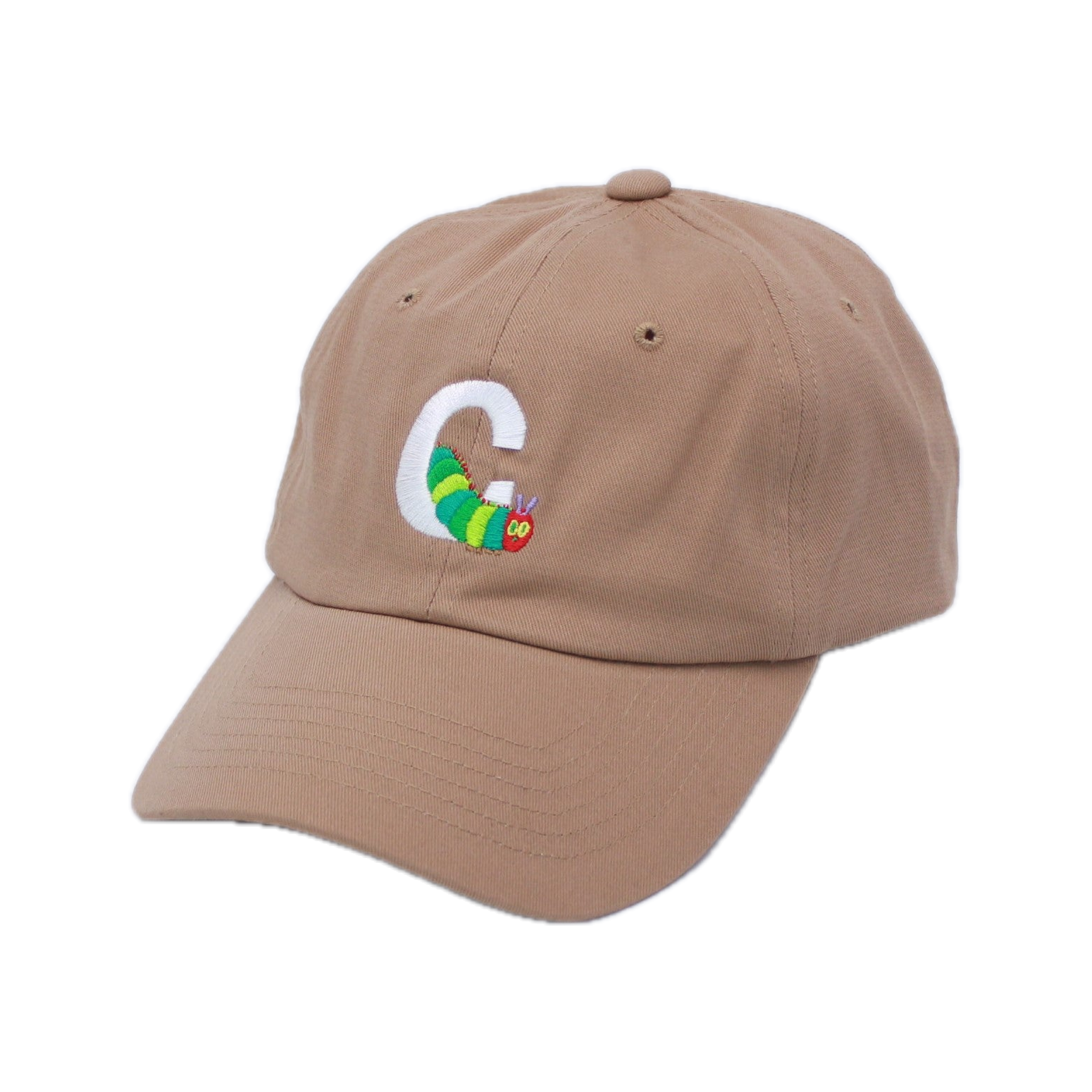
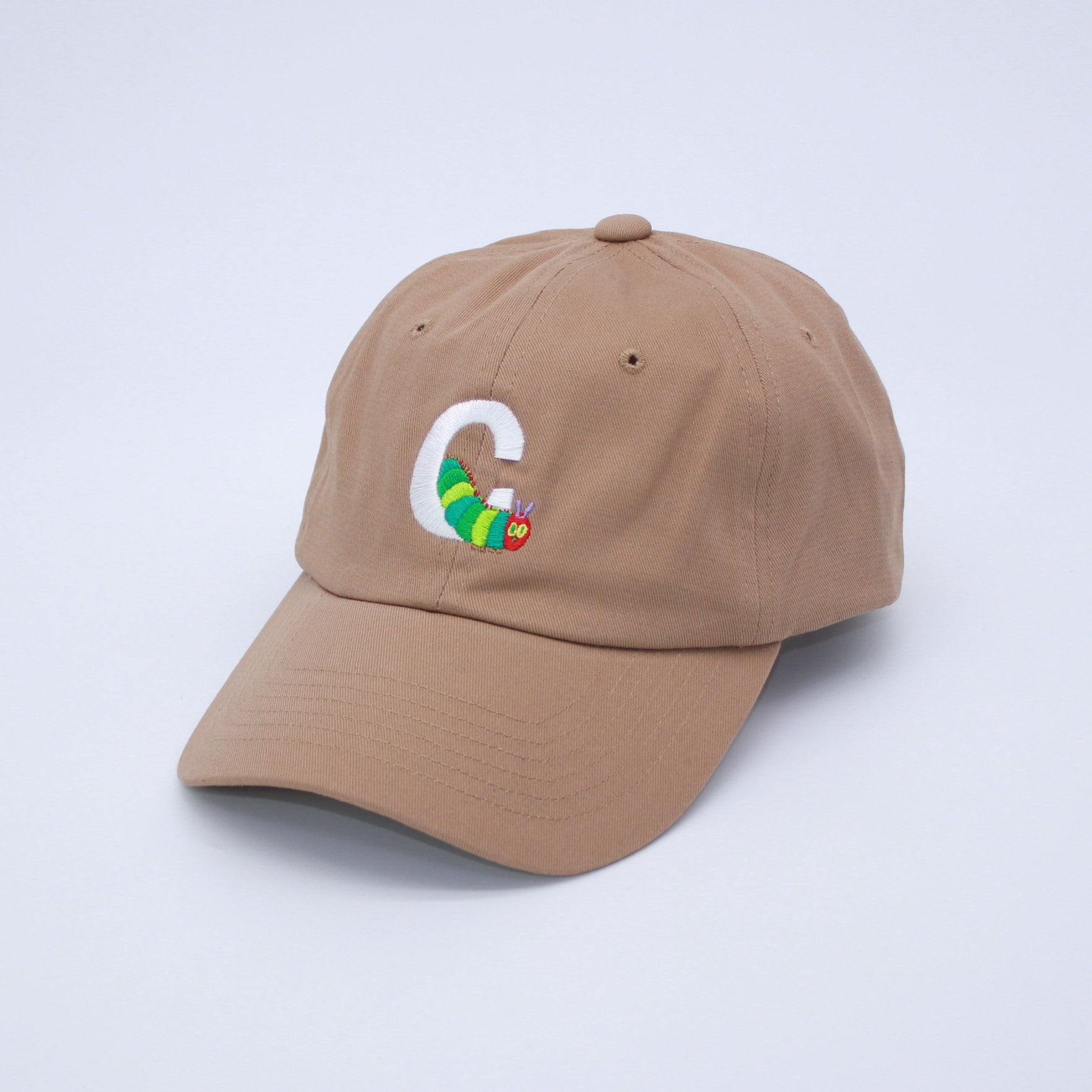
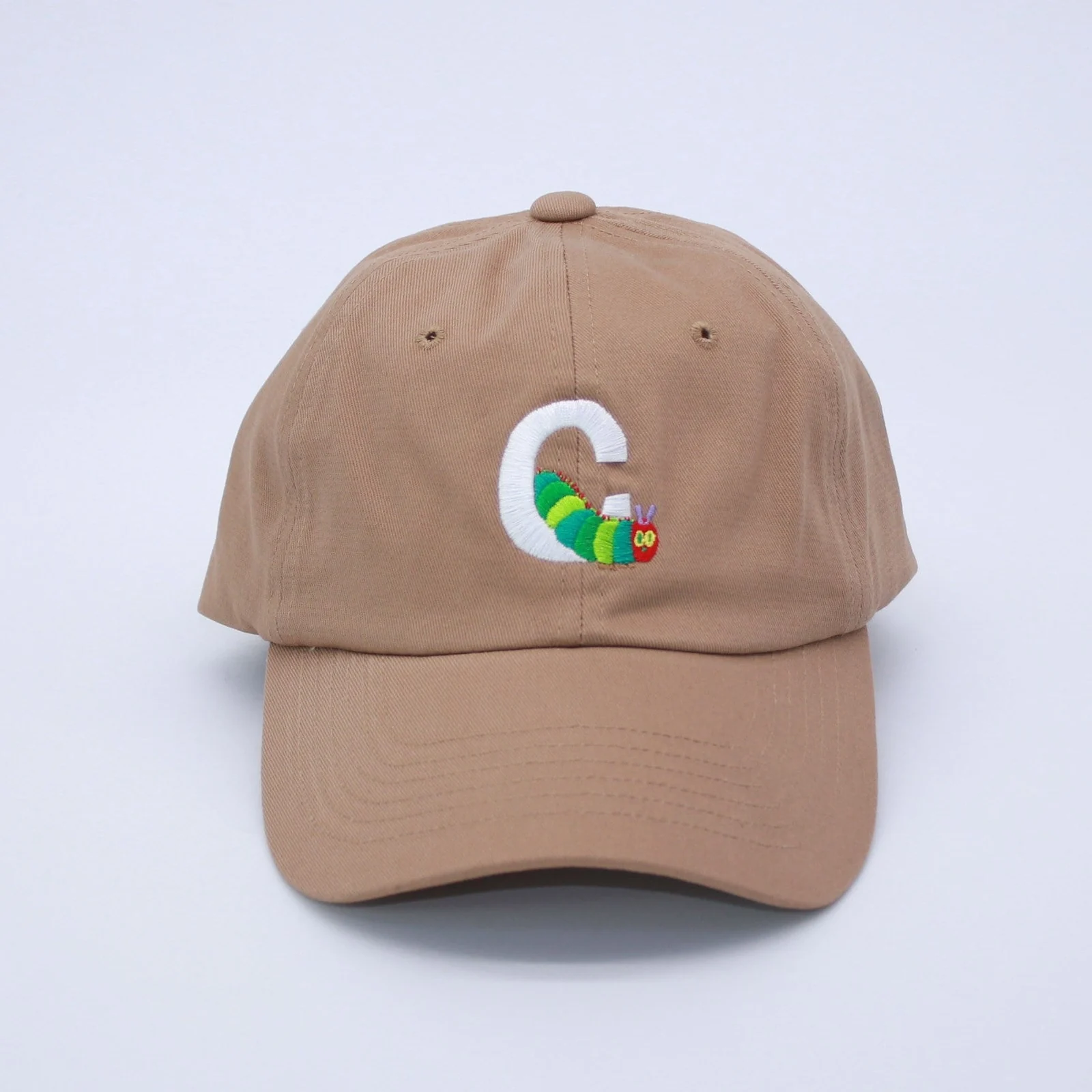
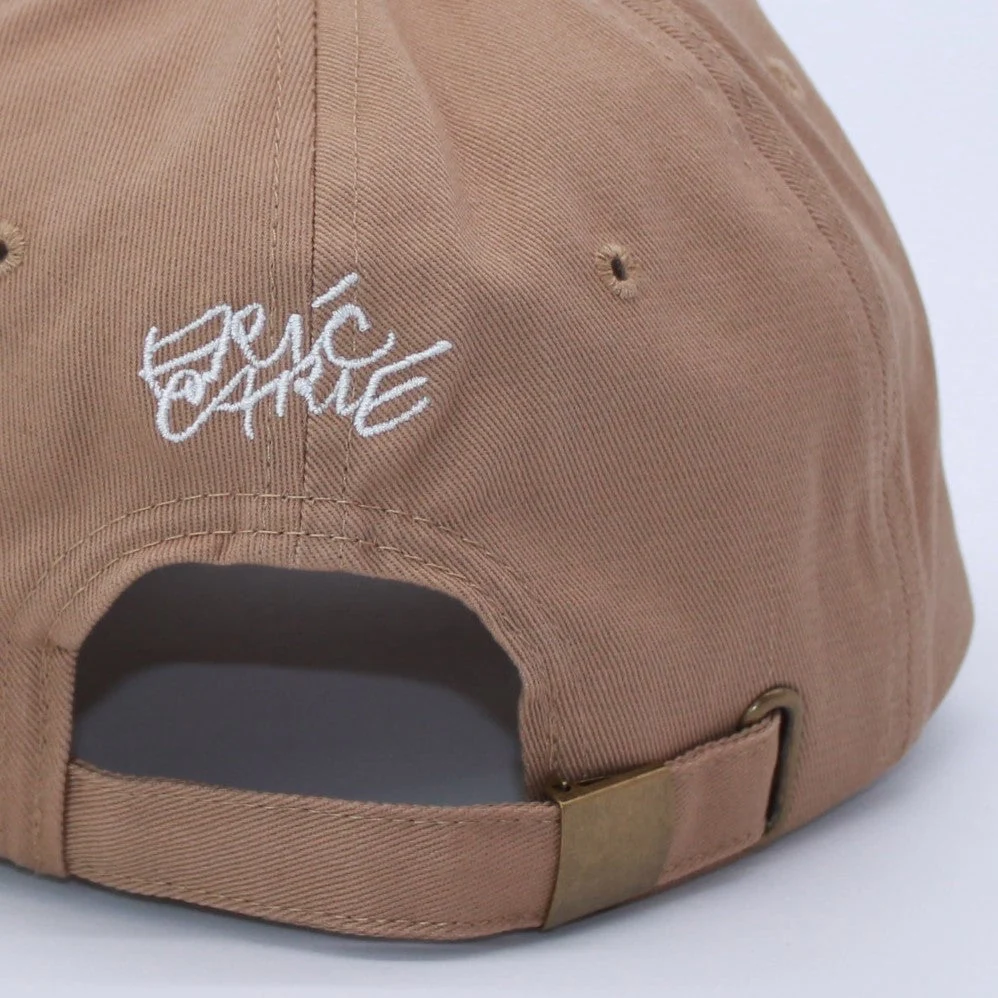
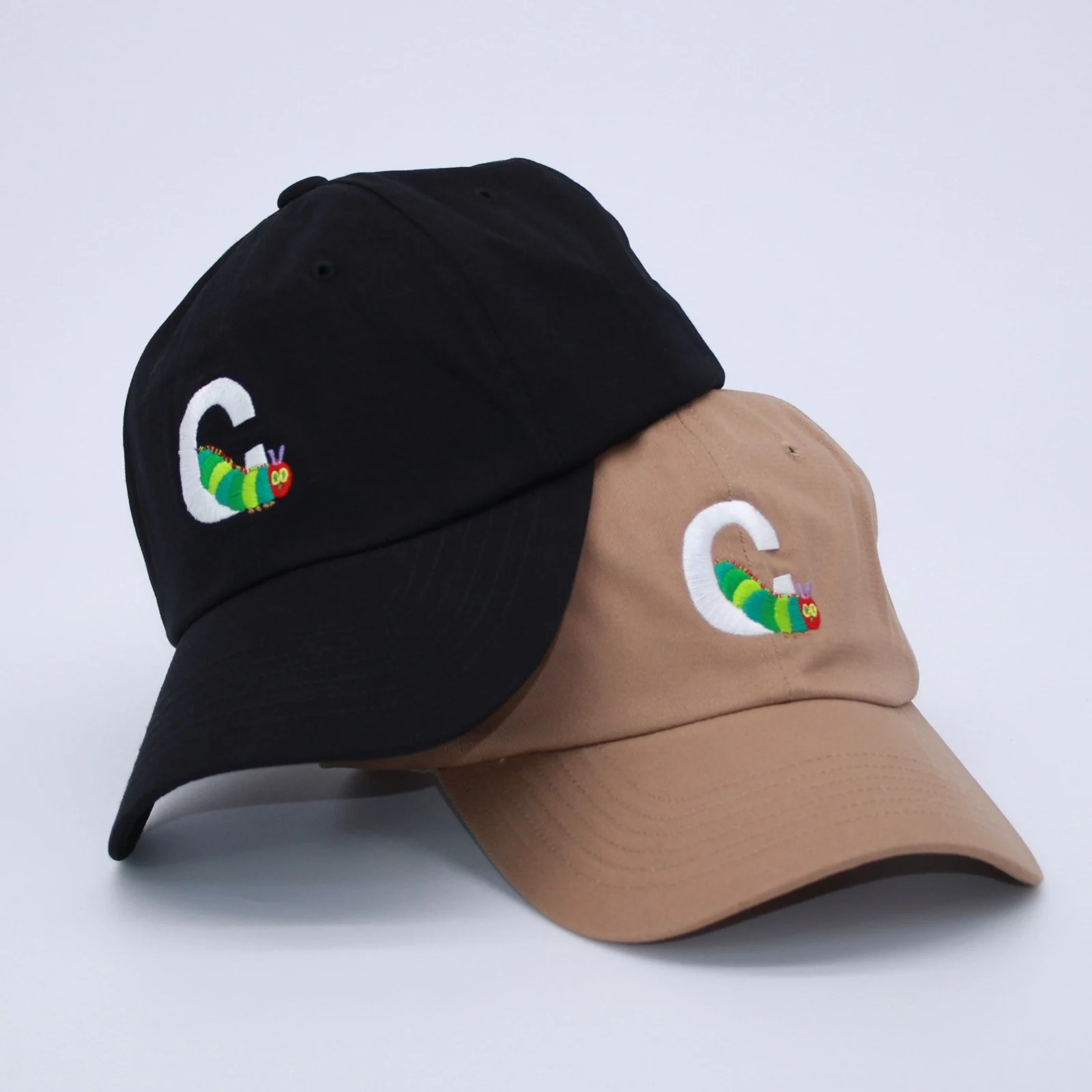
A cotton cap with an embroidered C for Caterpillar and Eric Carle’s signature on the back.
Image source
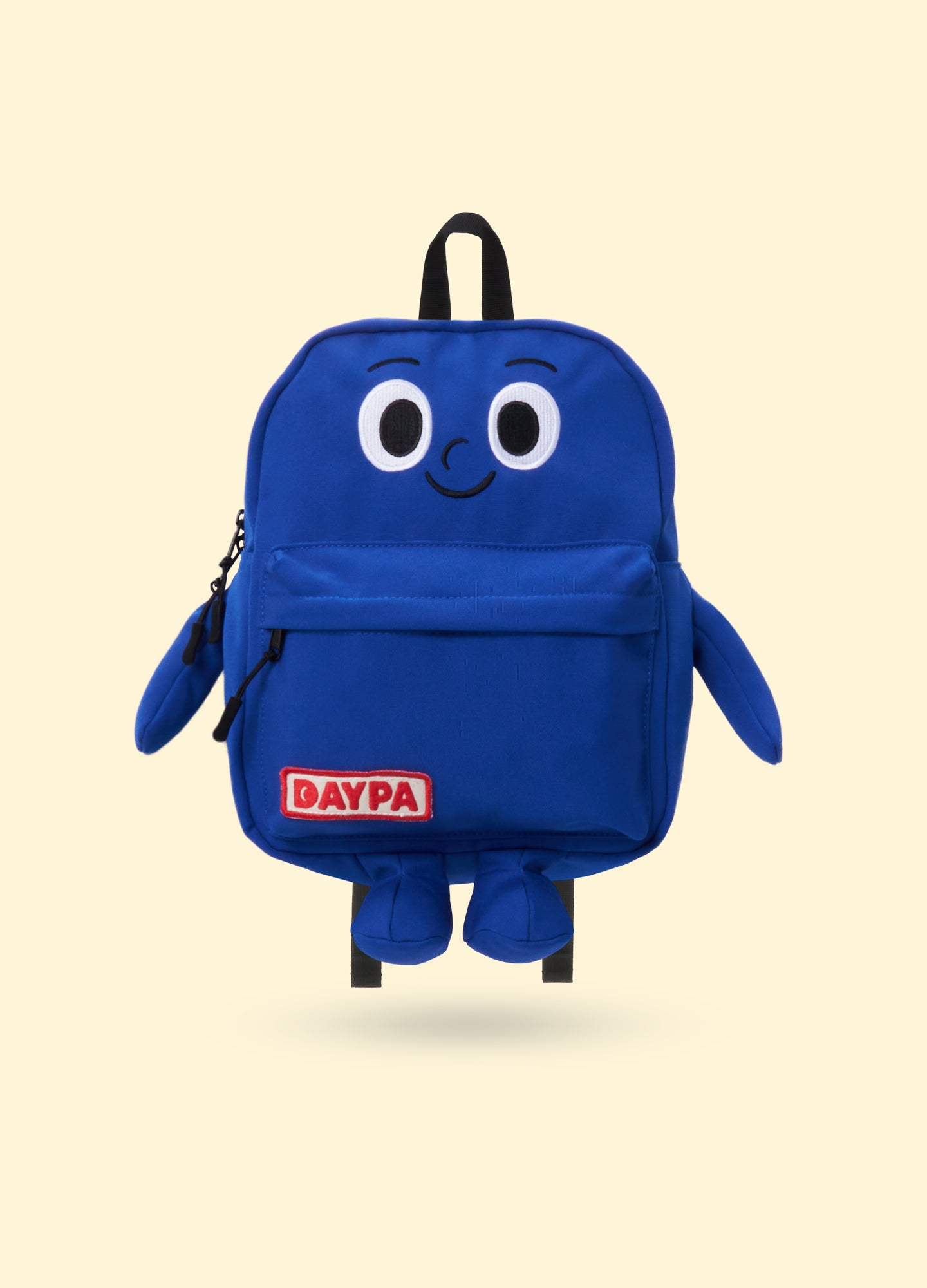
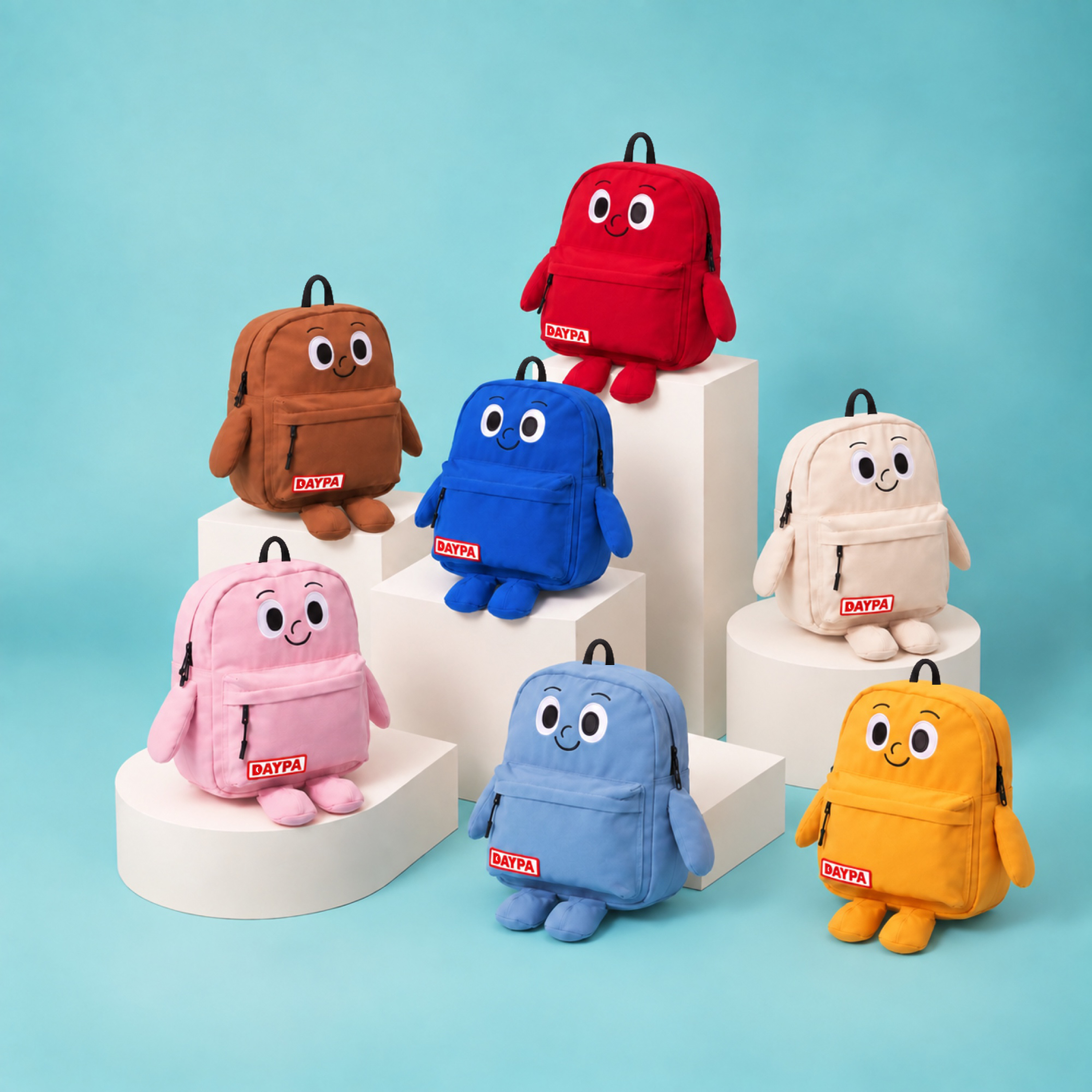
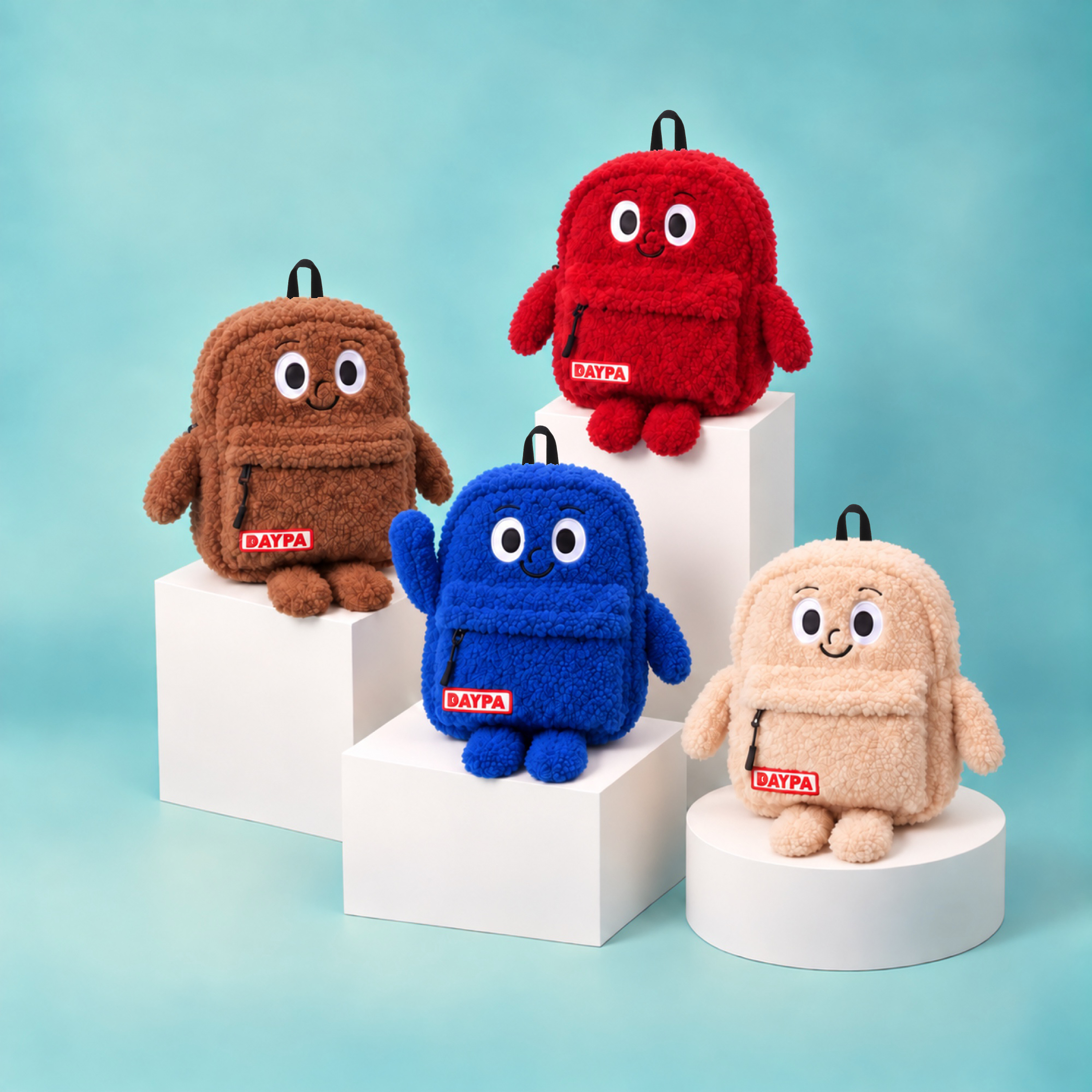
A blue backpack with a pair of eyes, small arms, and dangling feet. A character that carries your things.
Image source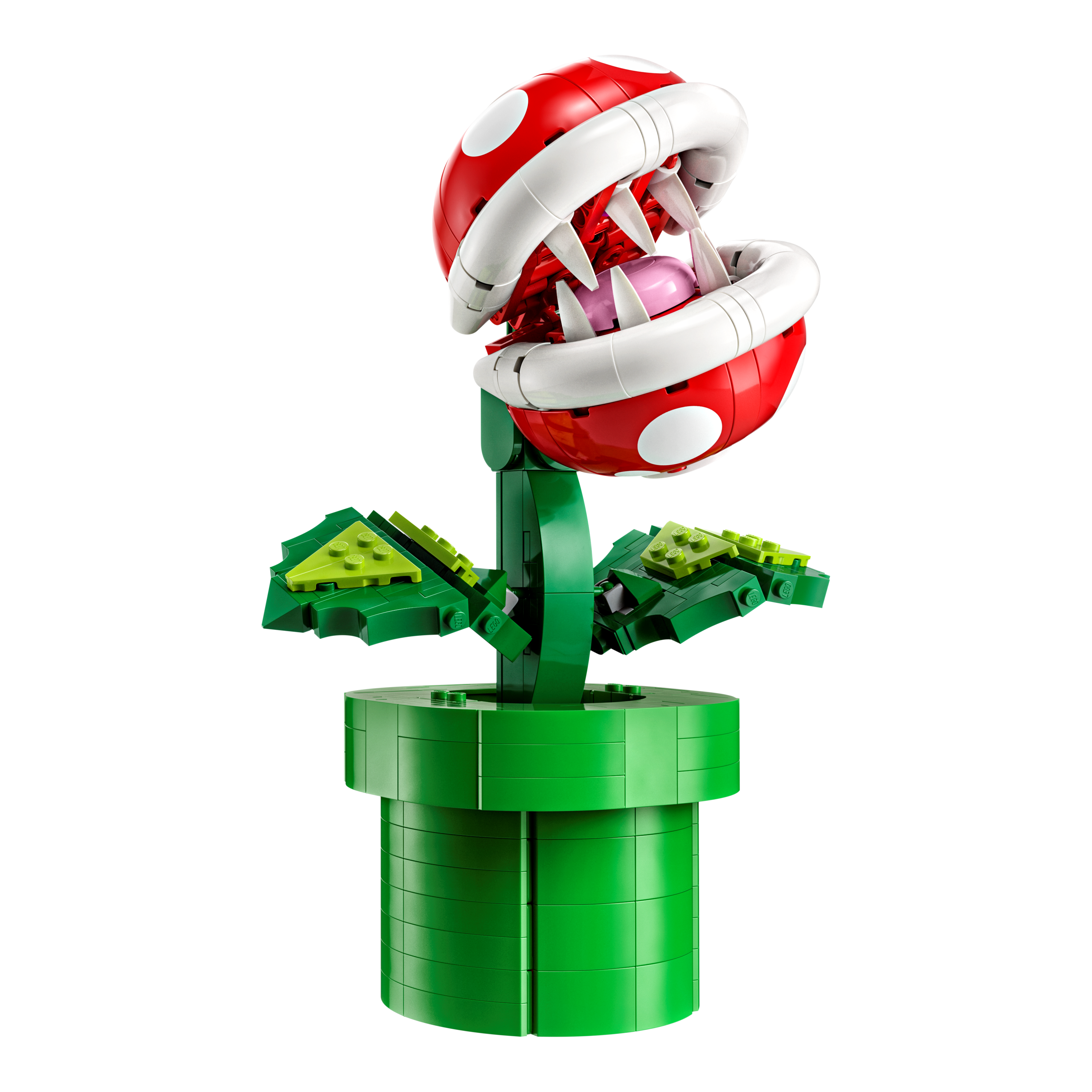
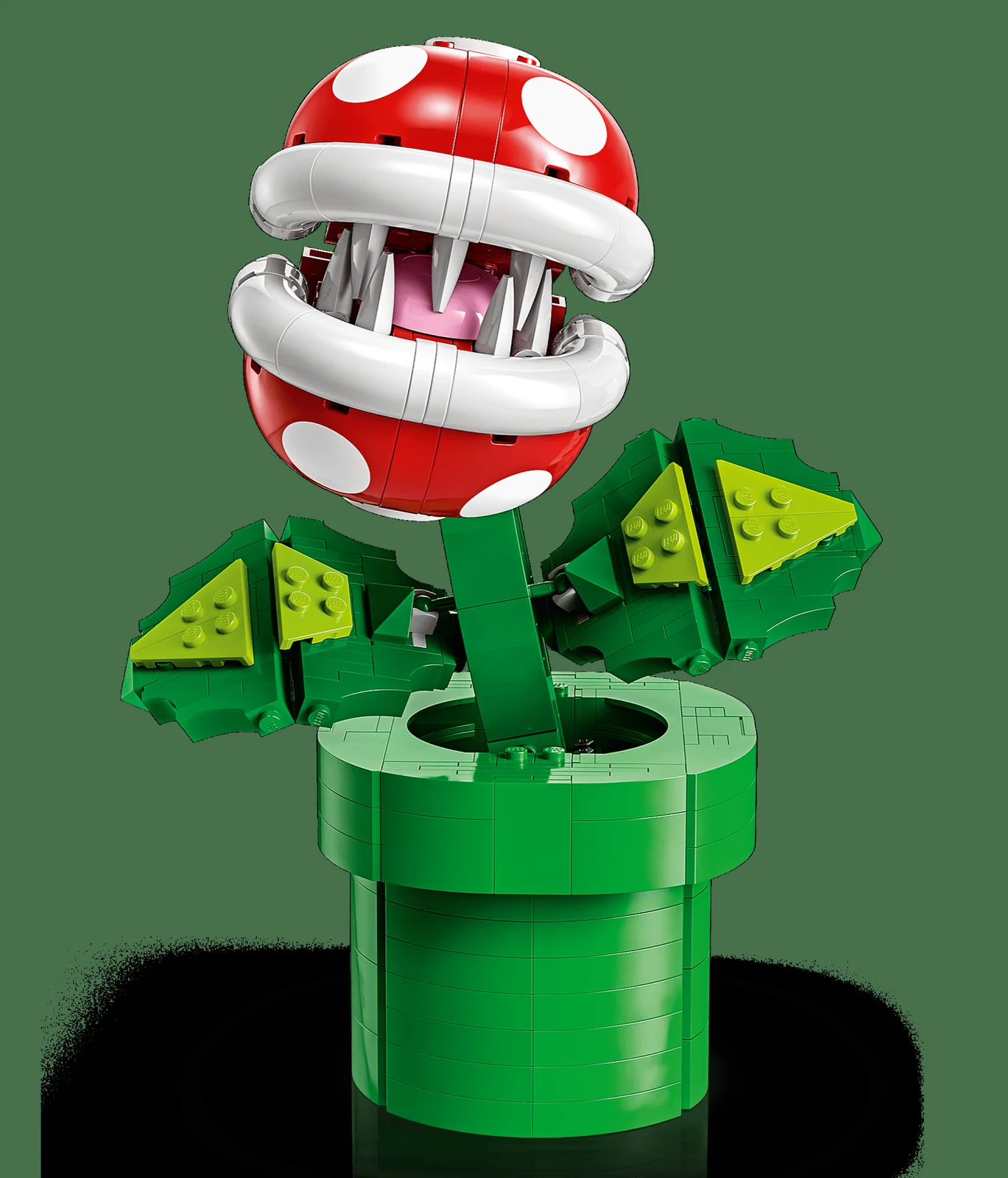
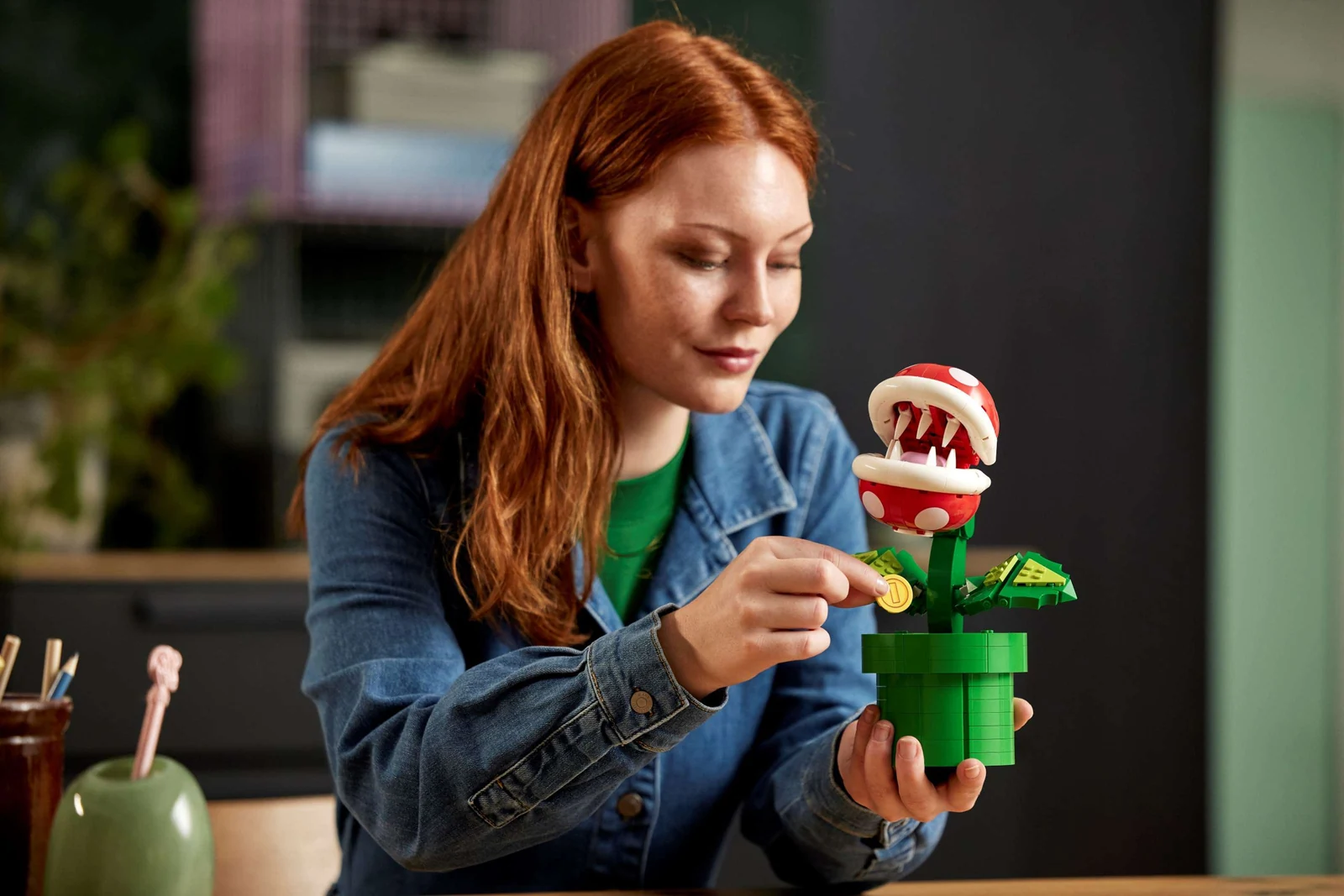
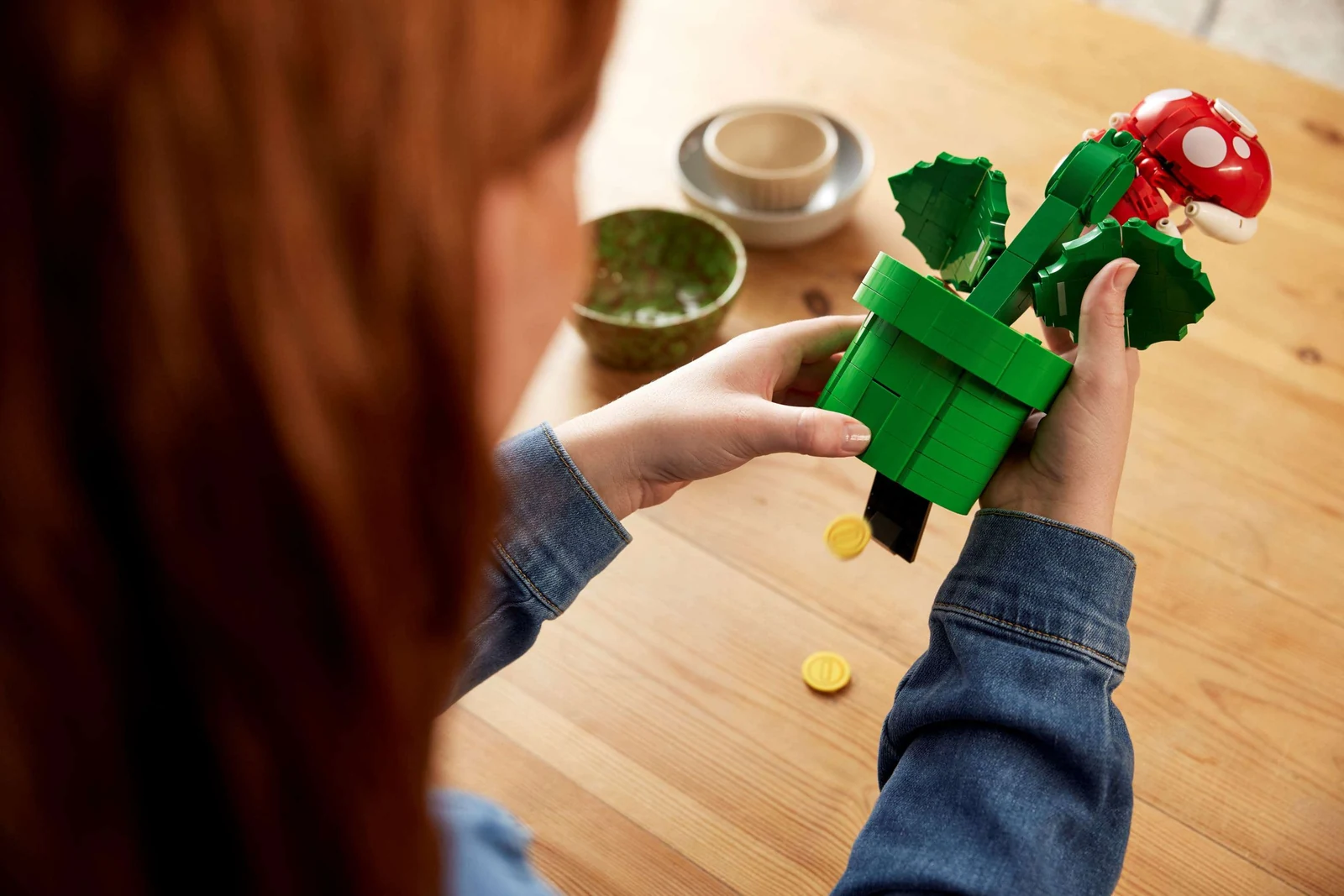
A 540-piece Piranha Plant with a poseable head, mouth, stem, and leaves, built for display in its green pipe.
Image source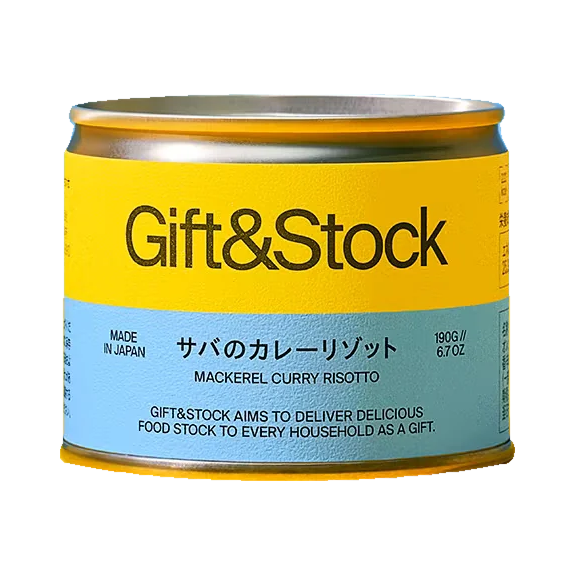
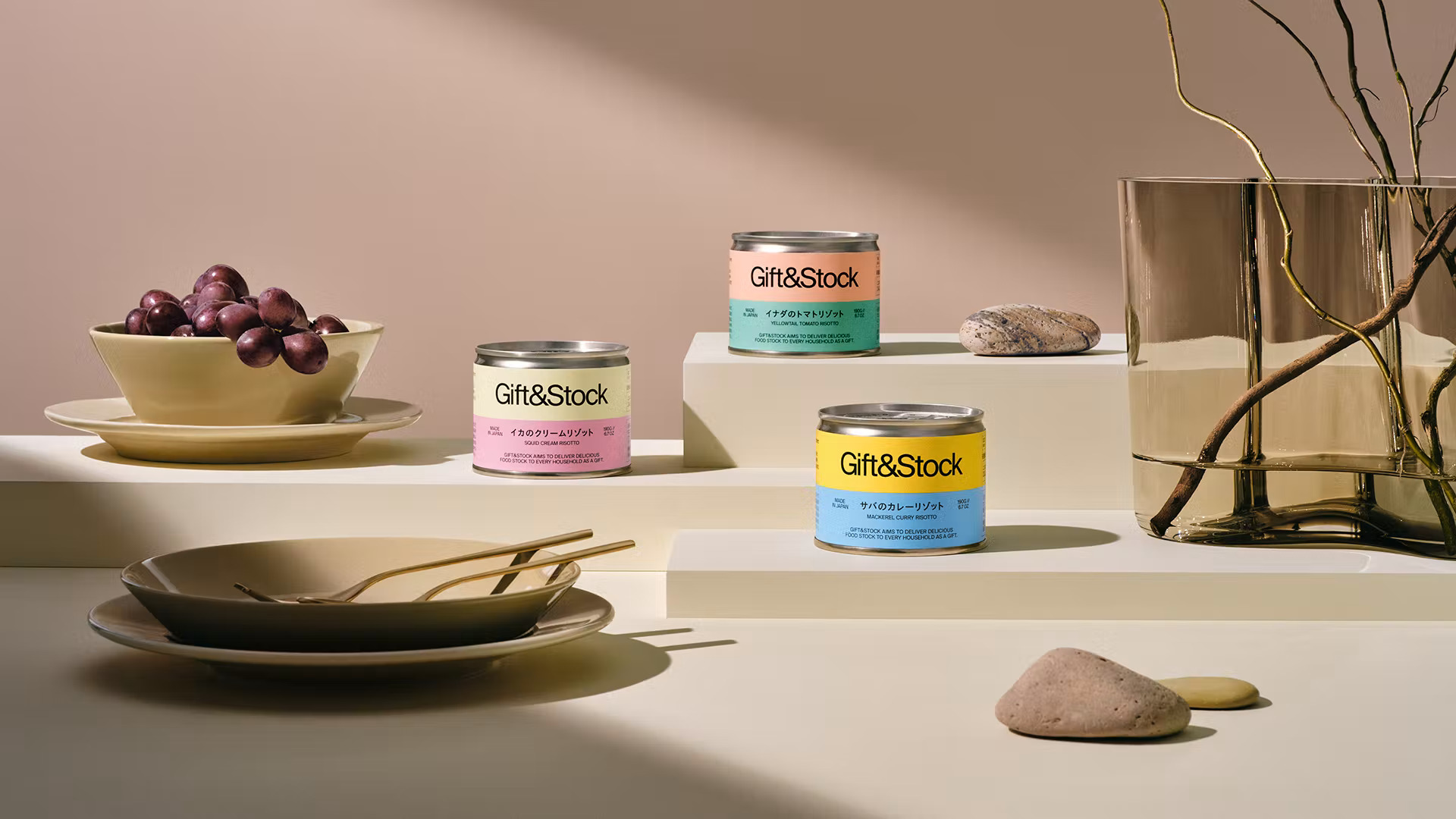

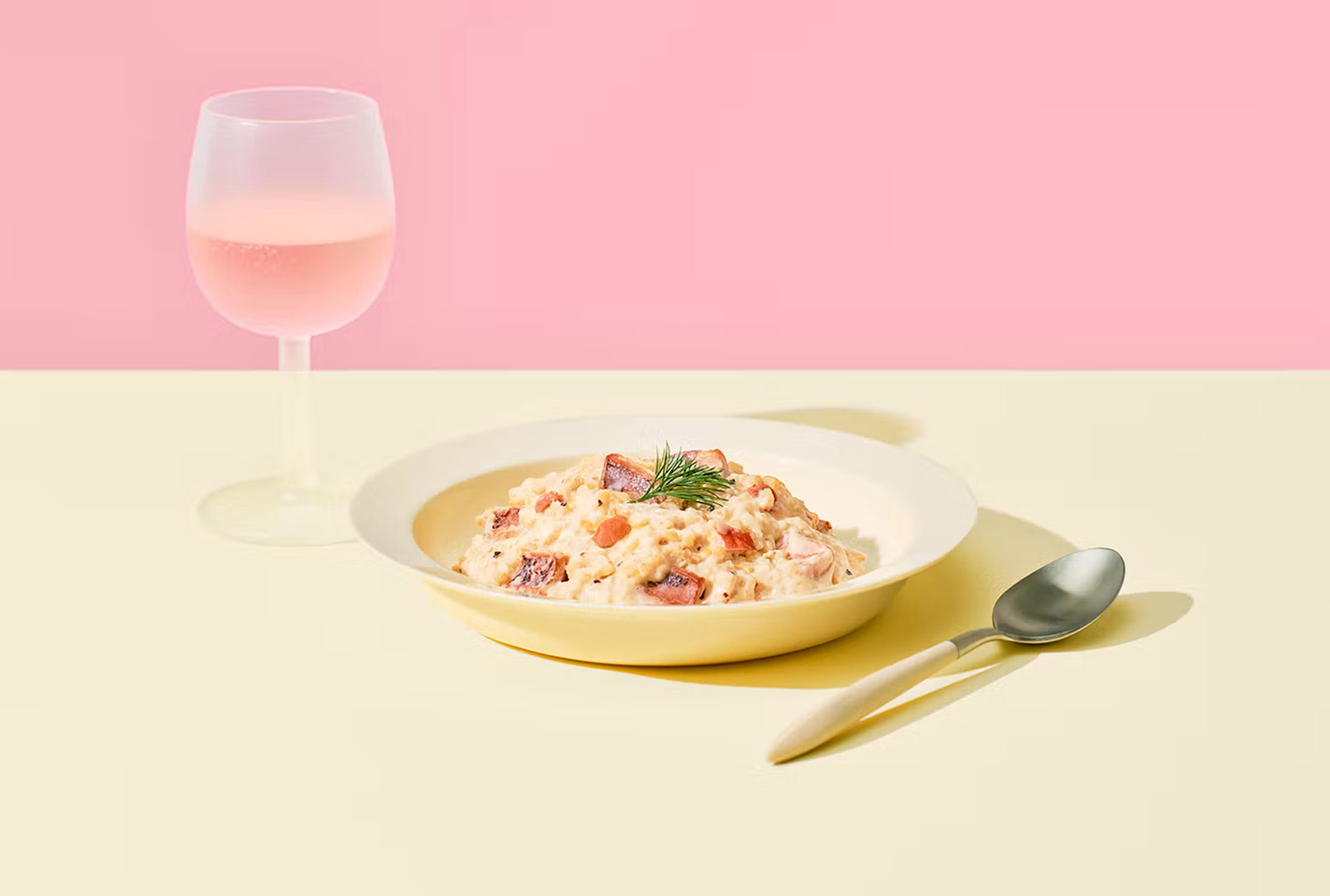
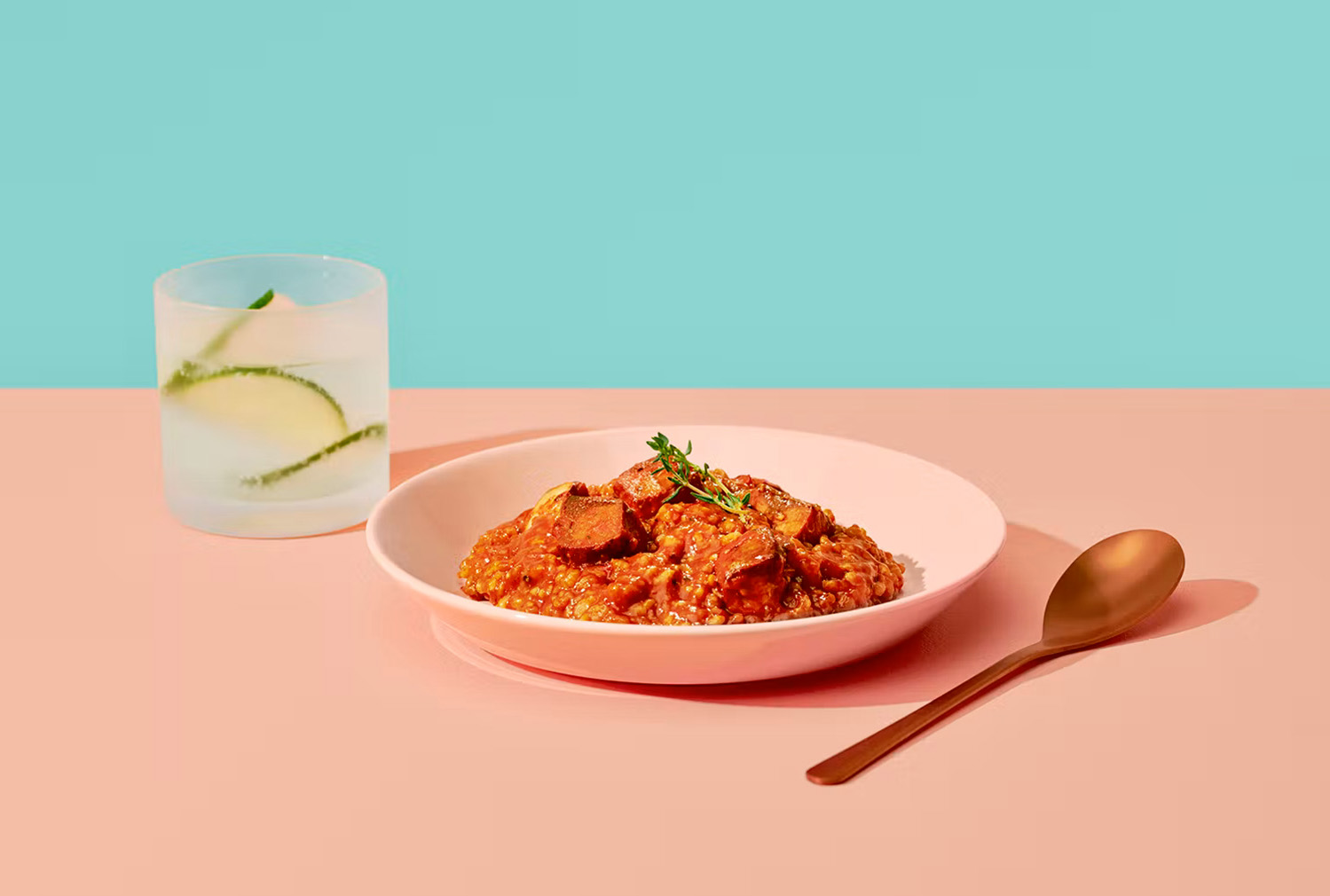
A trio of canned risottos made with seafood from Sanriku, designed for giving, keeping, and eating.
Image source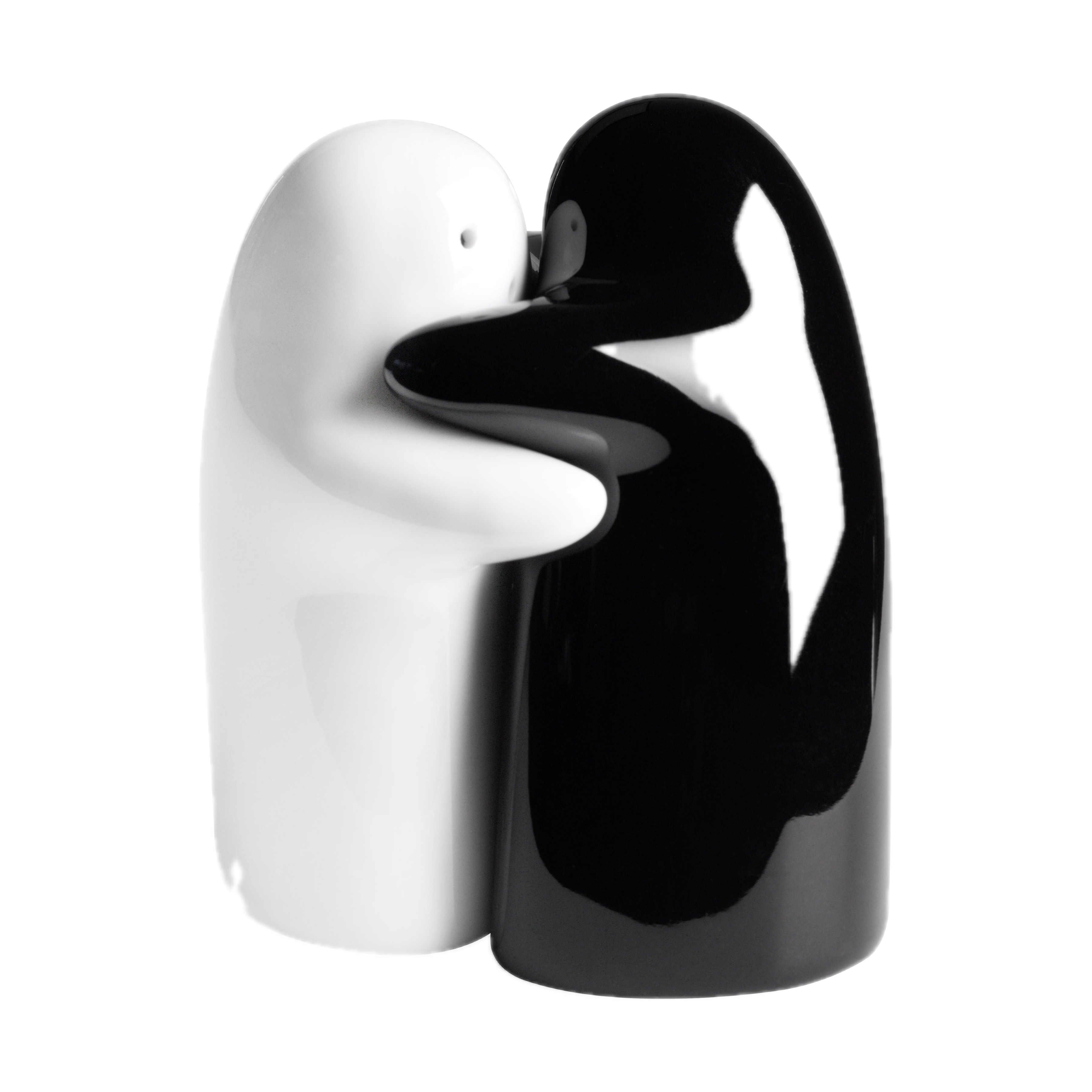
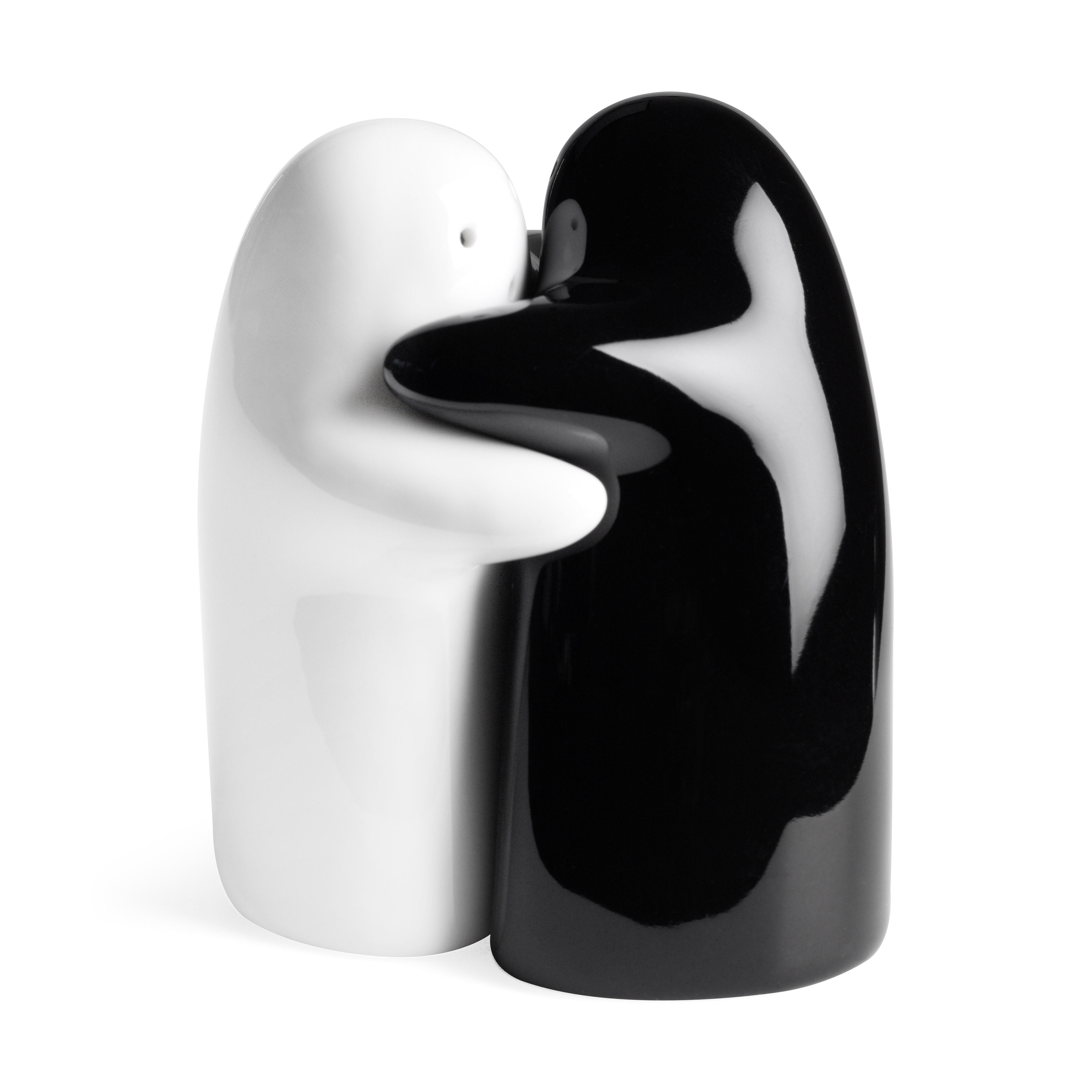
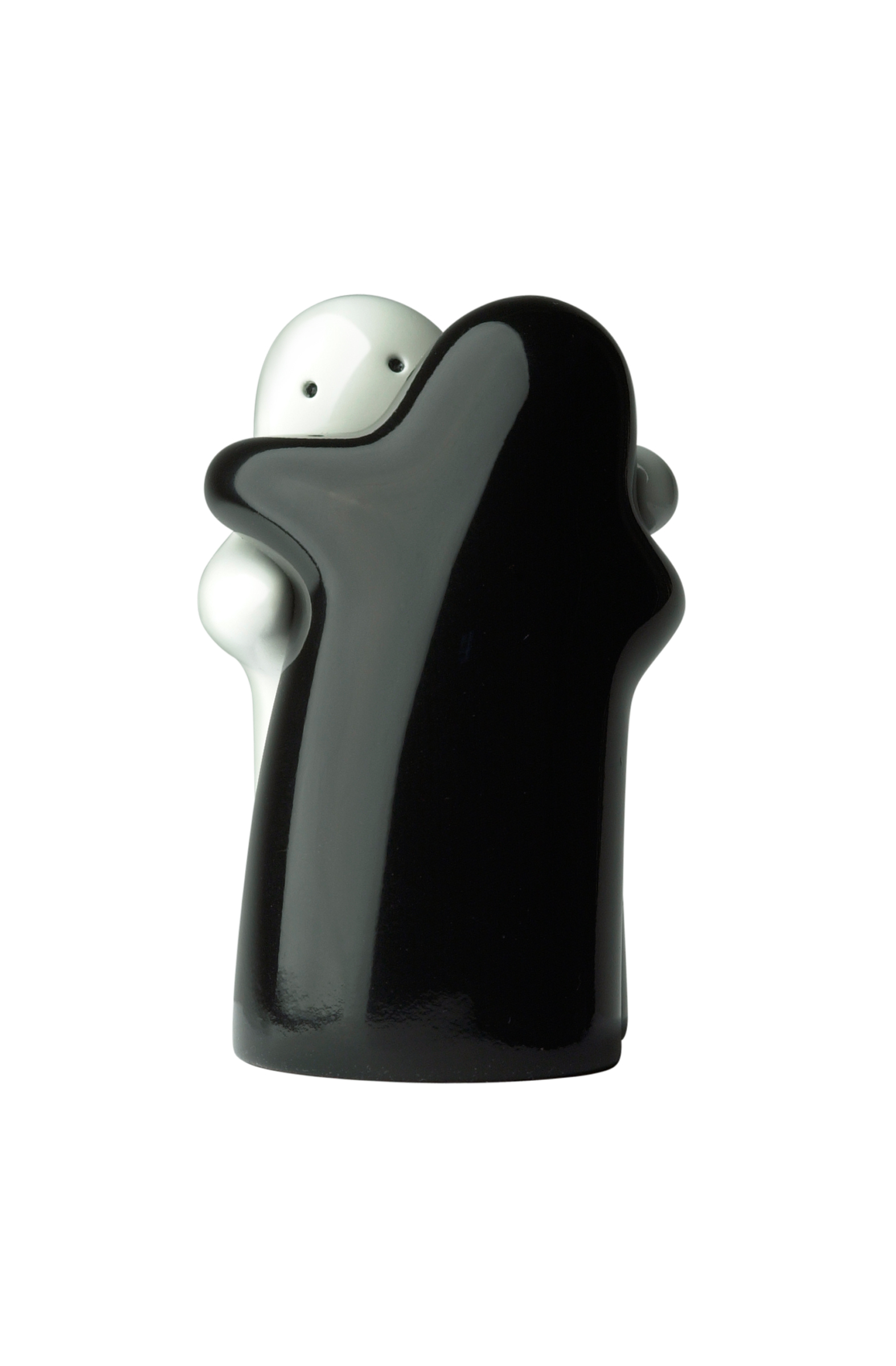
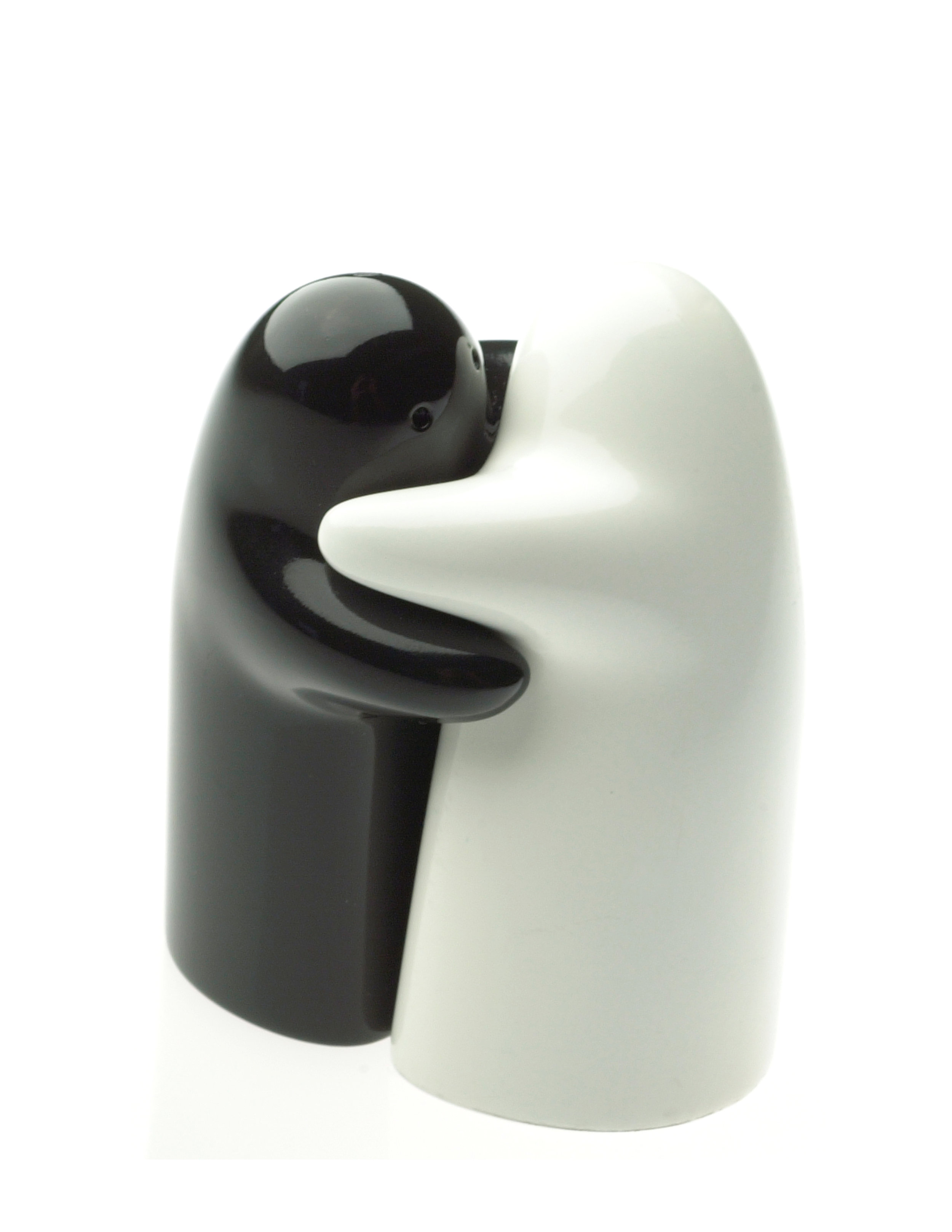
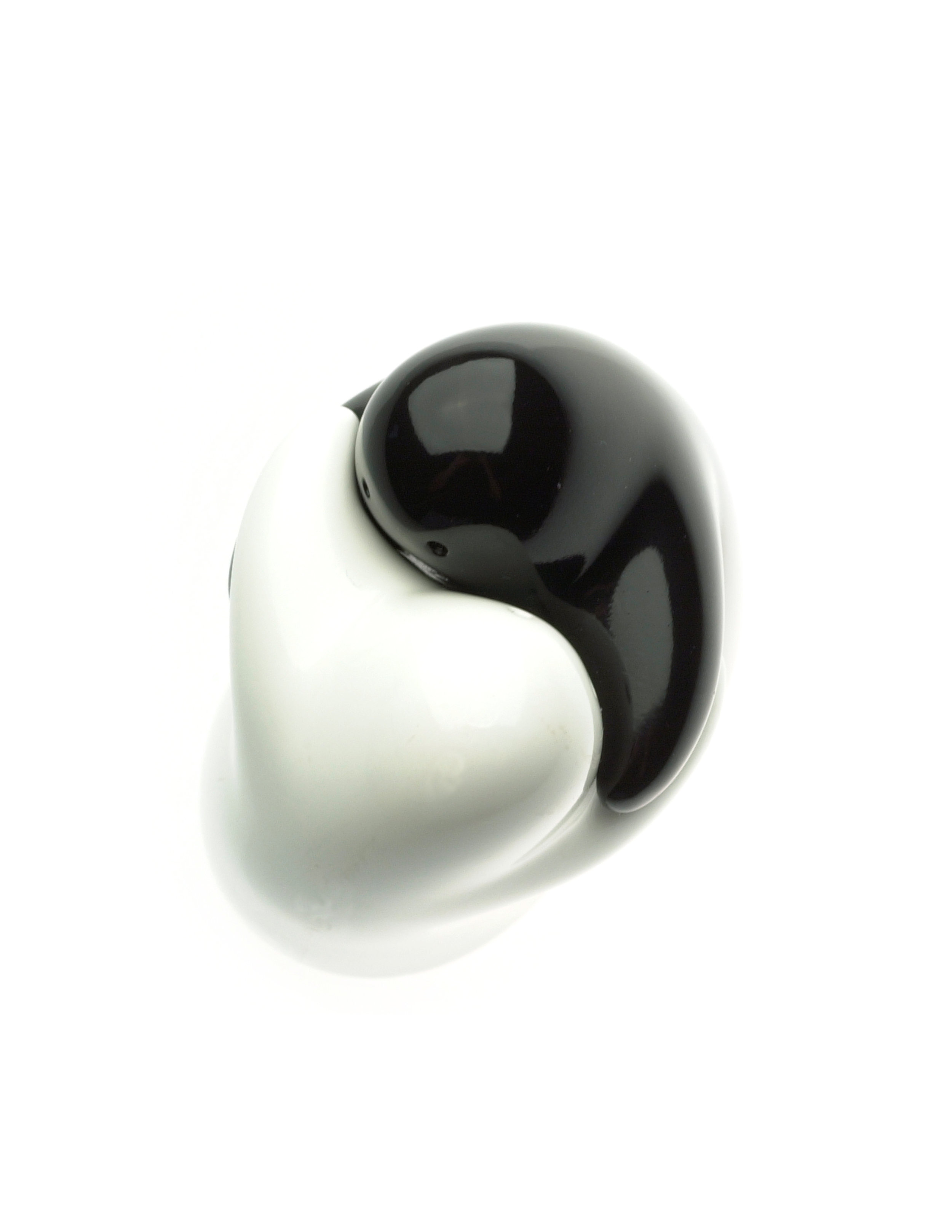
Alberto Mantilla’s black and white porcelain shakers fit together in a hug, with dispensing holes that become faces.
Image source
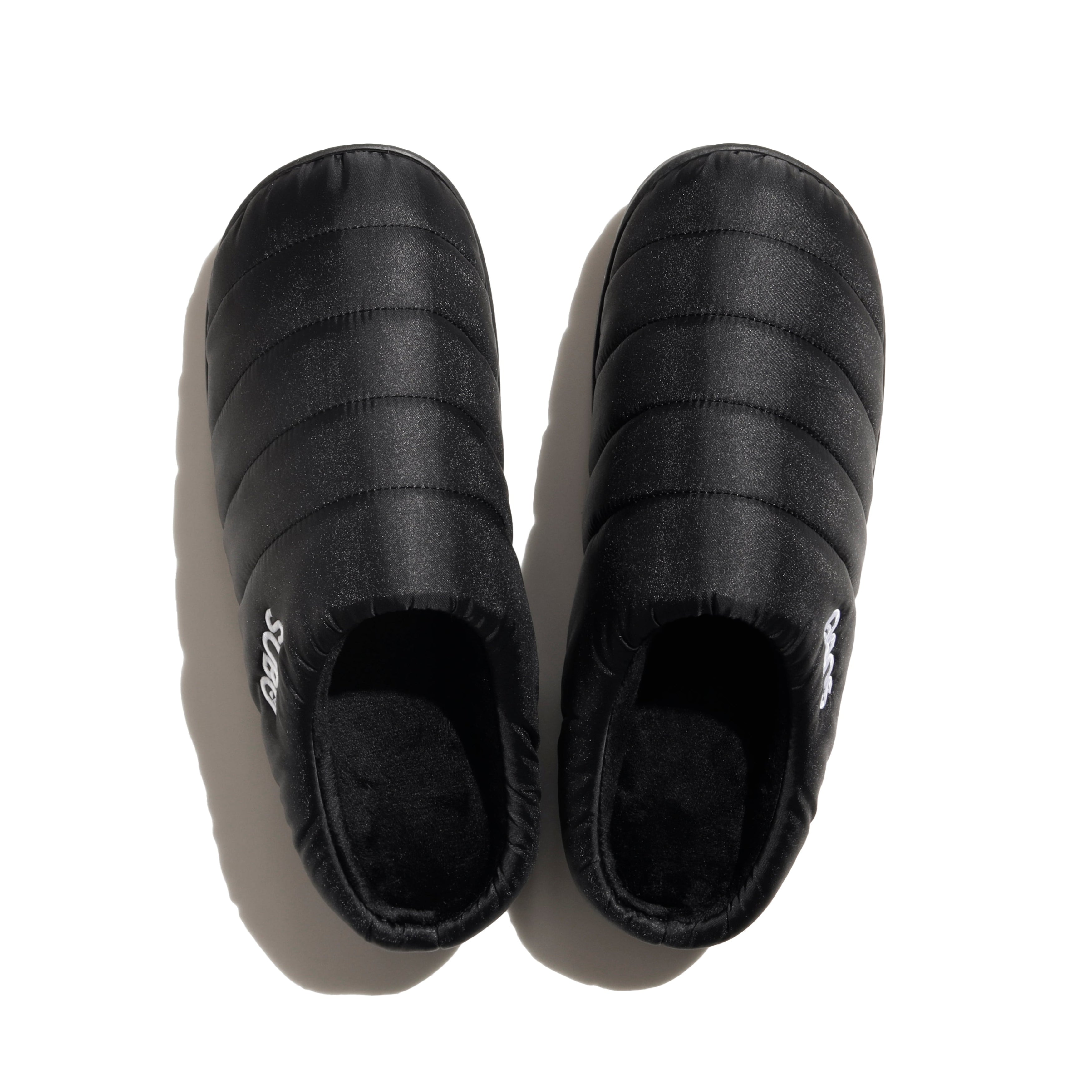
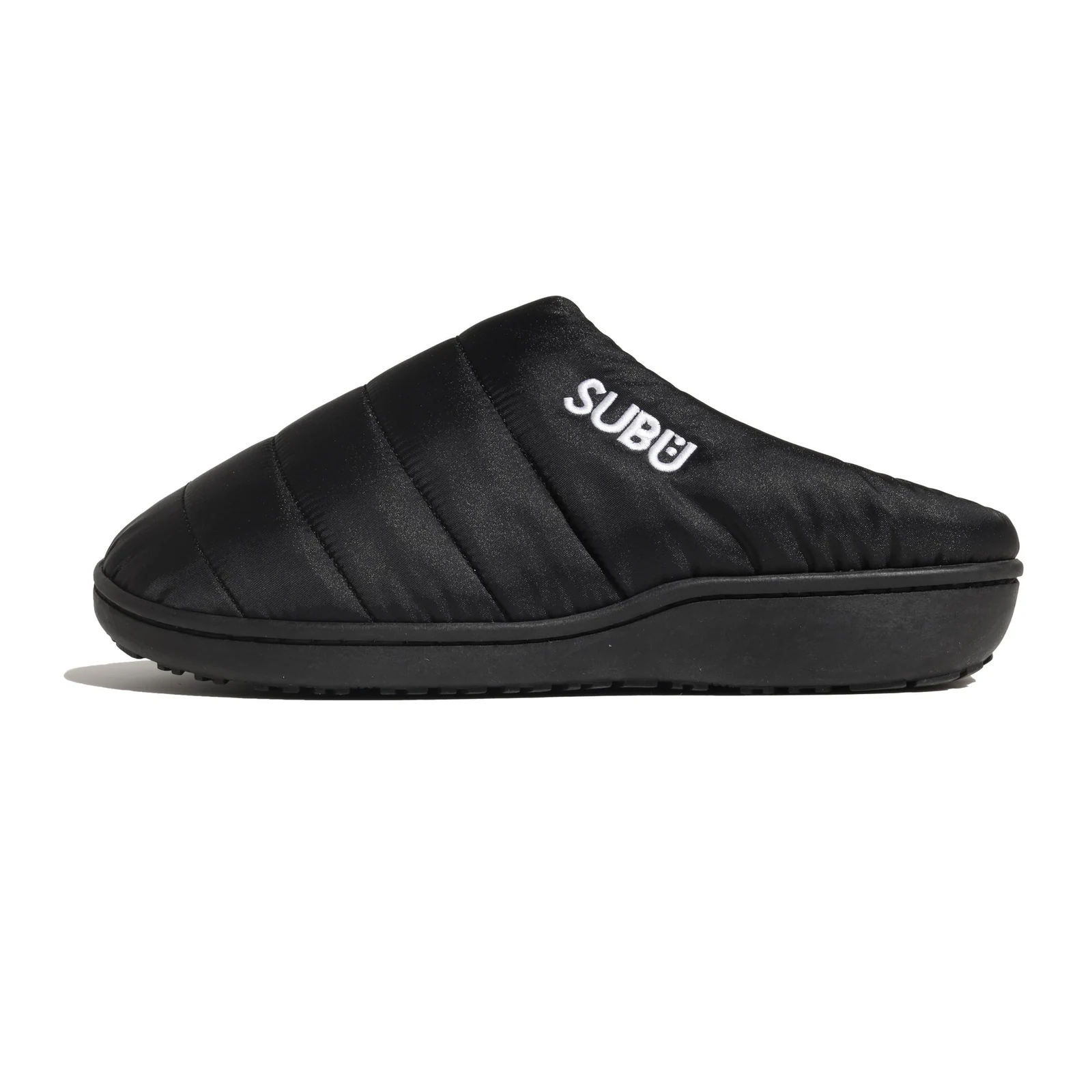
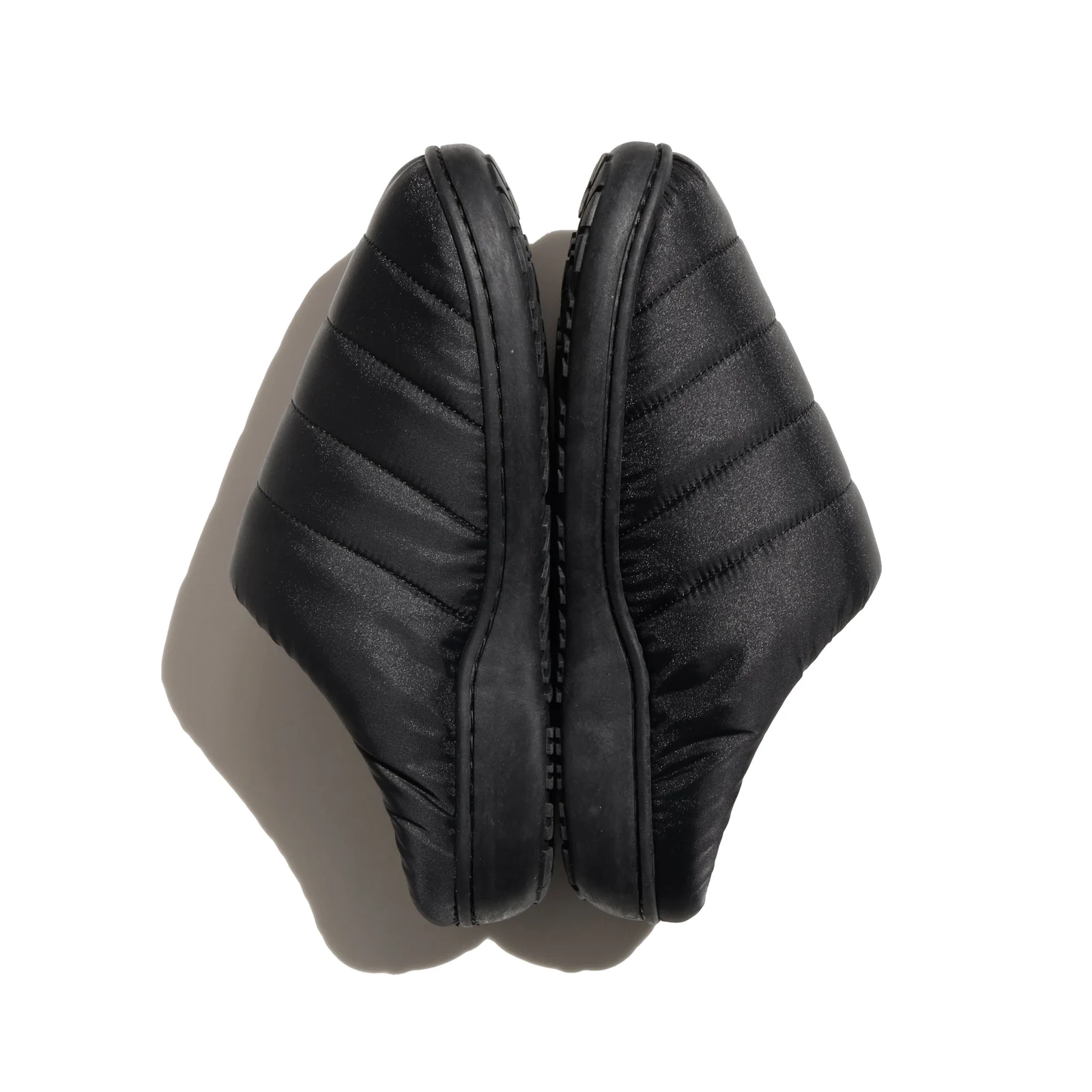
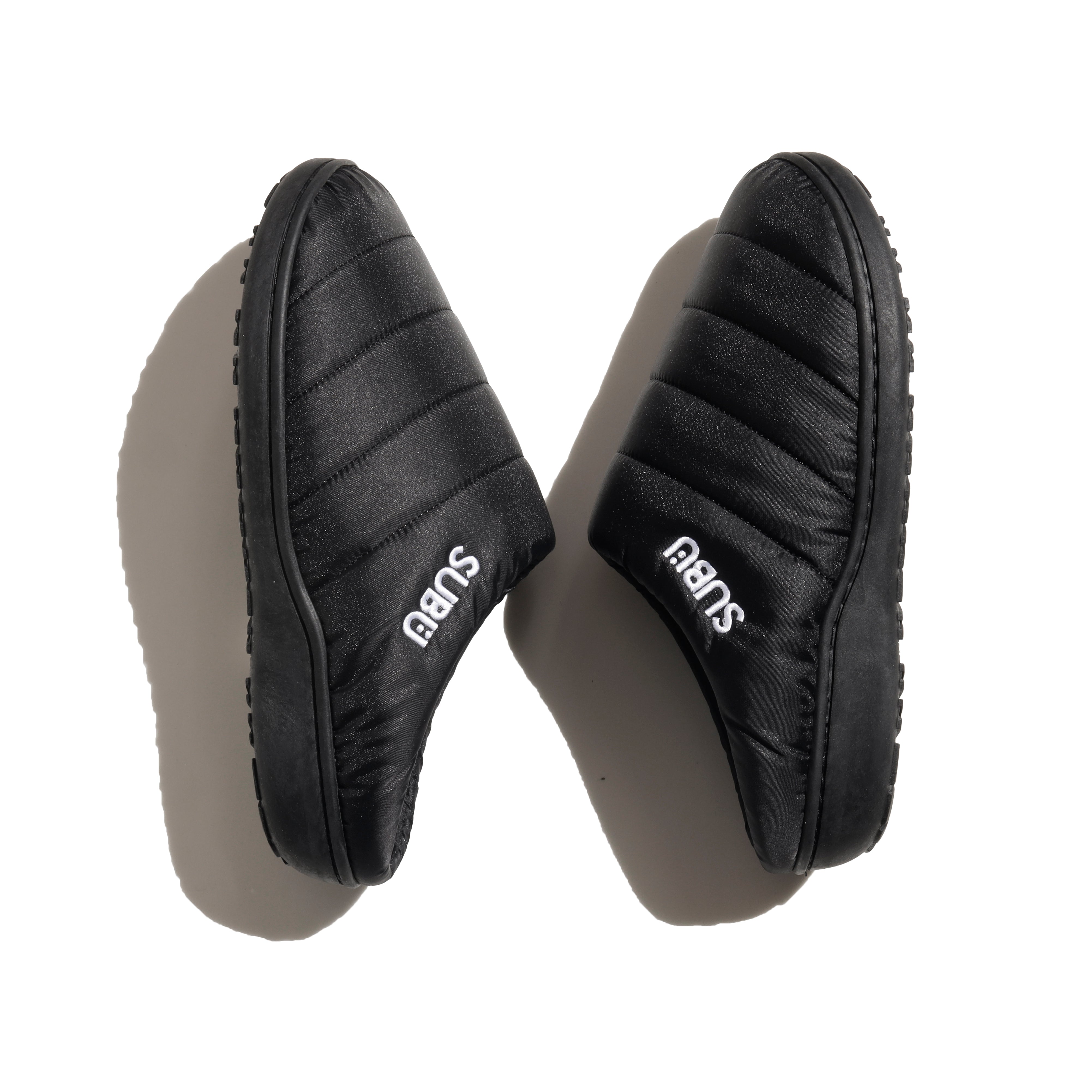
Padded slip-on sandals for stepping outside, with a quilted upper and a soft lining.
Image source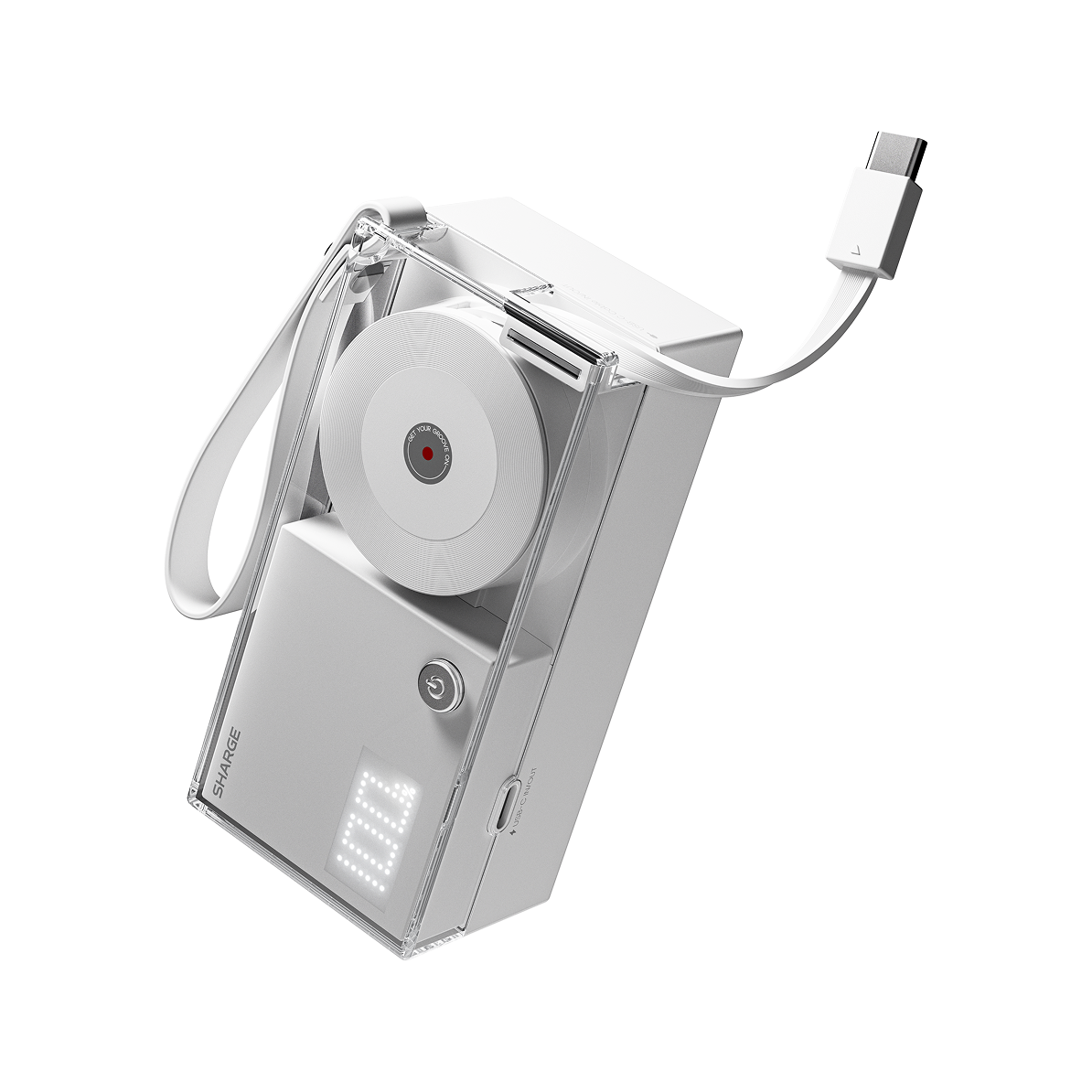
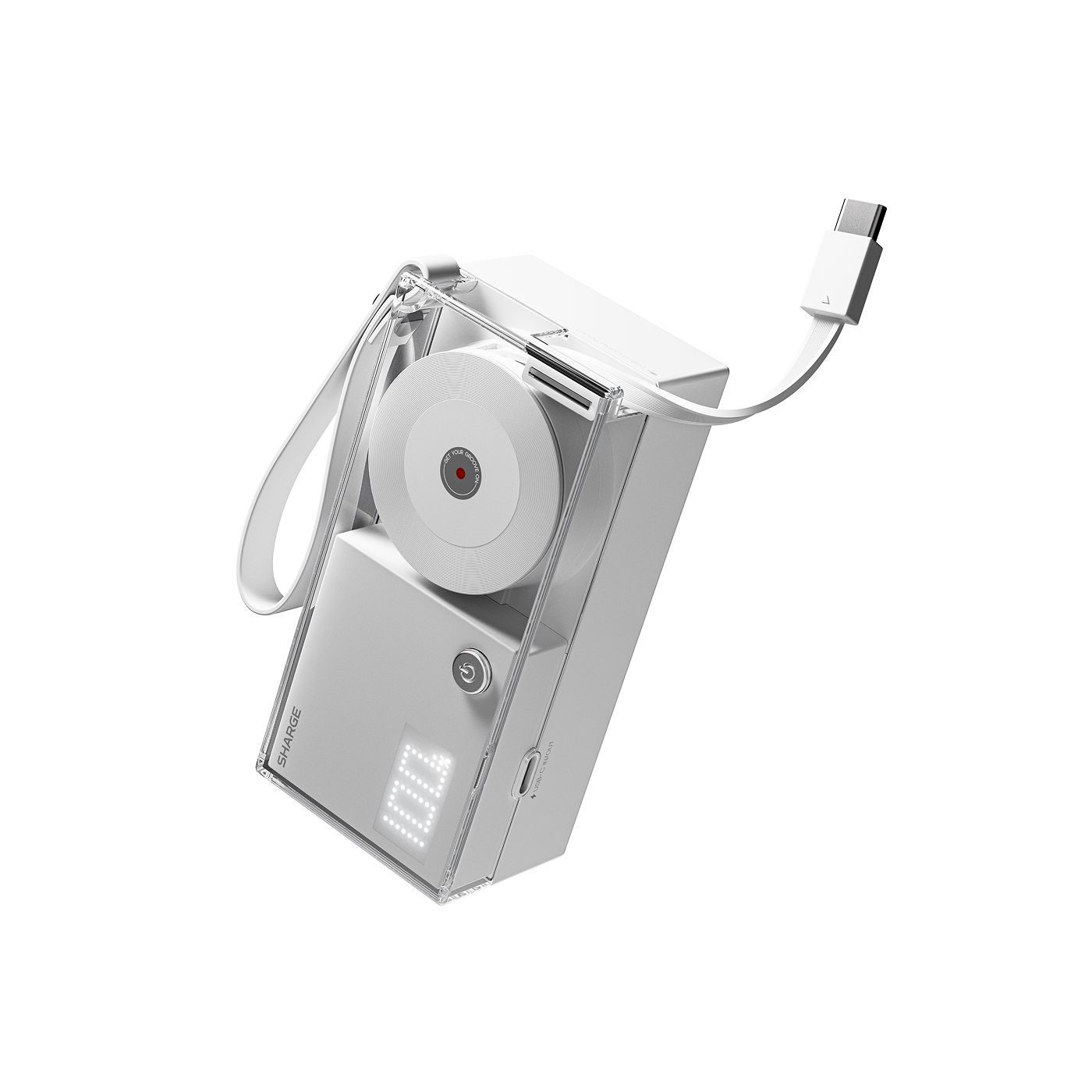
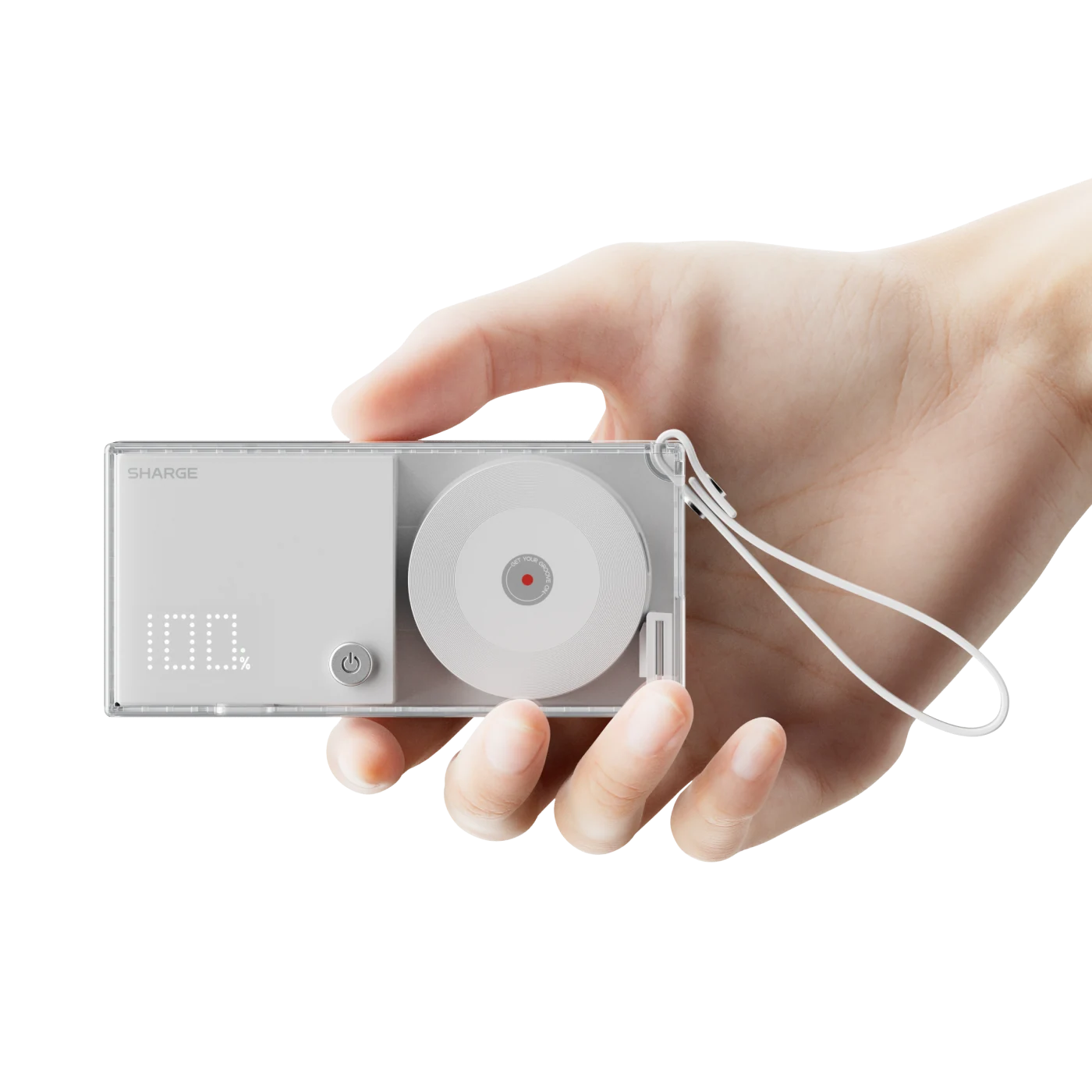
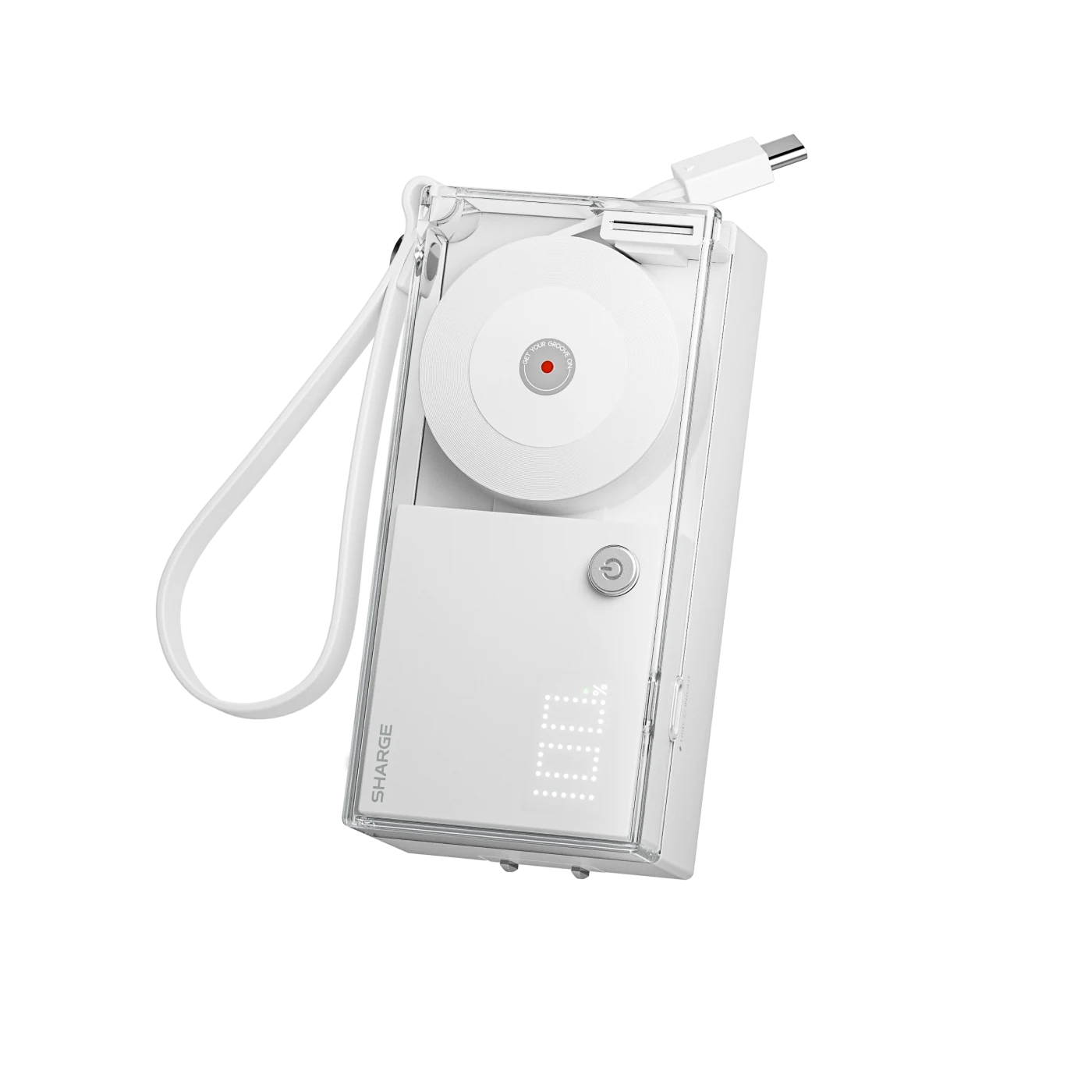
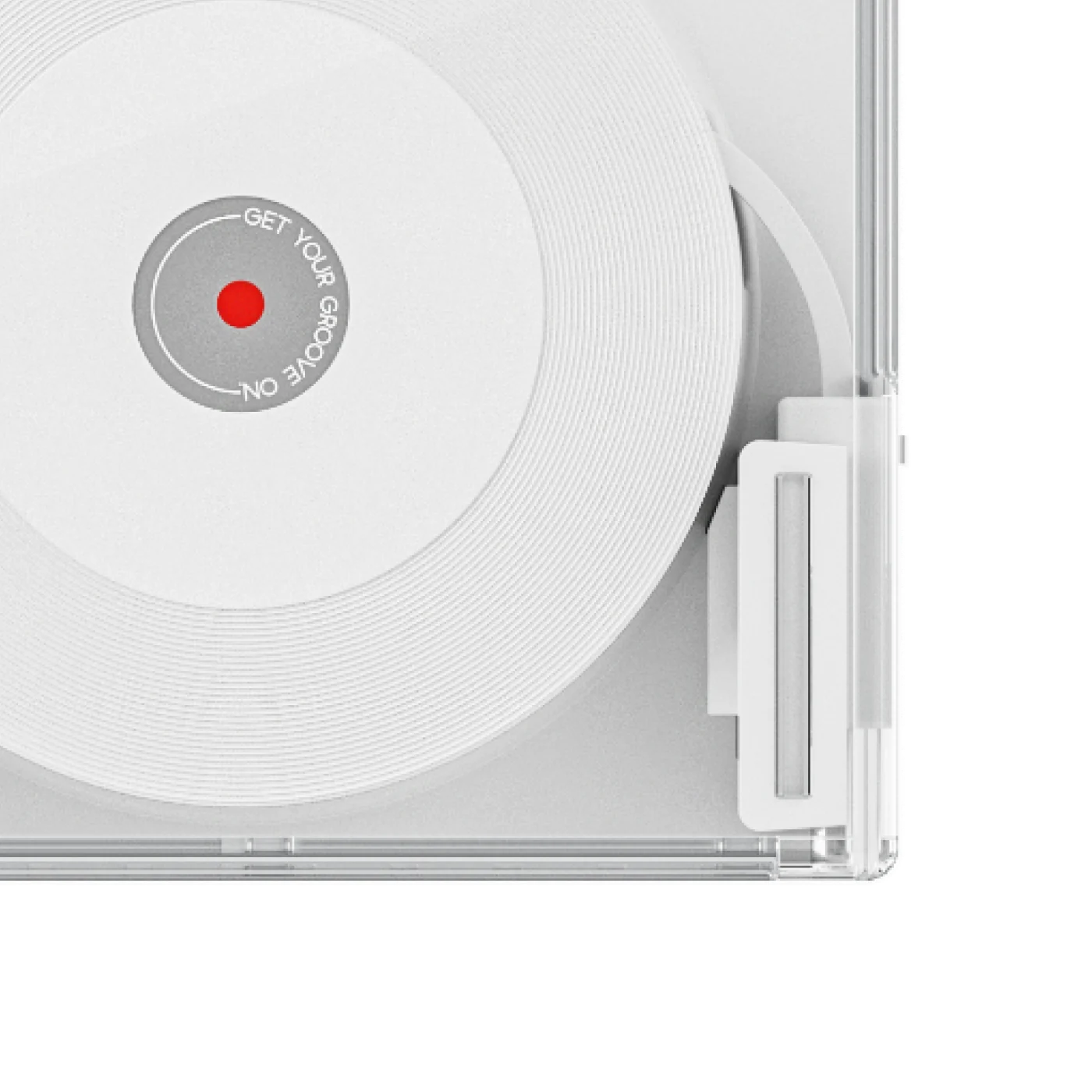
A 10,000mAh power bank, 30W wall charger, and retractable USB-C cable in one, with a dot-matrix display.
Image source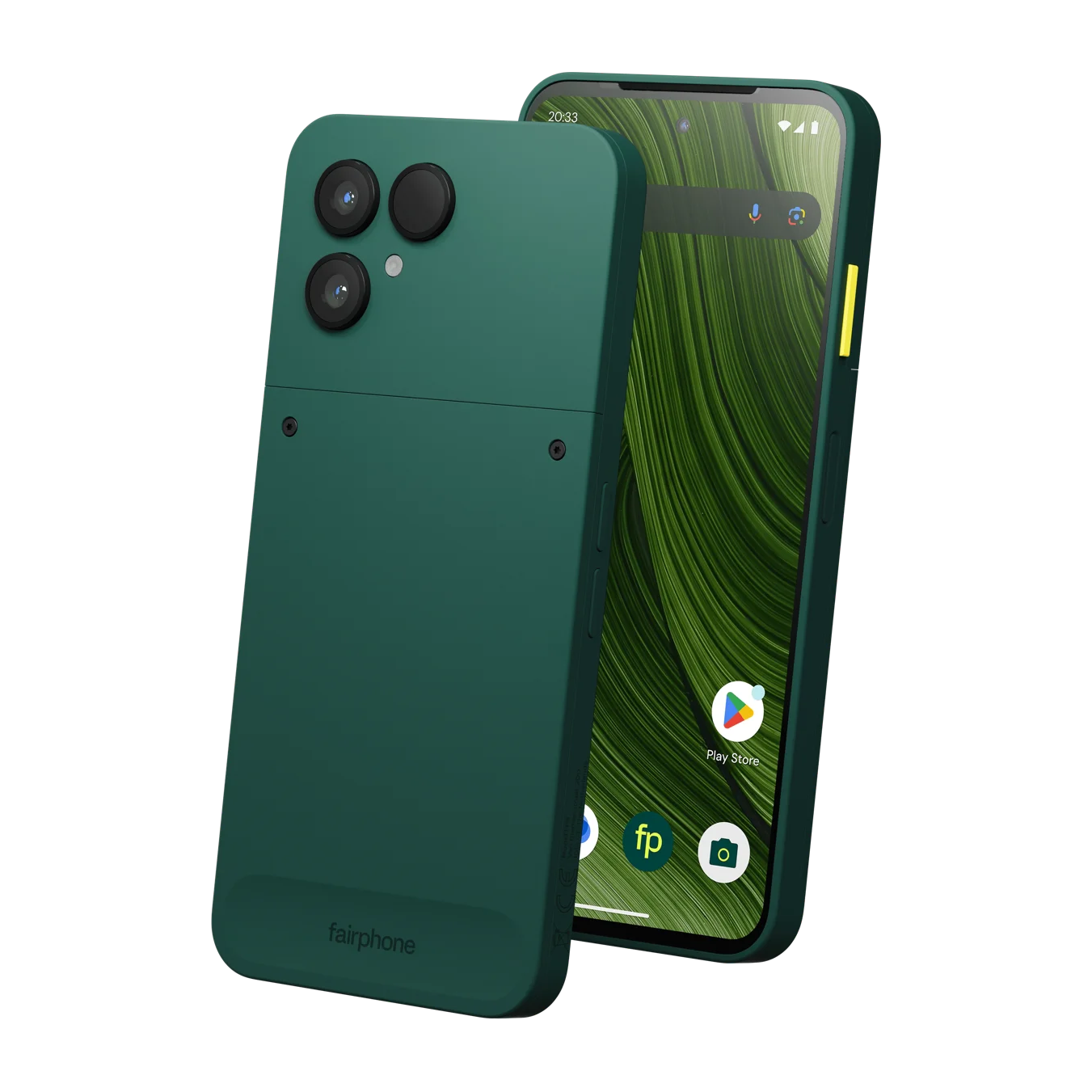
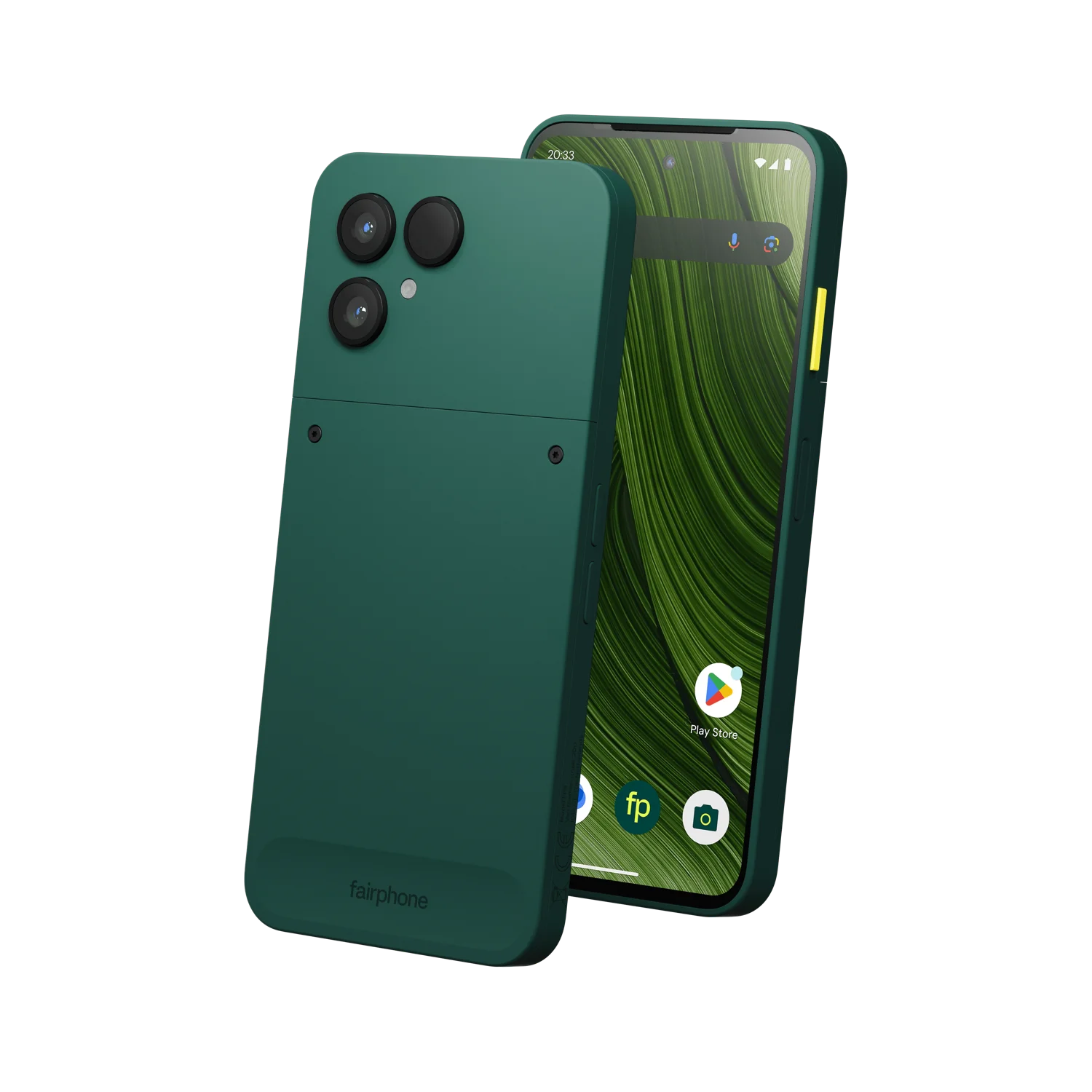
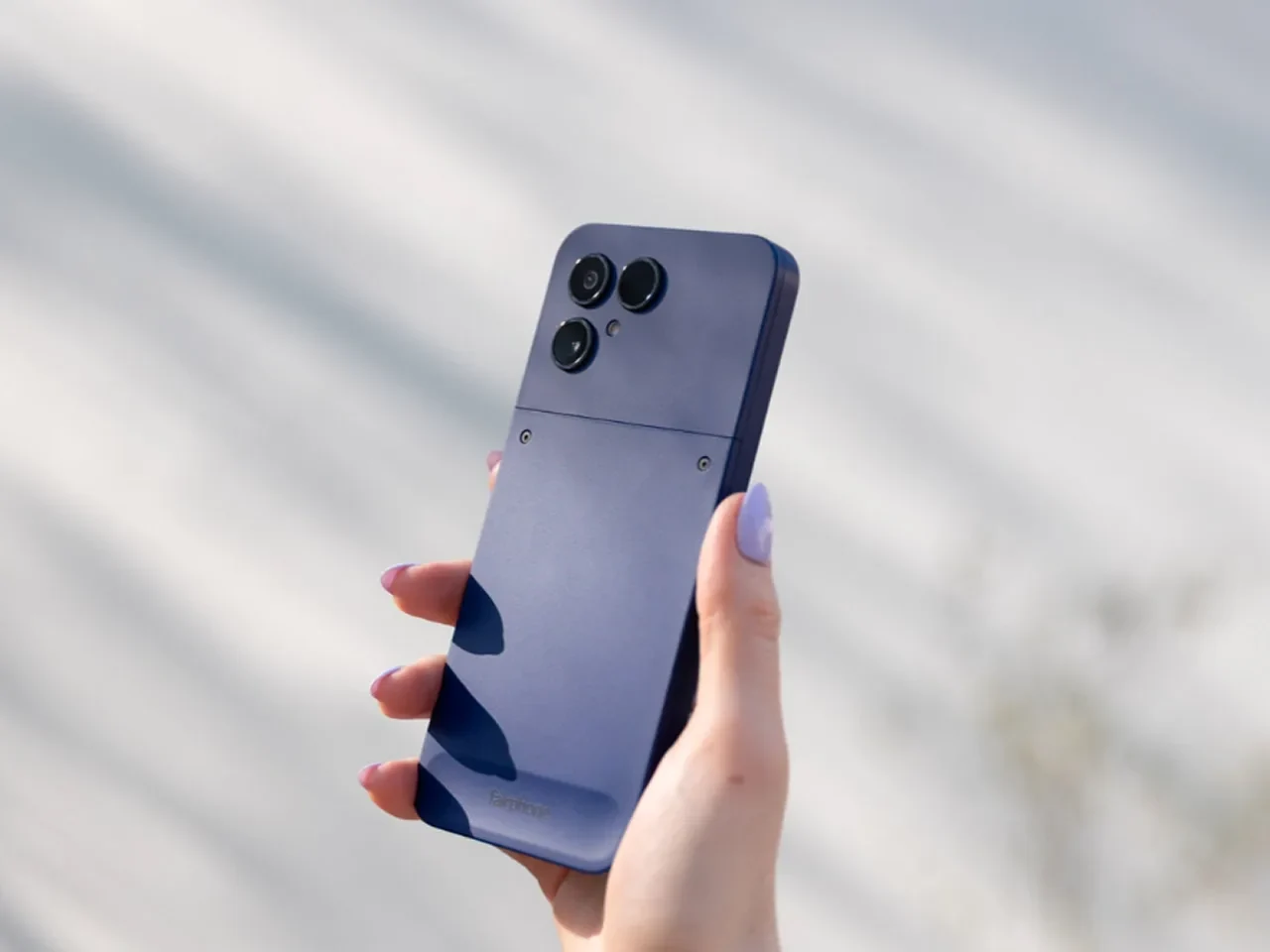
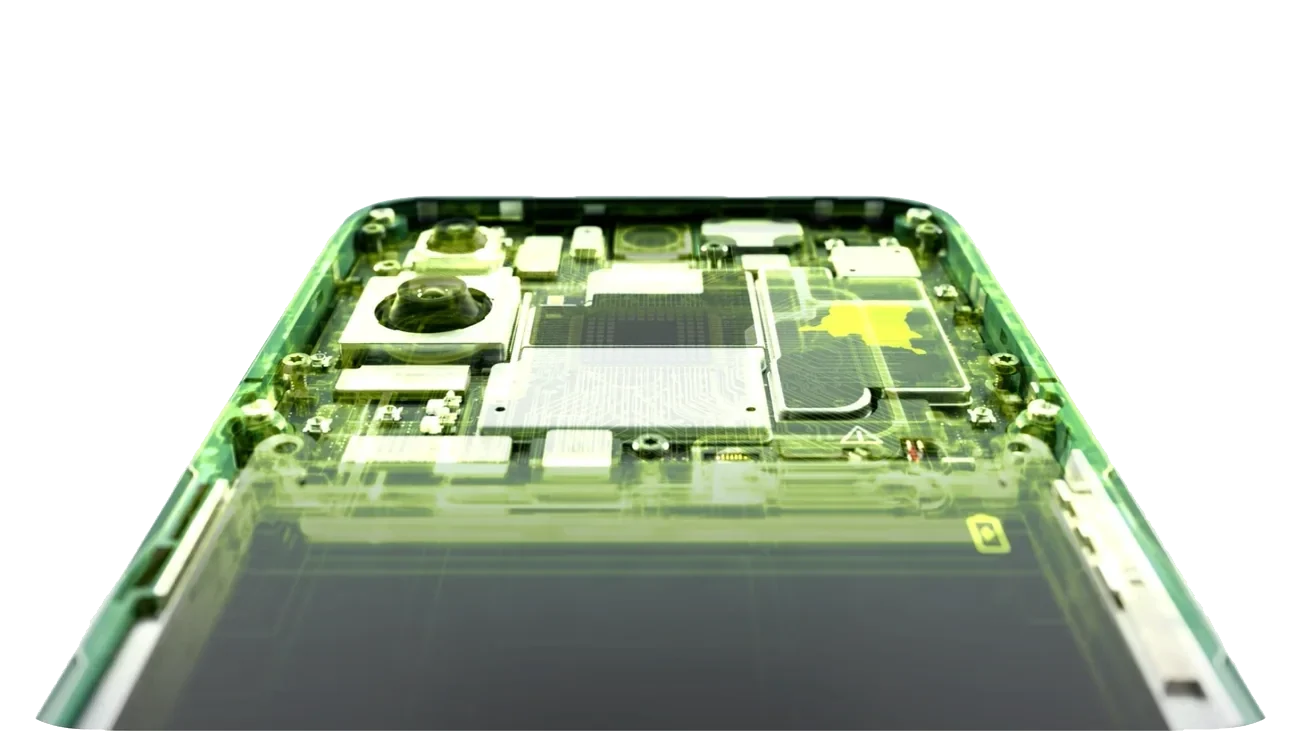
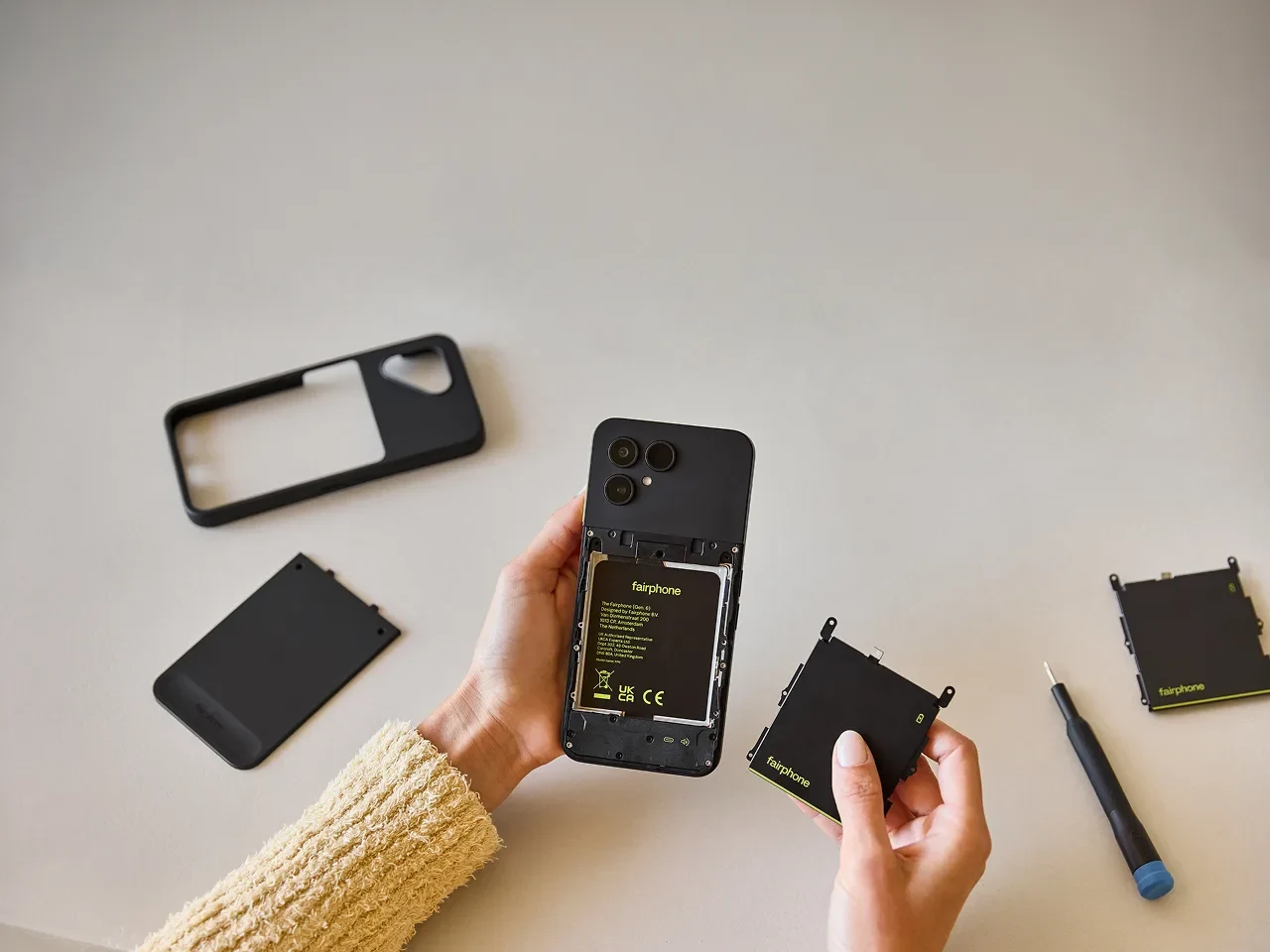
A smartphone built around replaceable parts, including a battery you can change yourself.
Image source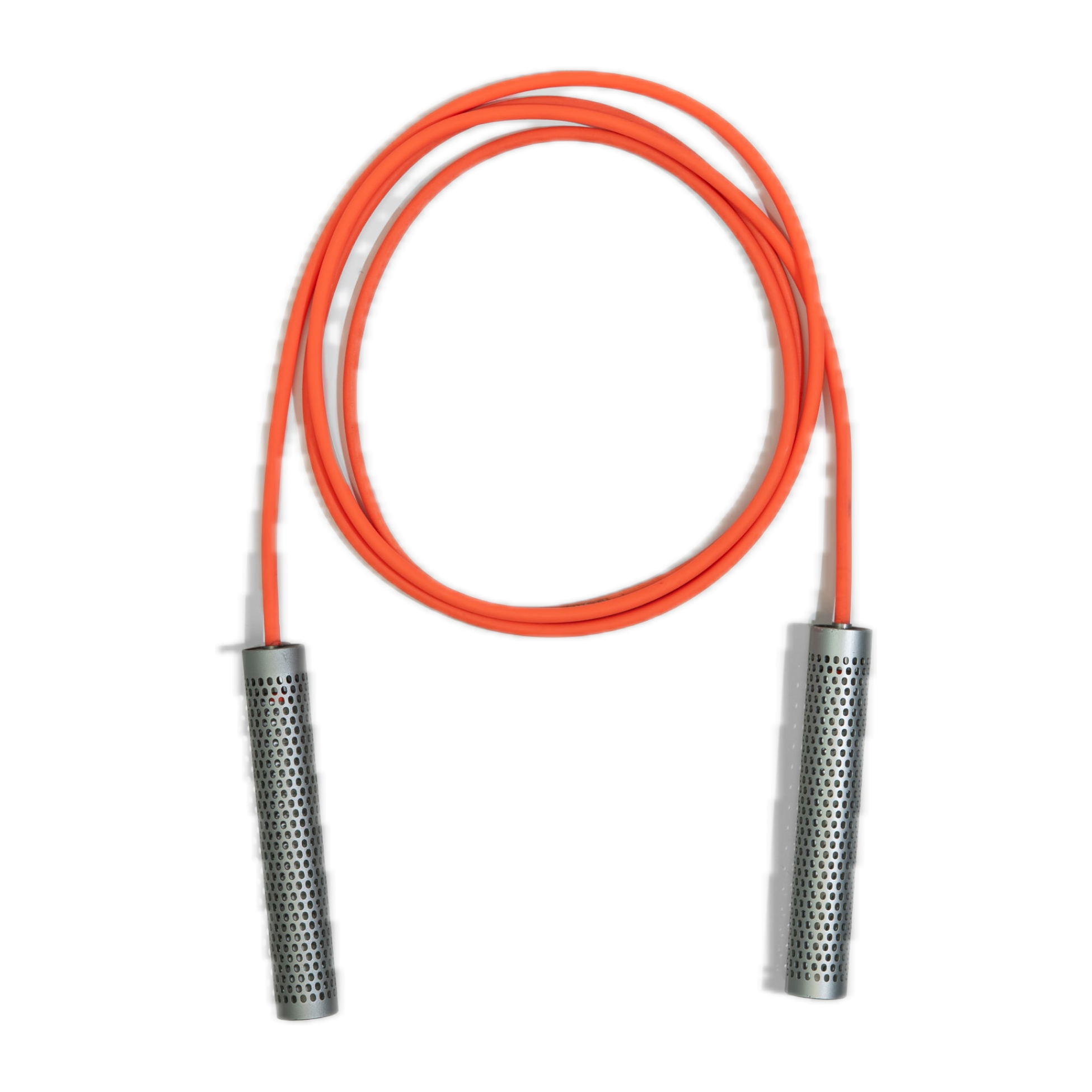
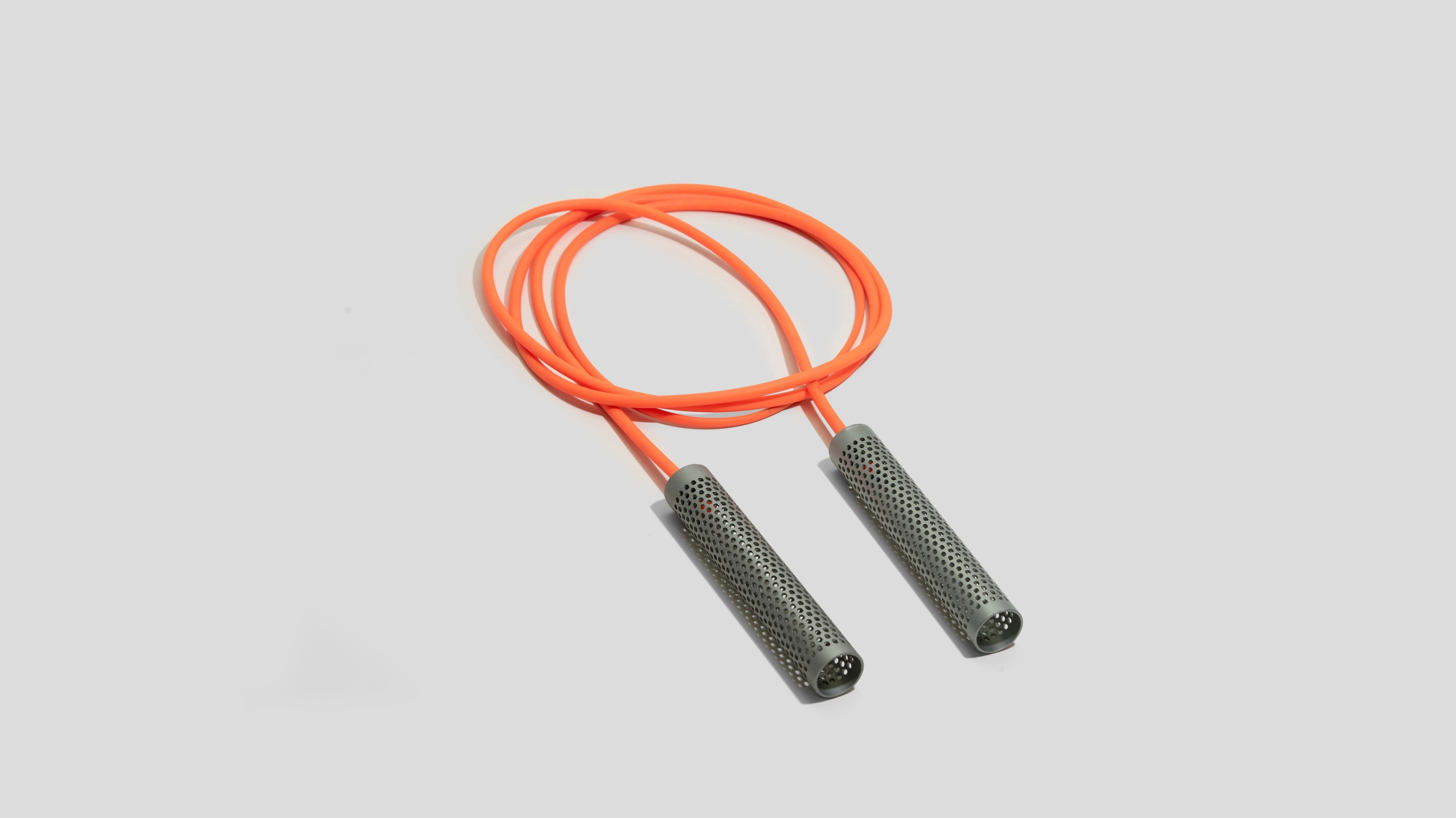
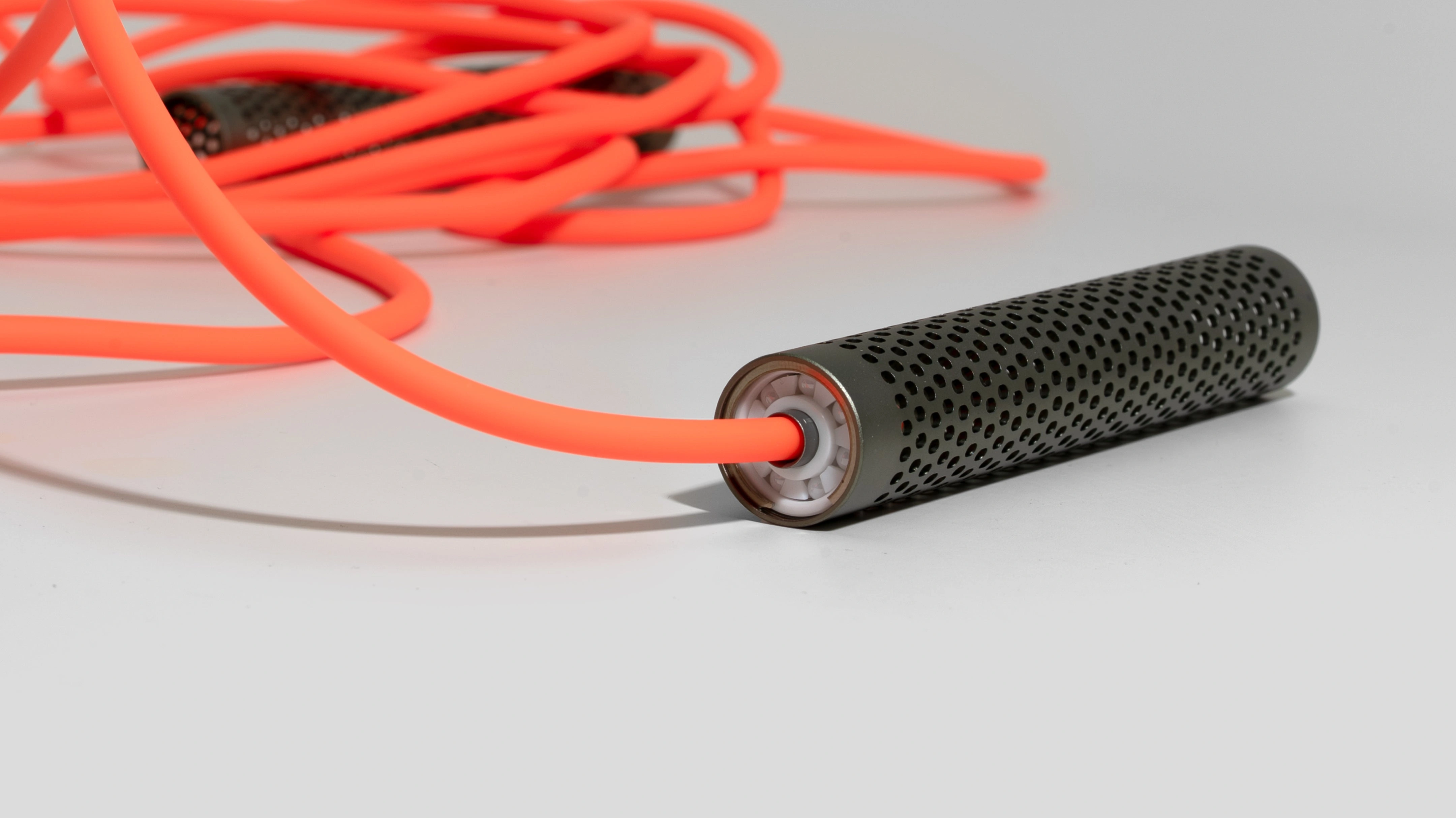
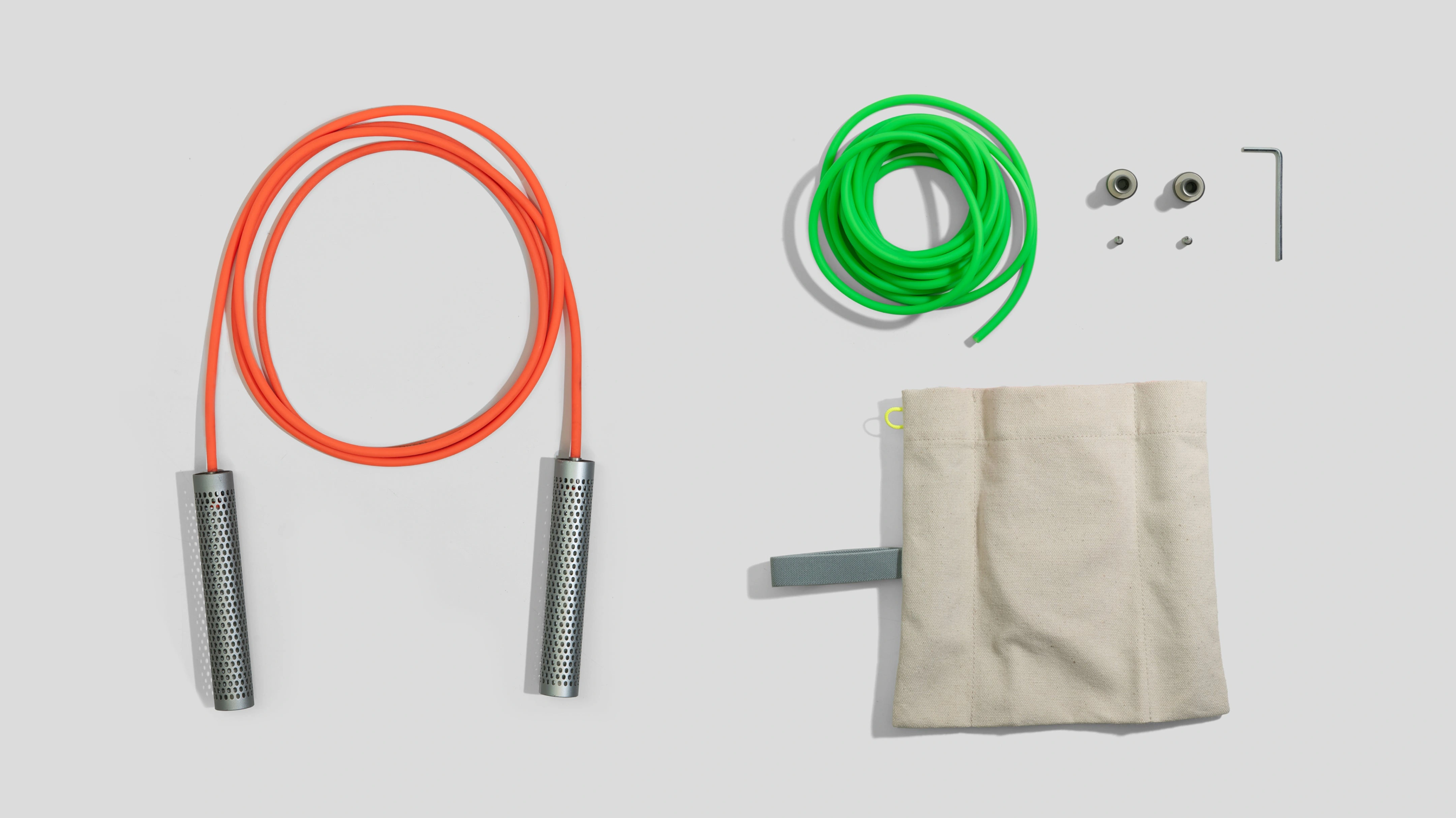
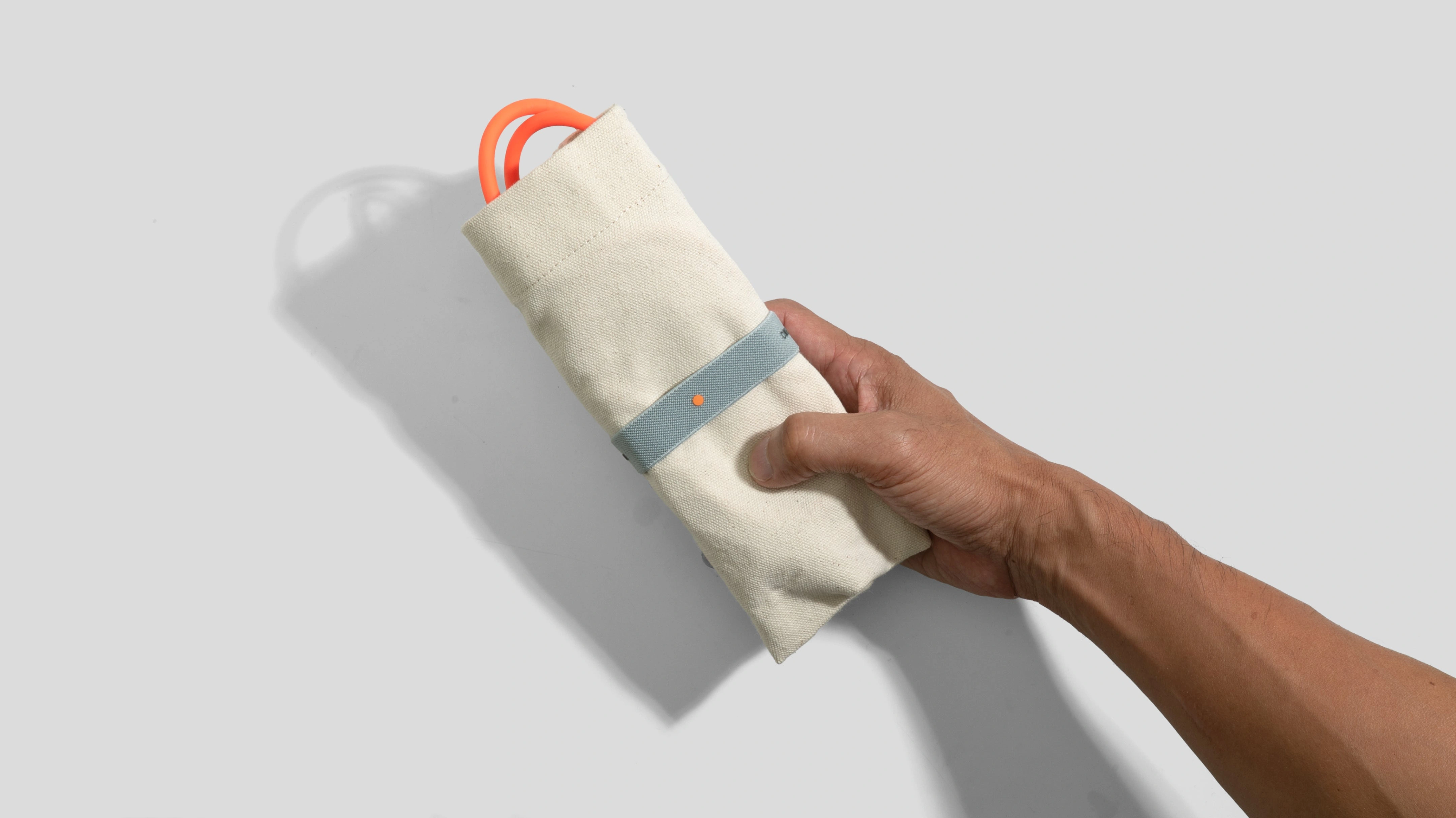
A jump rope with machined aluminum handles, ball bearings, and a bright orange rope.
Image source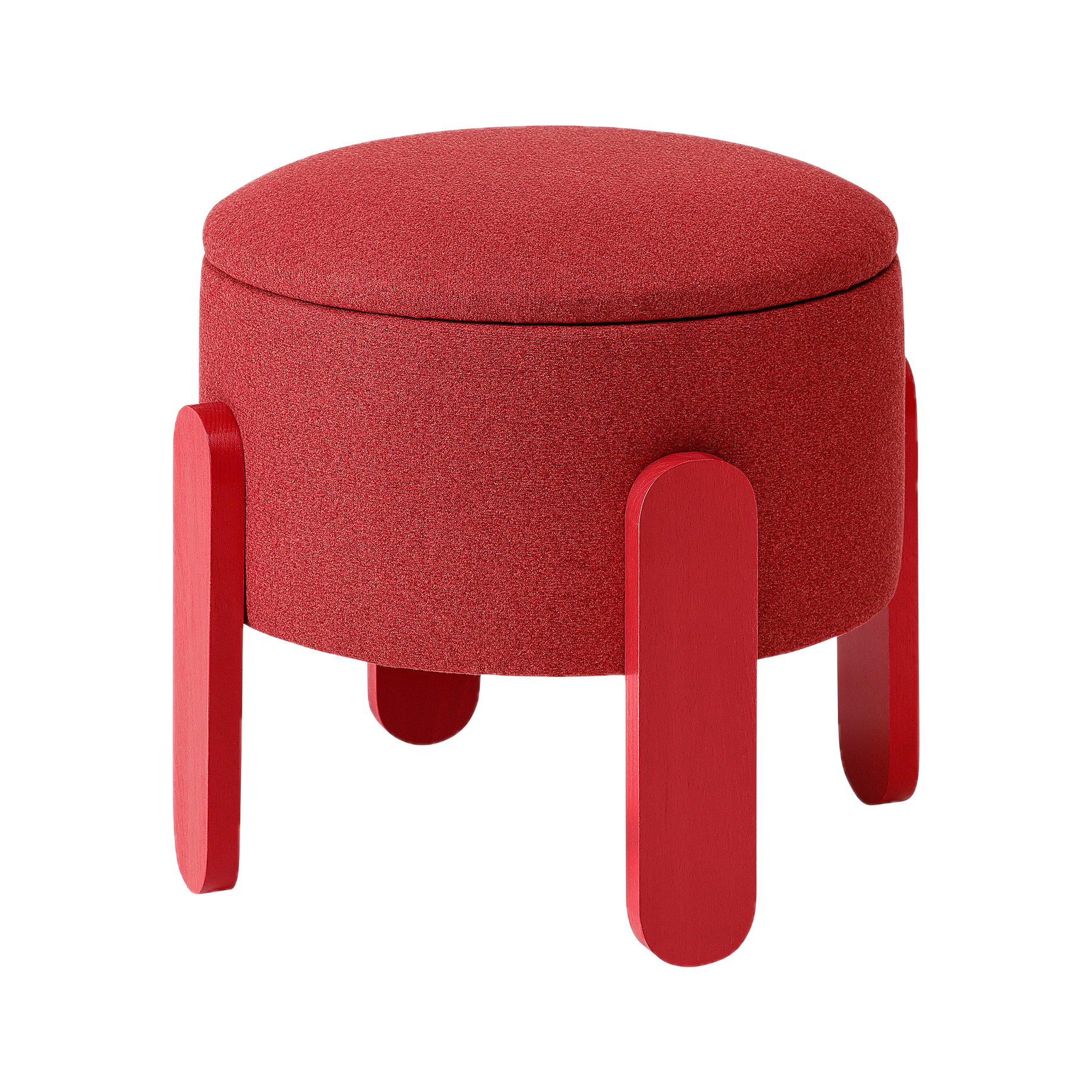
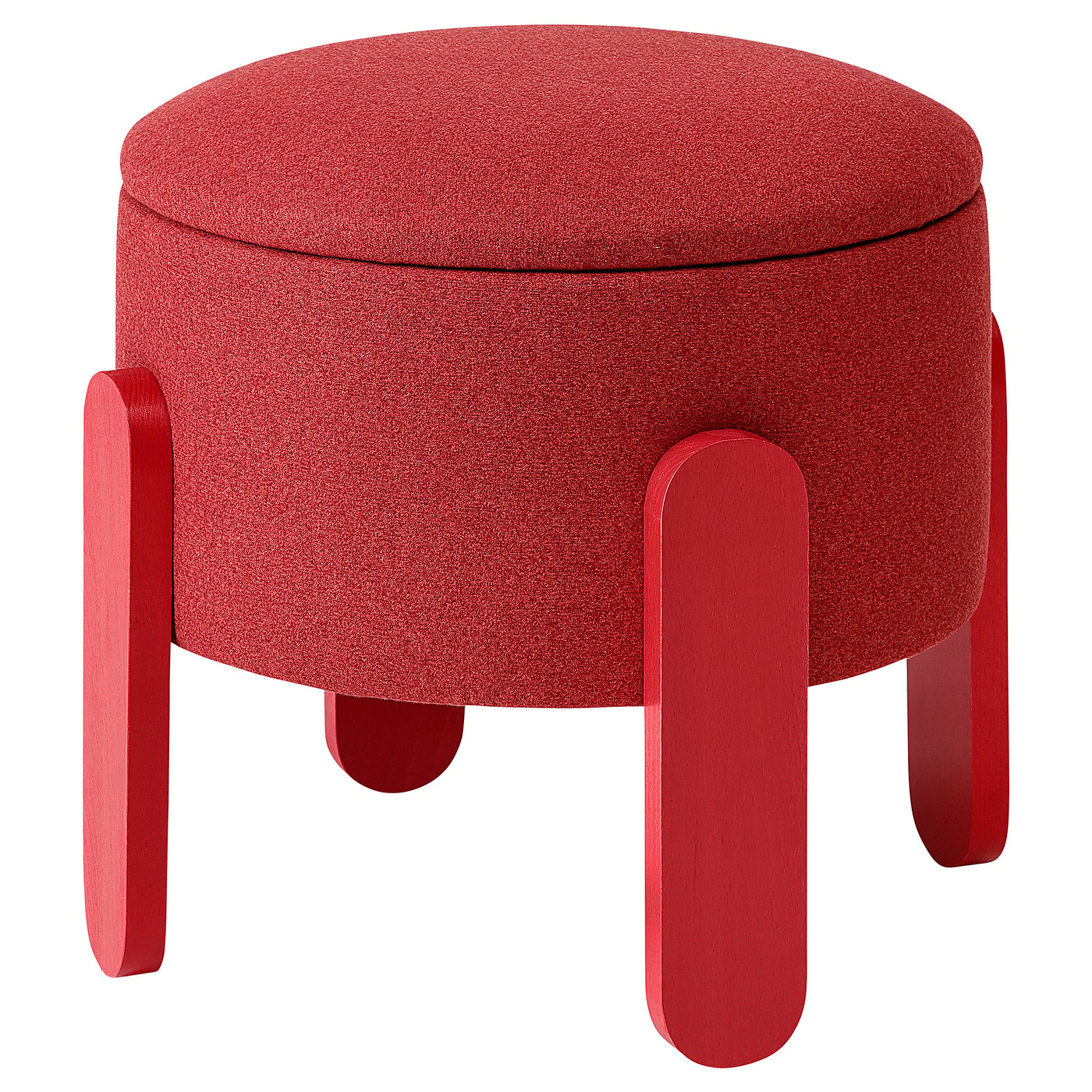
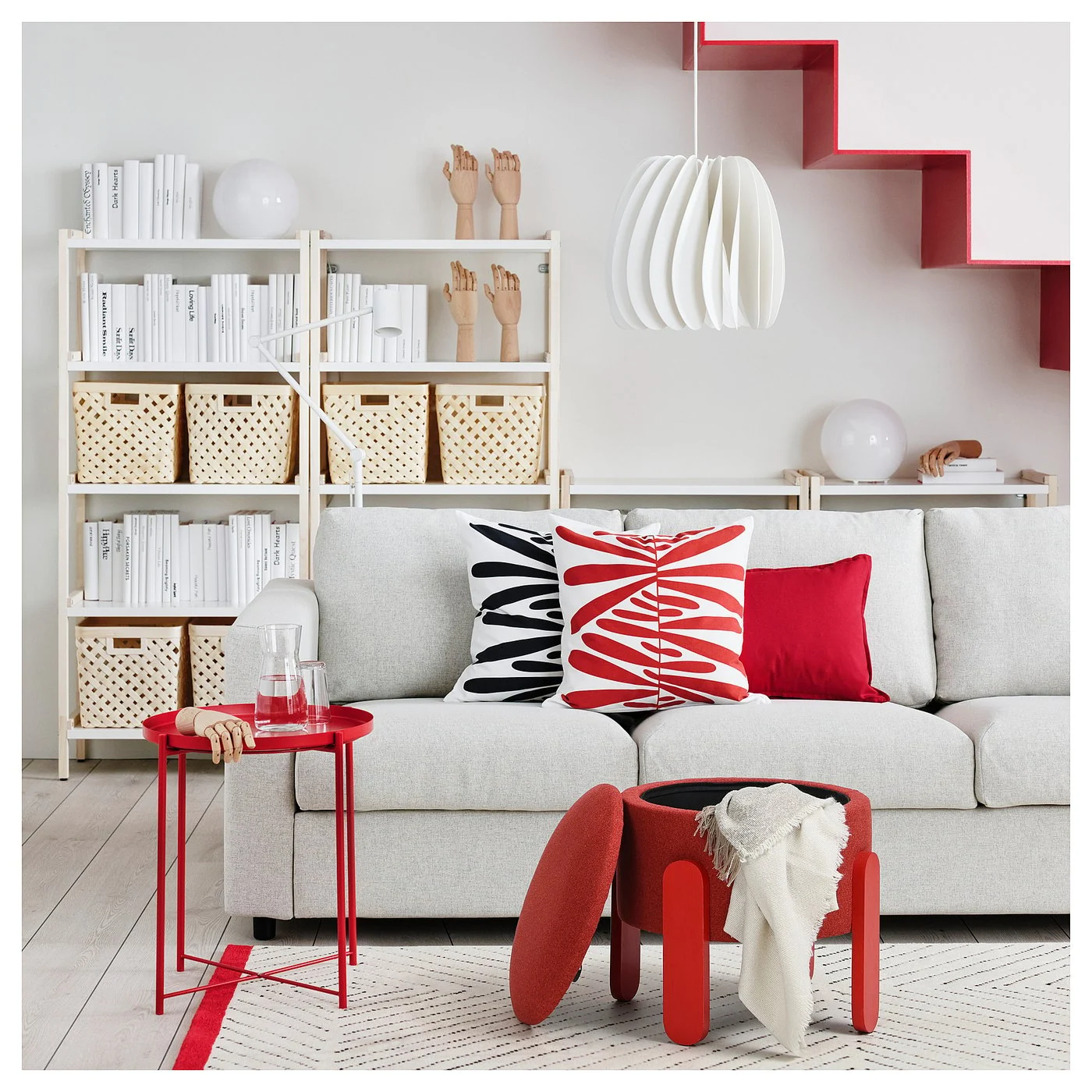
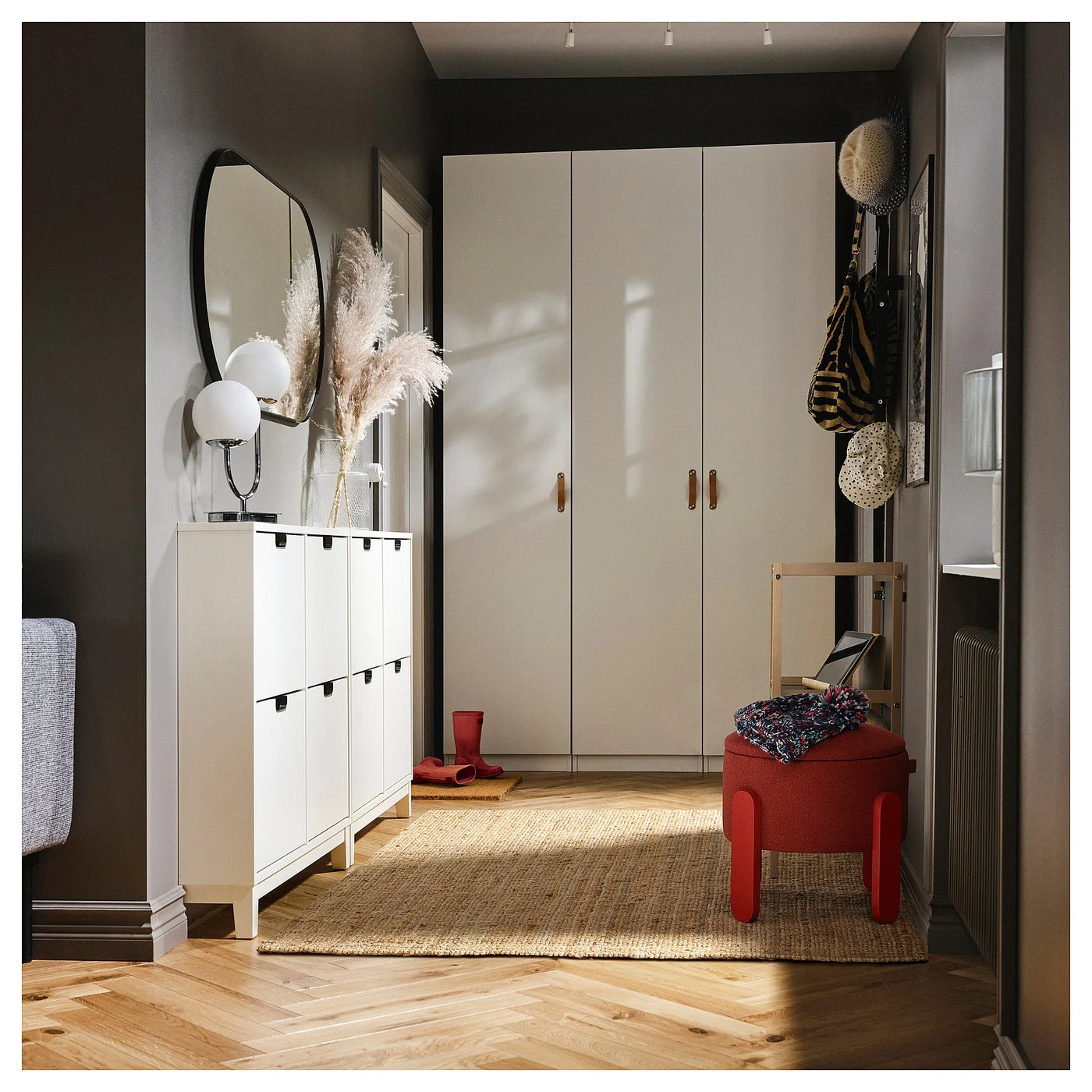
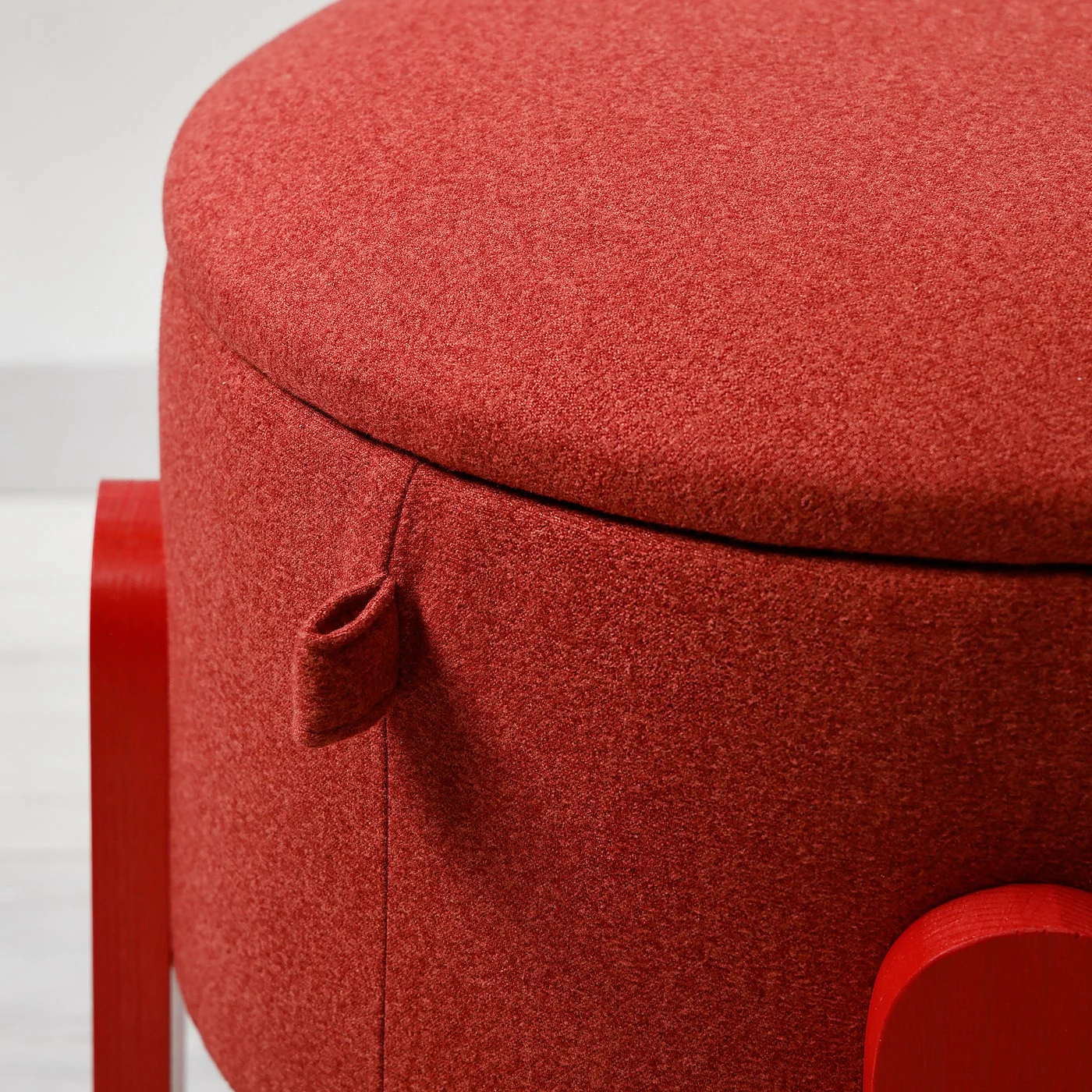
A compact upholstered stool with storage beneath its seat. Stack a few when they’re not in use.
Image source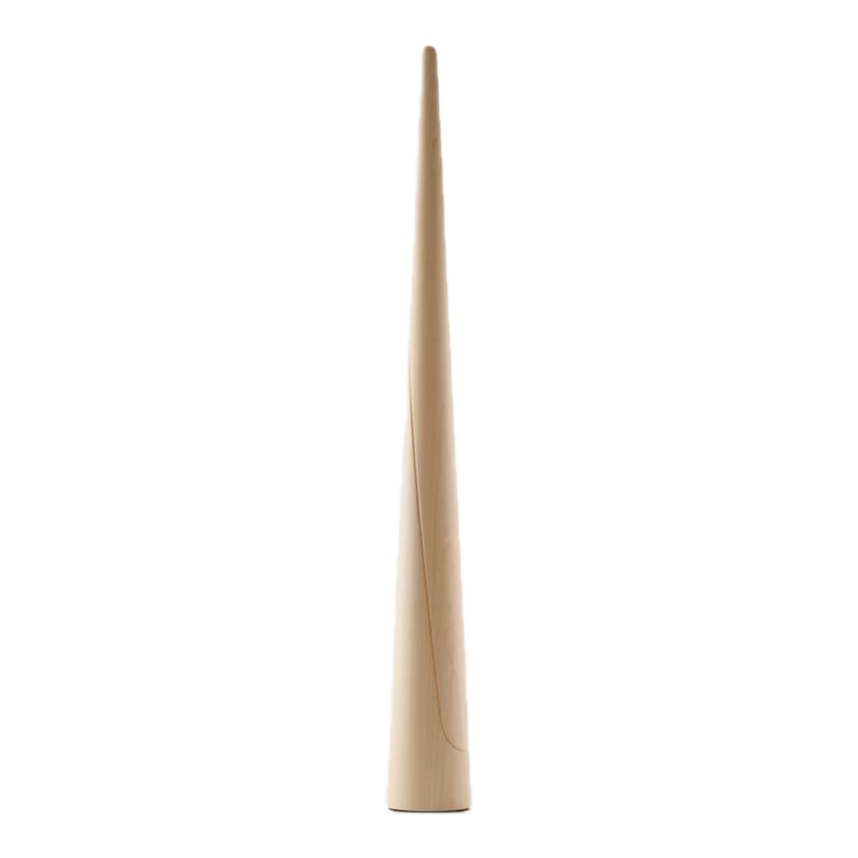
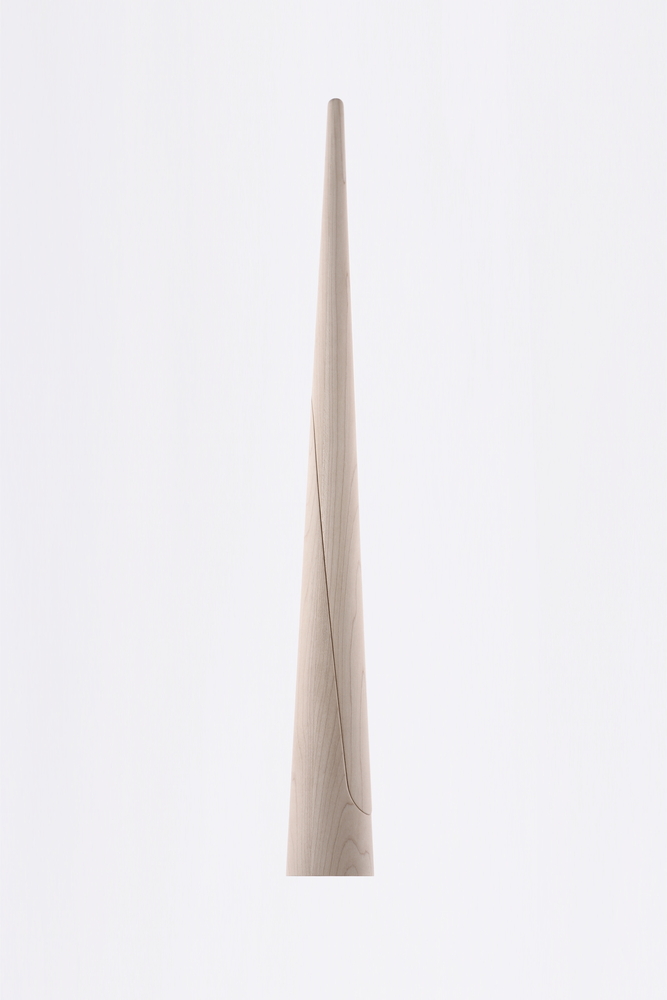
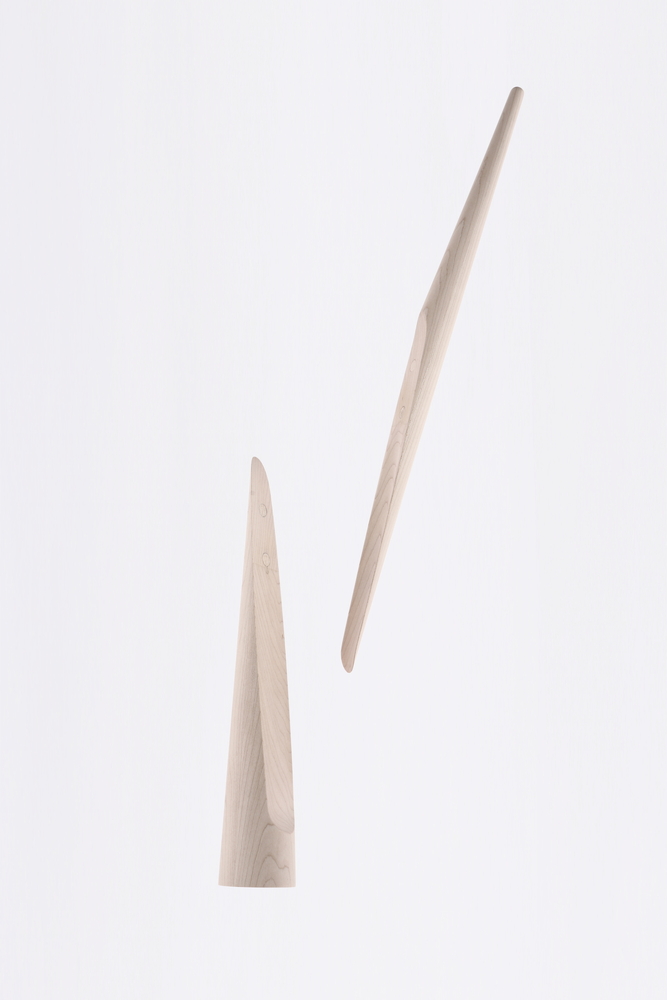
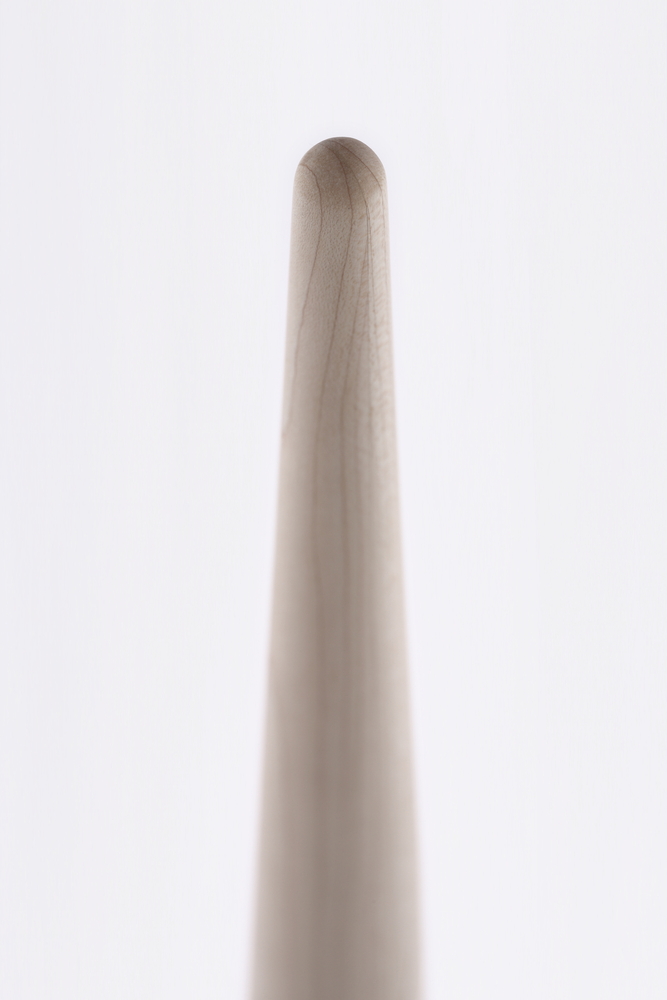
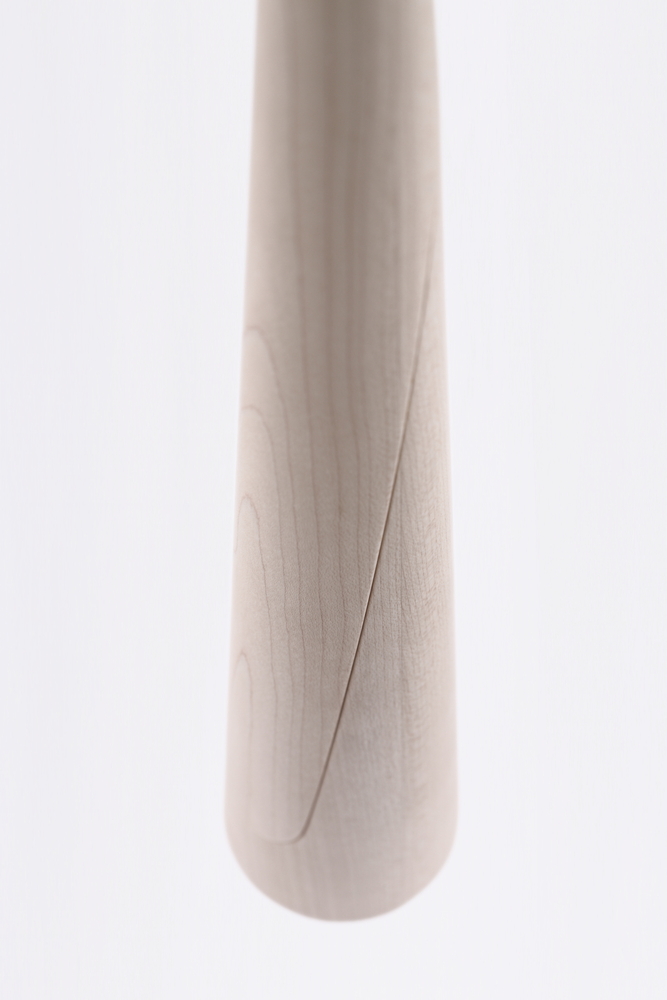
A wooden shoehorn carved from a single conical form, with a weighted magnetic base that lets it stand upright.
Image source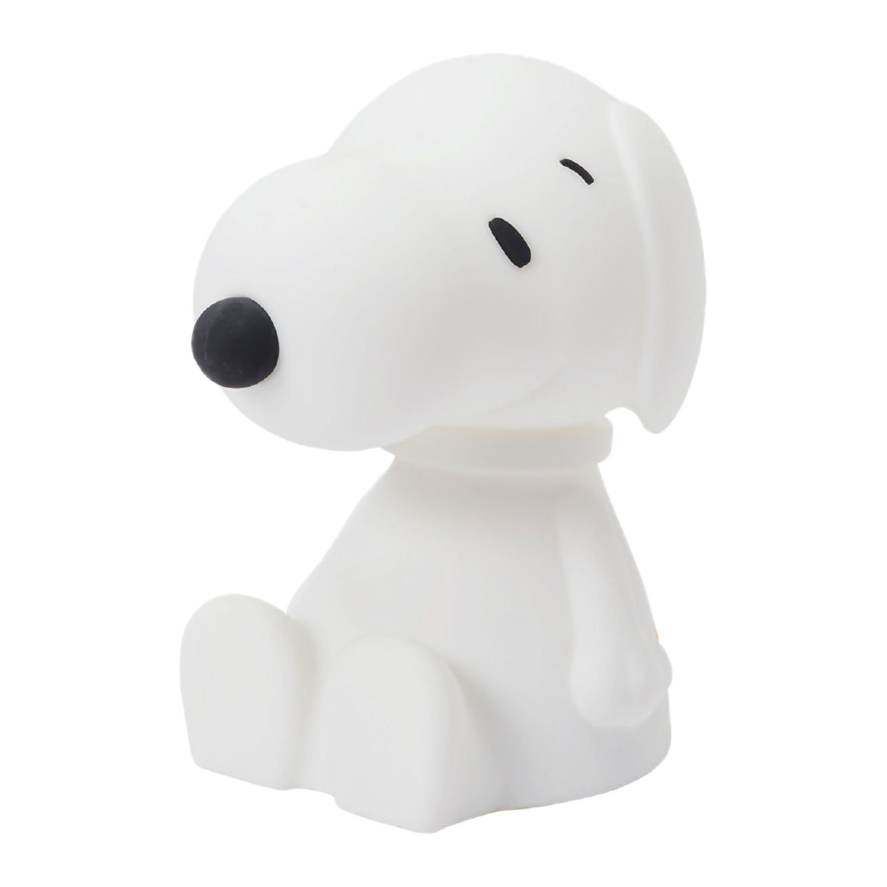
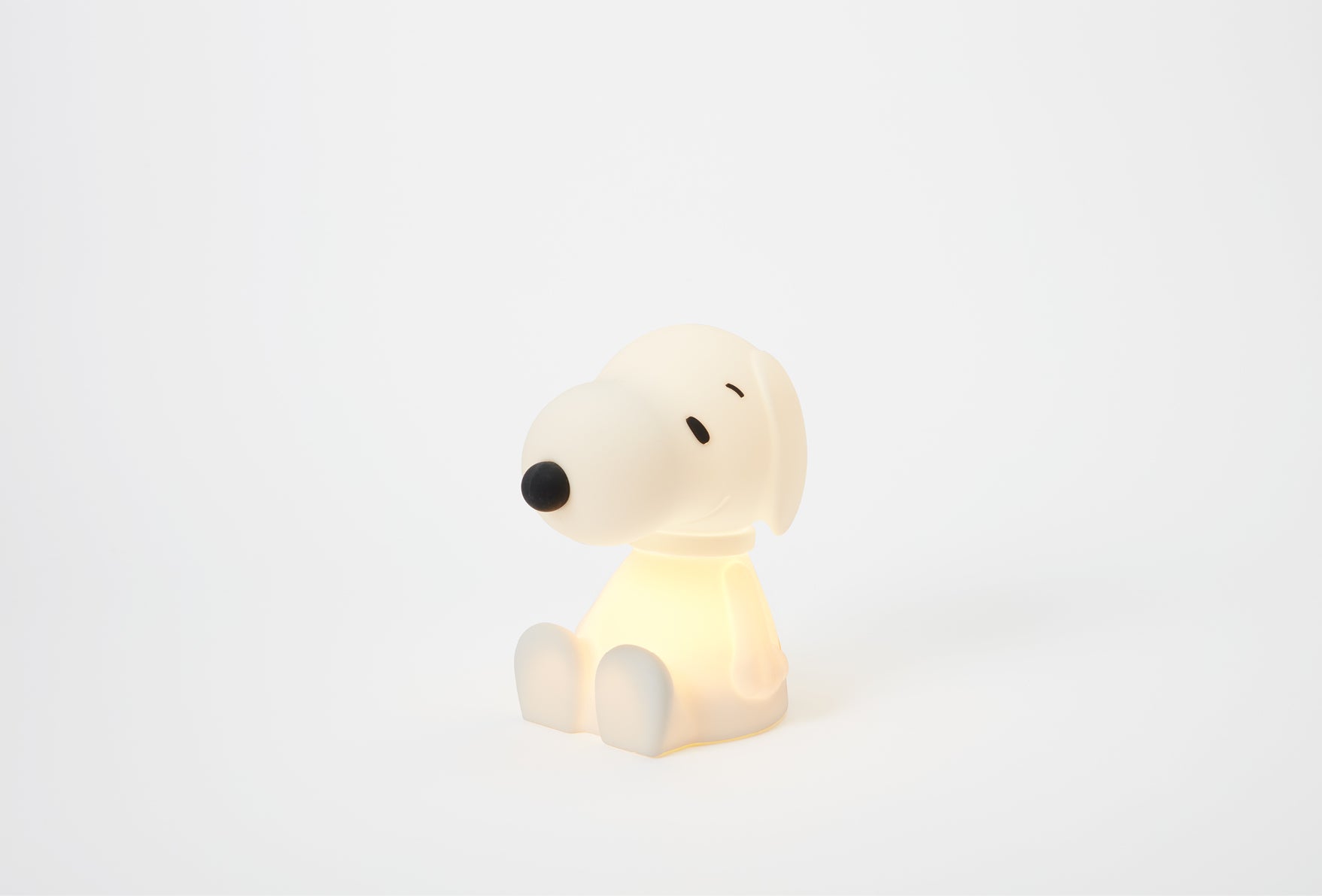
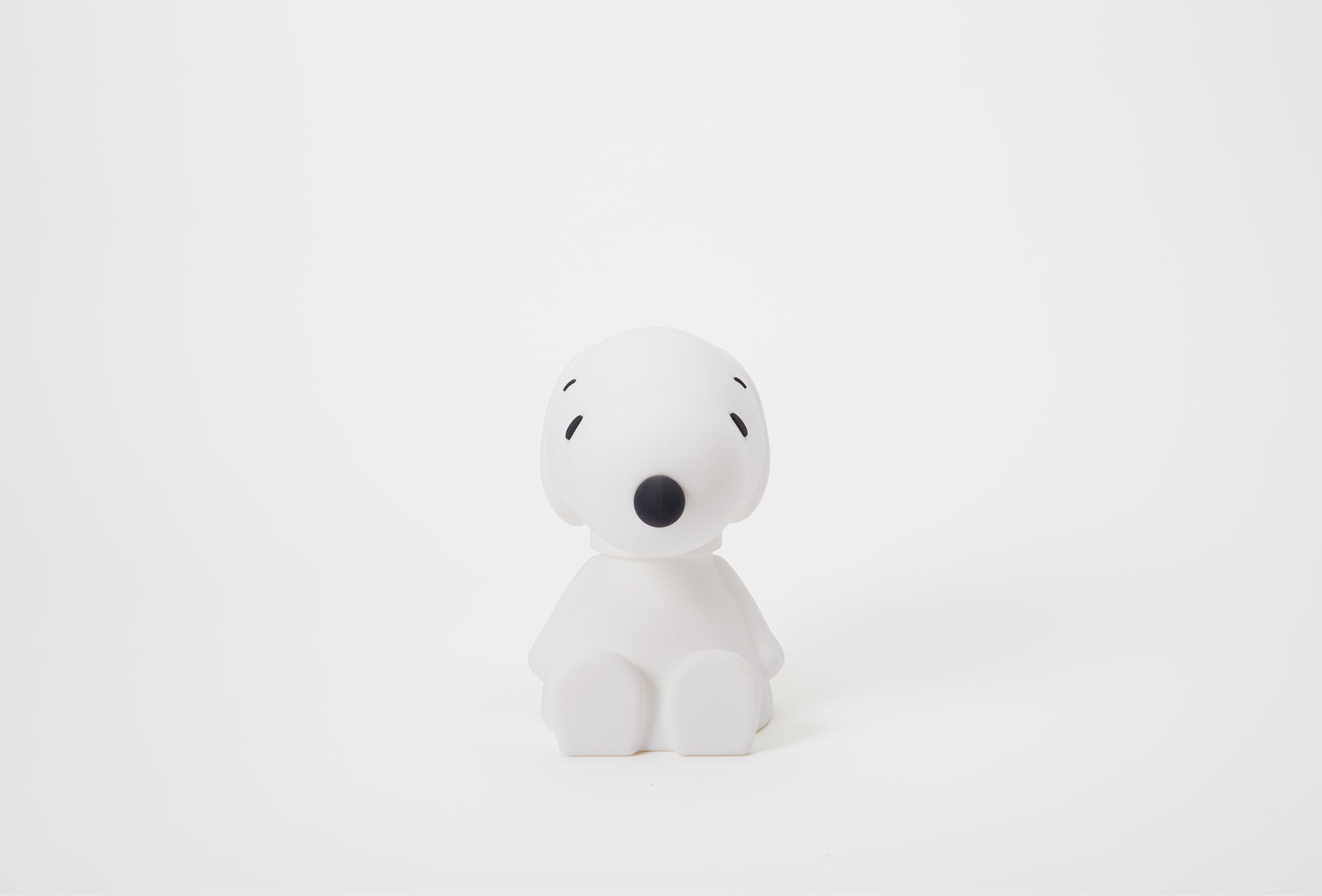
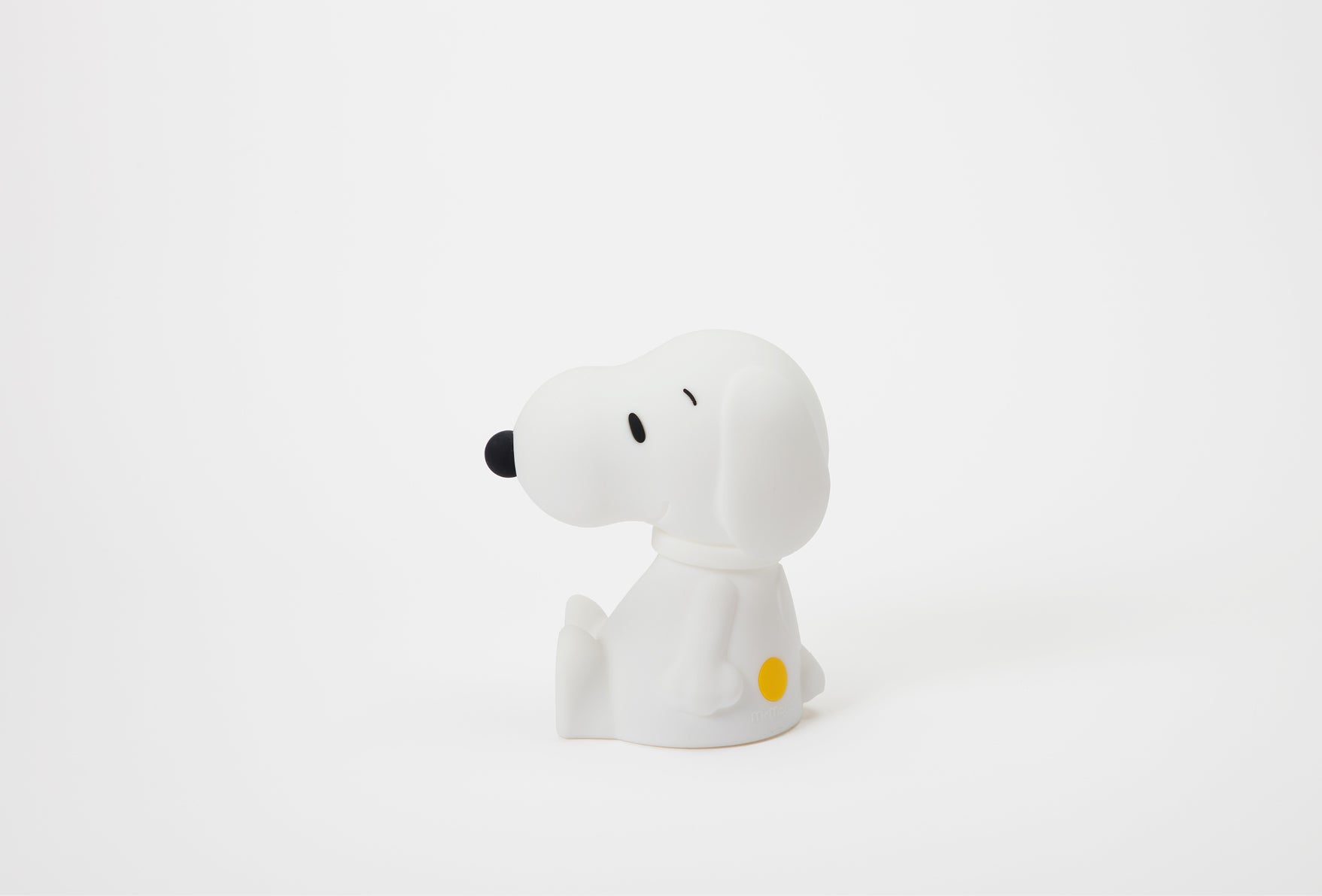
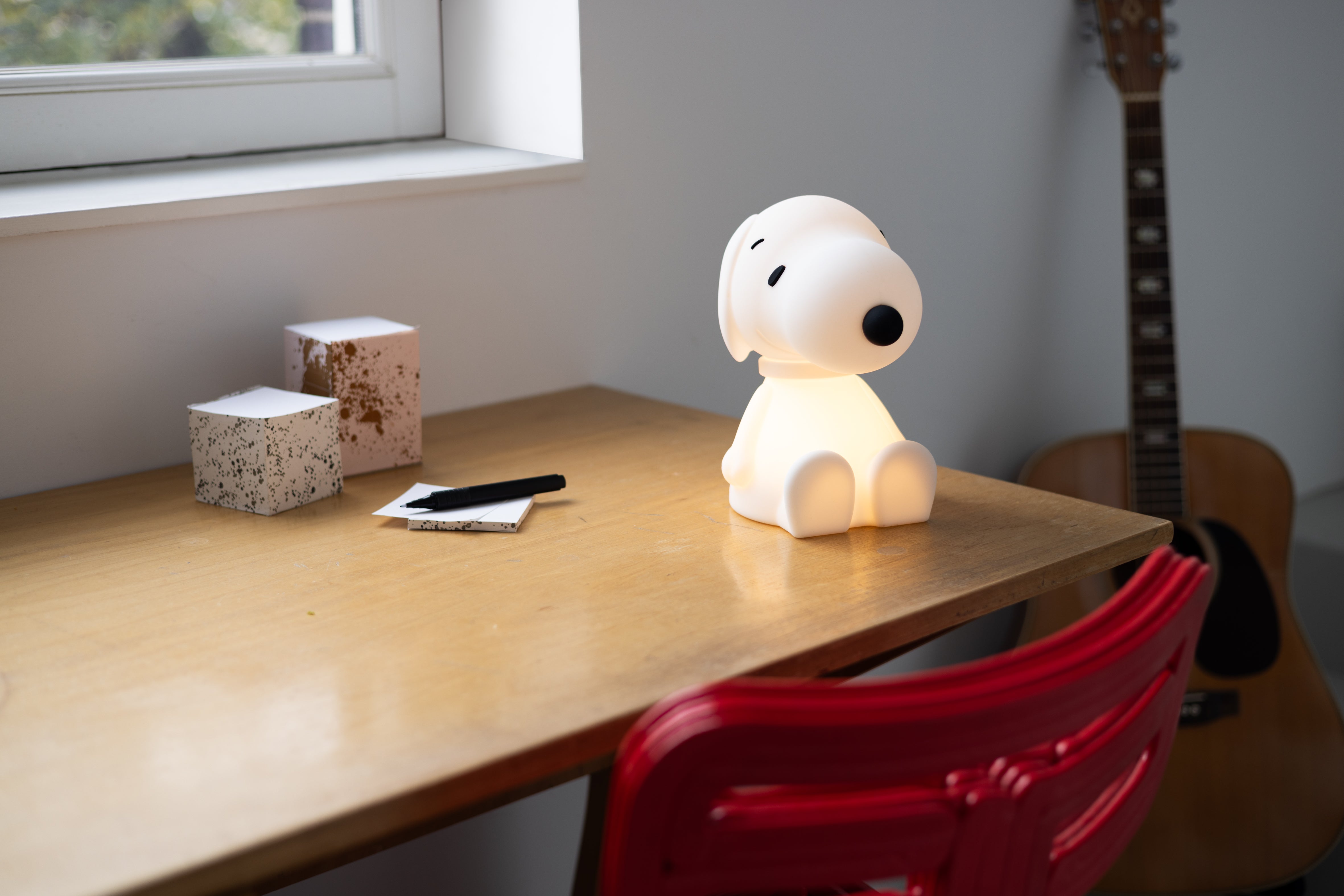
A rechargeable Snoopy light made from soft silicone, small enough to carry from room to room.
Image source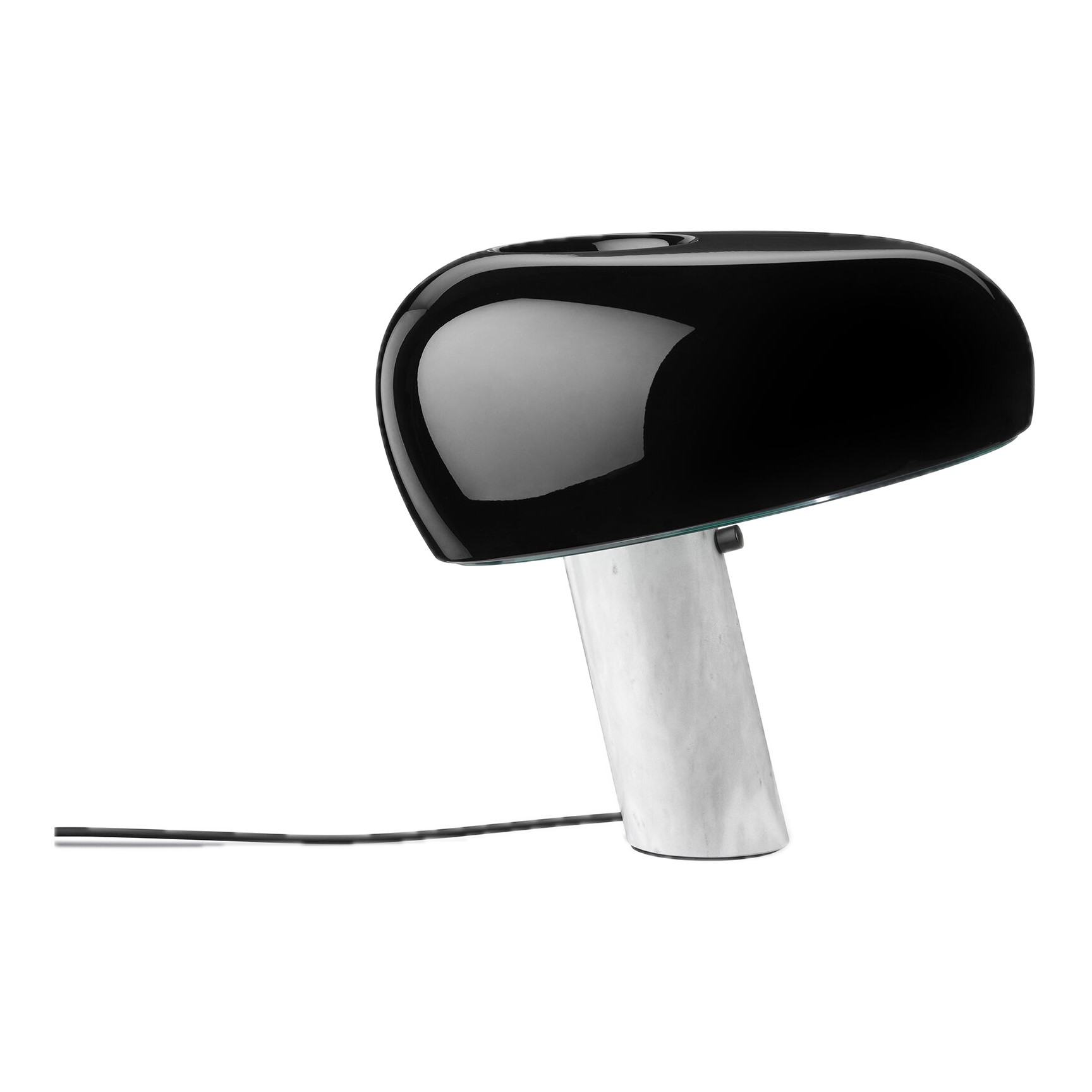
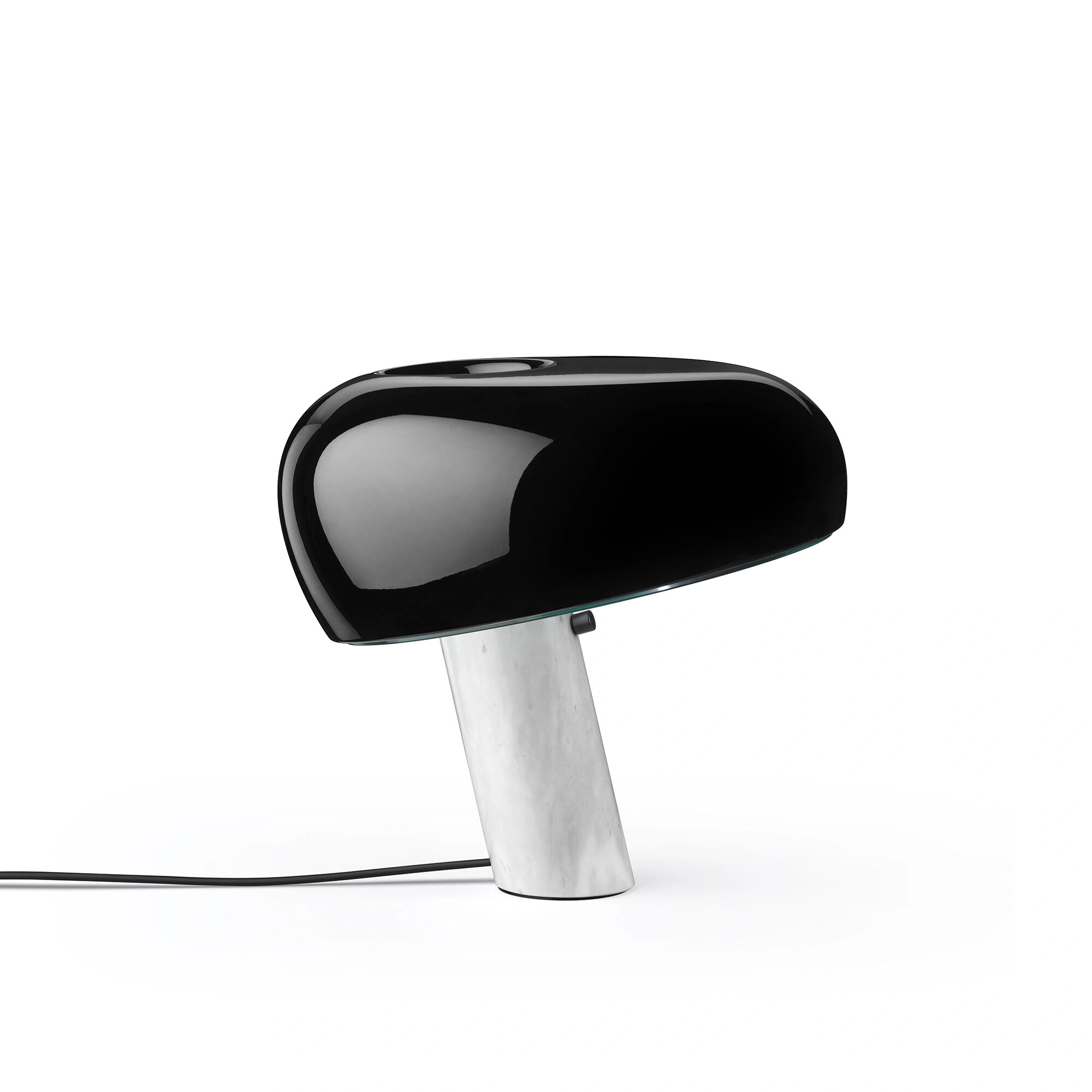
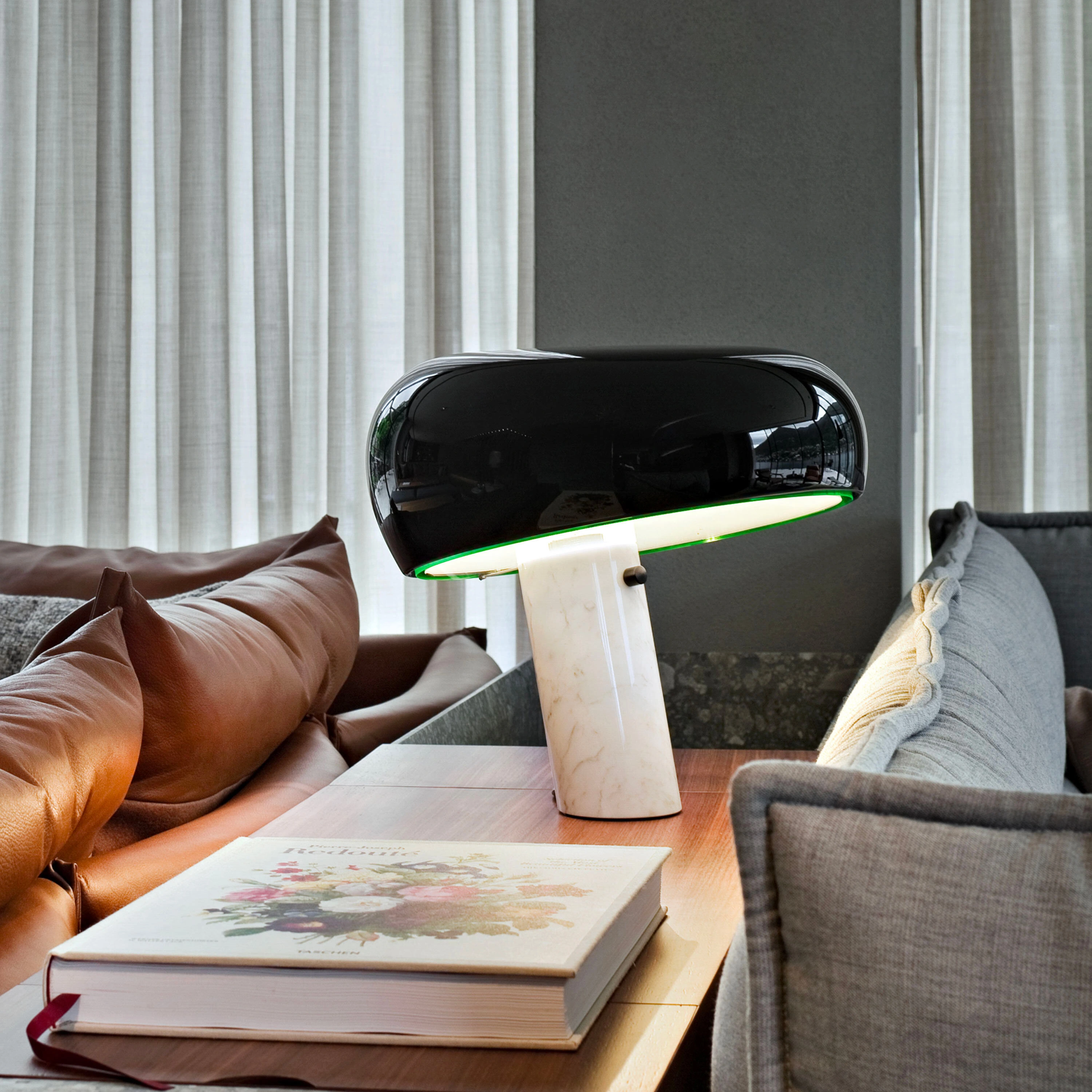
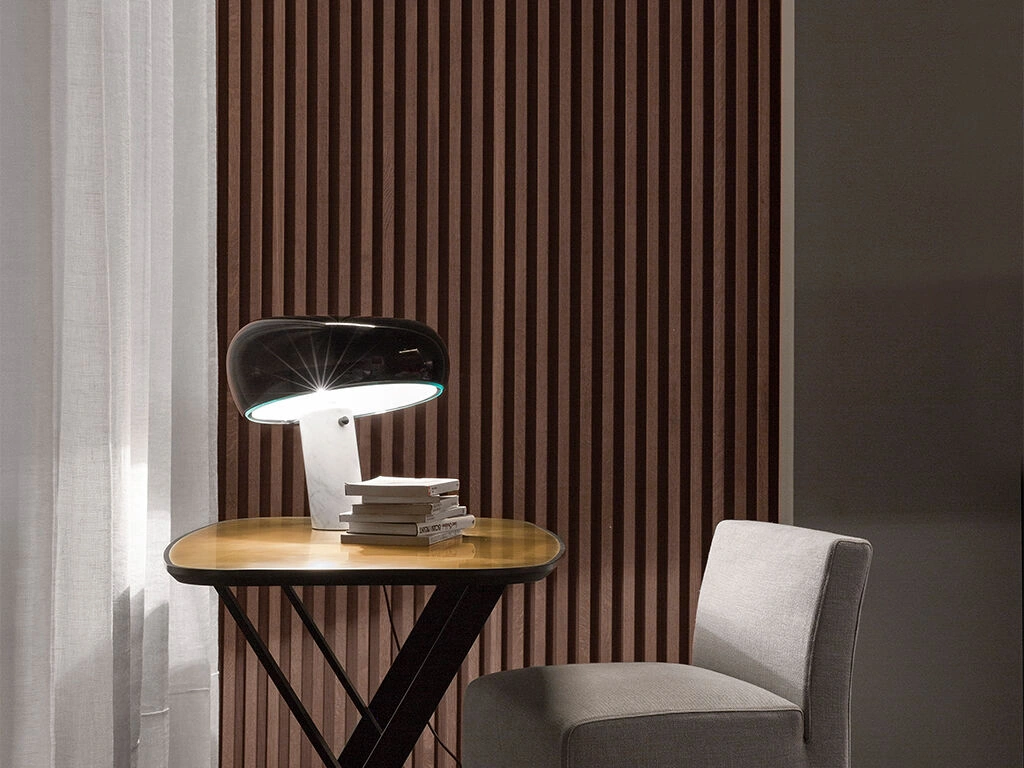
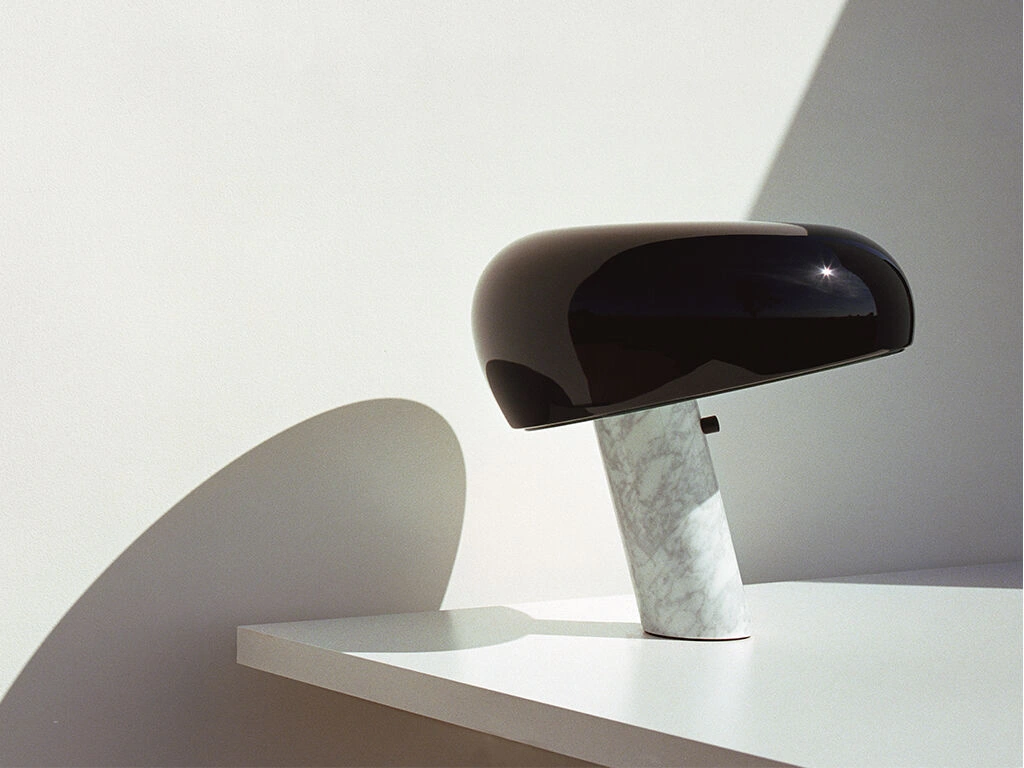
Achille and Pier Giacomo Castiglioni’s table lamp balances an enameled metal shade on a marble base.
Image source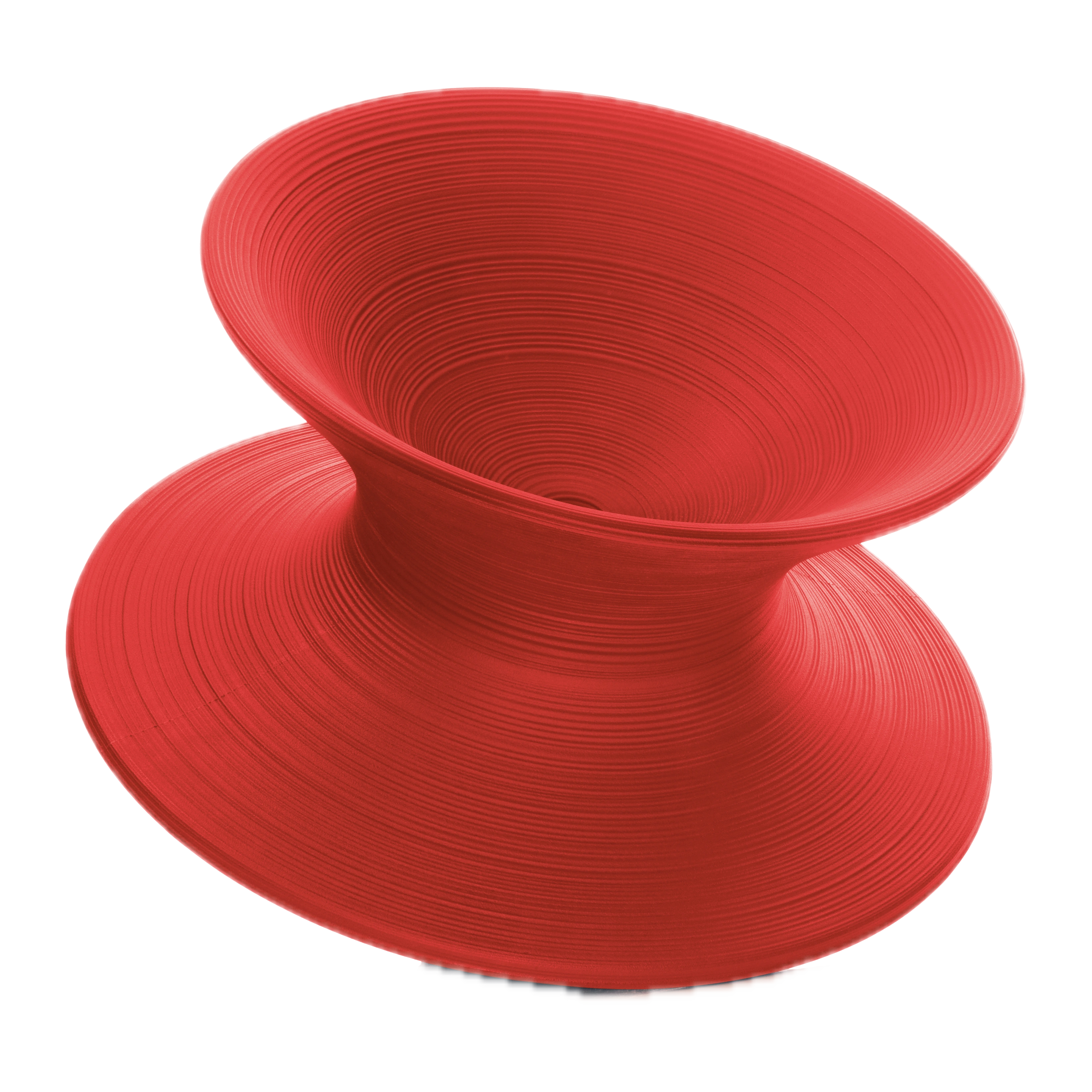
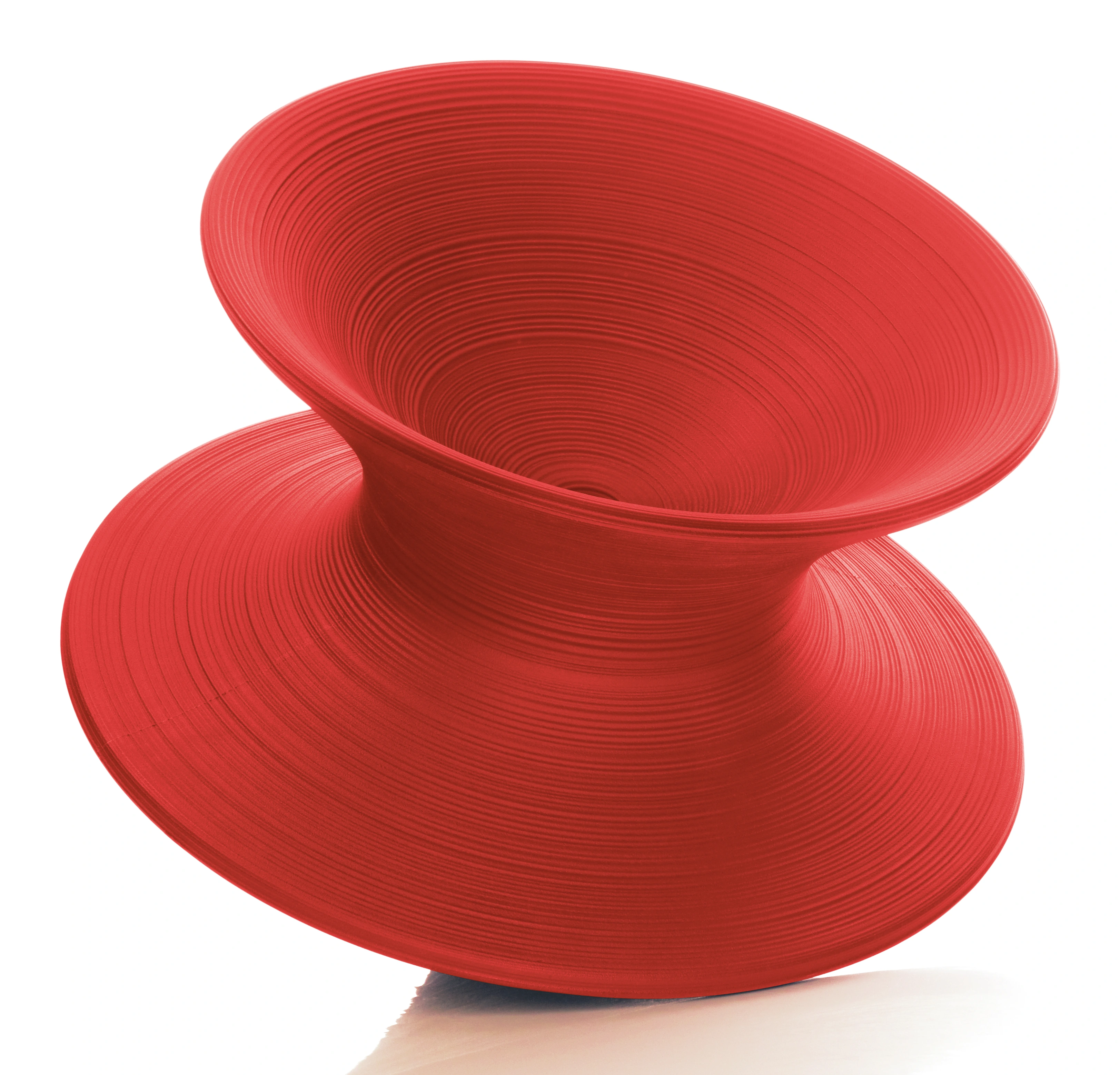
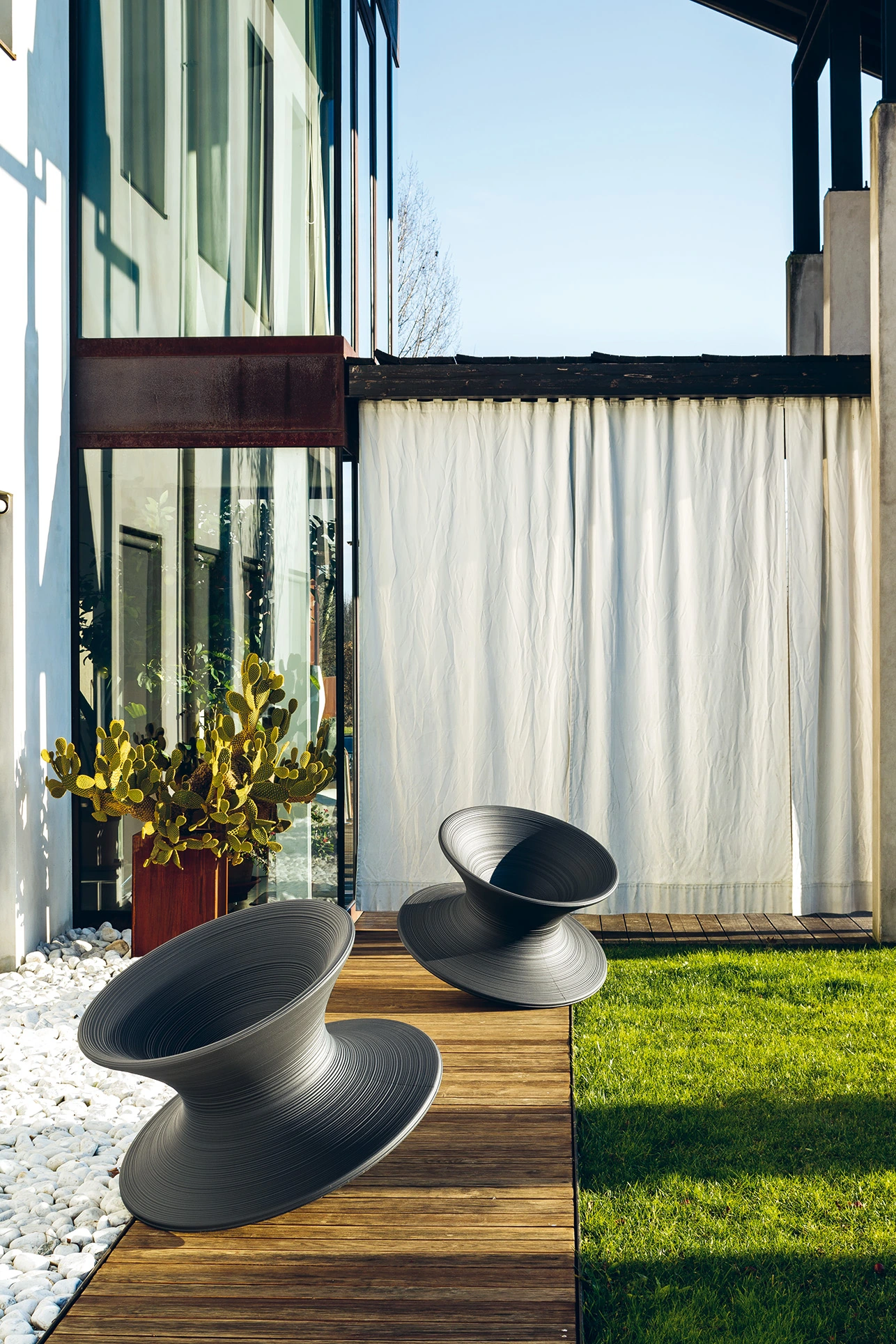
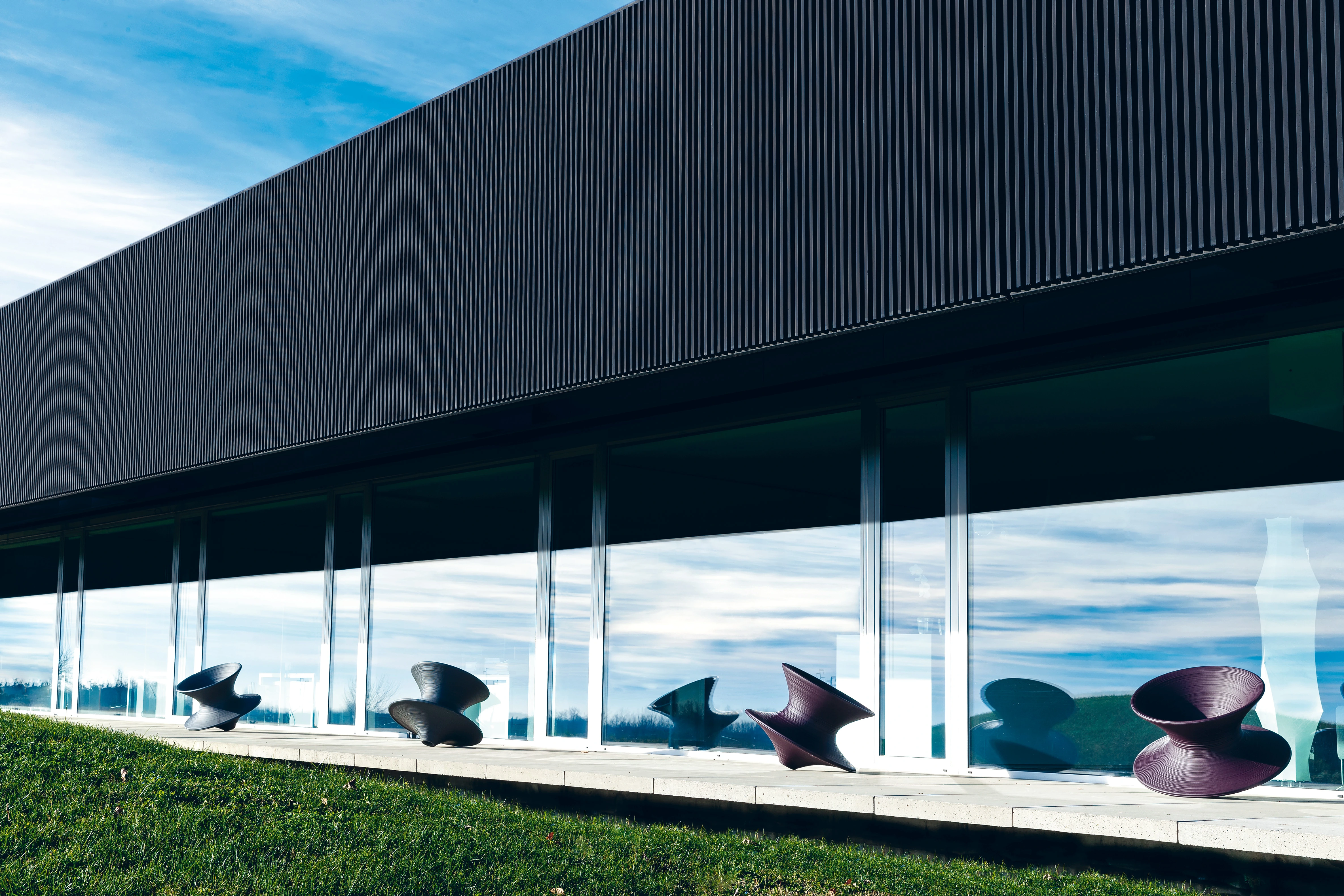
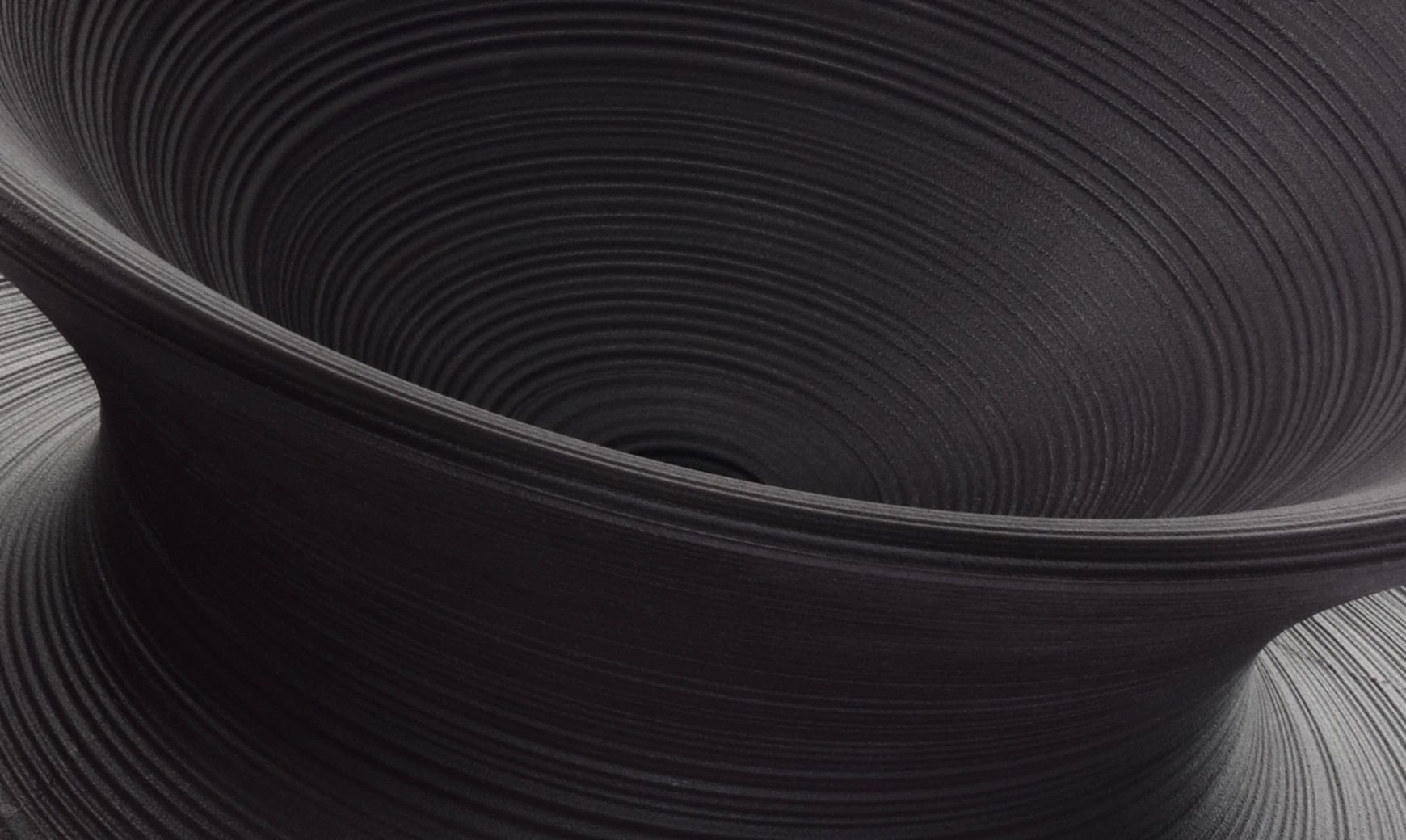
Thomas Heatherwick’s molded chair rocks and rotates like a spinning top when you sit in it.
Image source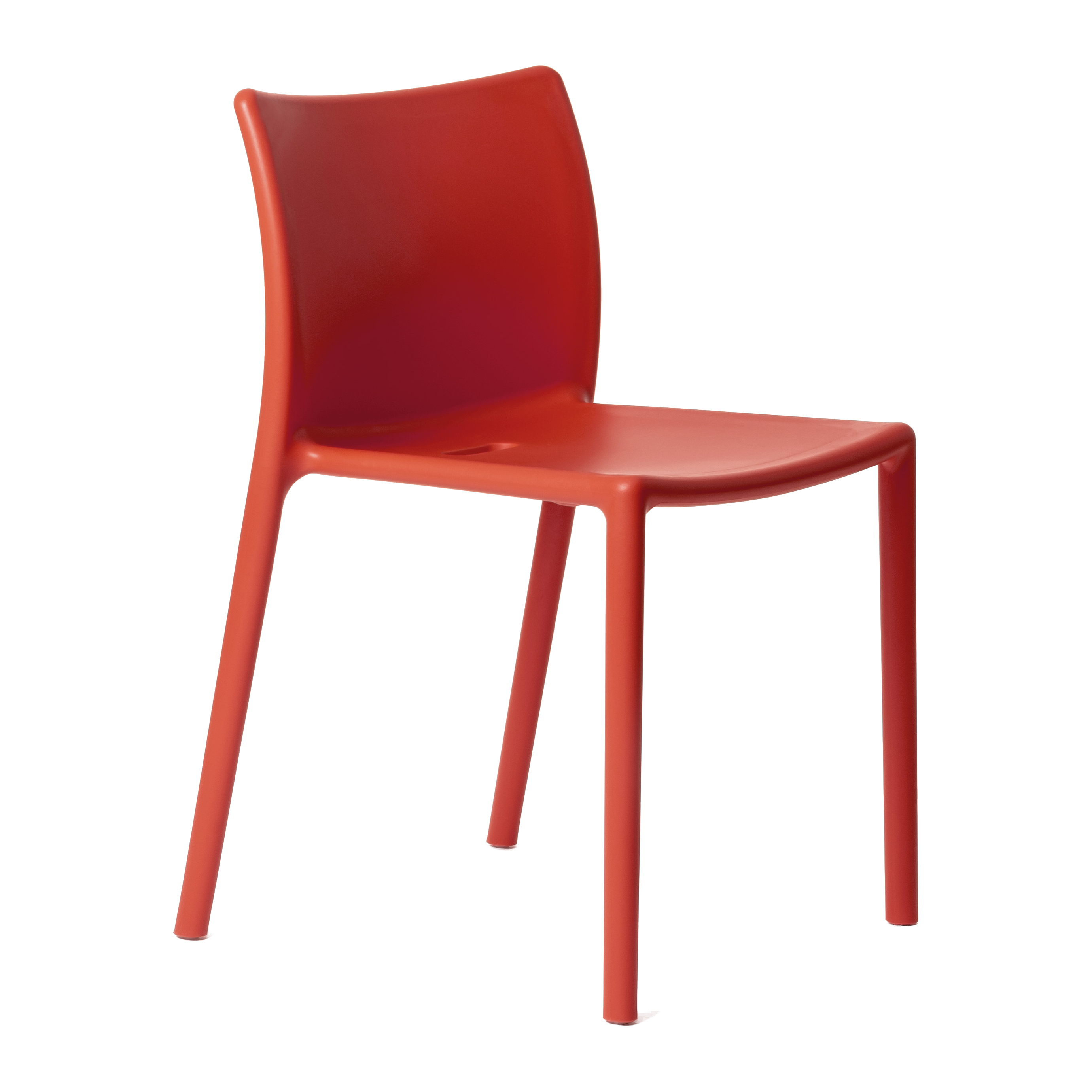
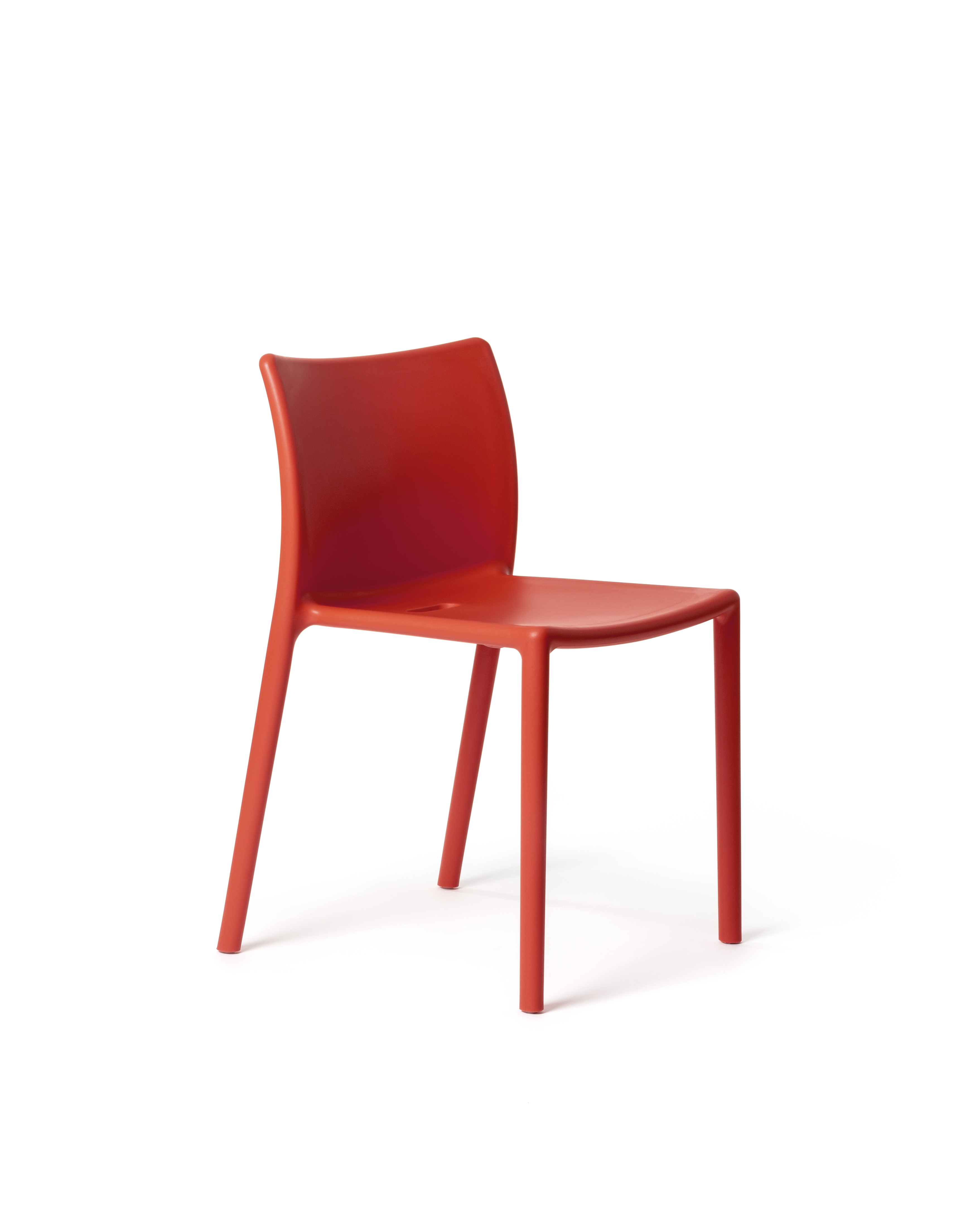
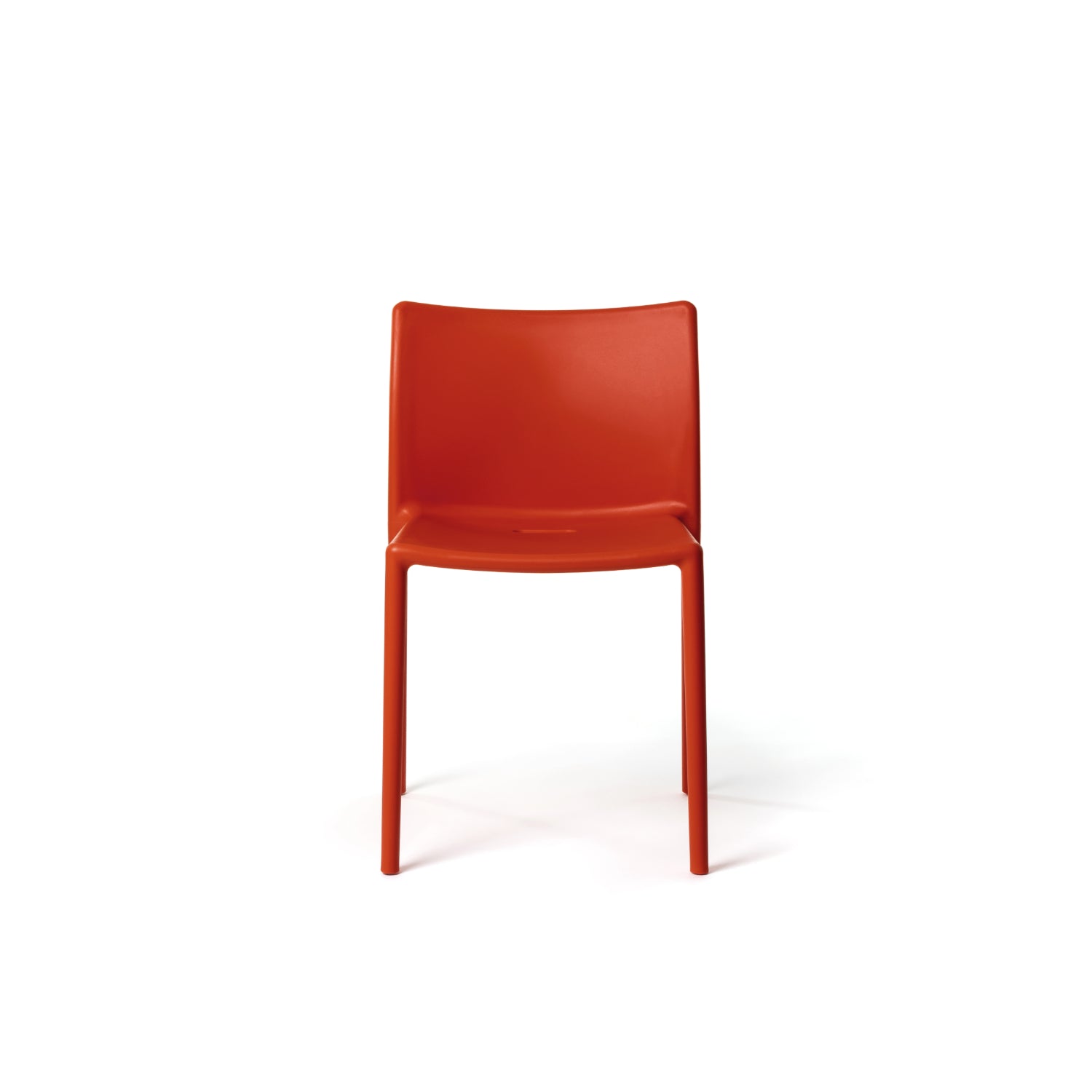
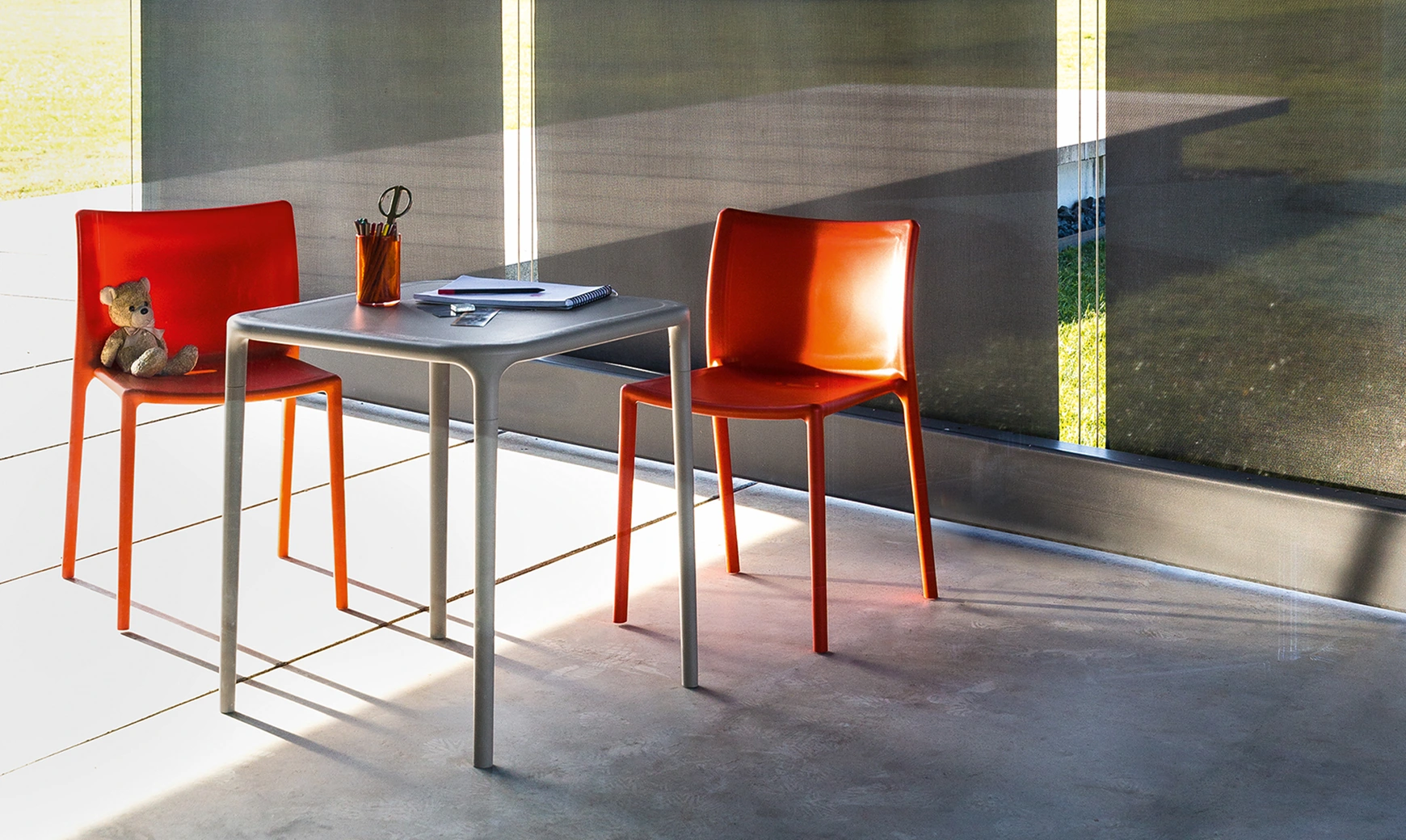
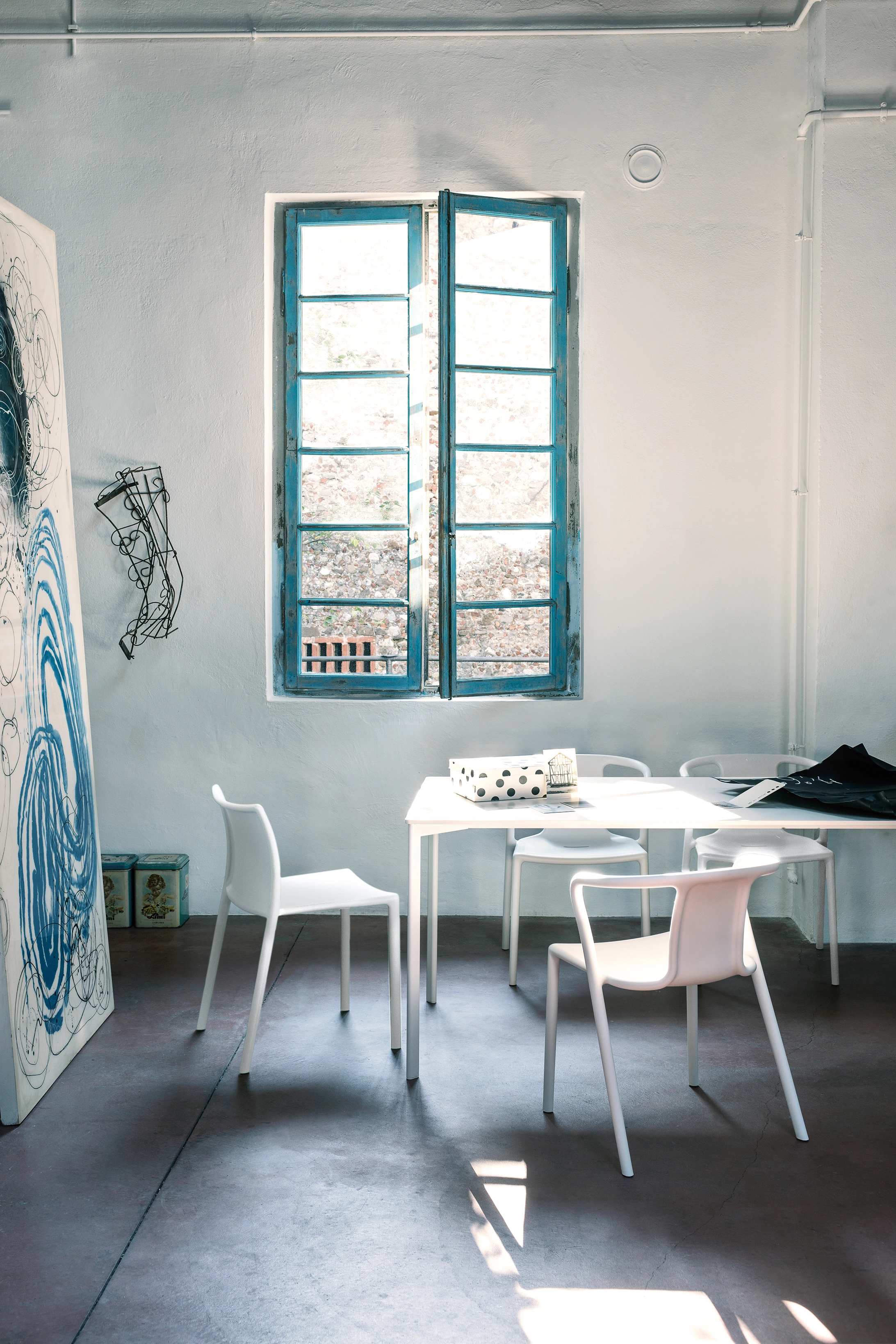
Jasper Morrison’s lightweight, stackable chair, made with air-molding technology.
Image source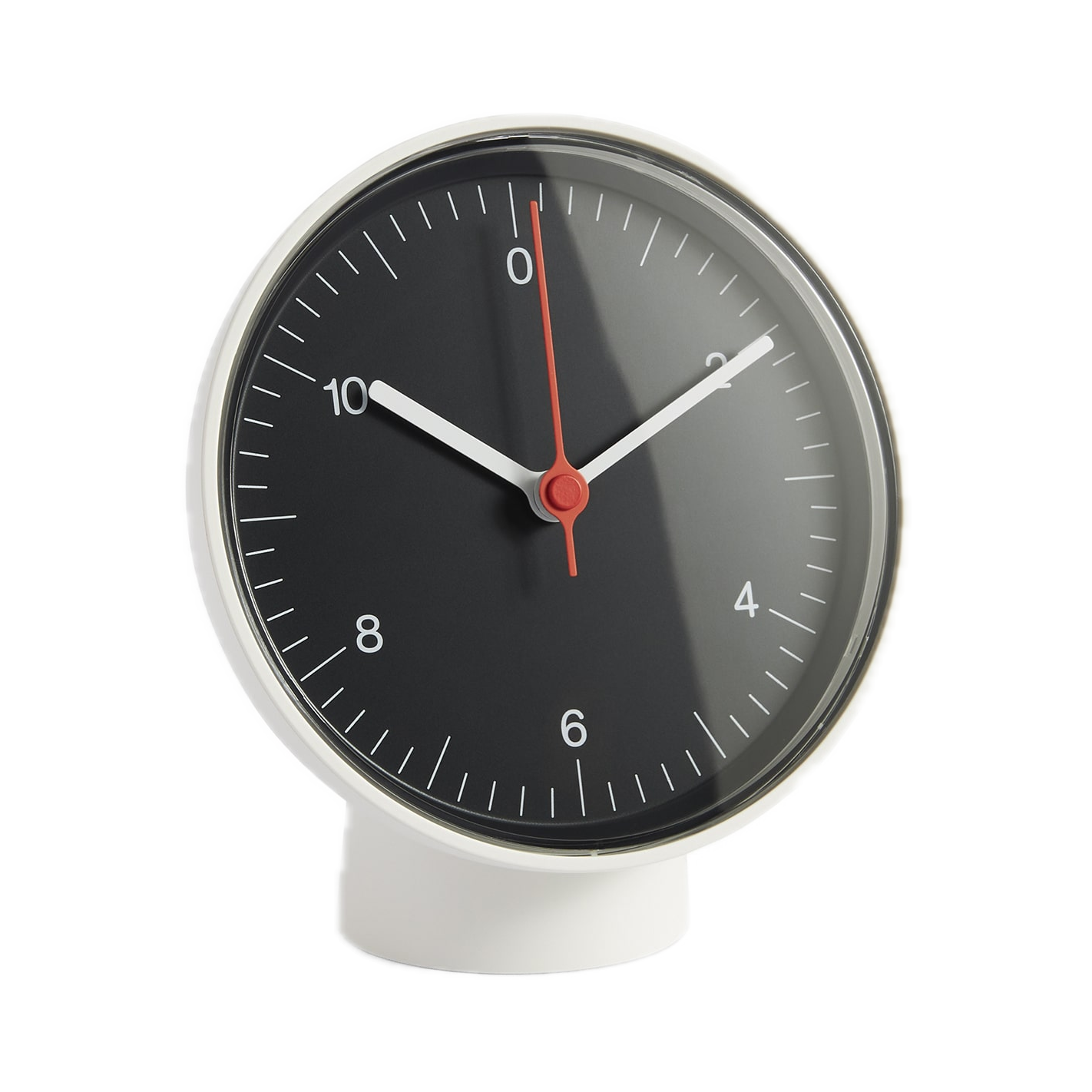
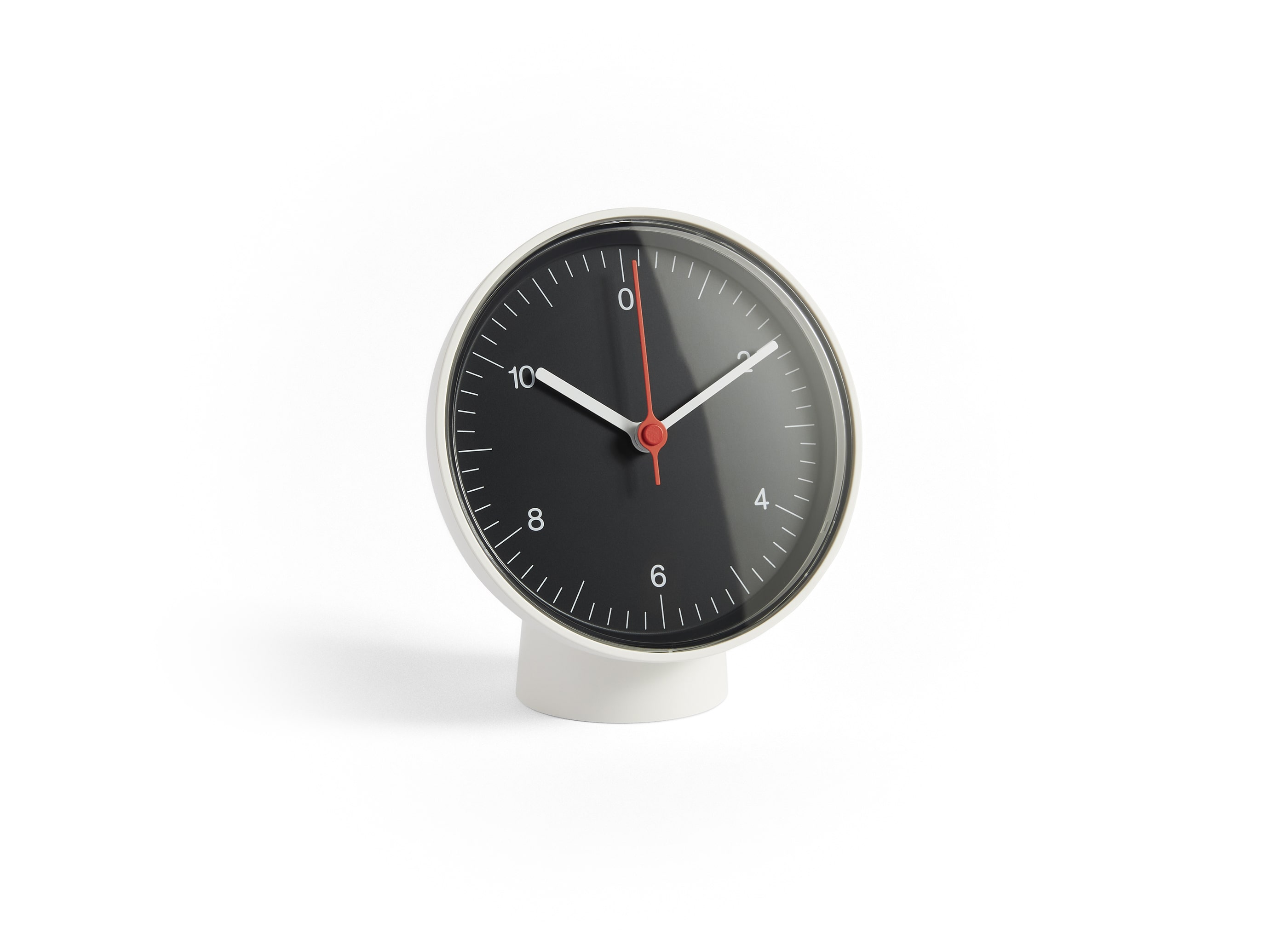
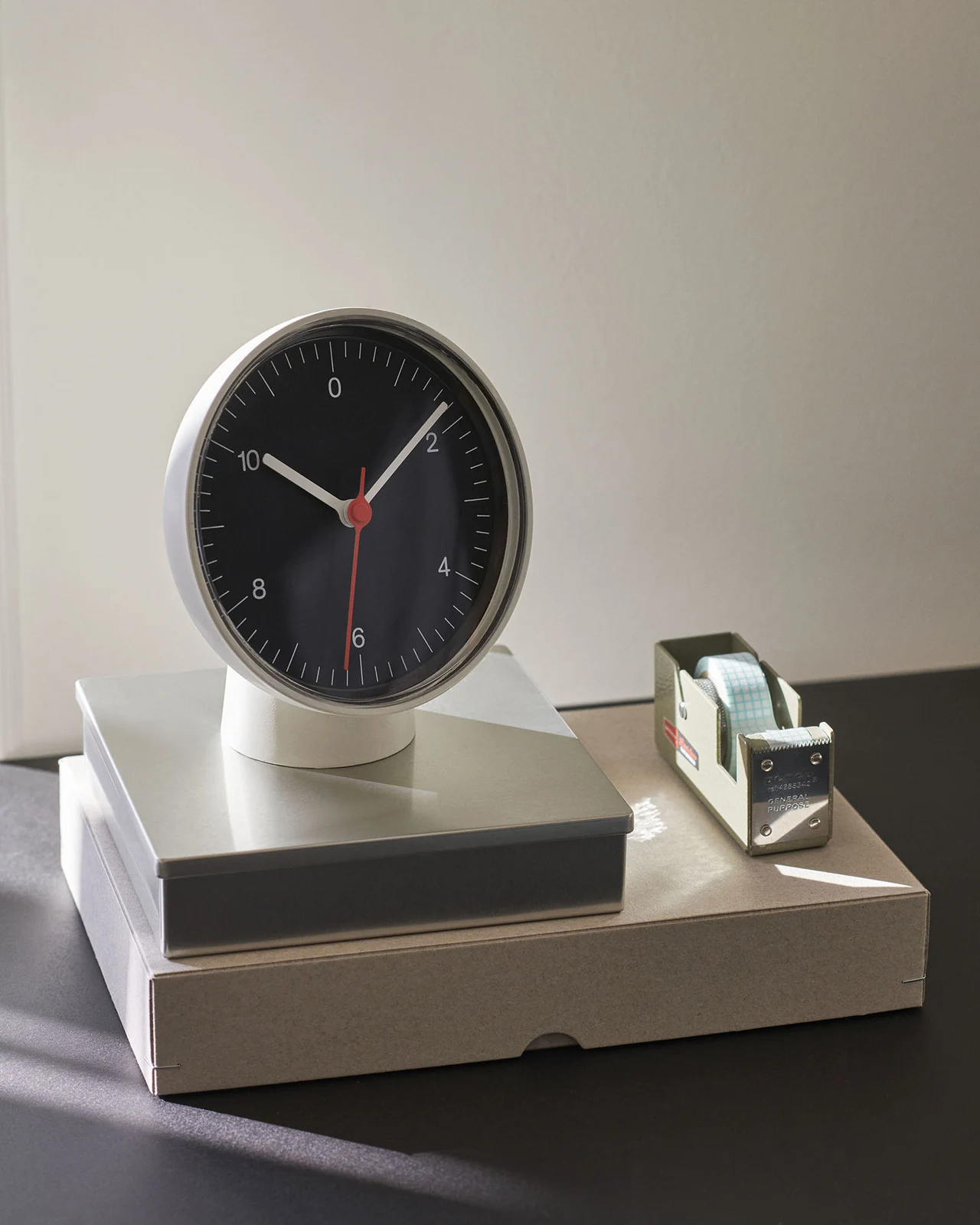
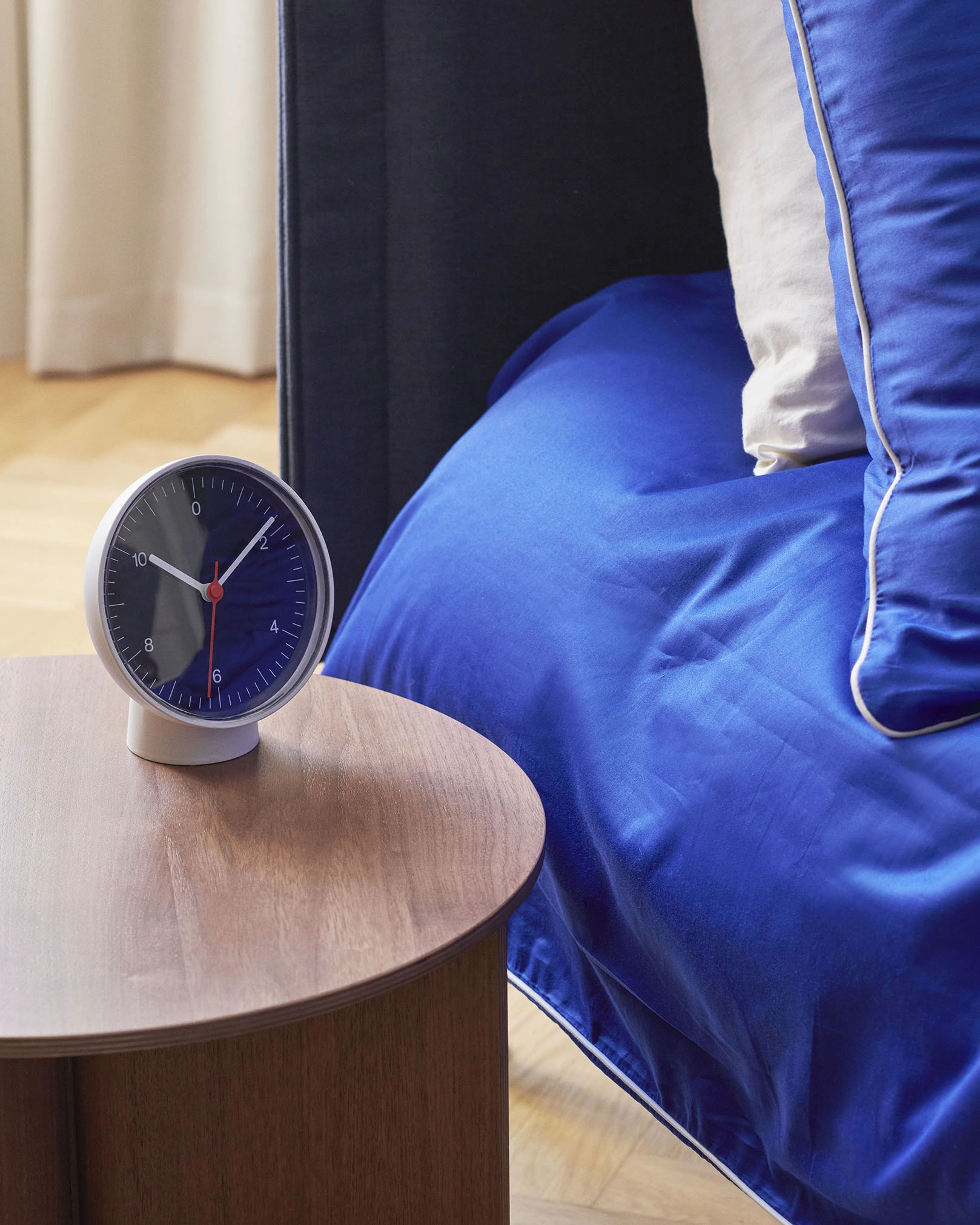
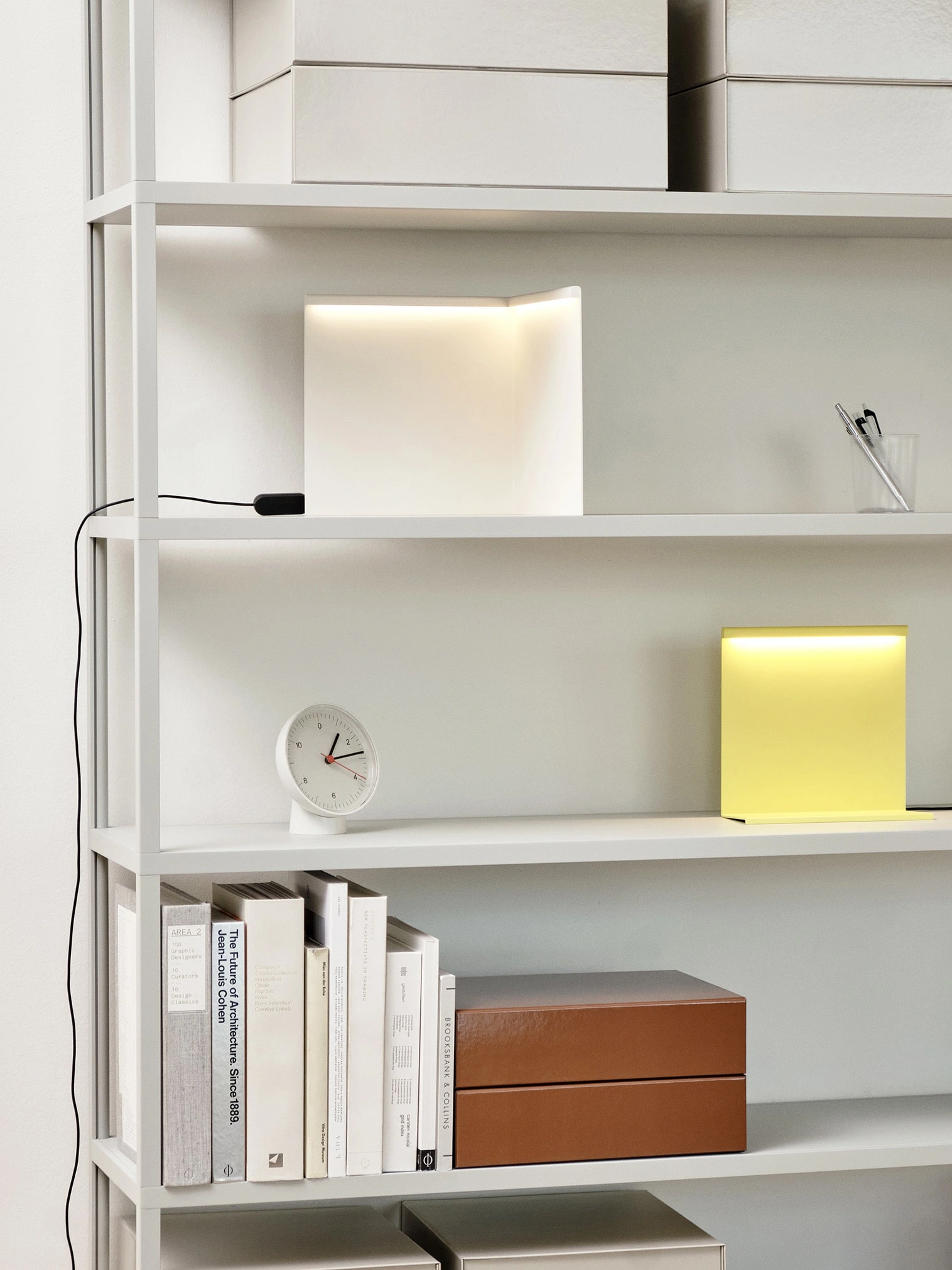
Jasper Morrison’s clear, quiet clock has a removable stand for use on a table or wall.
Image source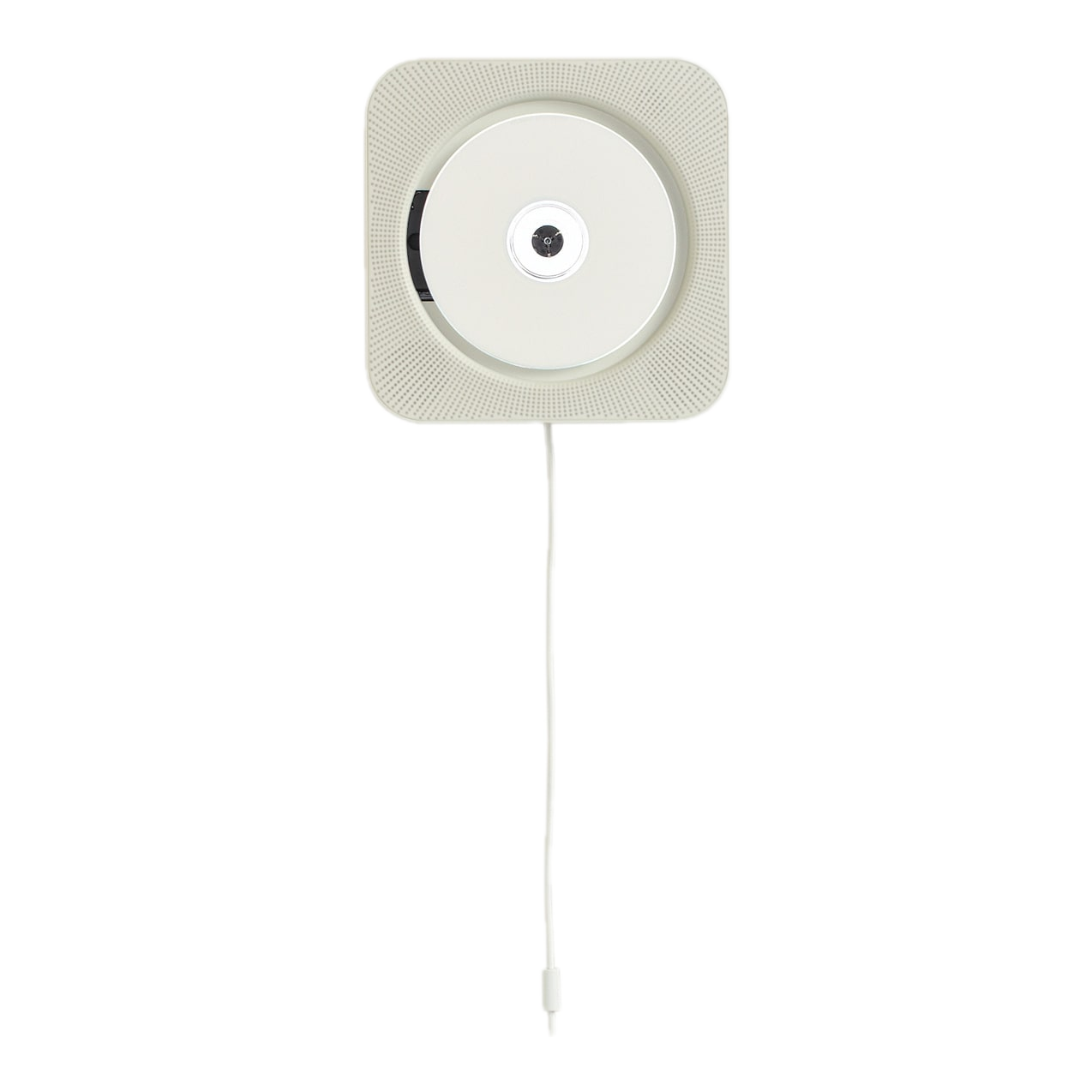
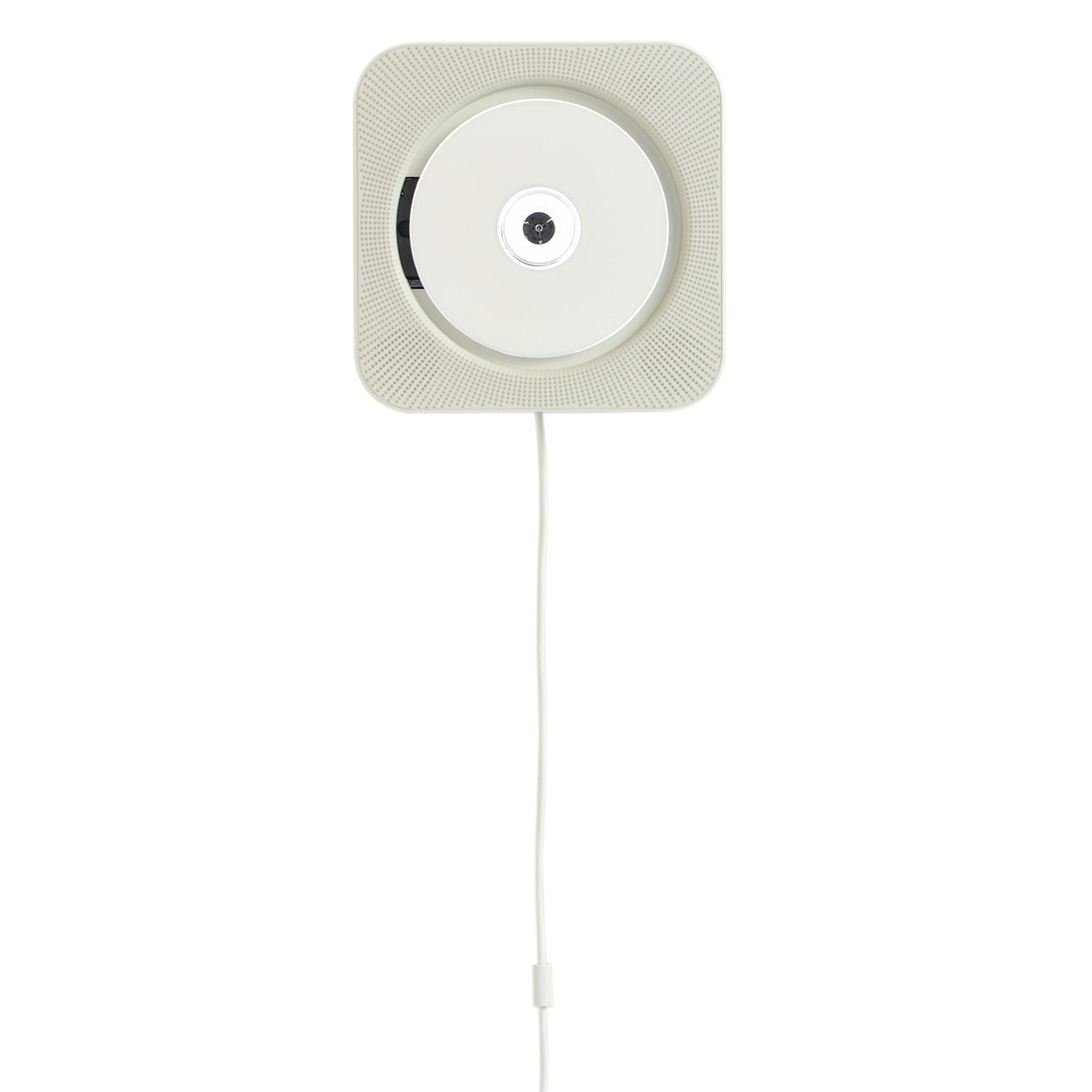
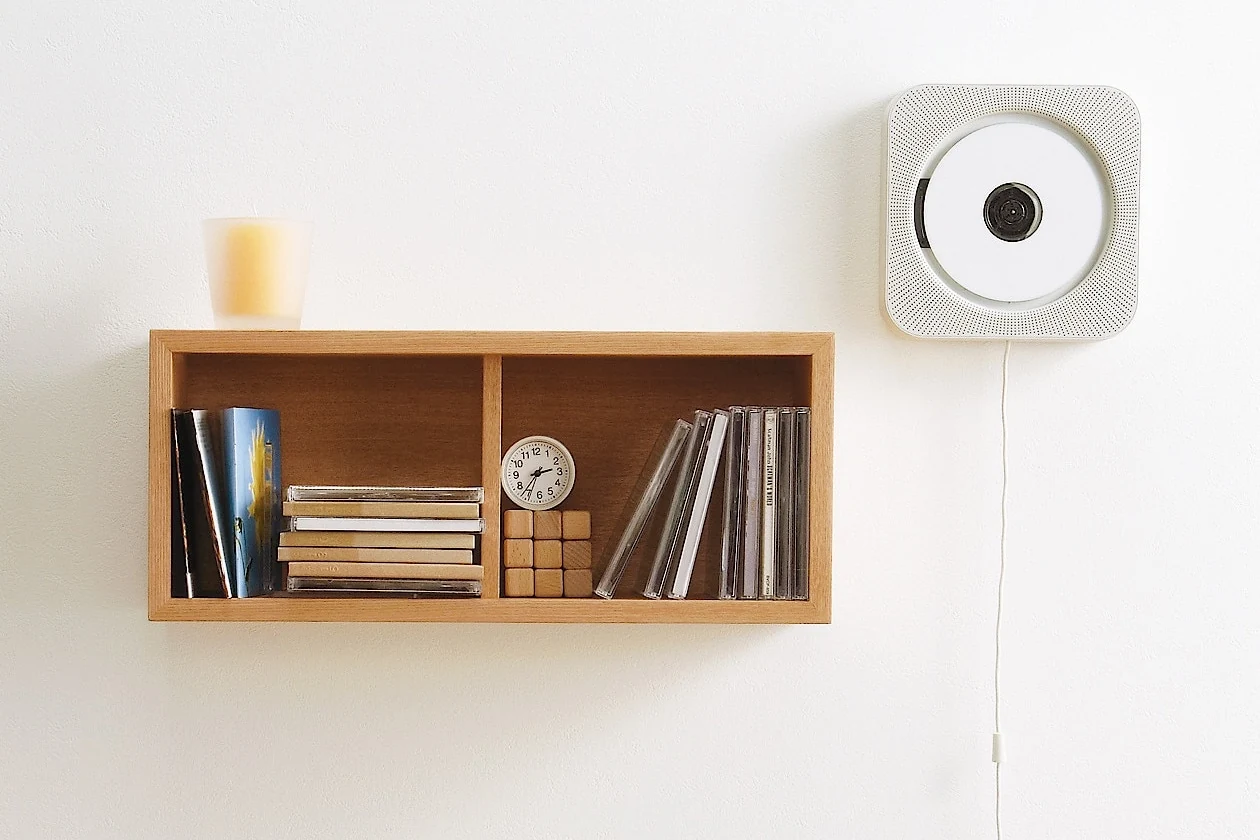
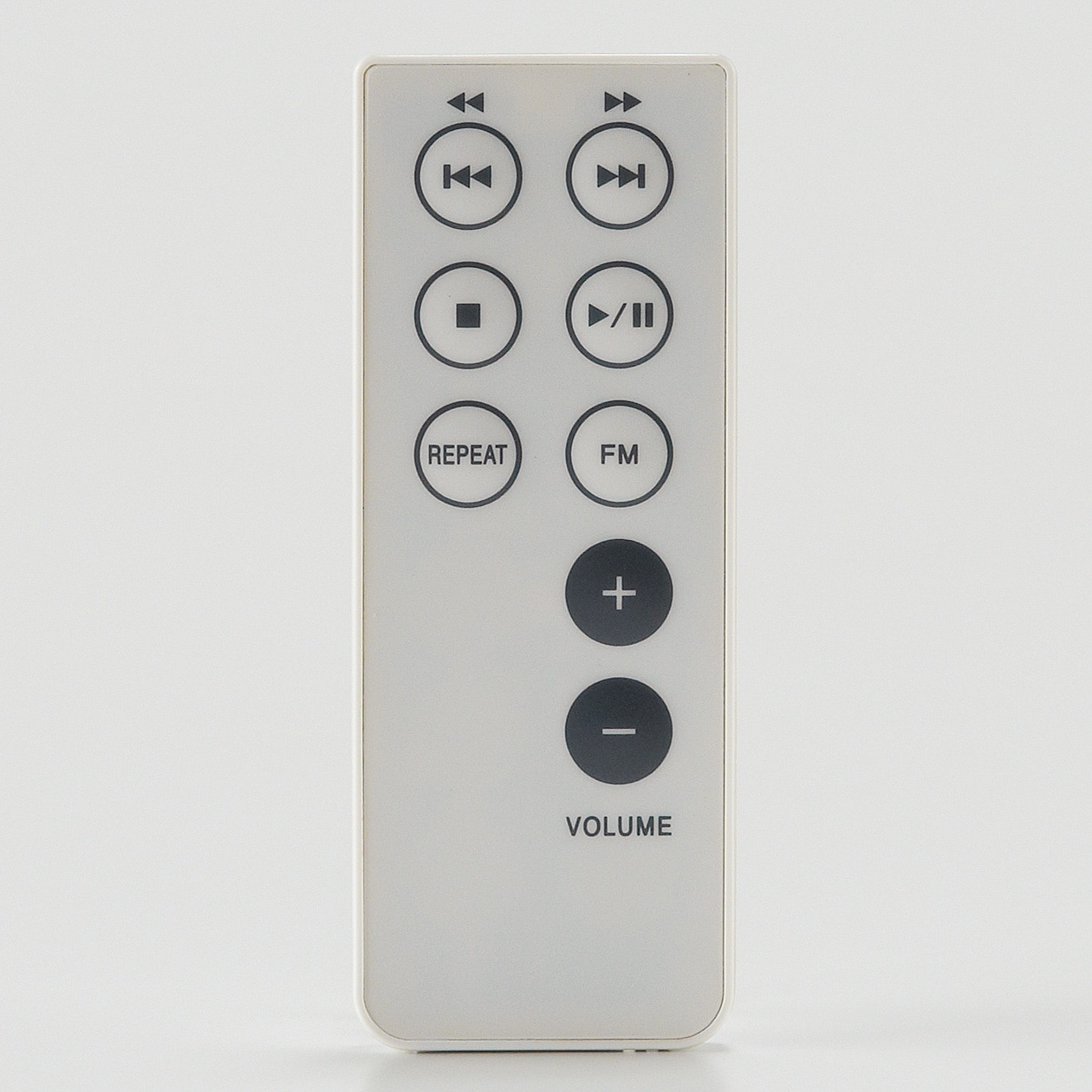
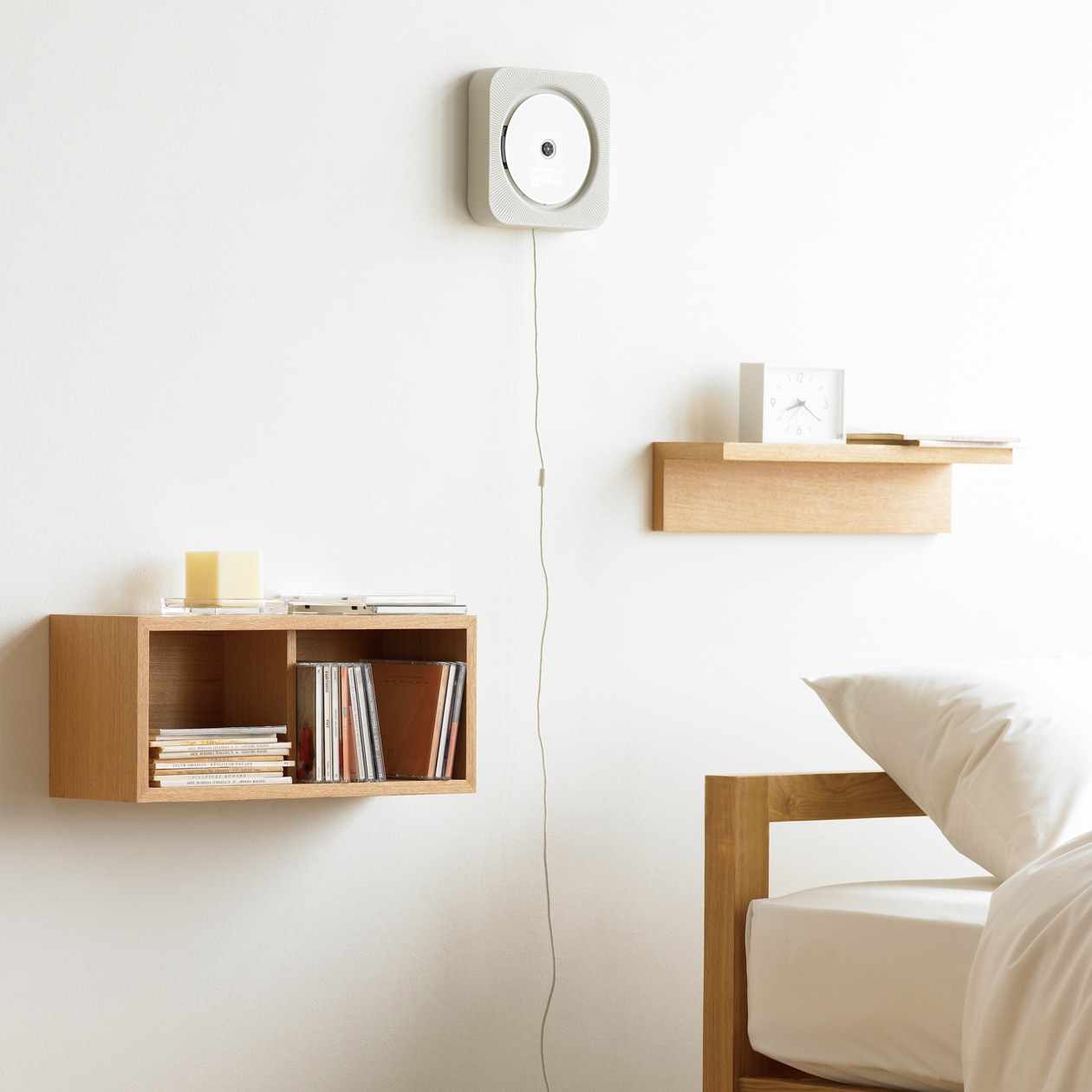
A wall-mounted CD player with an exposed disc and built-in speakers. Pull the power cord to start or stop it.
Image source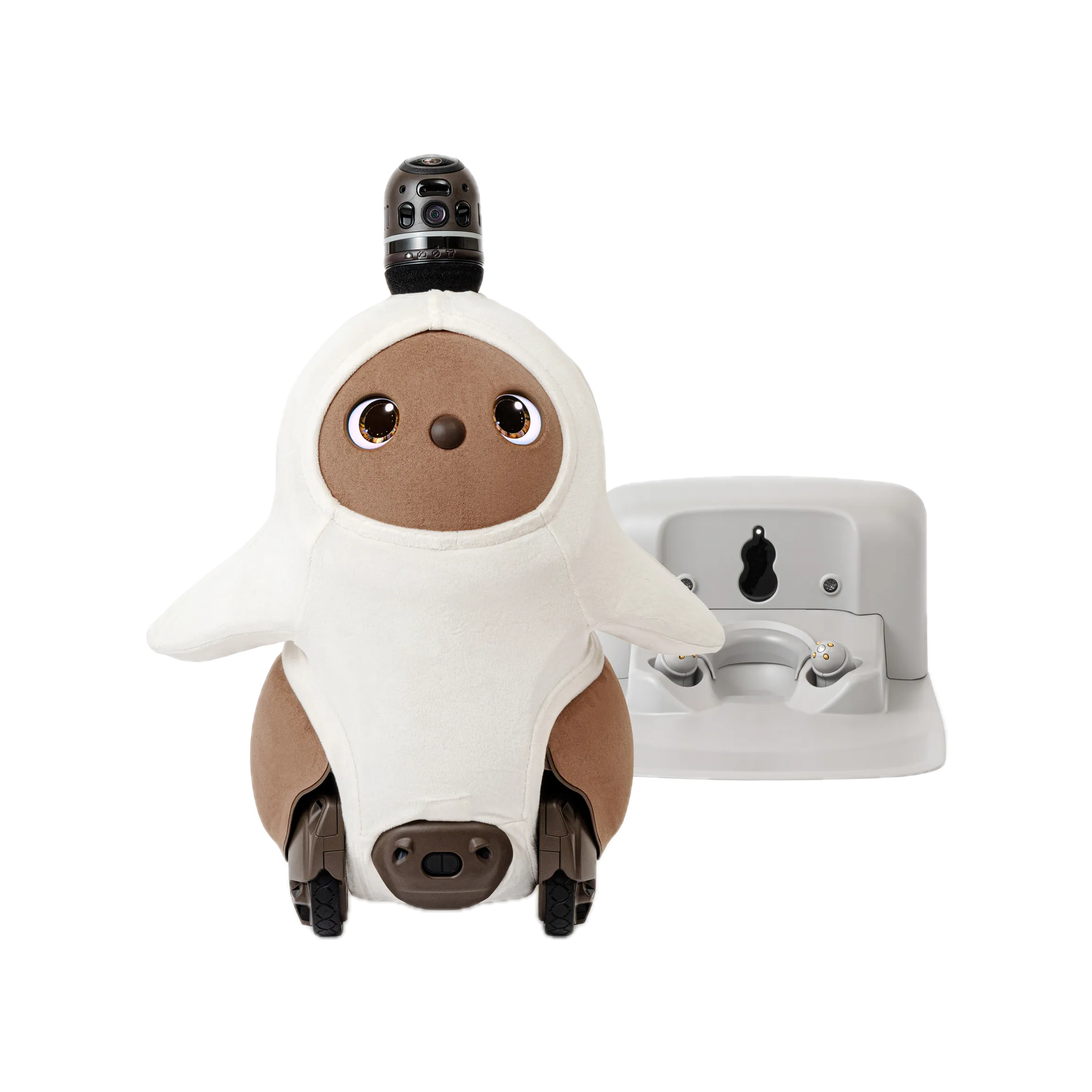
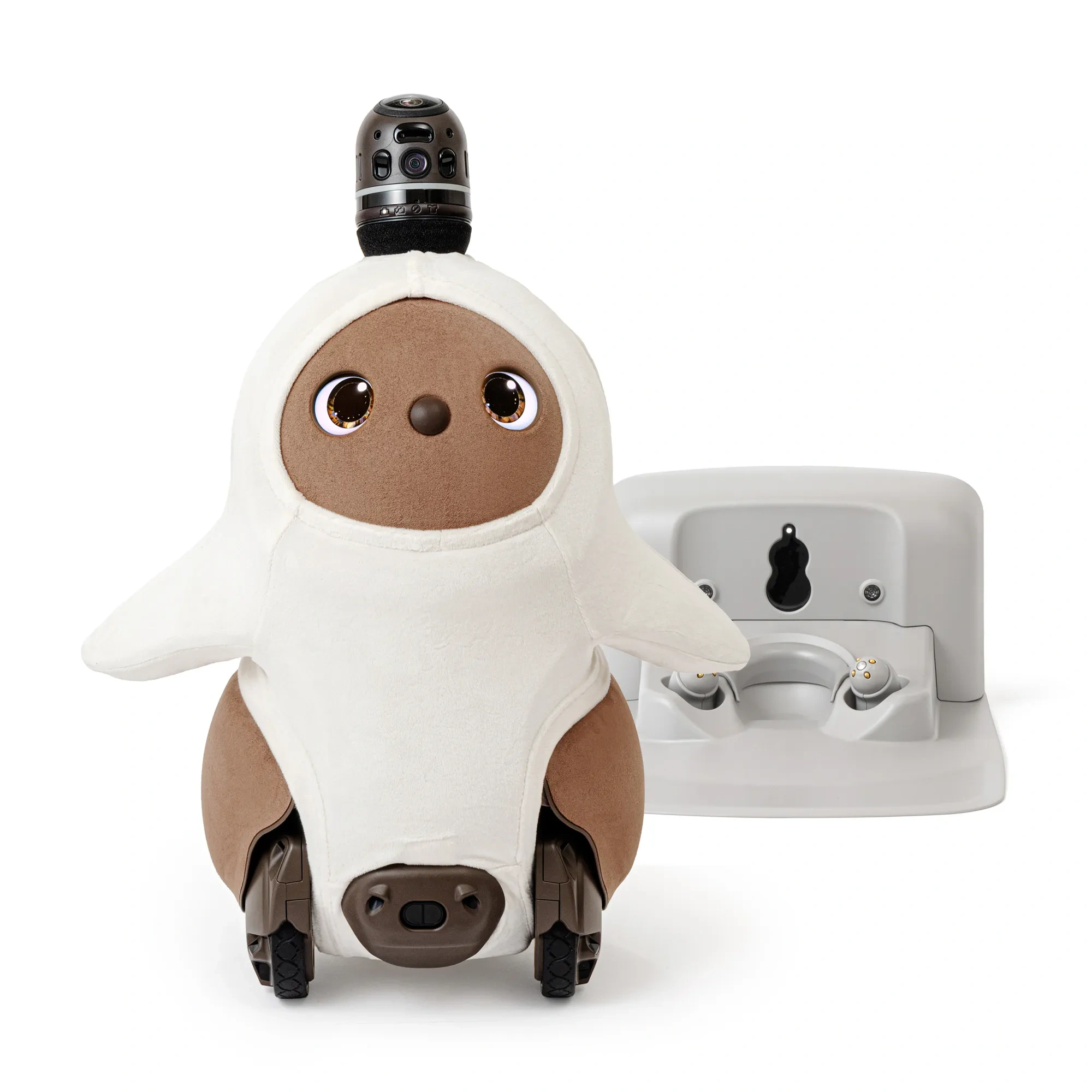


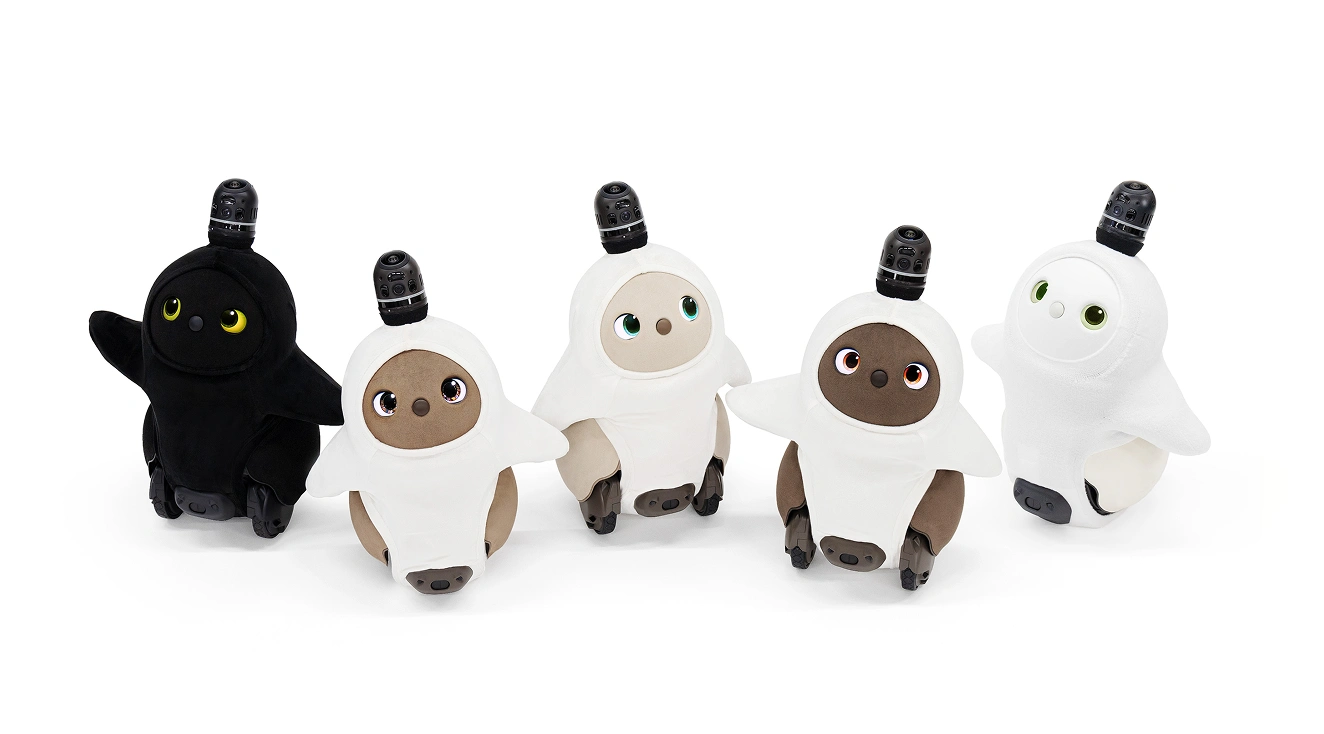
A warm companion robot that moves around the home and responds to touch and attention.
Image source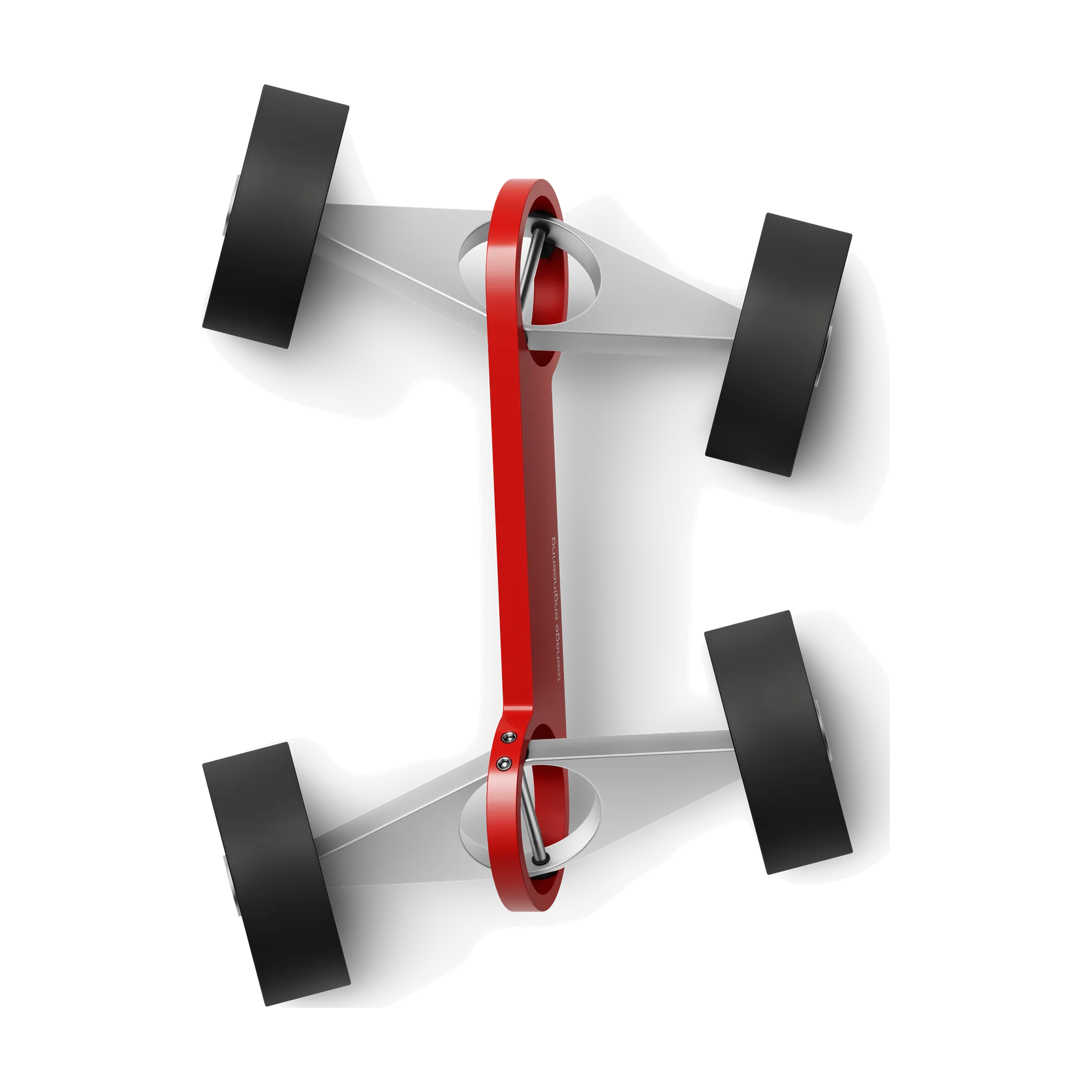
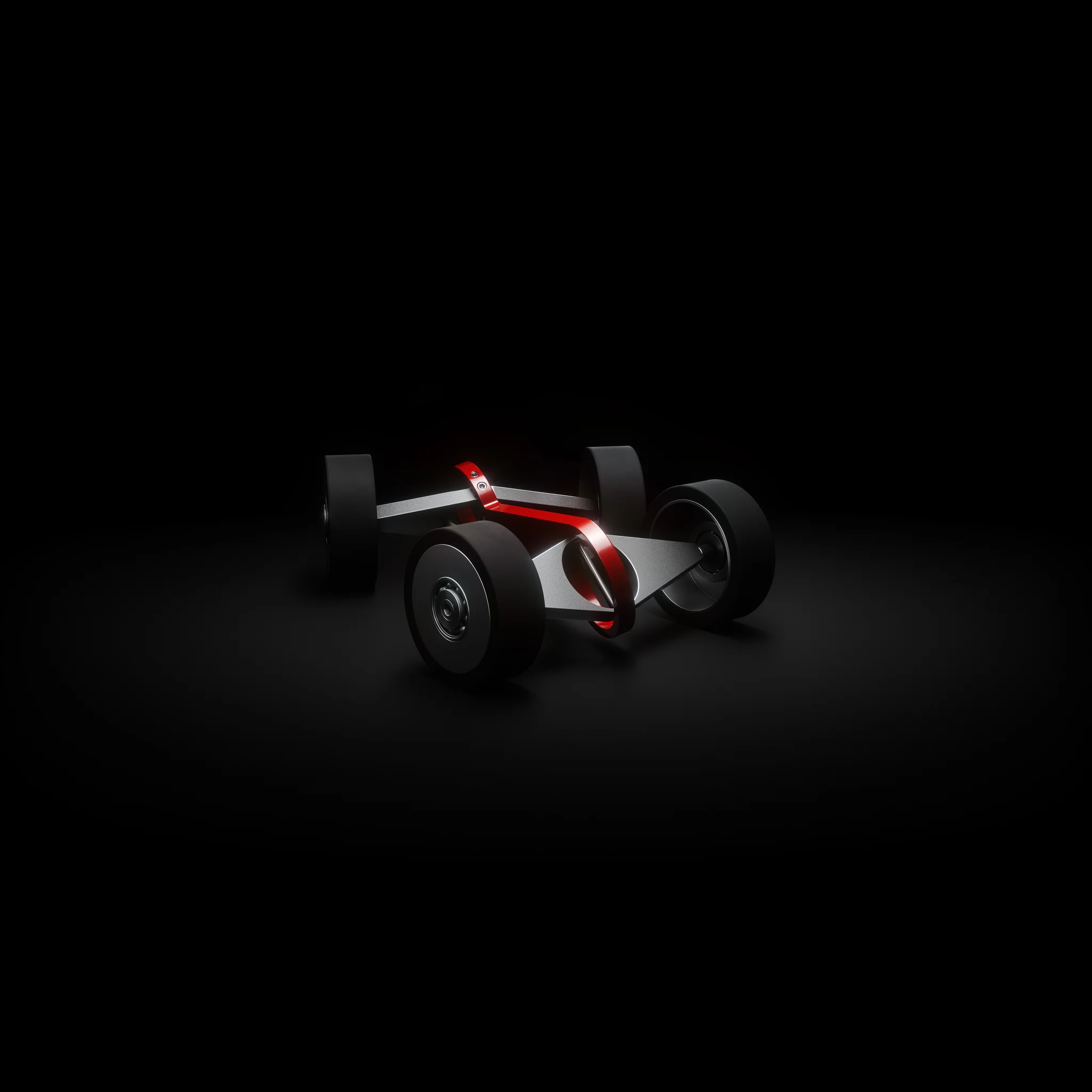
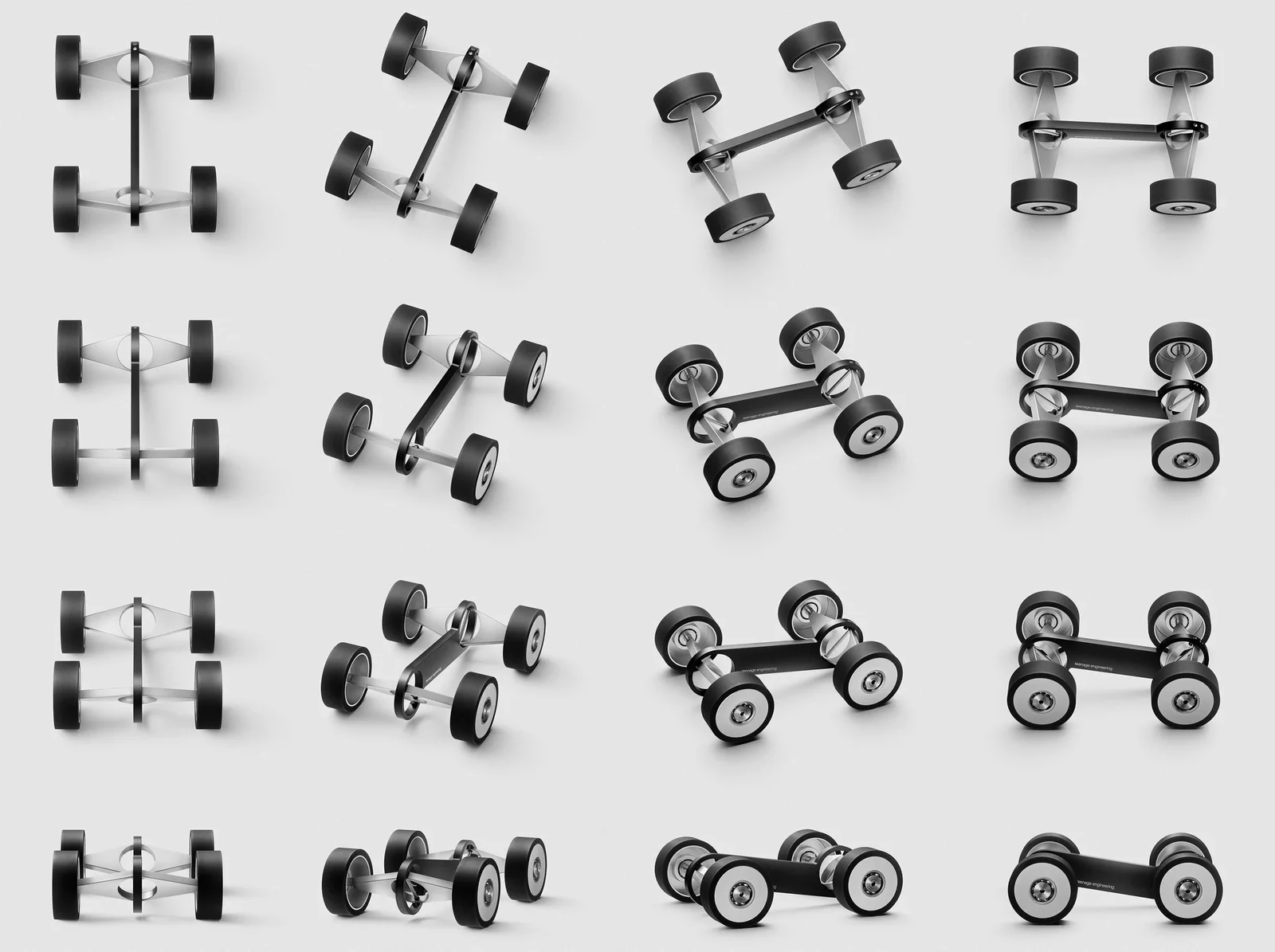
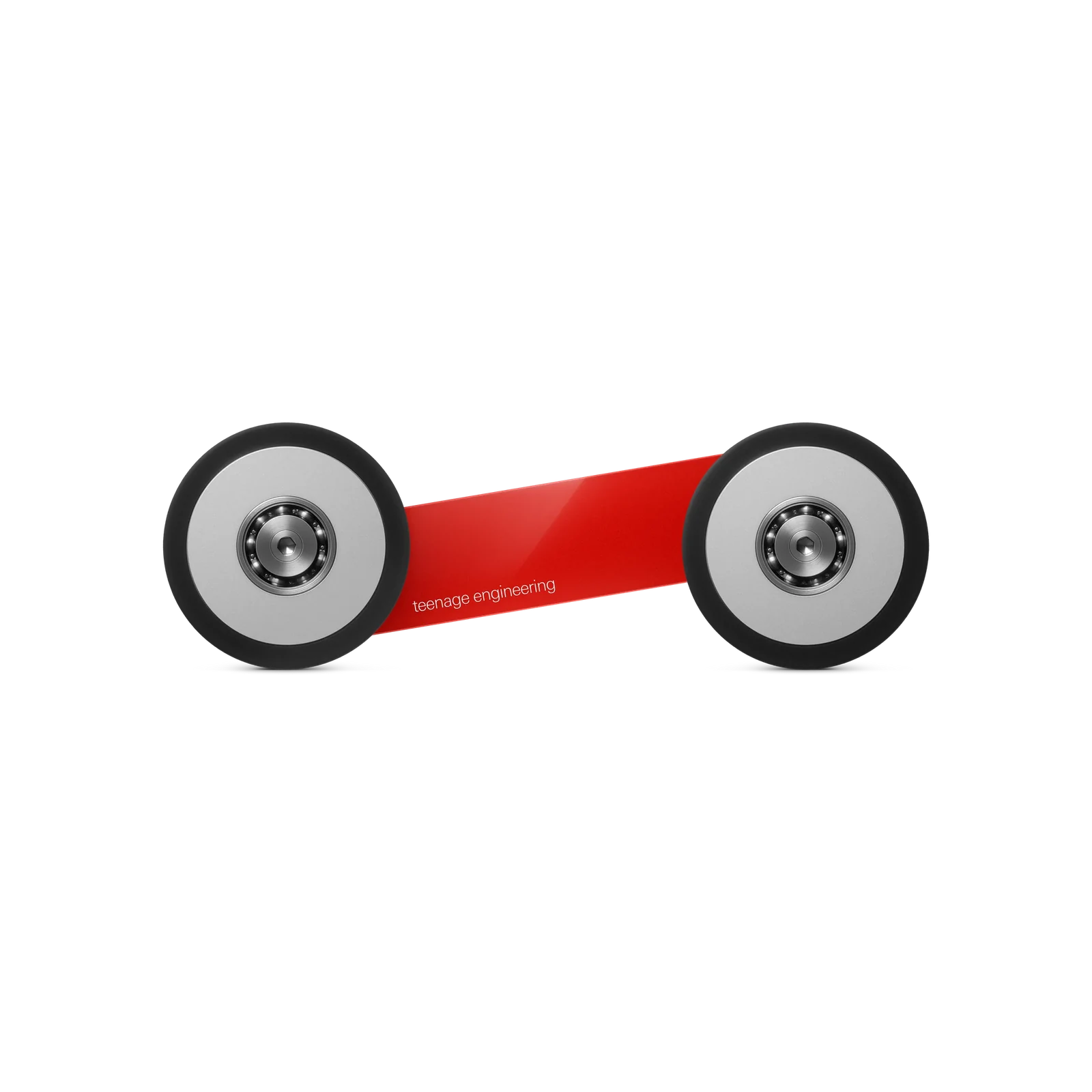
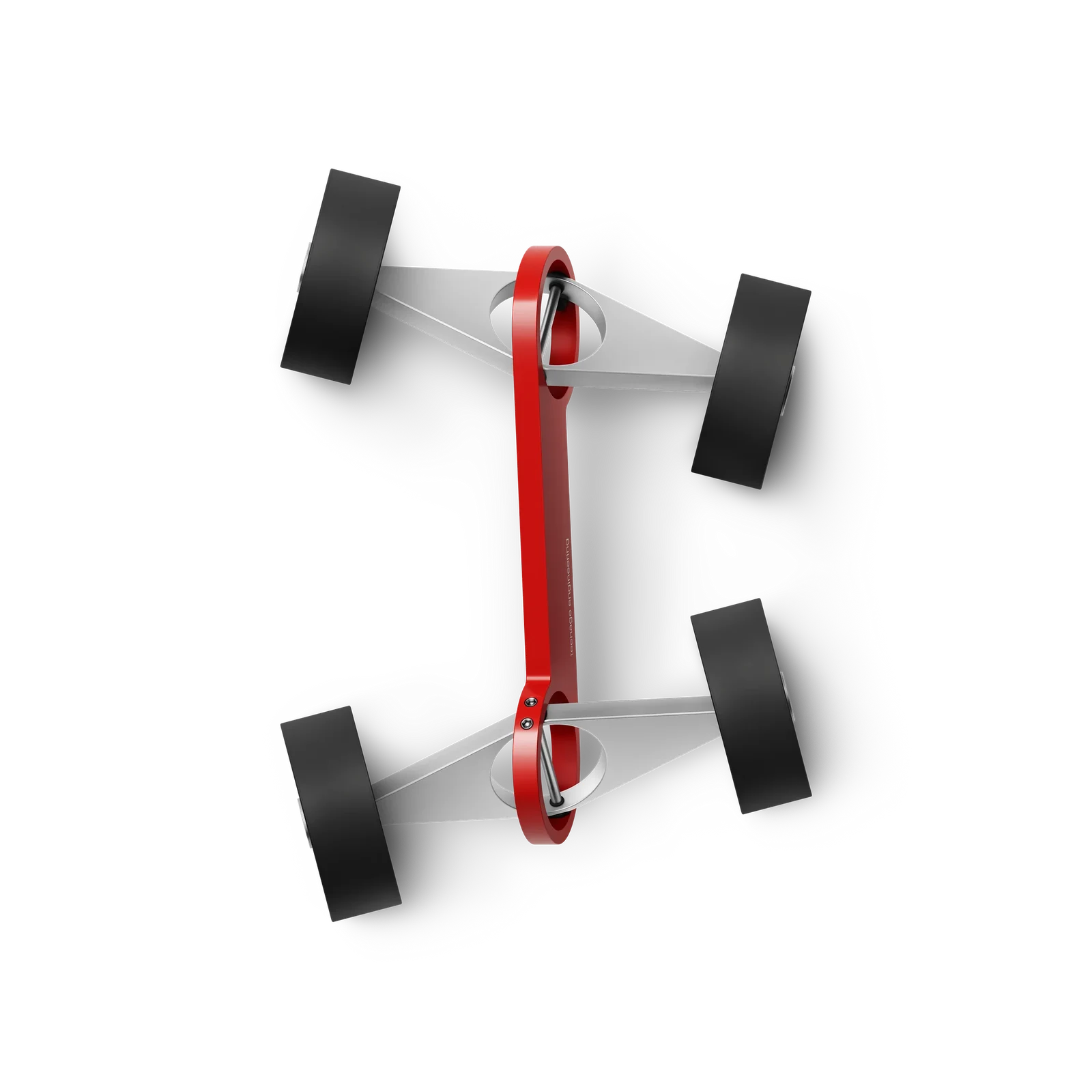
Anders Hermansen’s aluminum toy car, with a sculptural grip and rubber wheels on ball bearings.
Image source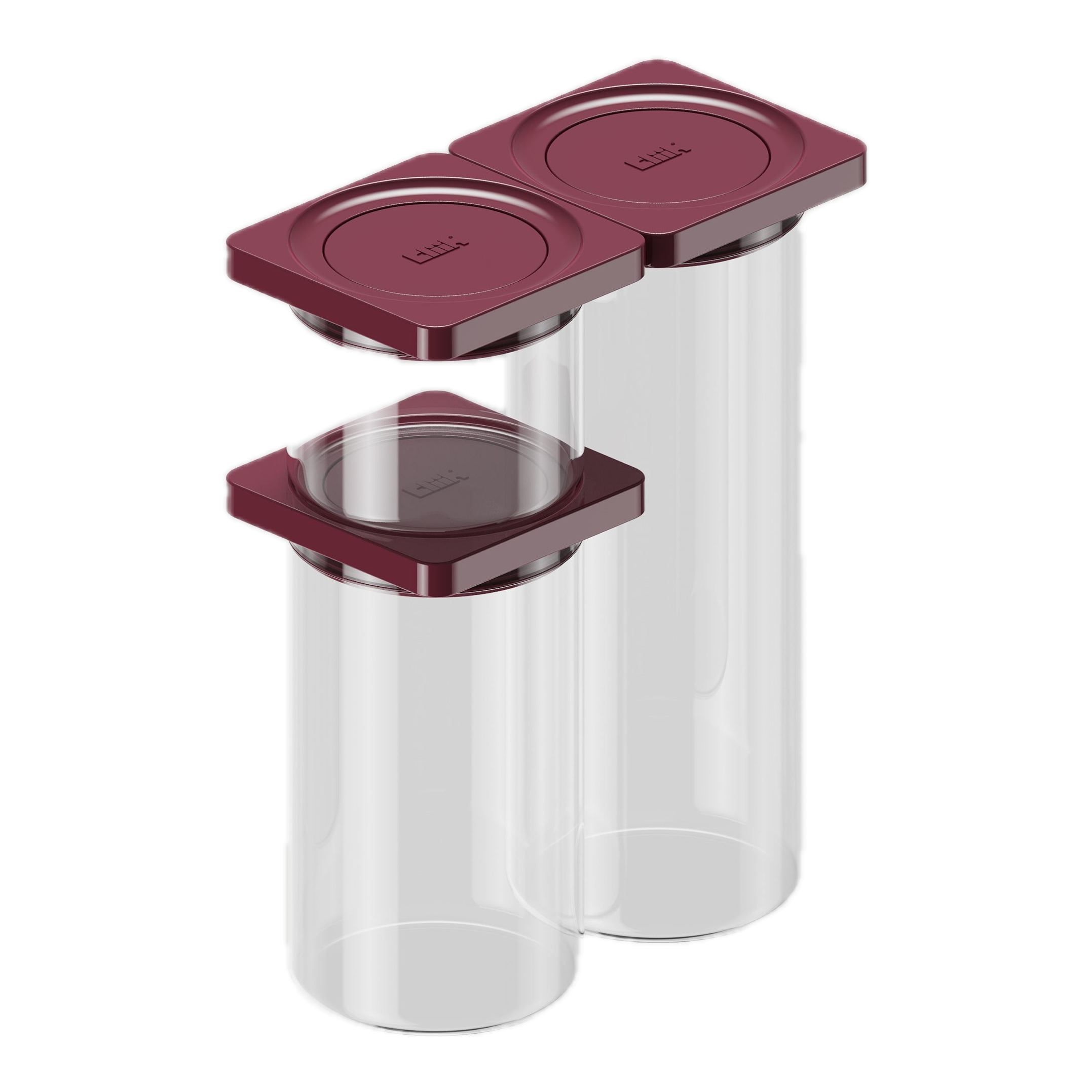
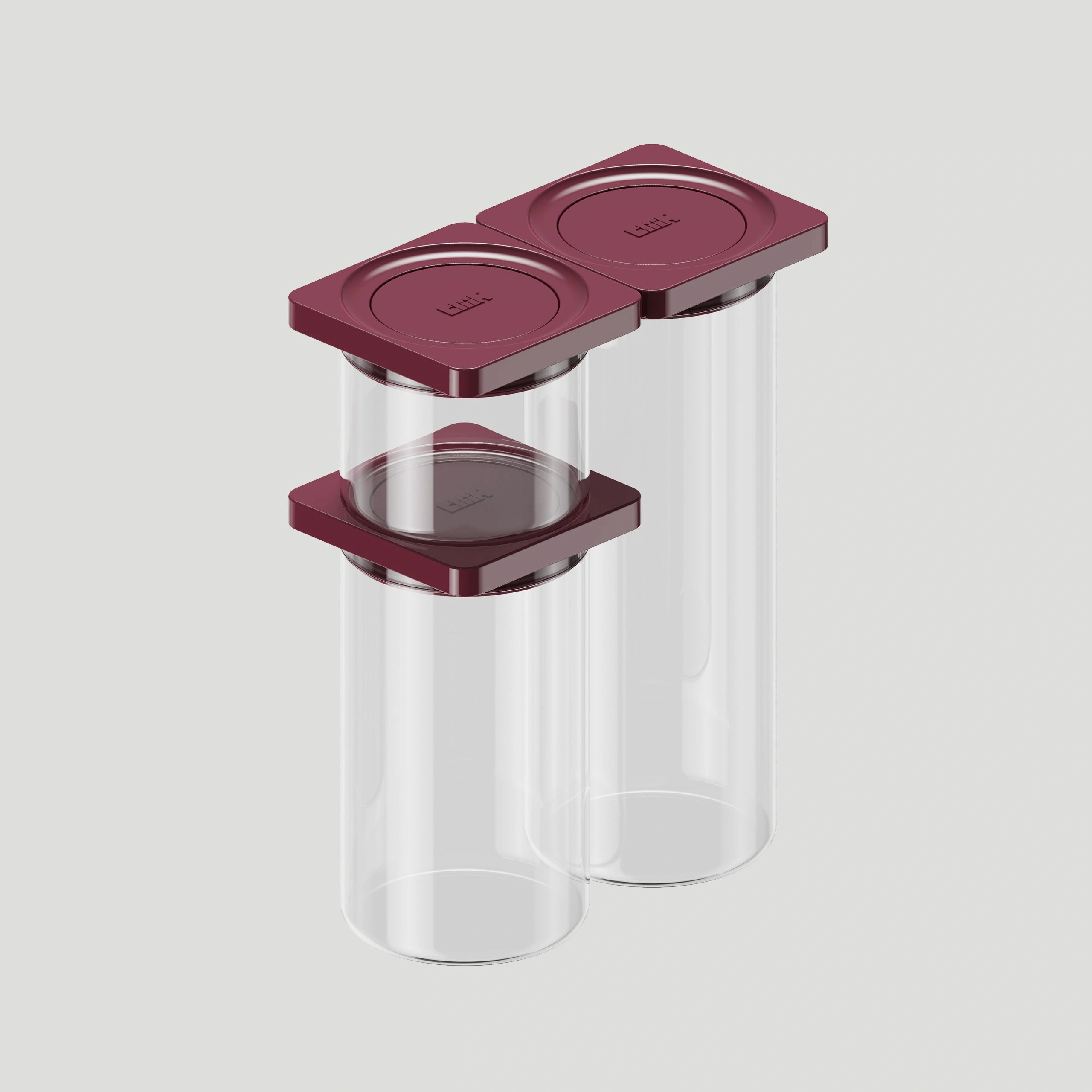
Three glass pantry jars with press-to-lock lids and magnets that connect them side by side. A little order for the everyday essentials.
Image source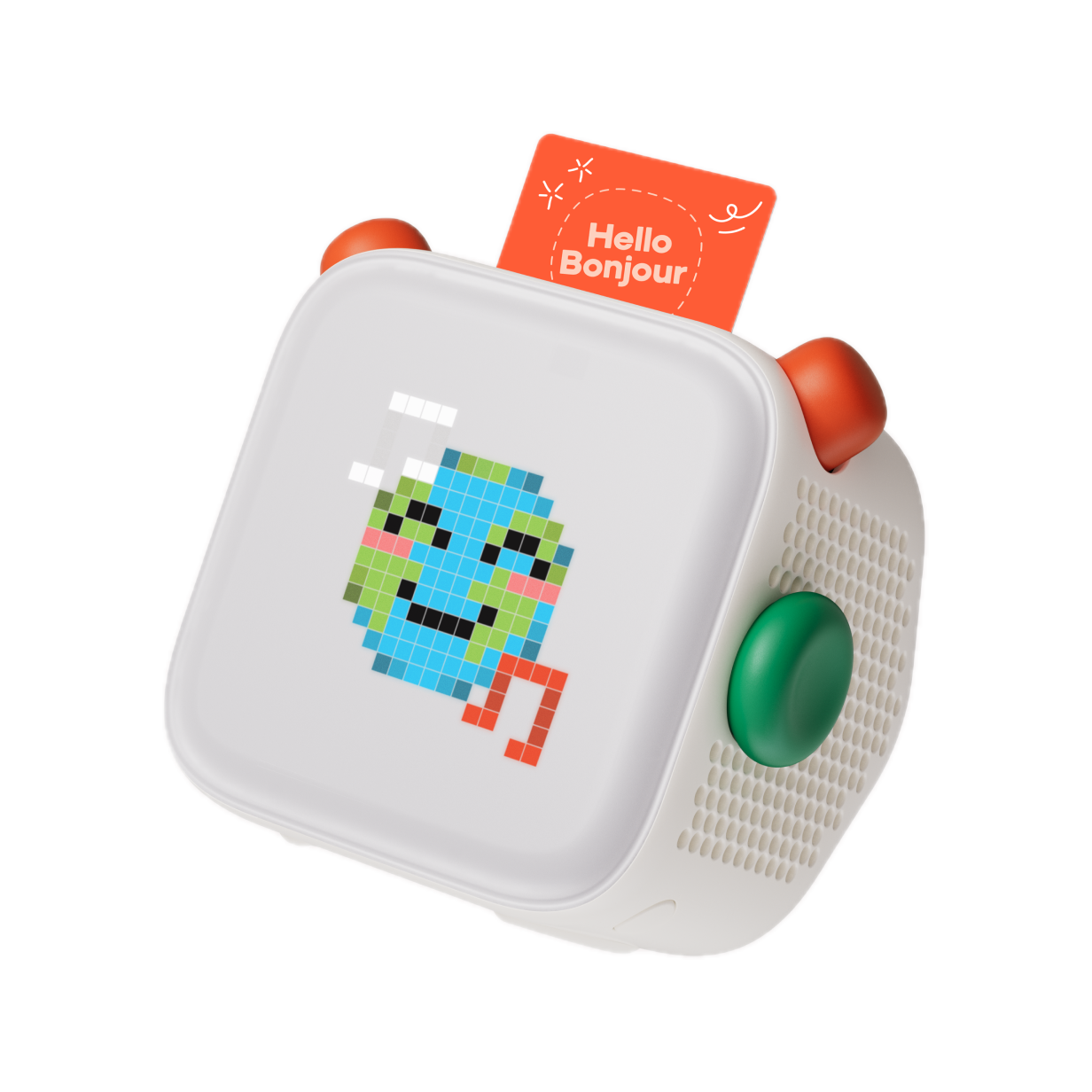
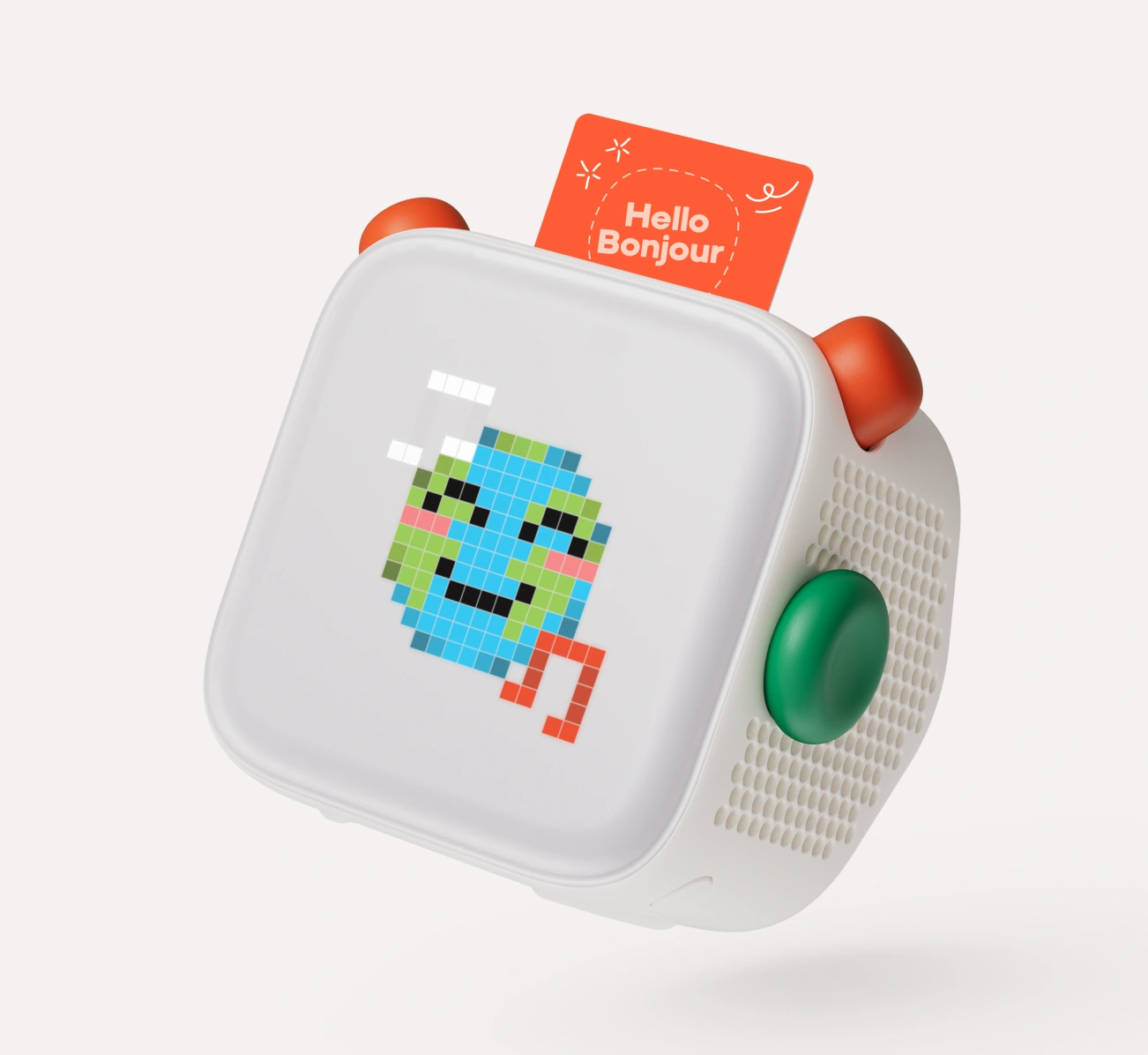
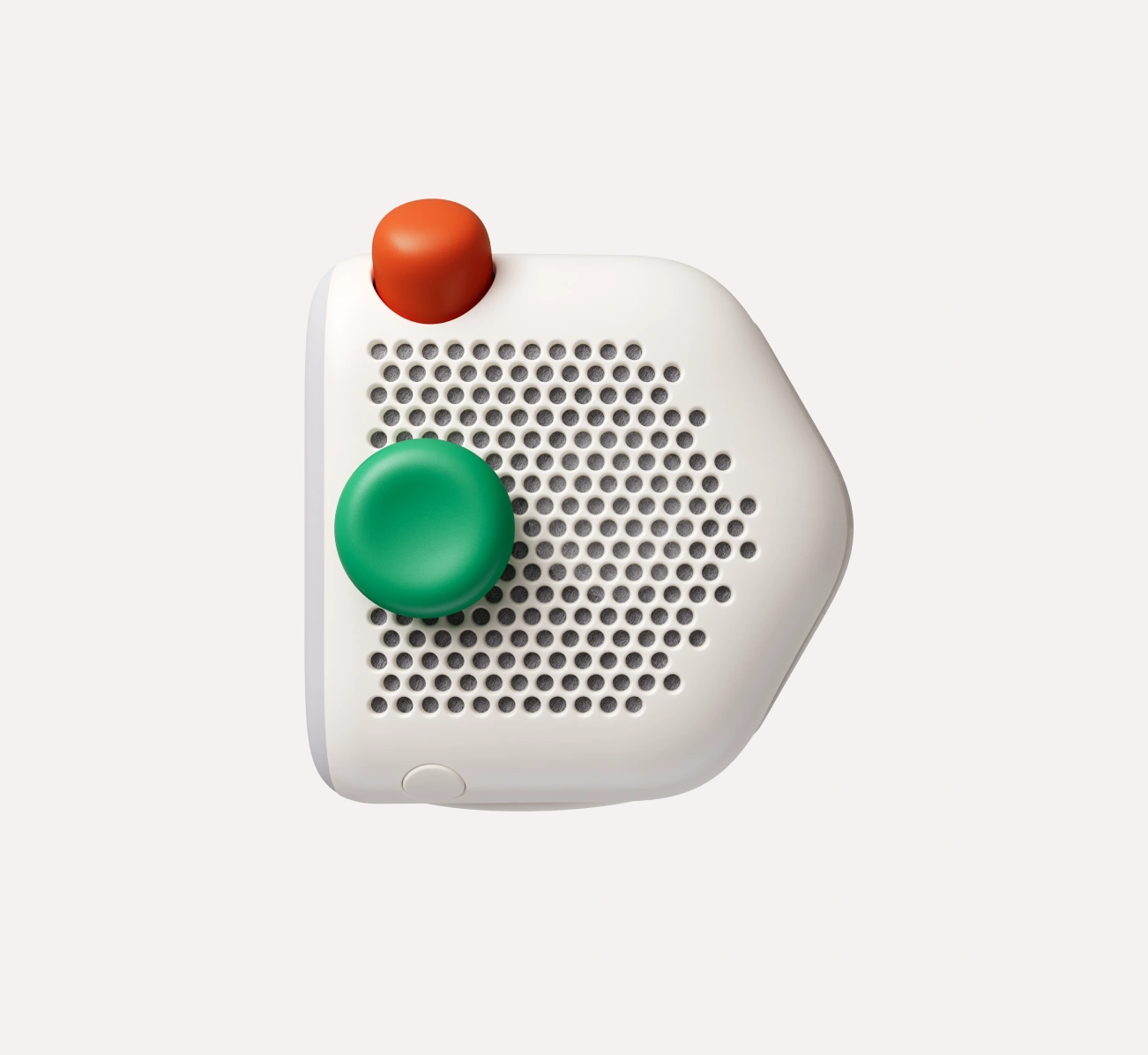
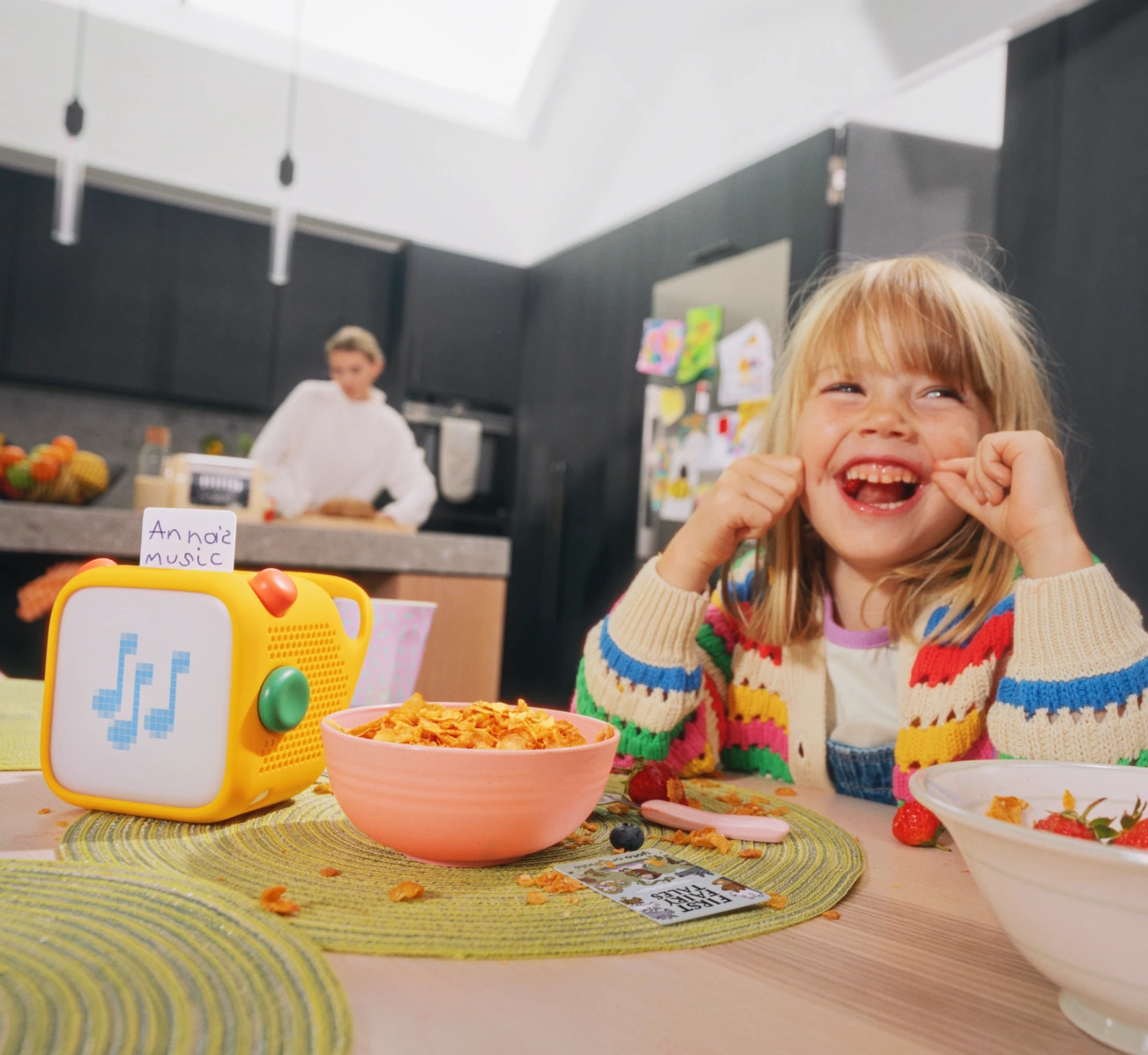
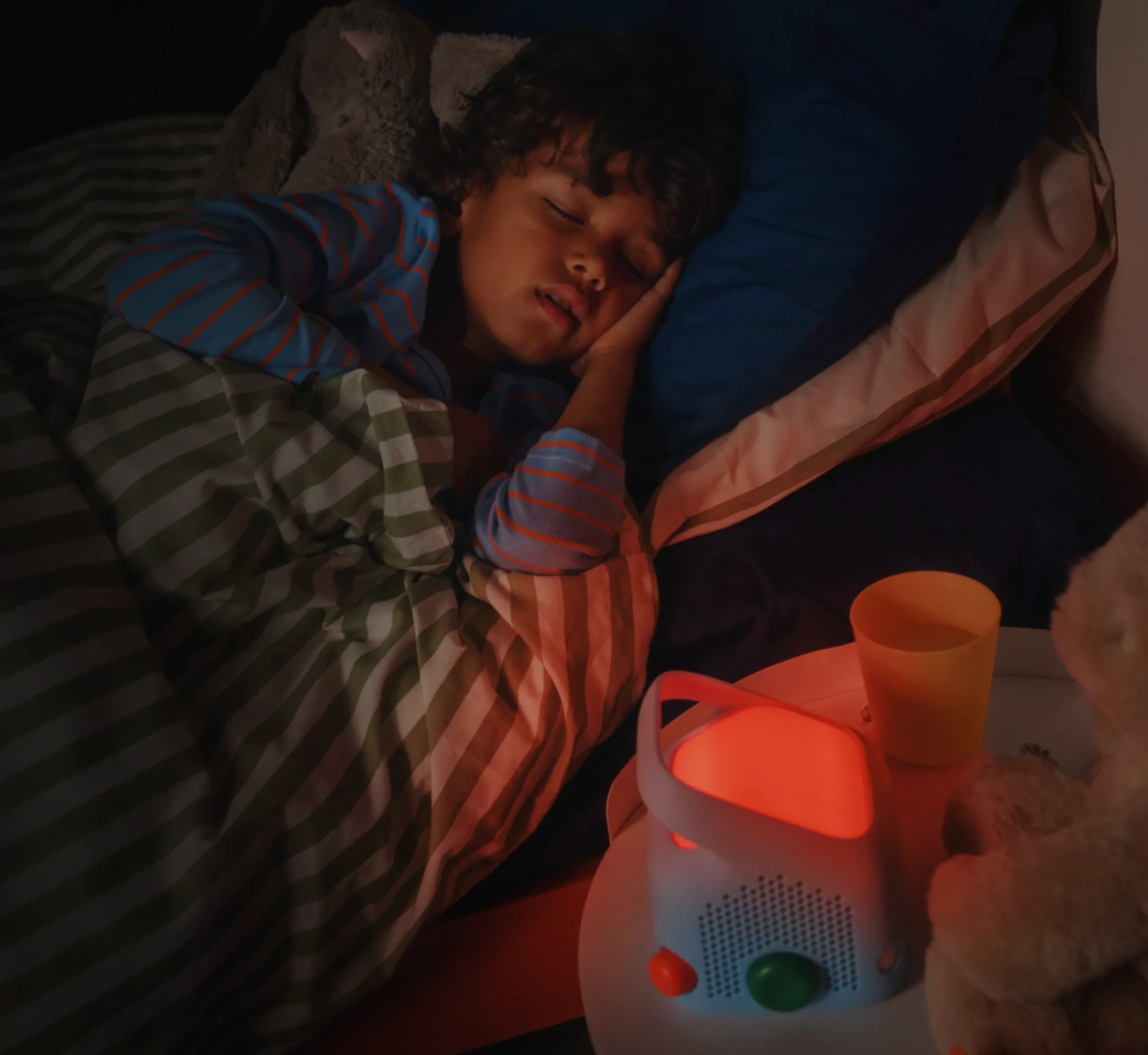
A card-operated audio player for stories, music, and everyday listening, with tactile controls and a playful pixel display.
Image source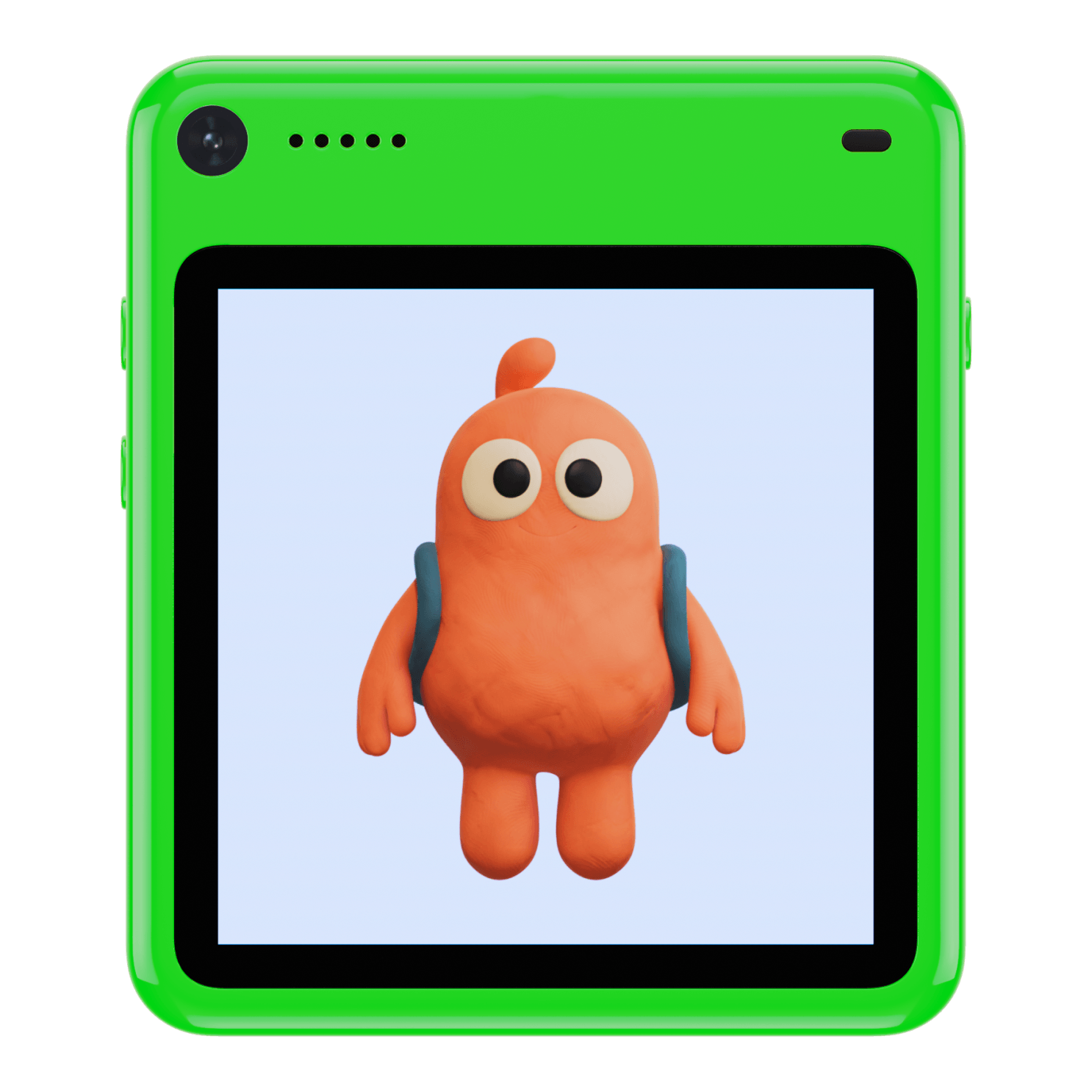
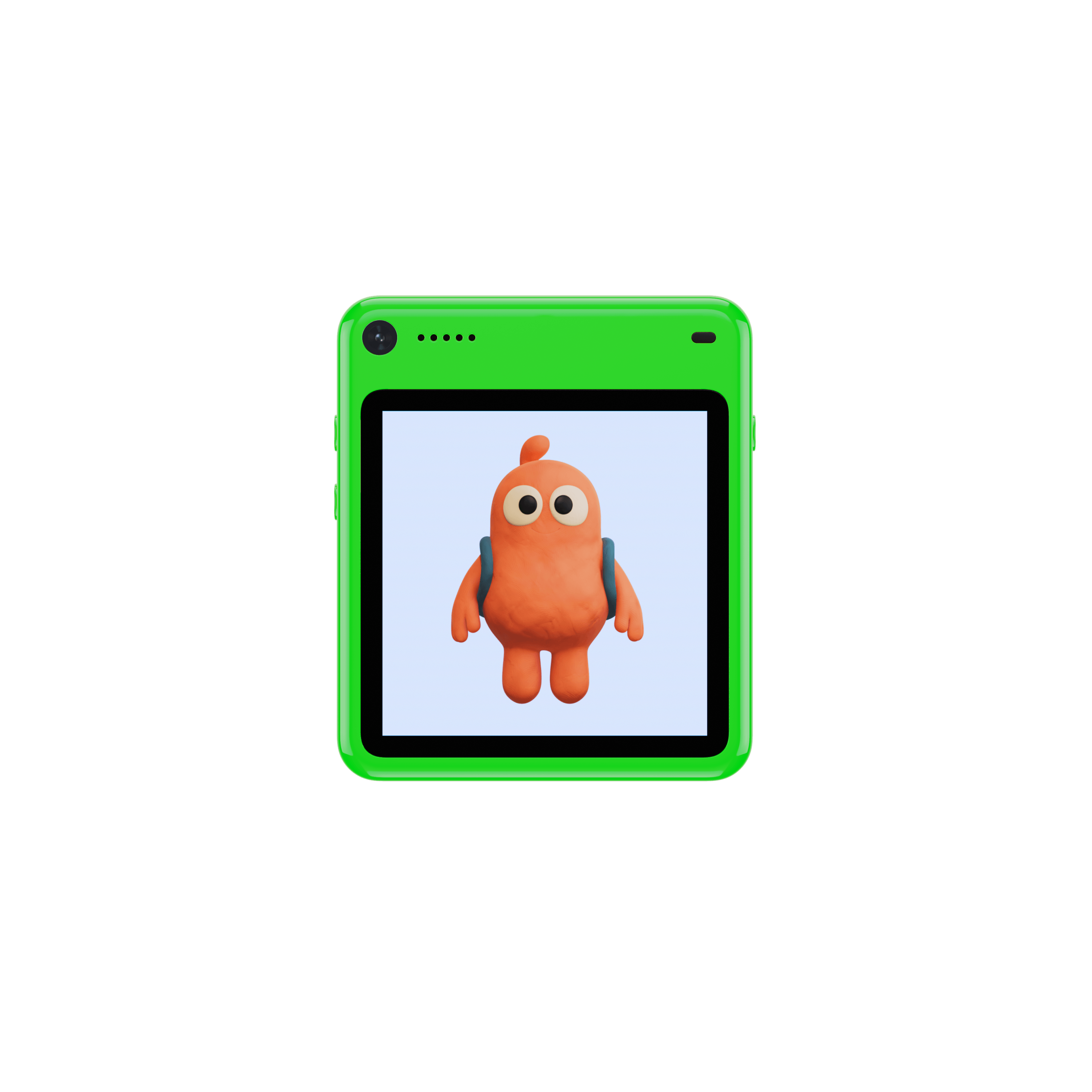
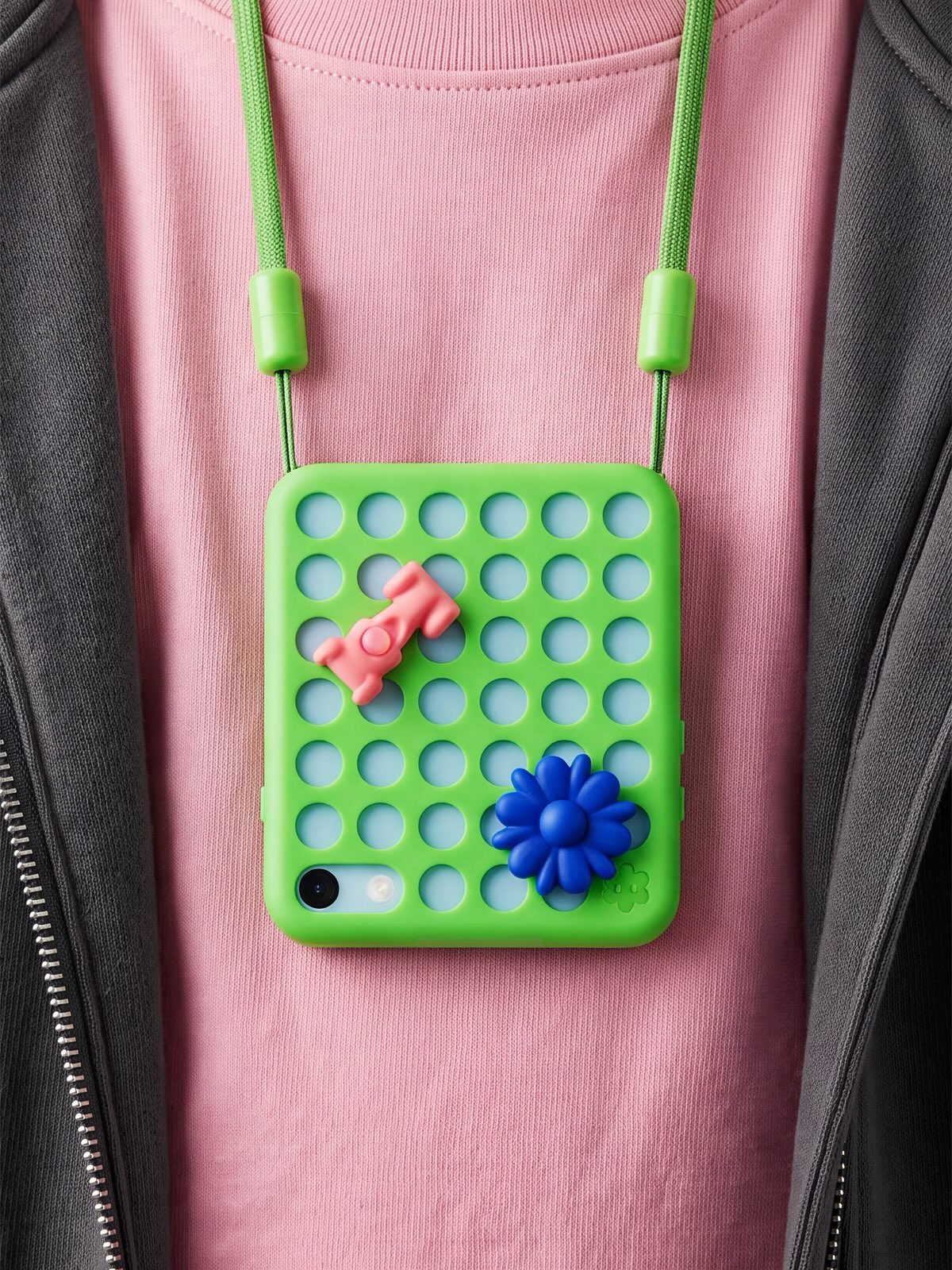
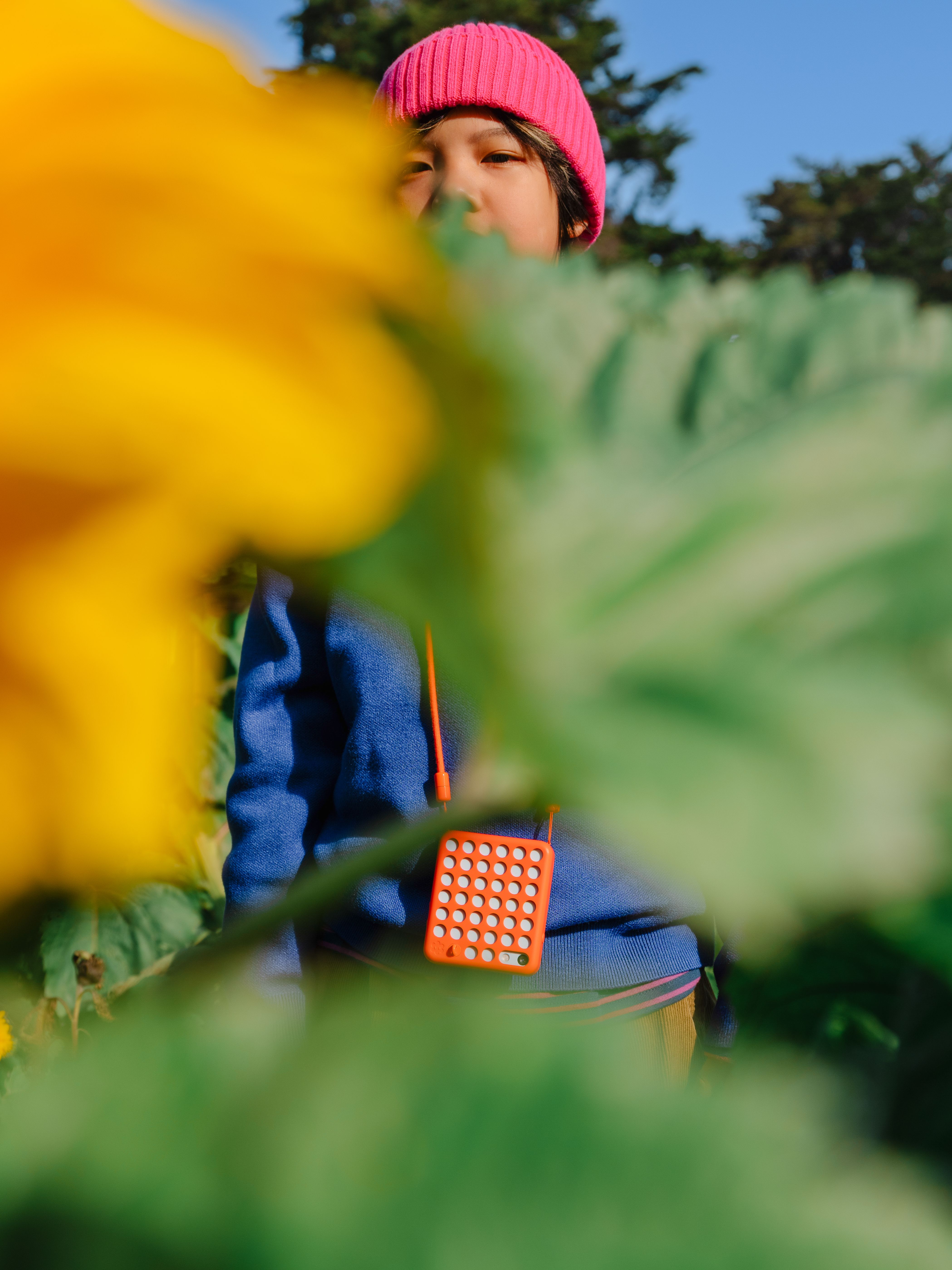
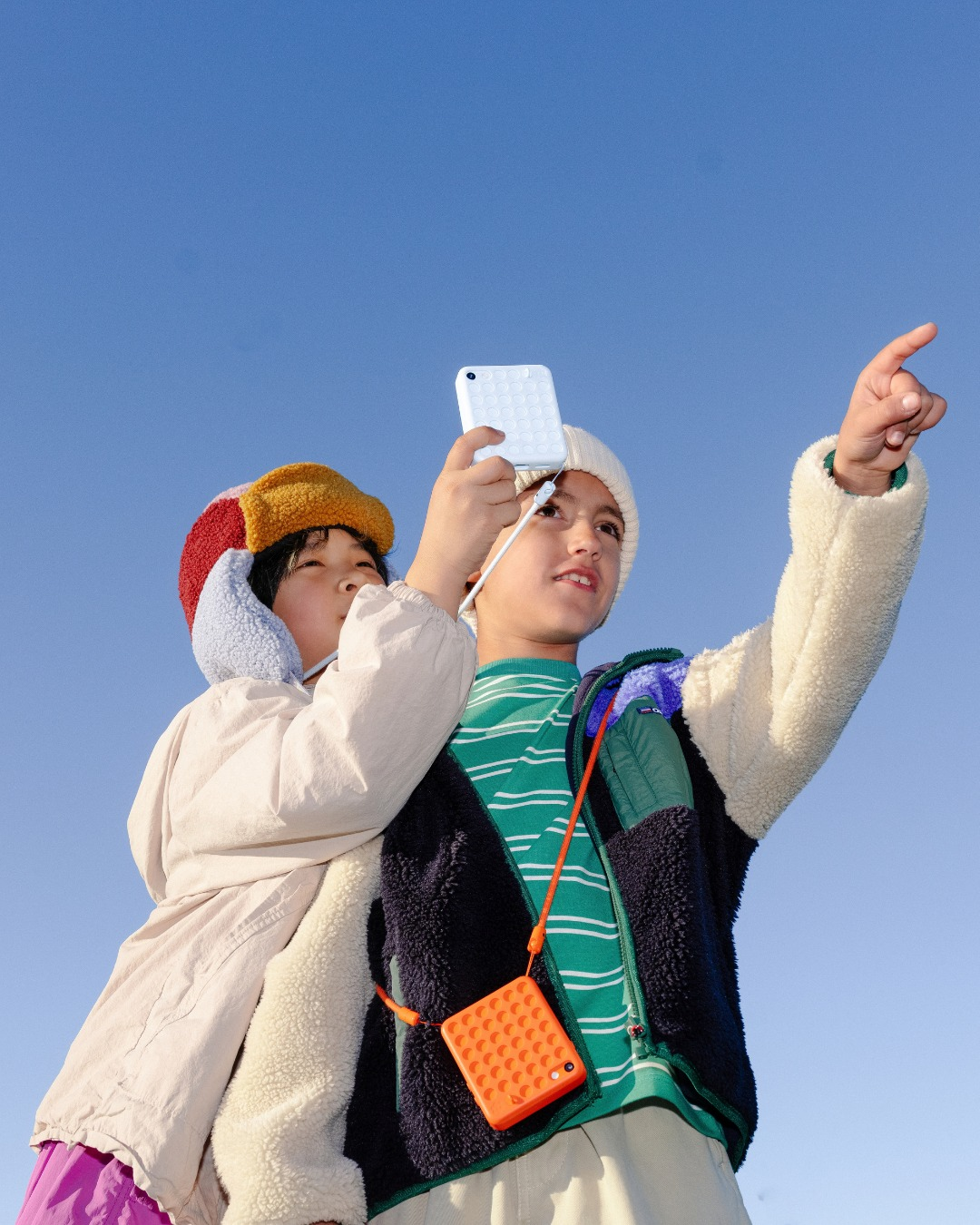
A phone built for kids, with a compact body, playful ClayOS interface, and parent-managed tools for growing independence. Available for preorder.
Image source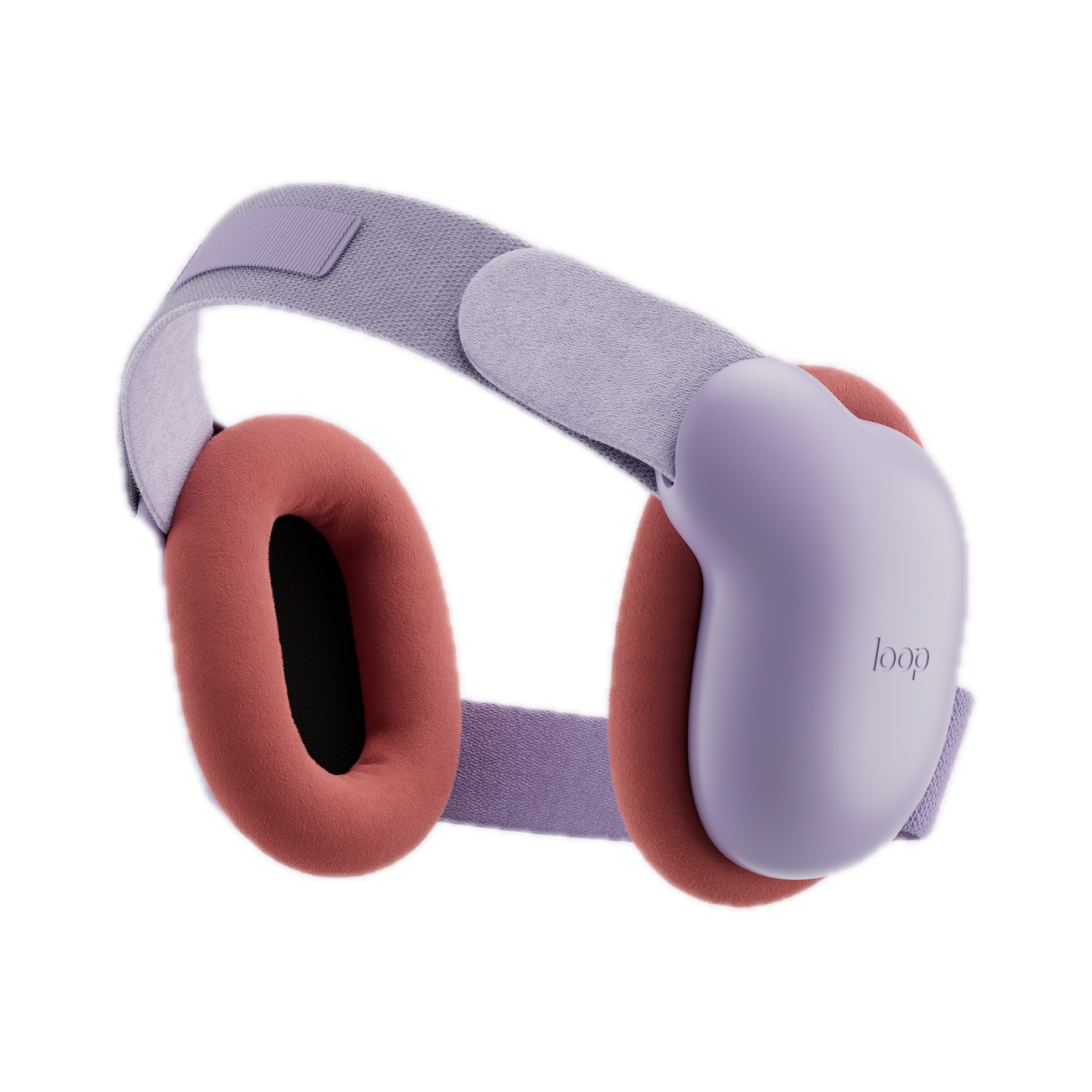
Not for sale
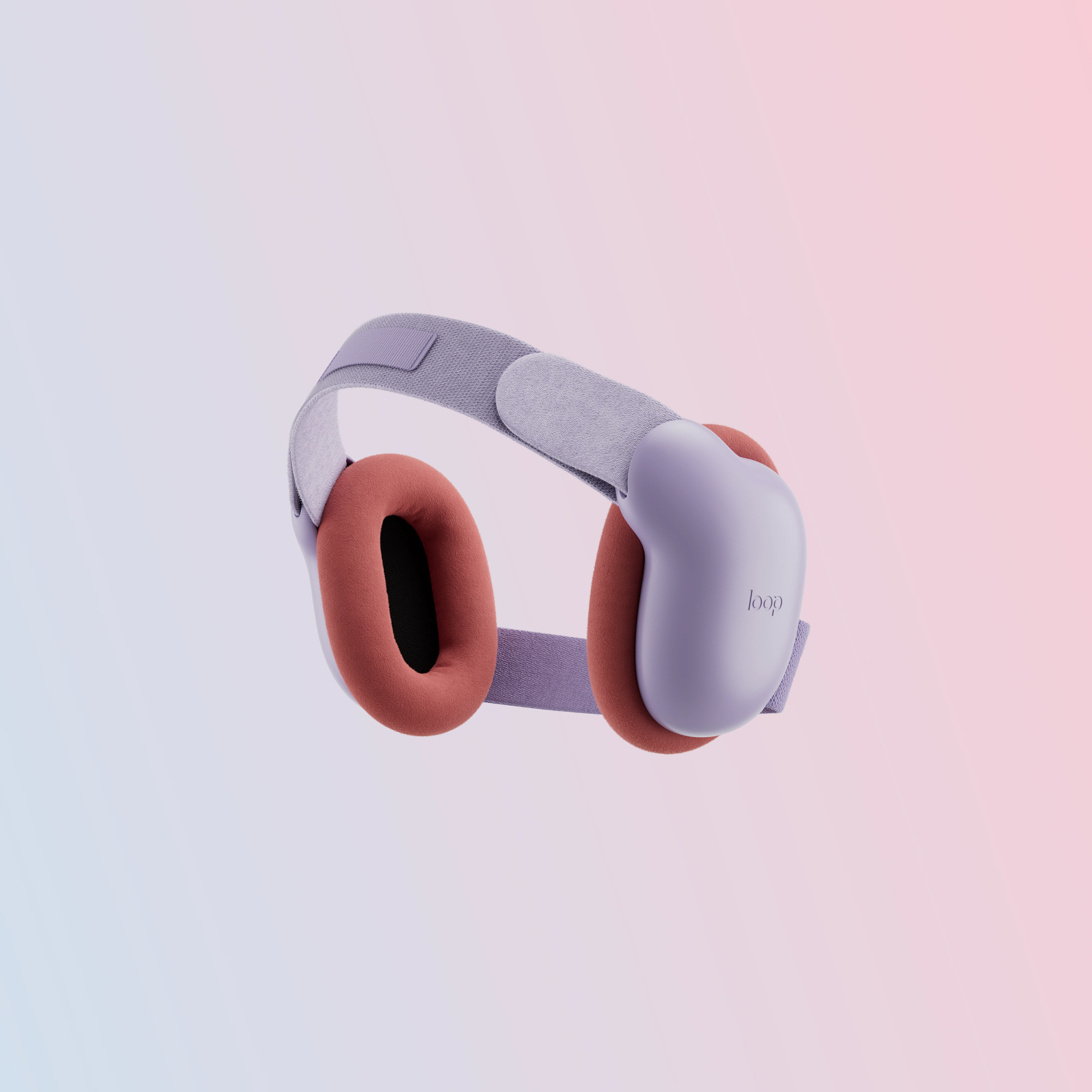
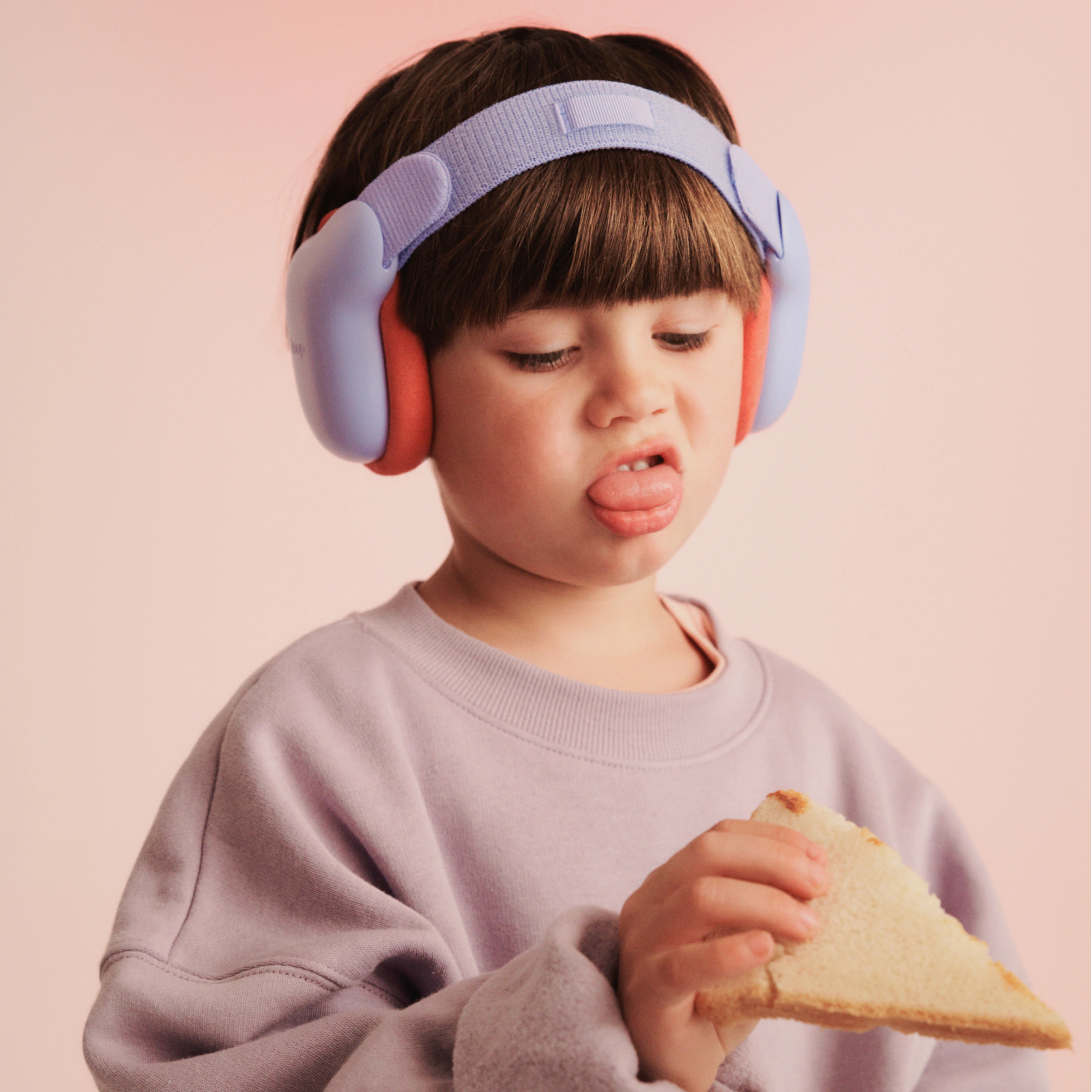

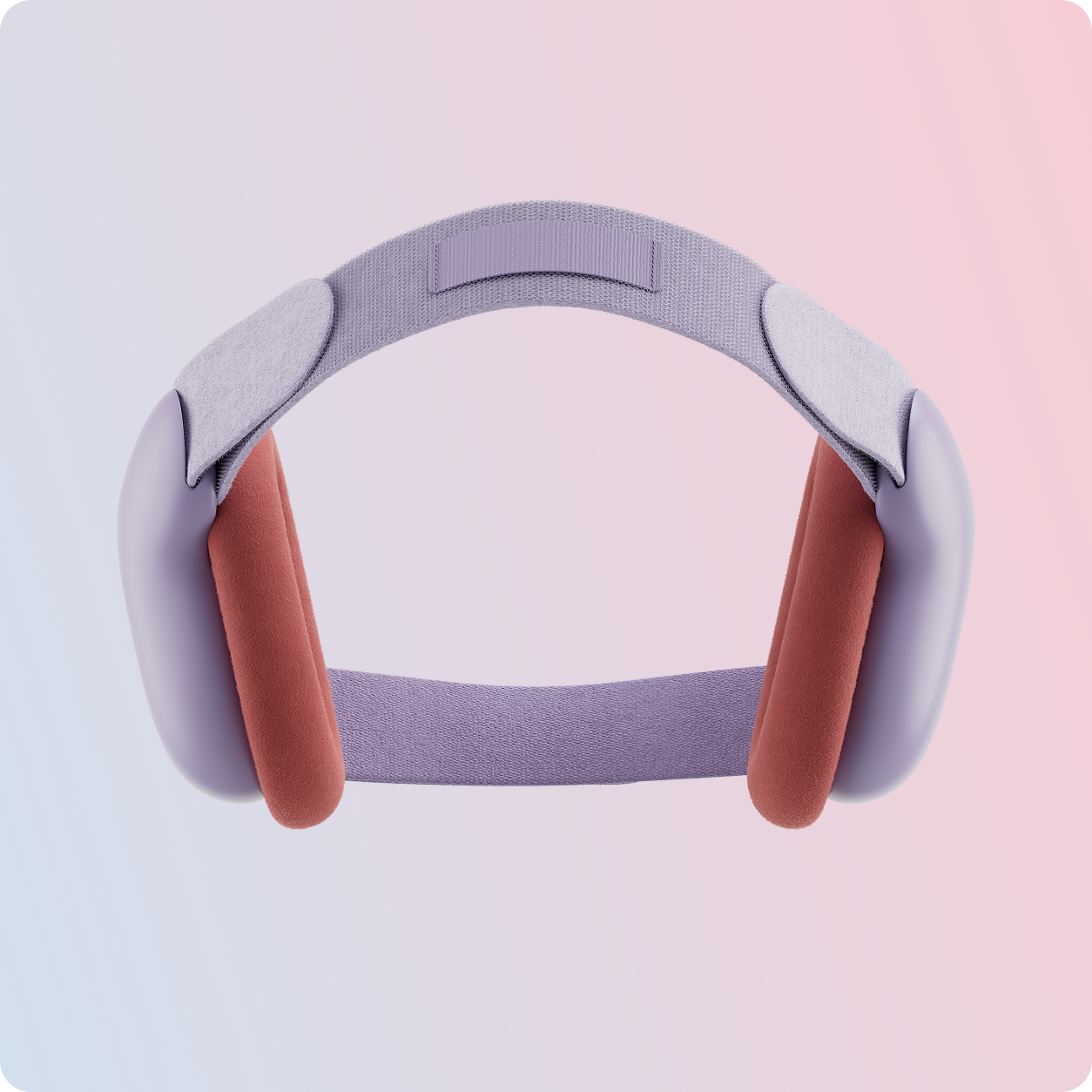
Soft-cushioned earmuffs for little ears, with an adjustable fabric strap and a lavender-and-berry color pairing.
Image source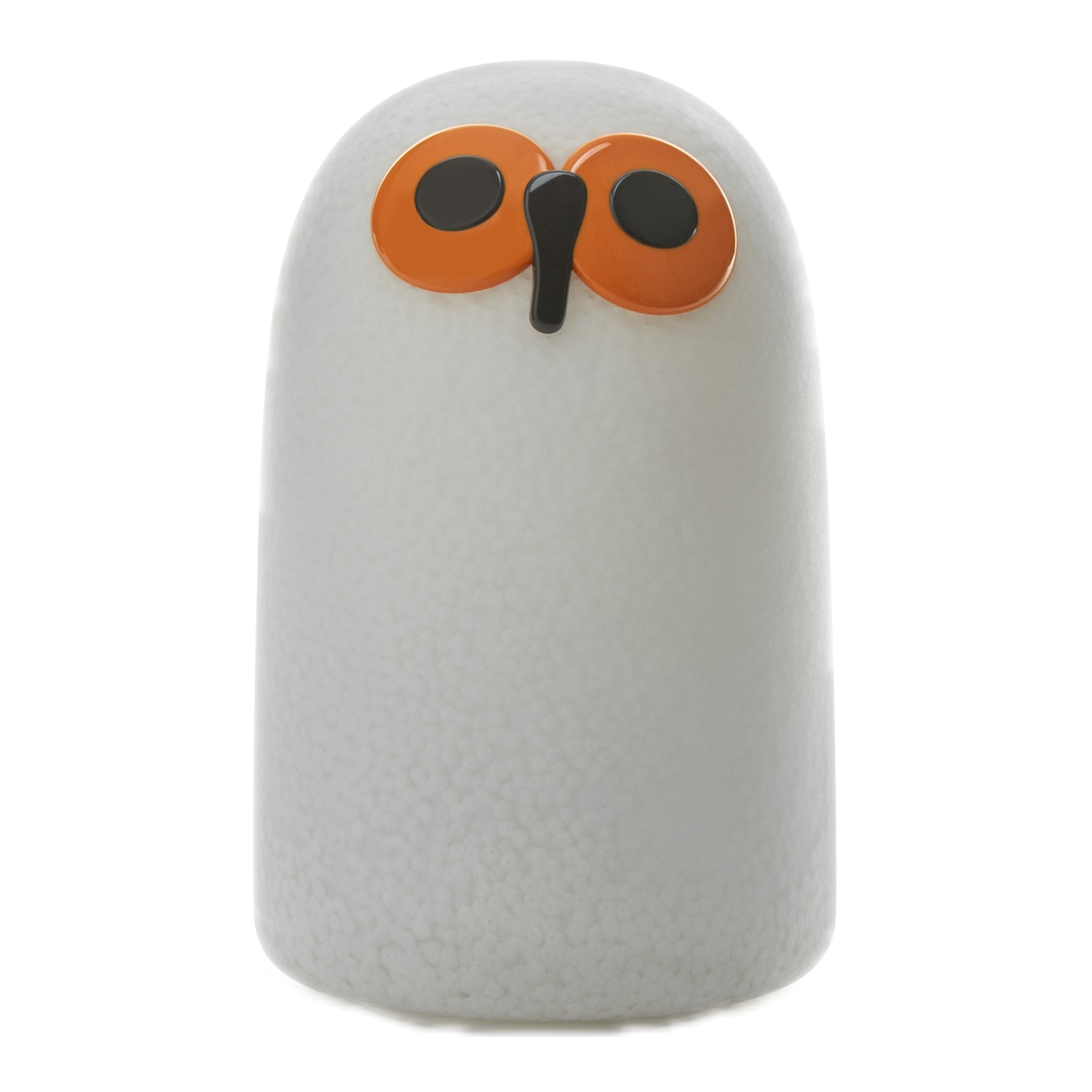
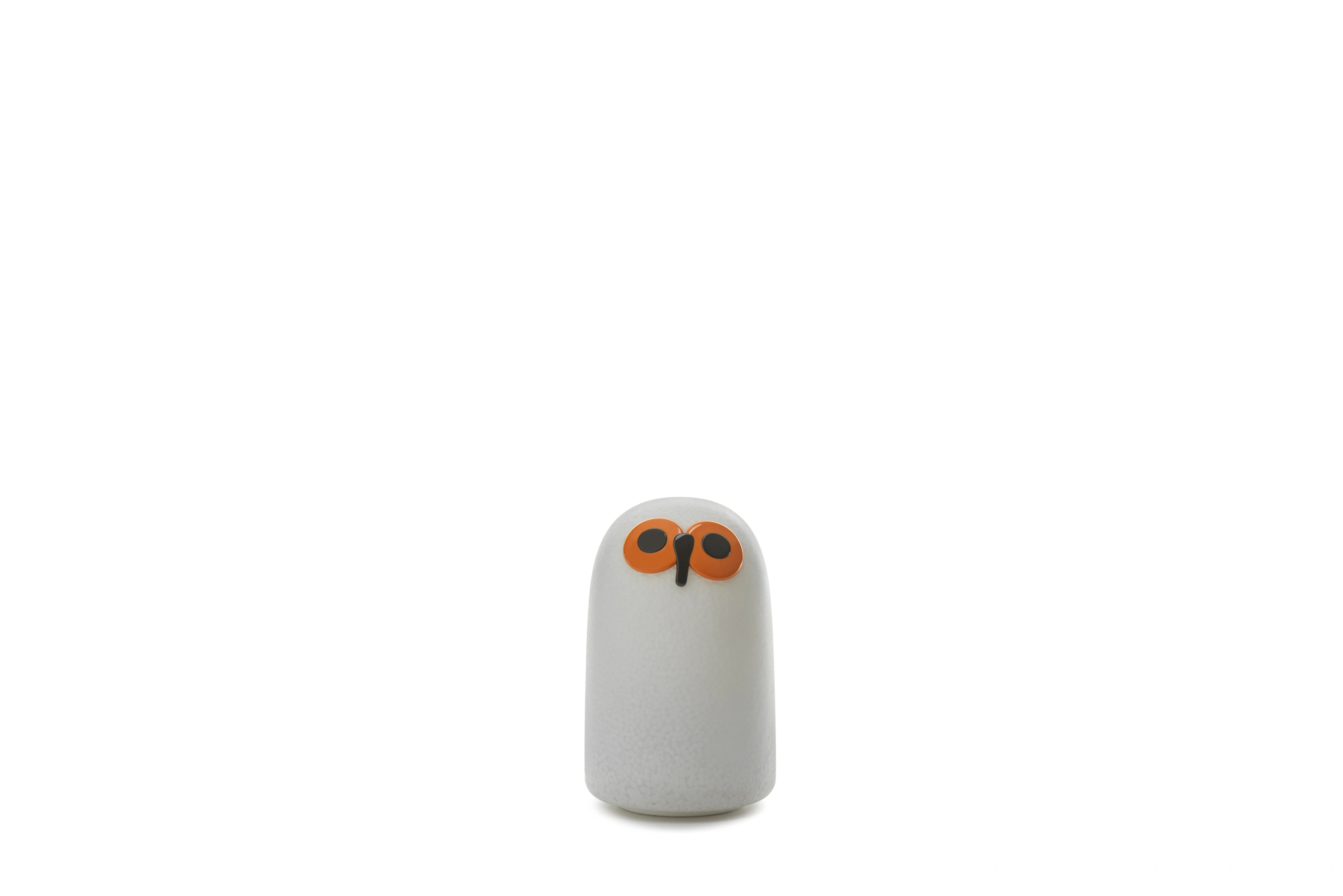
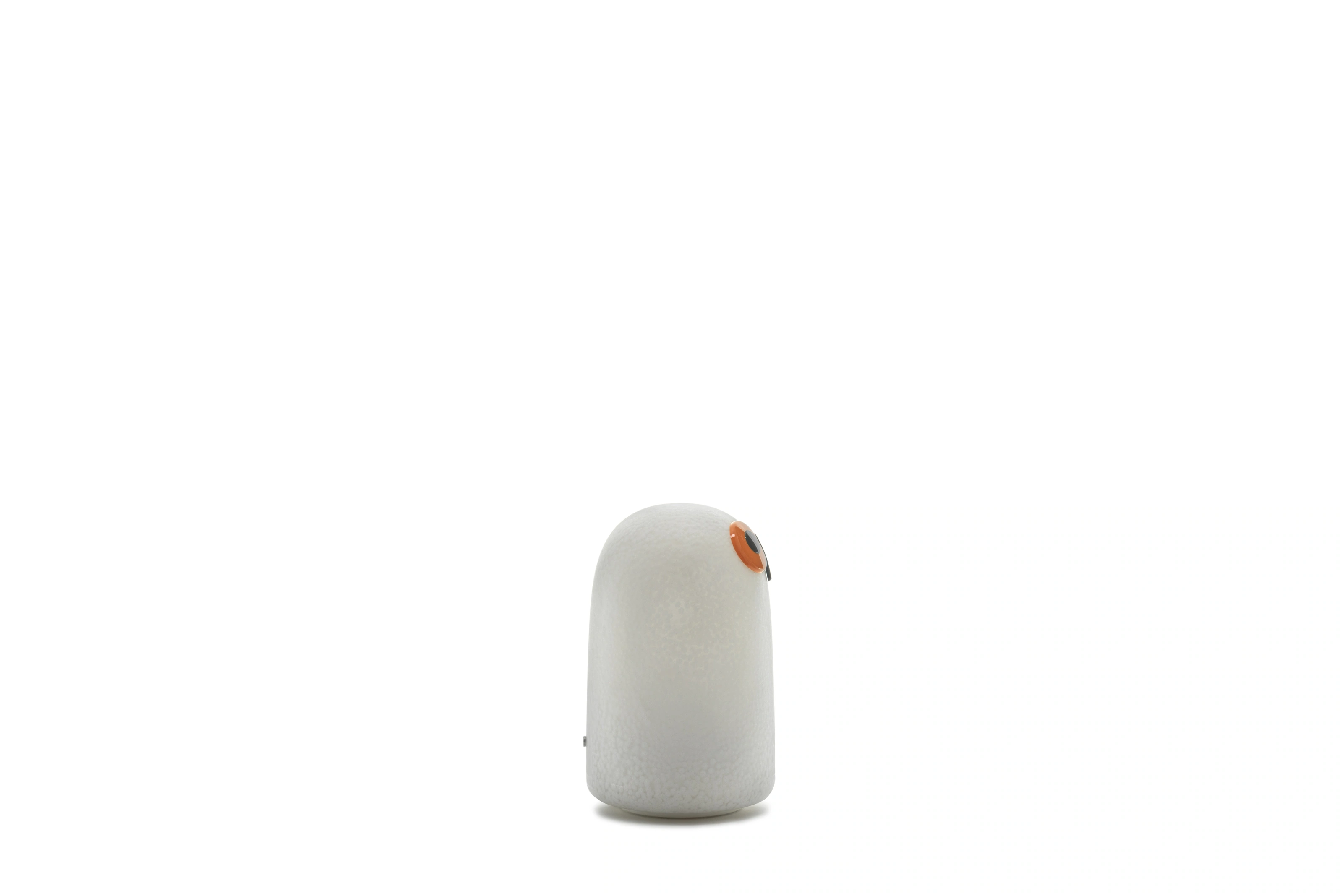
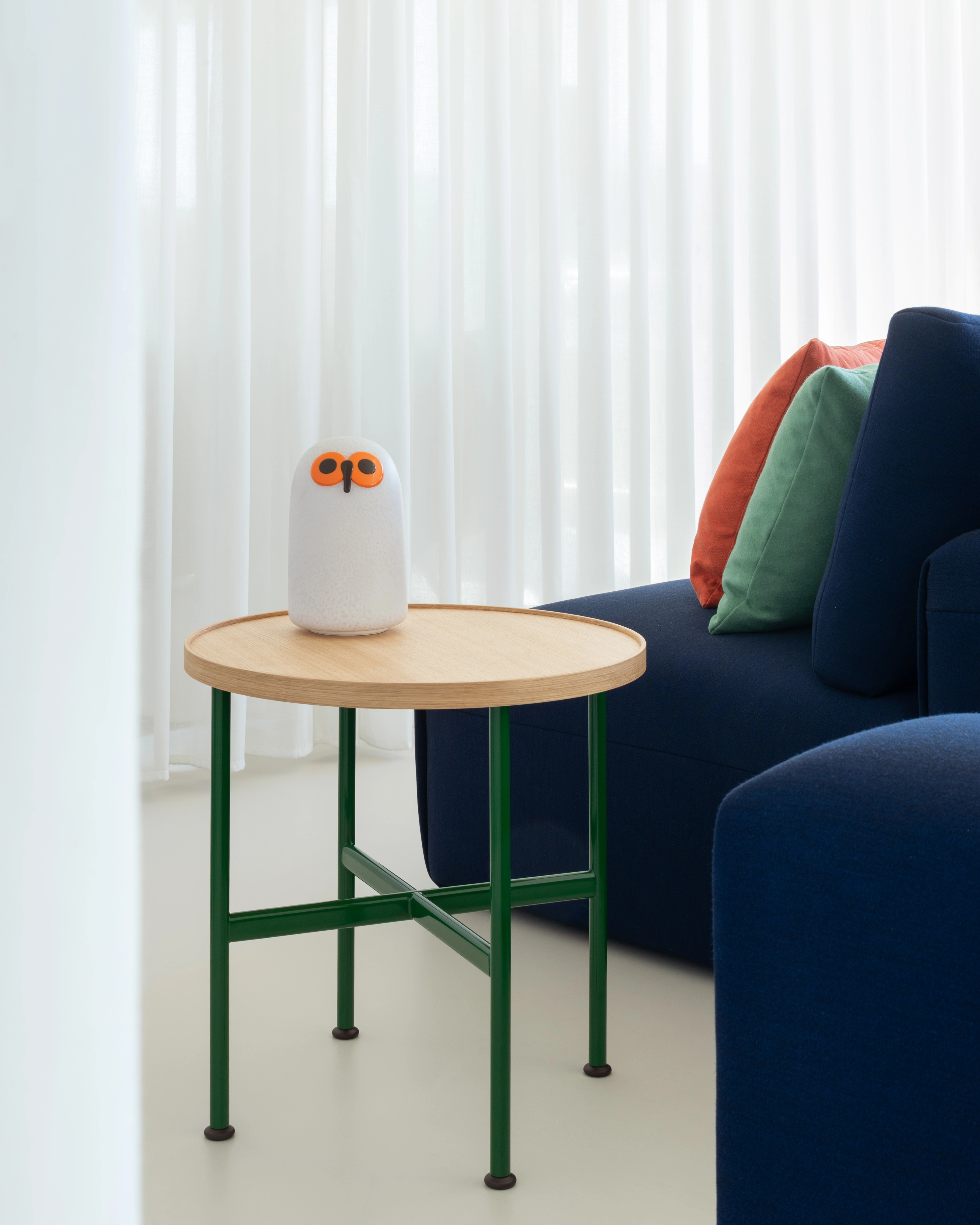
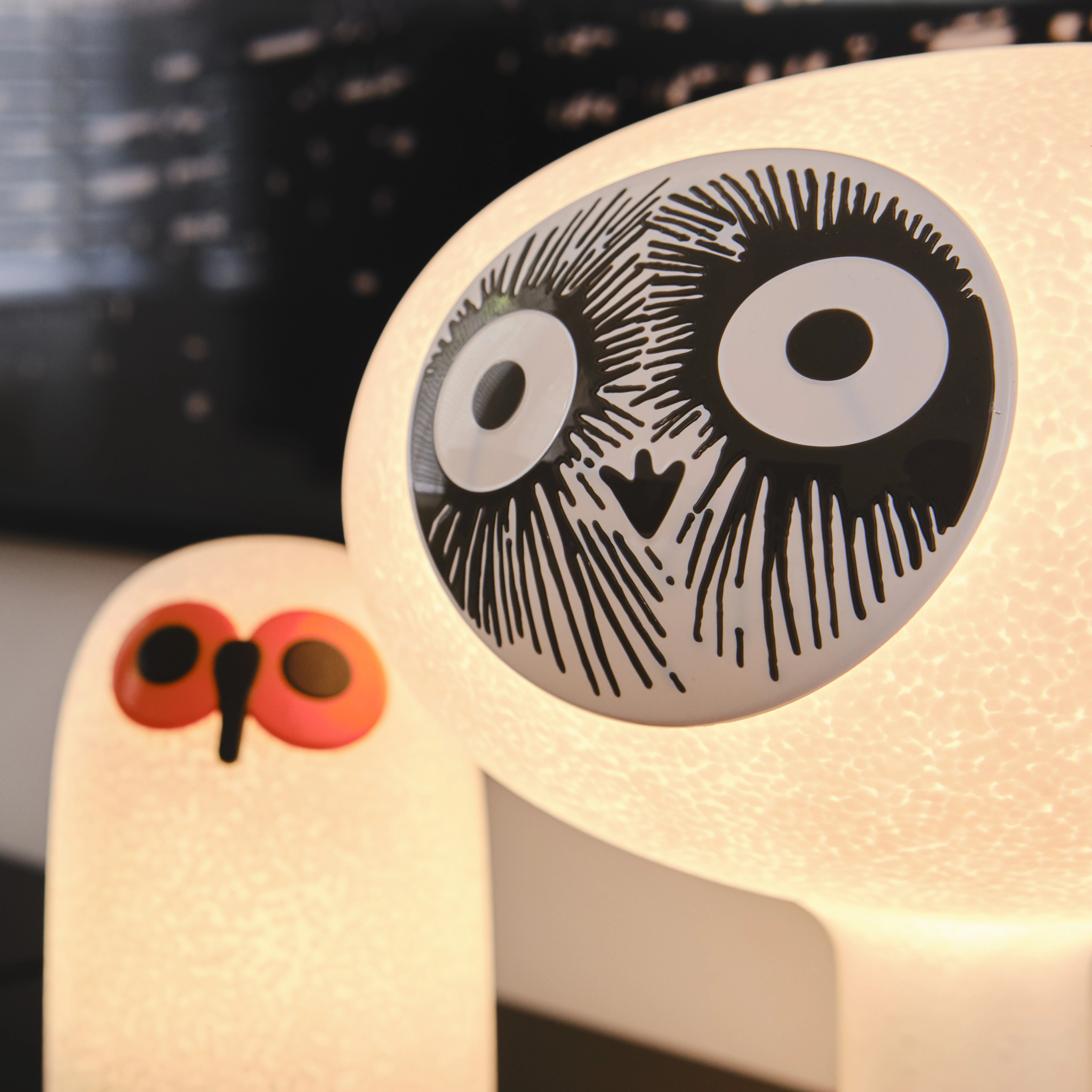
A small rechargeable lamp with an owl-like face. Oiva Toikka’s bird forms become a softly glowing companion in molded polycarbonate.
Image source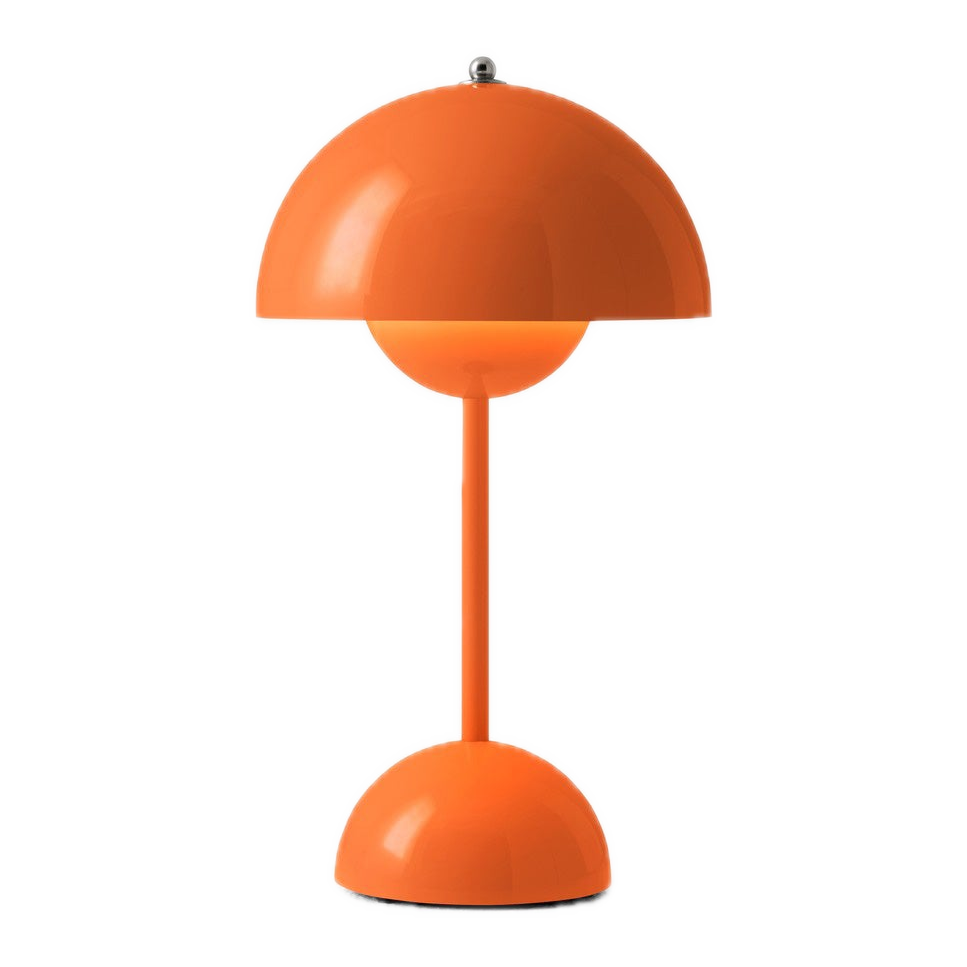
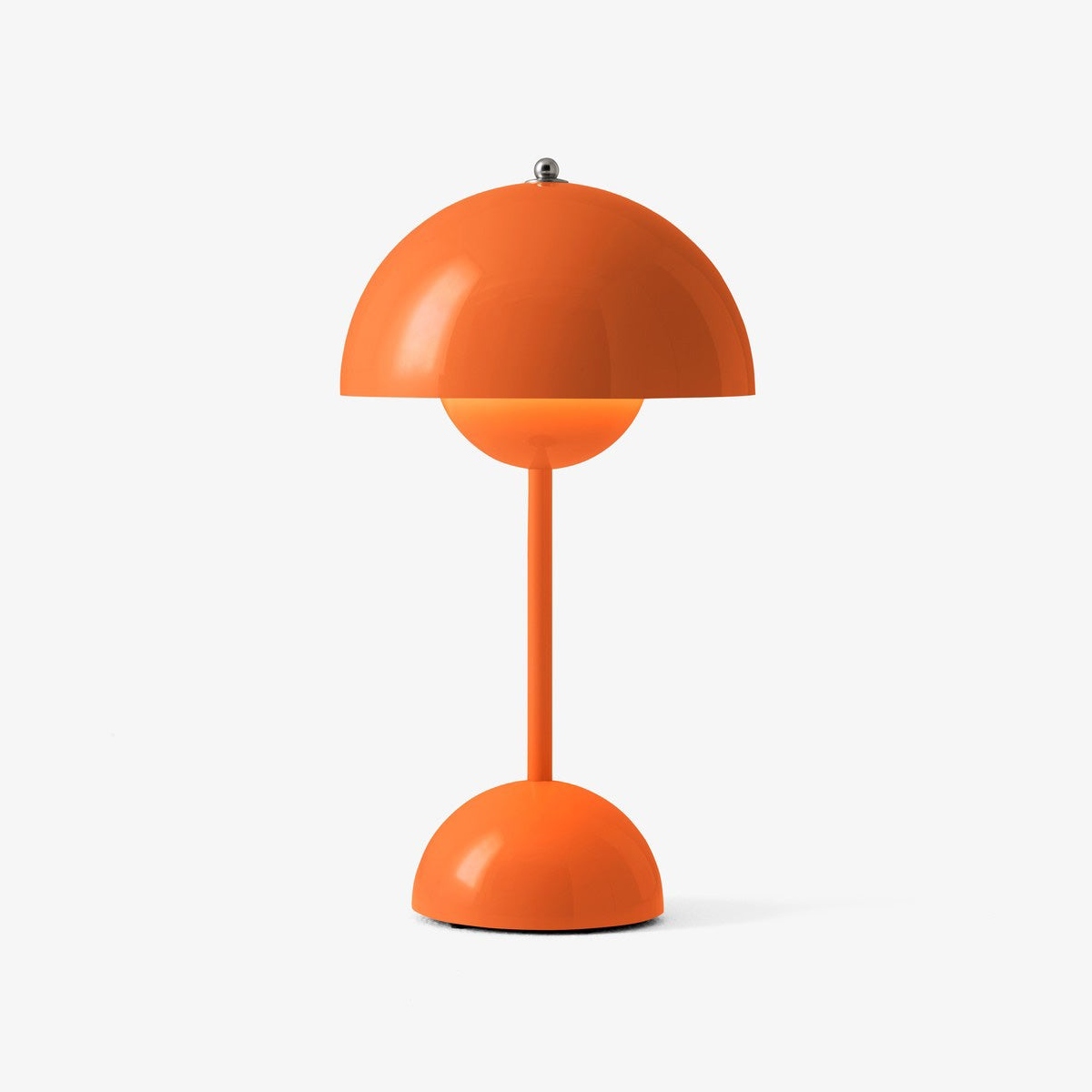
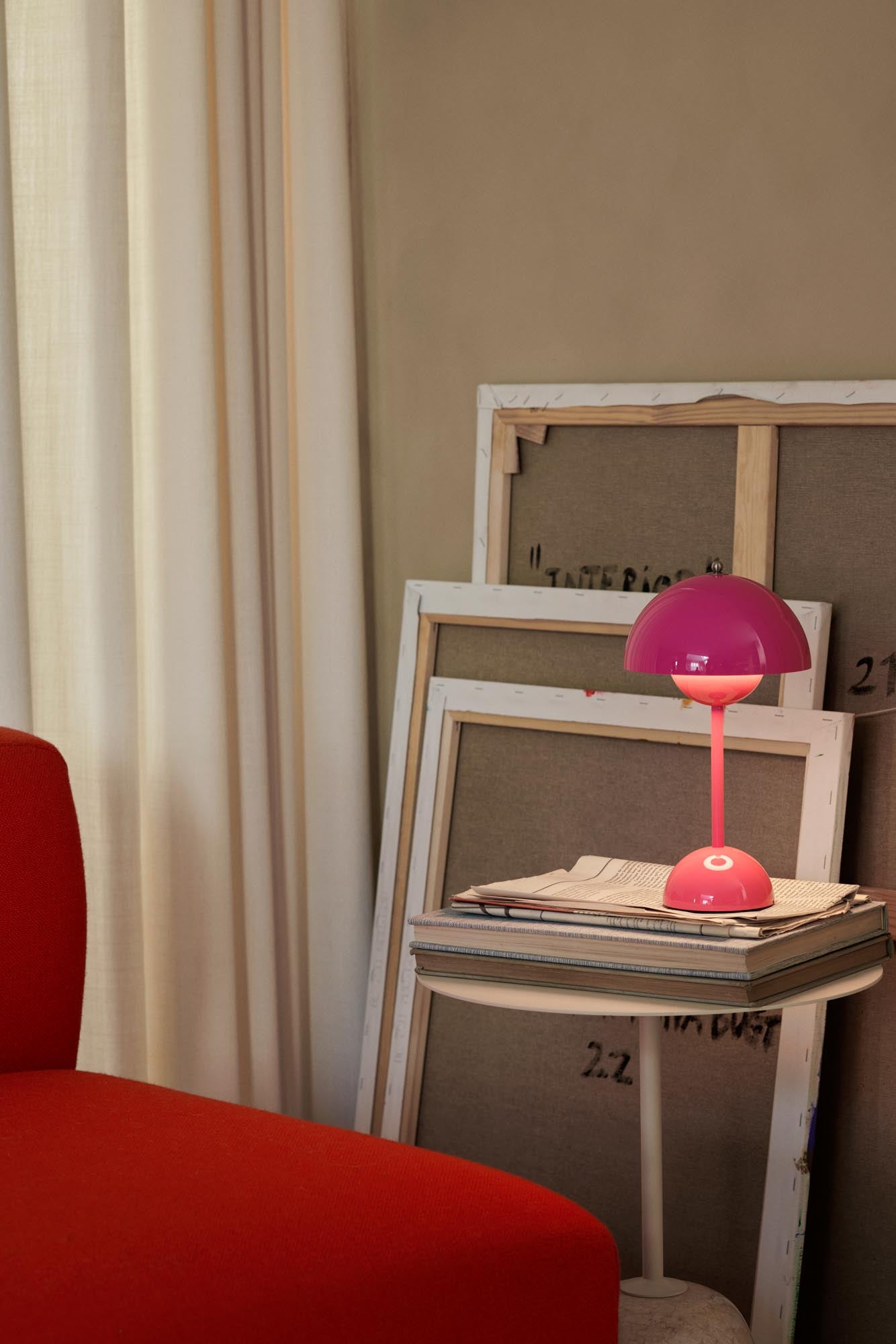
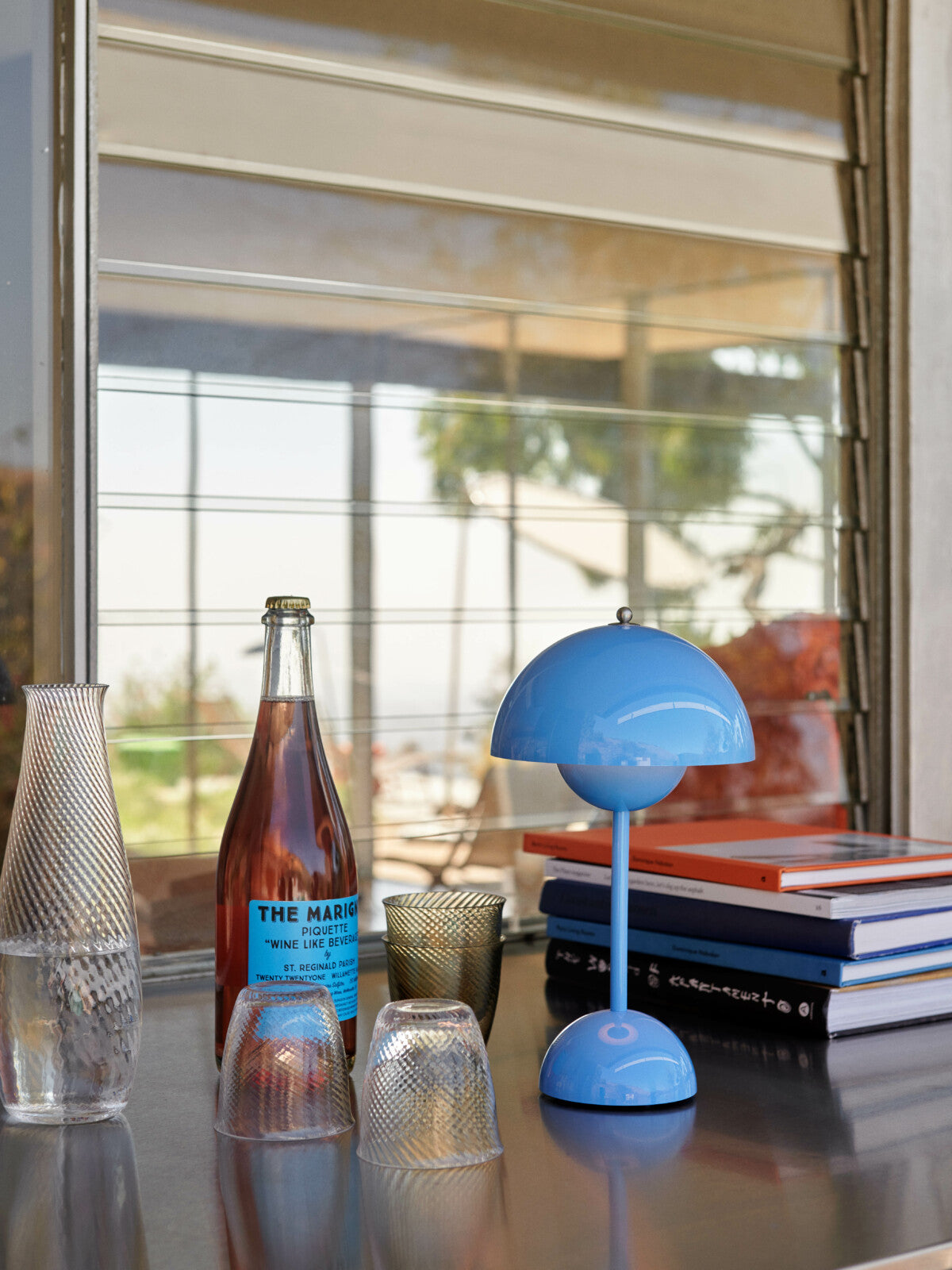
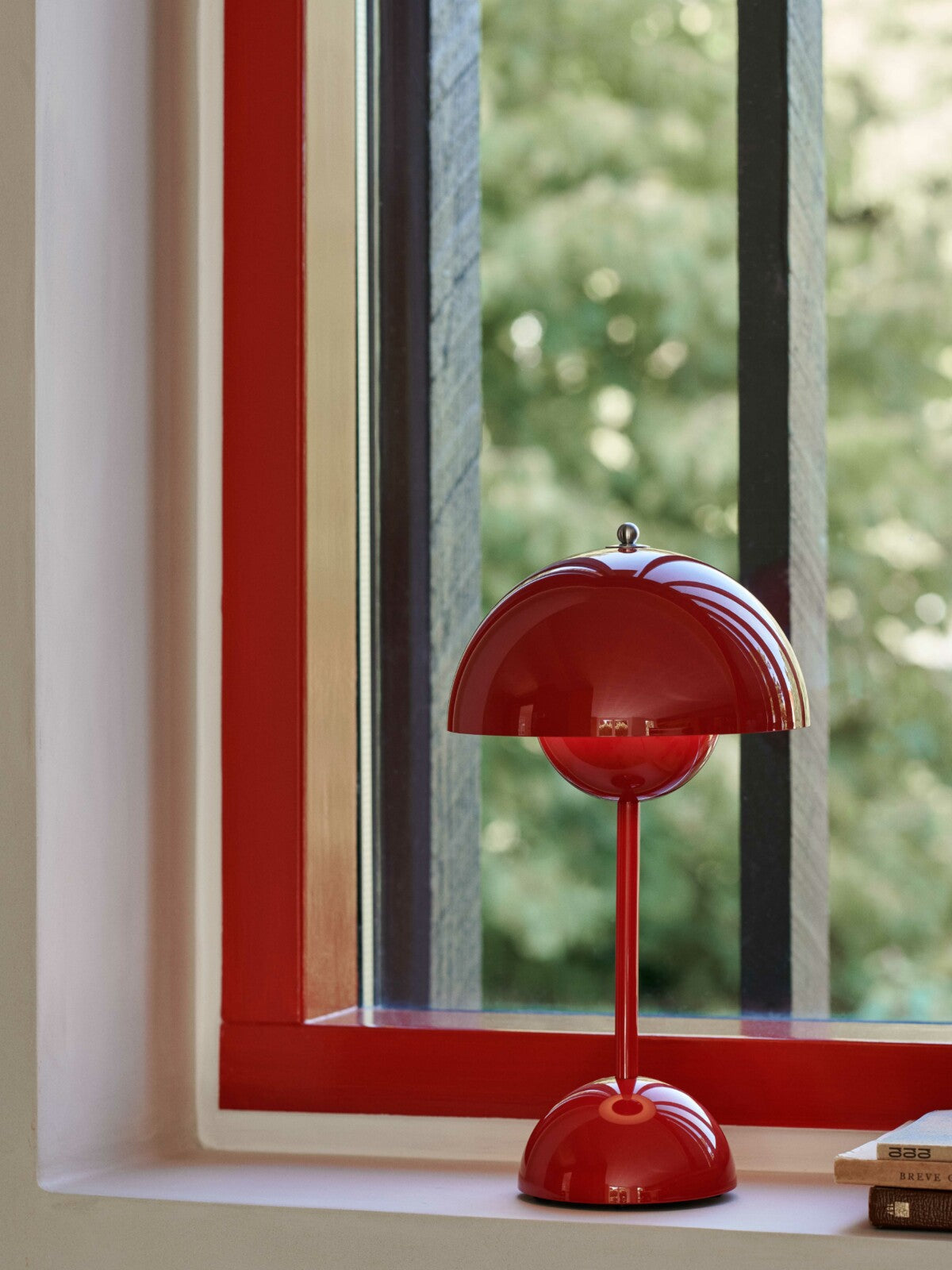
Verner Panton’s two-domed Flowerpot, made portable. A compact rechargeable table lamp.
Image source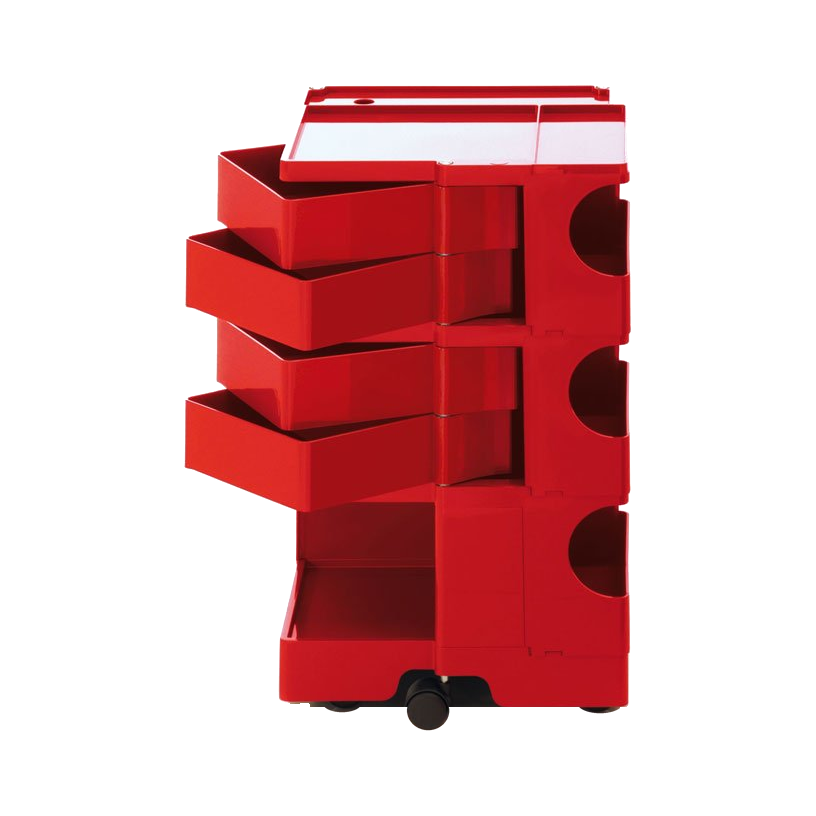
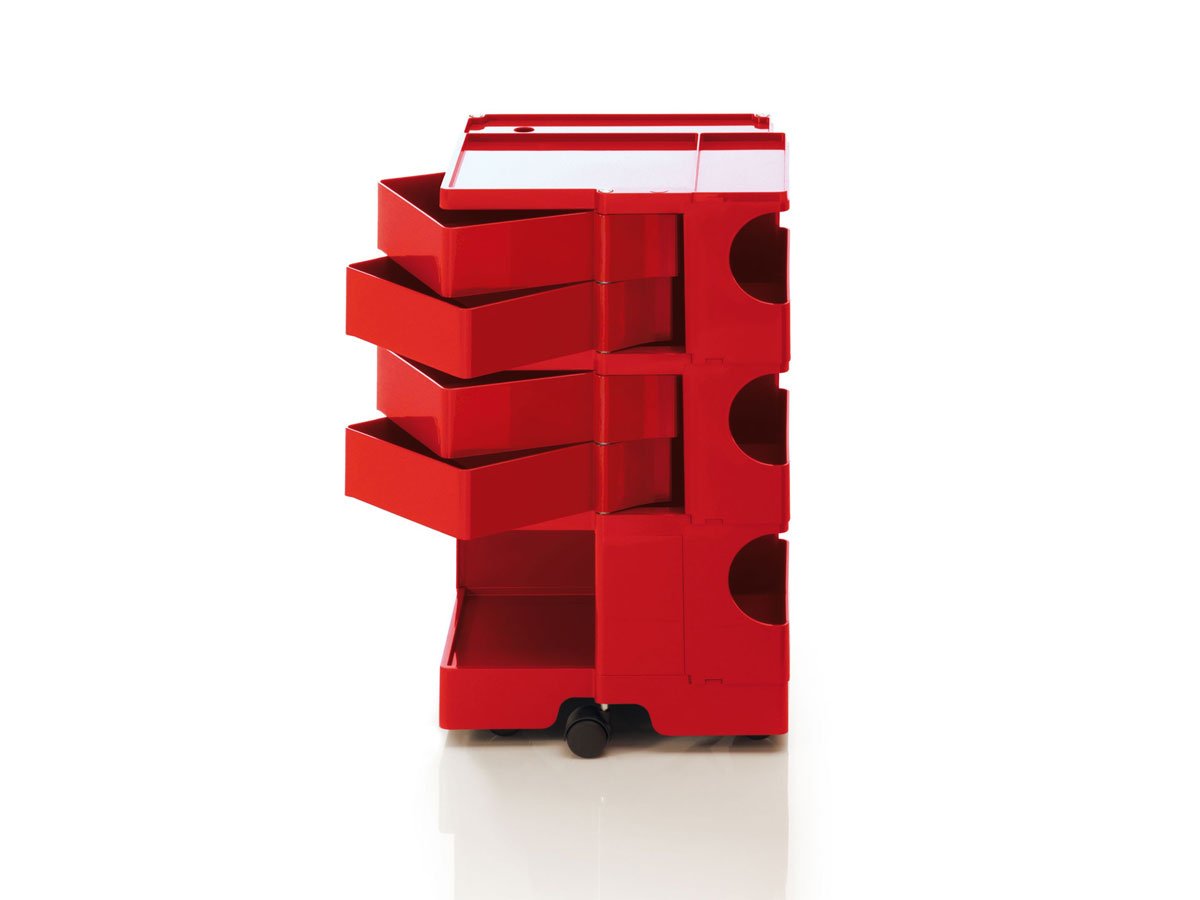
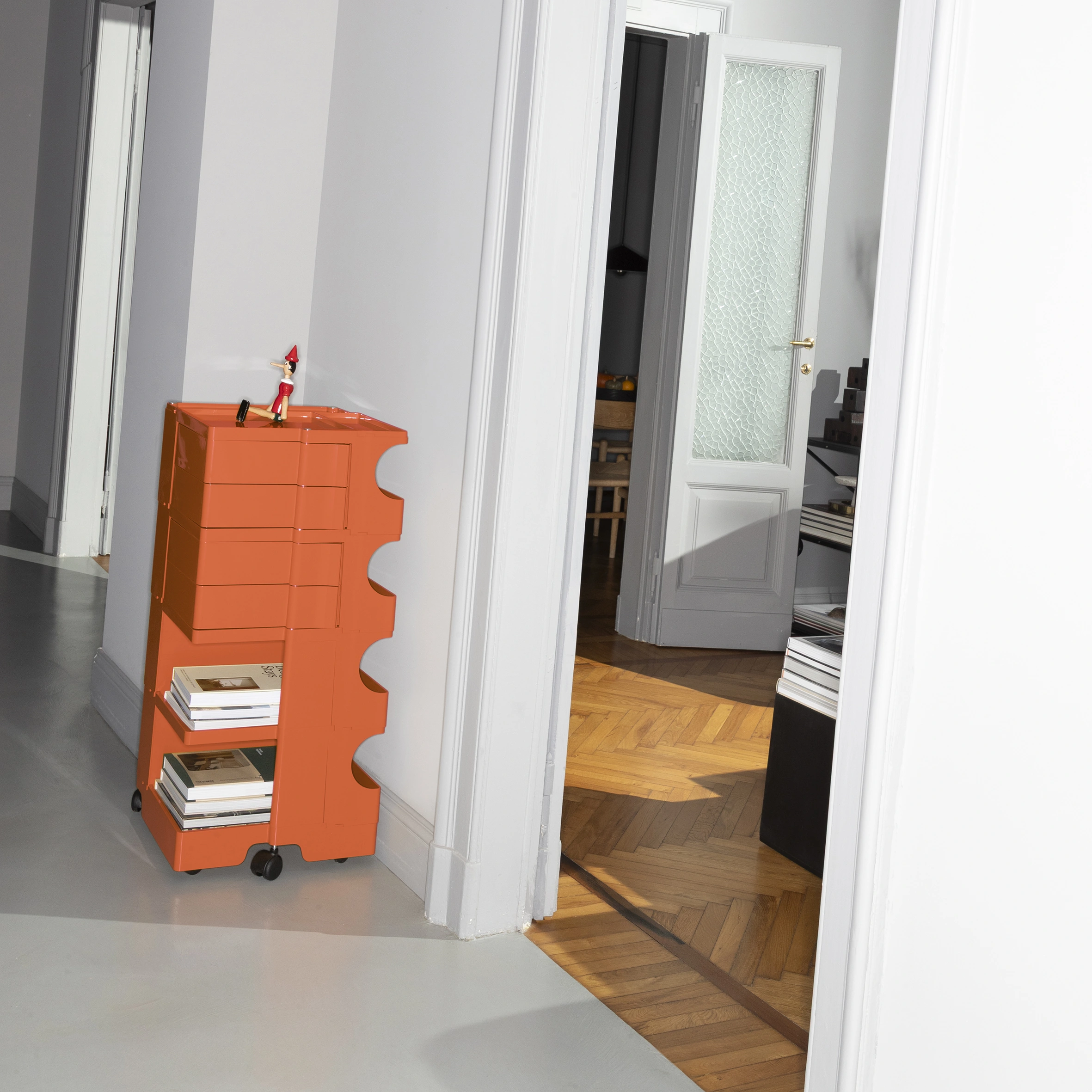
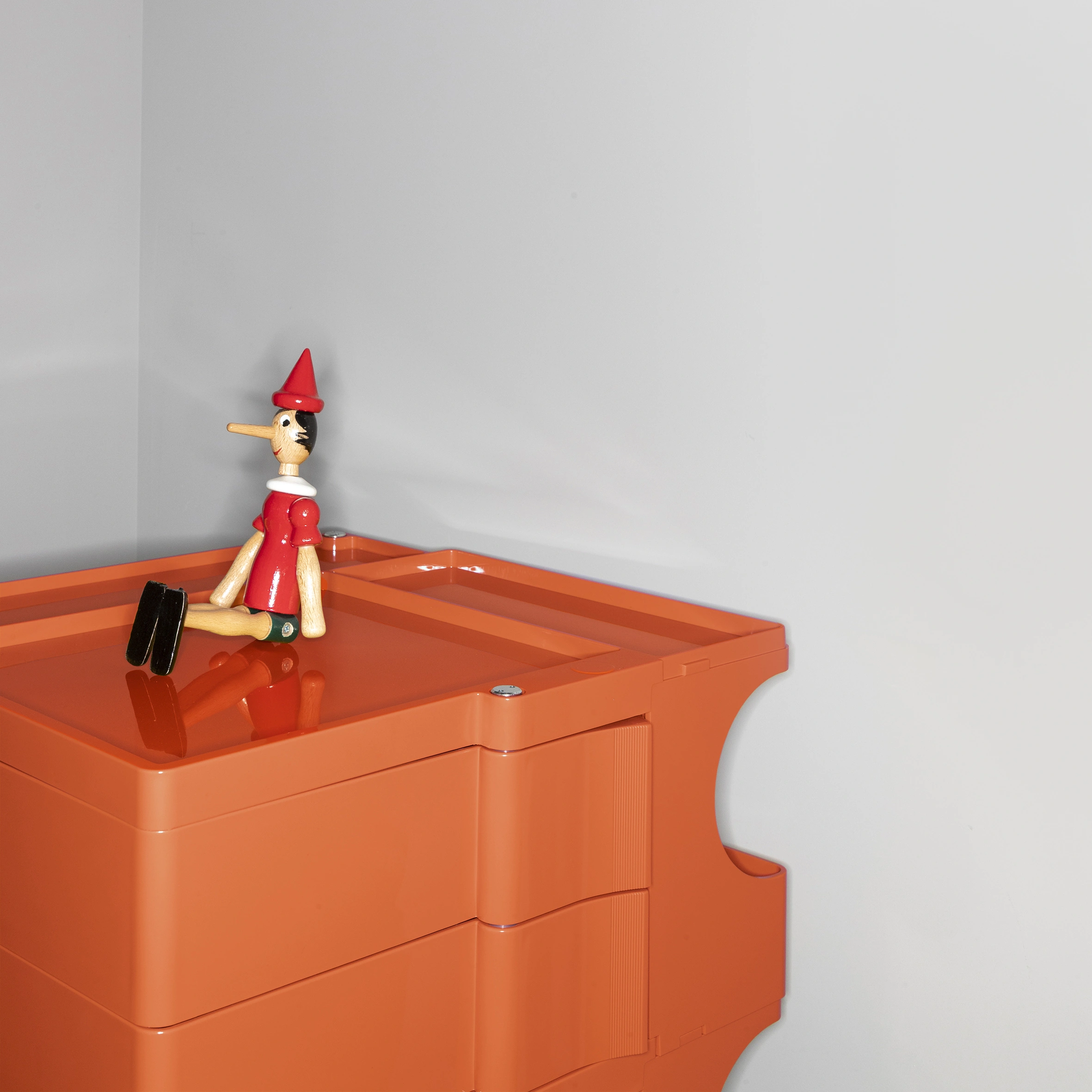
Joe Colombo’s rolling storage trolley, with three levels and four swing-out trays. A compact home for tools and everyday odds and ends.
Image source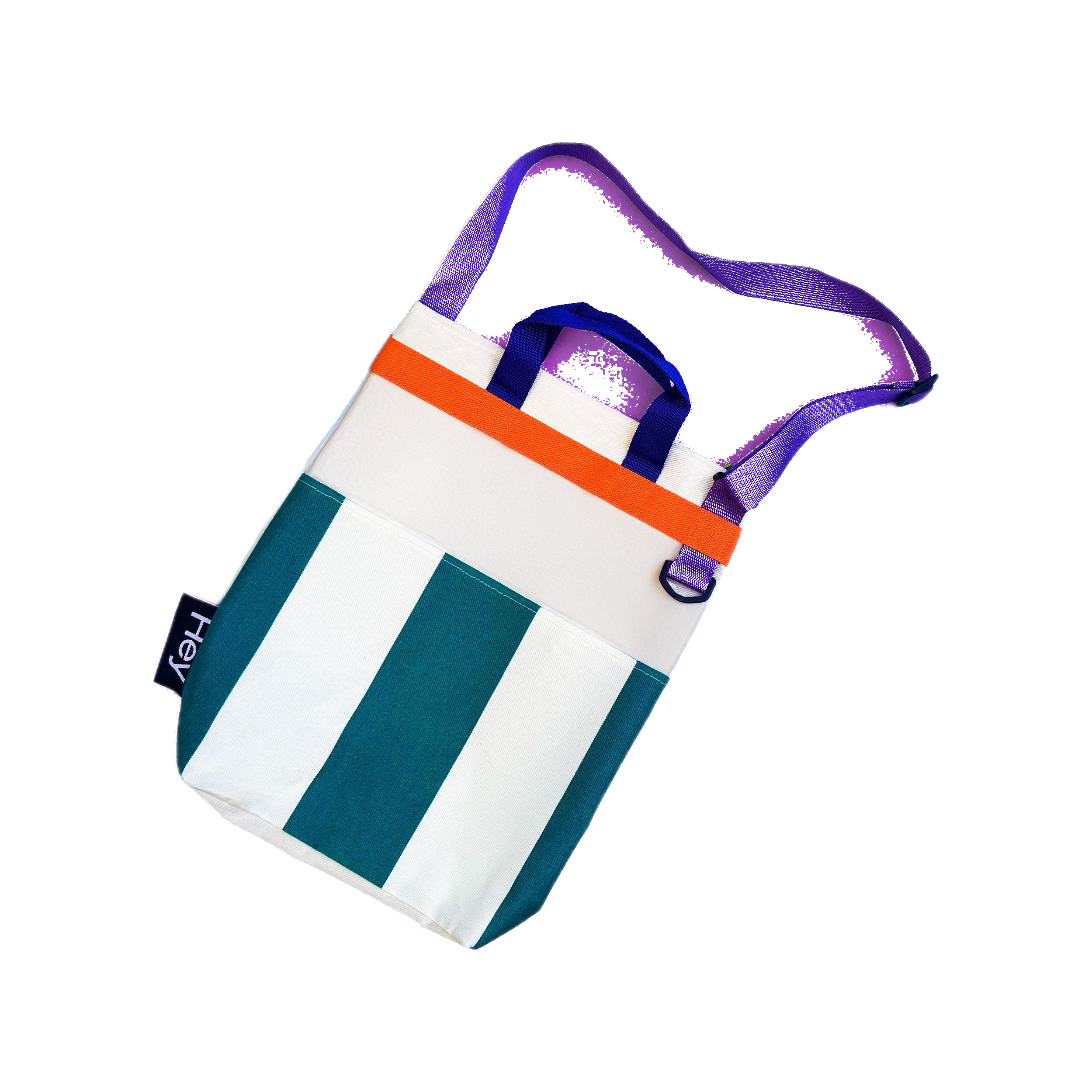
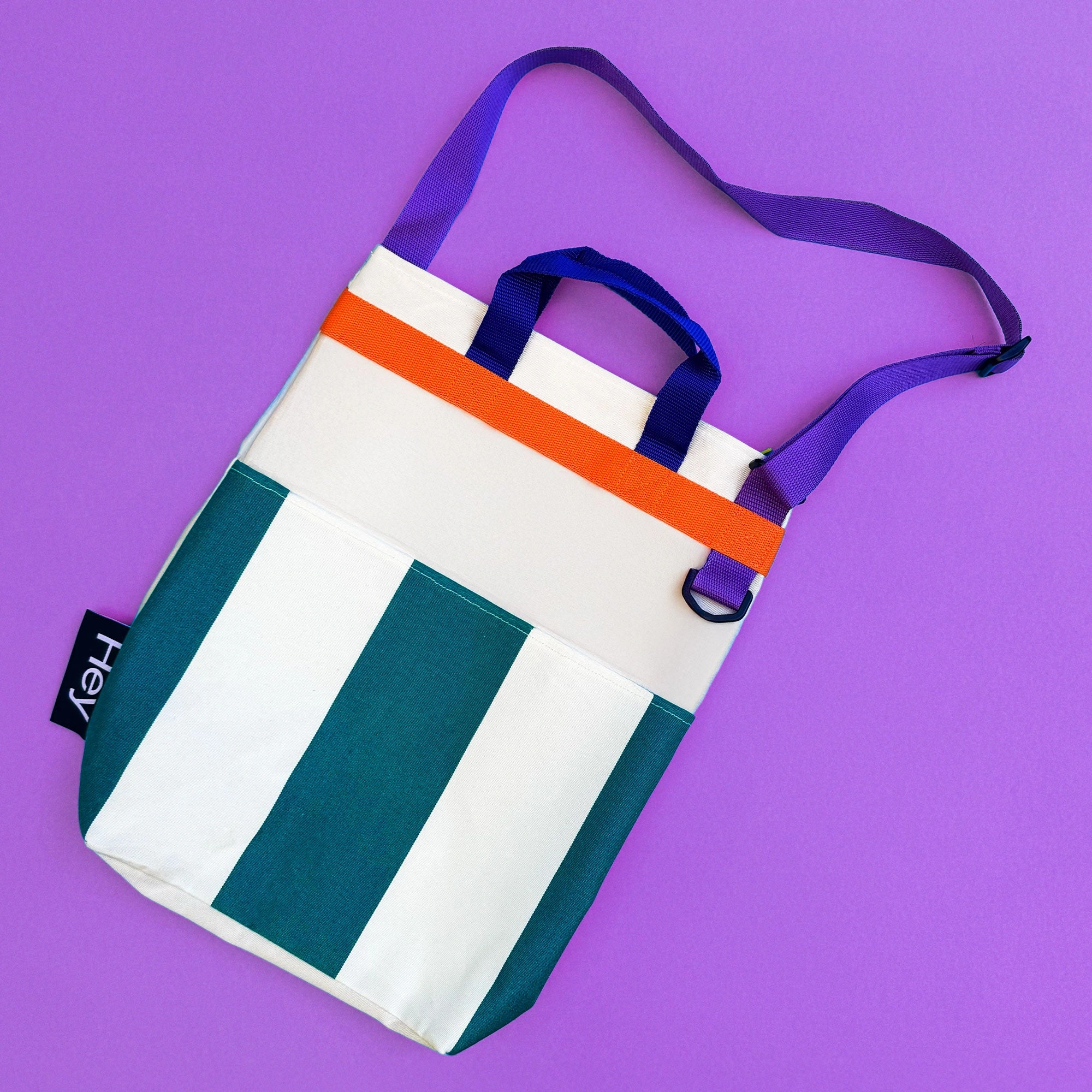
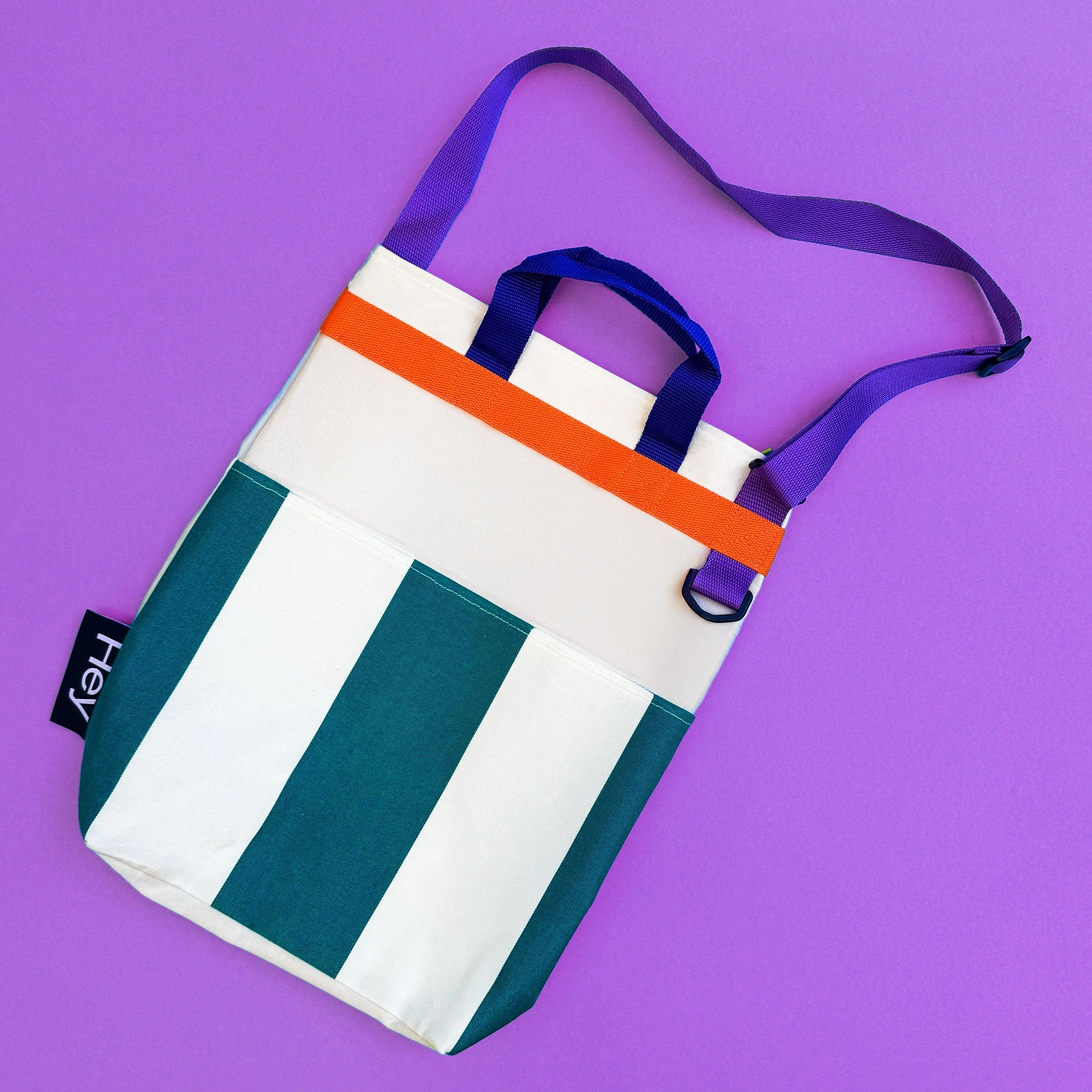
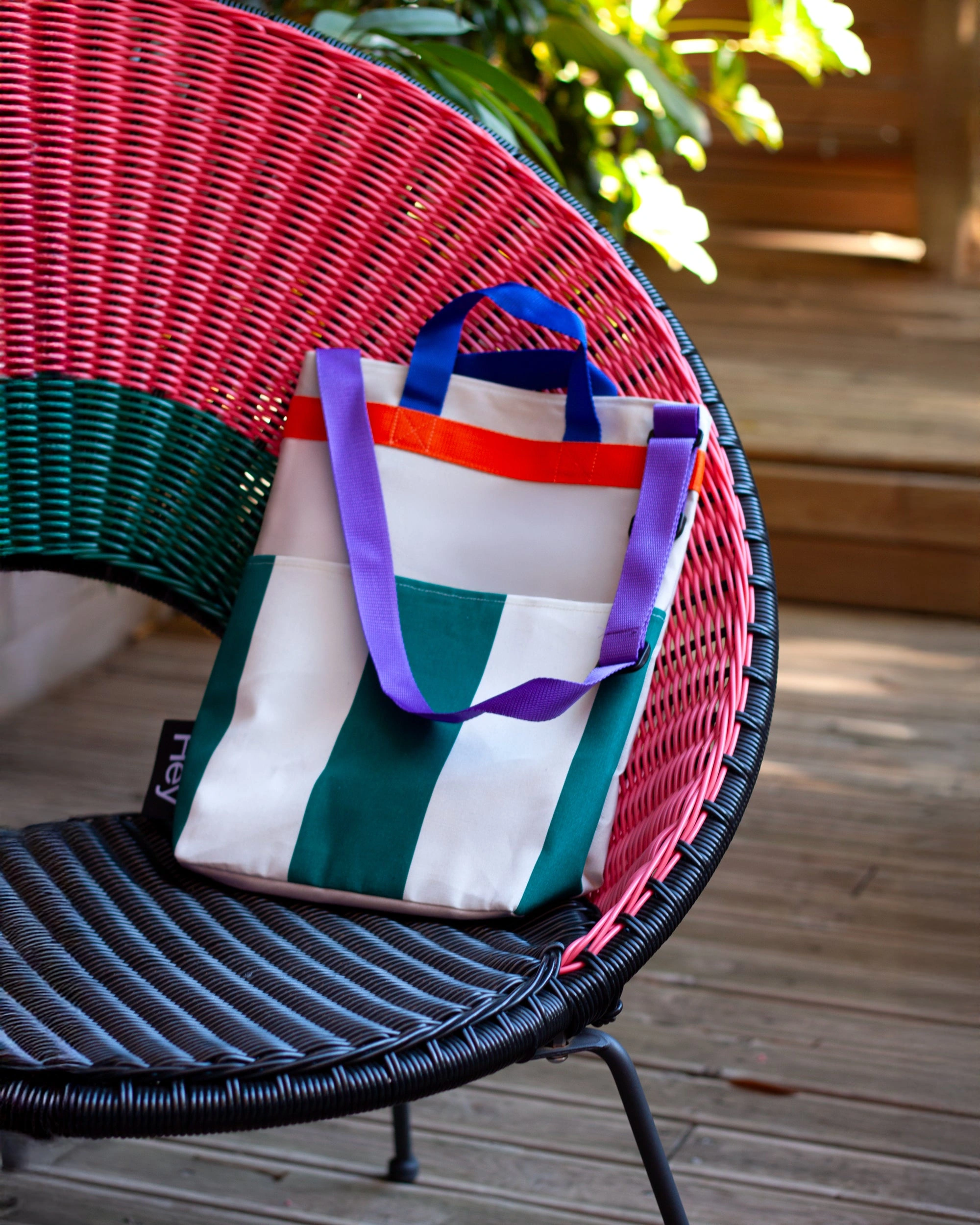
A striped everyday bag designed with Júlia Esqué and made by Nukak. Locally woven awning fabric brings color, structure, and weather resistance to a familiar shape.
Image source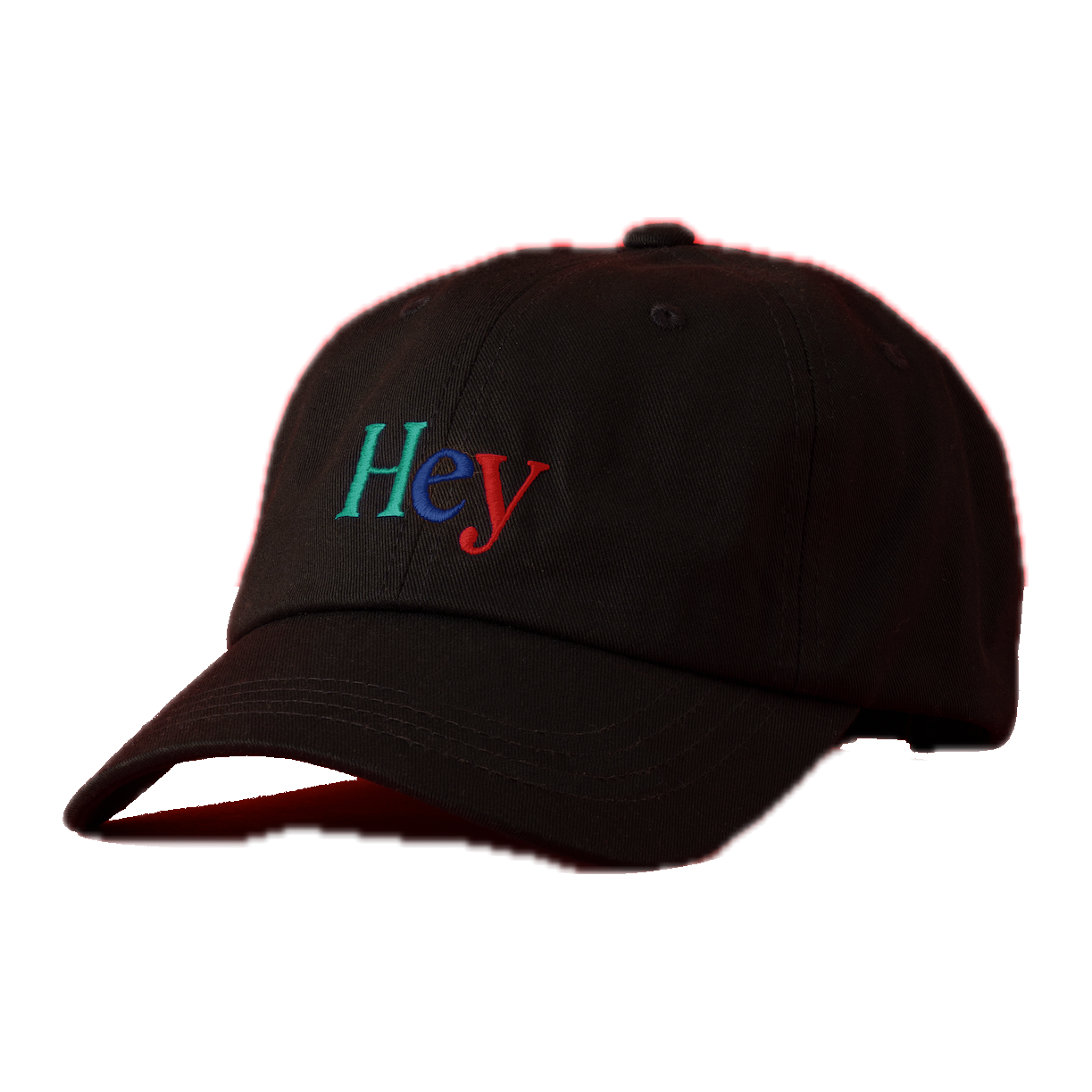
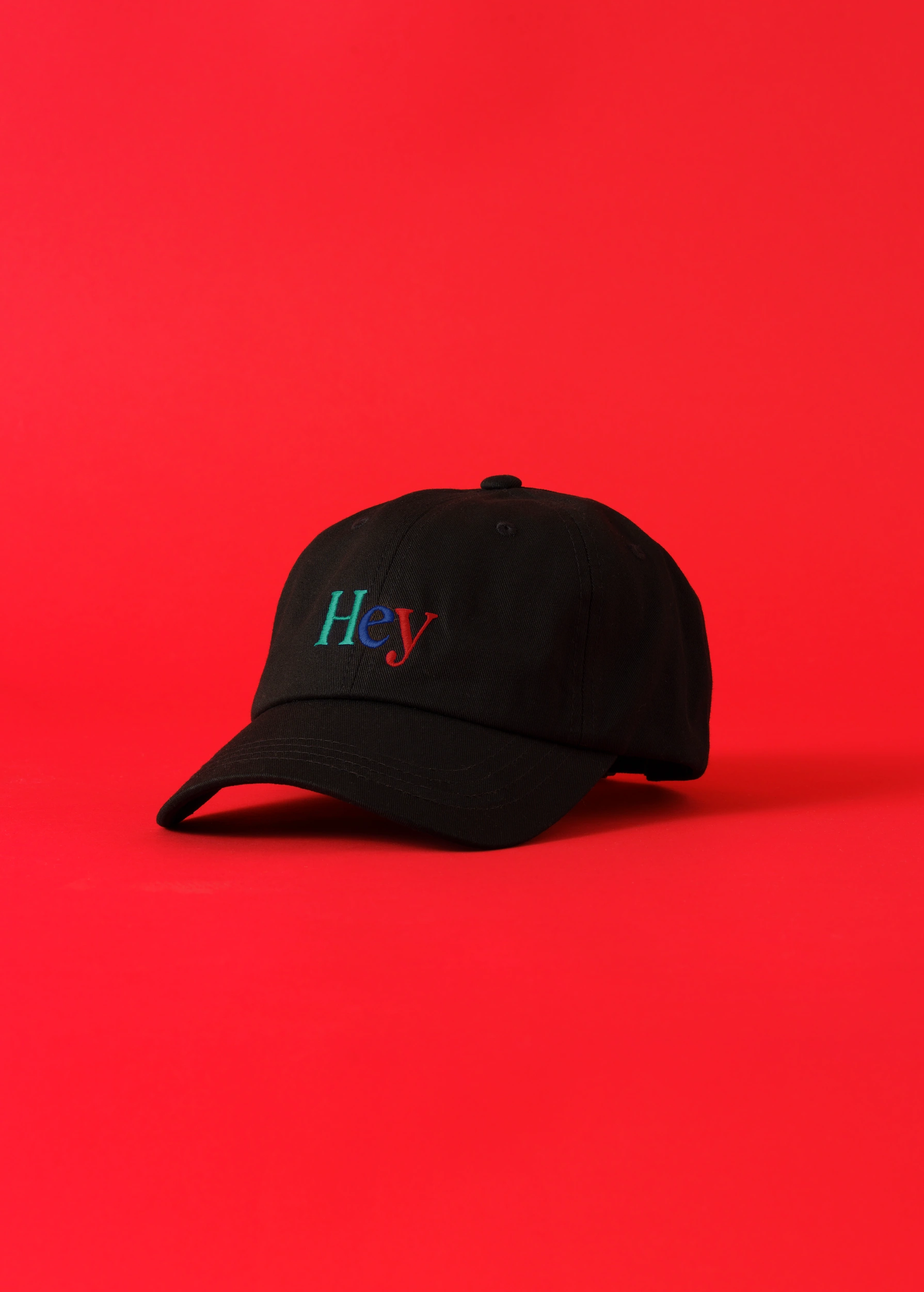
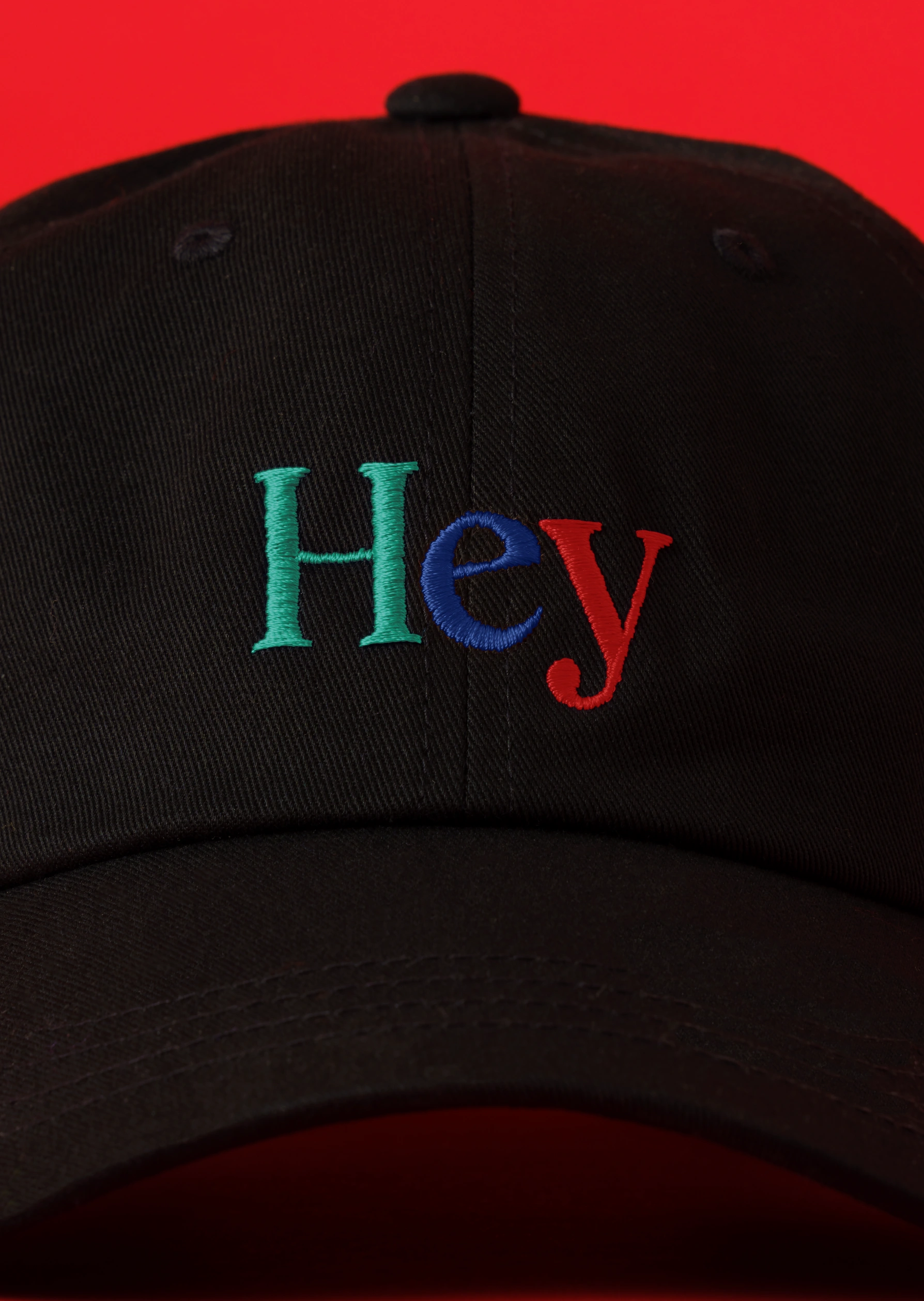
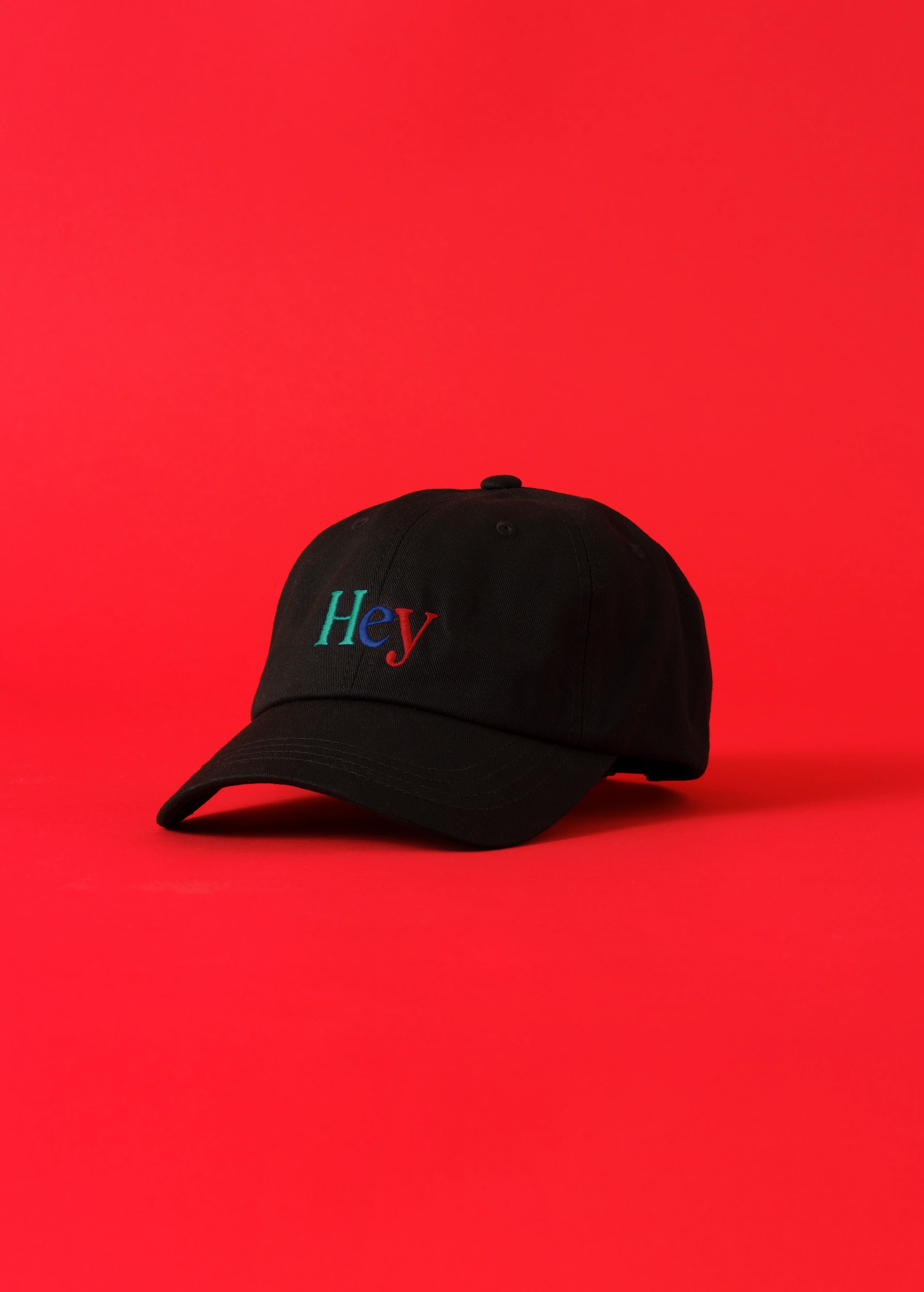
A black cotton cap with a curved brim and multicolored Hey embroidery. Made in Barcelona, with a simple shape and one bright detail.
Image source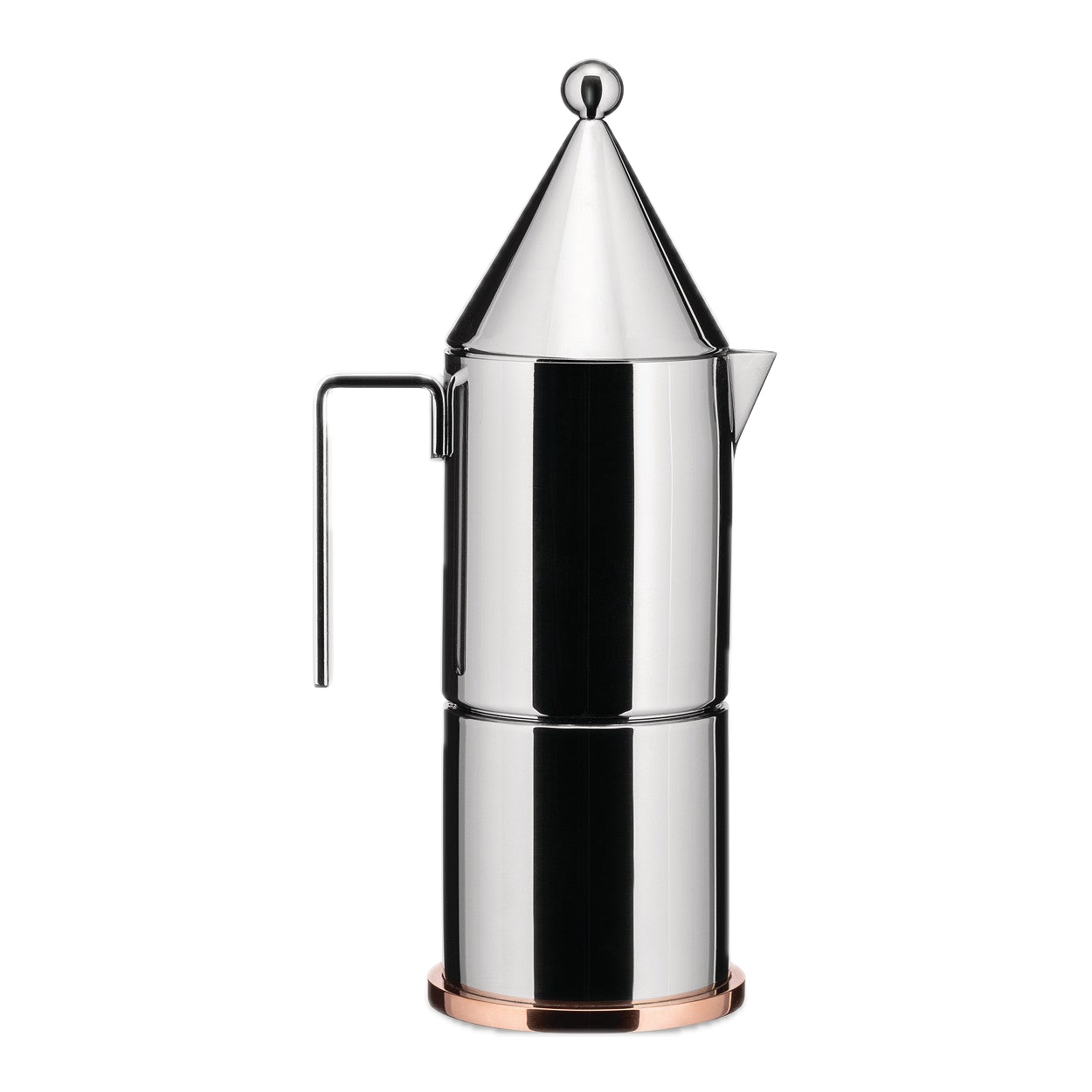
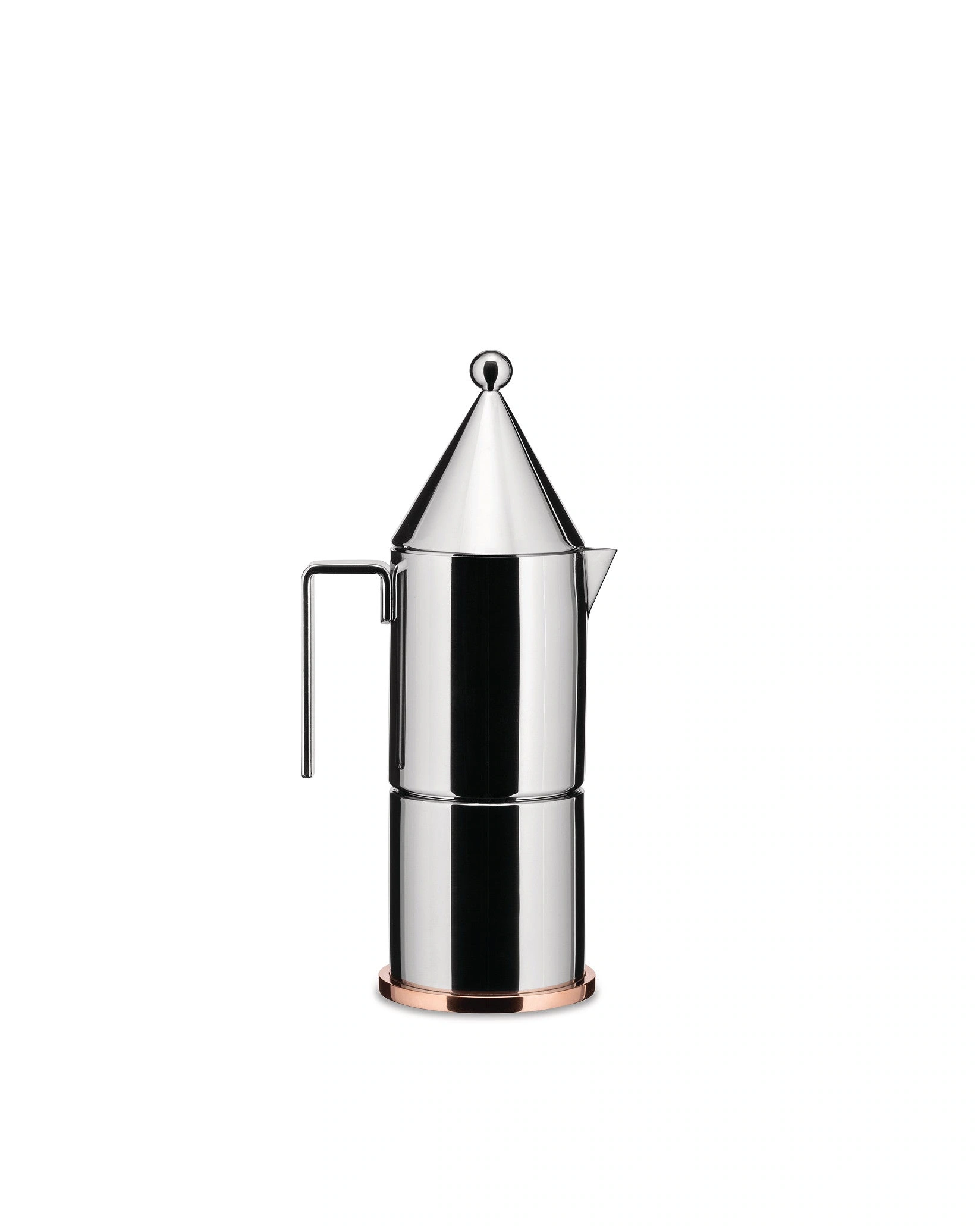
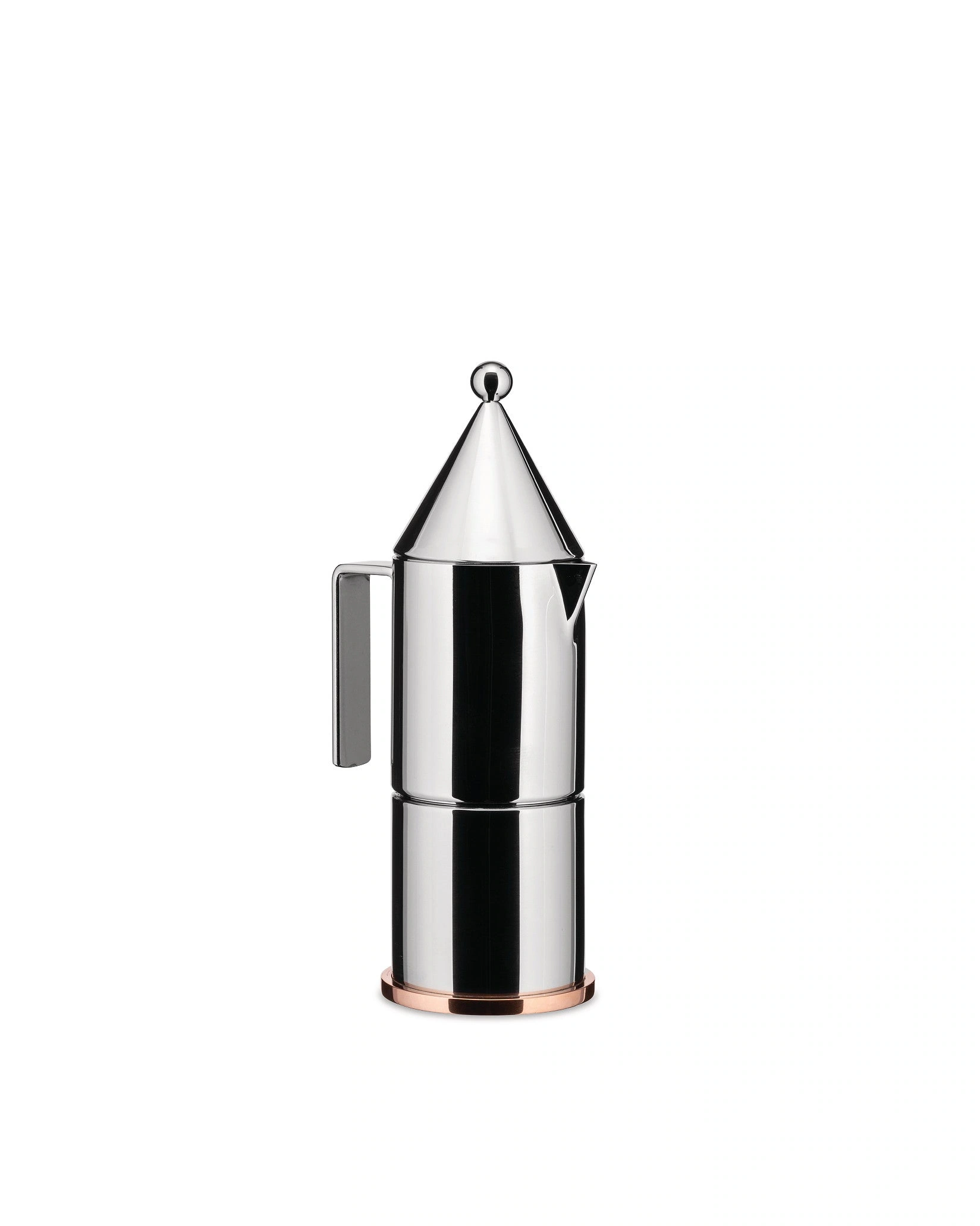
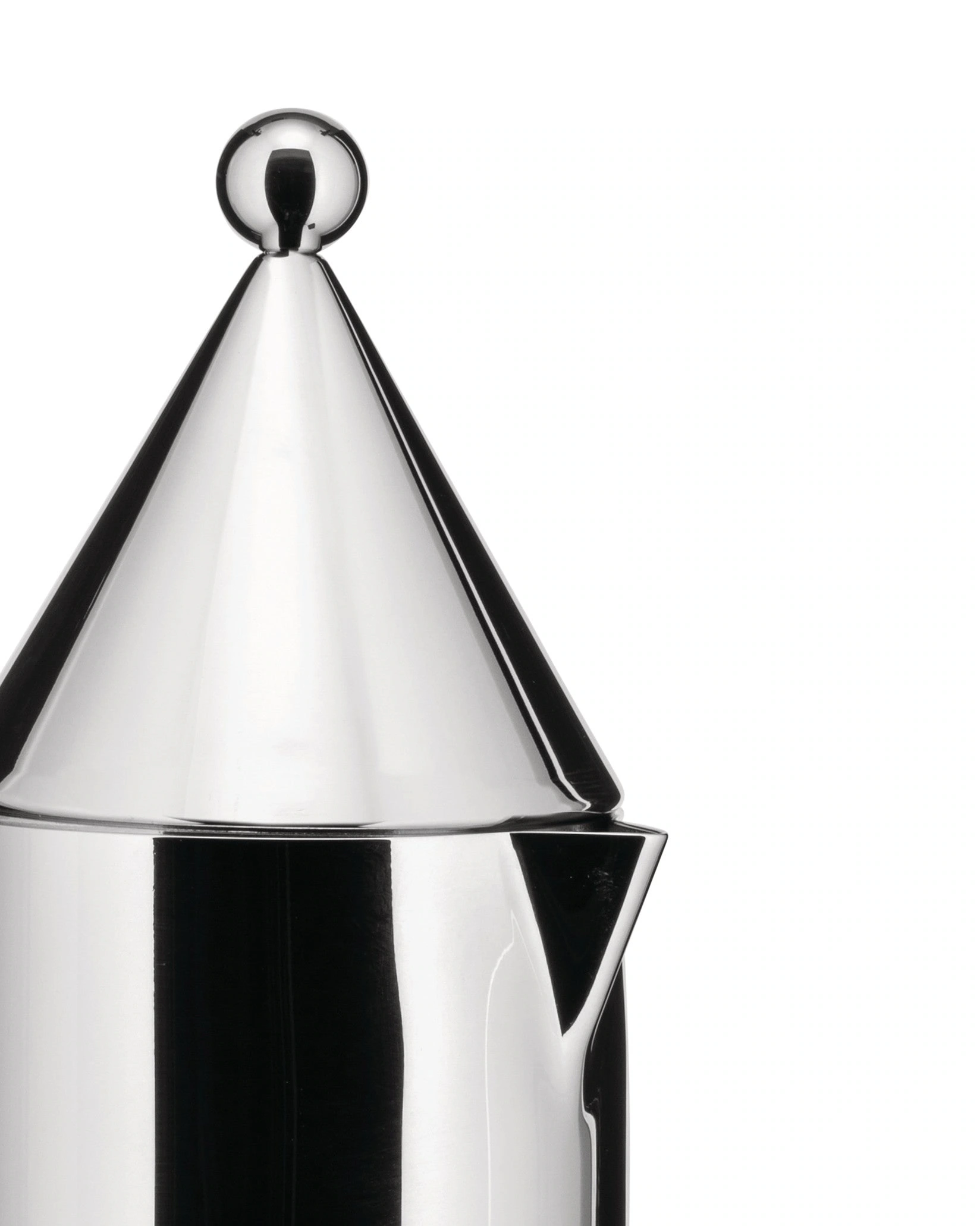
Aldo Rossi’s stovetop espresso maker turns a cylinder and a cone into a small piece of architecture. Polished stainless steel sits on a copper base.
Image source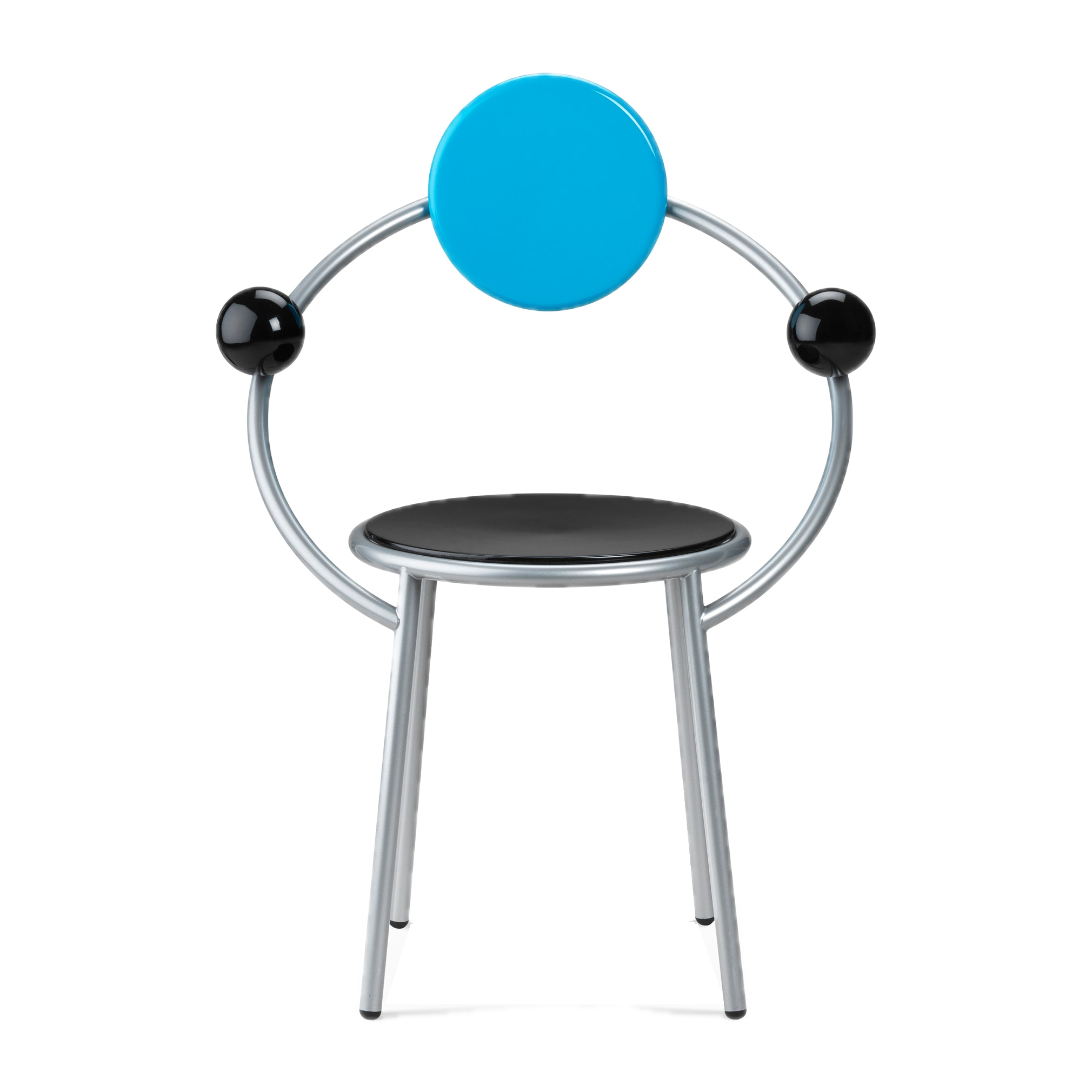
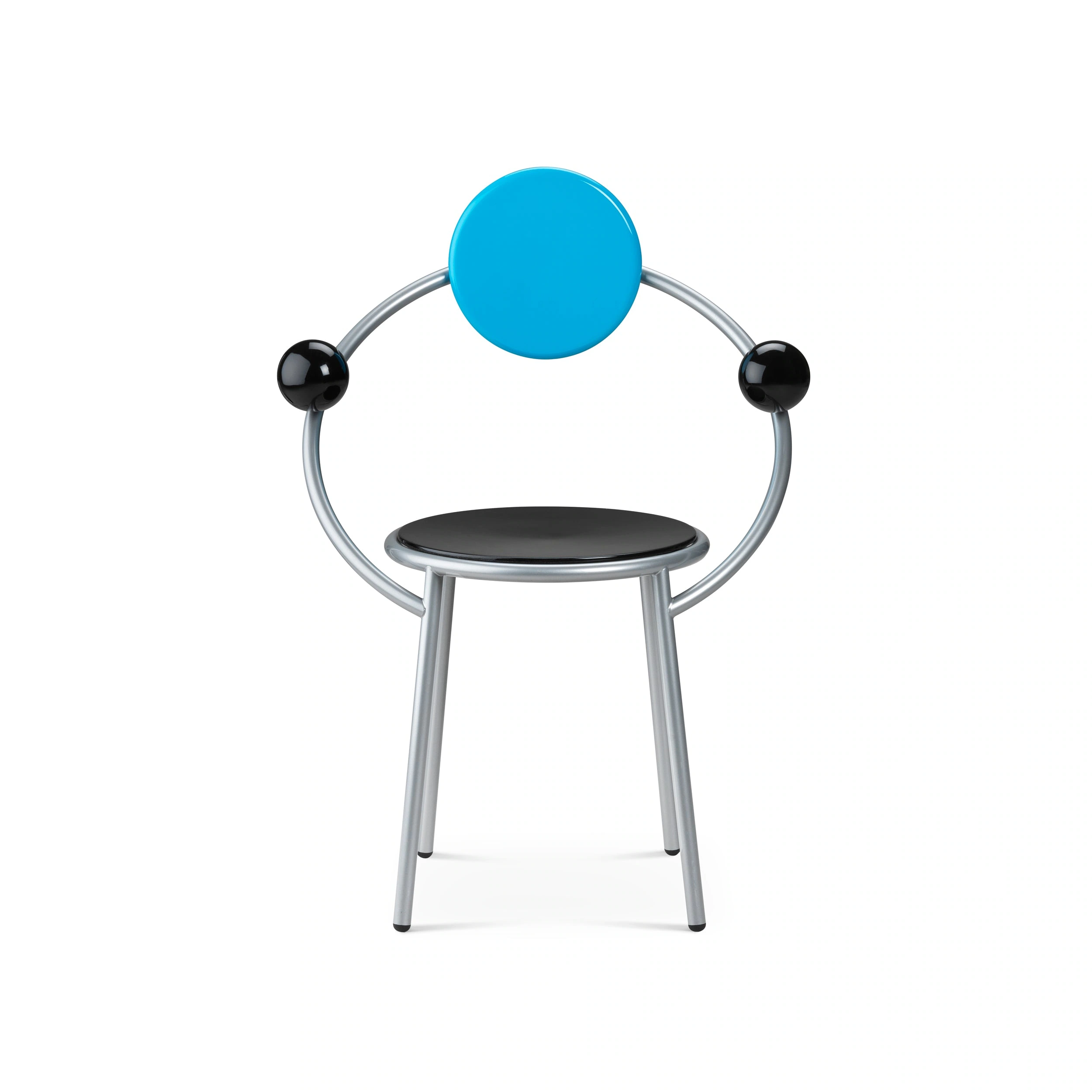
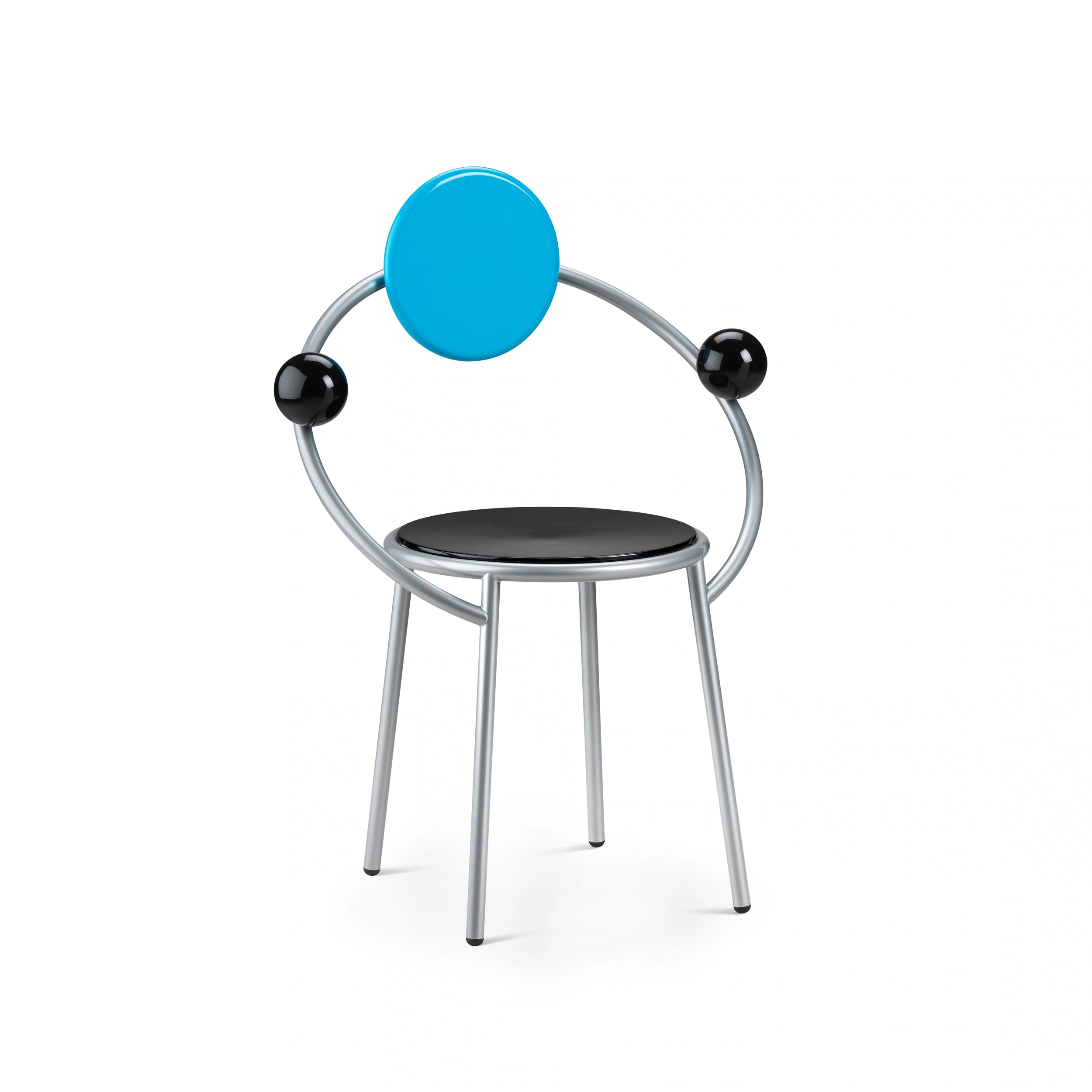
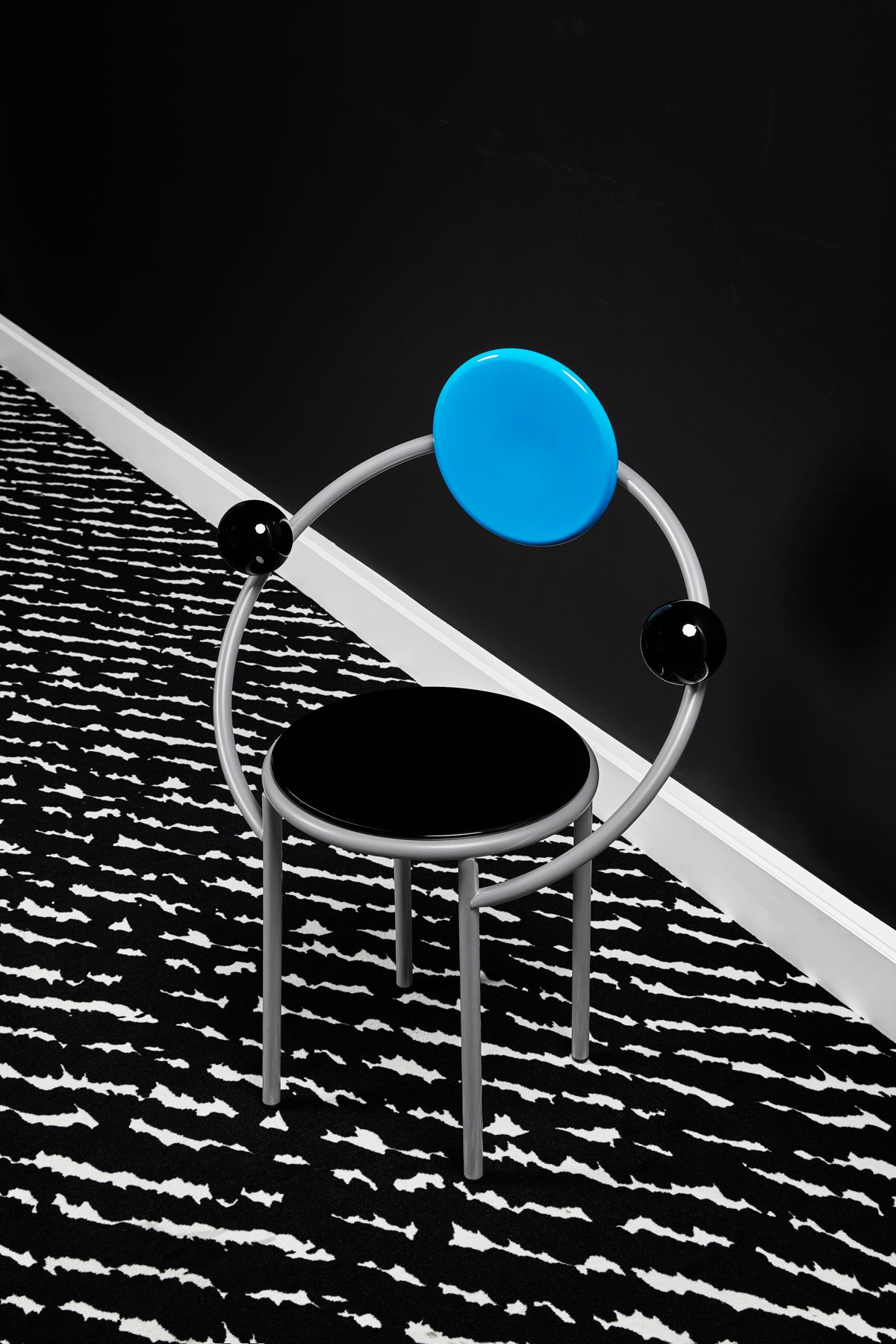
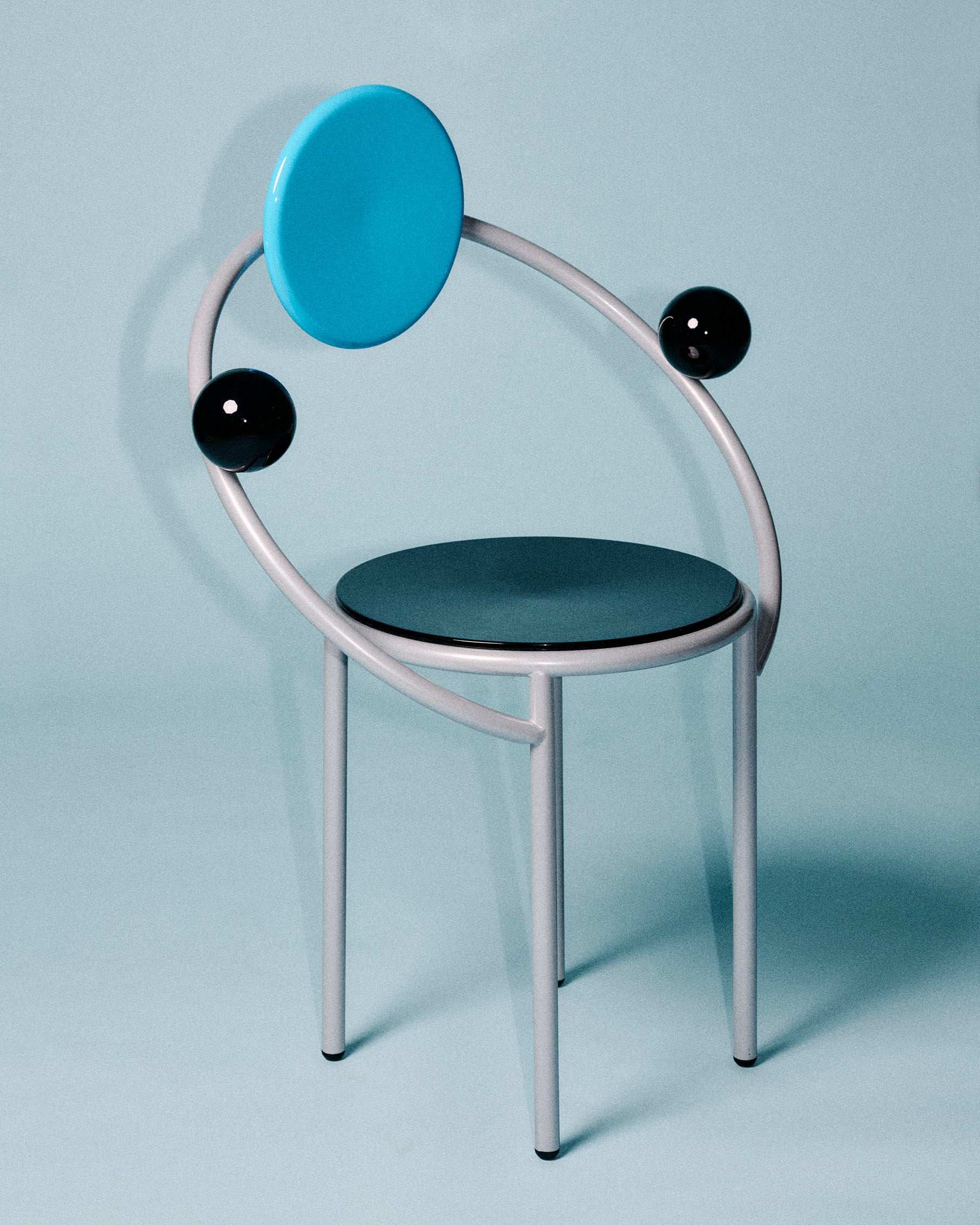
Michele De Lucchi’s 1983 chair brings a blue disc and two black spheres together on a curved metal frame. A seat with a playful sense of balance.
Image source
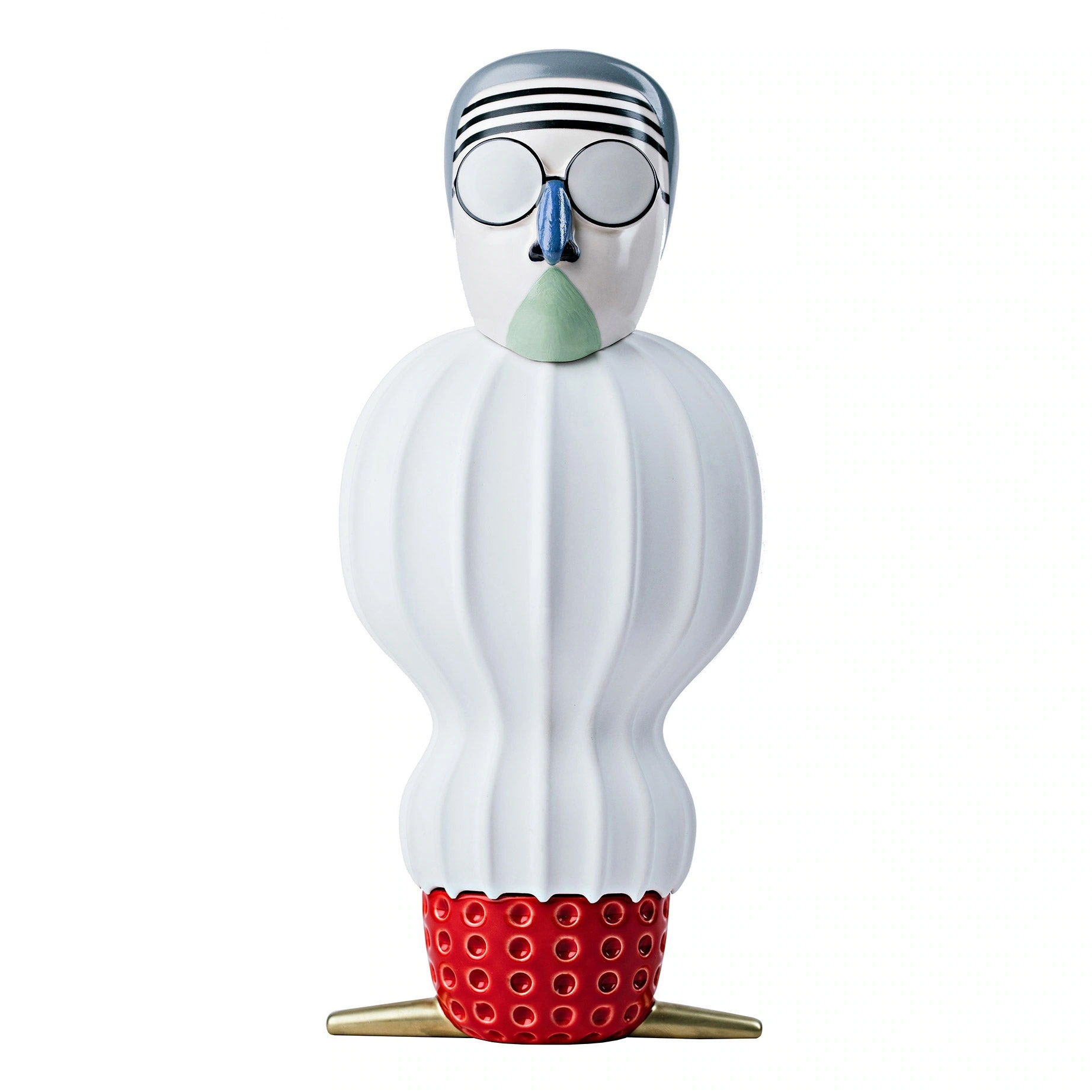
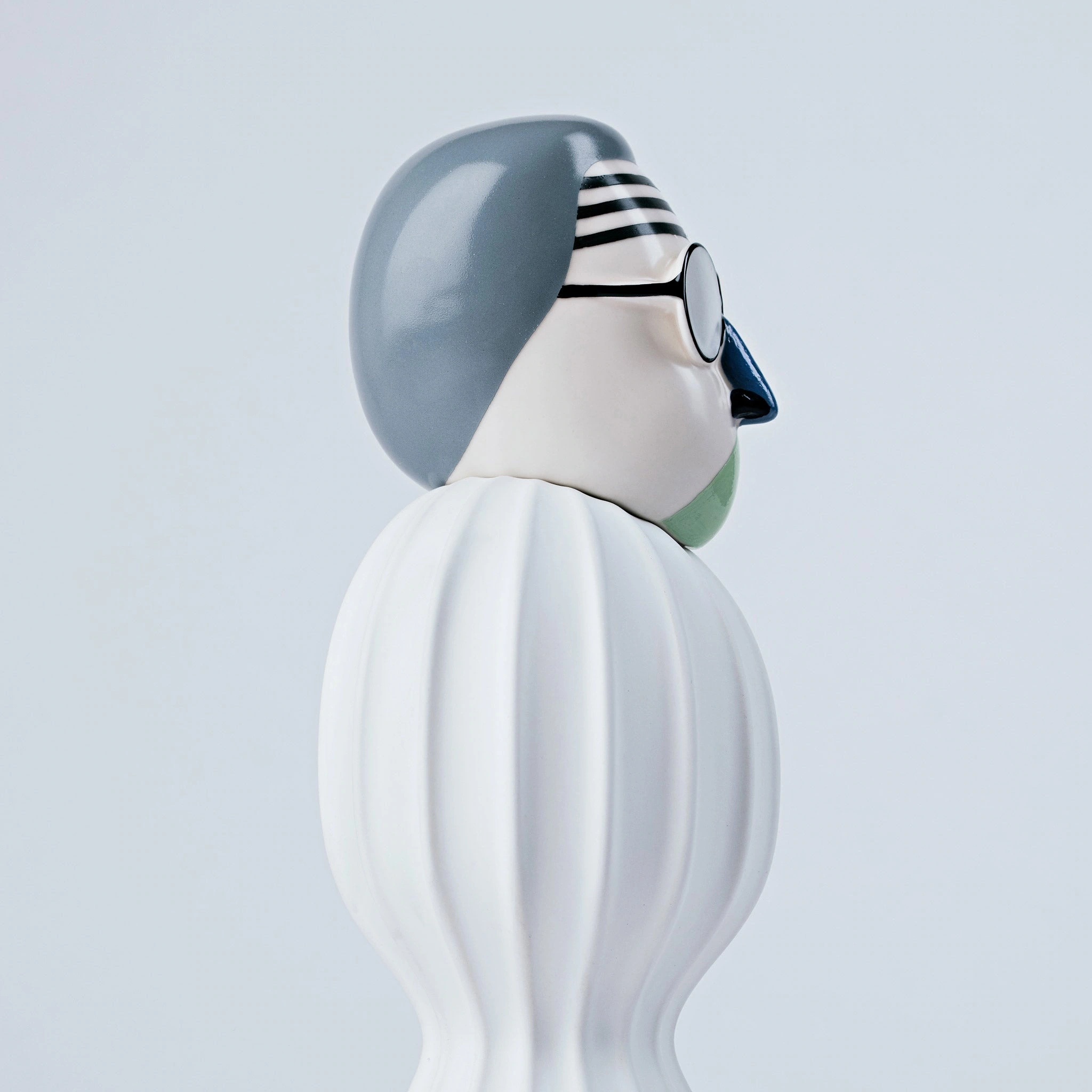
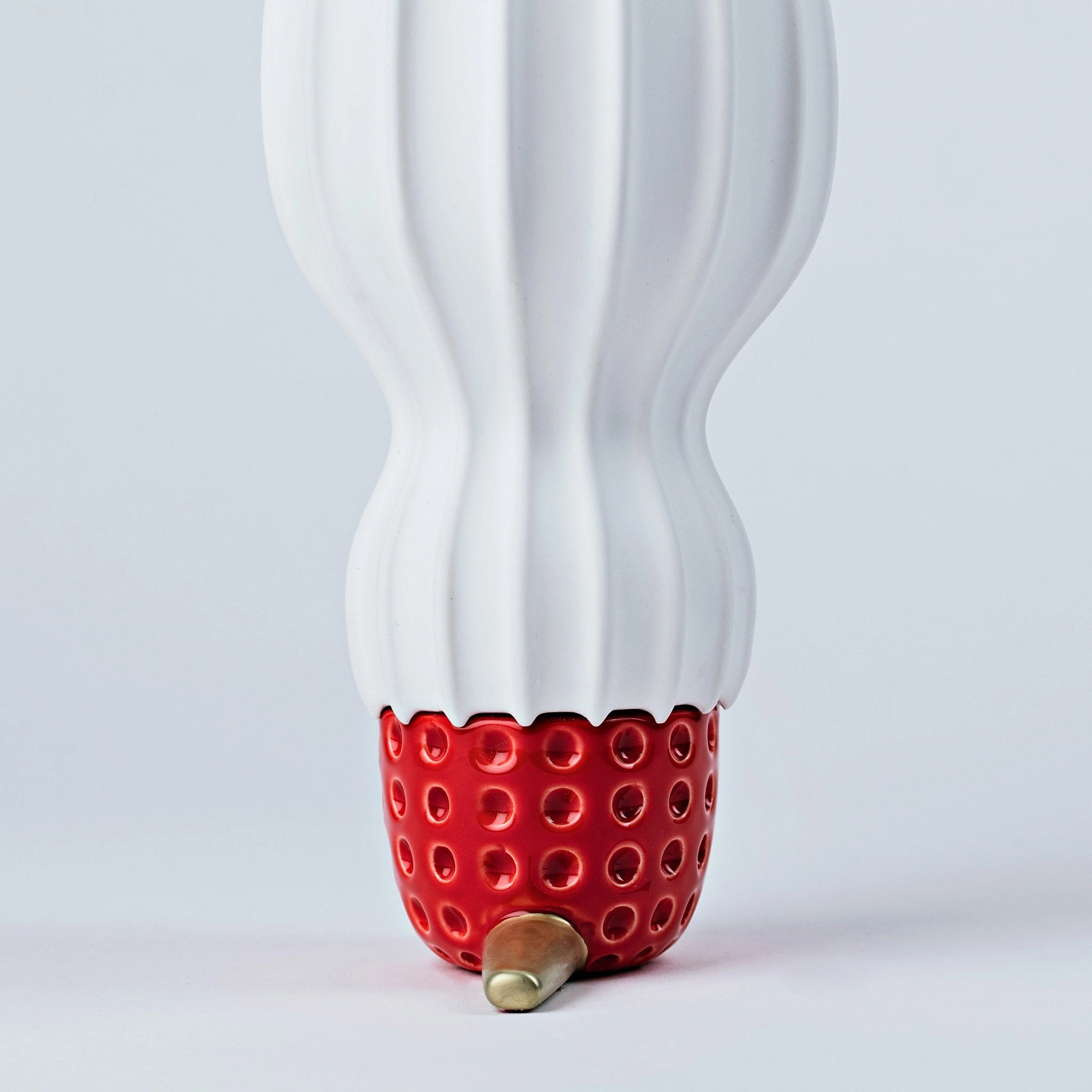
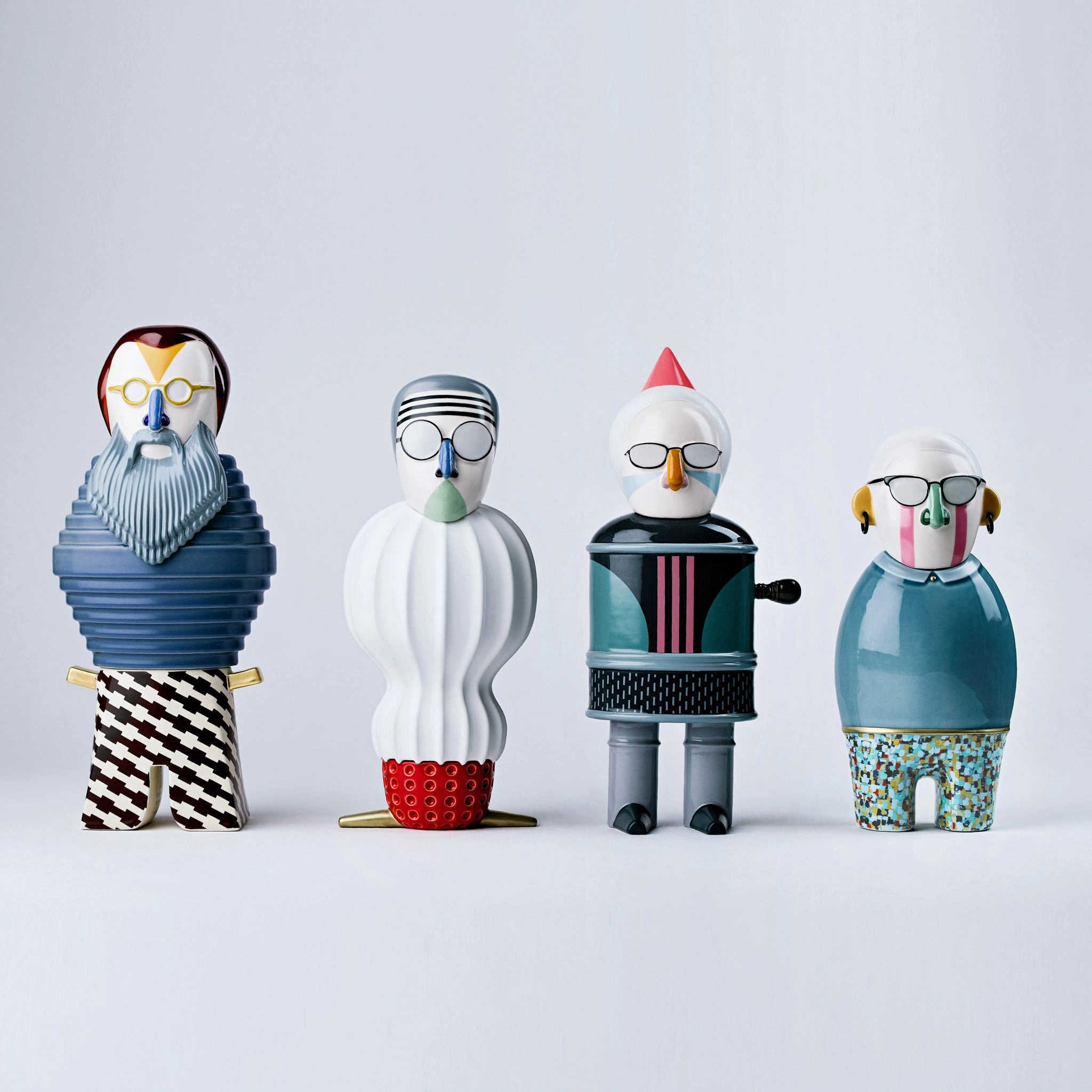
Elena Salmistraro’s ceramic tribute to Achille Castiglioni. Colorful glazes and stacked forms turn a designer and his work into a small, watchful character.
Image source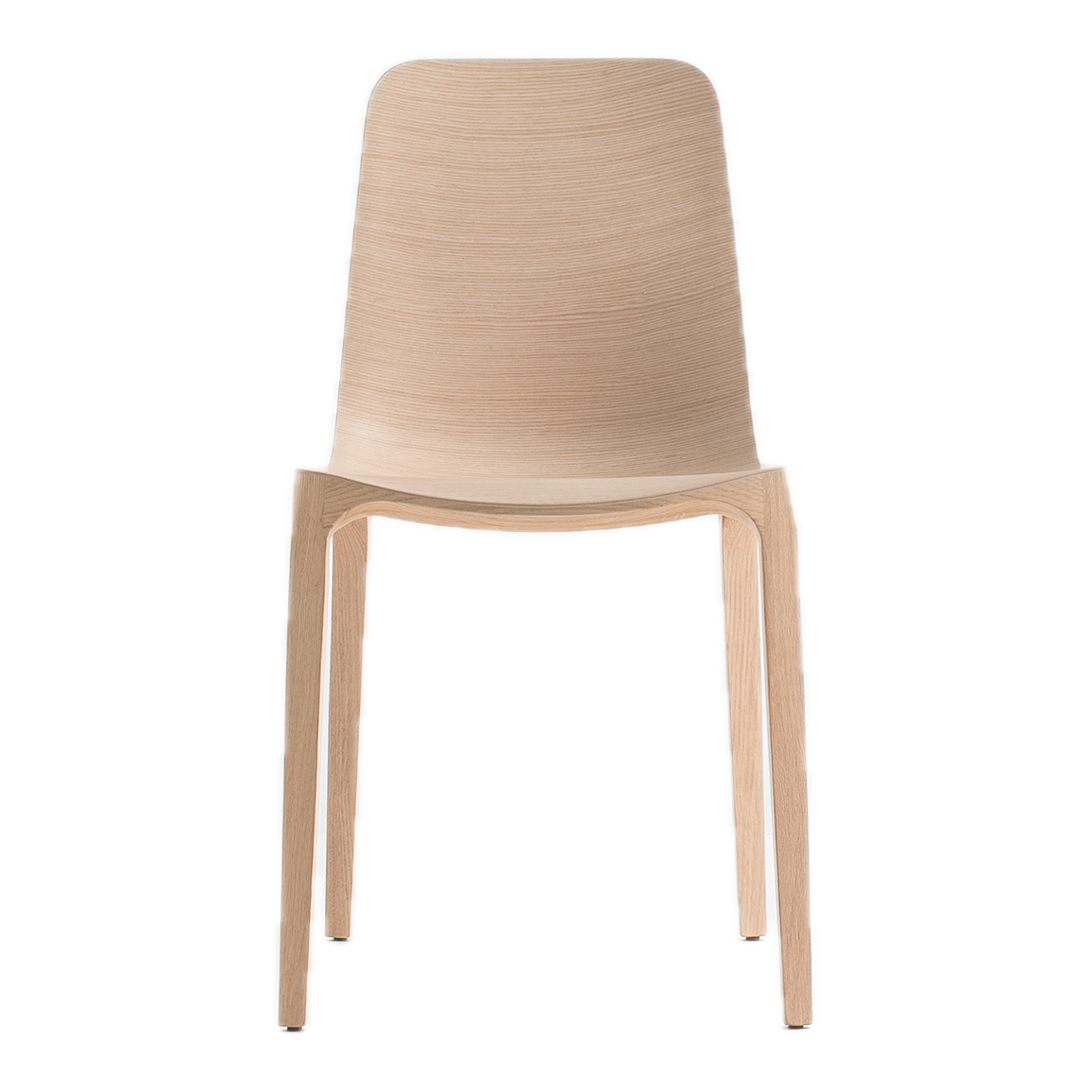
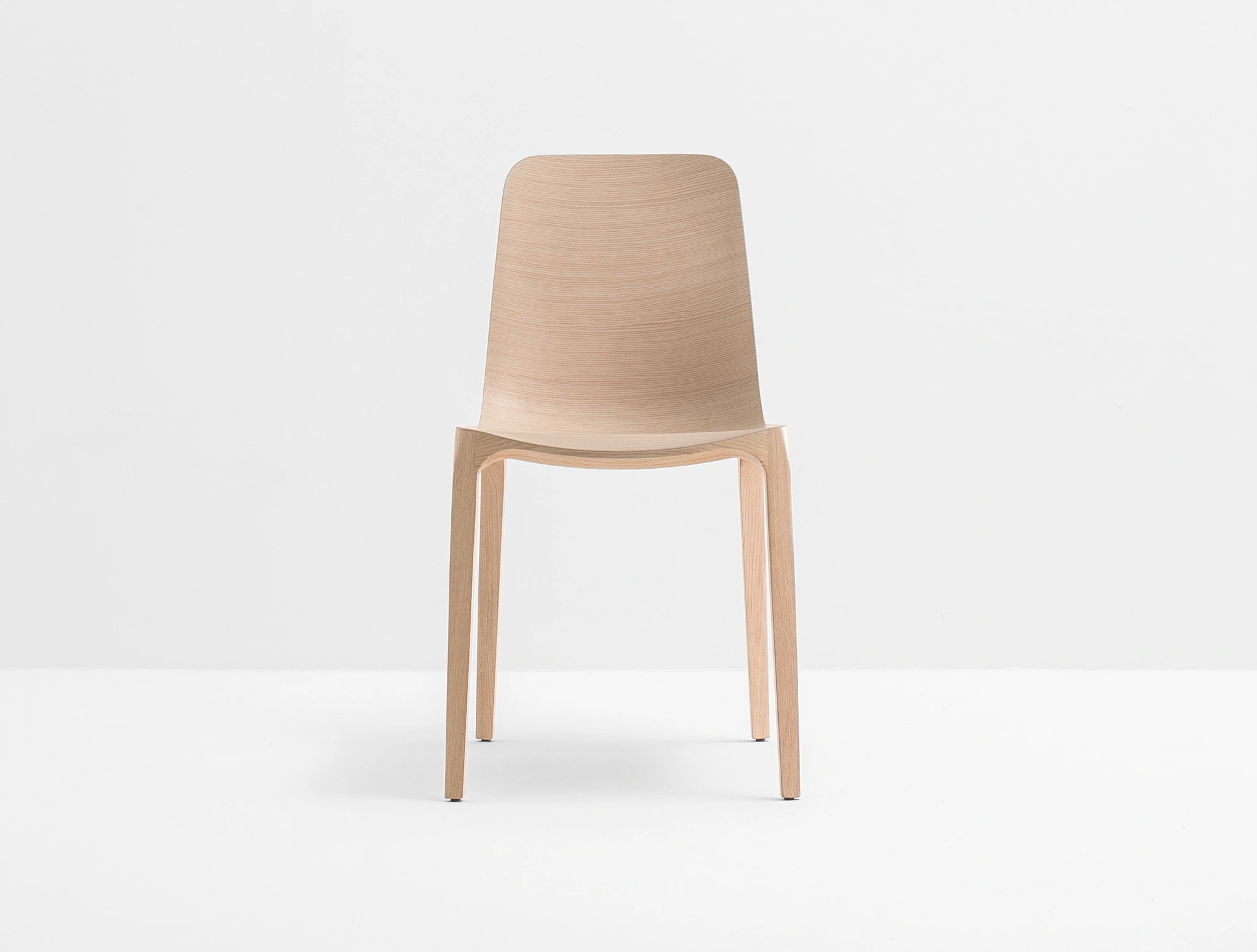
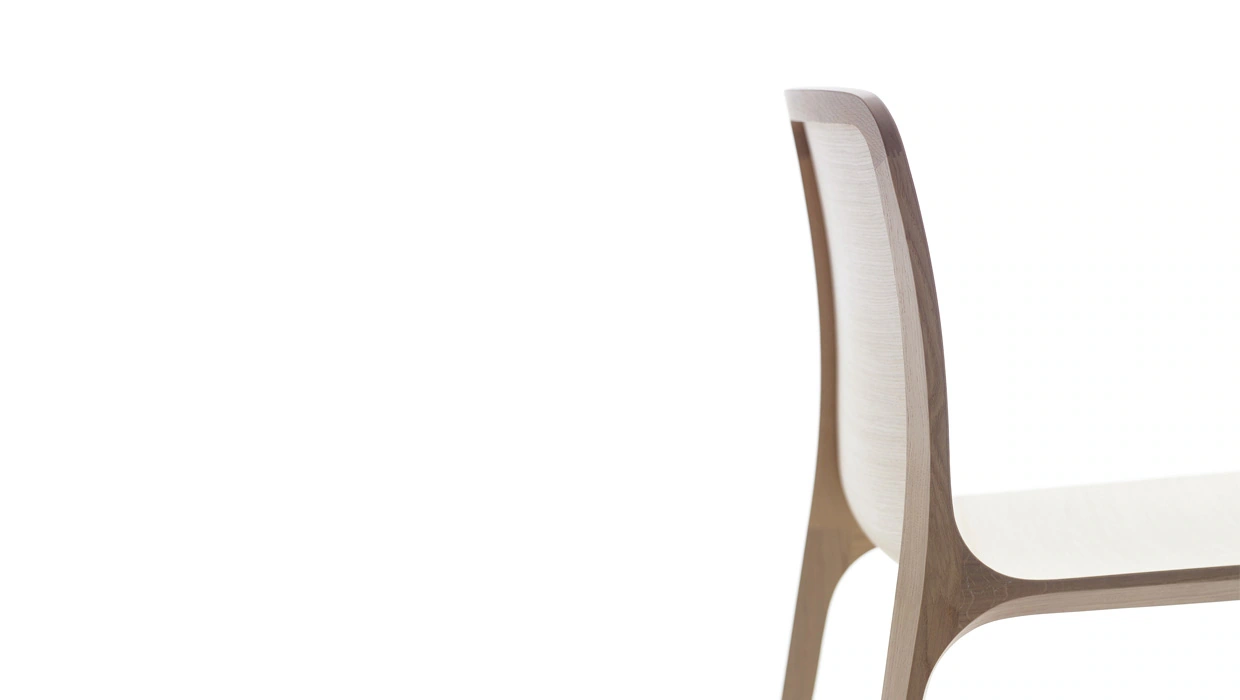
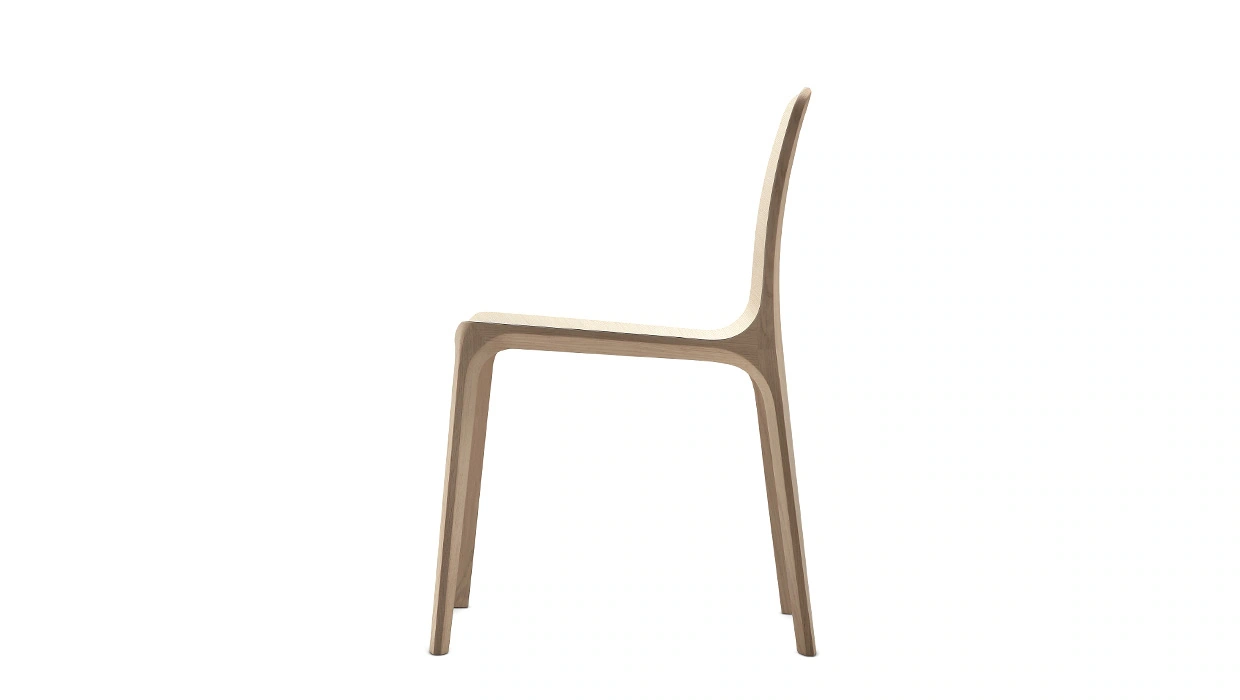
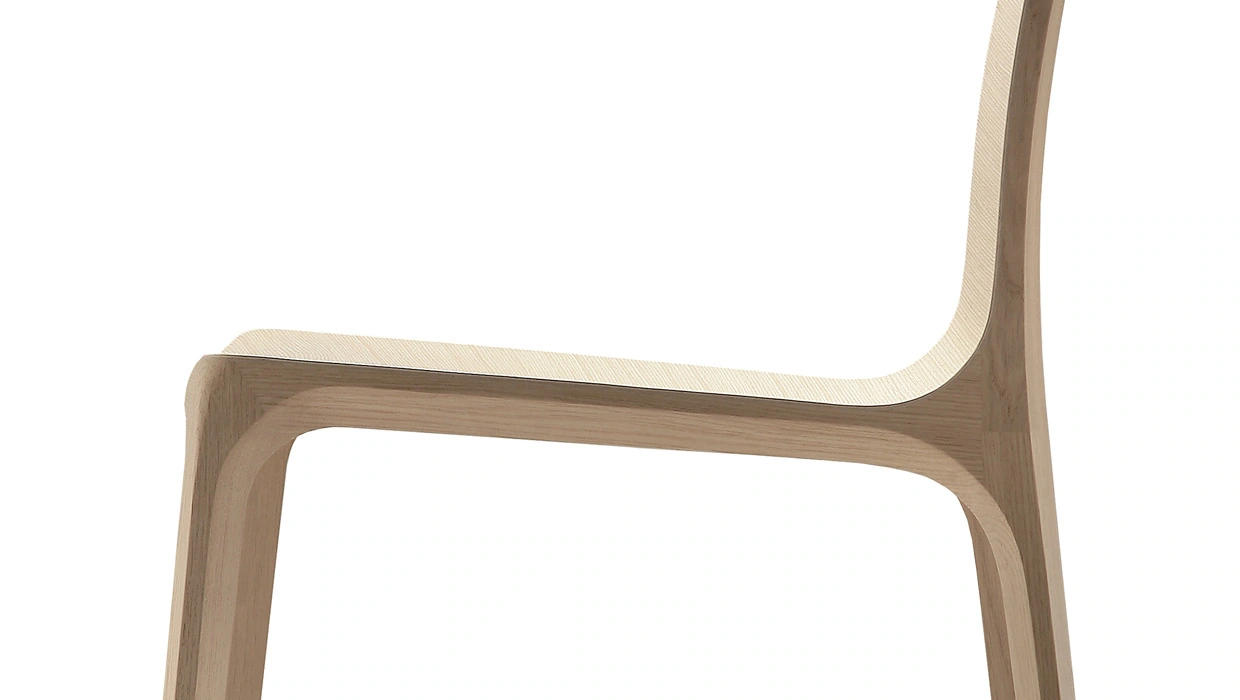
Odo Fioravanti’s oak chair pairs a solid wood frame with a thin, curved plywood shell. Light in appearance, with a quietly sculpted seat and back.
Image source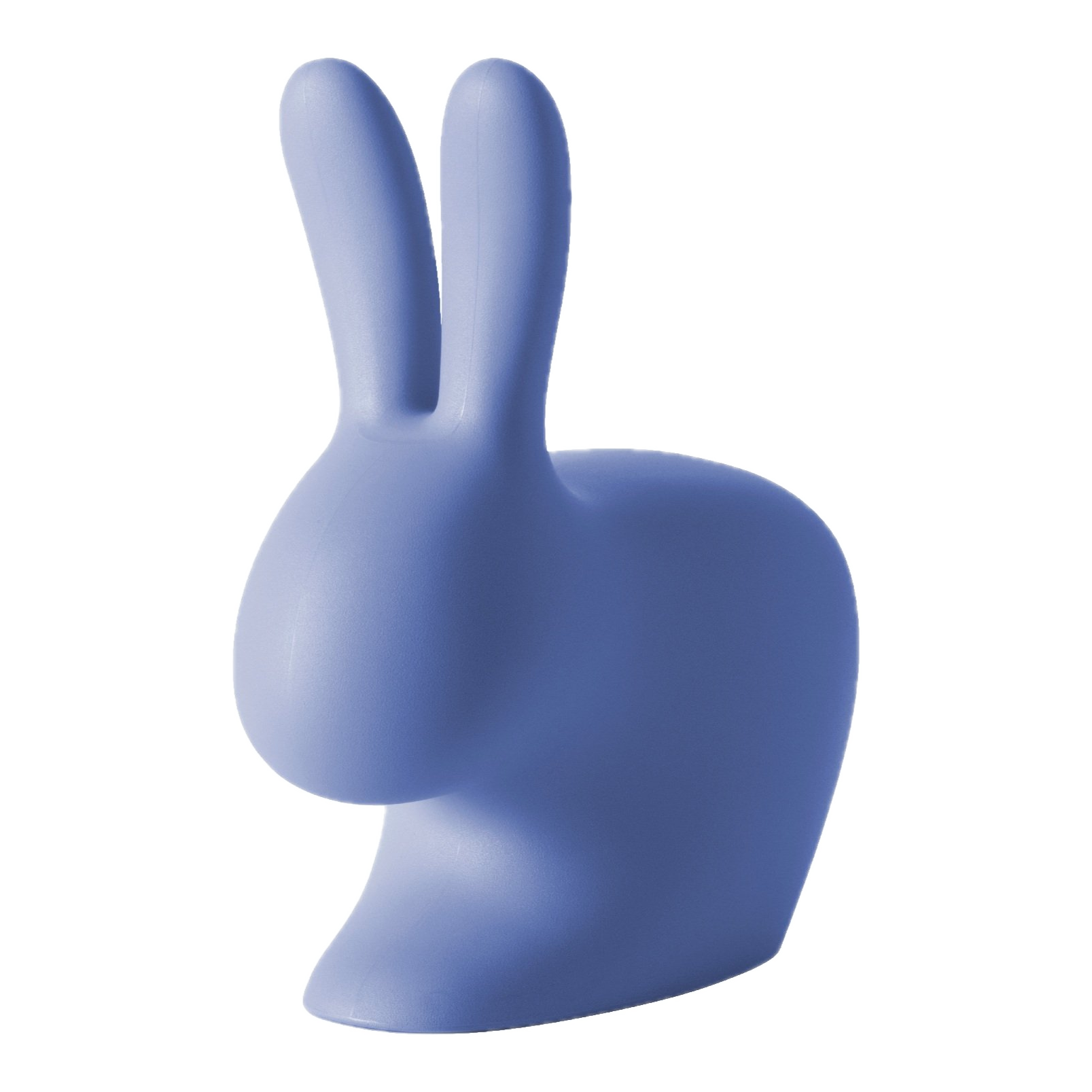
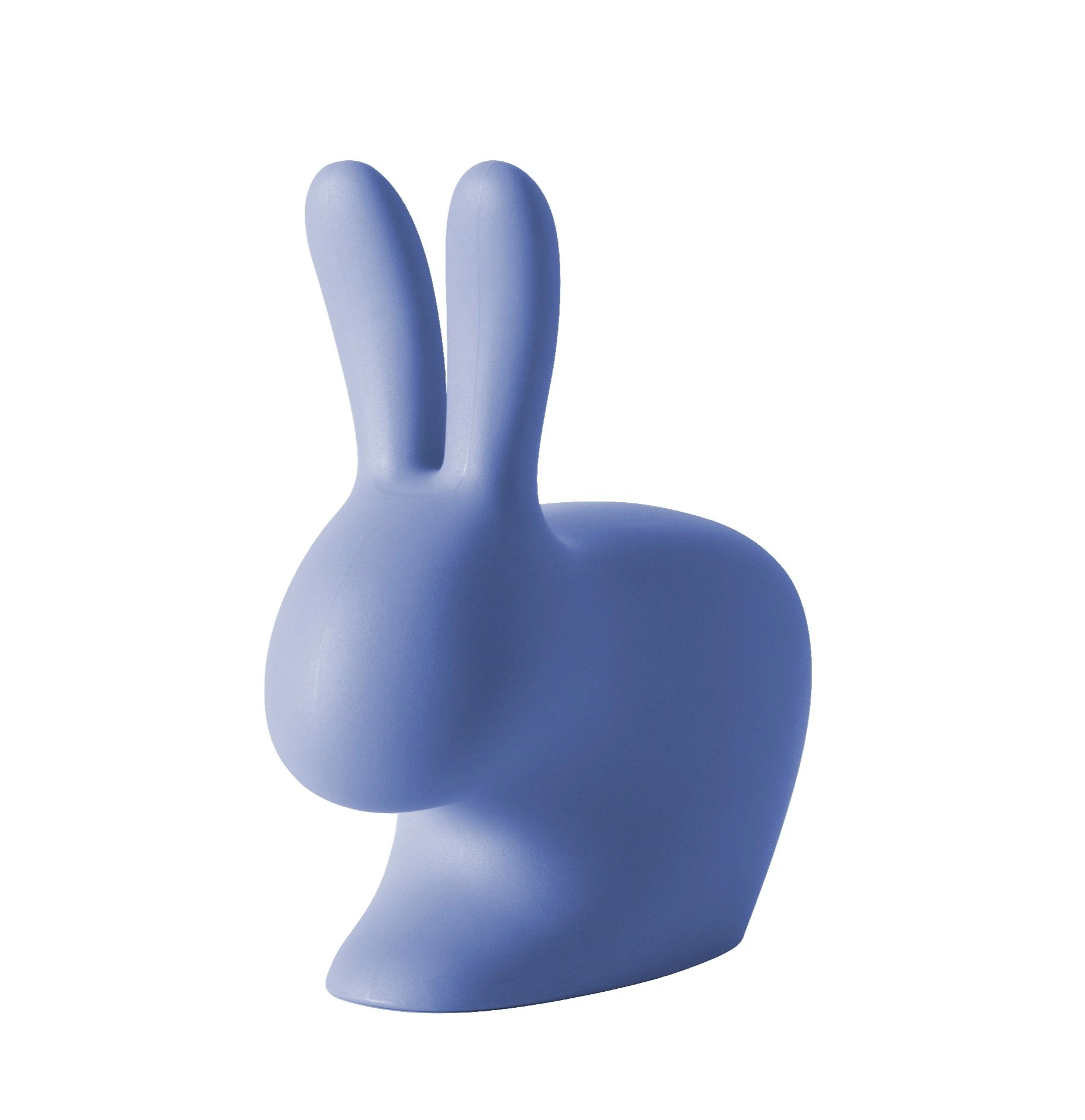
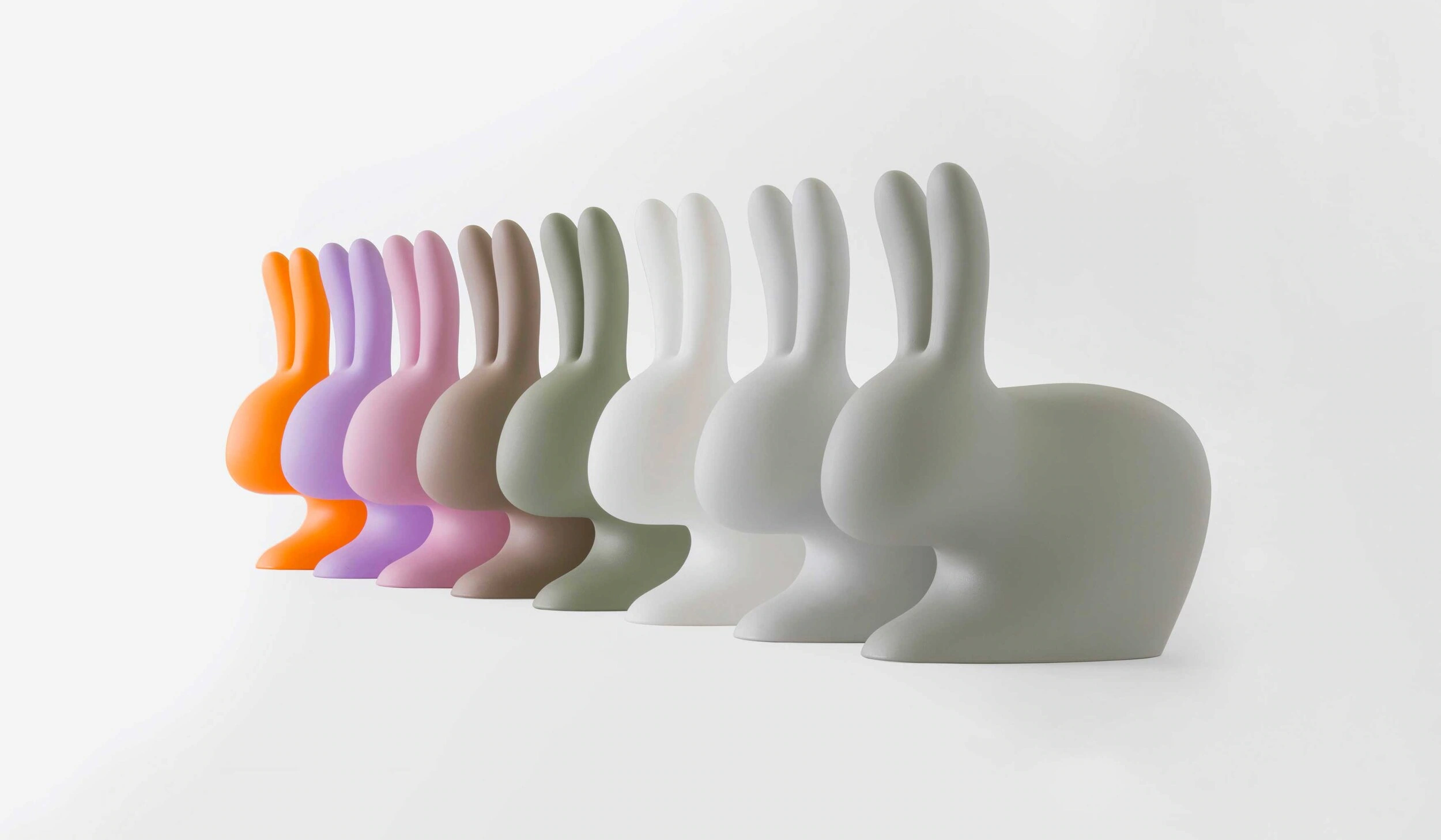
A rabbit-shaped chair by Stefano Giovannoni, for indoors or out. Its long ears work as a backrest, or a place to rest your arms when sitting the other way around.
Image source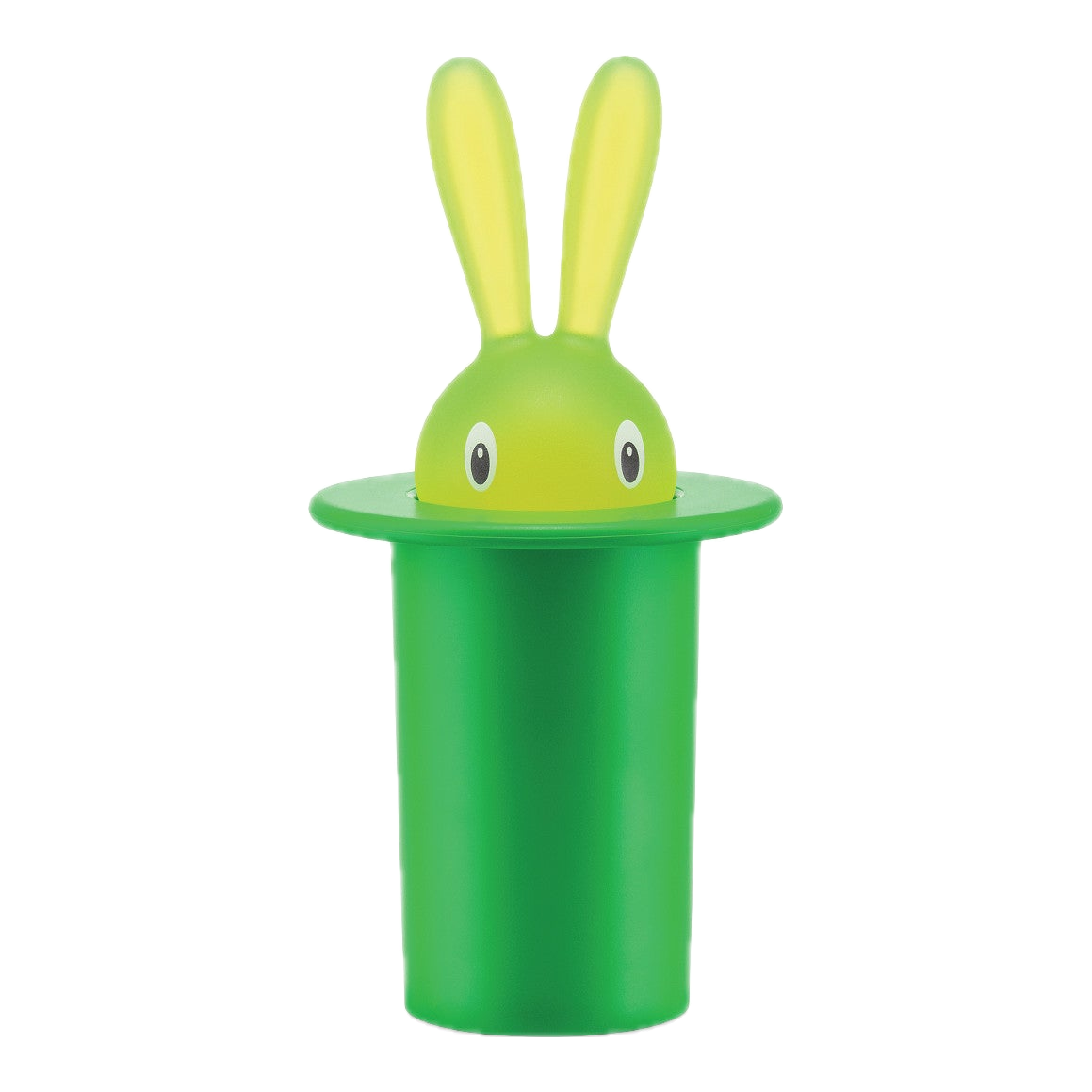
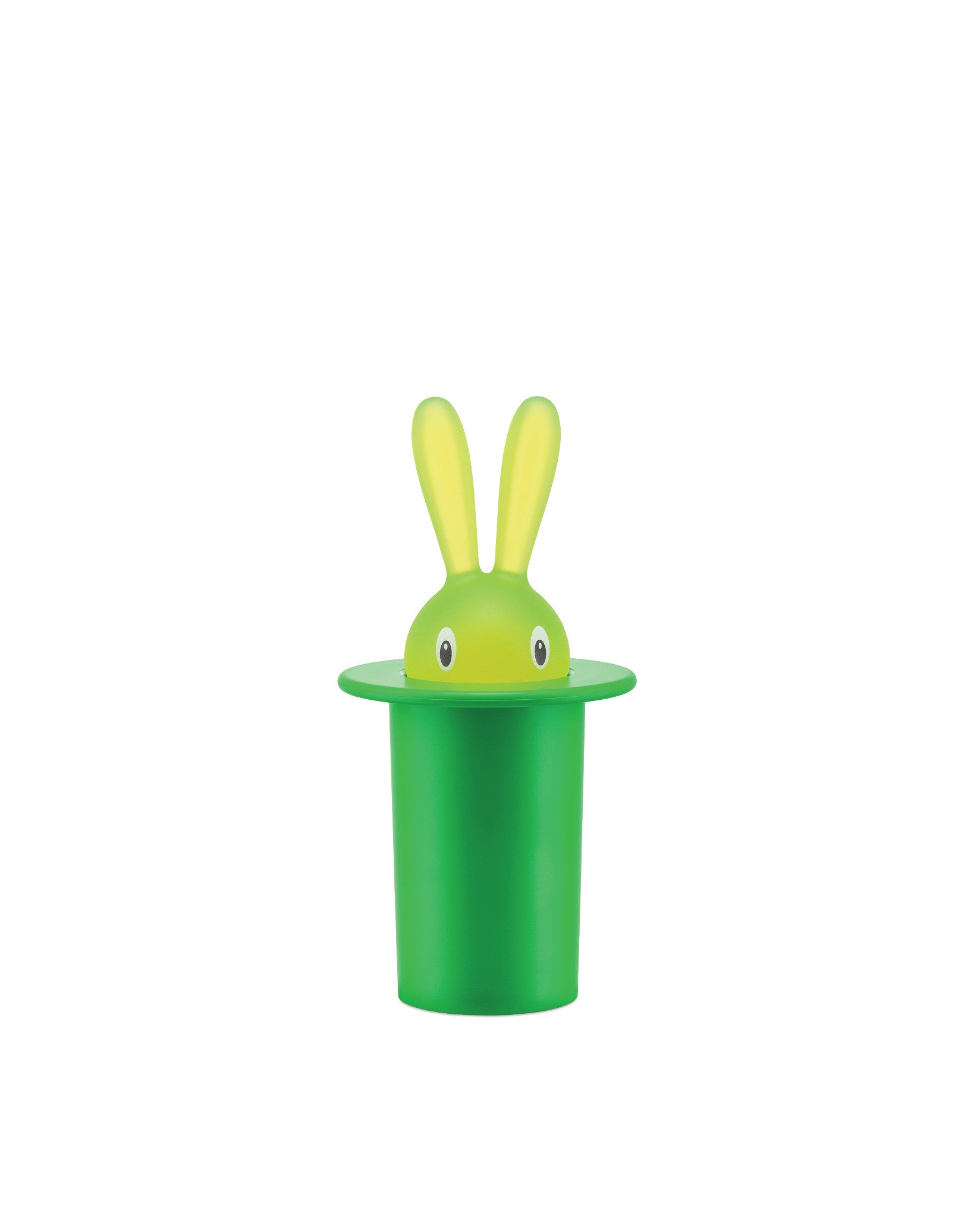
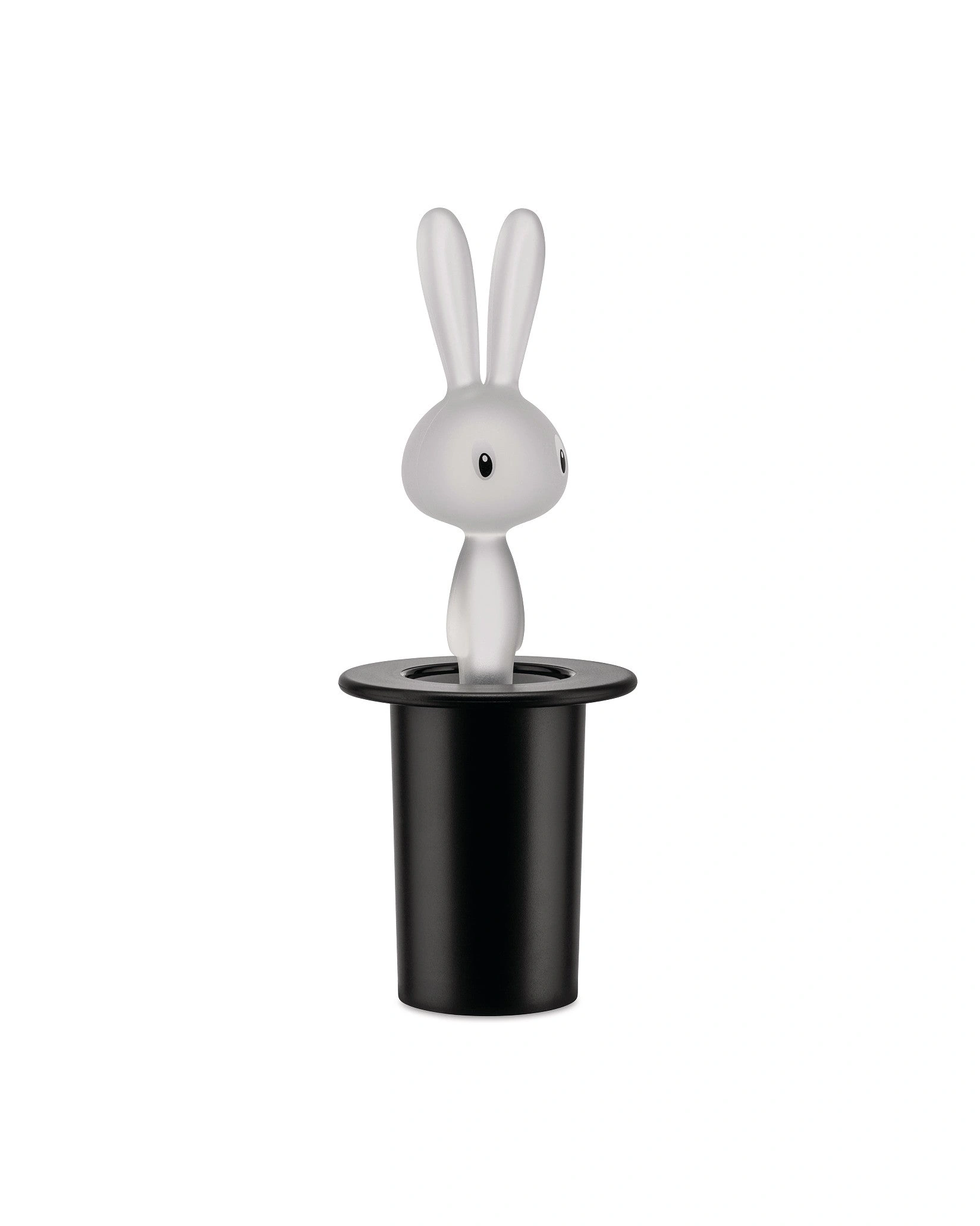
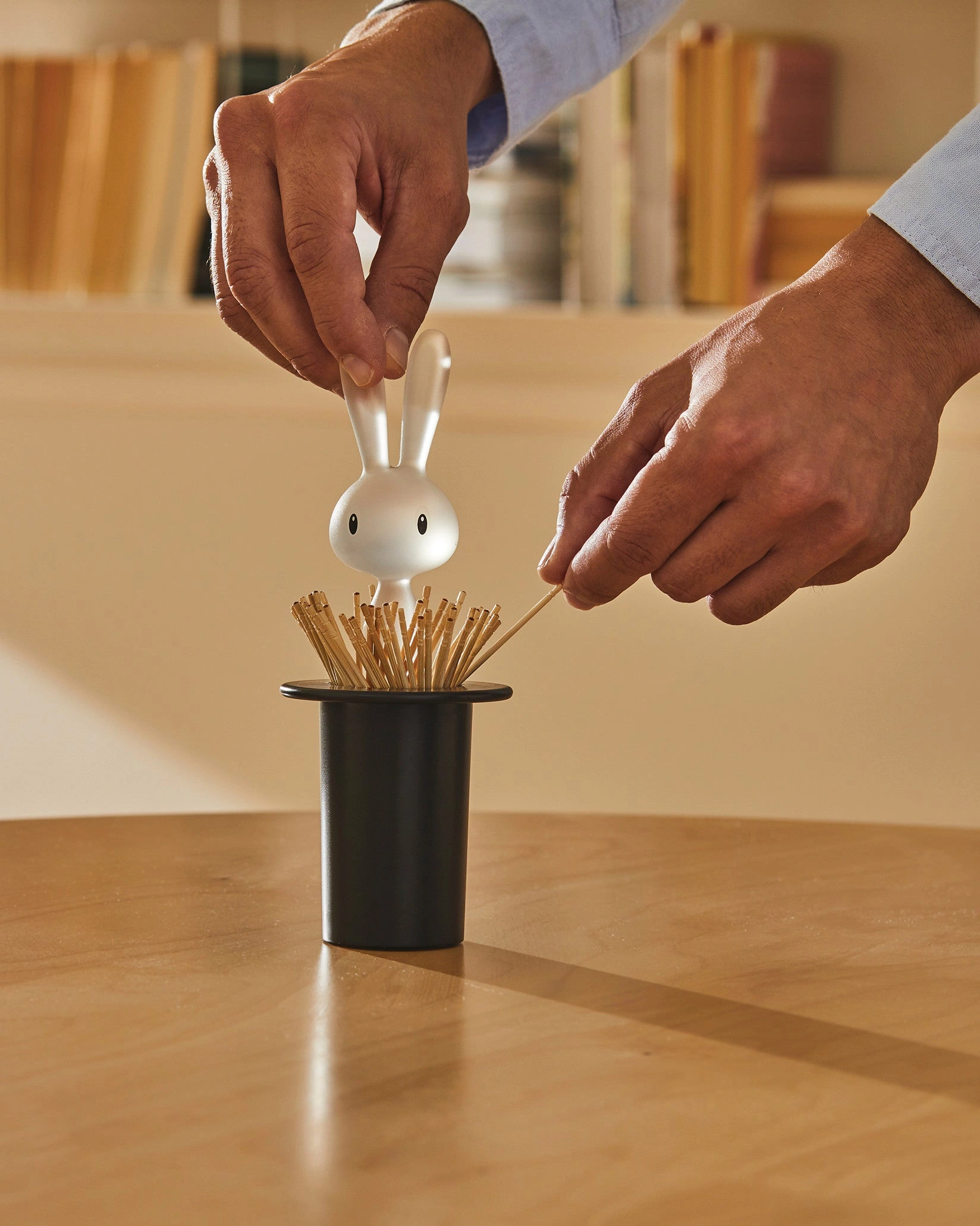
A rabbit in a top hat, with toothpicks hiding inside. Stefano Giovannoni turns a small table accessory into a familiar magic trick.
Image source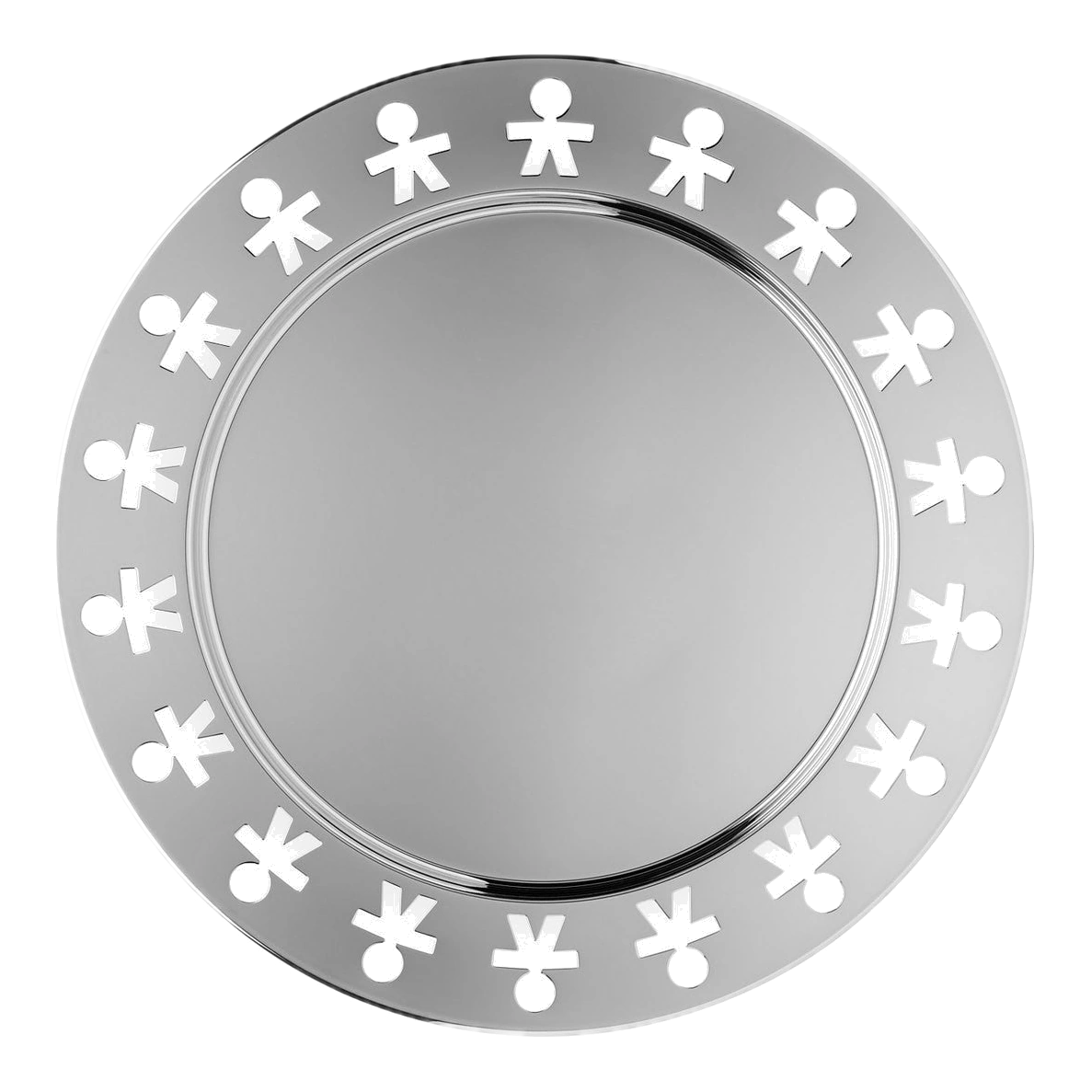
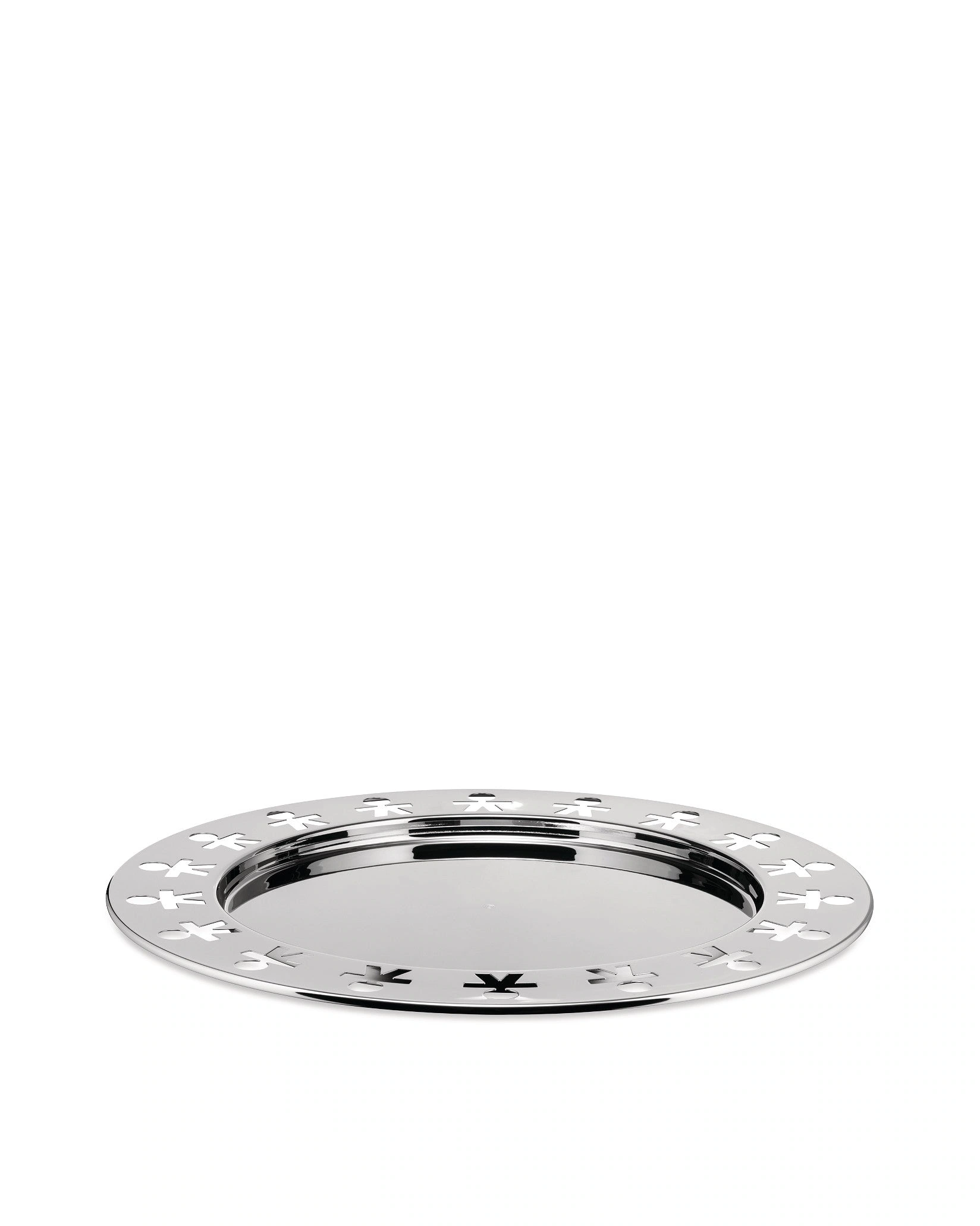
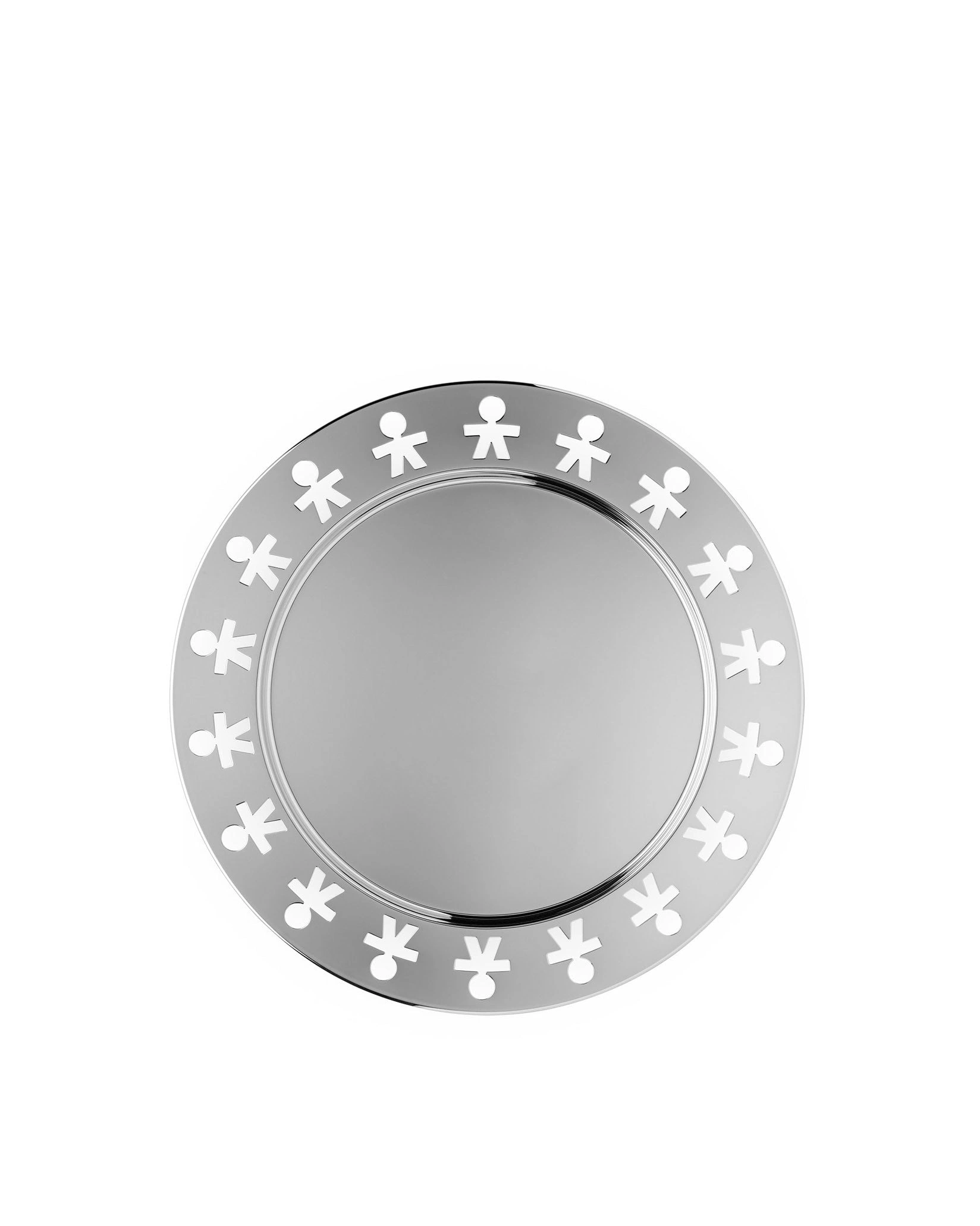
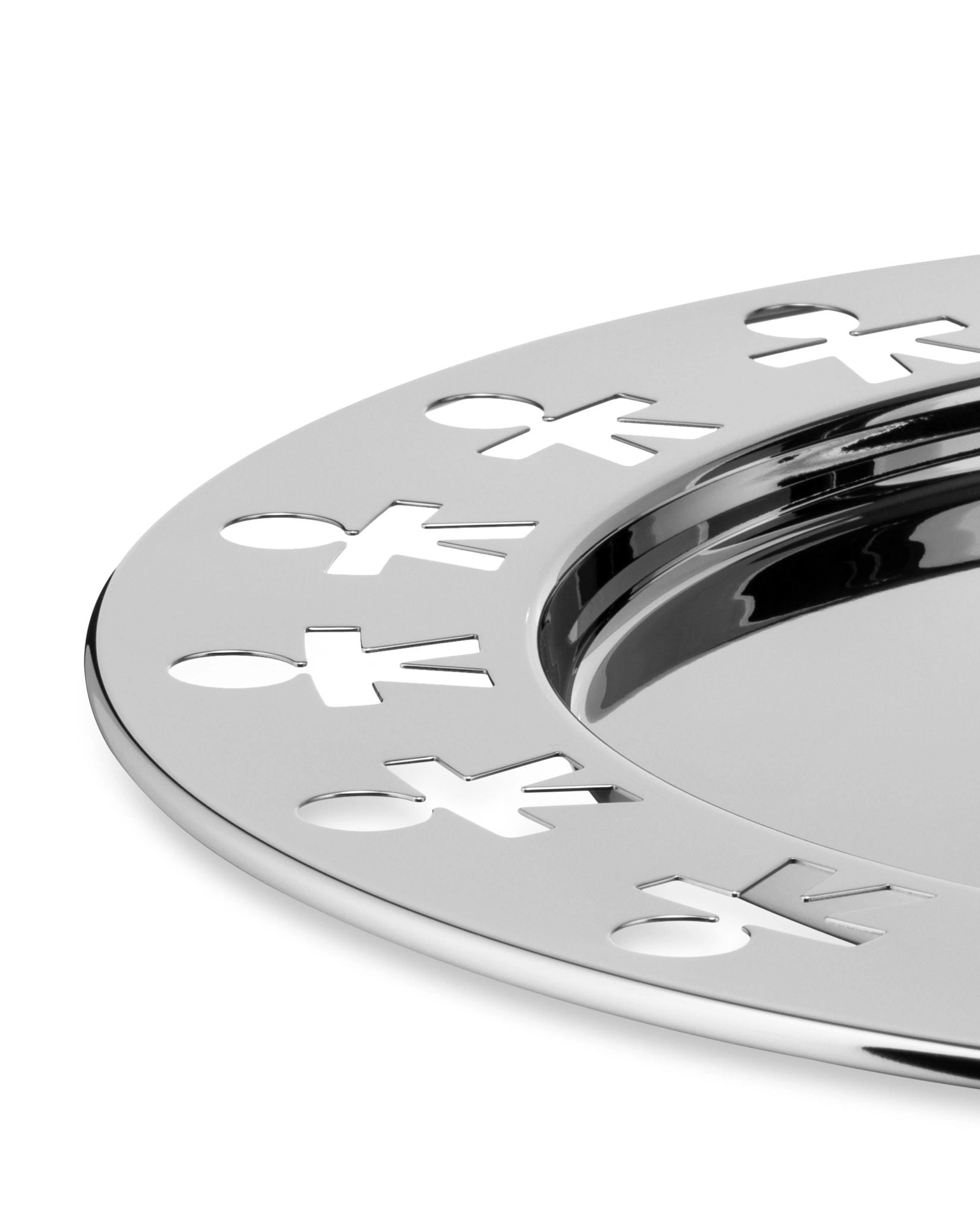
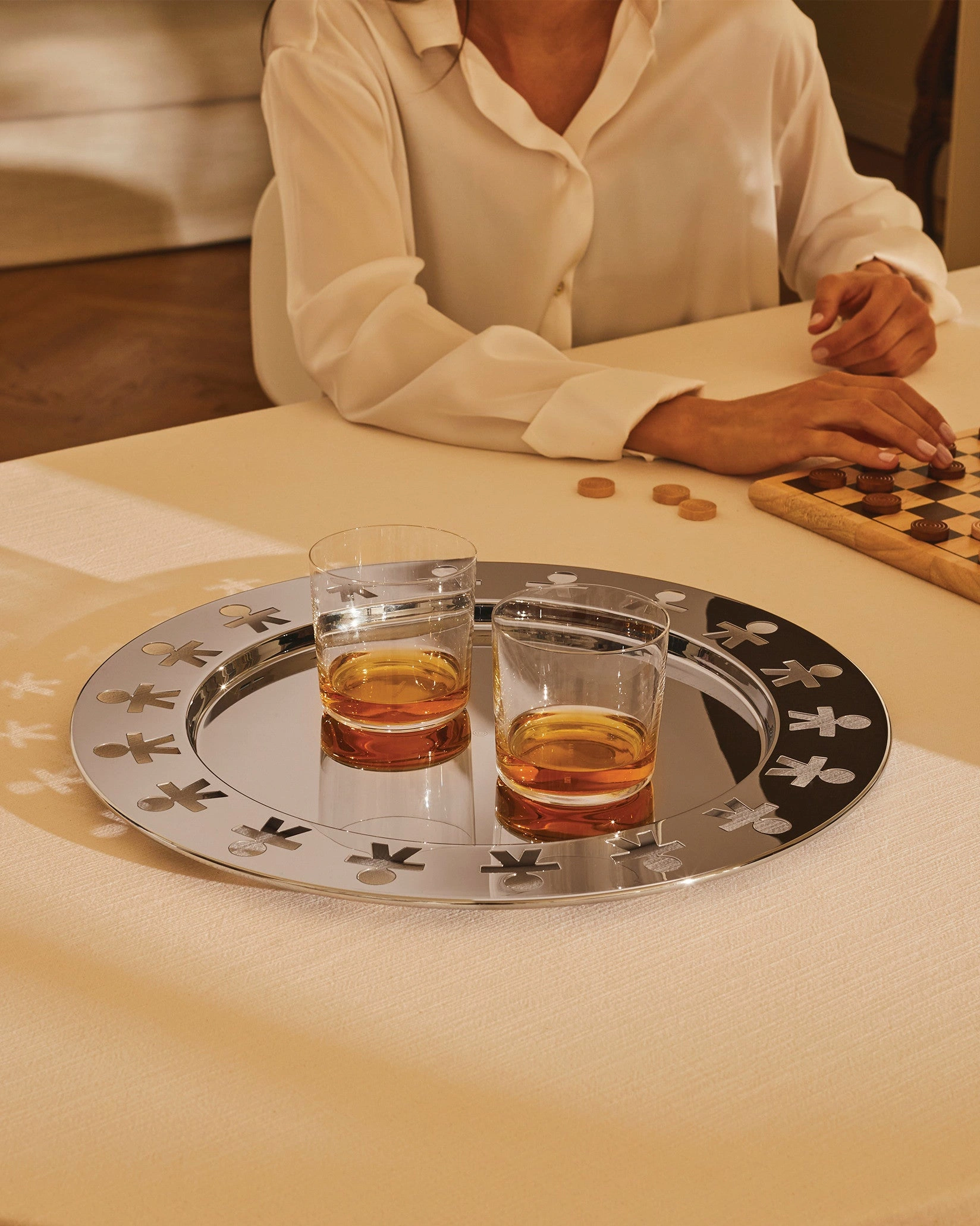
A stainless steel tray ringed with cutout paper-doll figures. Designed by King-Kong, the duo of Stefano Giovannoni and Guido Venturini.
Image source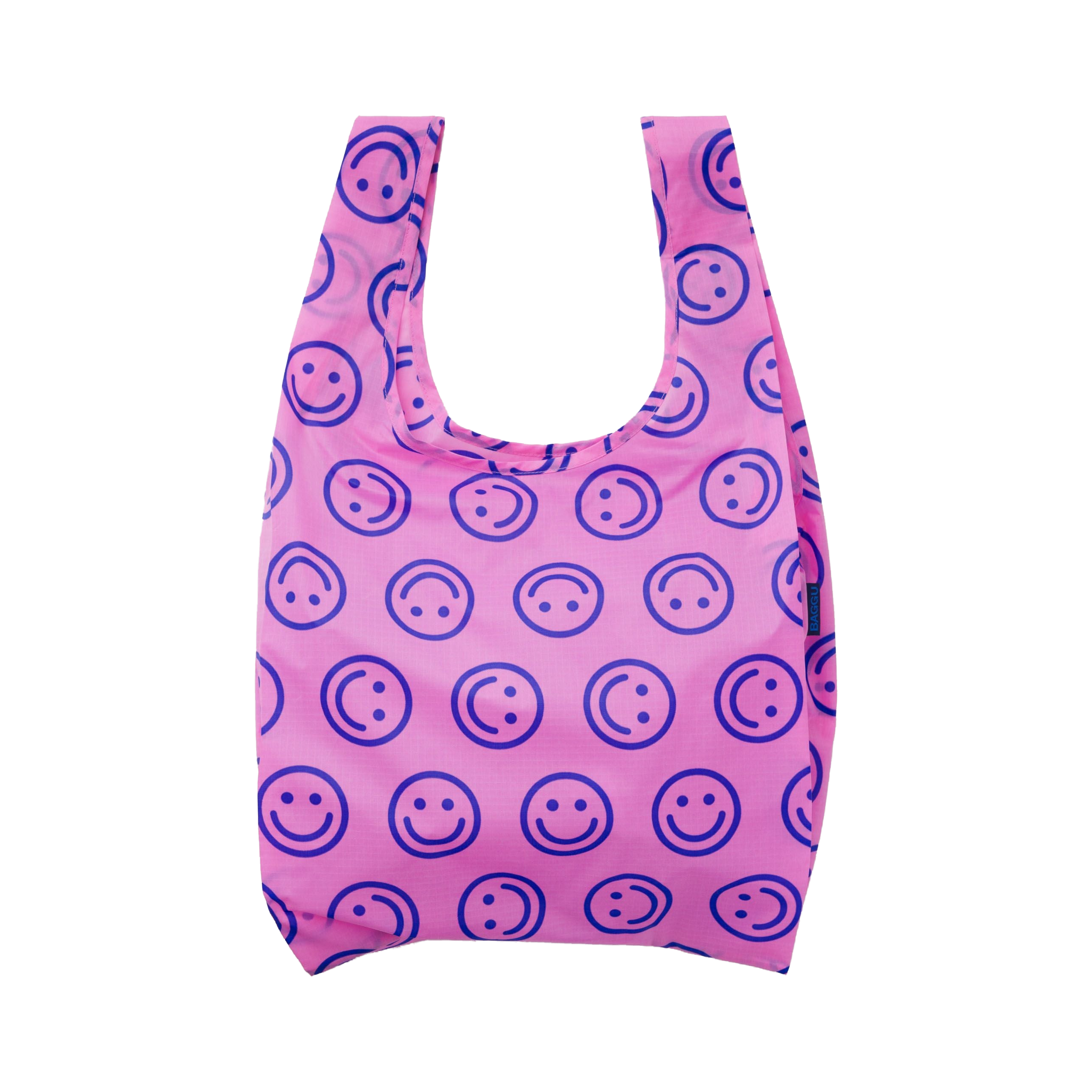
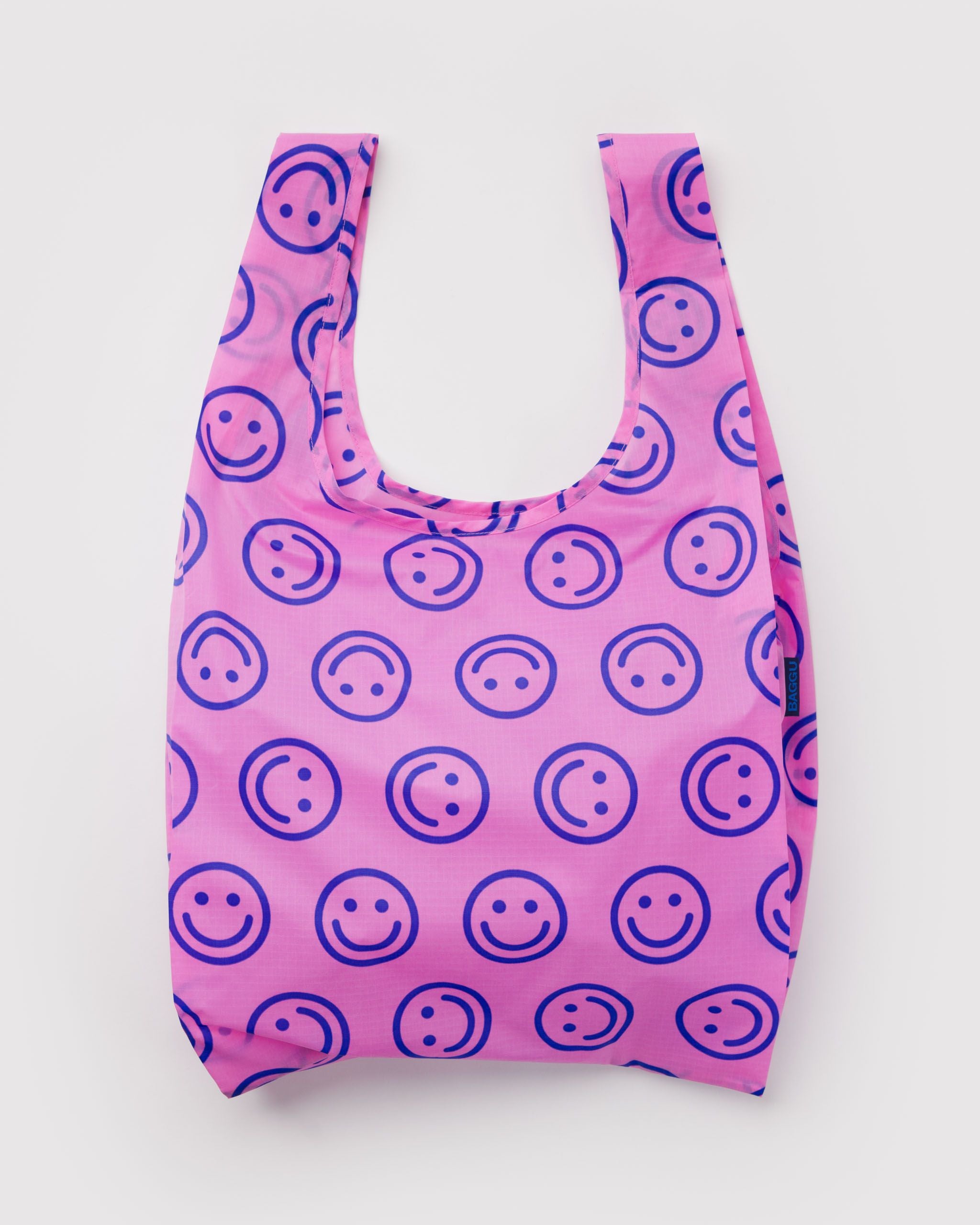
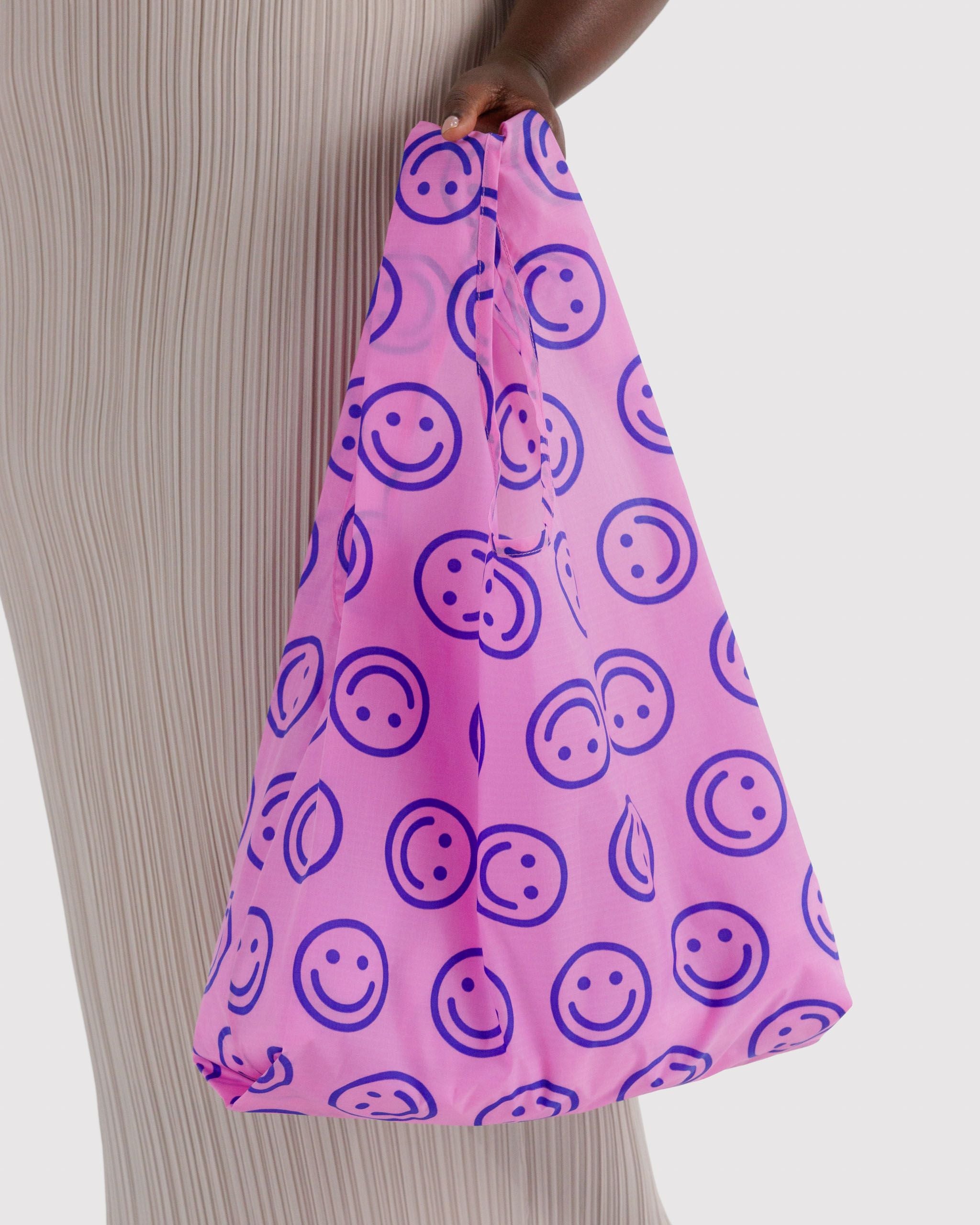
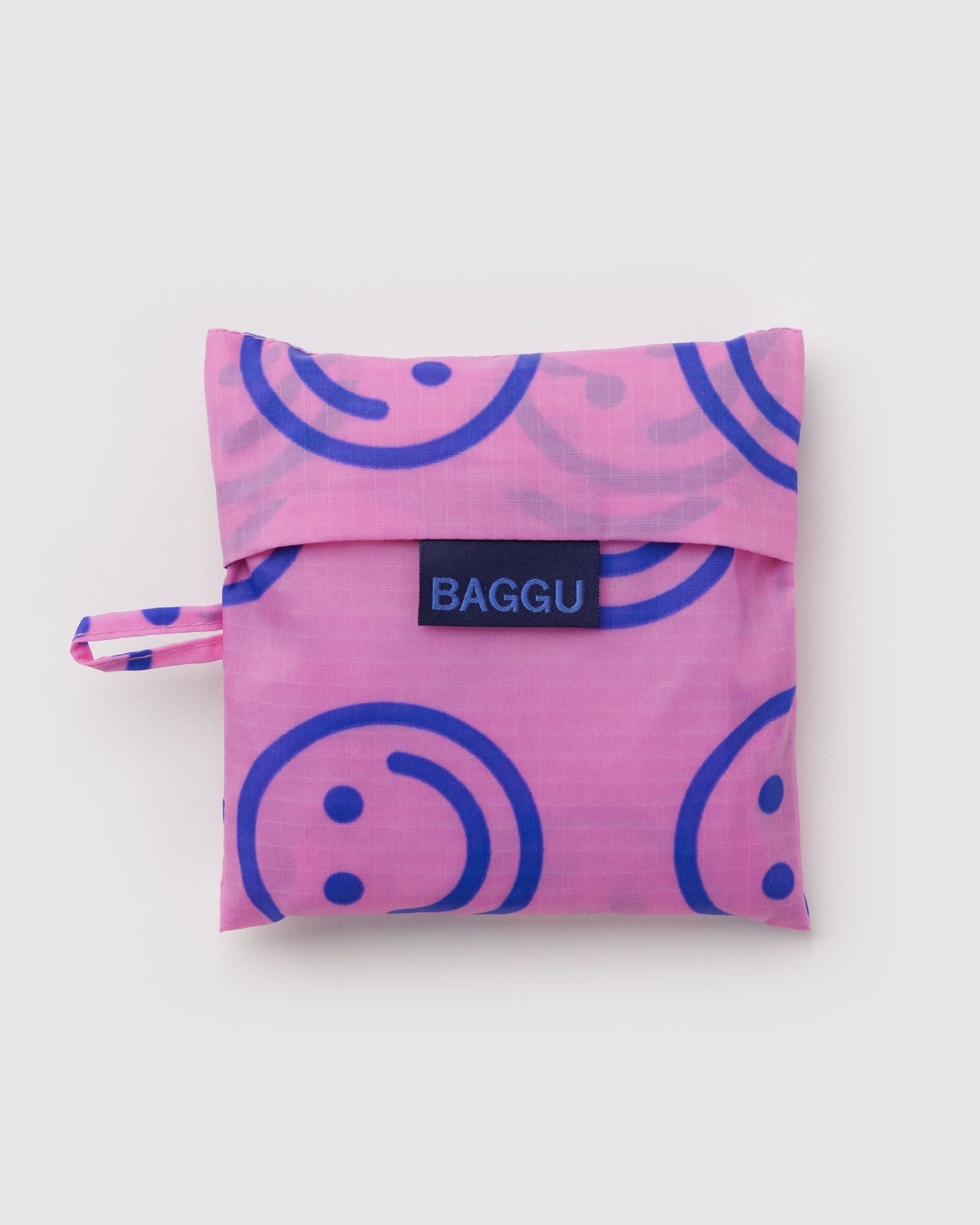
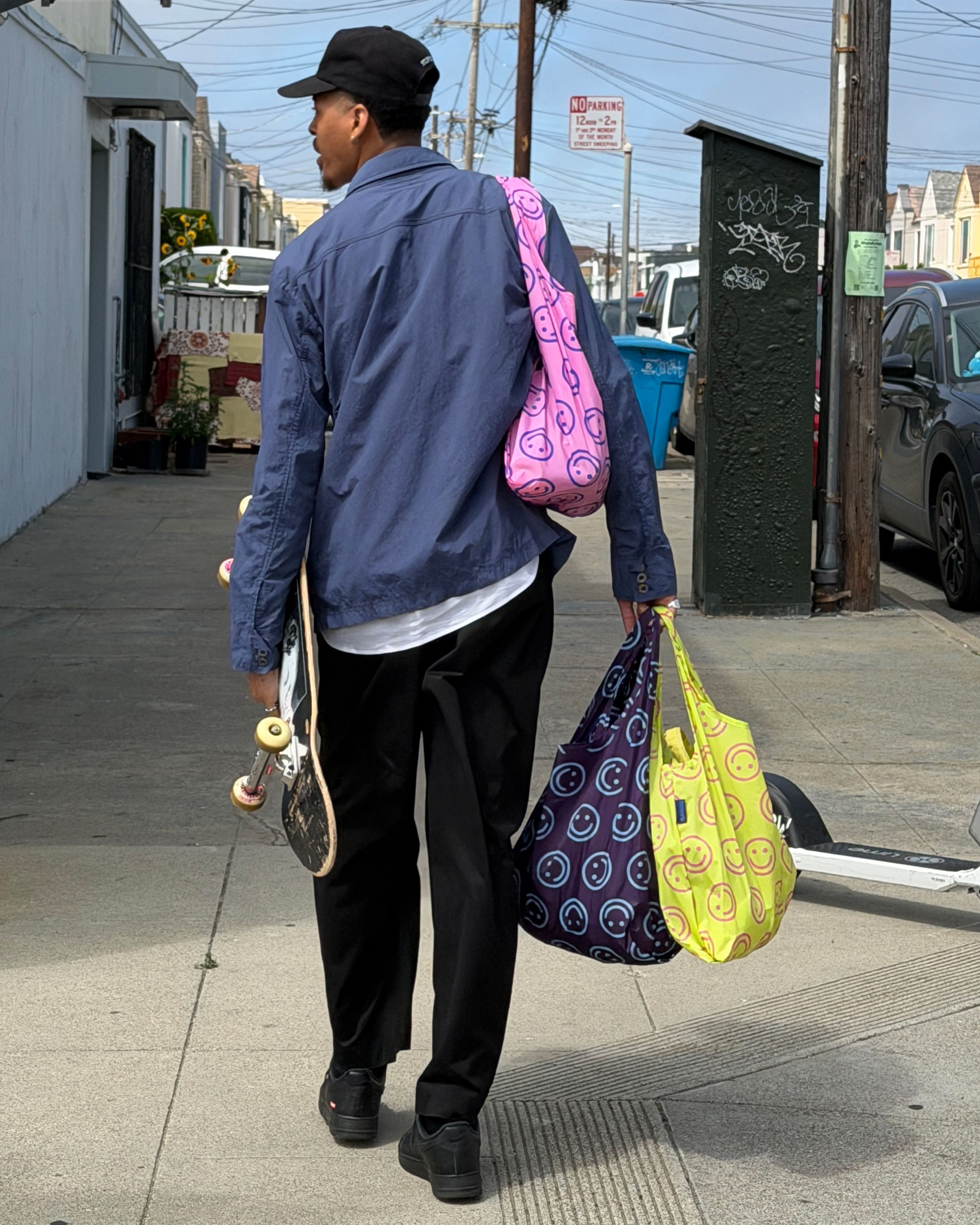
A reusable bag in Pop Pink Happy, with blue smiley faces on pink recycled ripstop nylon. It folds into its own small pouch, ready for groceries, errands, and everyday extras.
Image source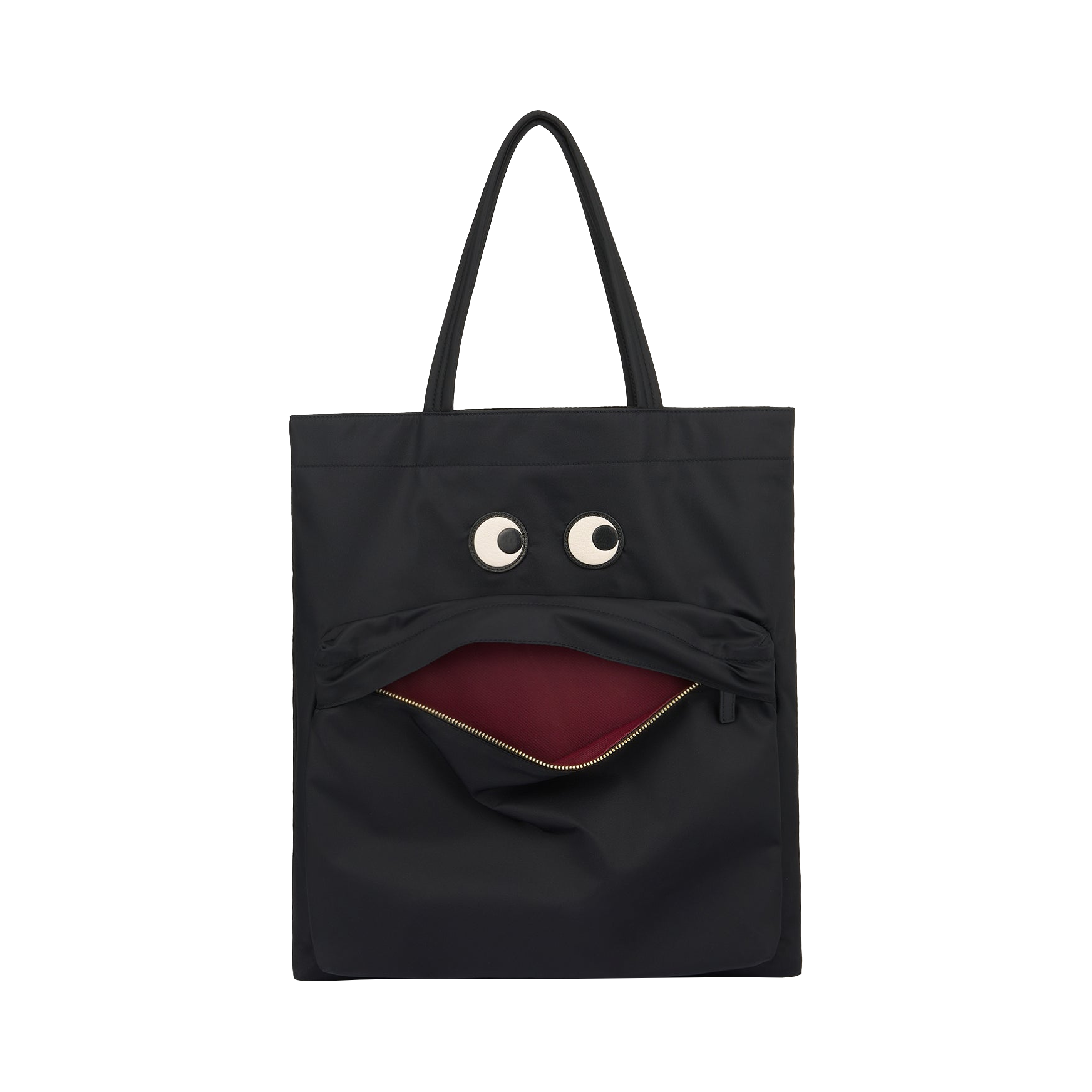
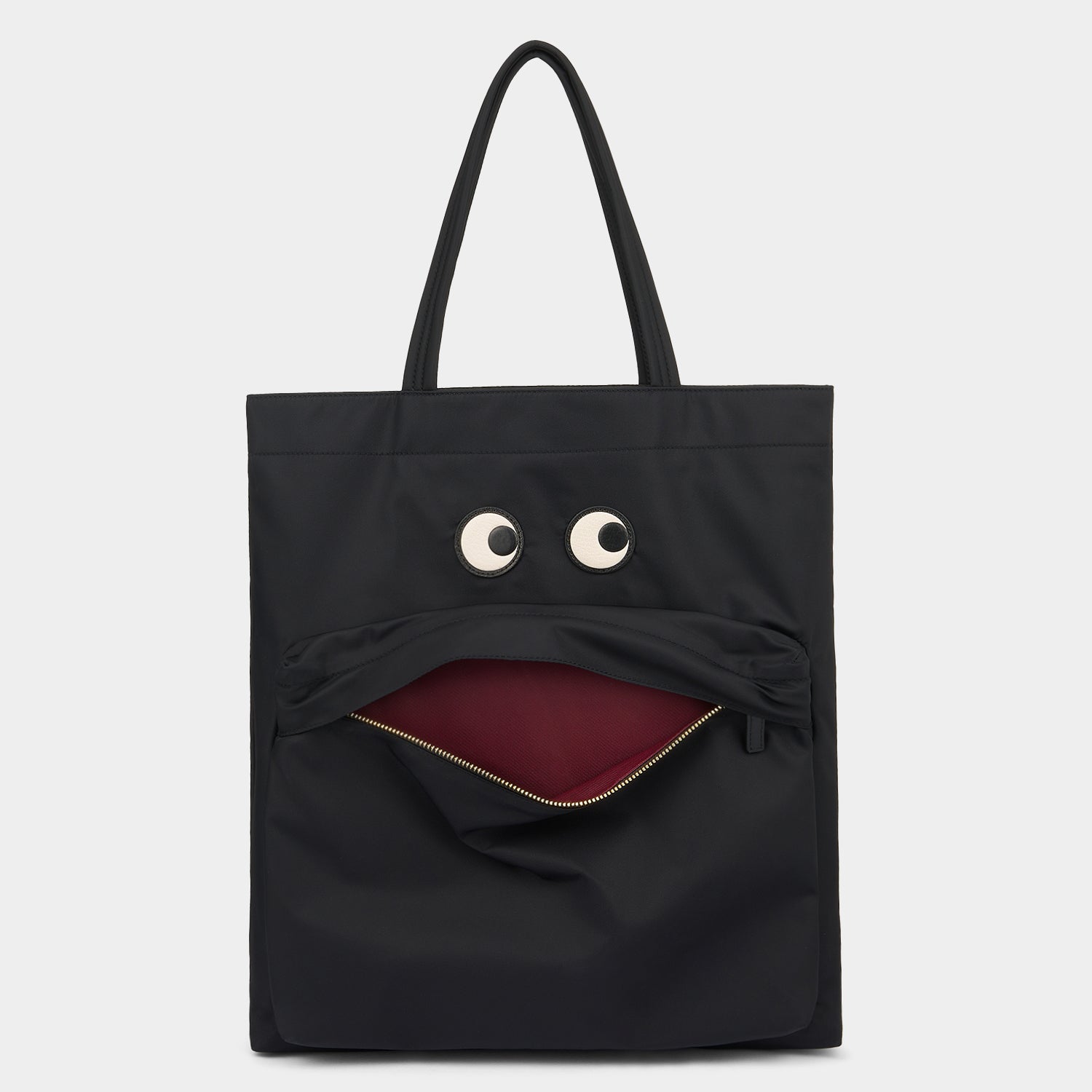
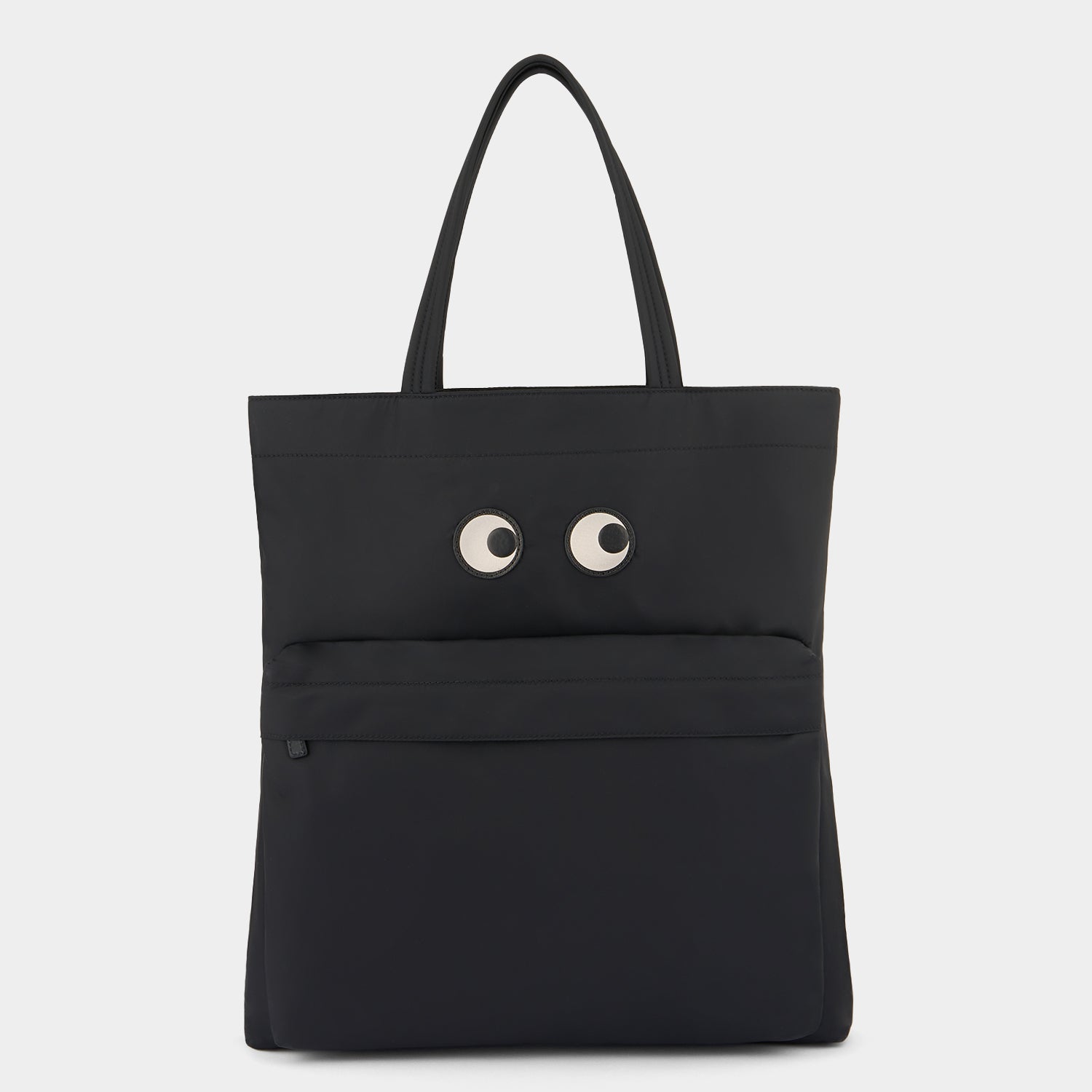
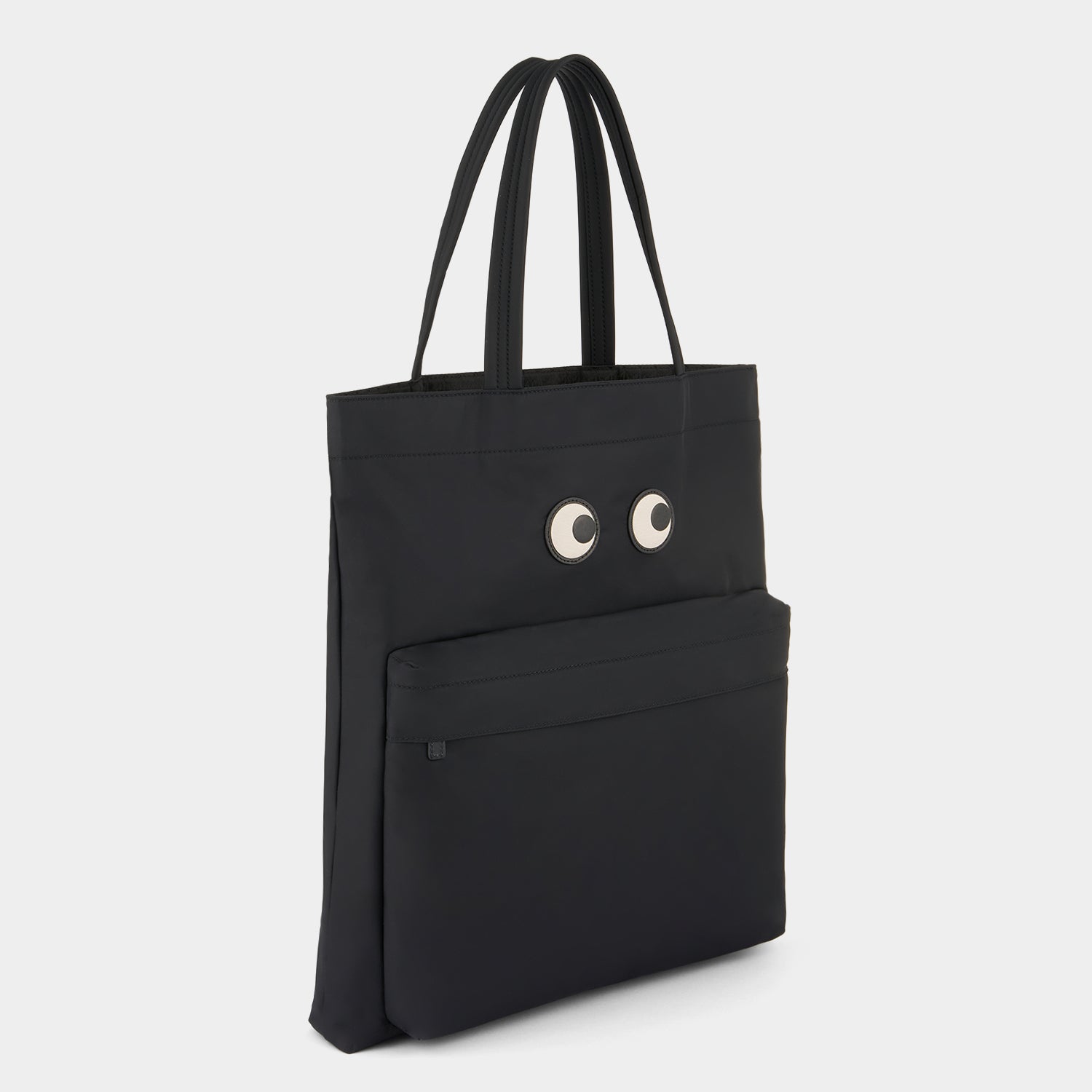
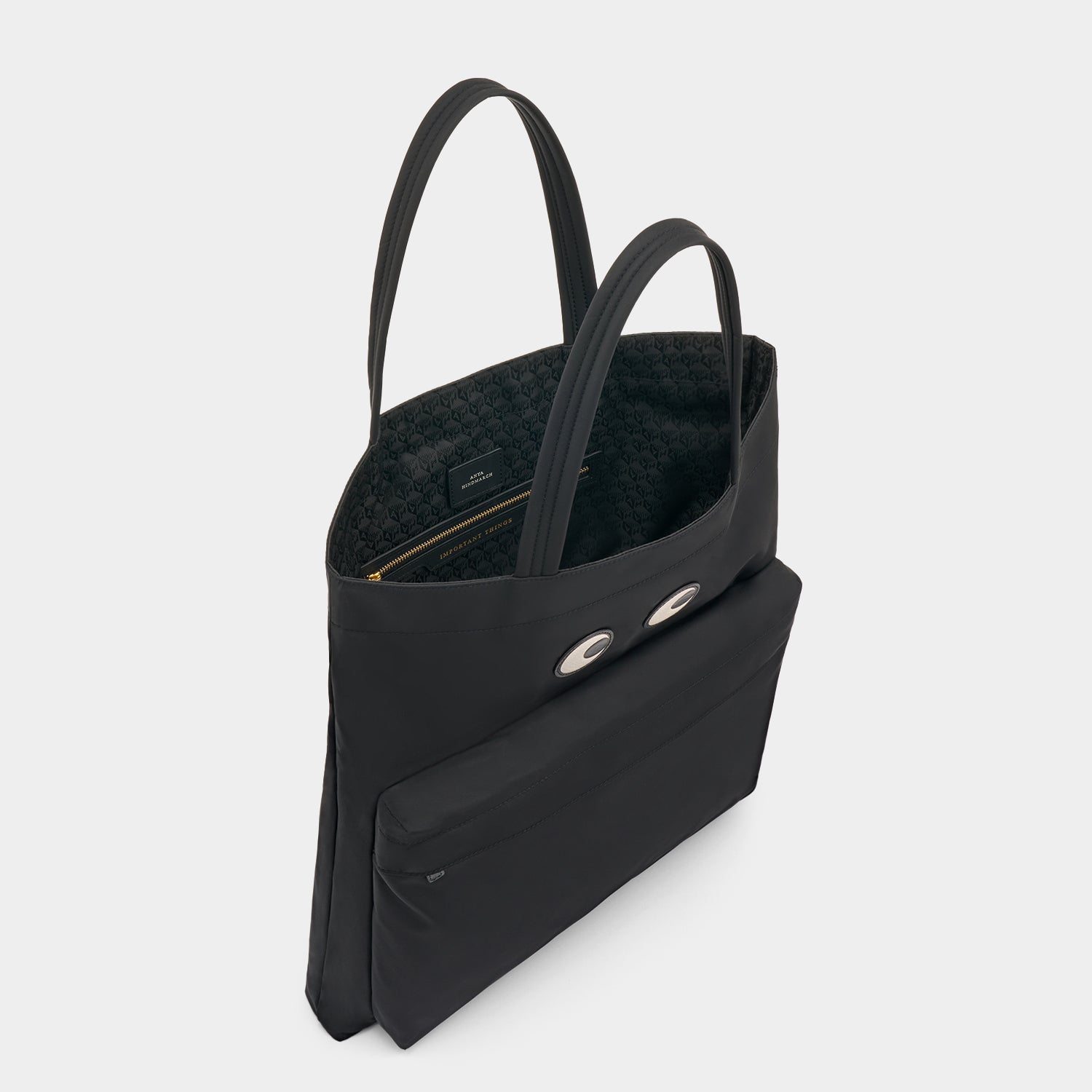
A recycled-nylon tote with a pair of eyes and a zip pocket that opens into a little mouth. Everyday storage with an expressive face.
Image source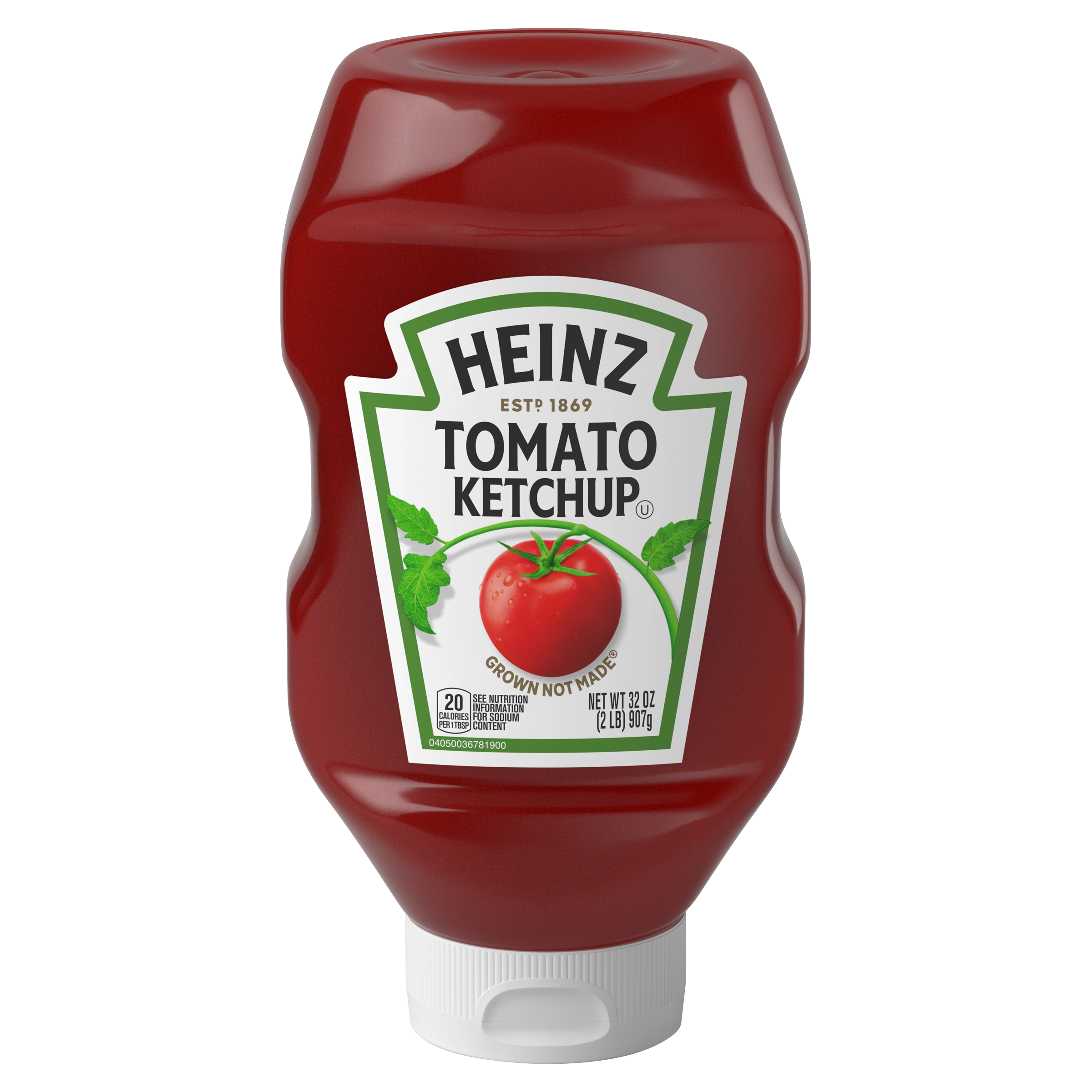
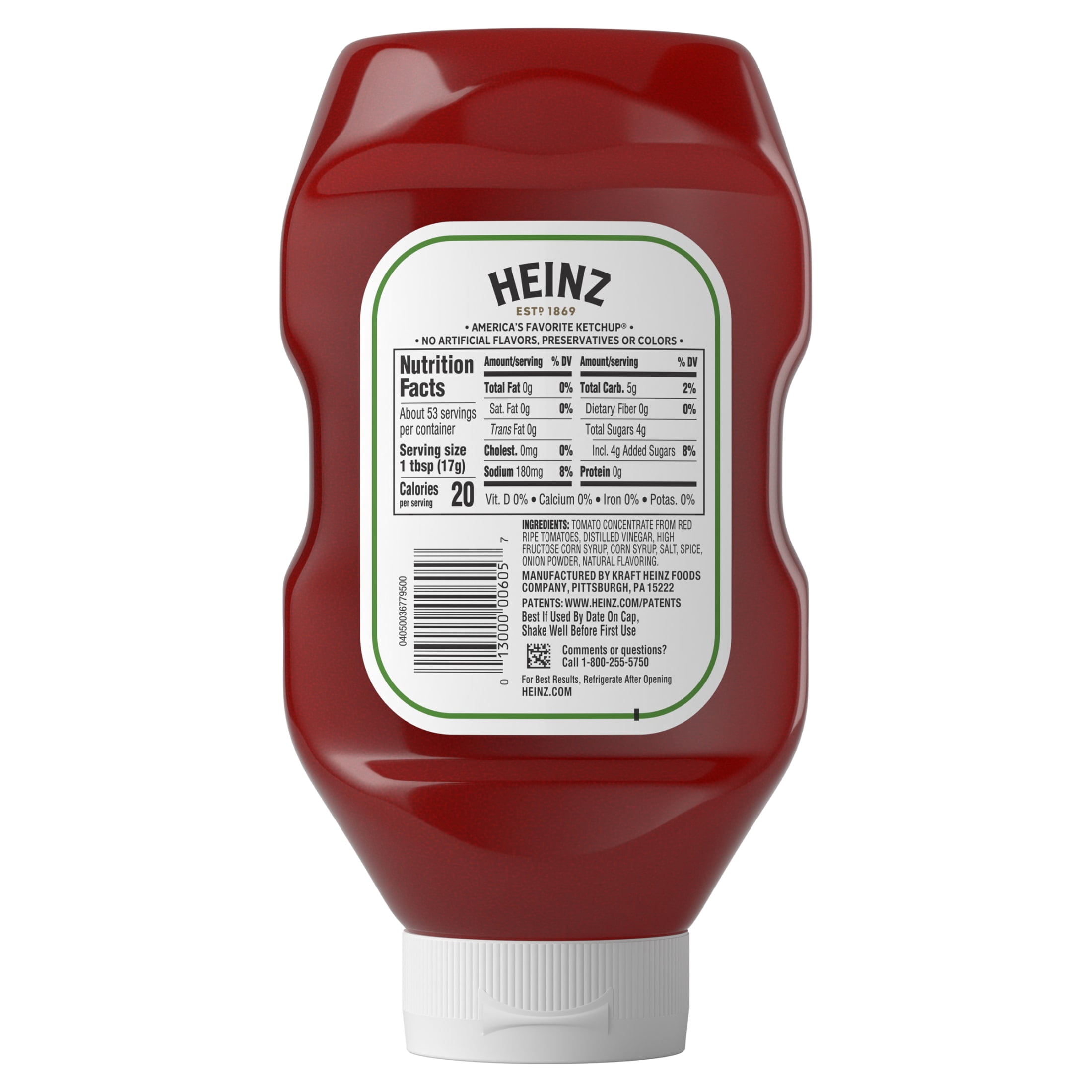
Tomato ketchup in an upside-down squeeze bottle, with a shield-shaped label and a white flip-top cap.
Image source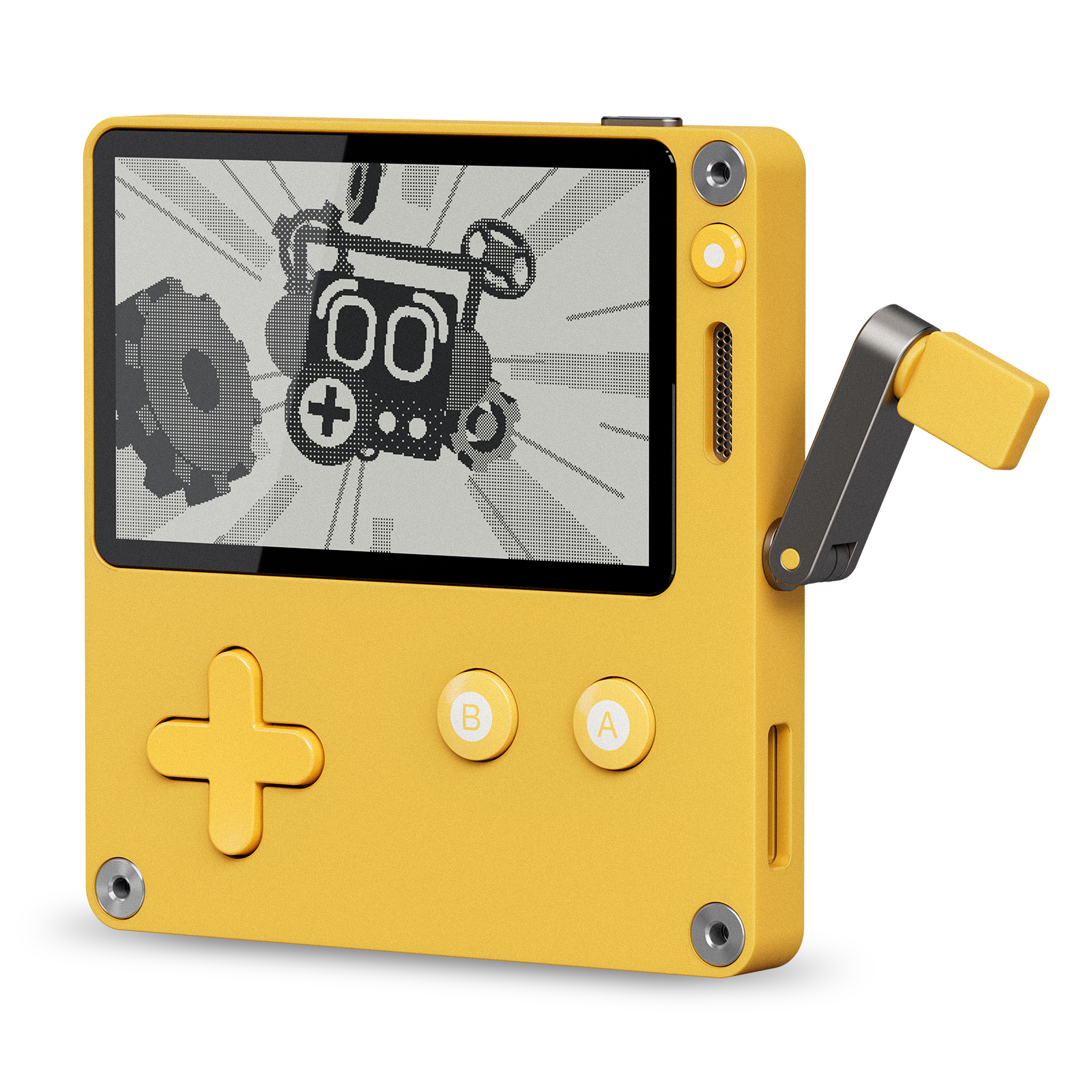
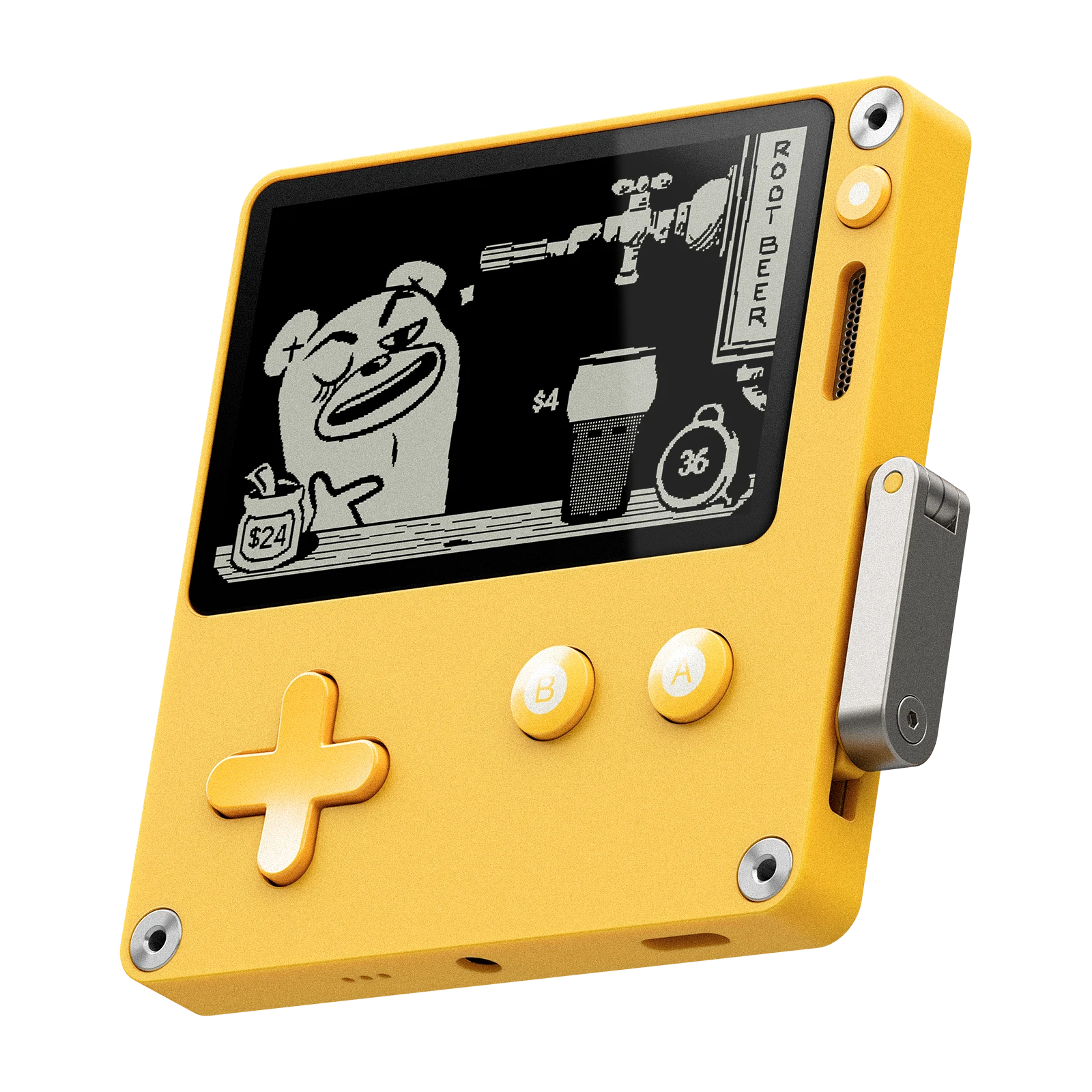
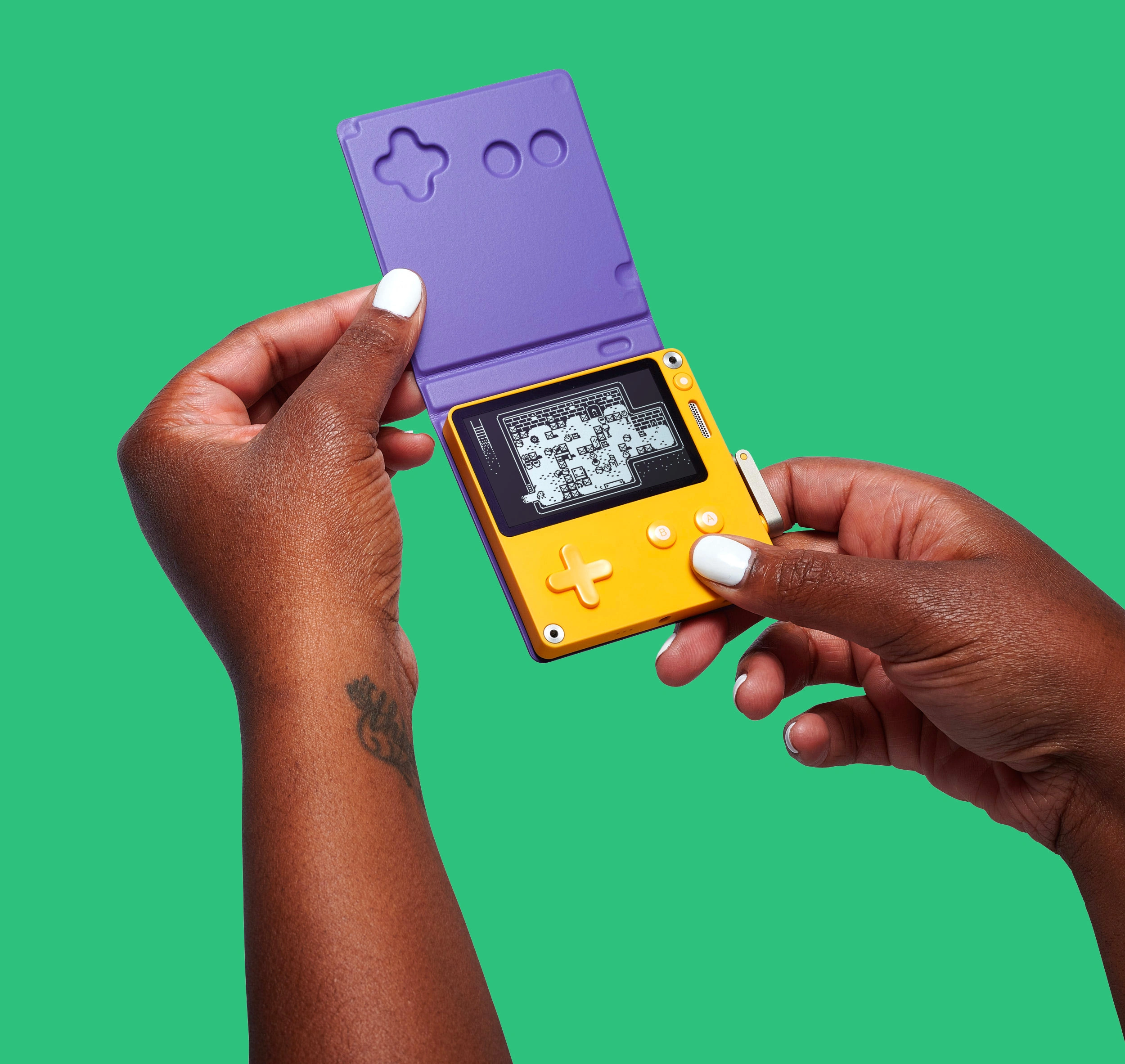
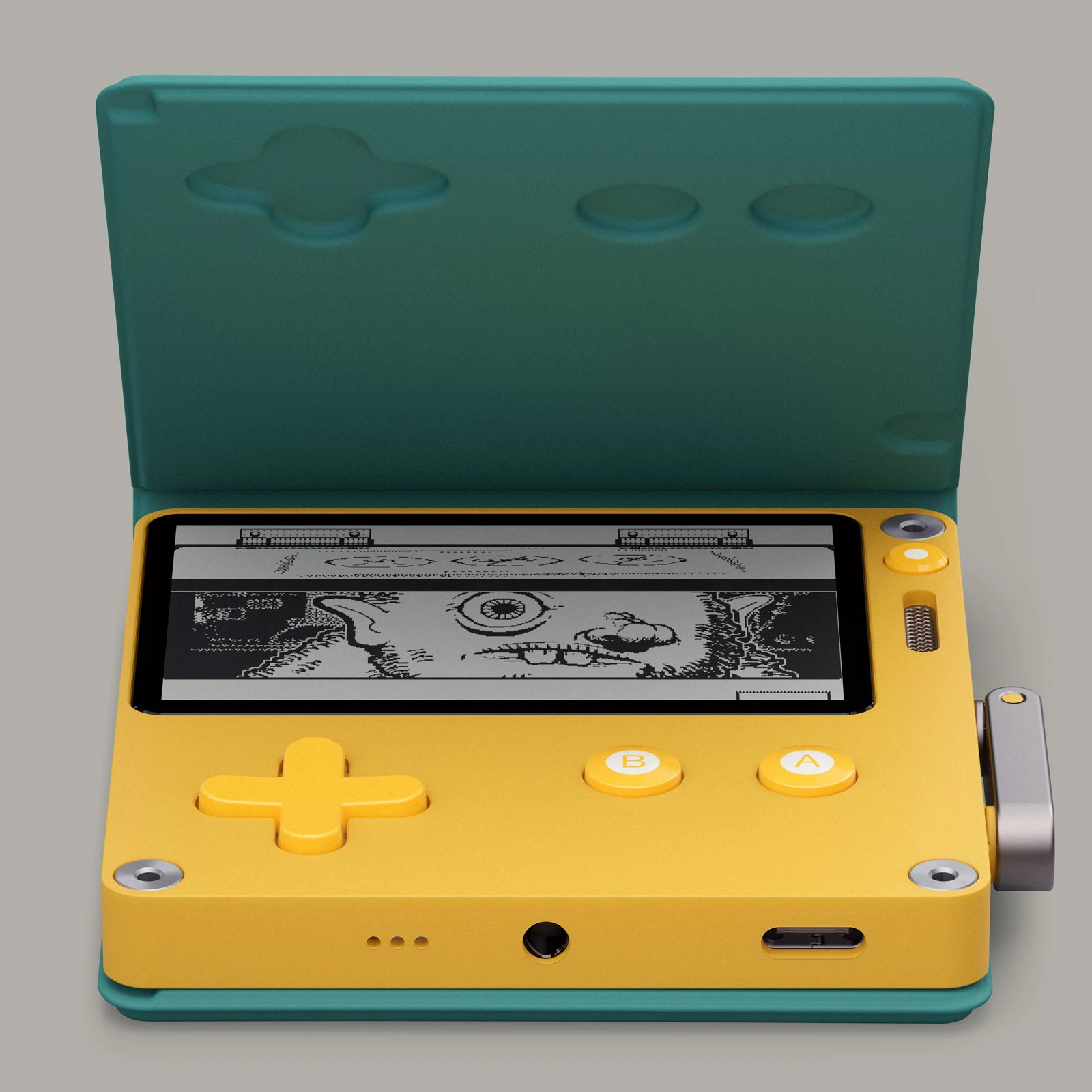
A pocket-size game system with a monochrome screen and a hand-cranked controller, designed with Teenage Engineering.
Image source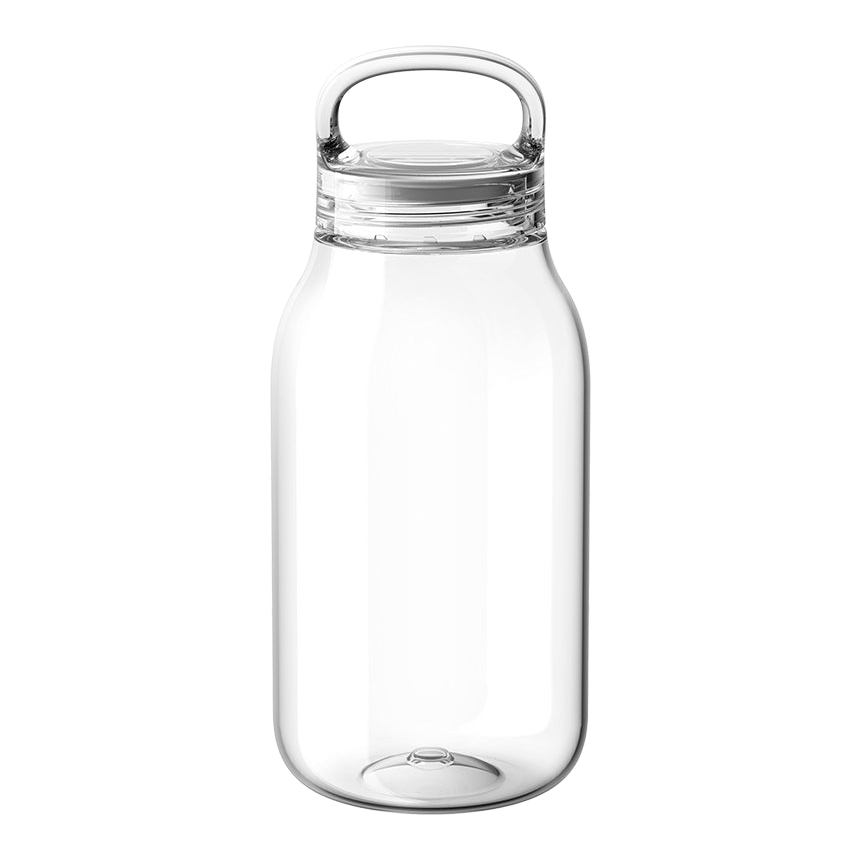
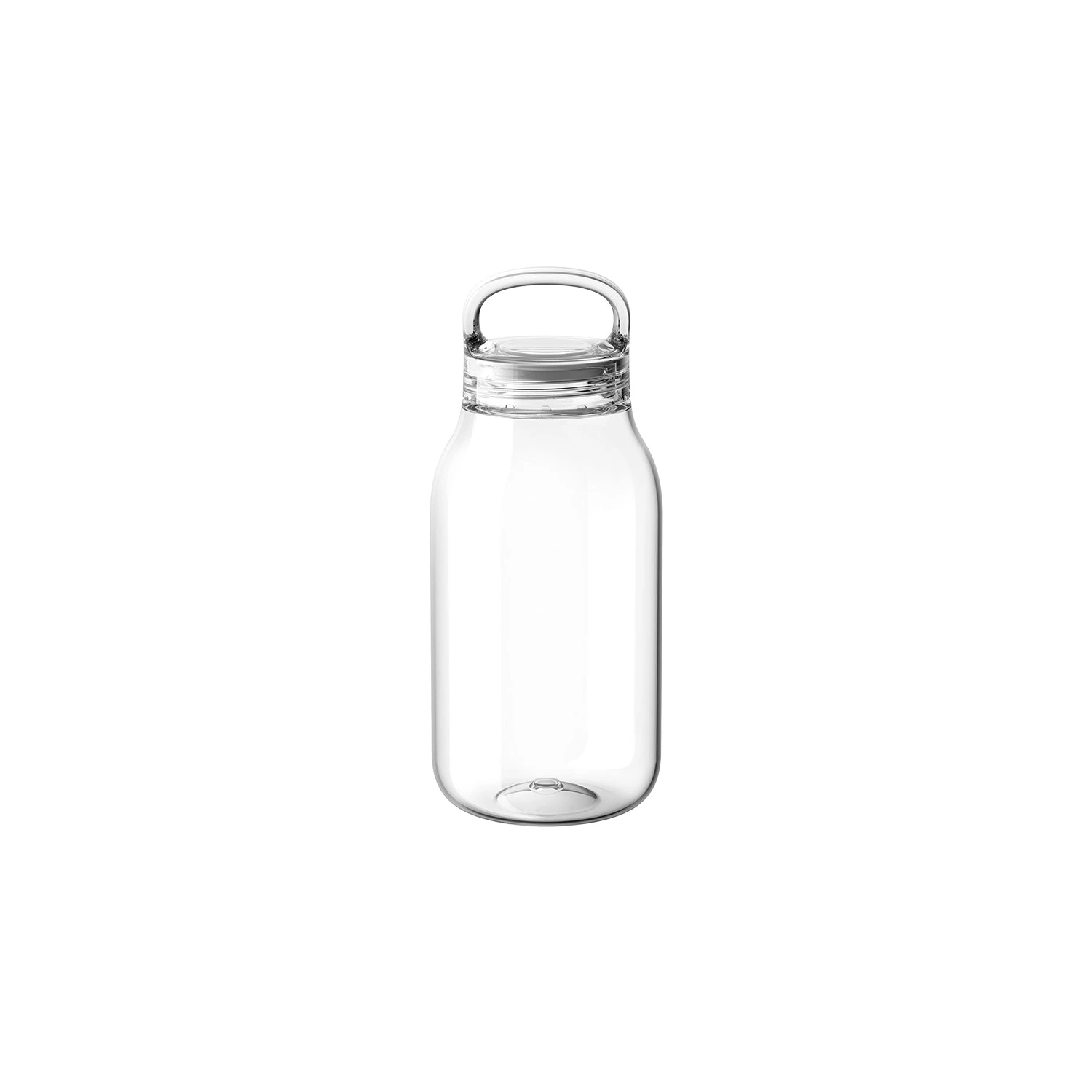
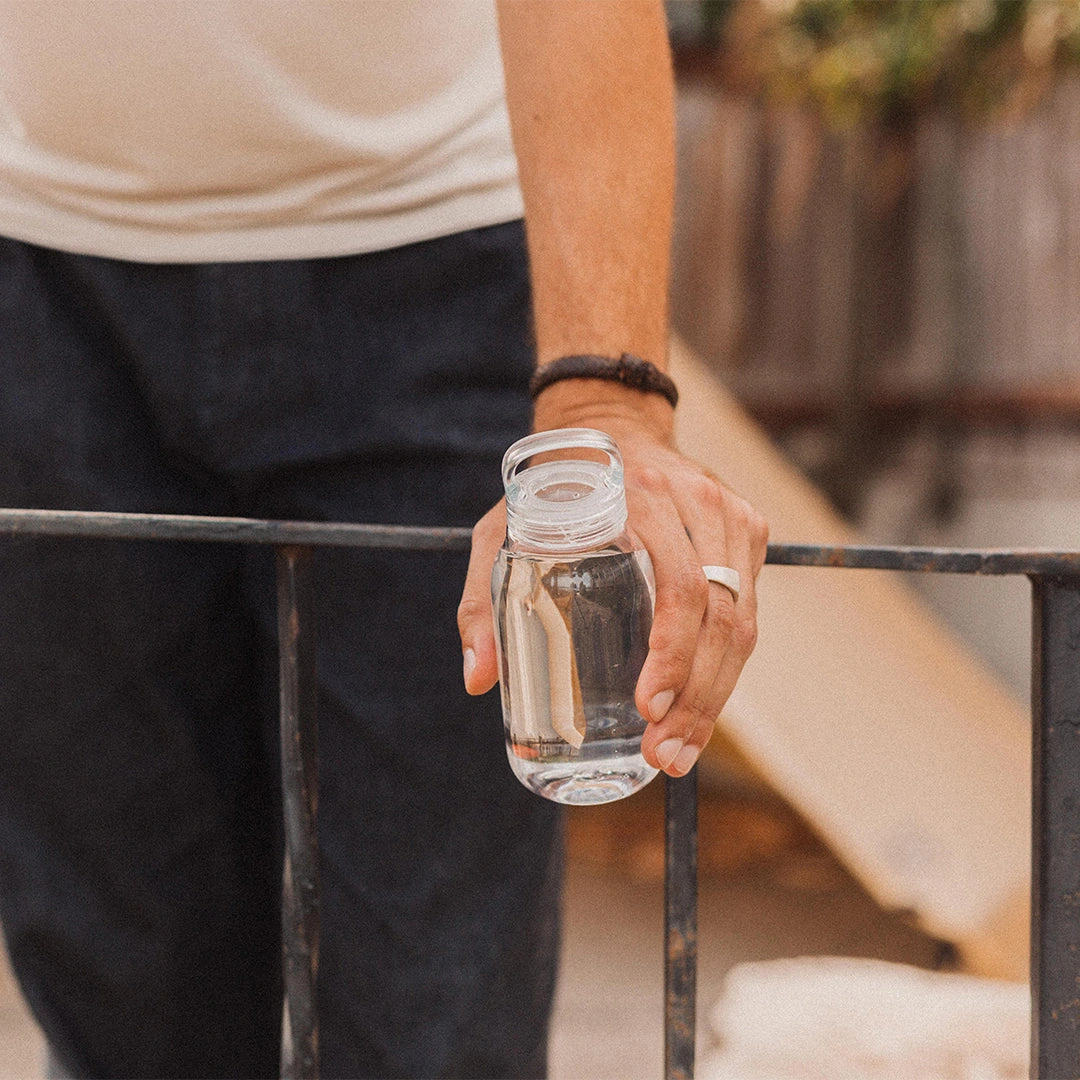
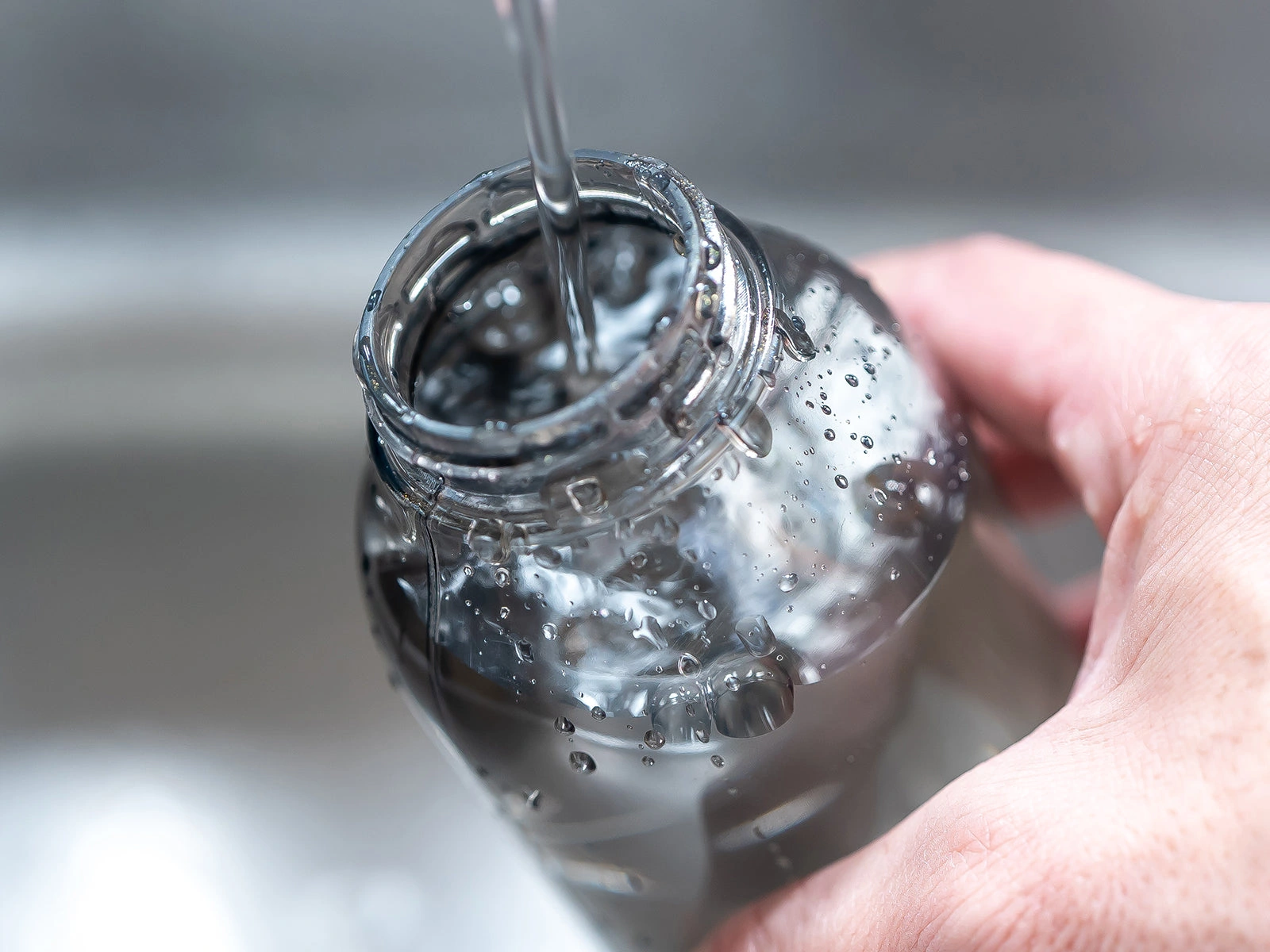
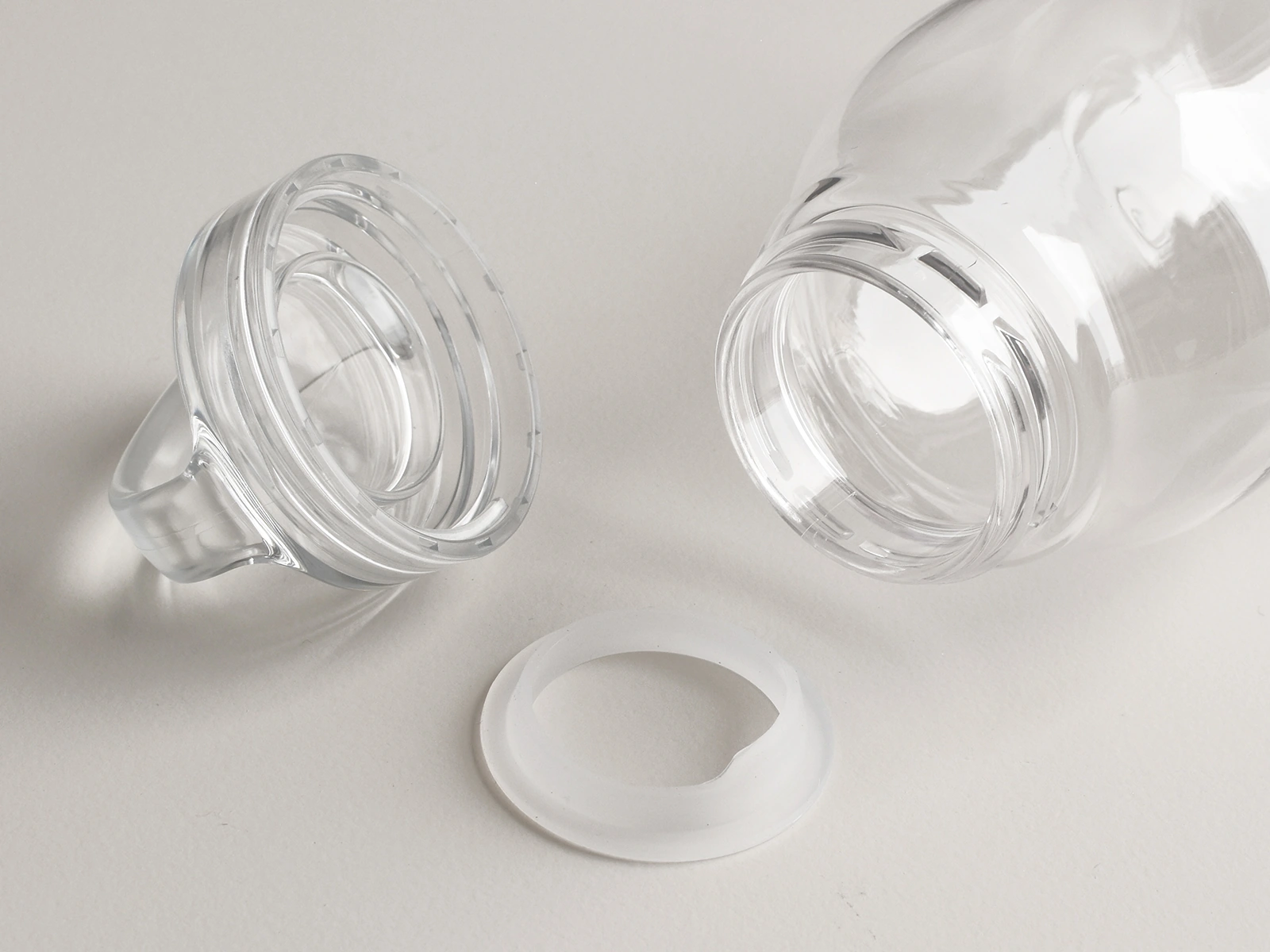
A compact 300ml water bottle with a one-turn lid and a handle for easy carrying.
Image source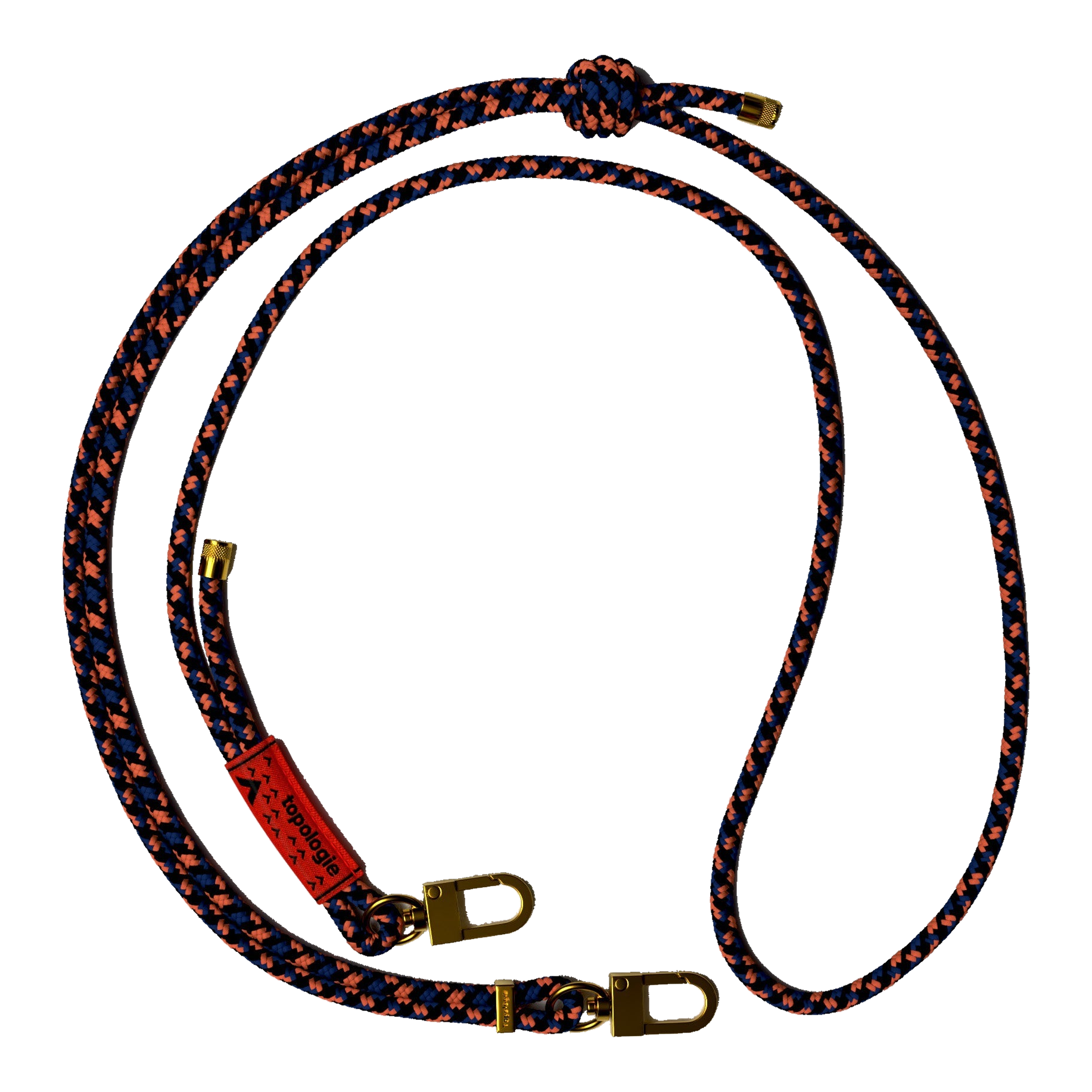
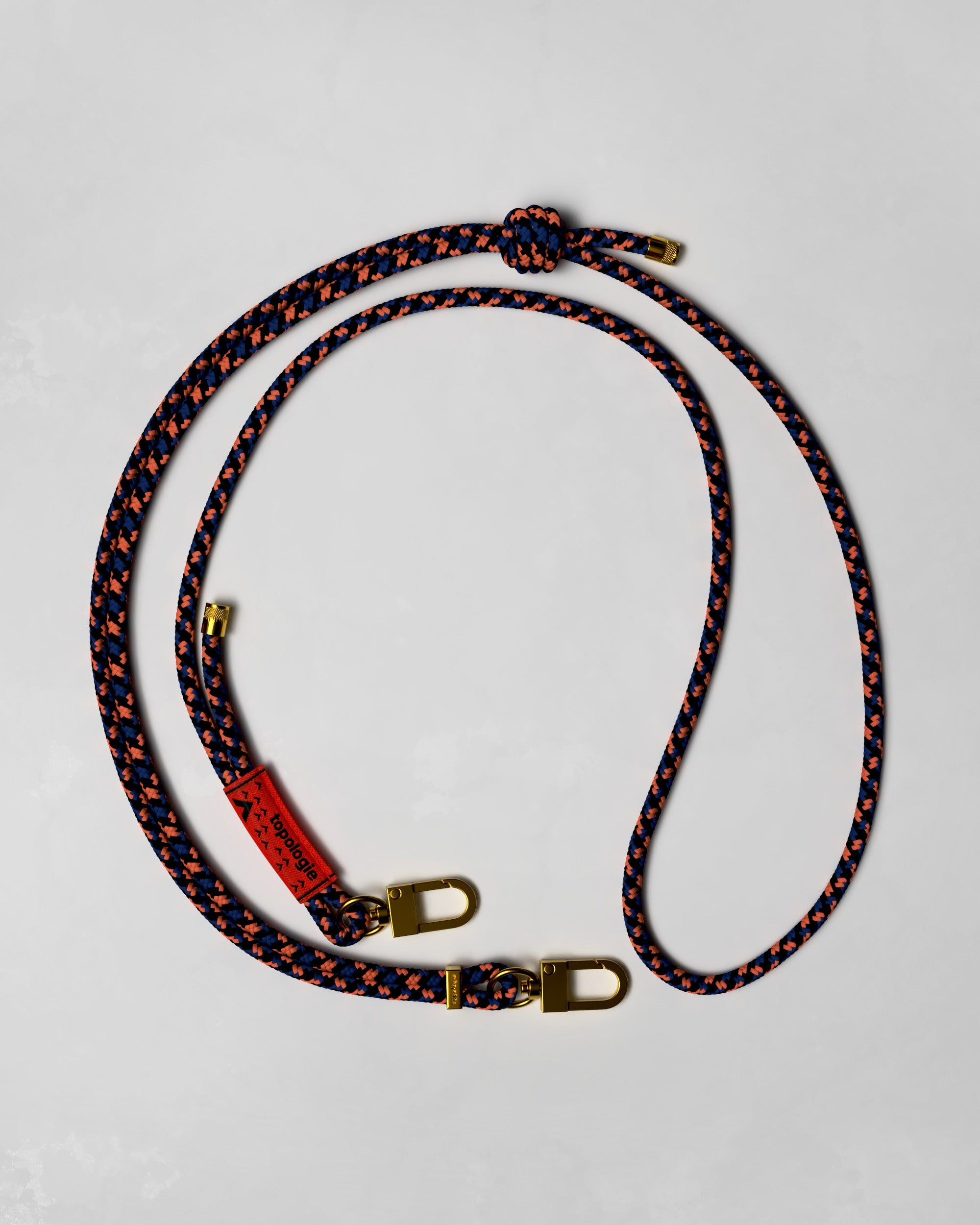
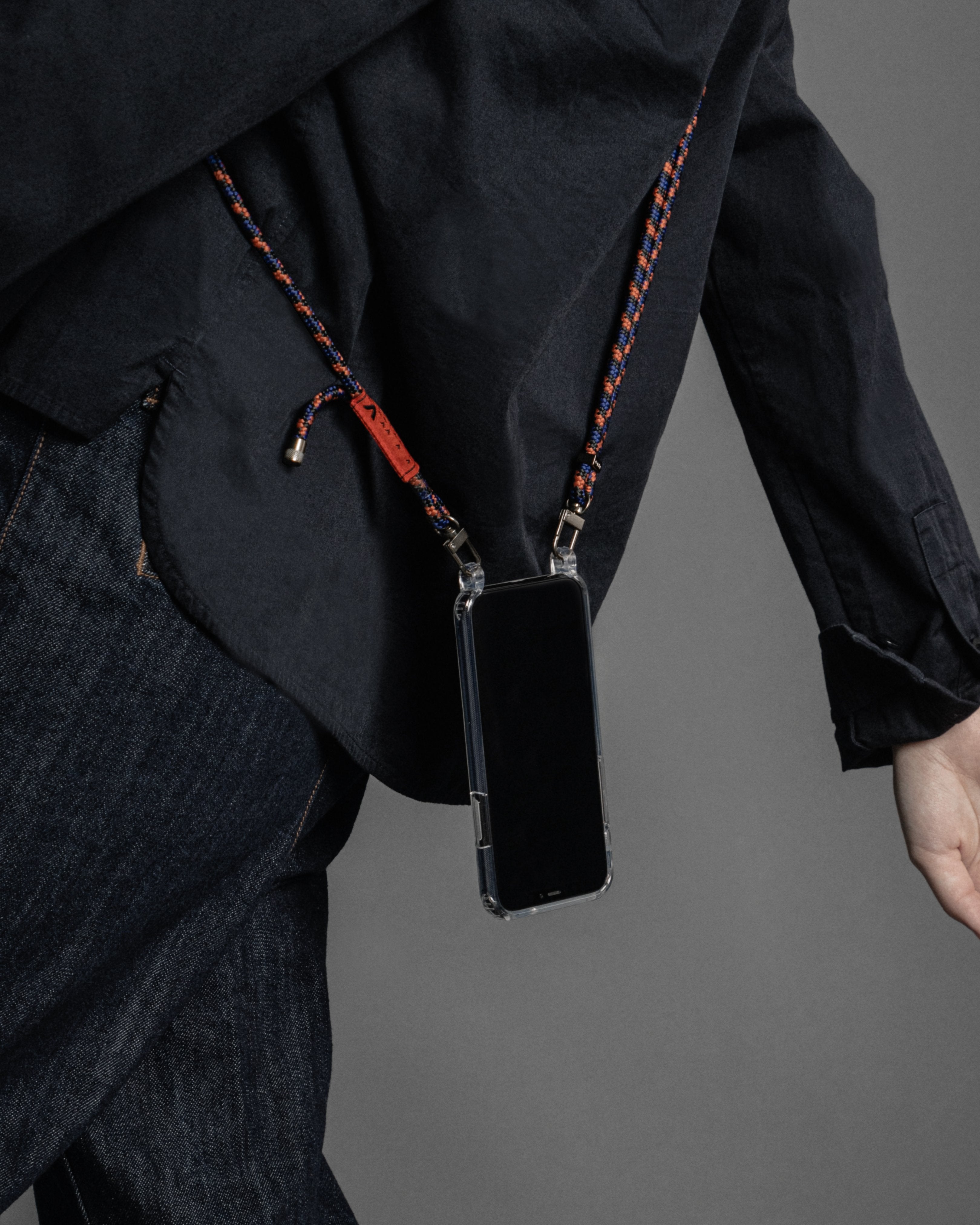
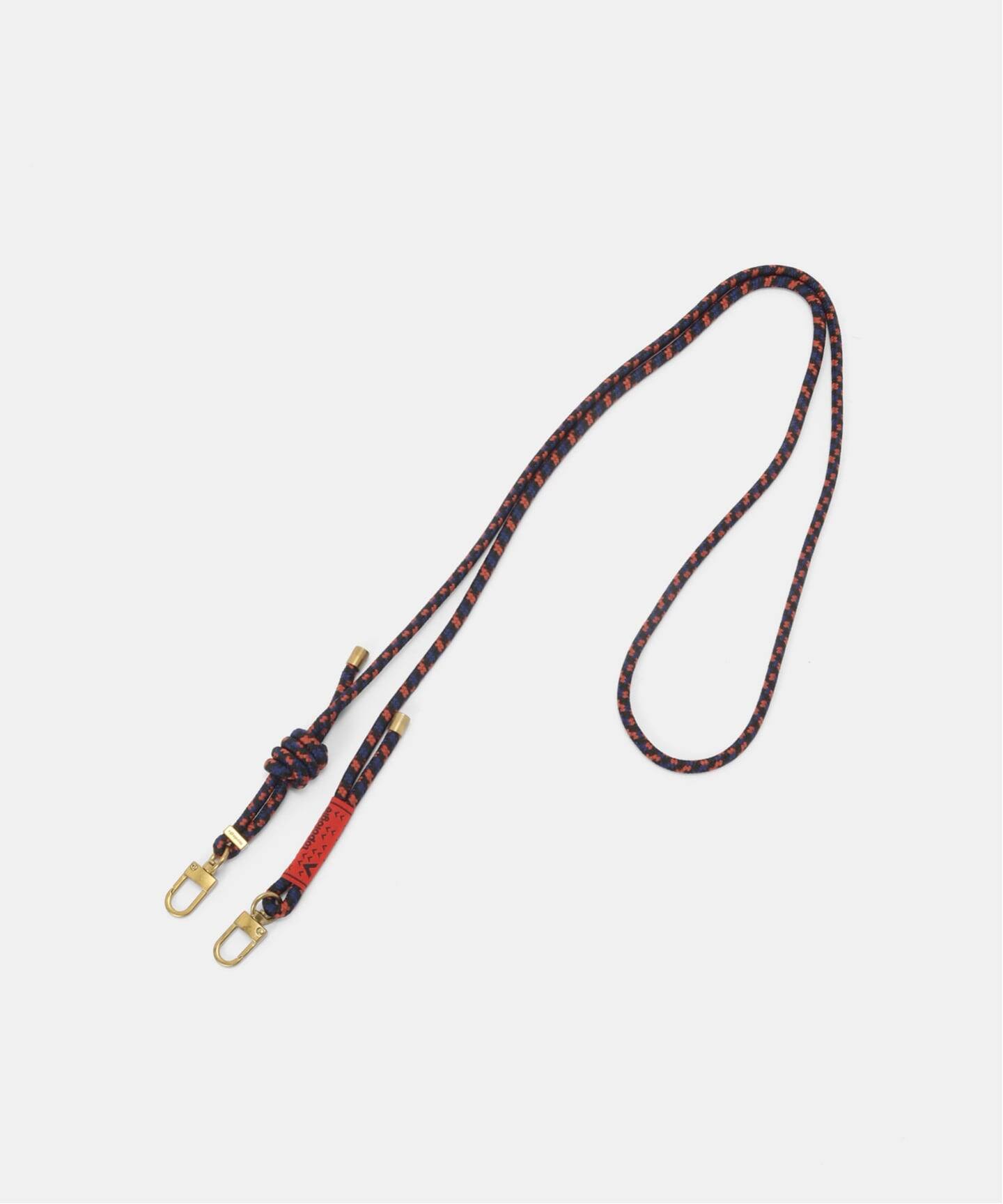
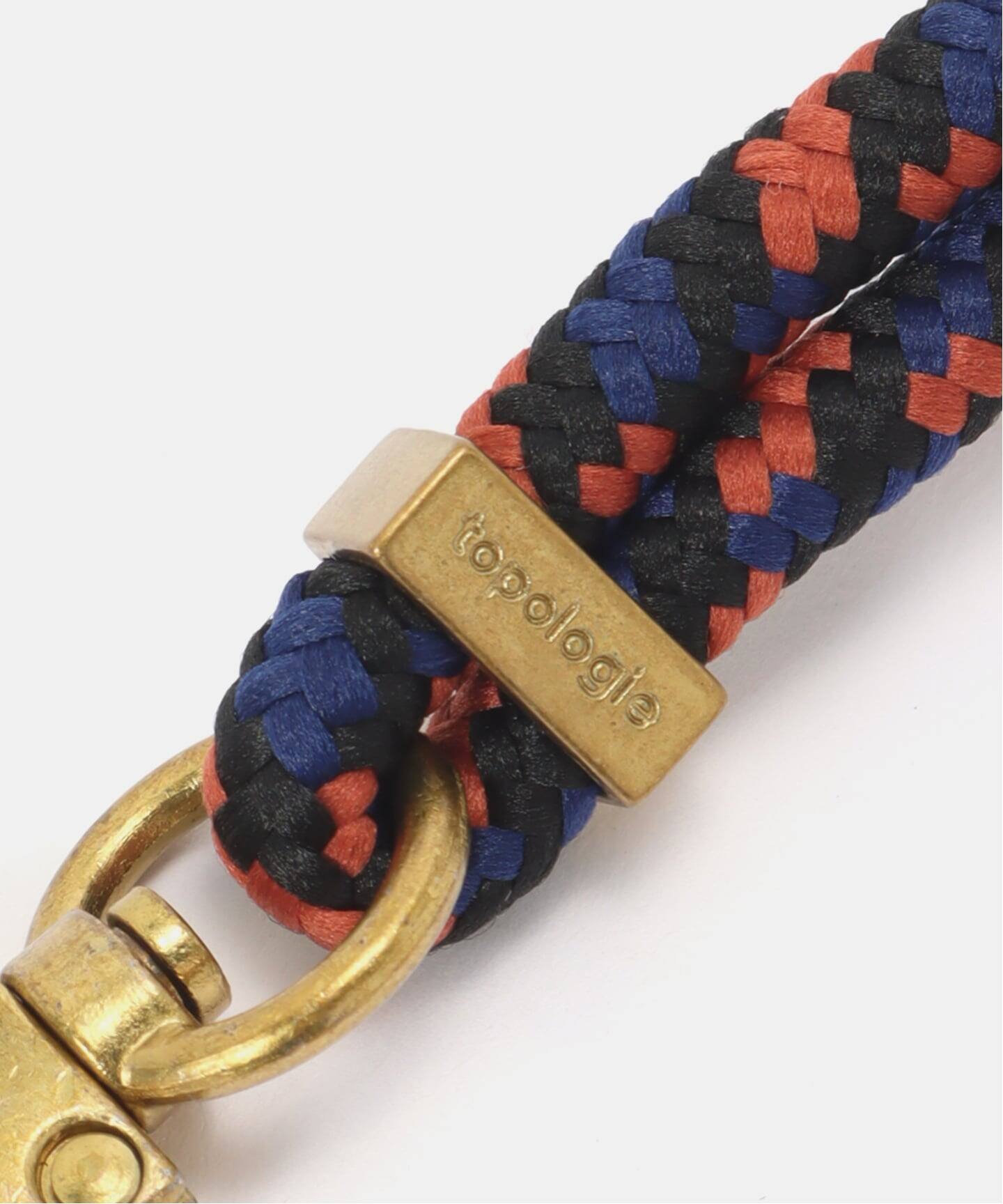
An adjustable rope strap with a pair of swivel carabiners.
Image source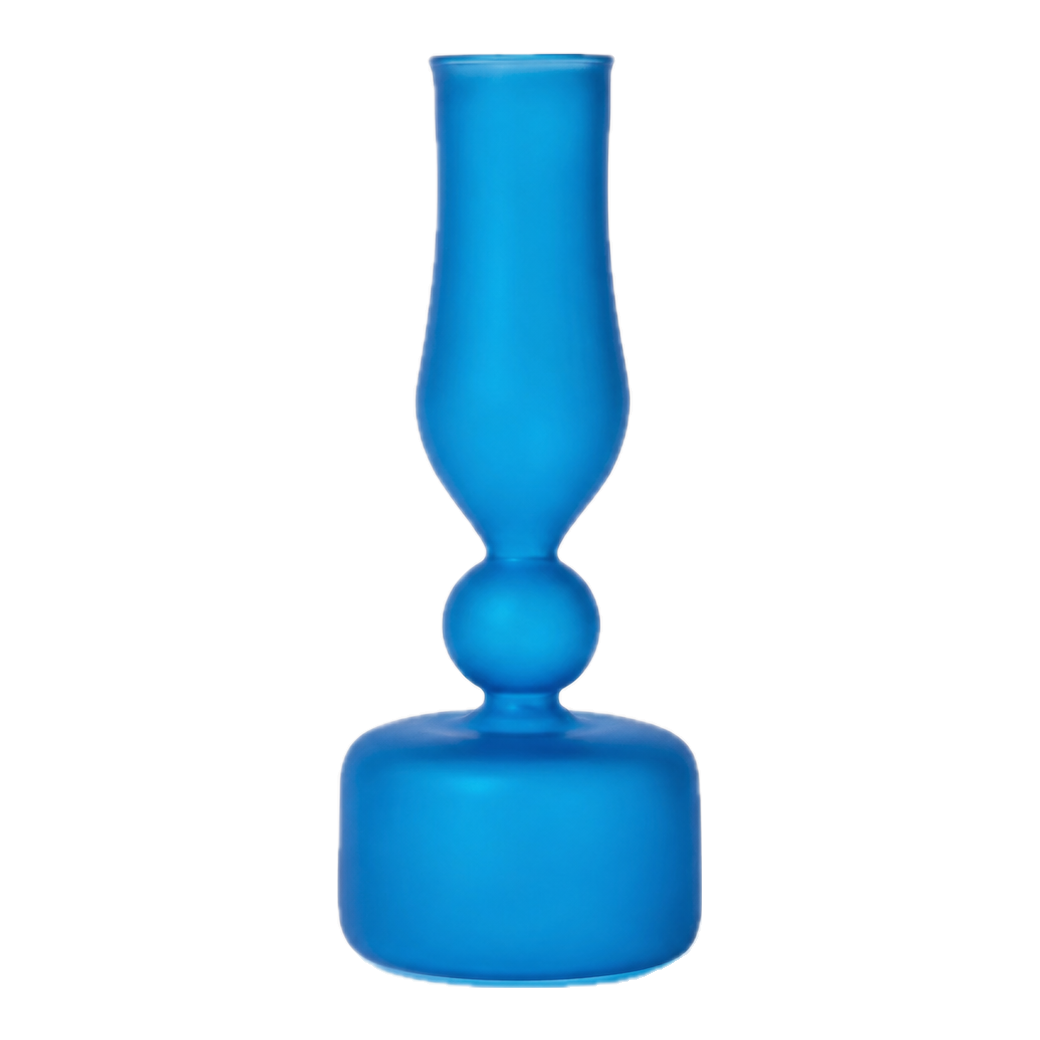
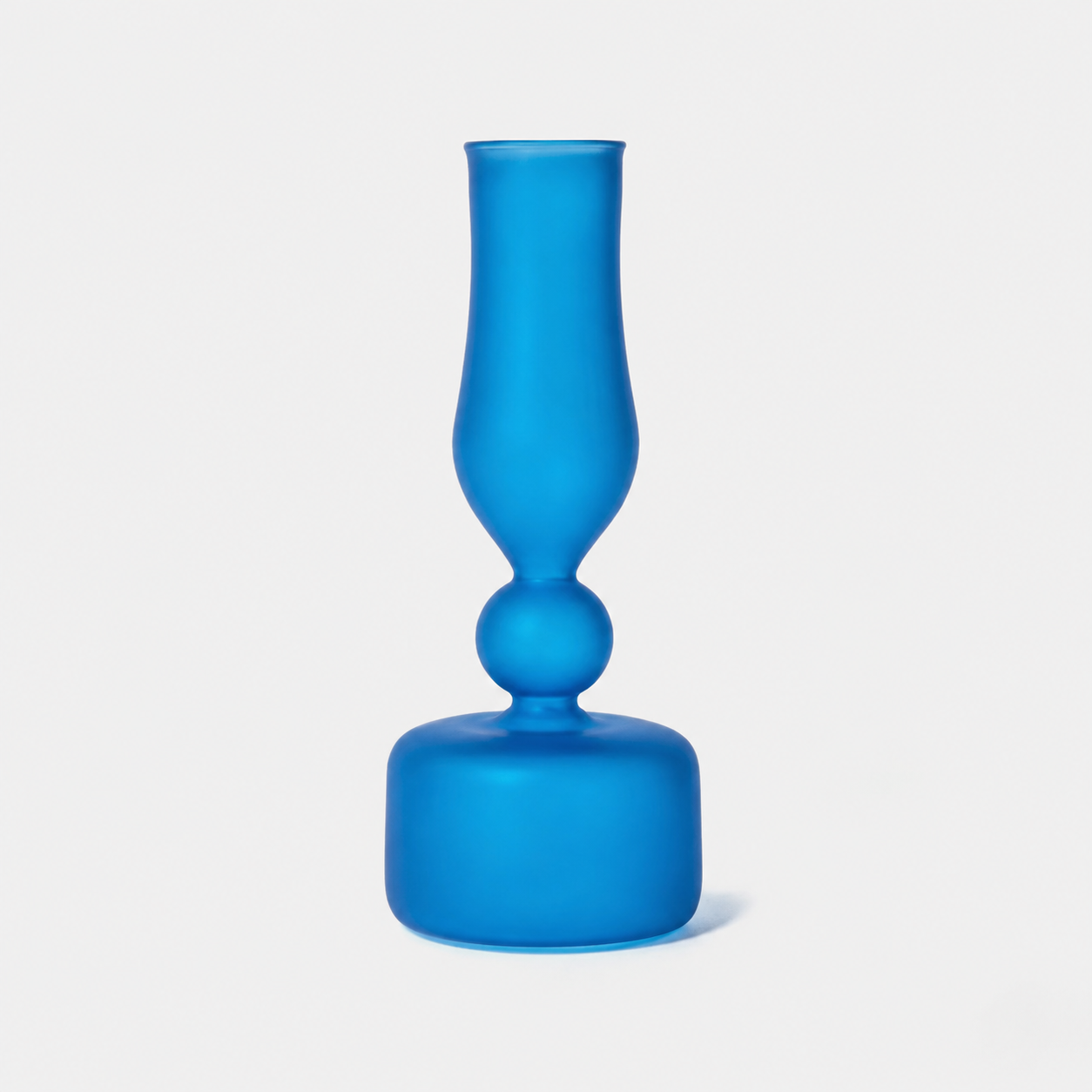
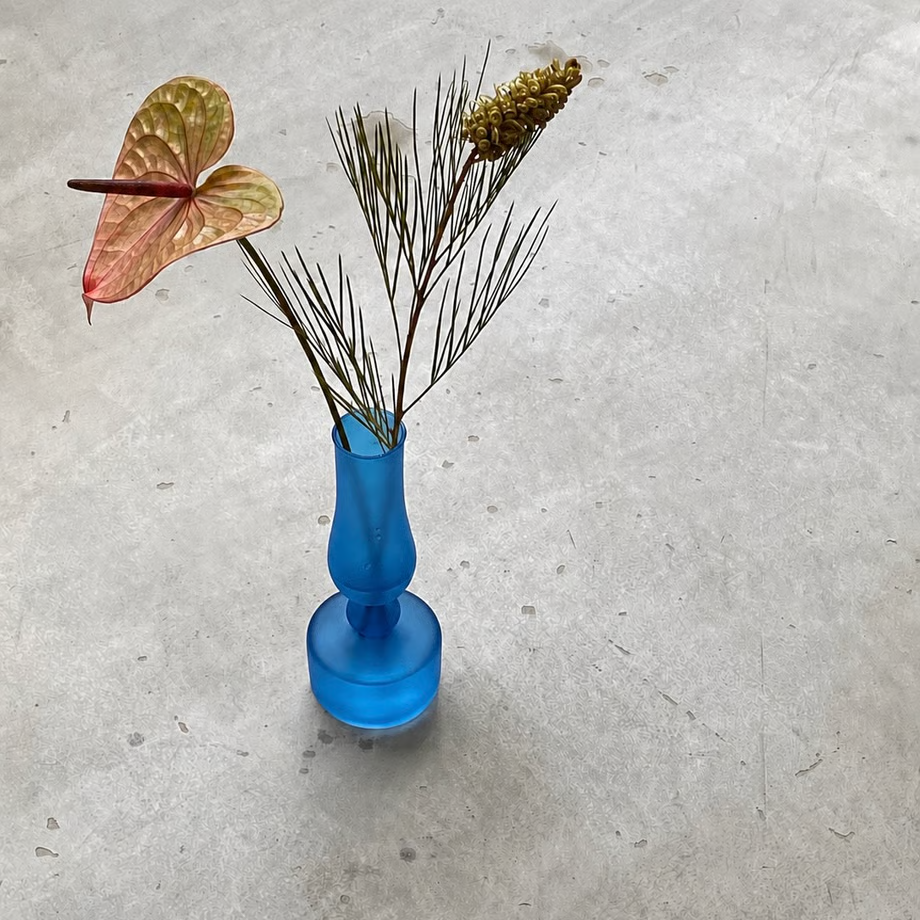
A blue Pyrex glass vase handmade by artisans in Egypt. Its stacked silhouette stands 26 cm tall and 10.5 cm wide; subtle variations in shape and color make each piece its own. Hand-wash gently and avoid sudden temperature changes.
Image source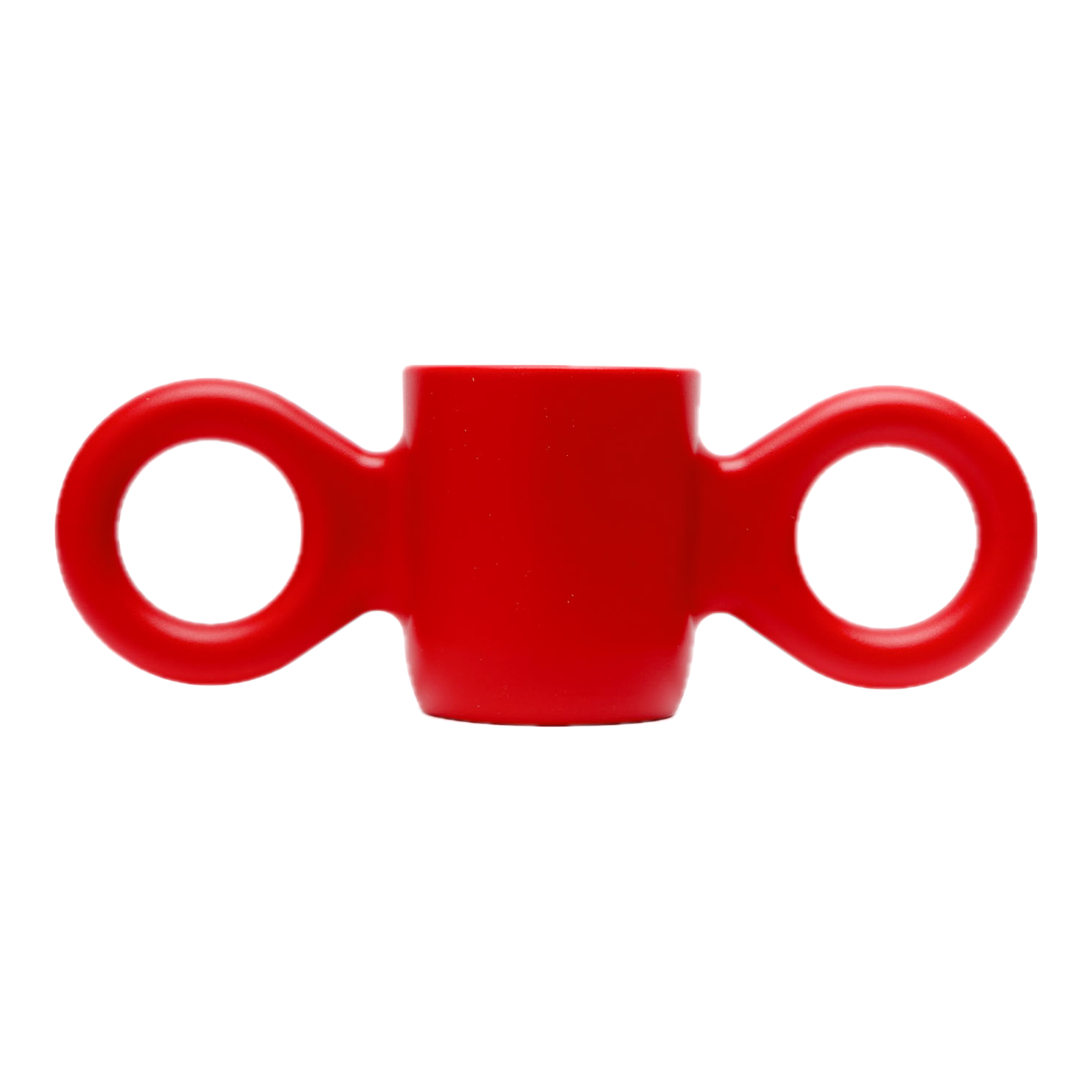
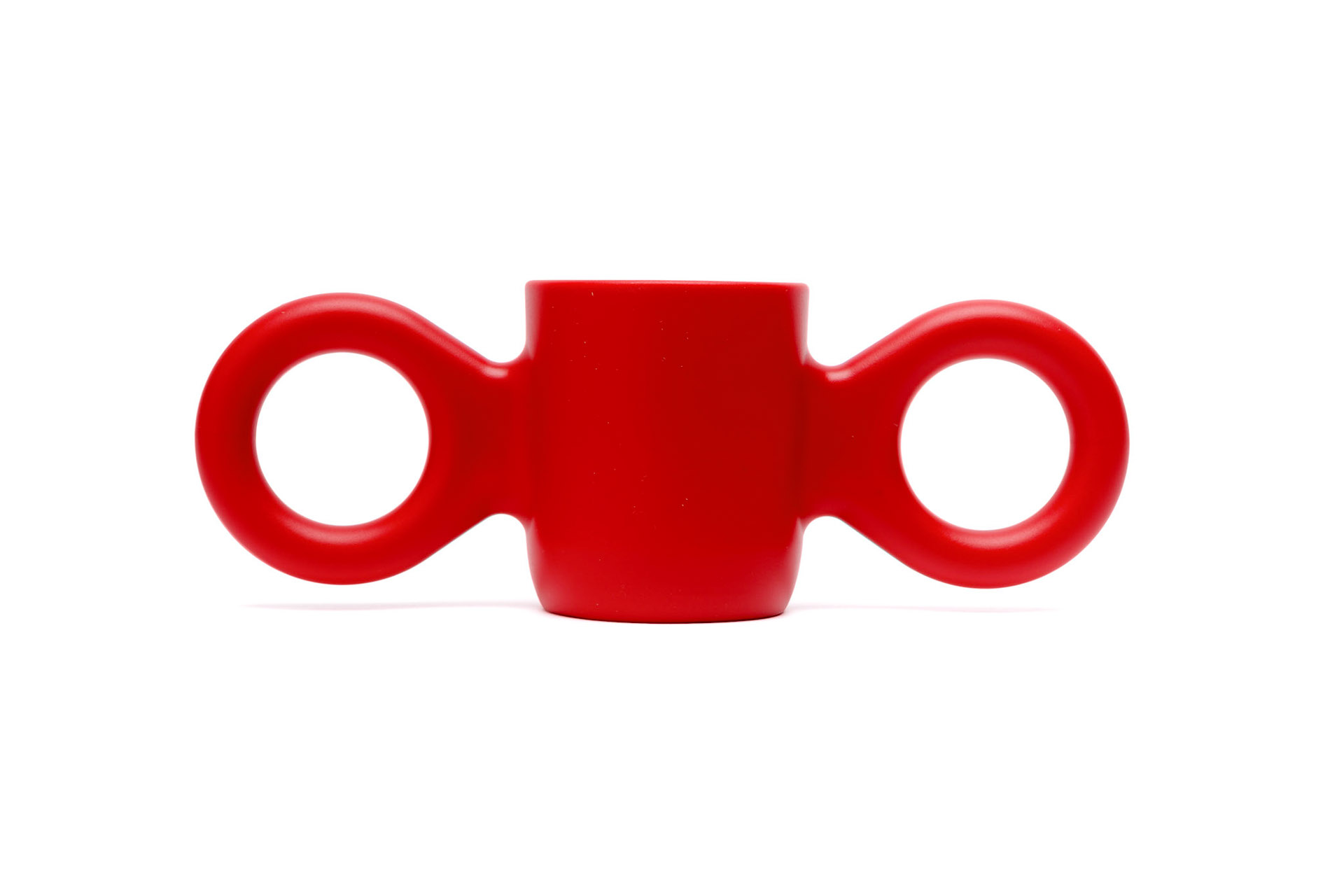
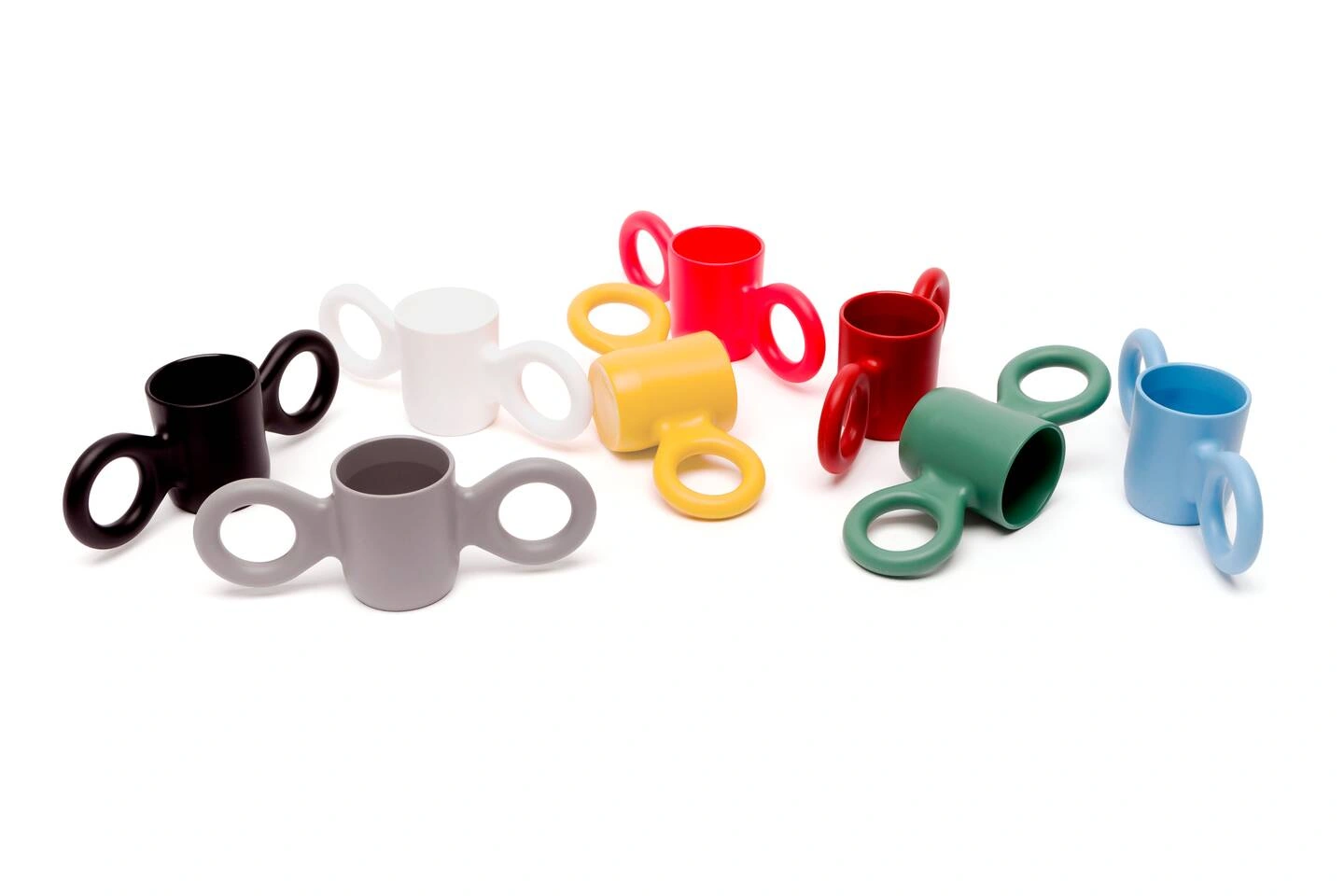
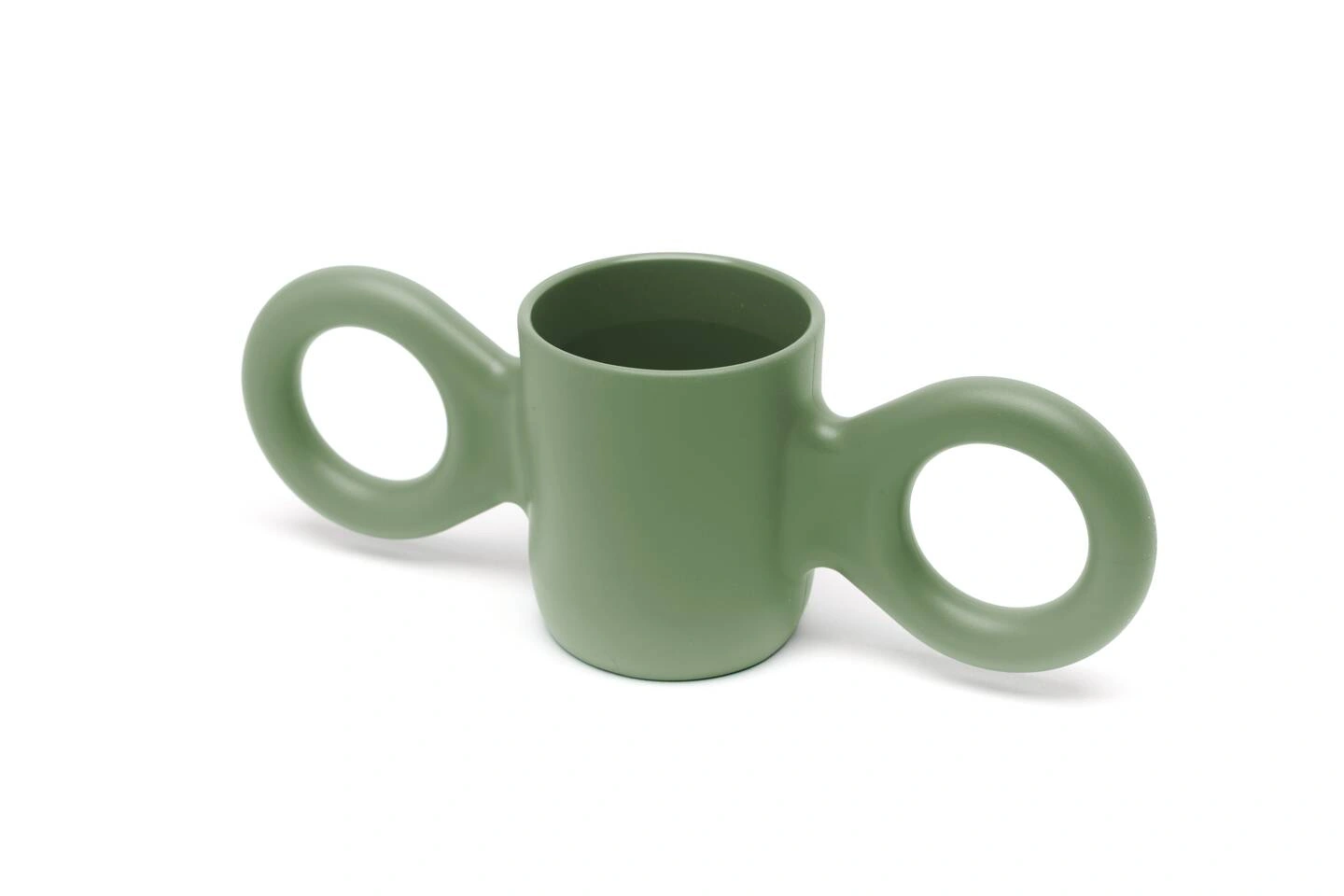
Richard Hutten’s two-handled mug for Gispen, designed in 2000. Oversized ear-like handles make it easy to grip and give a familiar drinking vessel a playful character.
Image source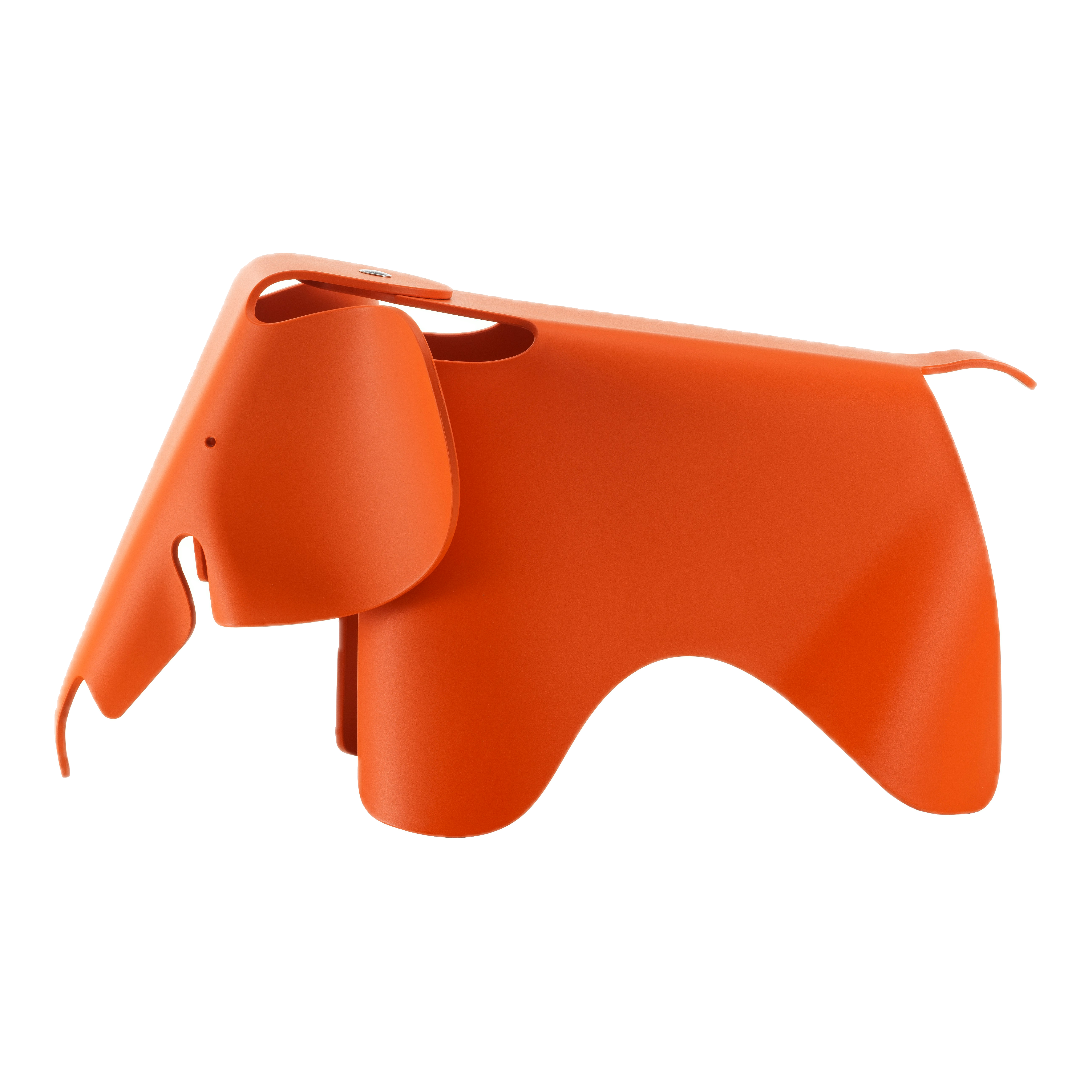
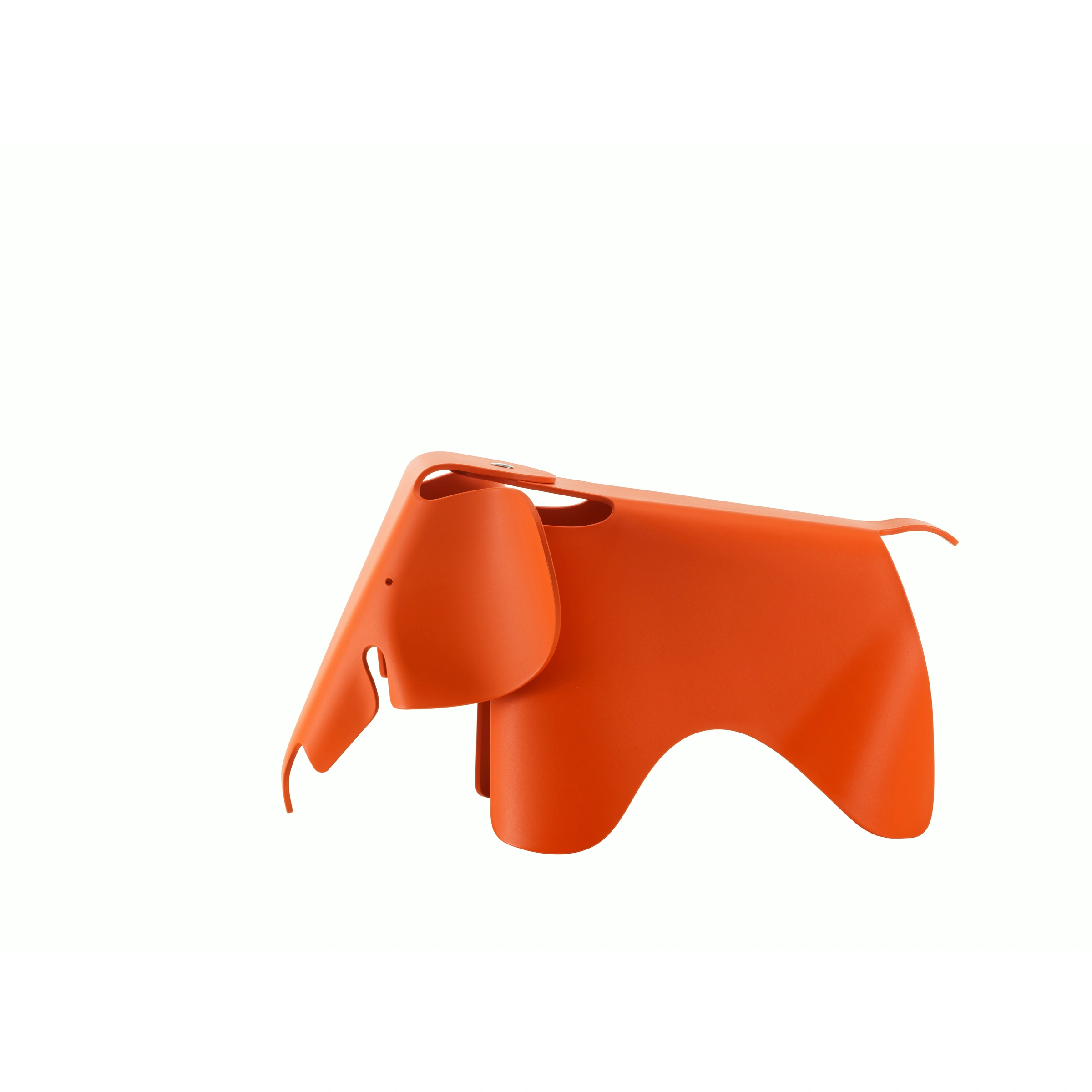
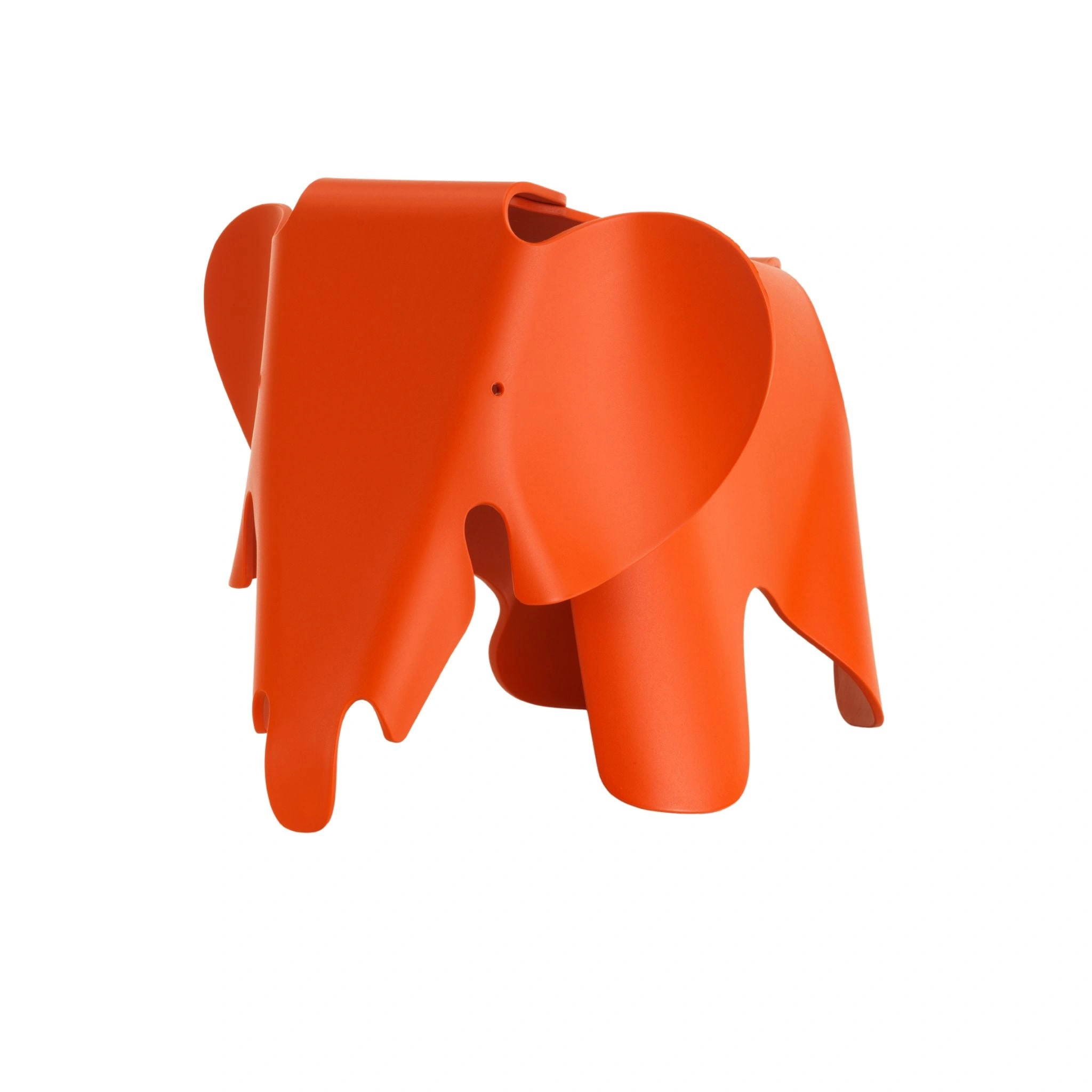
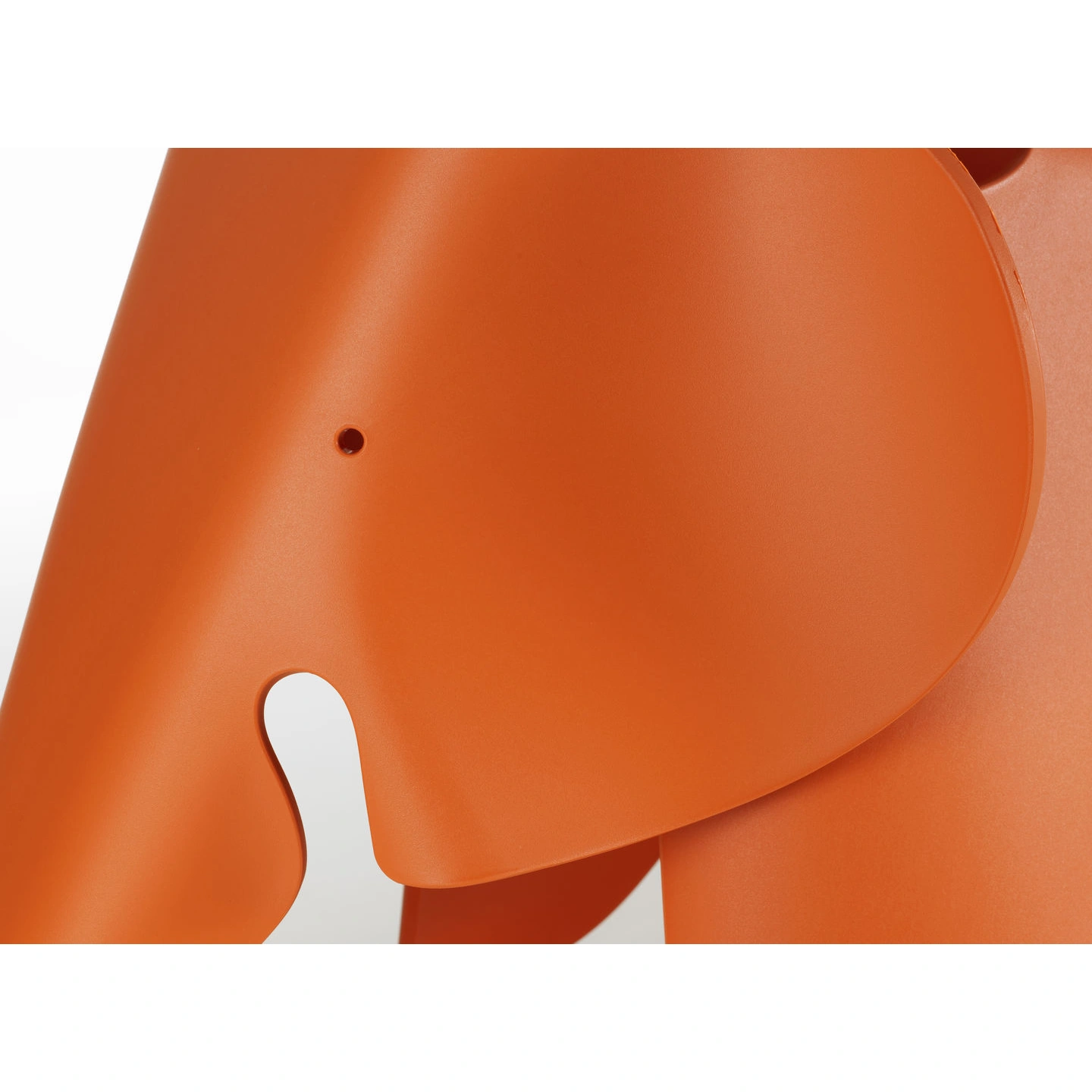
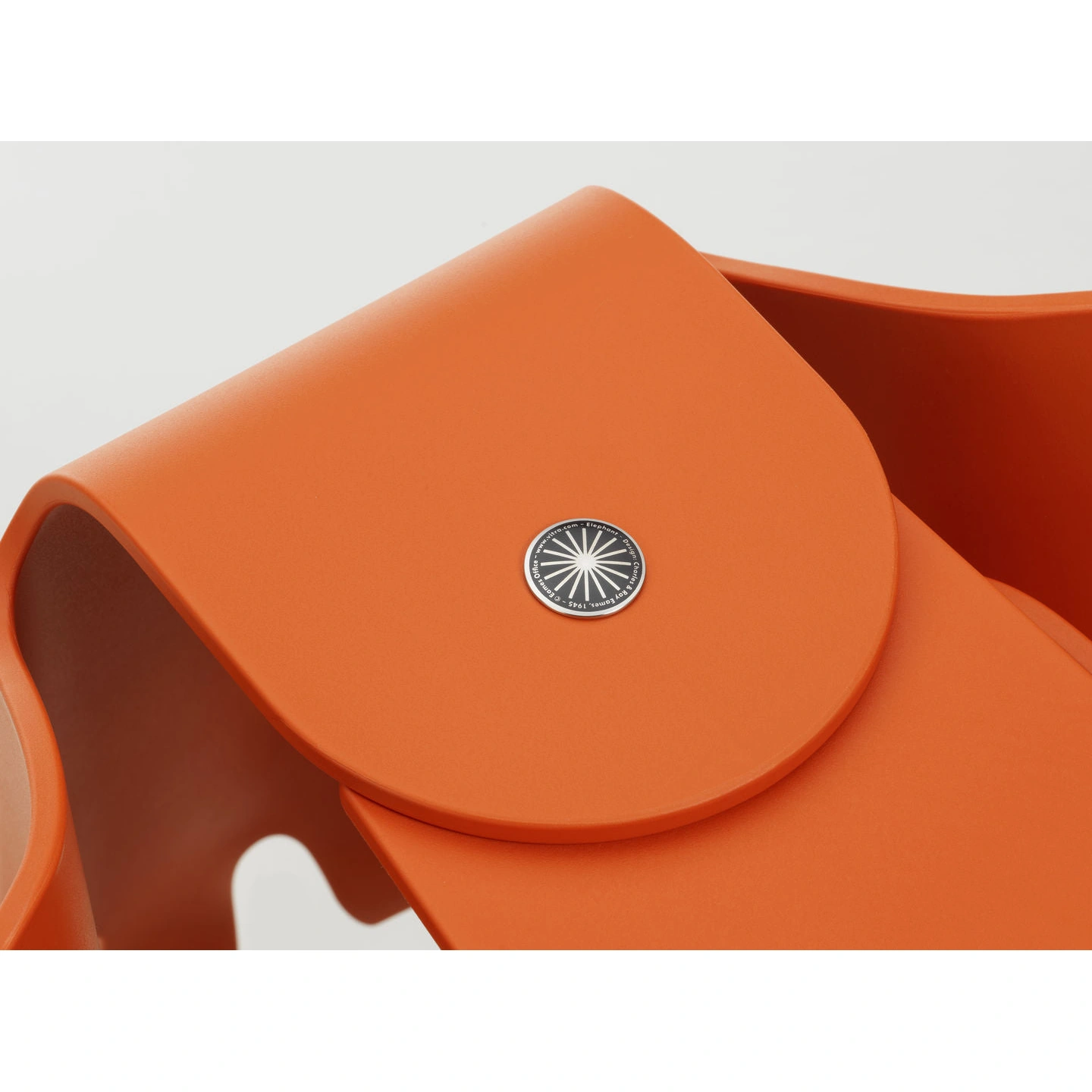
Charles and Ray Eames’s elephant, reimagined in Red Orange recycled plastic. Broad ears, a curved trunk, and a sturdy four-legged form bring a little play into everyday spaces.
Image source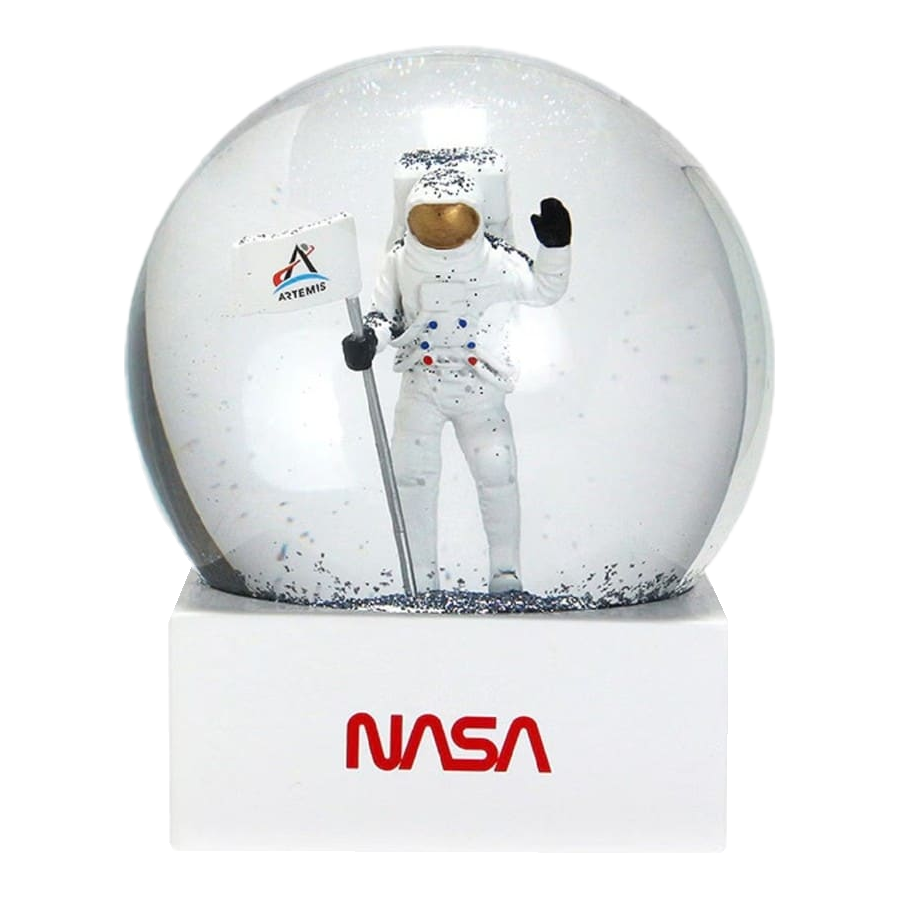
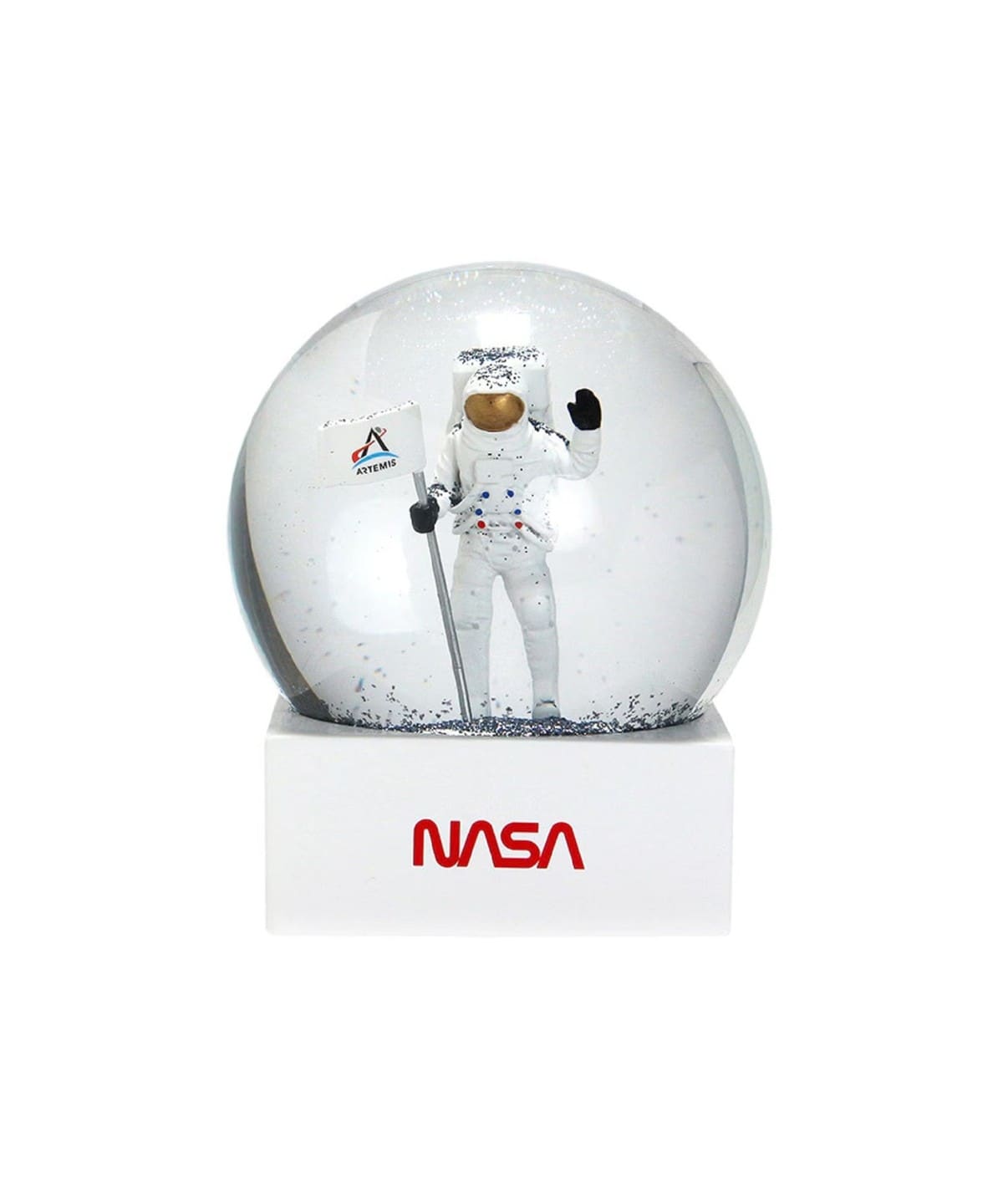
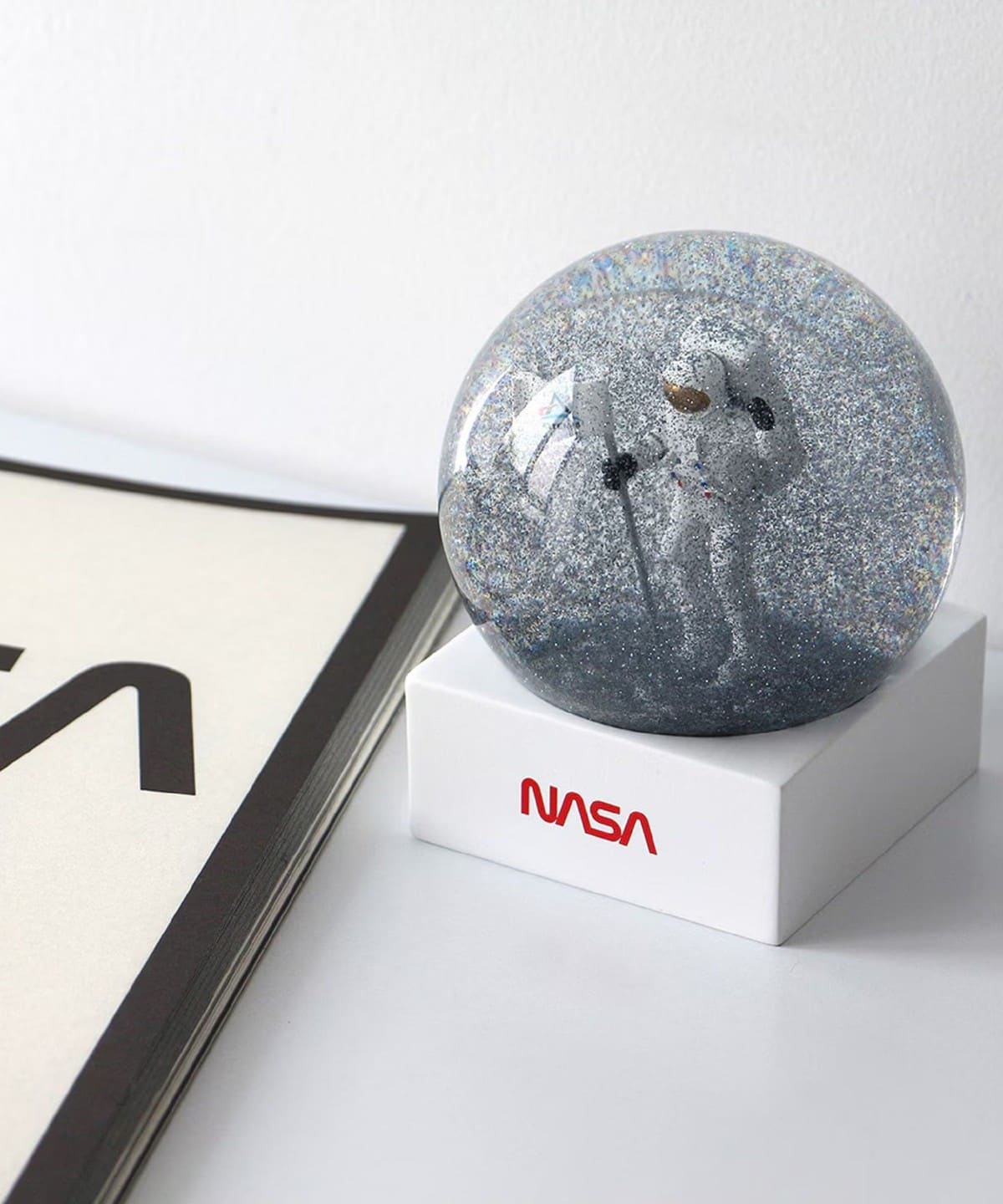
An astronaut waves from a glitter-filled glass dome, carrying an Artemis flag above a white NASA base. A small reminder to keep looking up.
Image source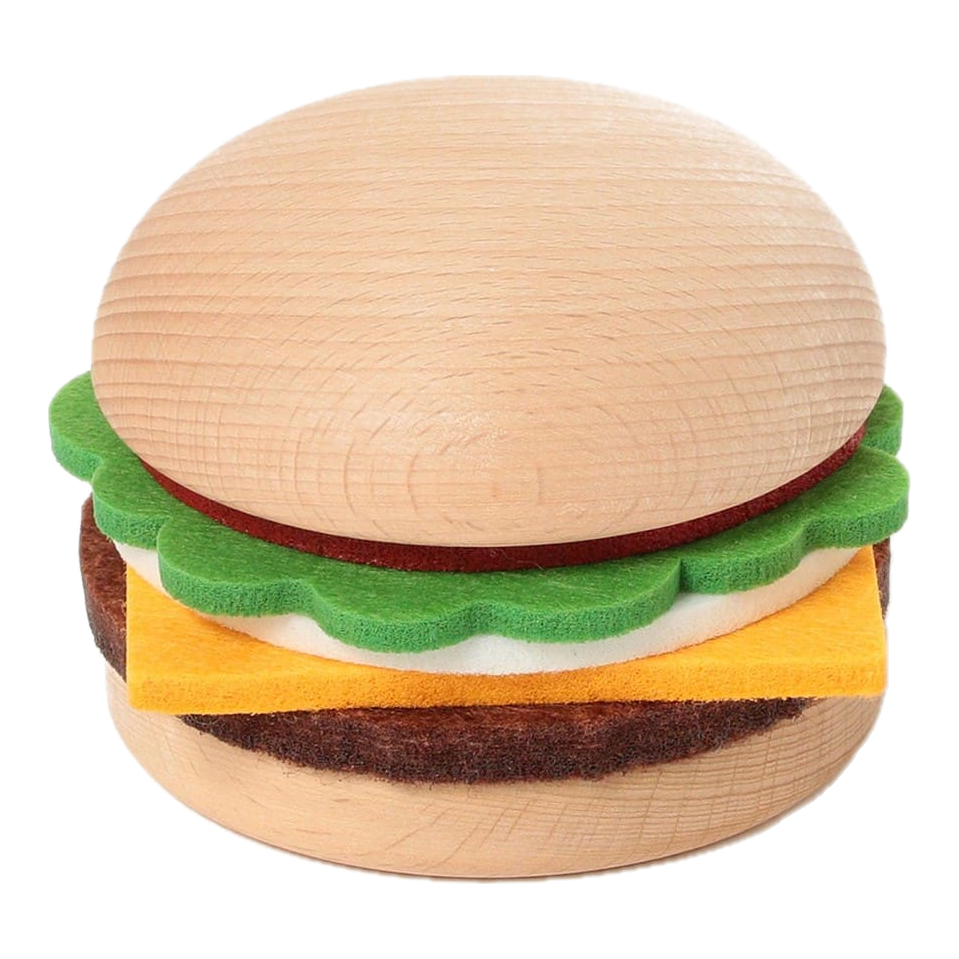
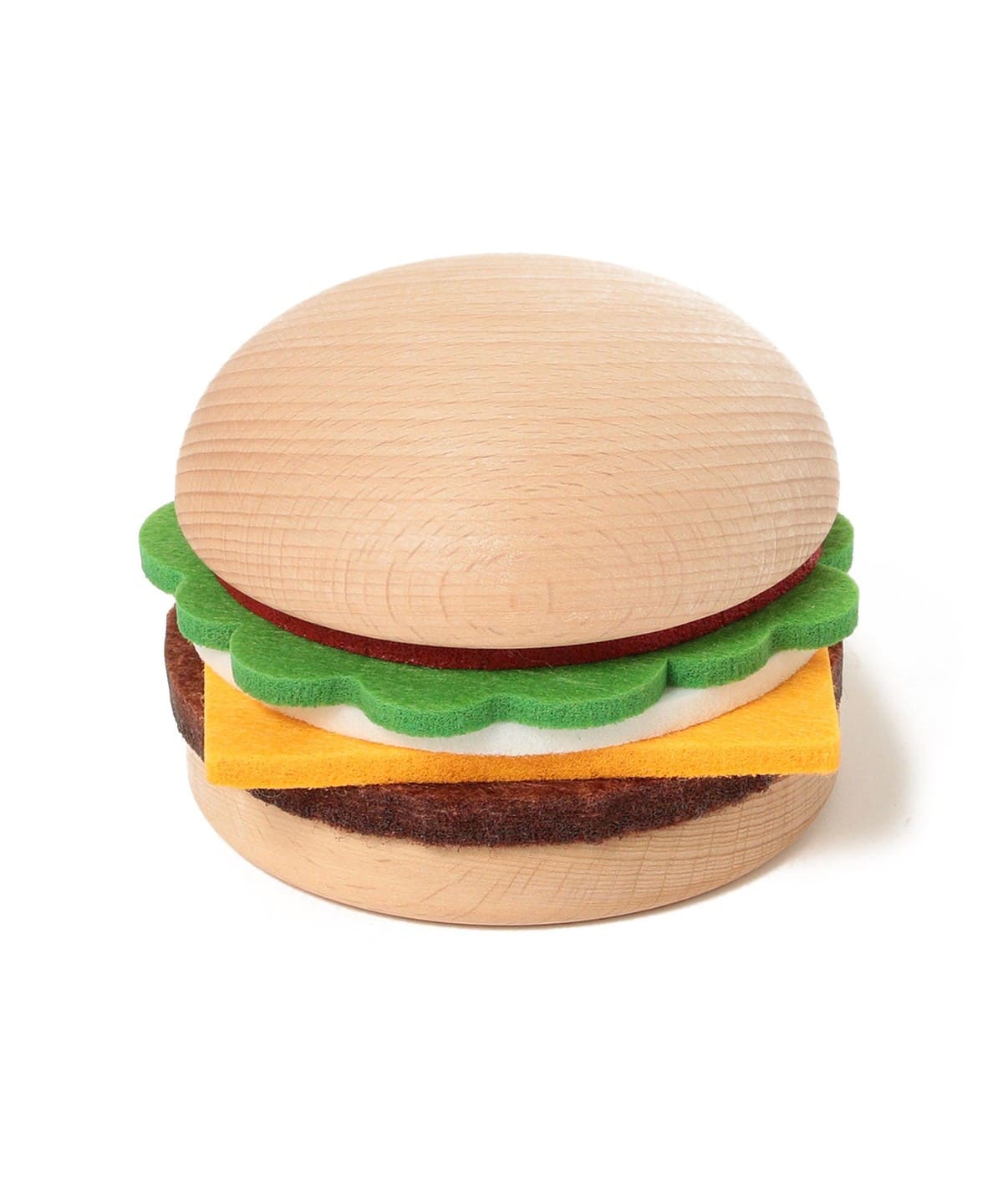
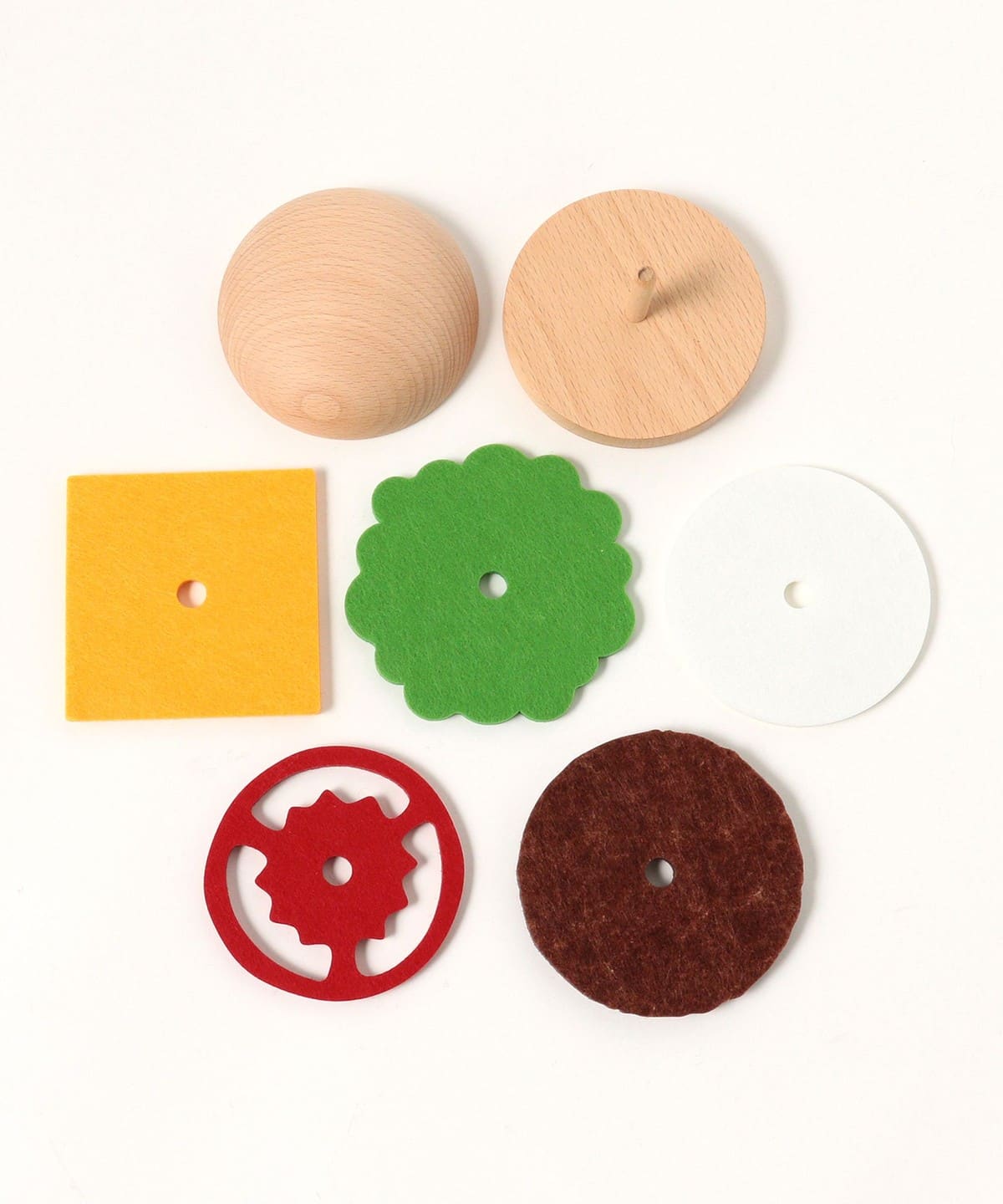
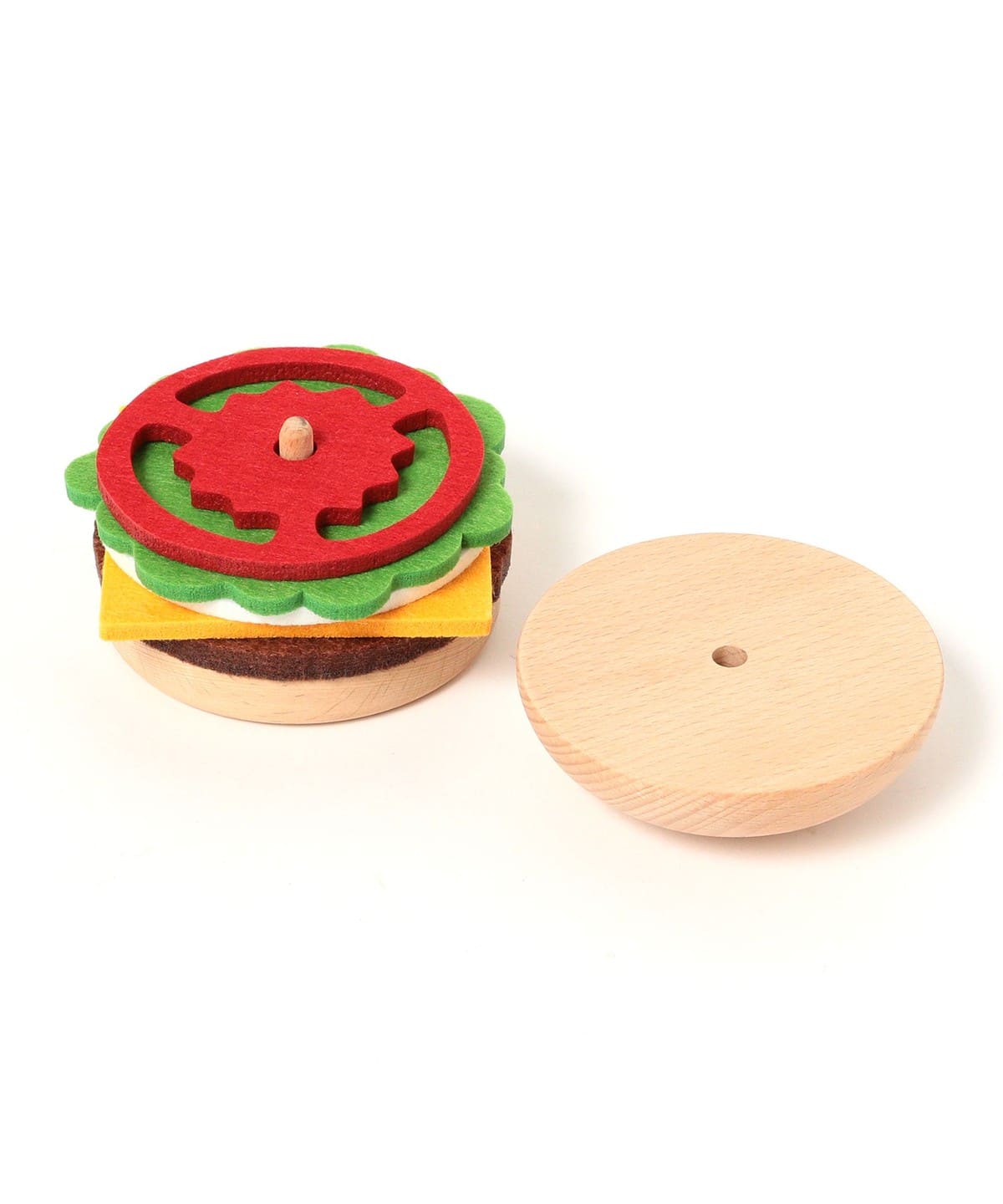
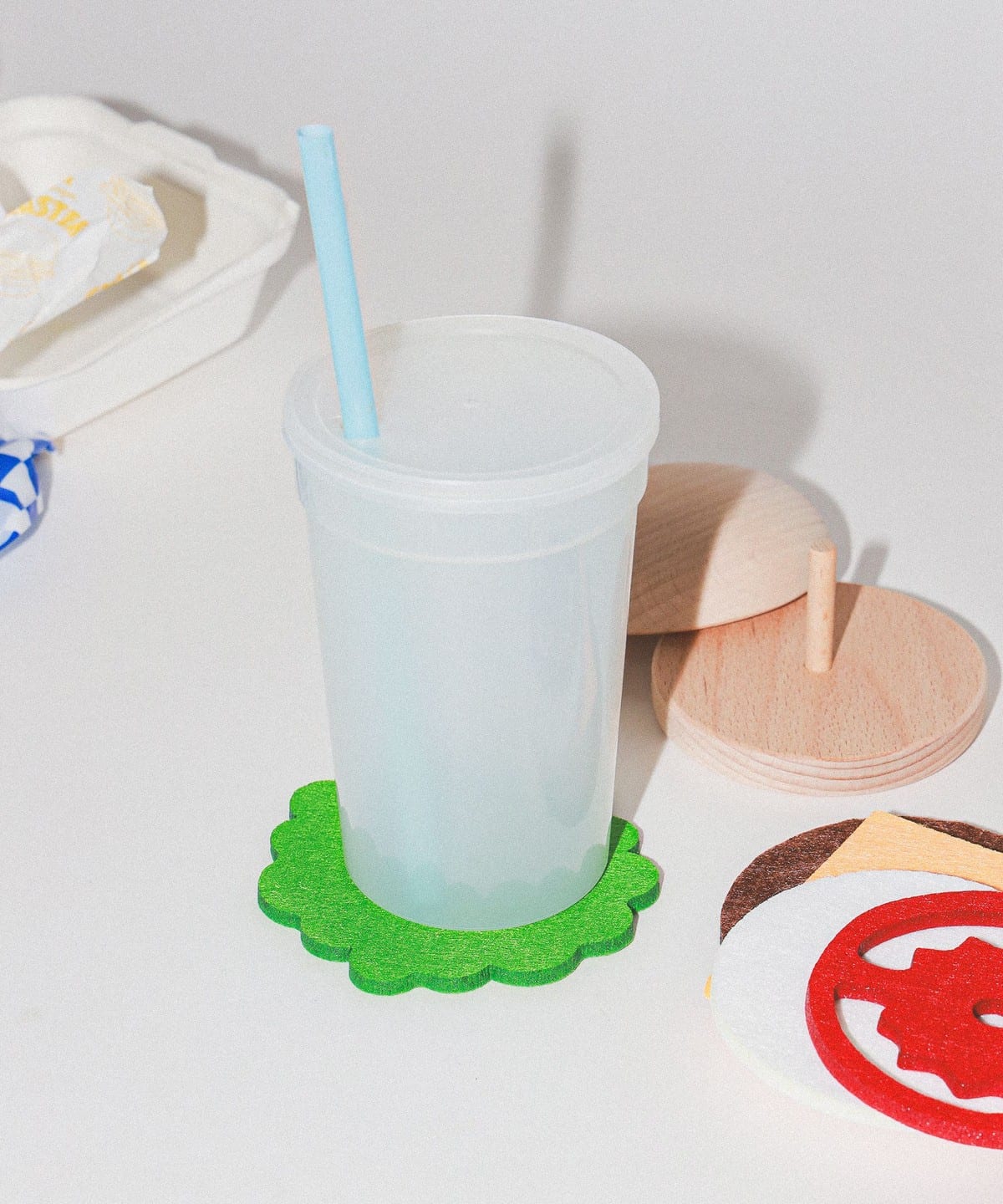
Five wool-felt ingredients stack between beechwood buns to make a hamburger. Unstack them into coasters; the wooden bun doubles as a cup lid.
Image source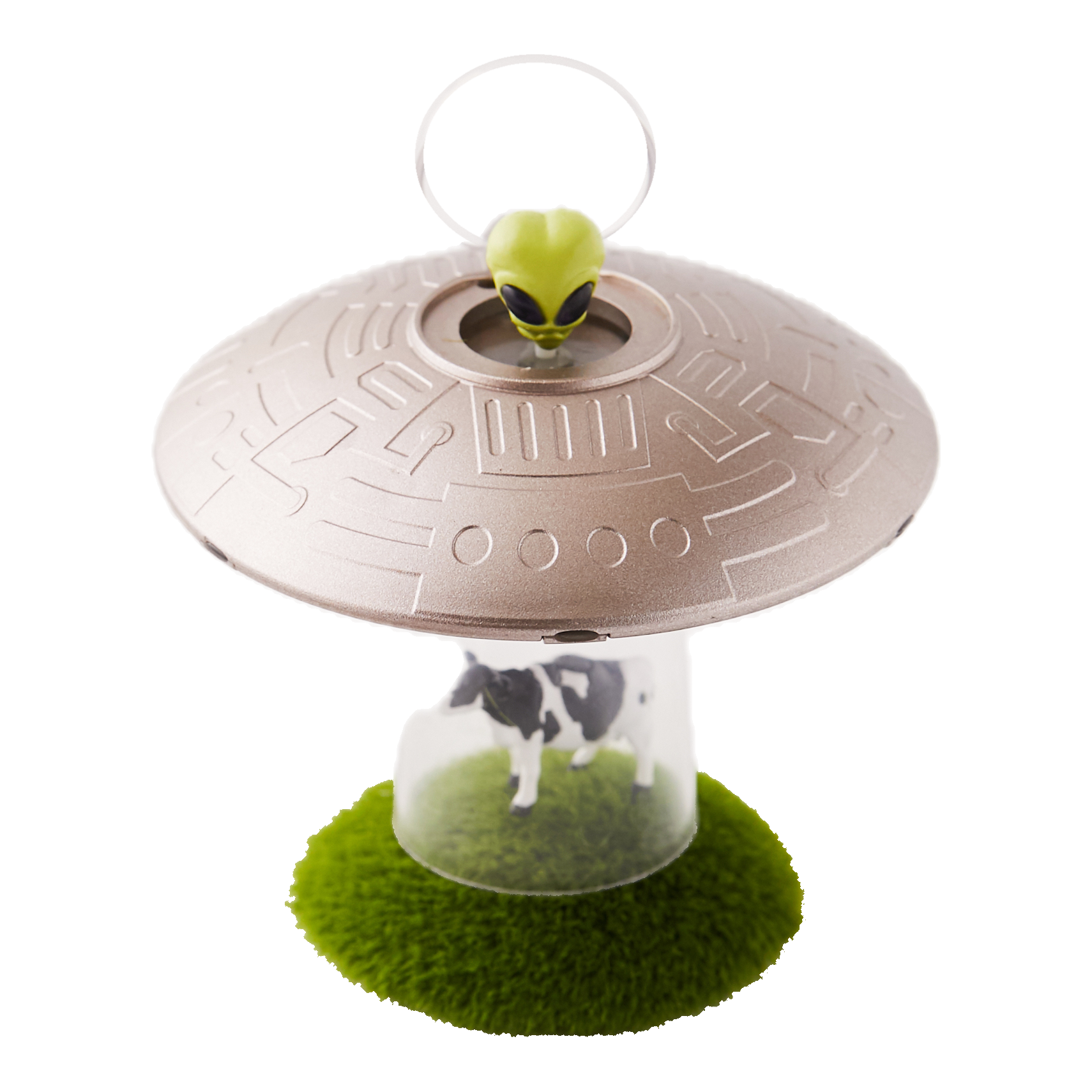
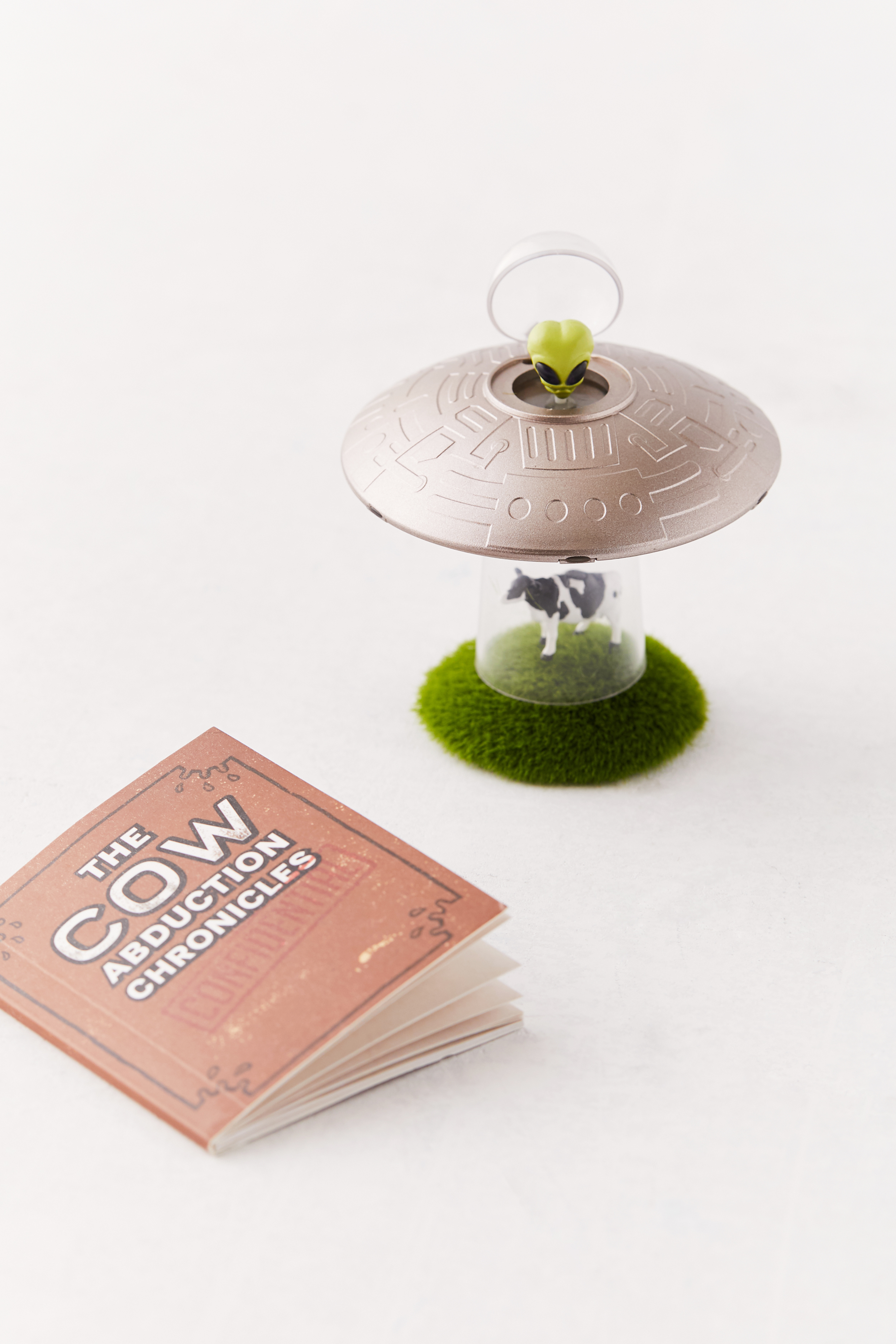
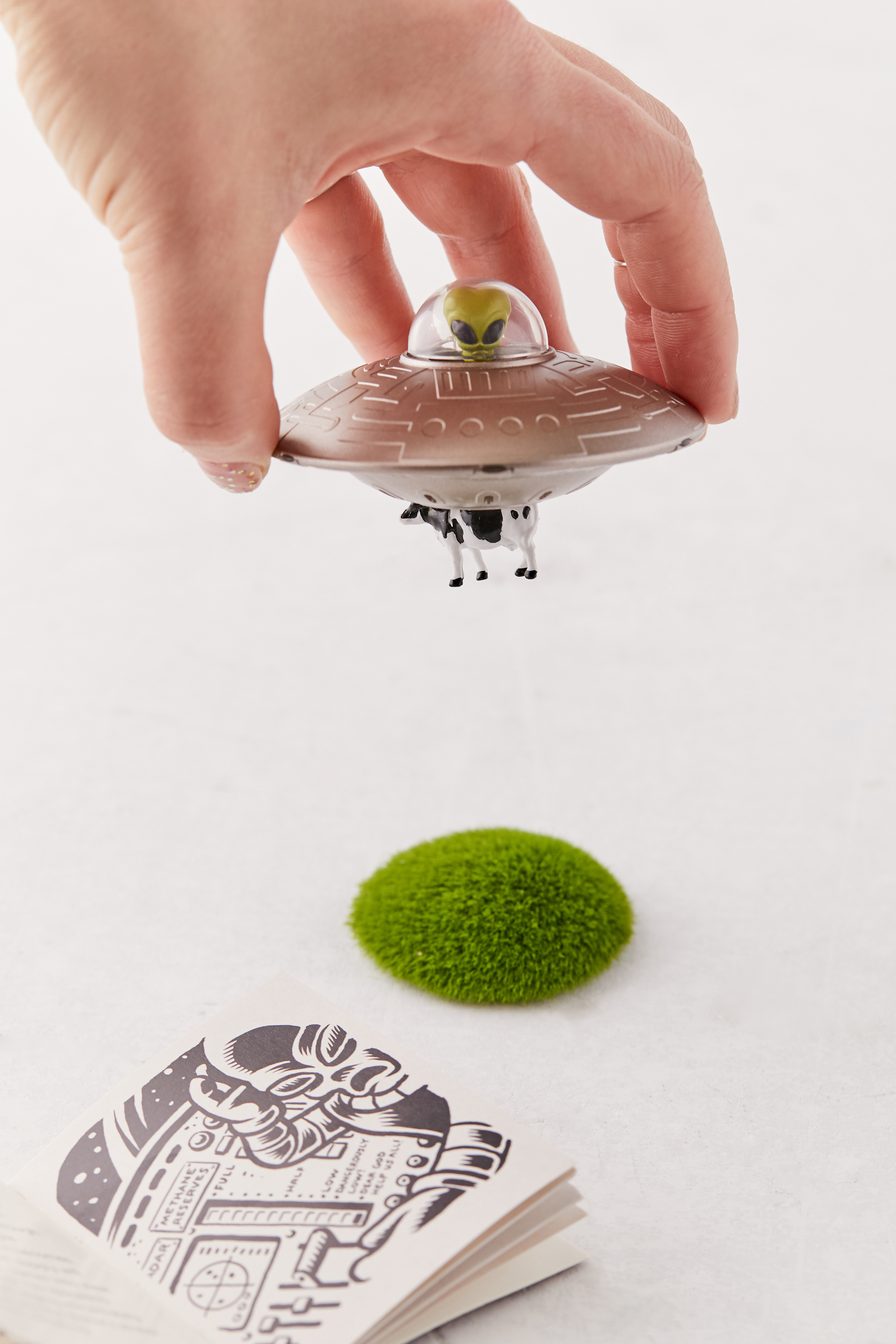
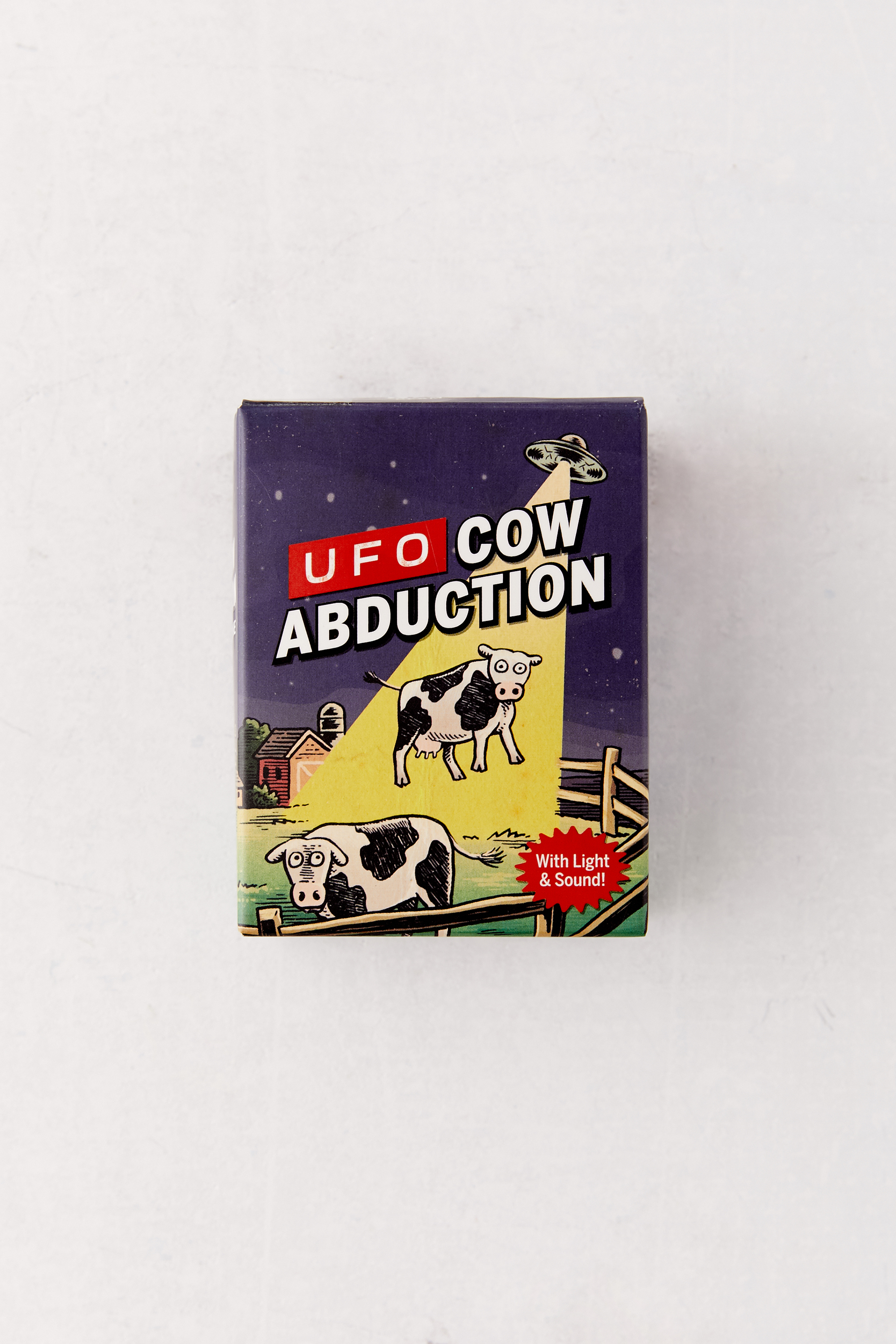
A miniature flying saucer abducts a cow with a magnet, flashing lights, and sound effects. The kit includes a grass-covered base, display stand, and a small illustrated book.
Image source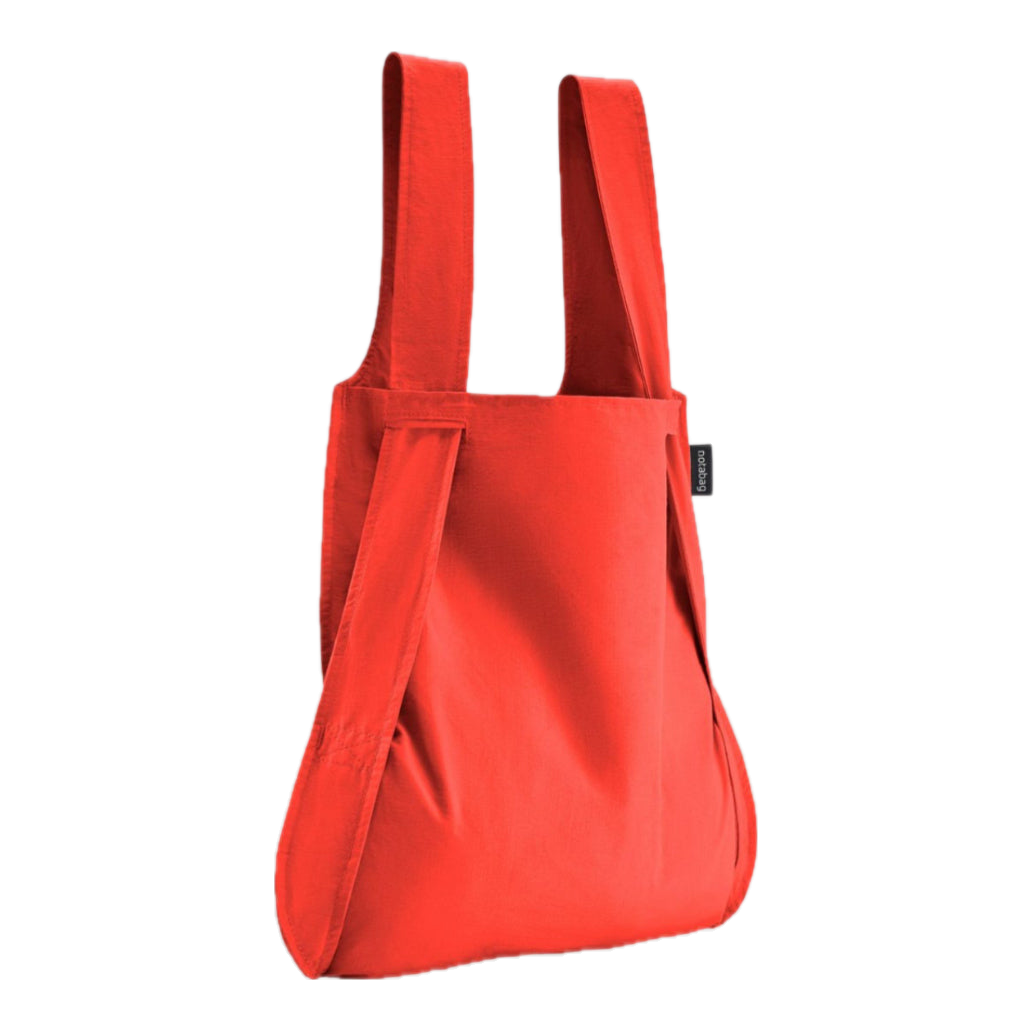
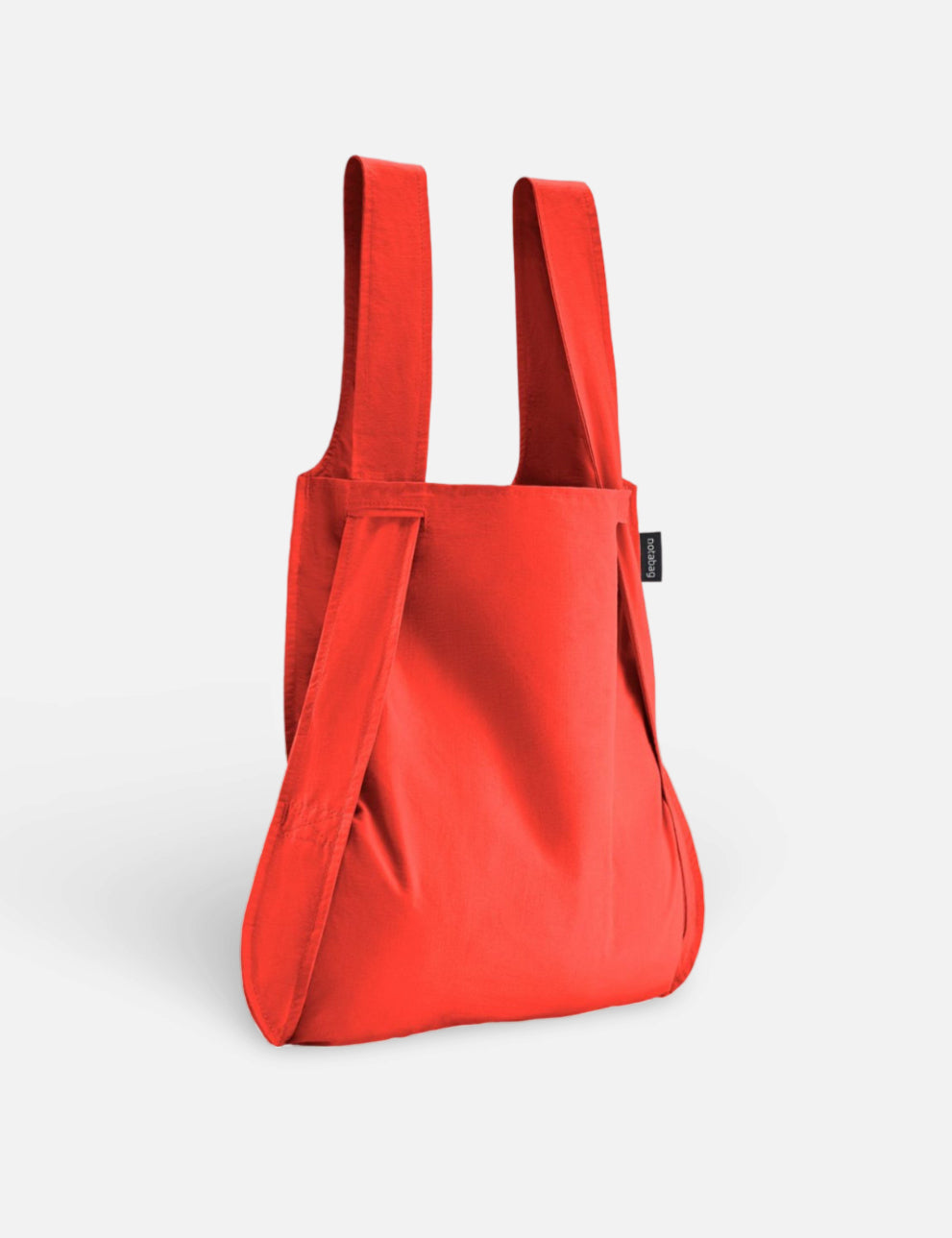
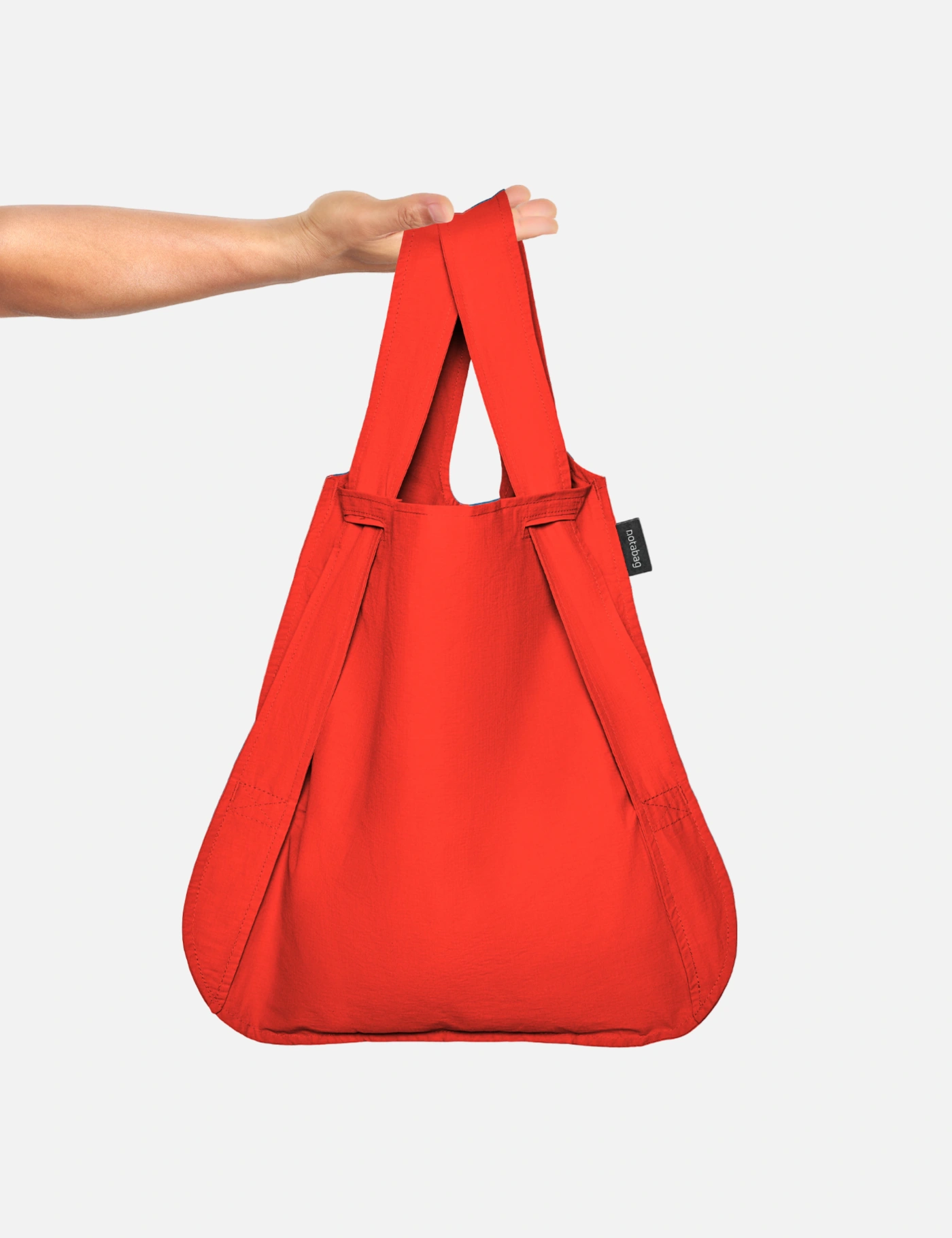
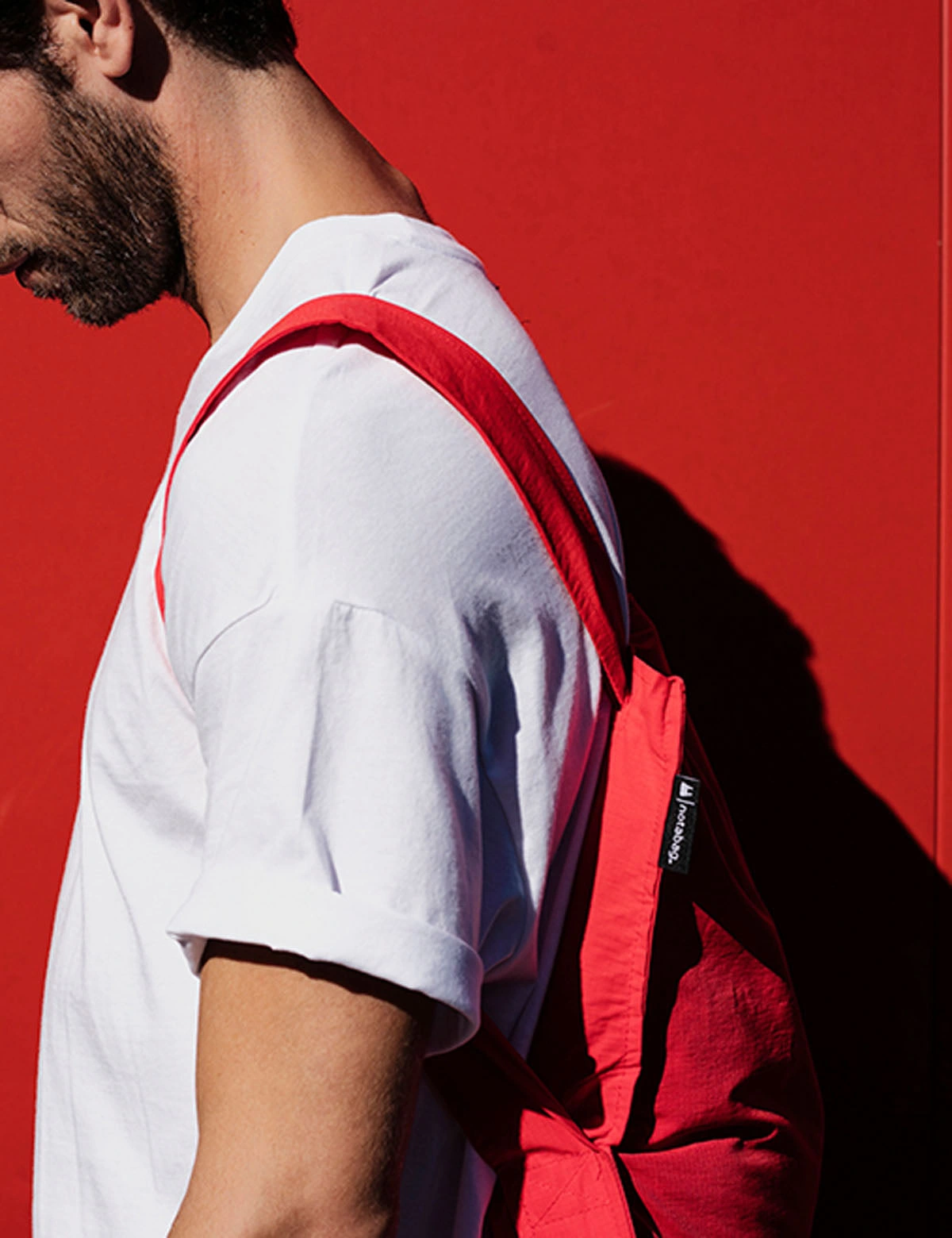
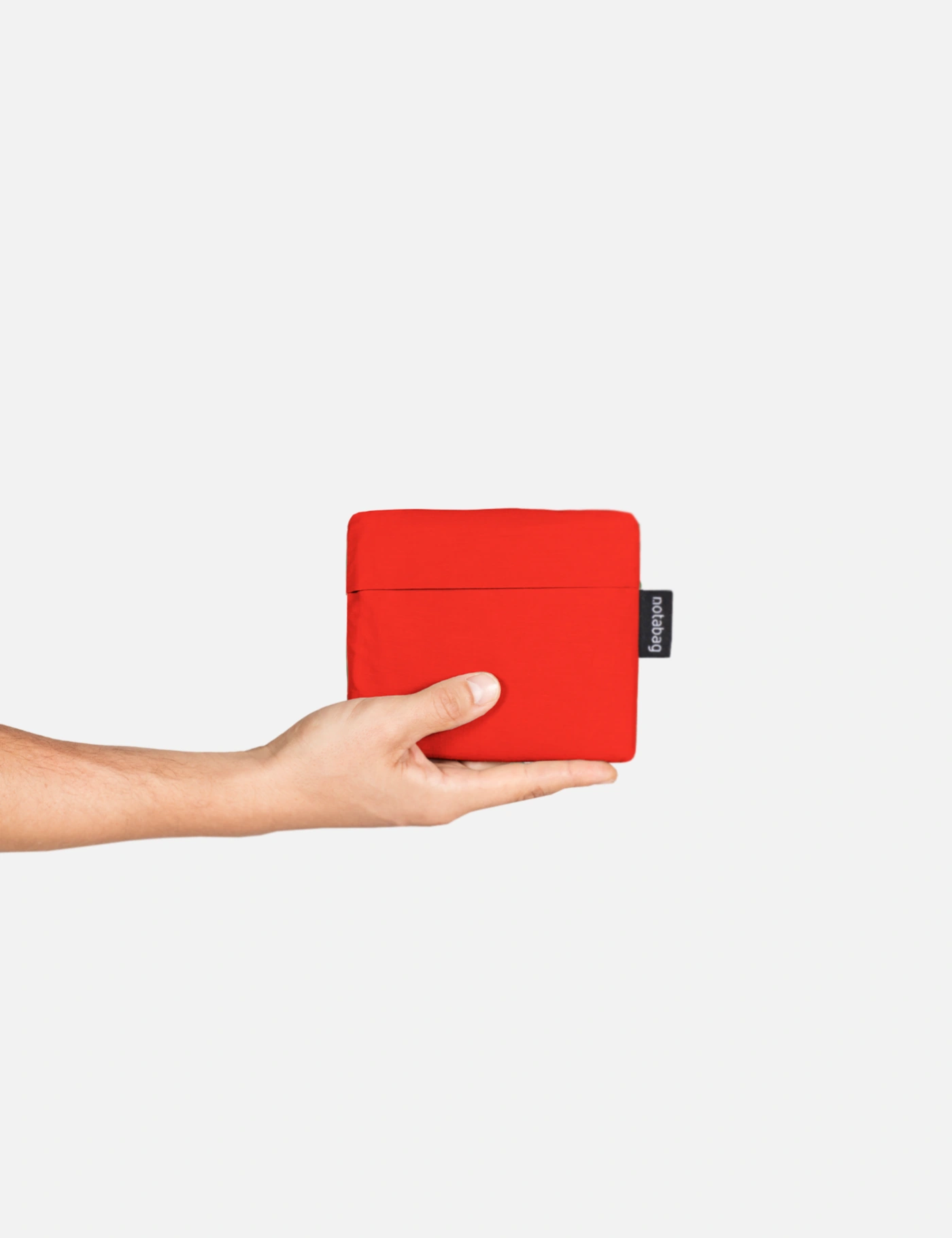
Pull the straps and this reusable red bag becomes a backpack. Its cotton-nylon fabric folds into an inner pocket, ready to come along for the next errand.
Image source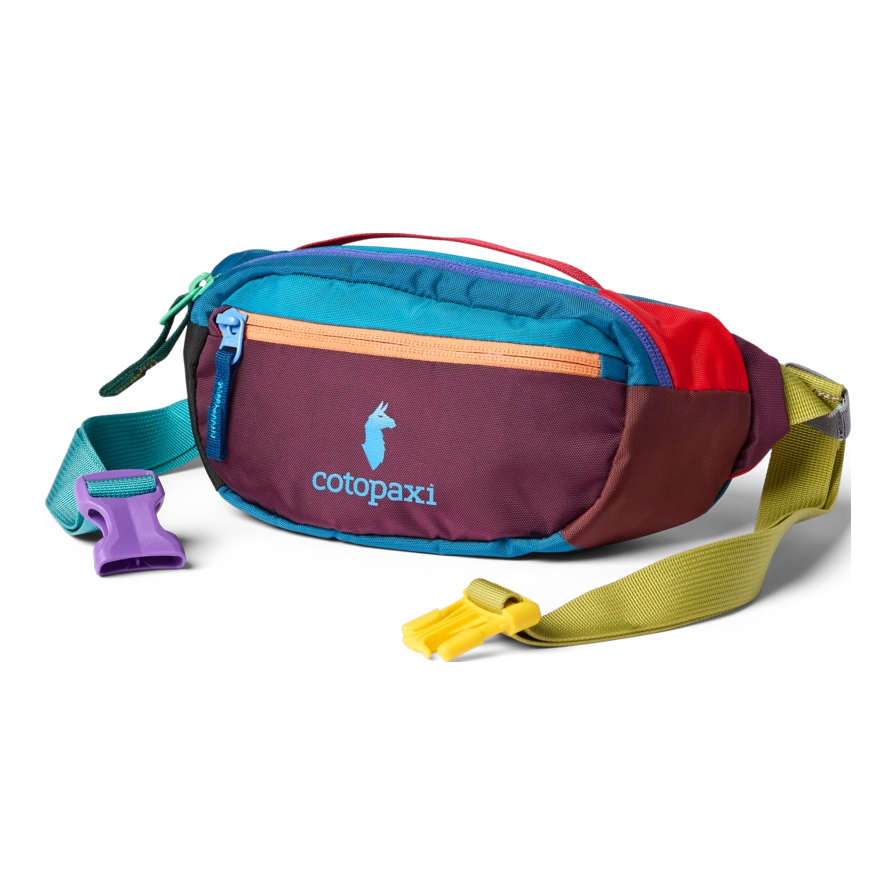
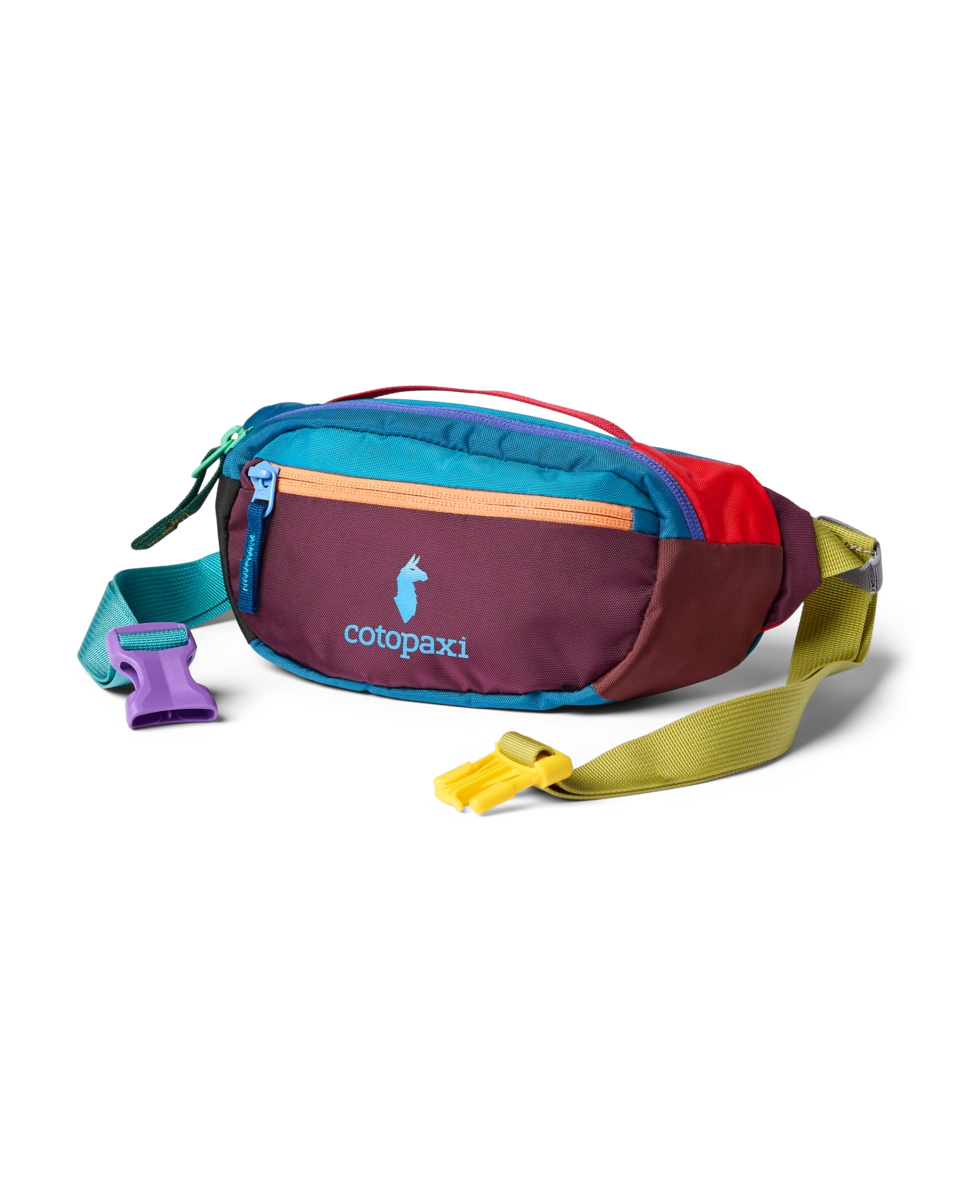
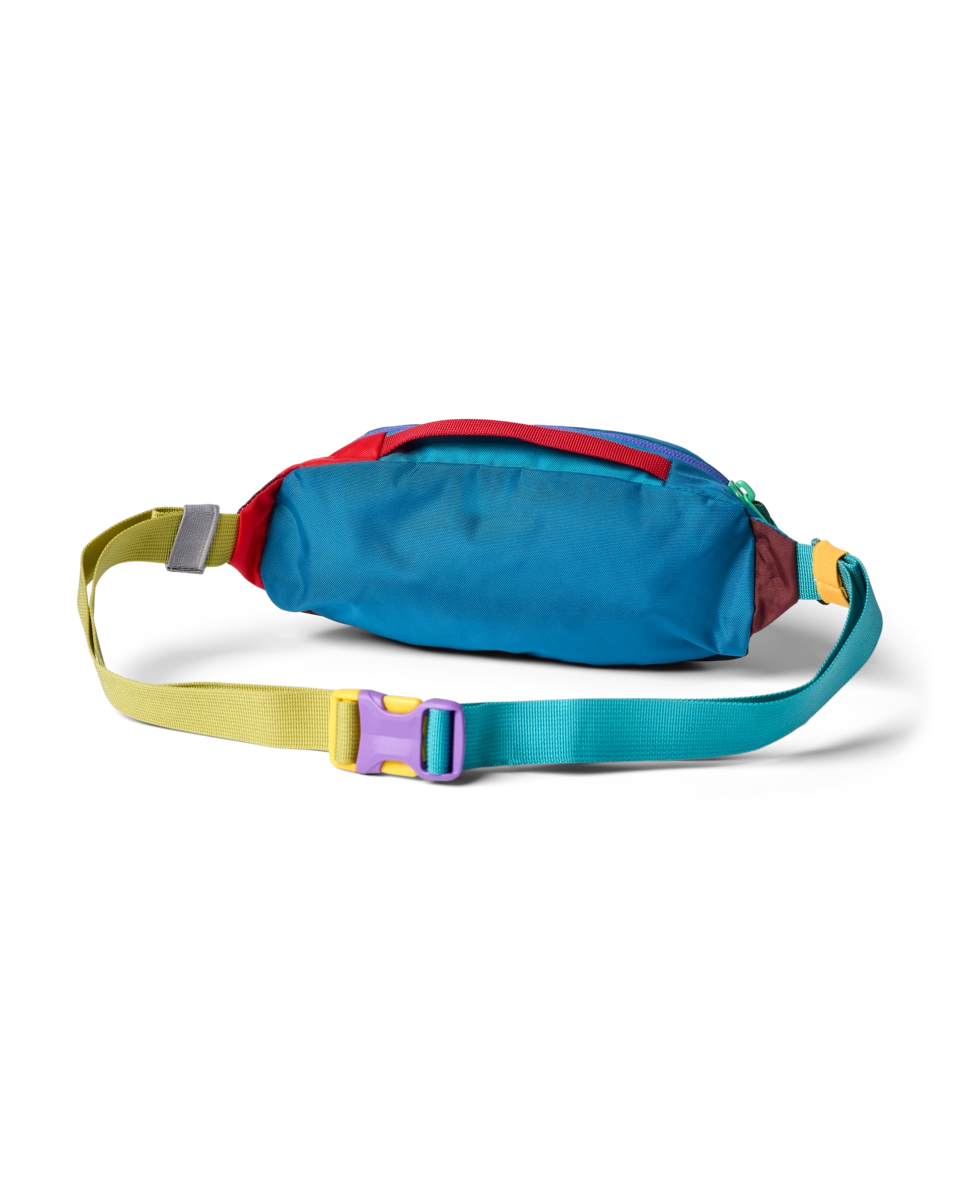
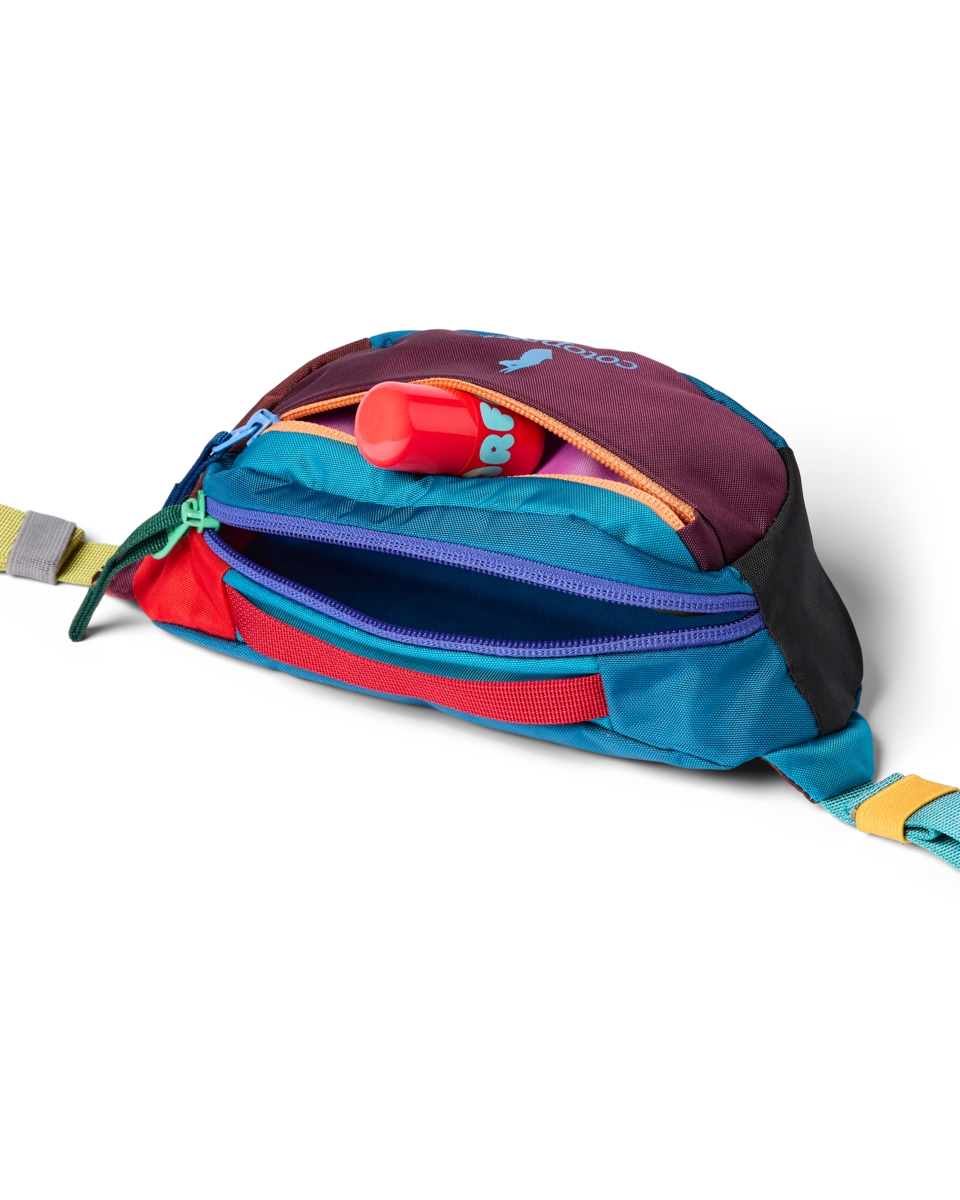
A small hip pack made from repurposed fabric, with a padded back panel and a pocket for everyday essentials. Del Día colors are selected by the makers, so every bag has its own combination.
Image source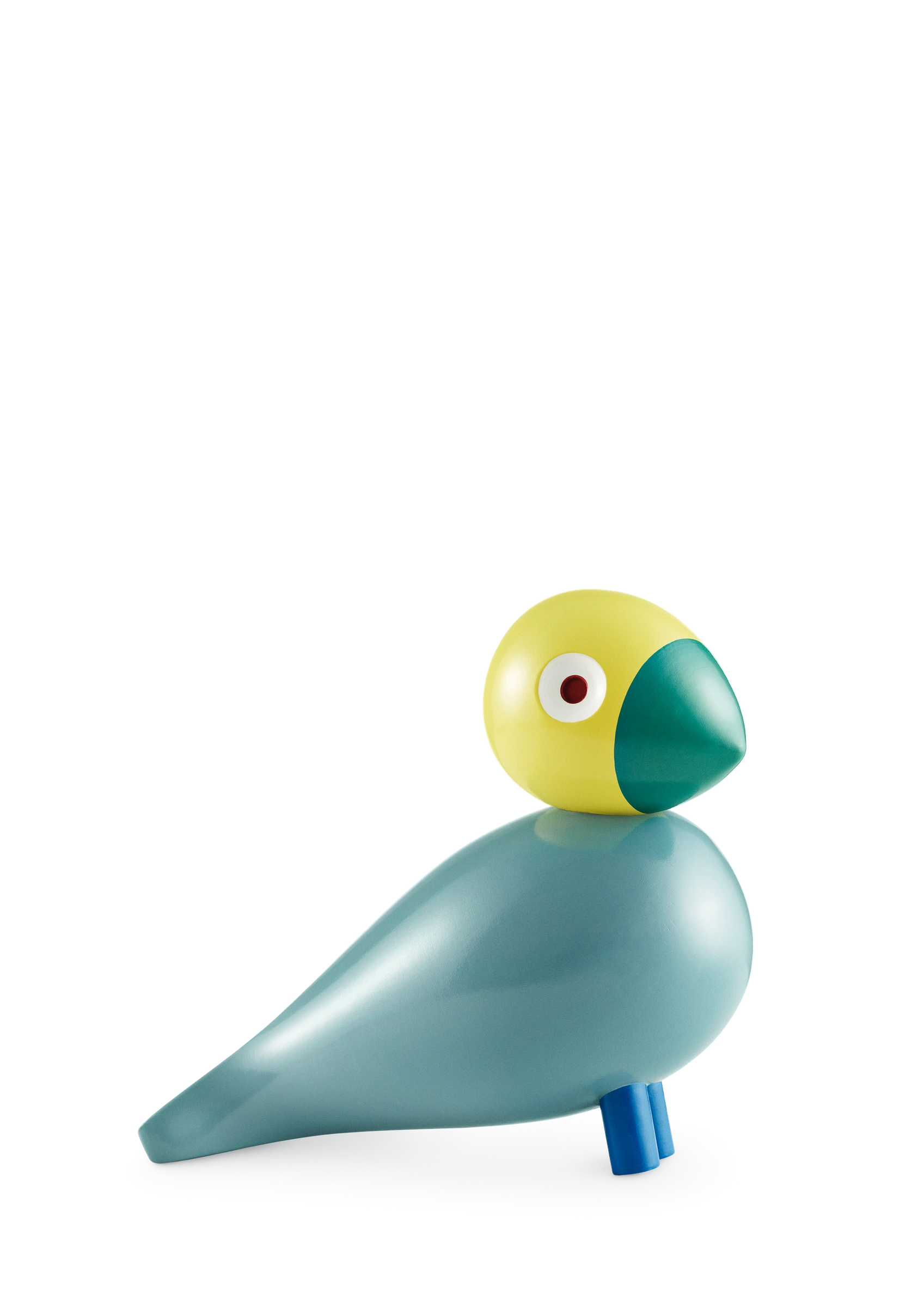
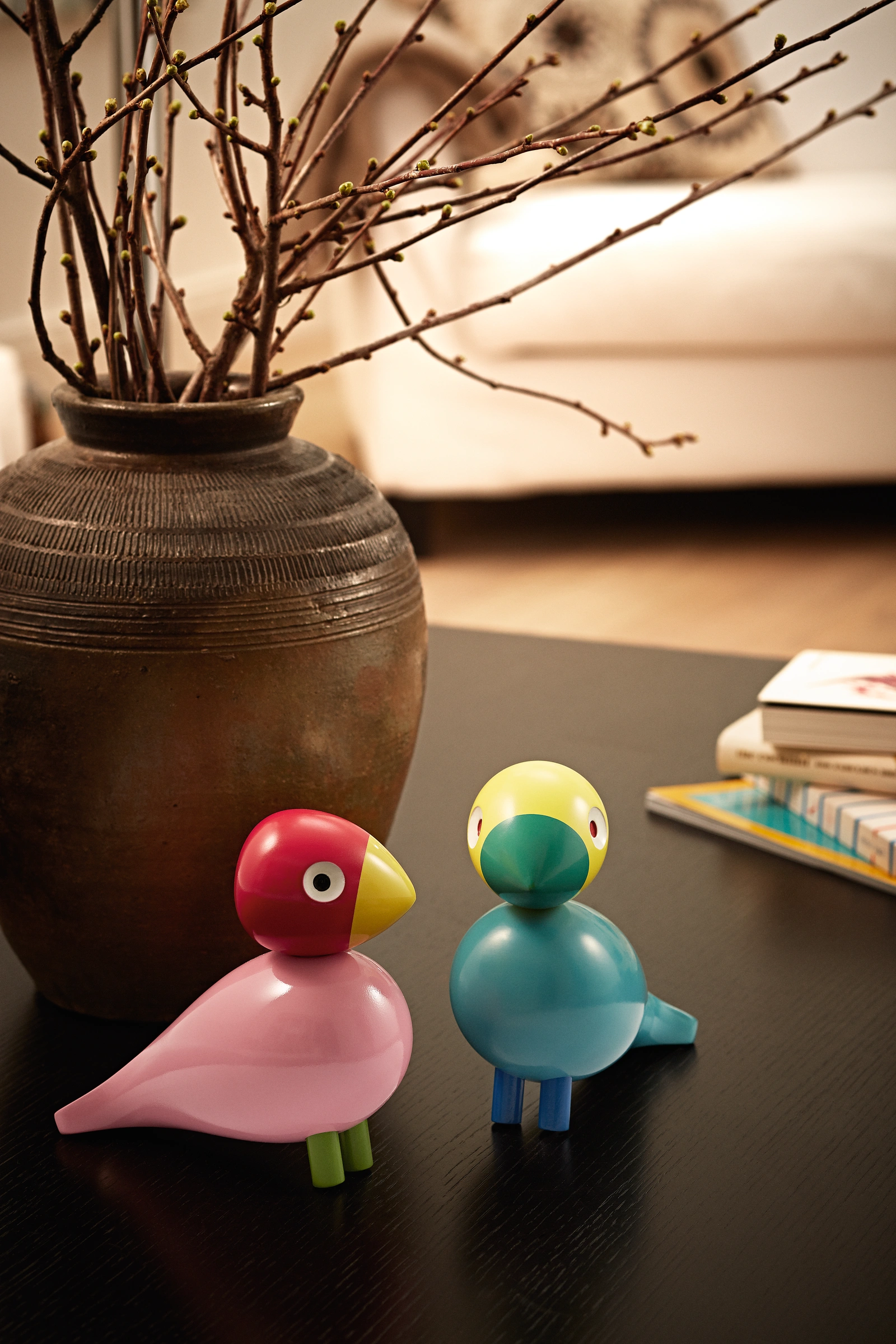
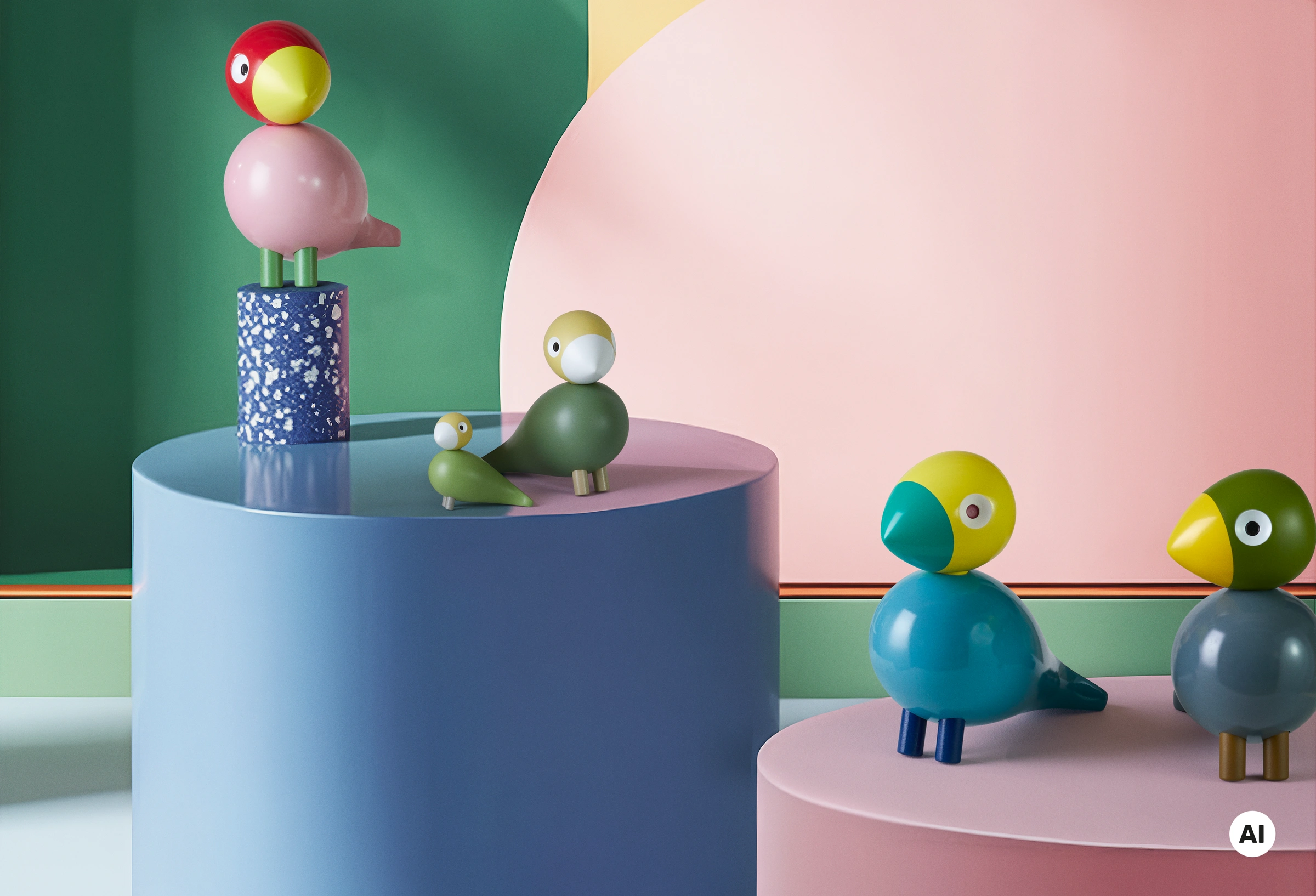
Kay Bojesen’s wooden songbird in turquoise and yellow. A round head, generous beak and simple painted body give this little companion a bright, unmistakable character.
Image source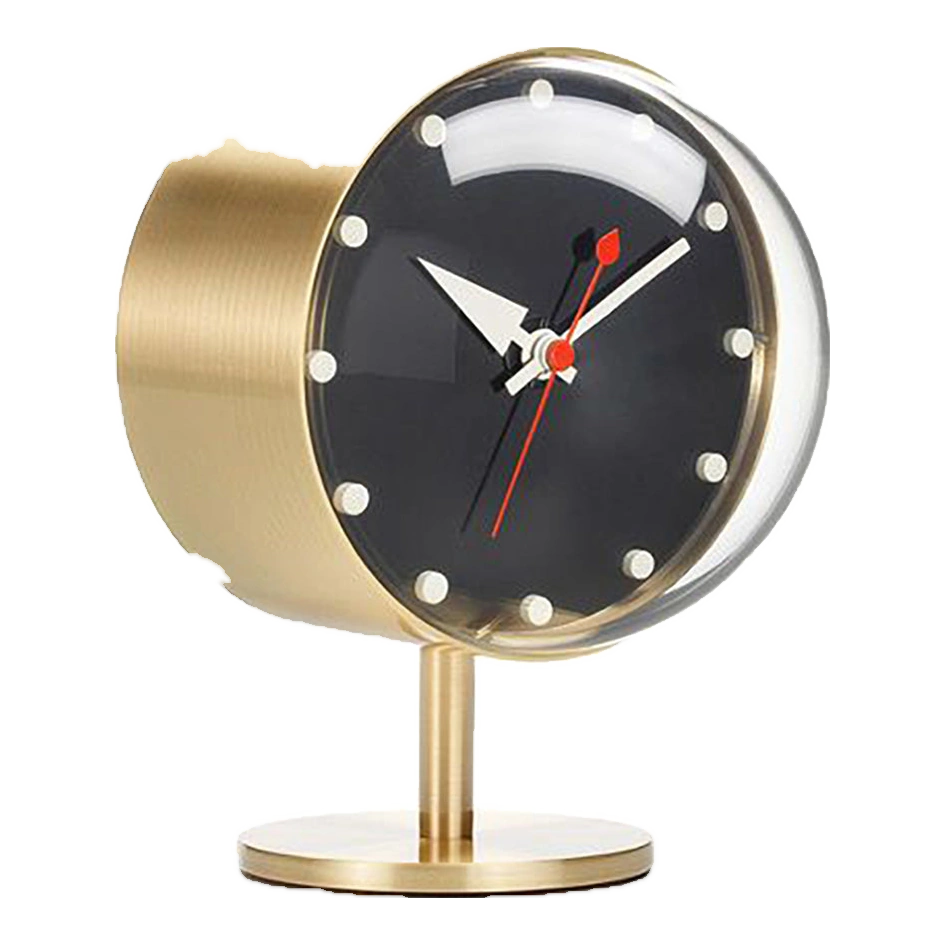
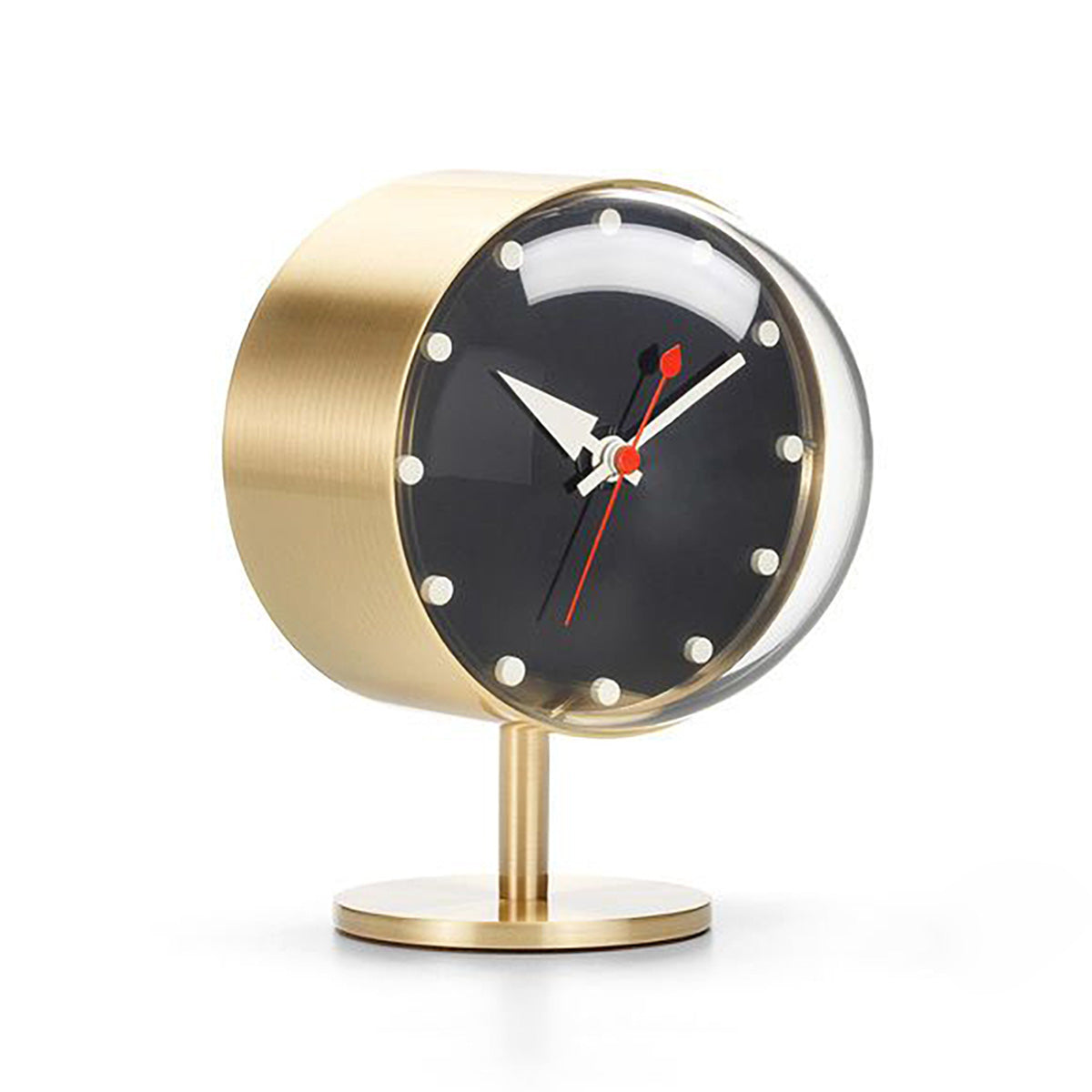
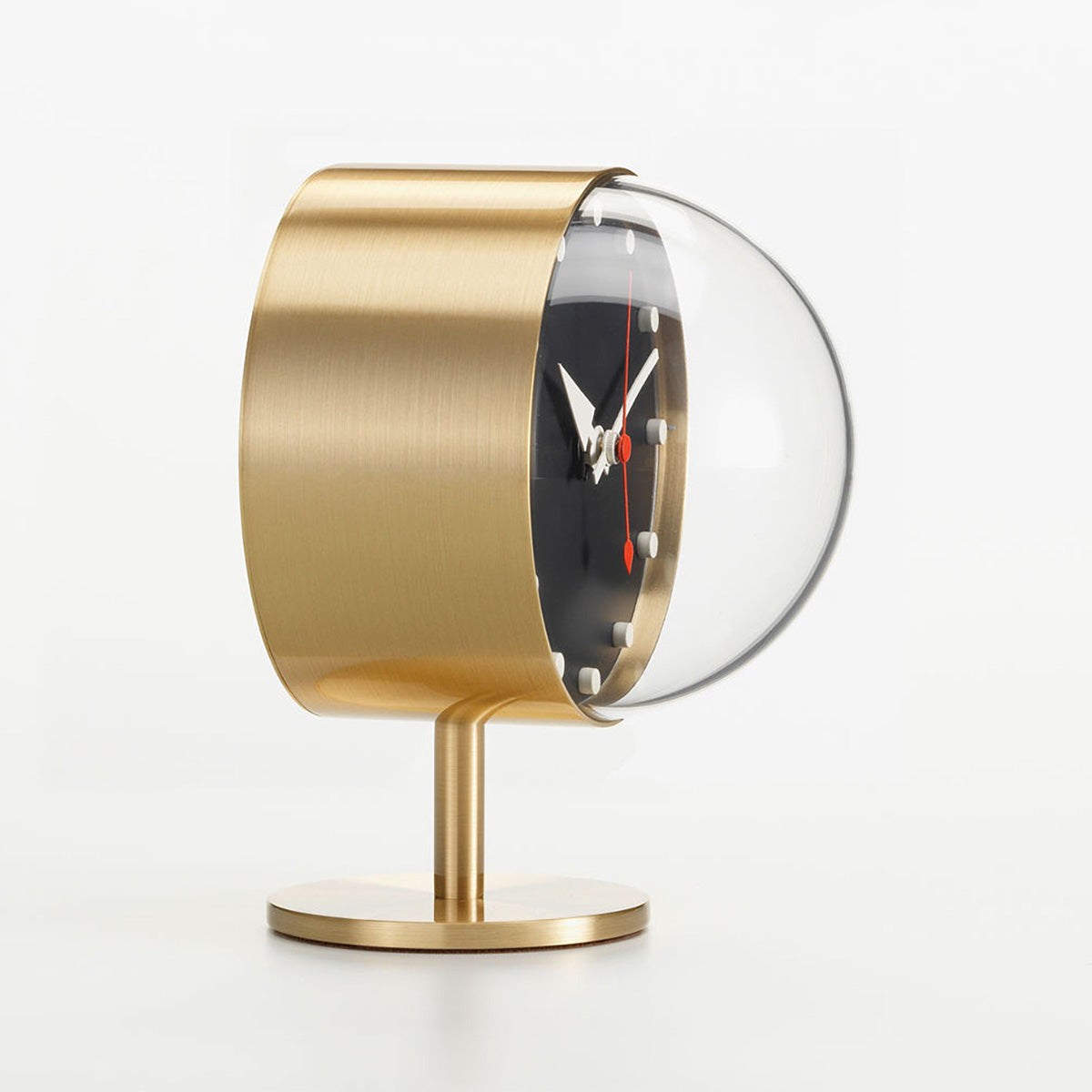
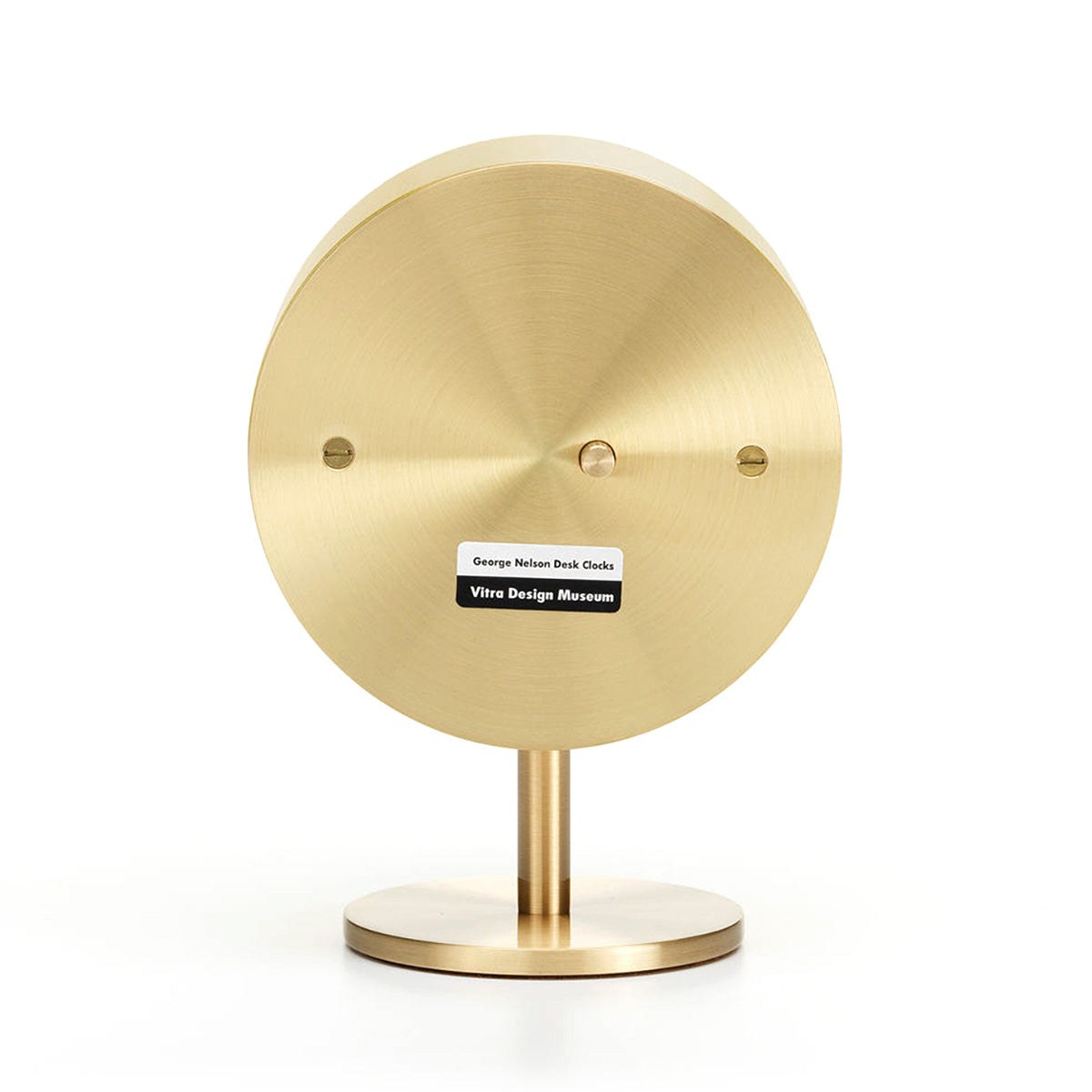
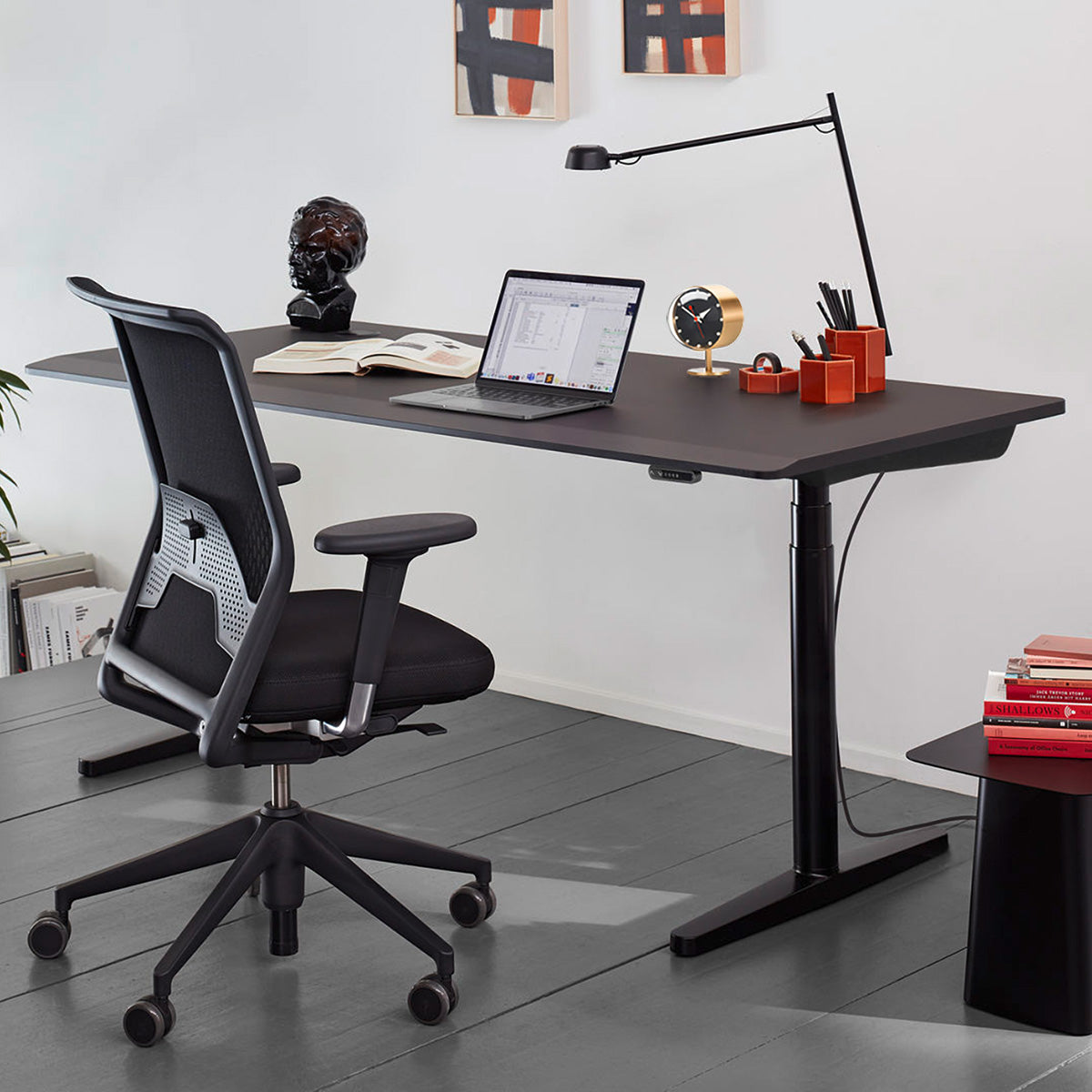
George Nelson’s bedside clock pairs a black dial with a brass case and pedestal. White markers and sculptural hands make time easy to read through its curved glass face.
Image source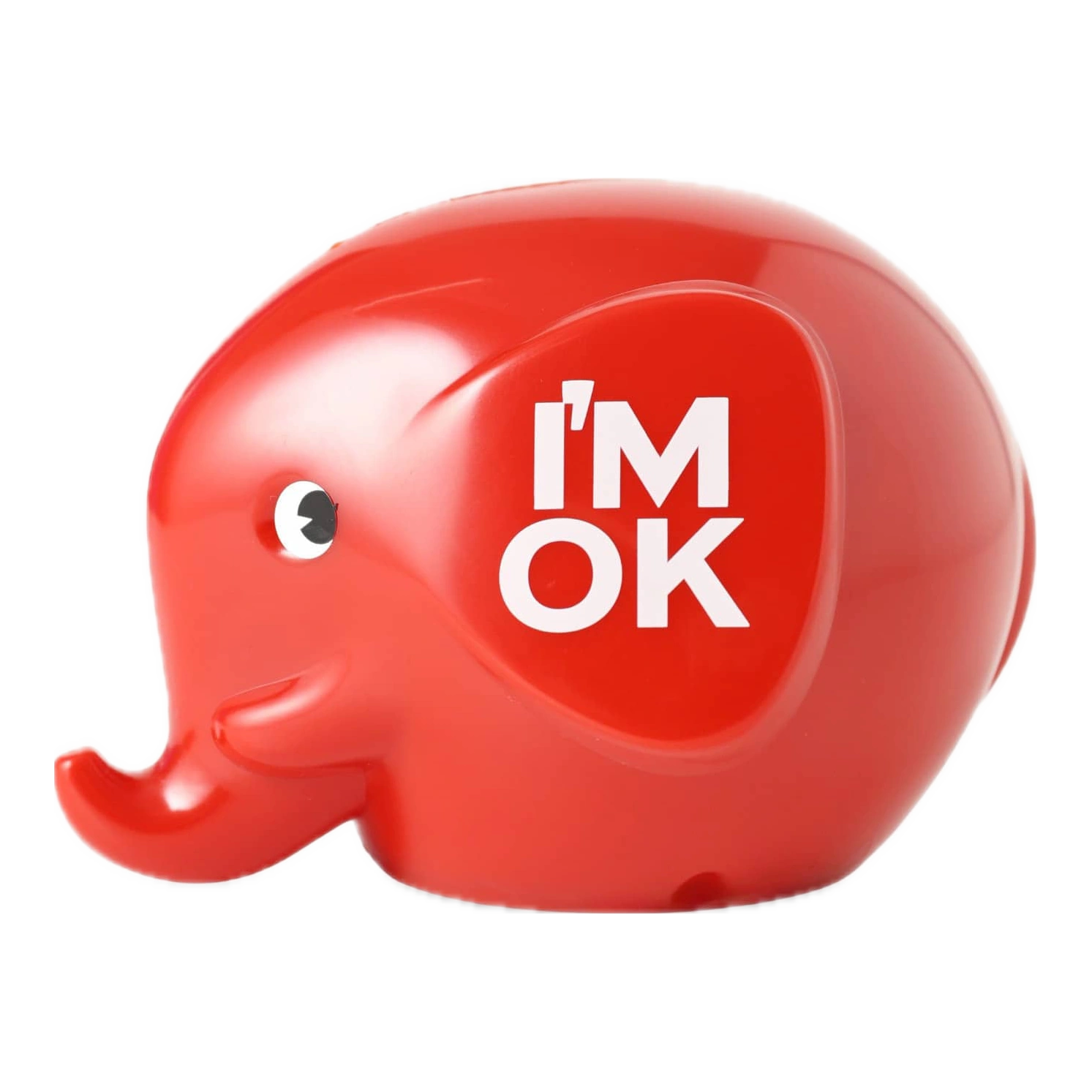
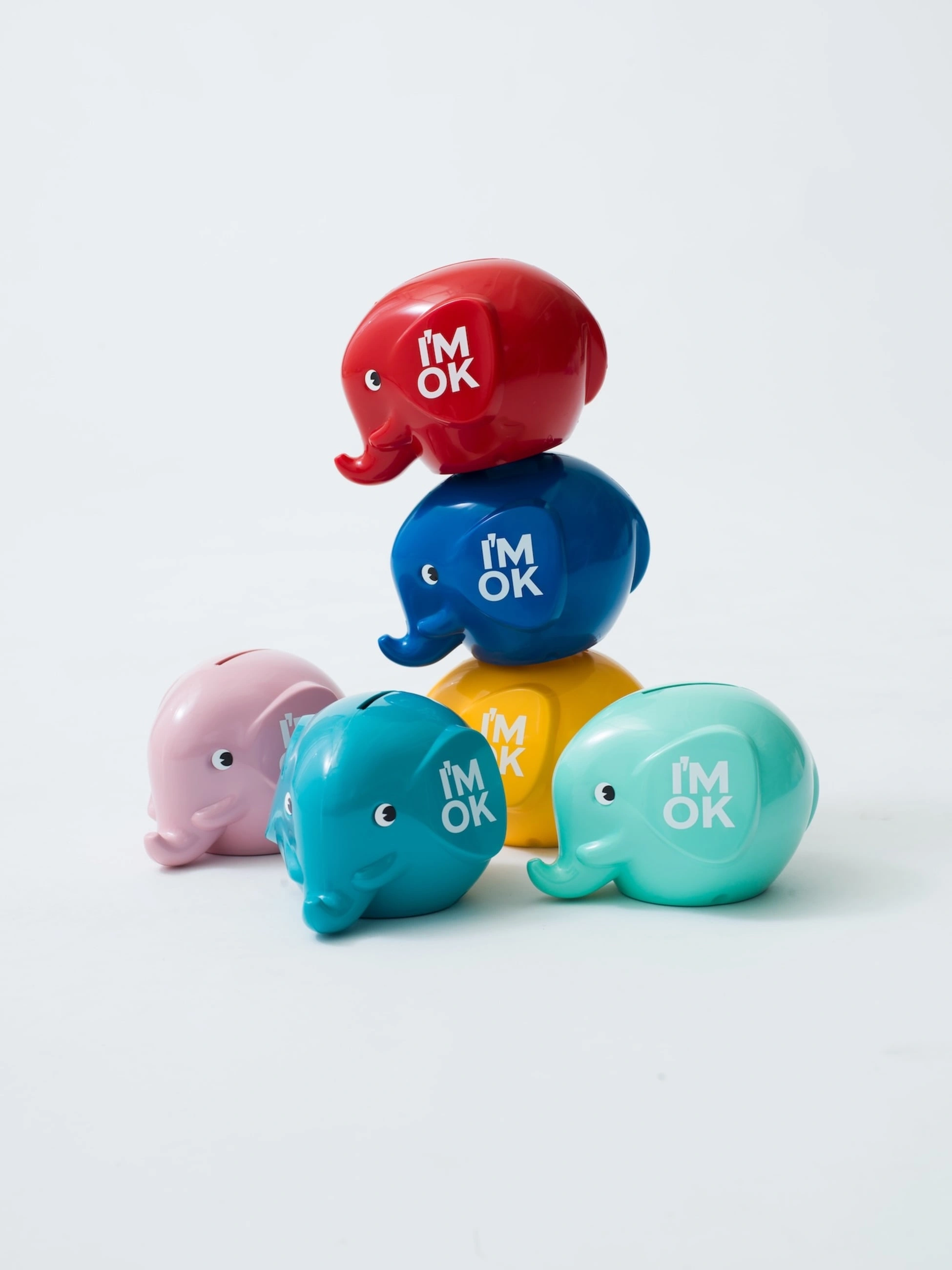
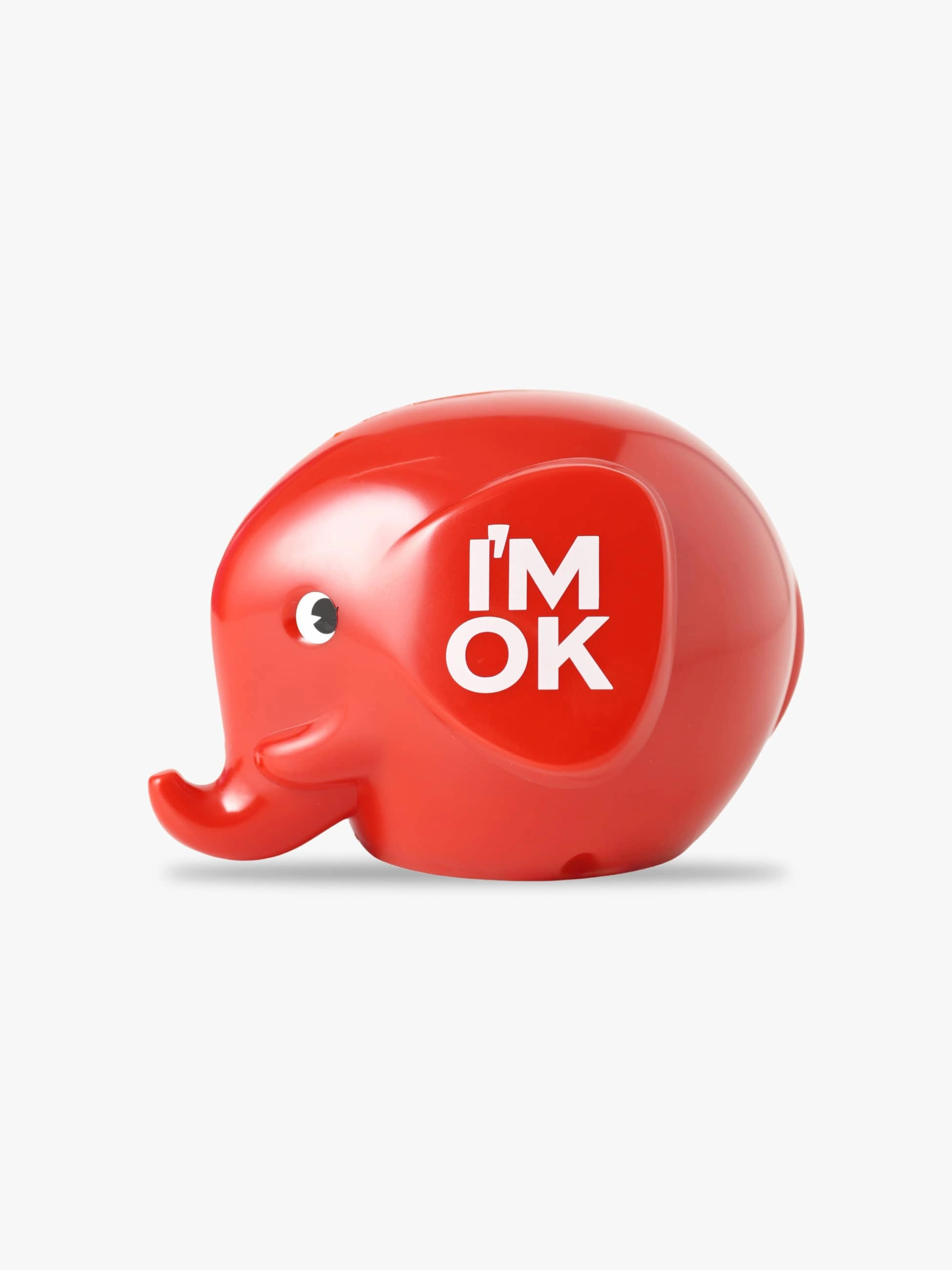
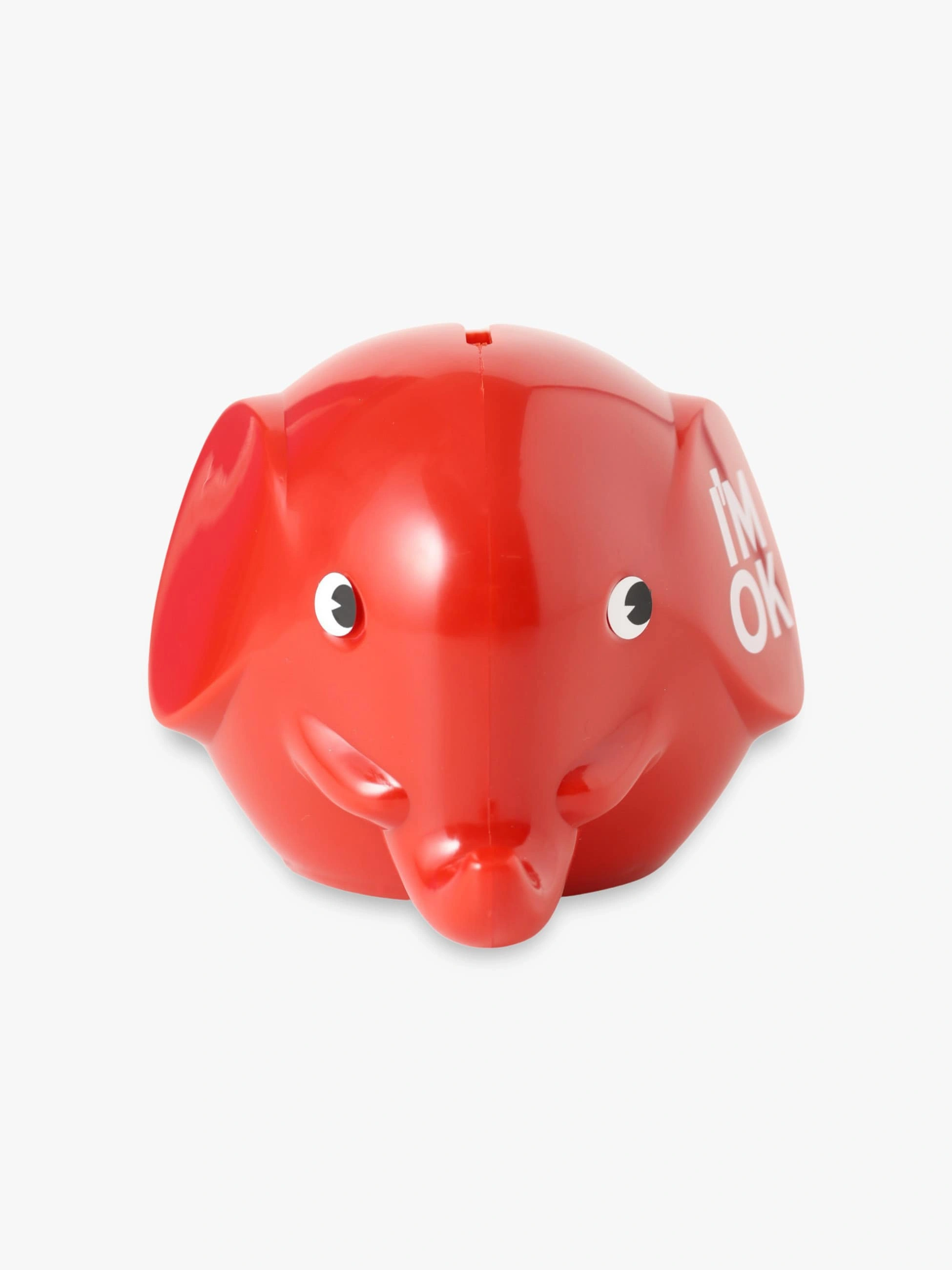
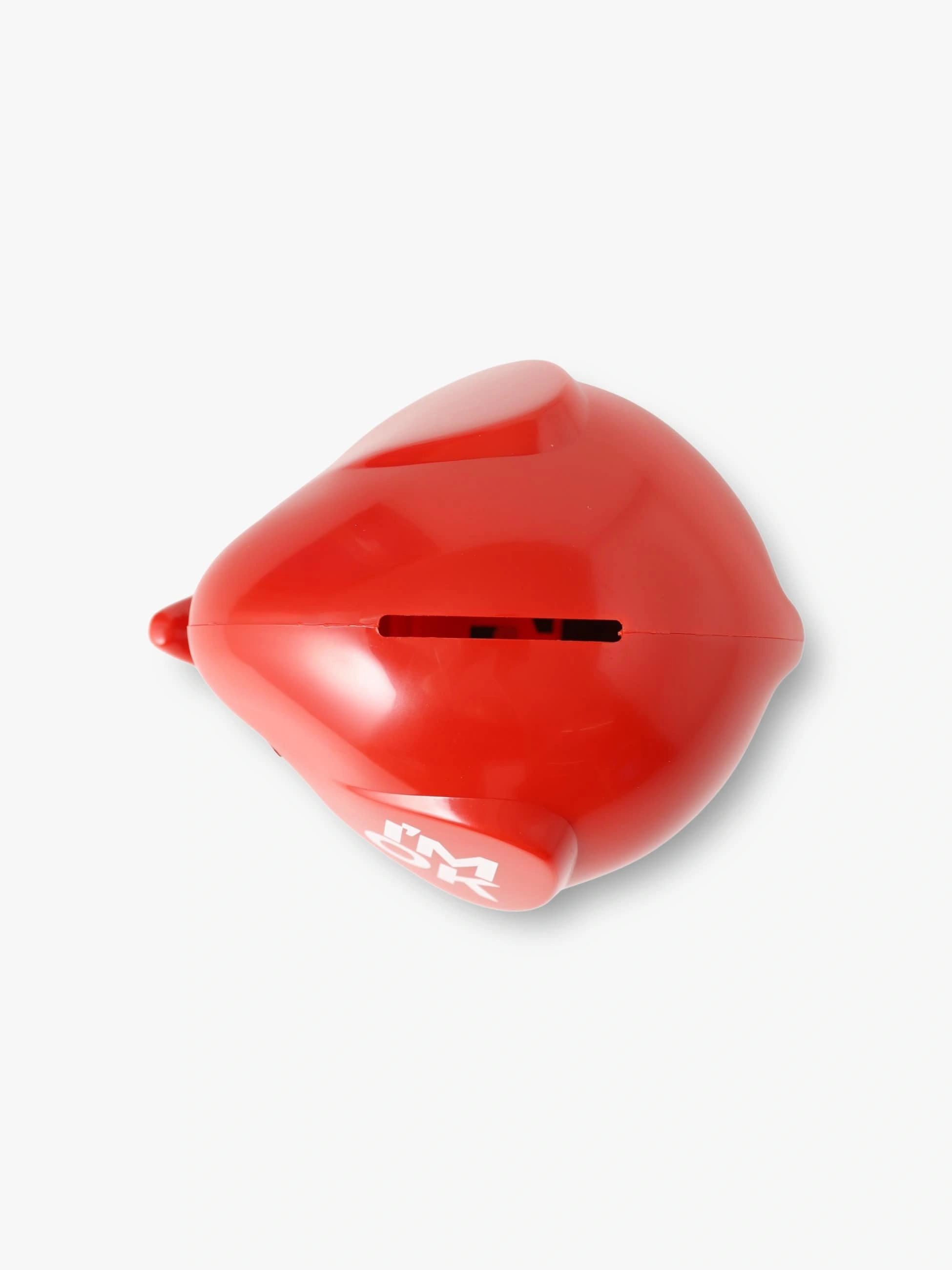
A red elephant-shaped coin bank with an I’M OK message on its ear. PALASET’s familiar FANTTI form gives spare change a cheerful place to gather.
Image source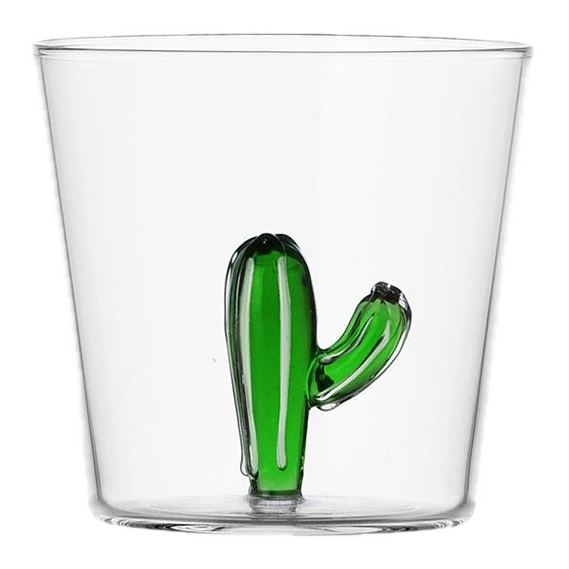
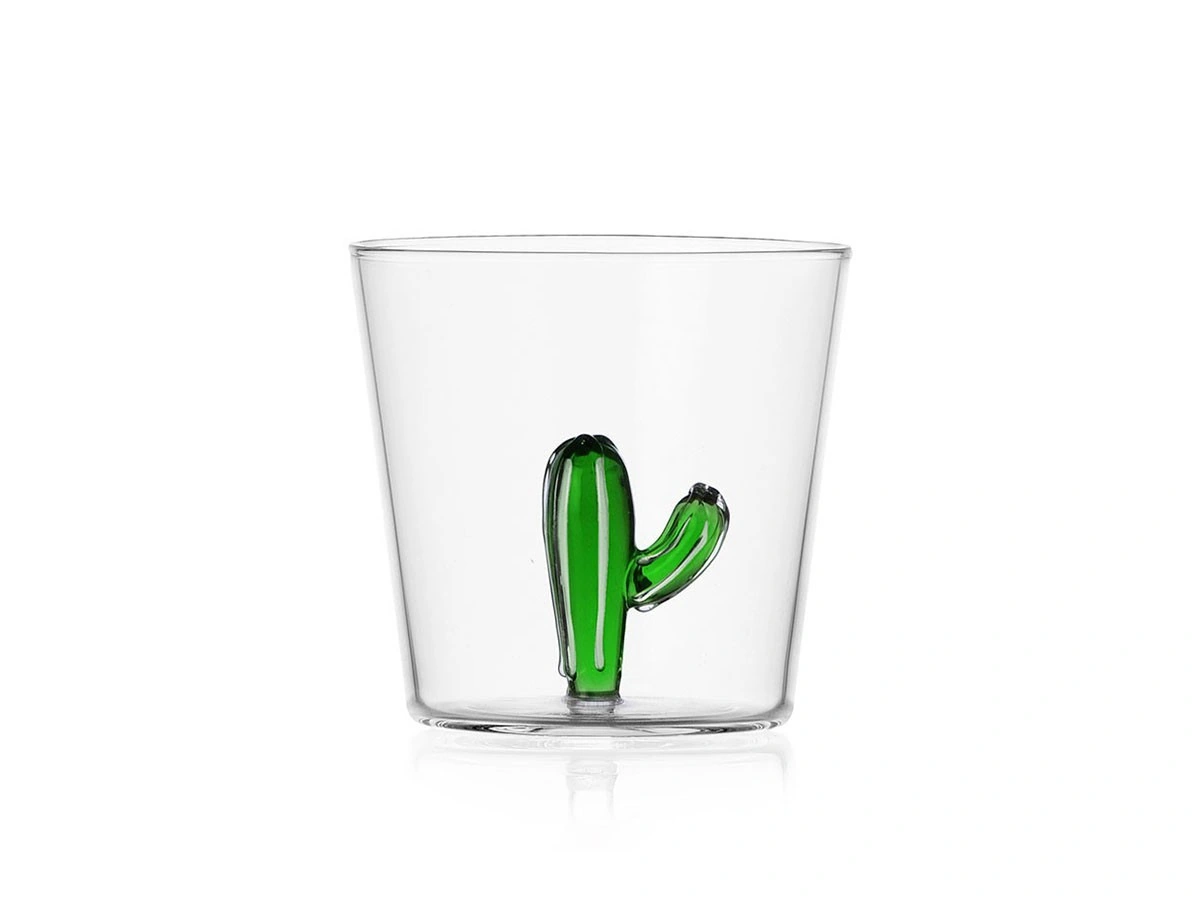
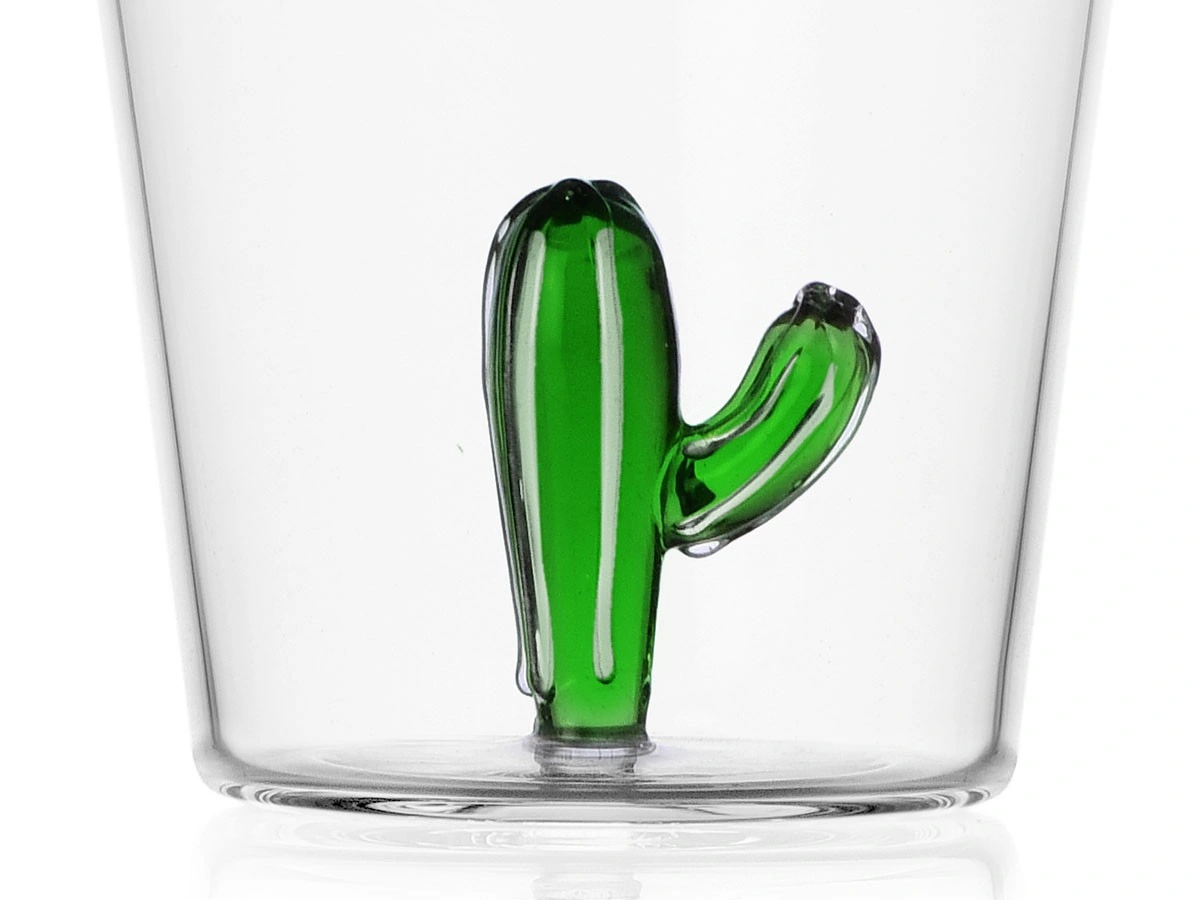
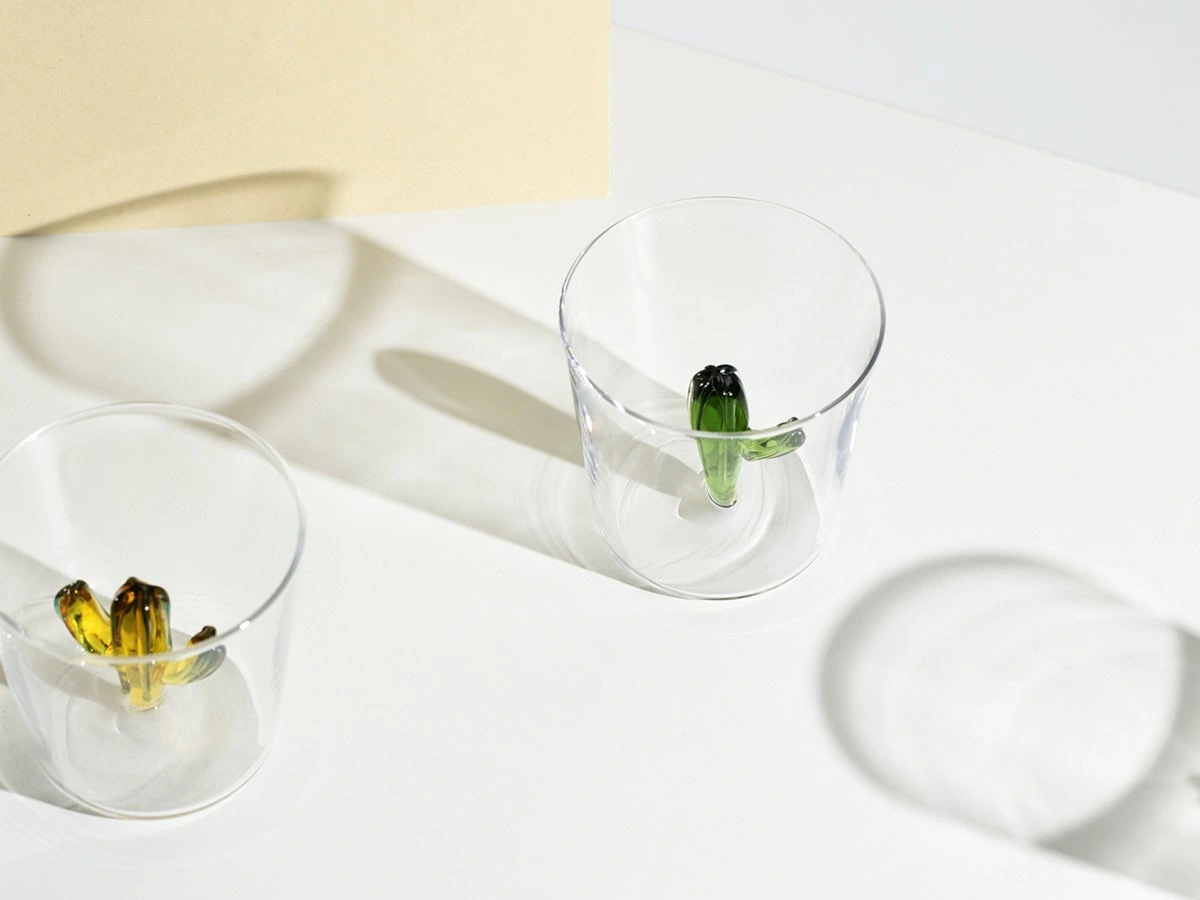
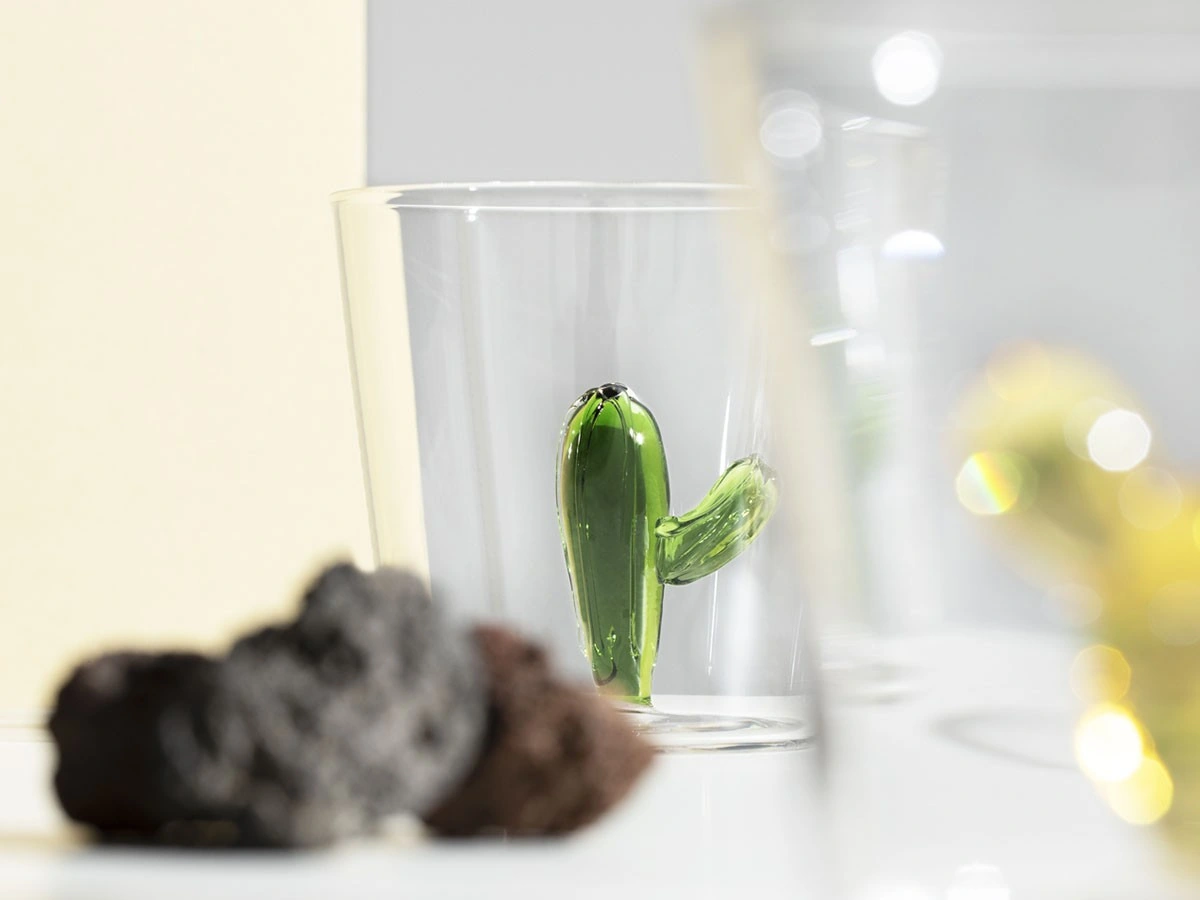
A green glass cactus grows inside this handmade tumbler from Alessandra Baldereschi’s Desert Plants collection. A clear glass vessel turns an ordinary drink into a miniature landscape.
Image source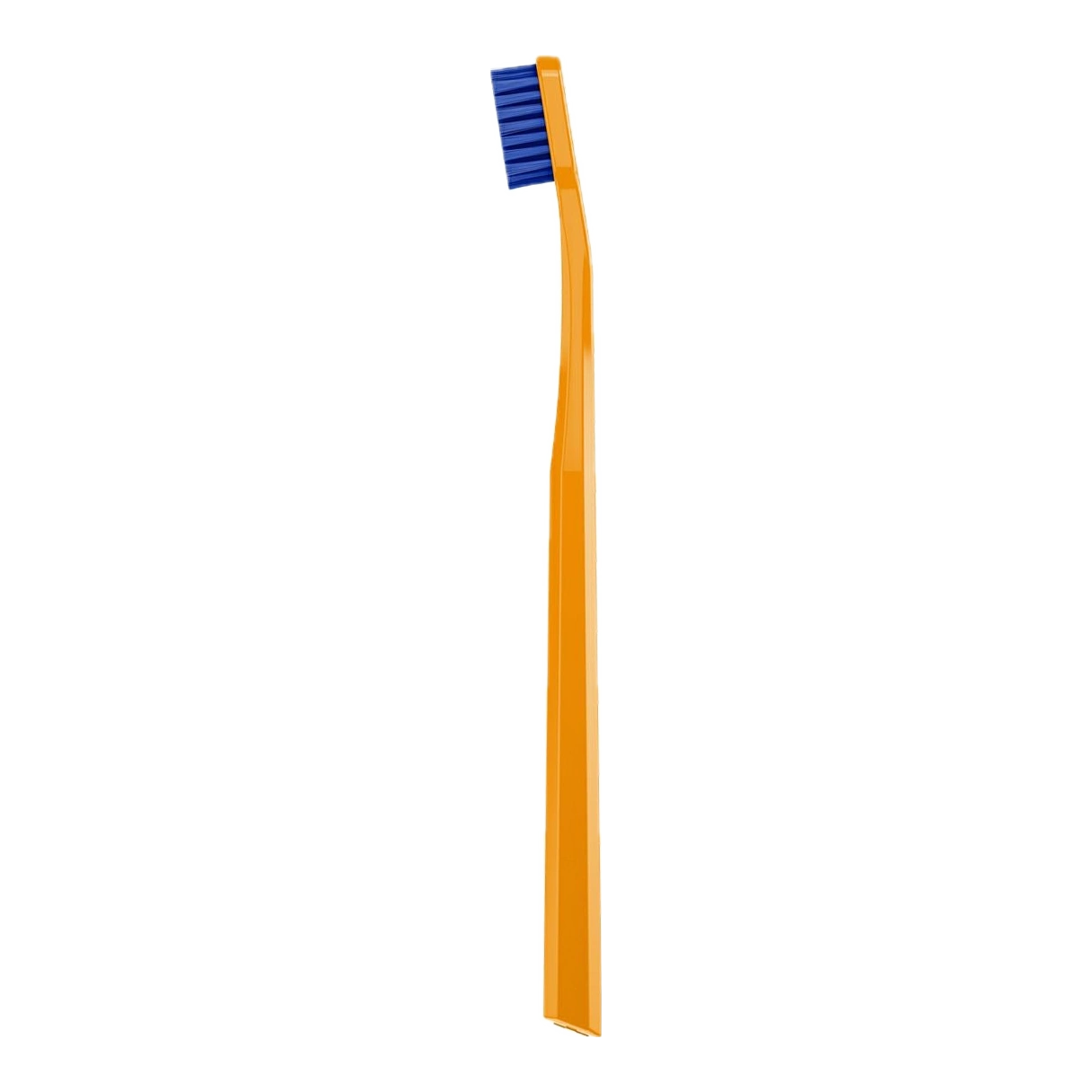
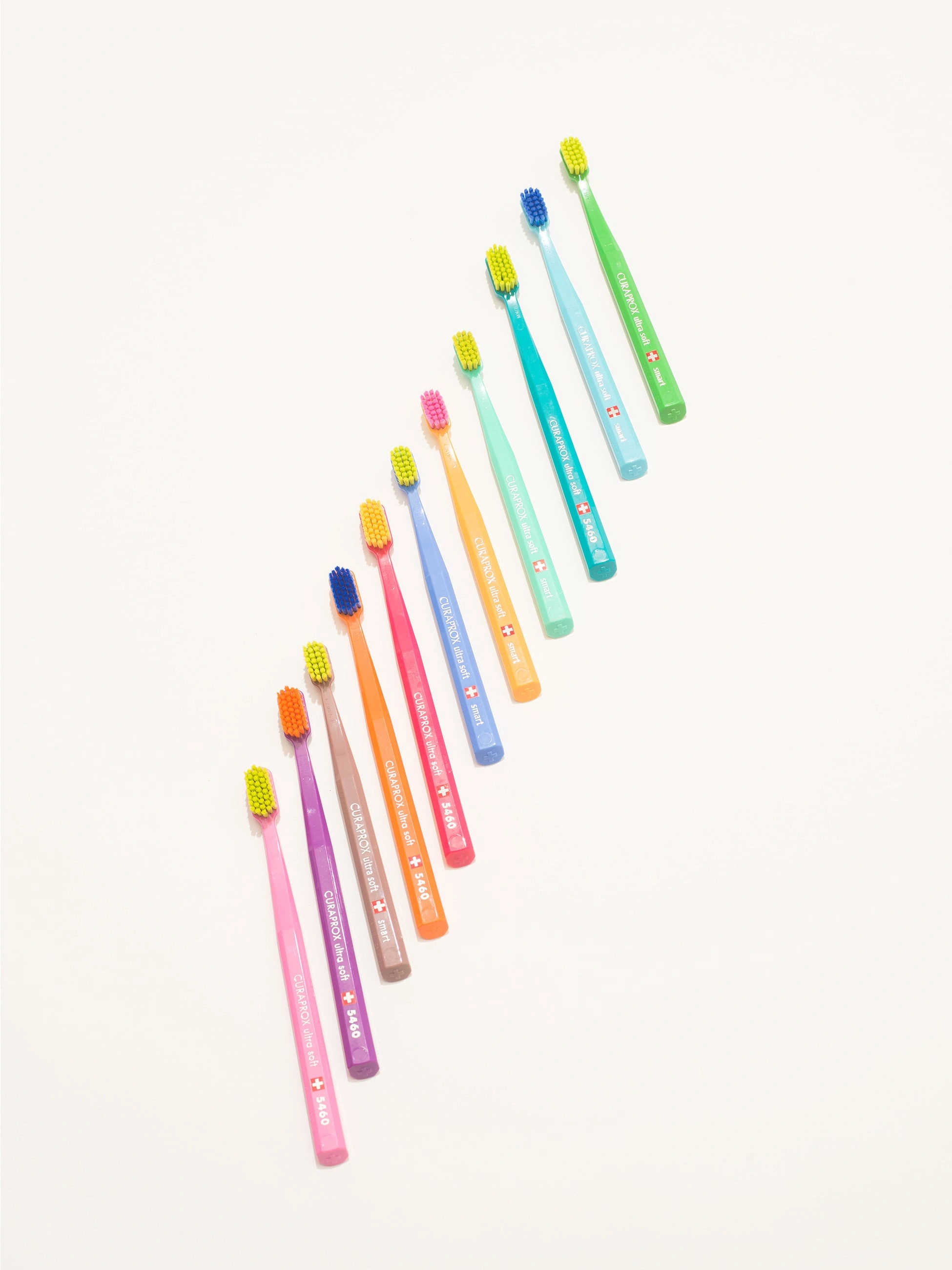
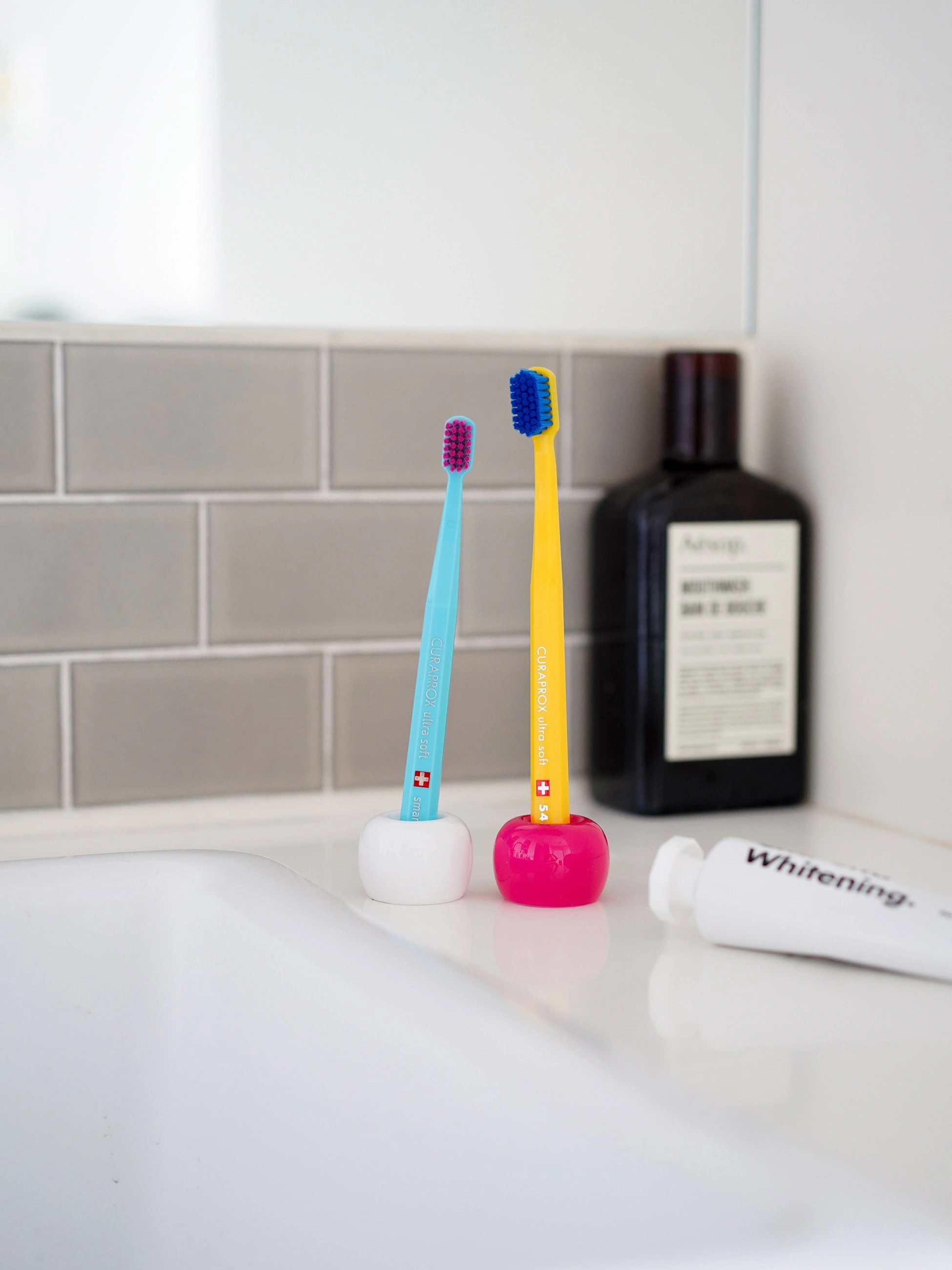
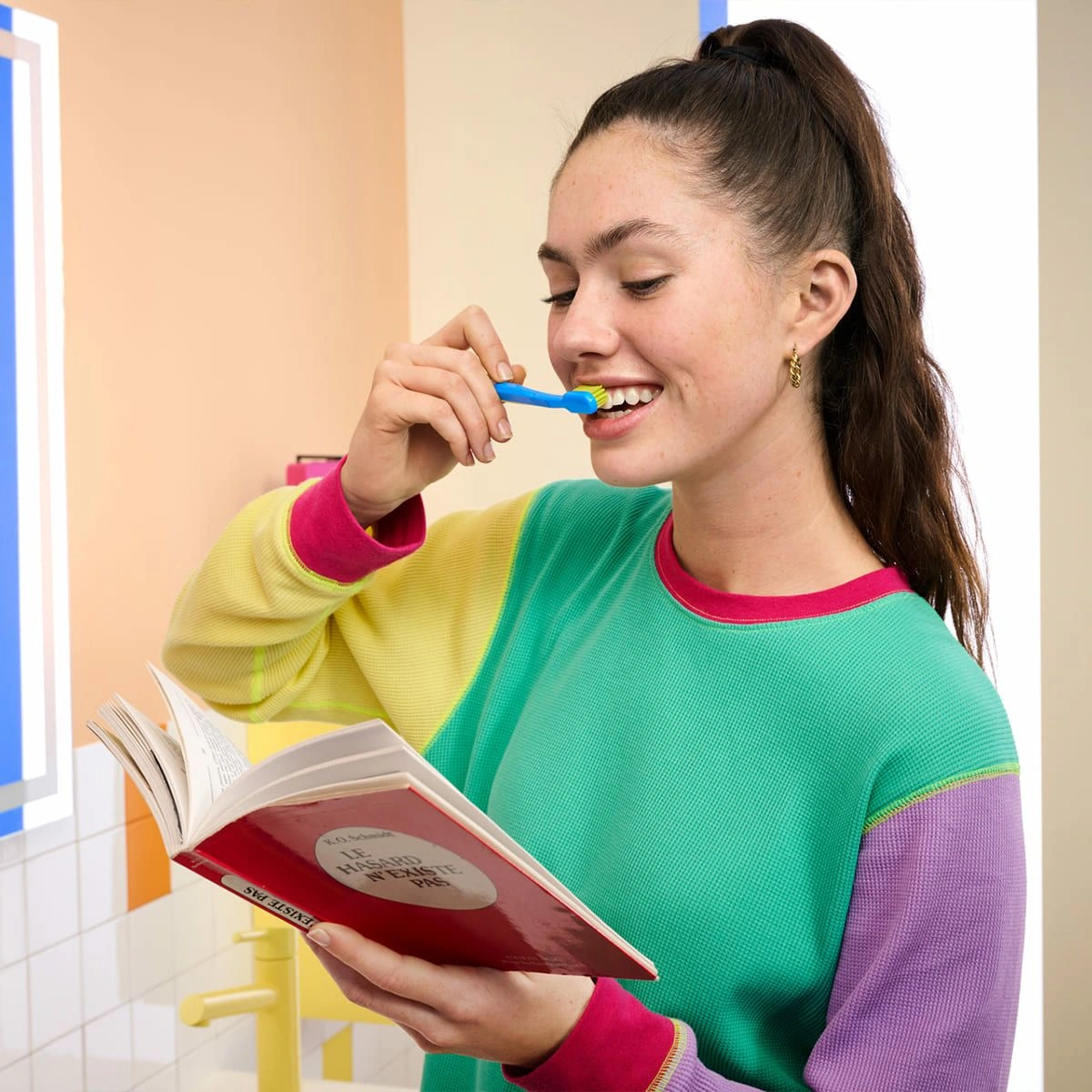
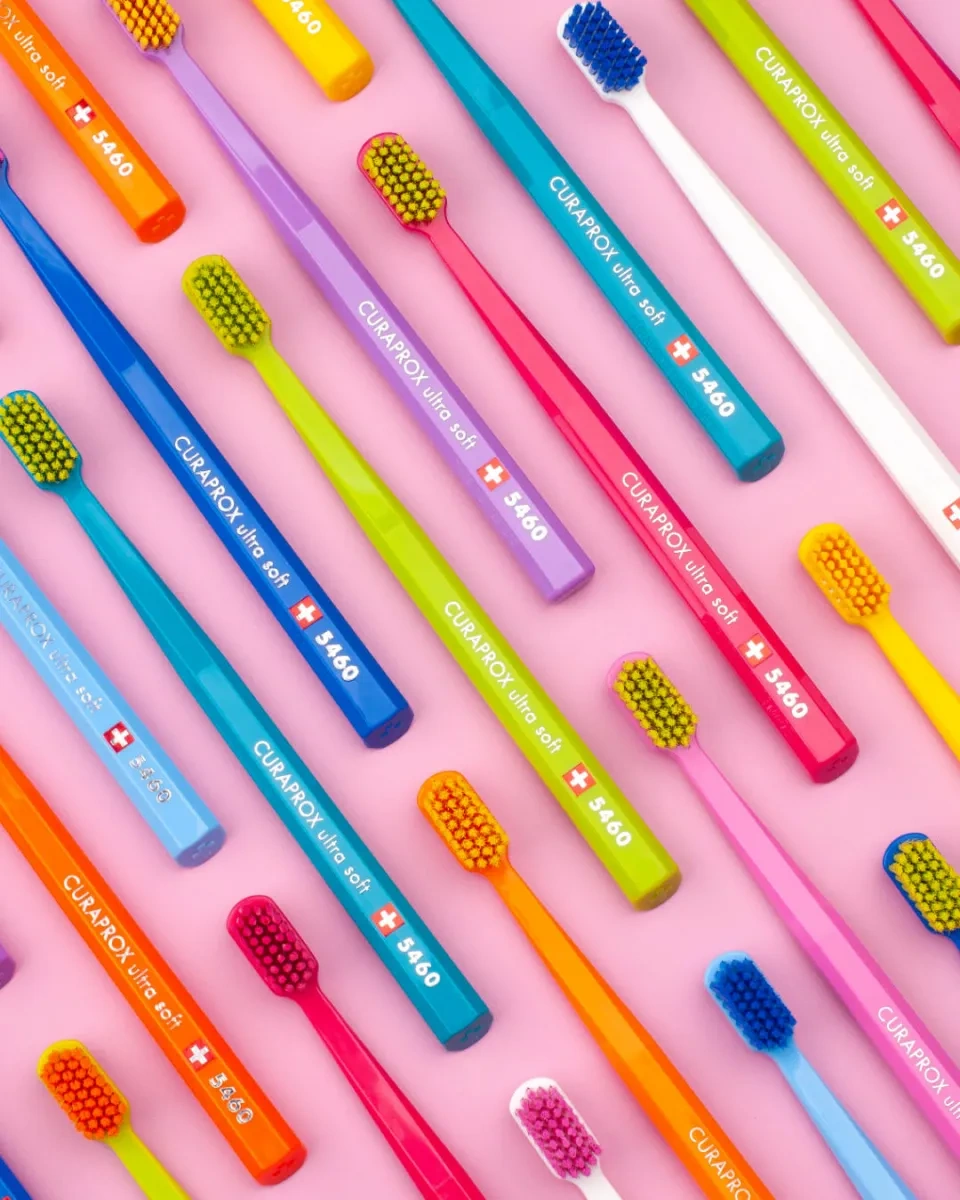
A colorful everyday toothbrush with 5,460 fine Curen filaments and an octagonal handle. Soft, densely packed bristles and contrasting color combinations give a daily routine a little character.
Image source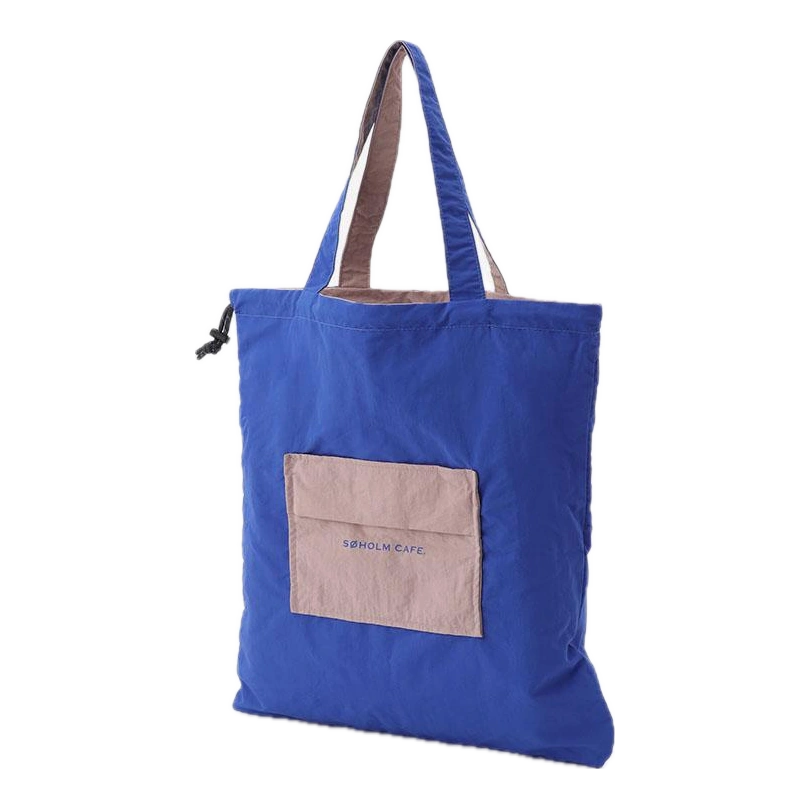
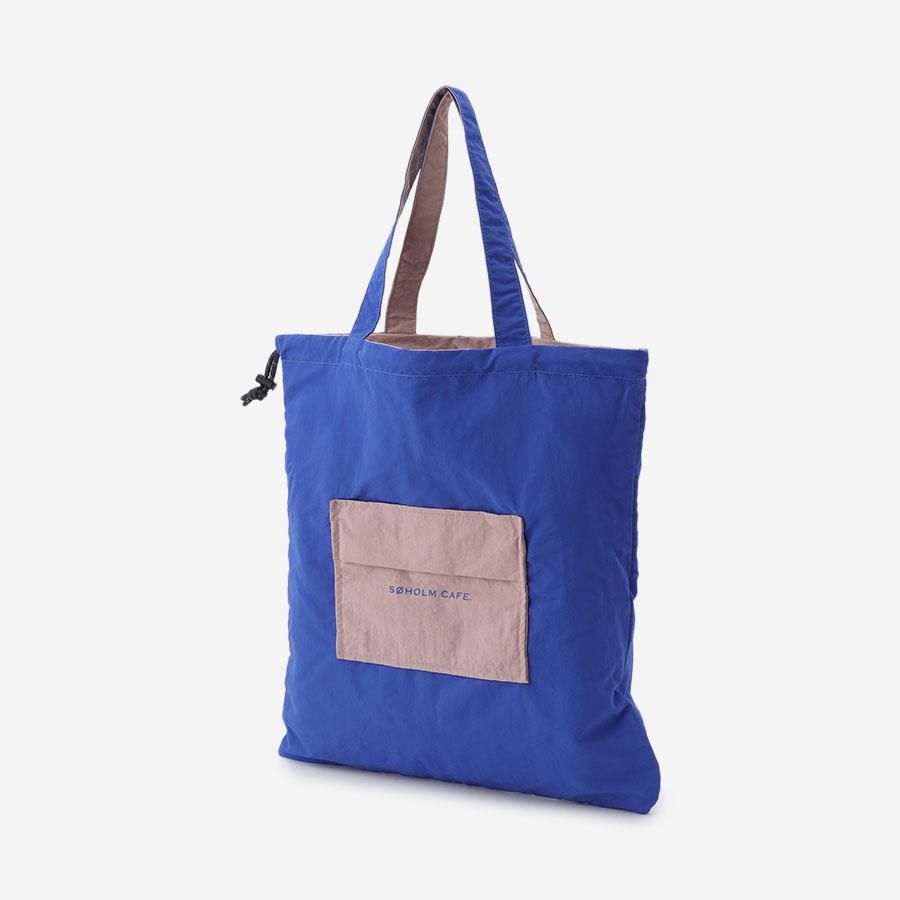
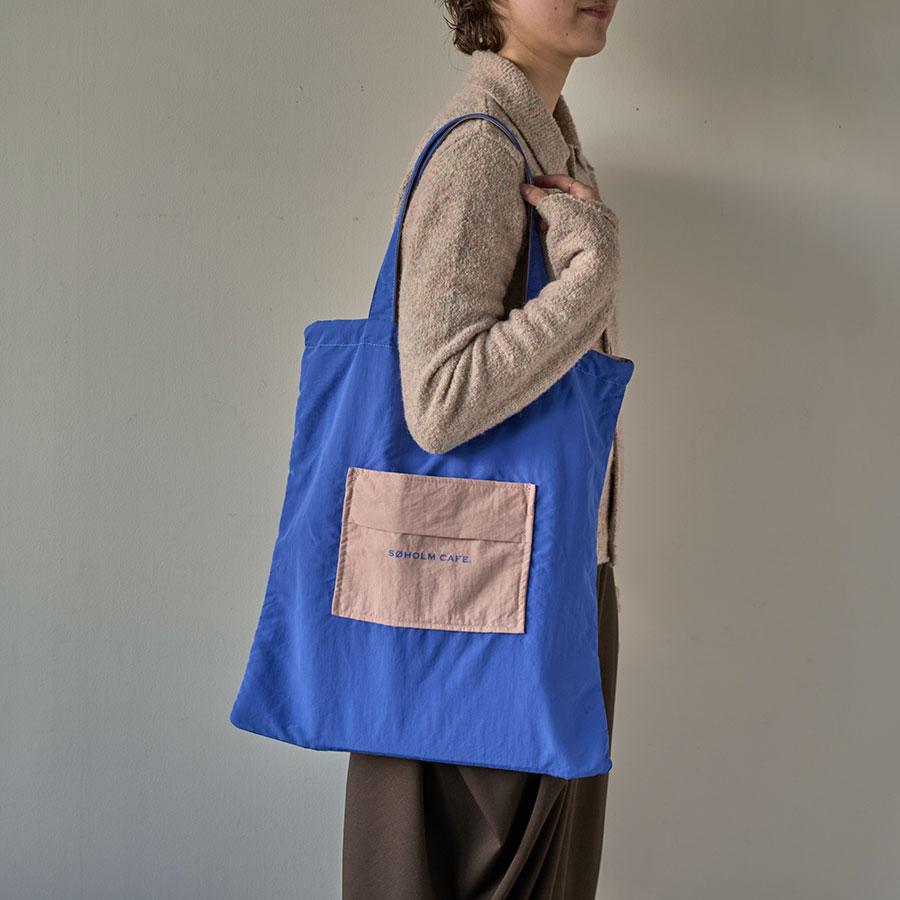
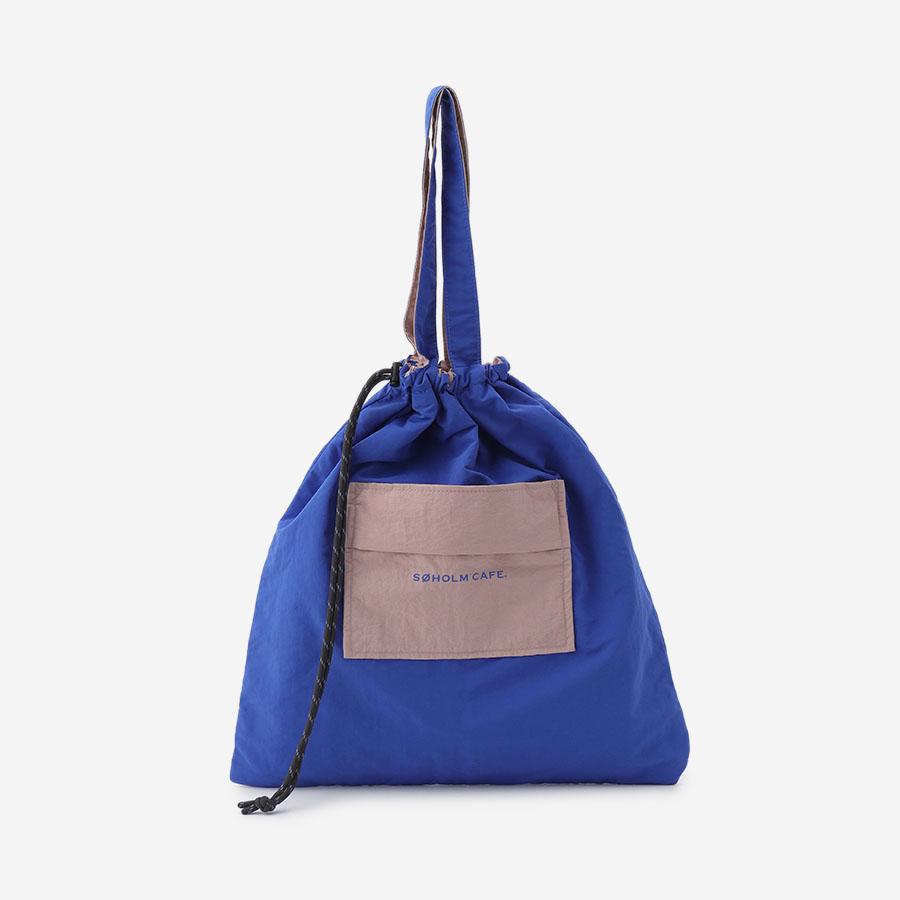
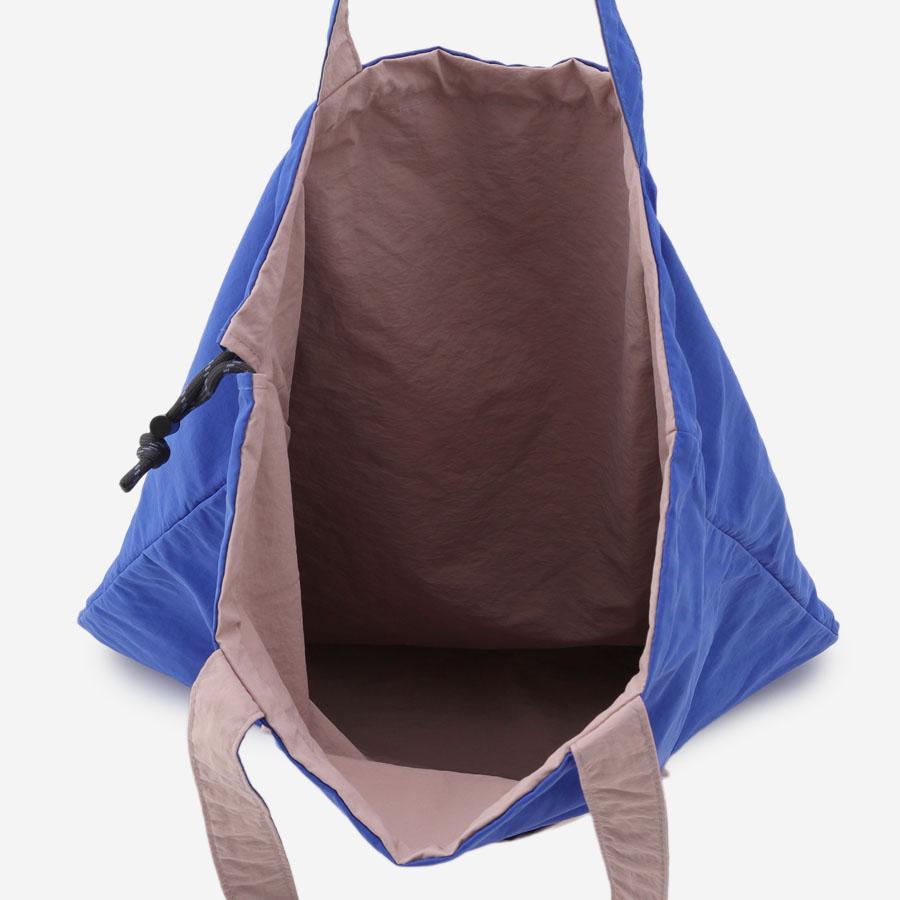
A lightweight nylon tote with contrasting pocket and handles. Turn it inside out to switch from blue to pink, cinch the opening into a pouch, or fold the whole bag into its outer pocket.
Image source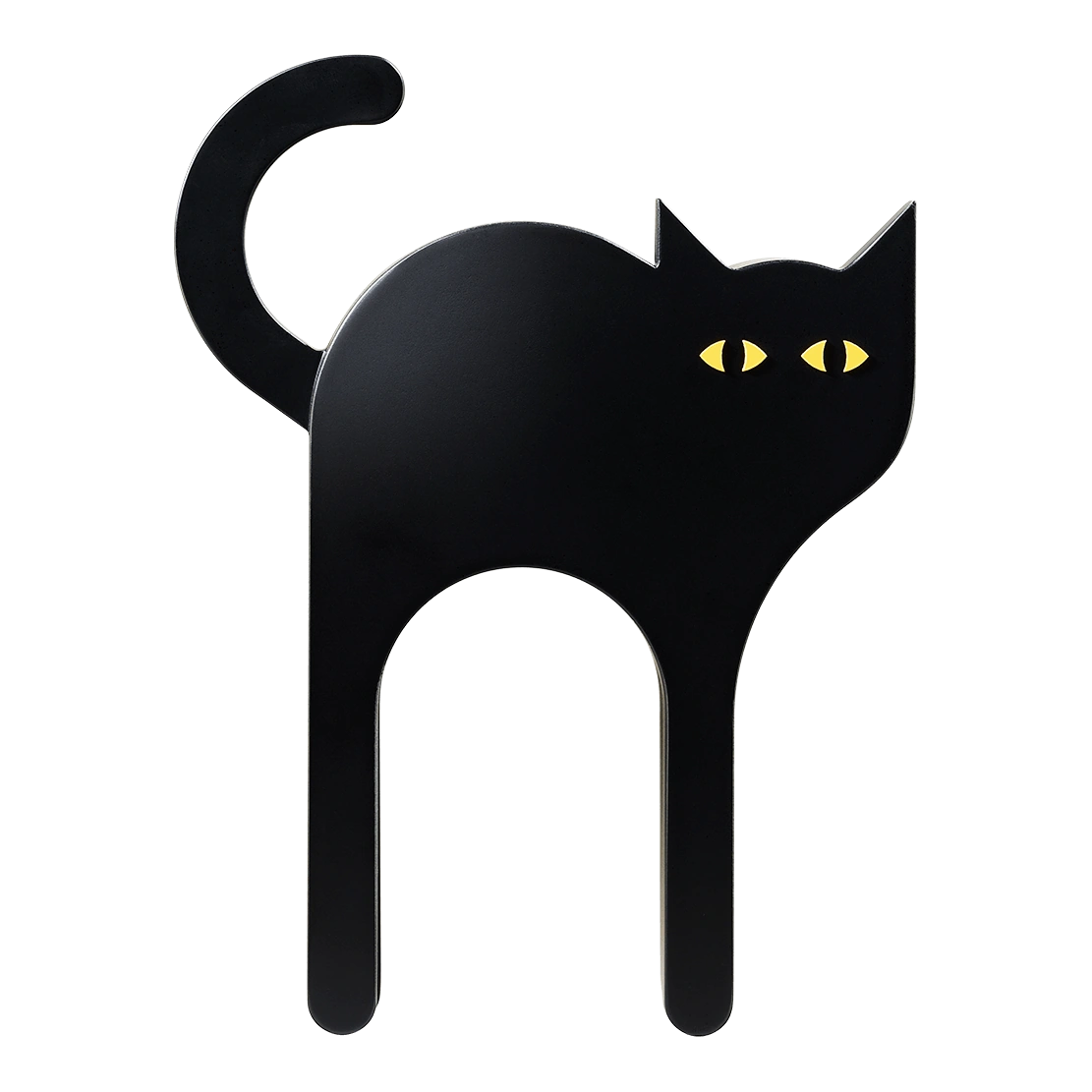
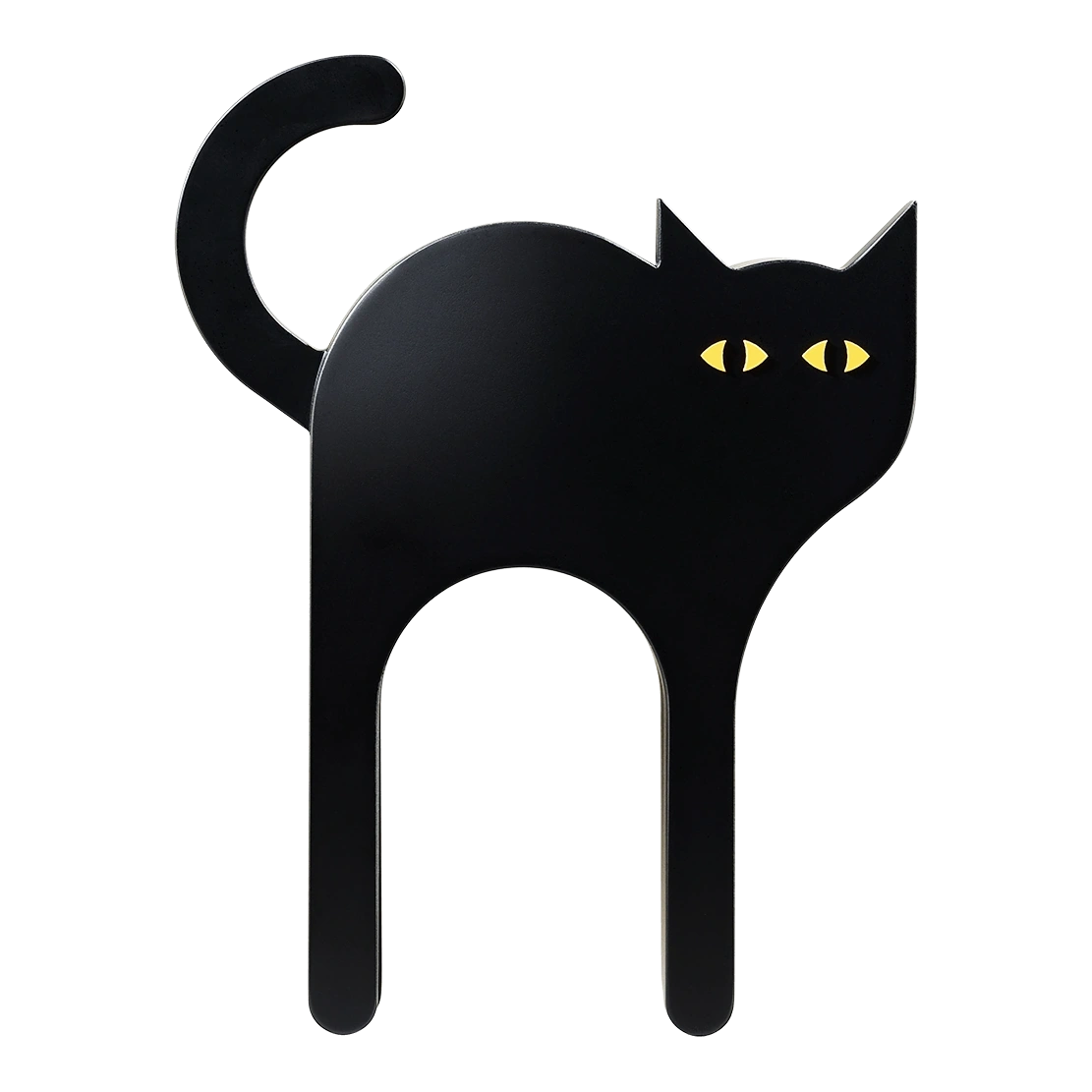
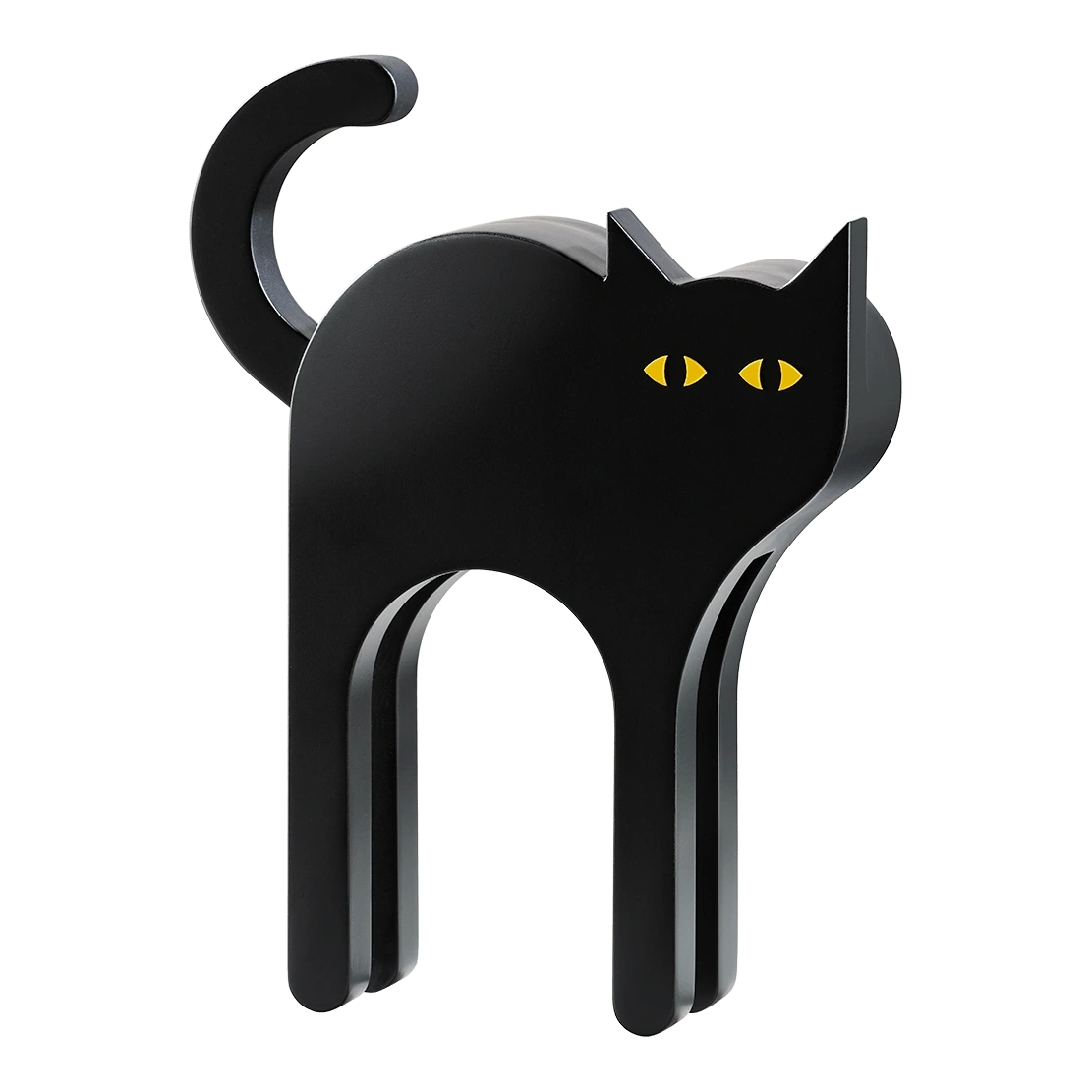
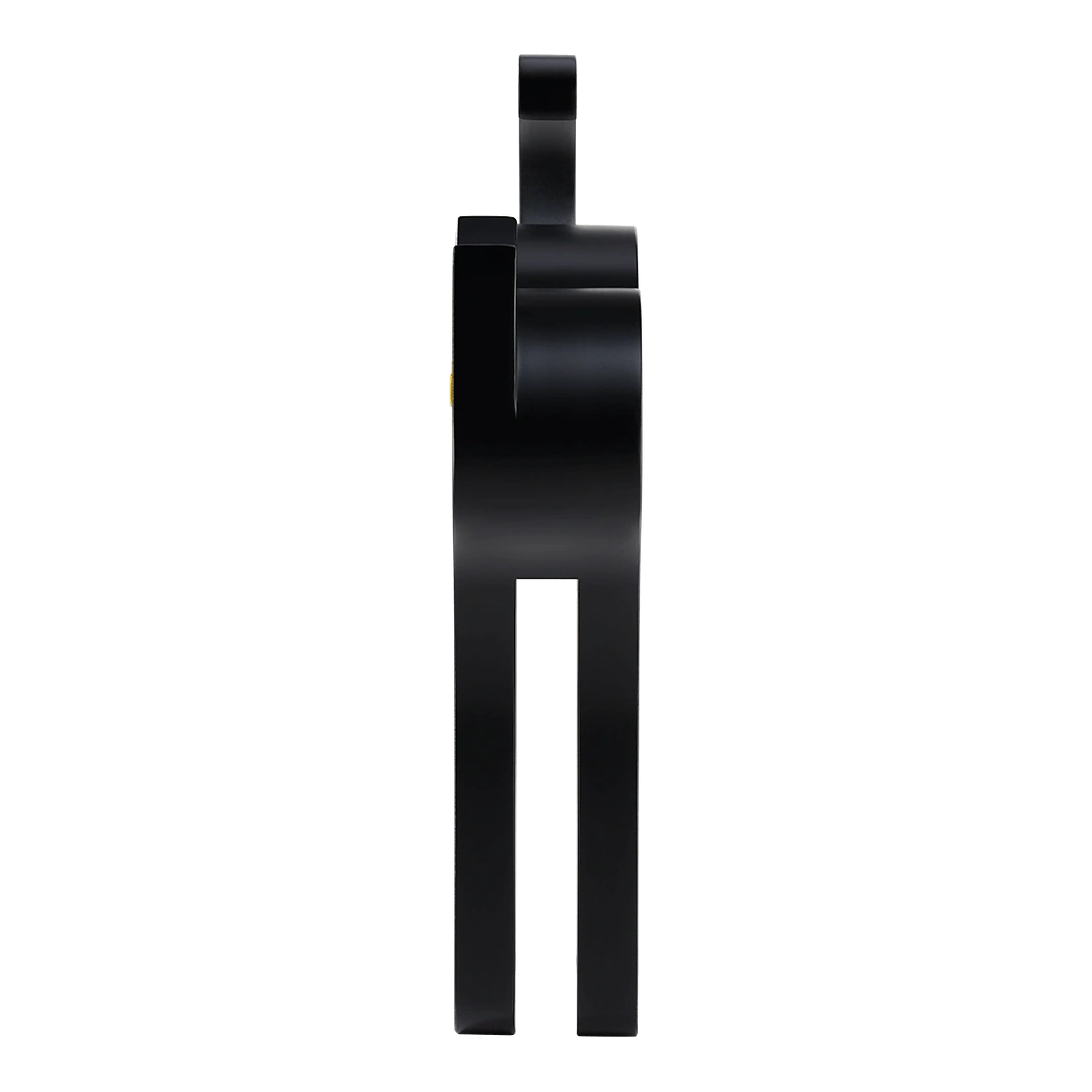
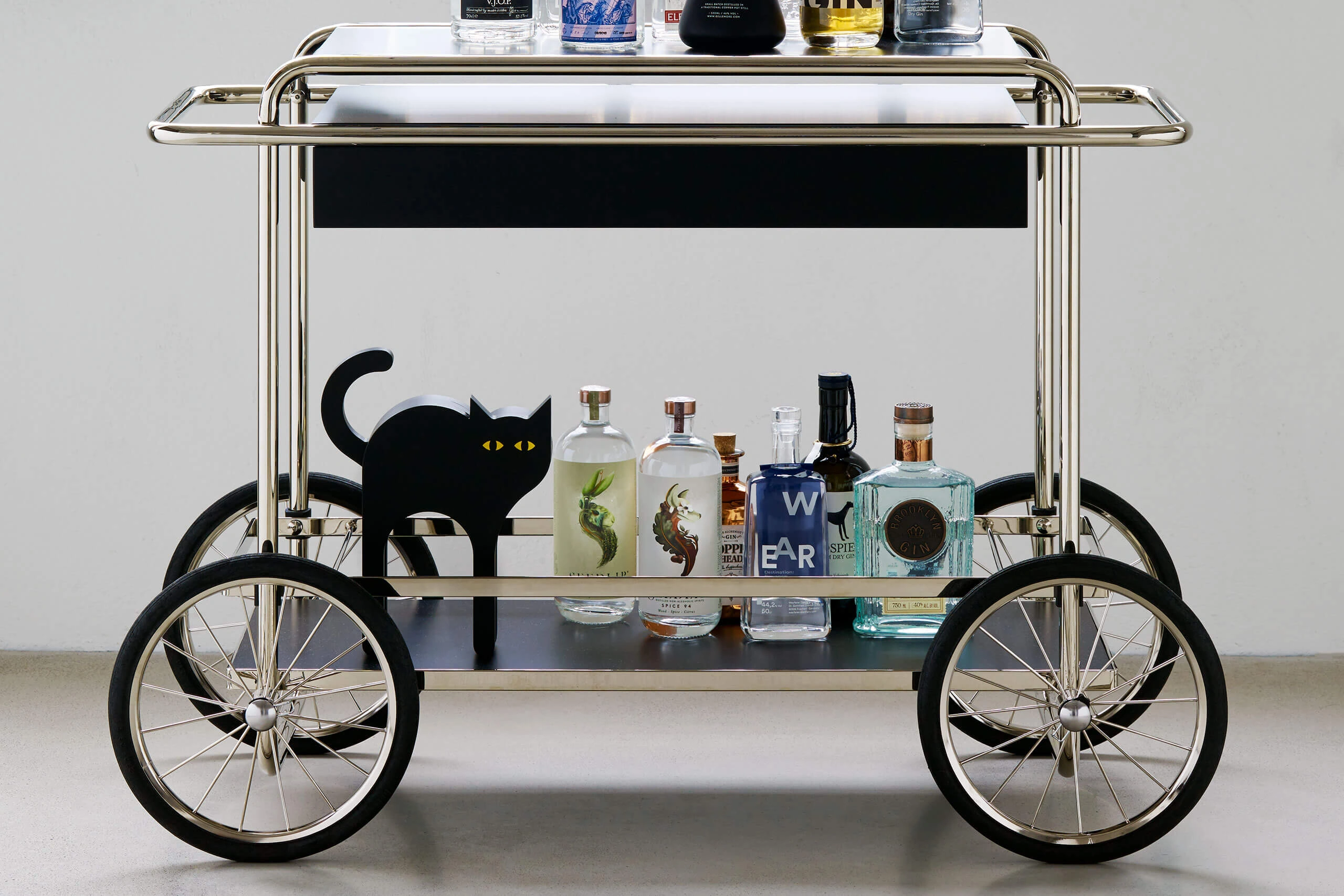
A black wooden cat with an arched back and bright yellow eyes. Designed by Dominik Kirgus, Karlchen turns TECTA’s much-loved feline companion into a geometric sculpture, 30 cm tall.
Image source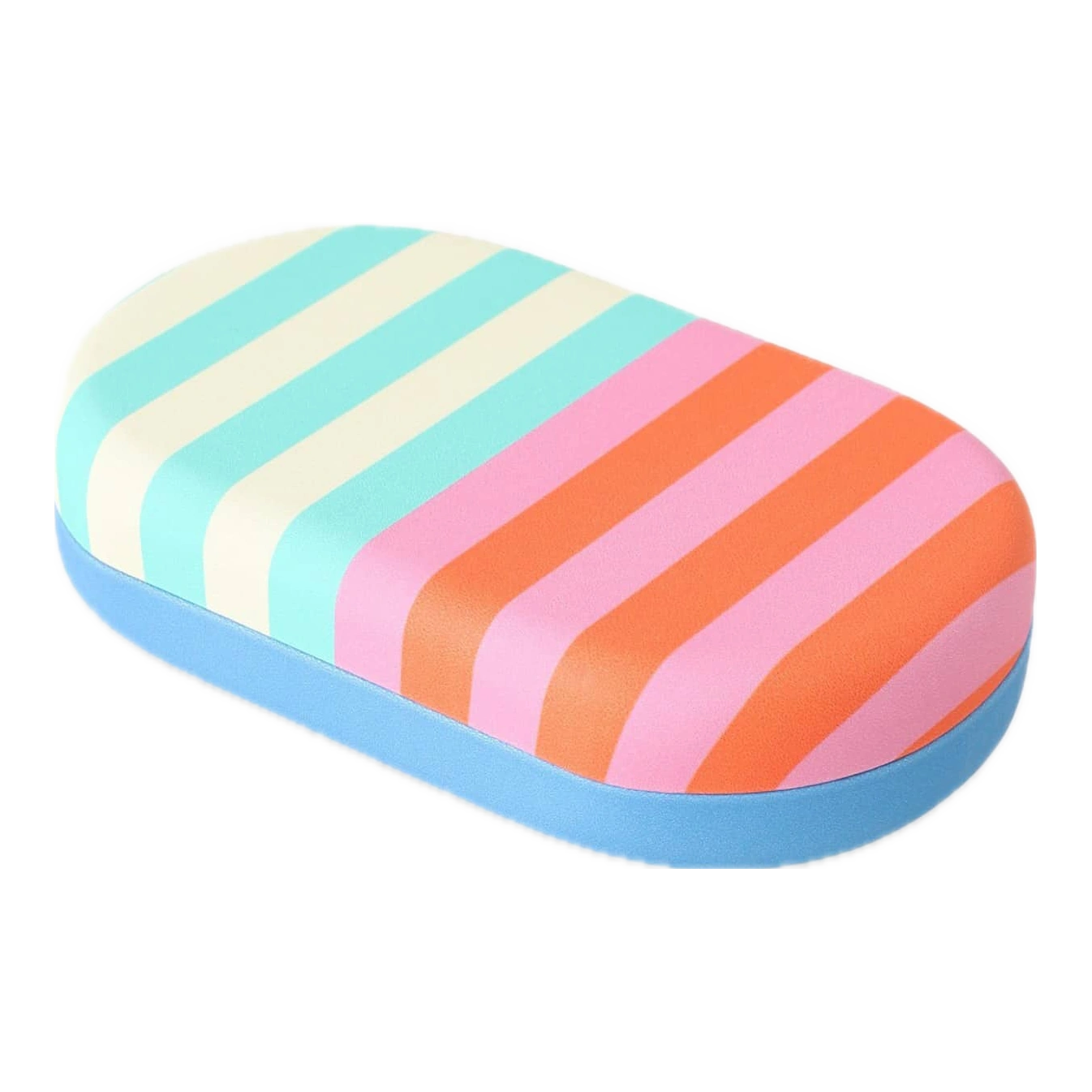
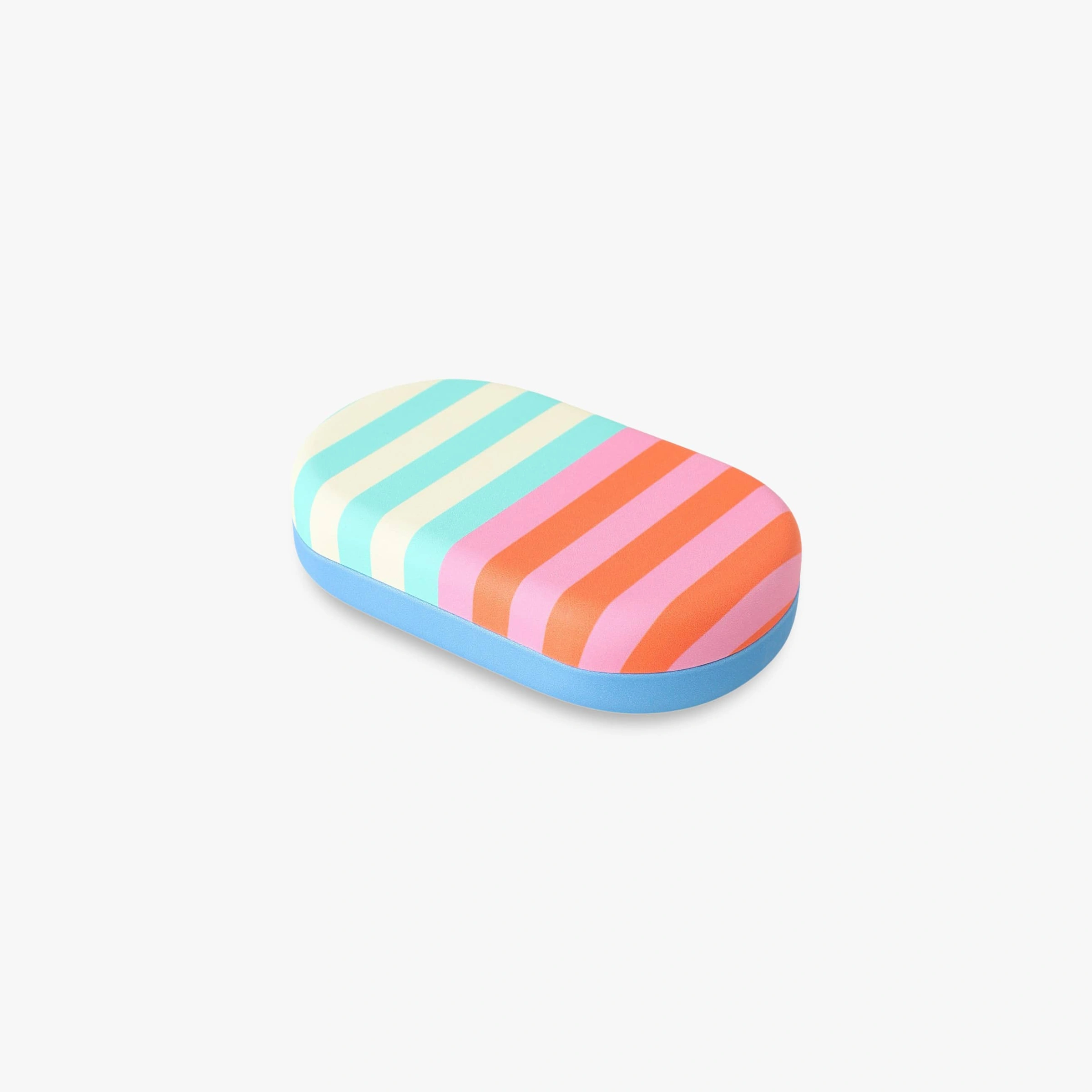
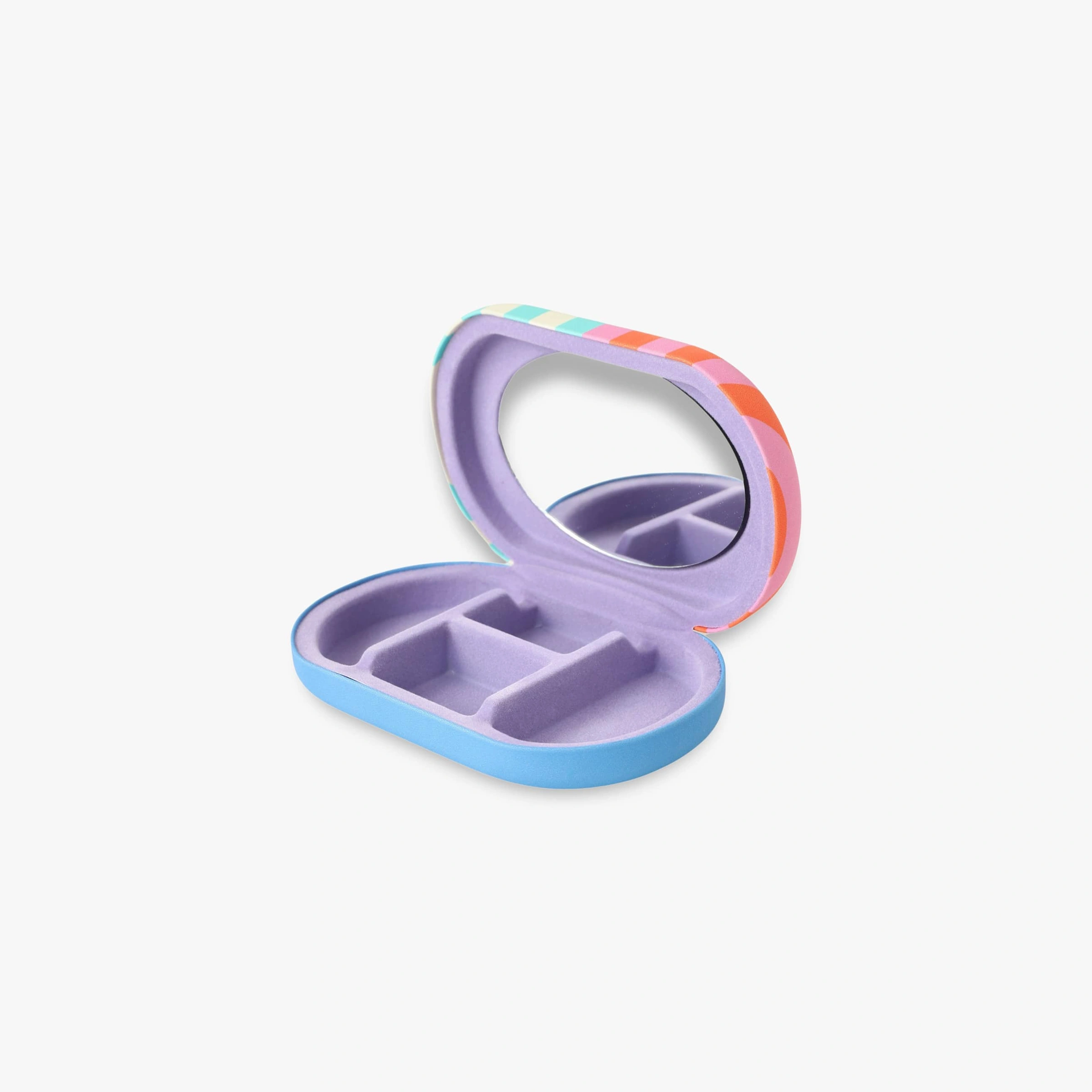
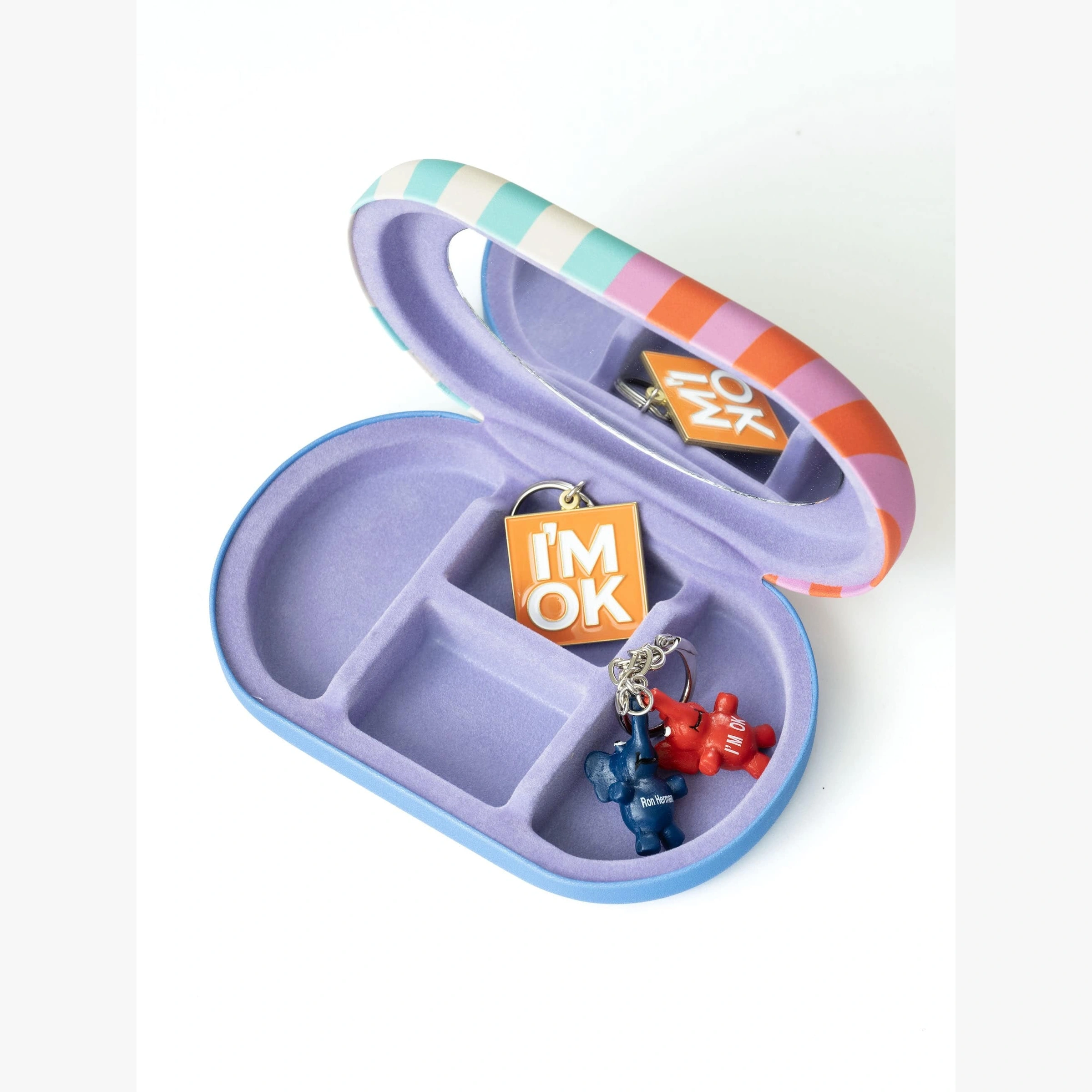
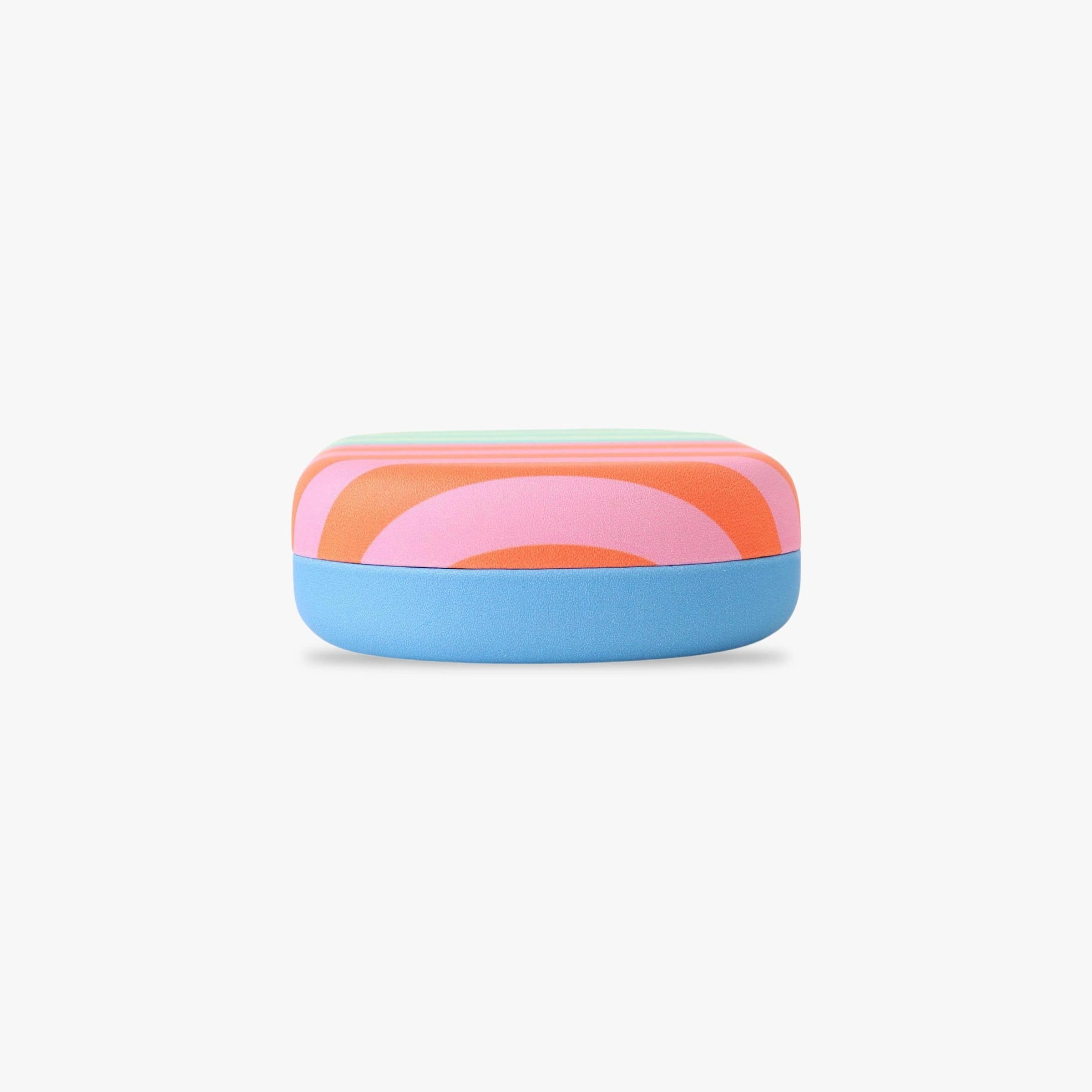
A colorful striped jewelry case designed by Goodlines for Kikkerland. A mirror and four compartments keep rings, earrings, and bracelets together at home or on the move.
Image source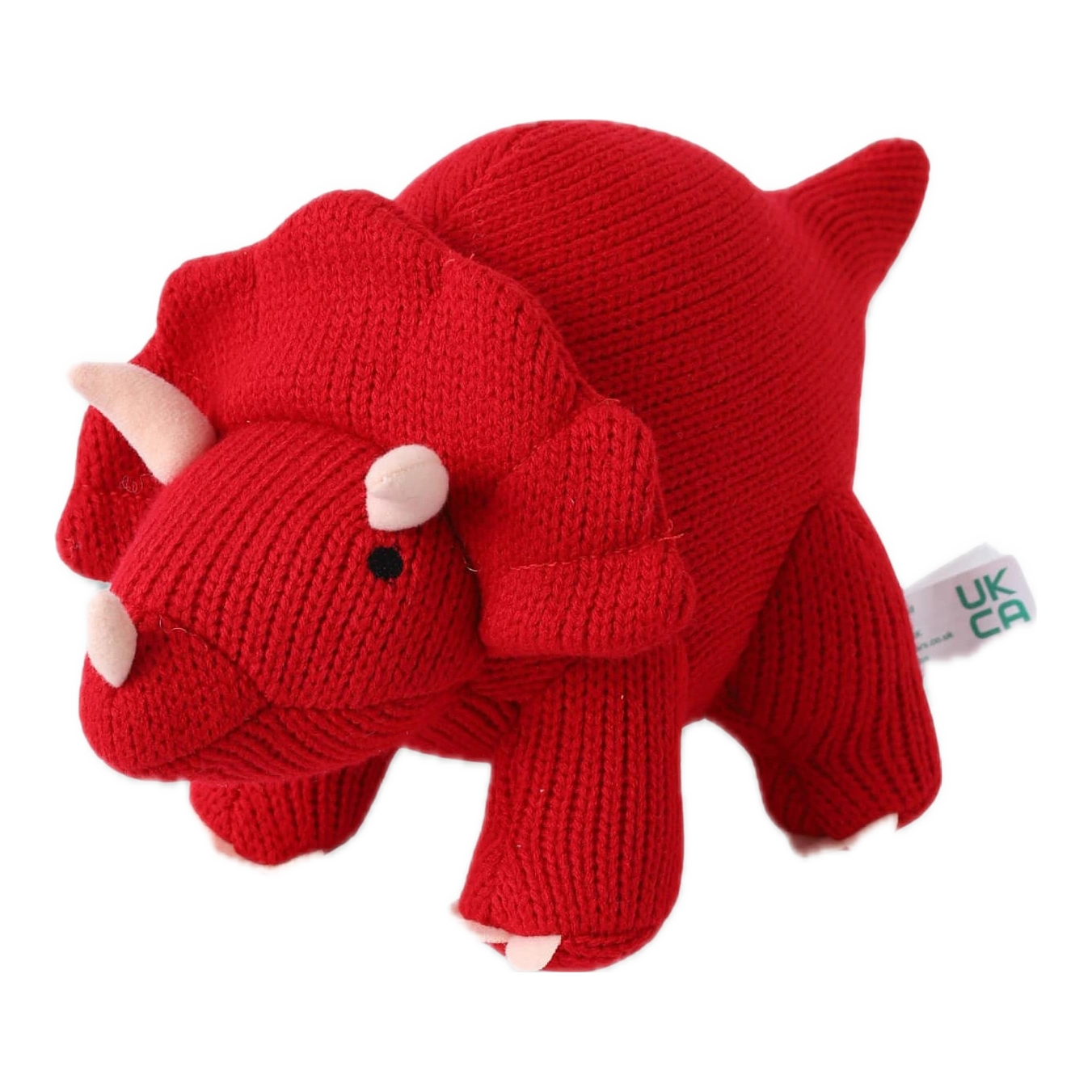
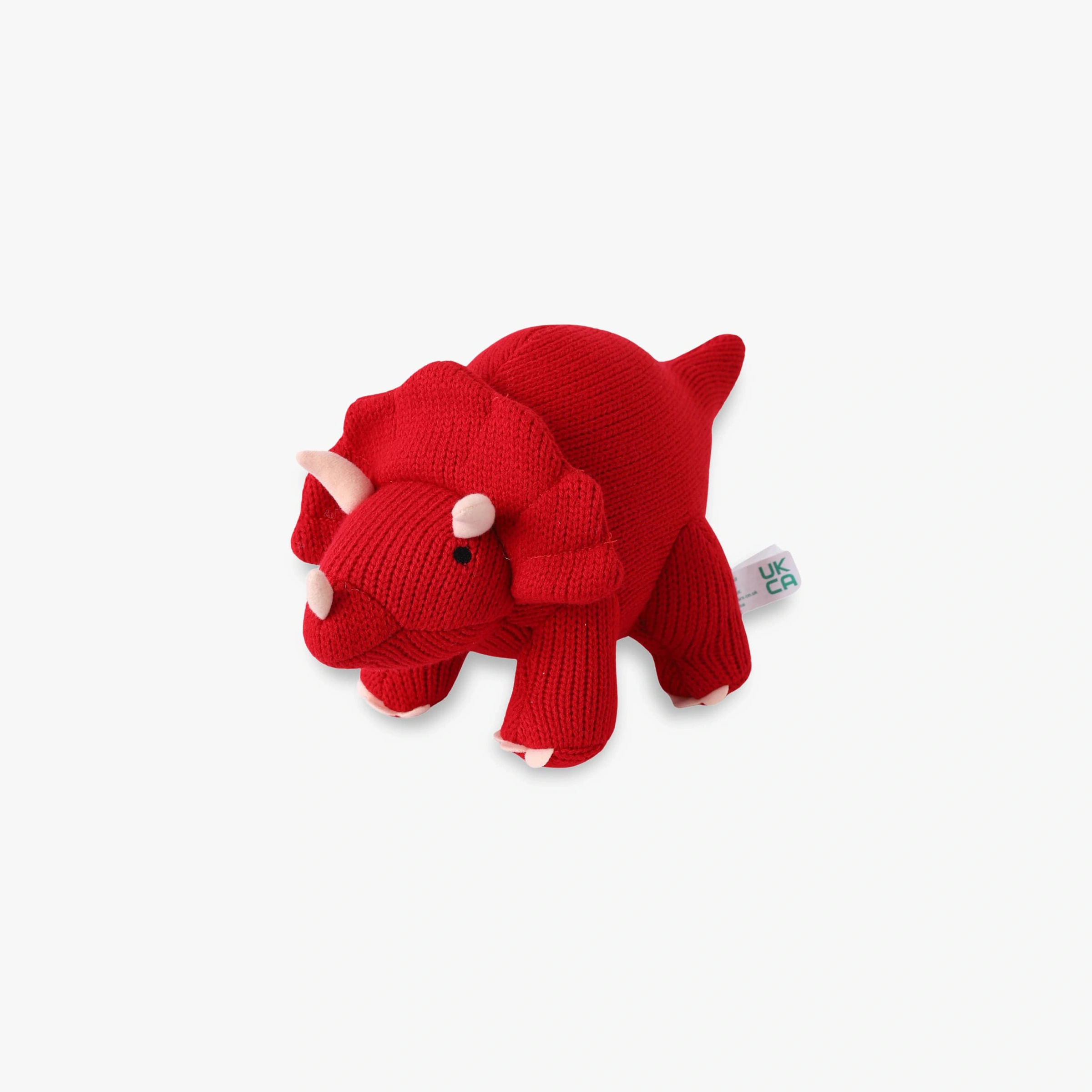
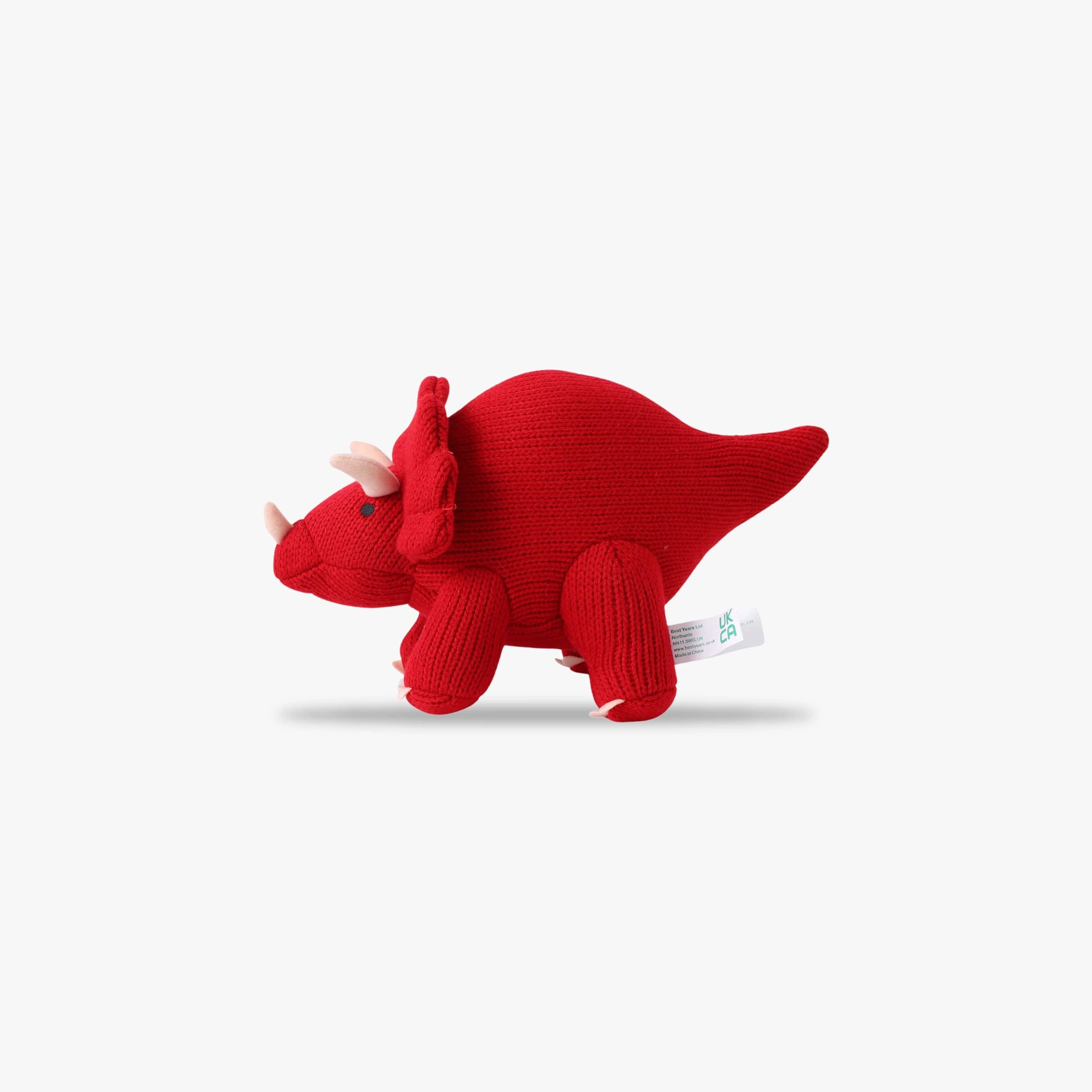
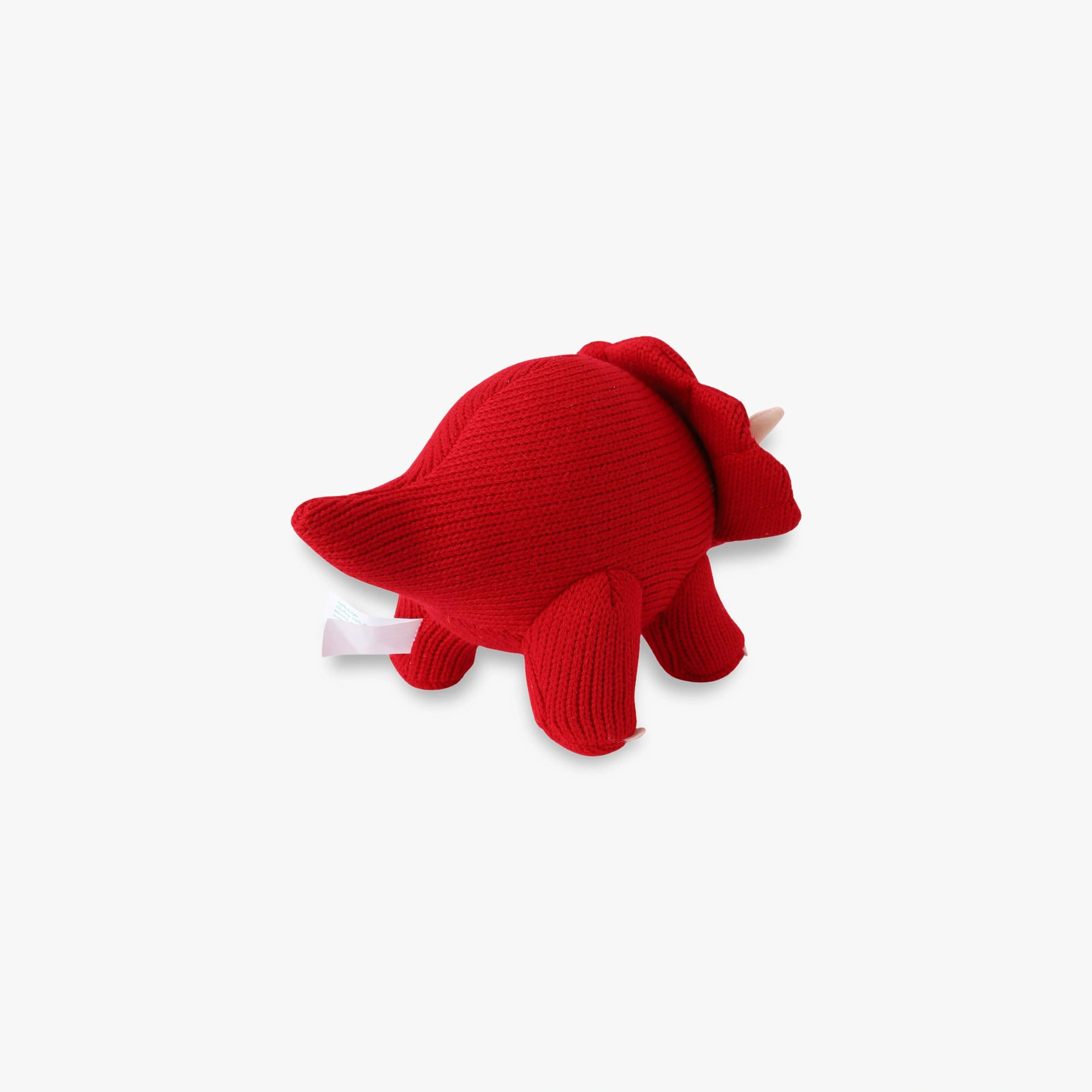
A red knitted triceratops with a soft, textured body, three pale horns, and a broad frill. A sturdy little companion for play or a shelf.
Image source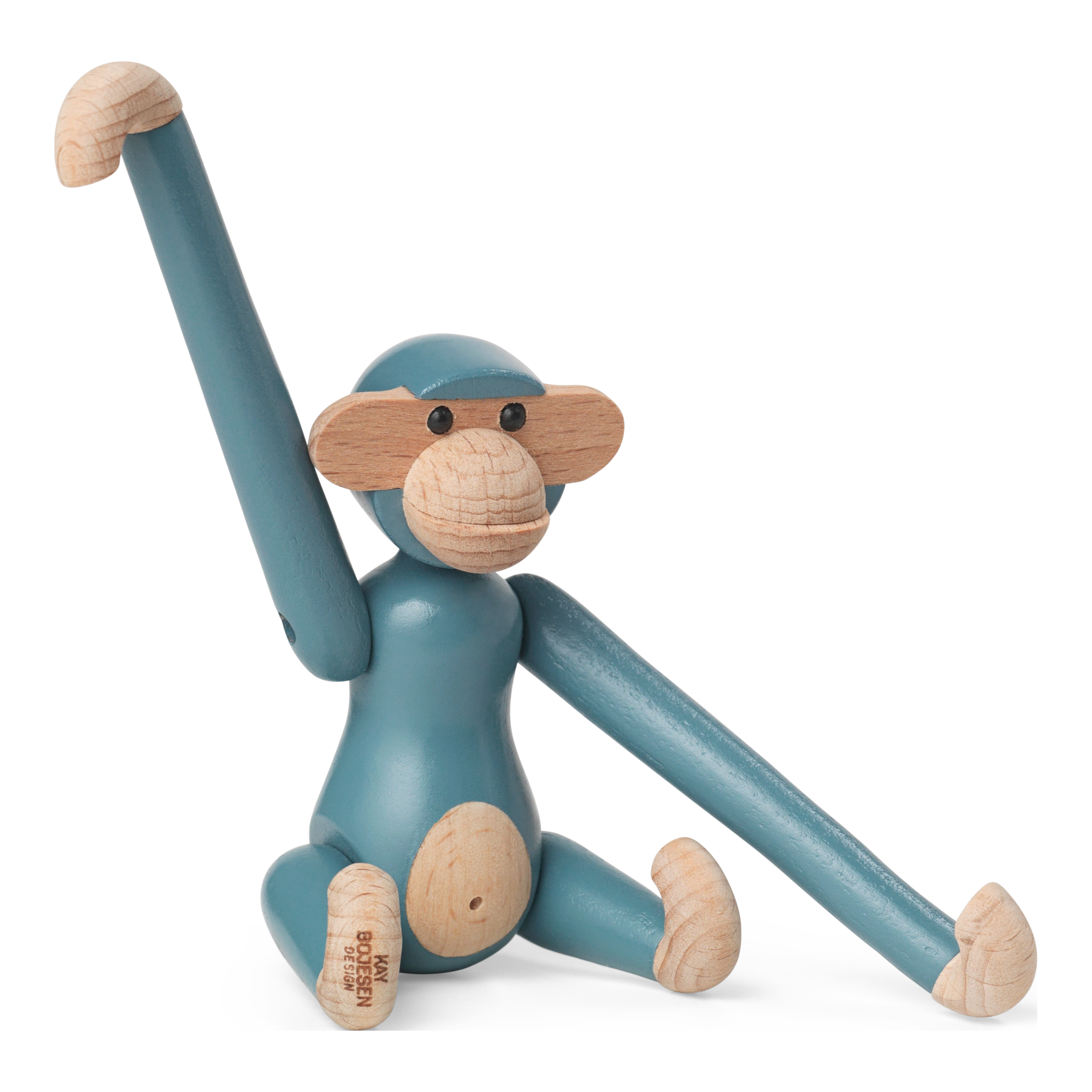
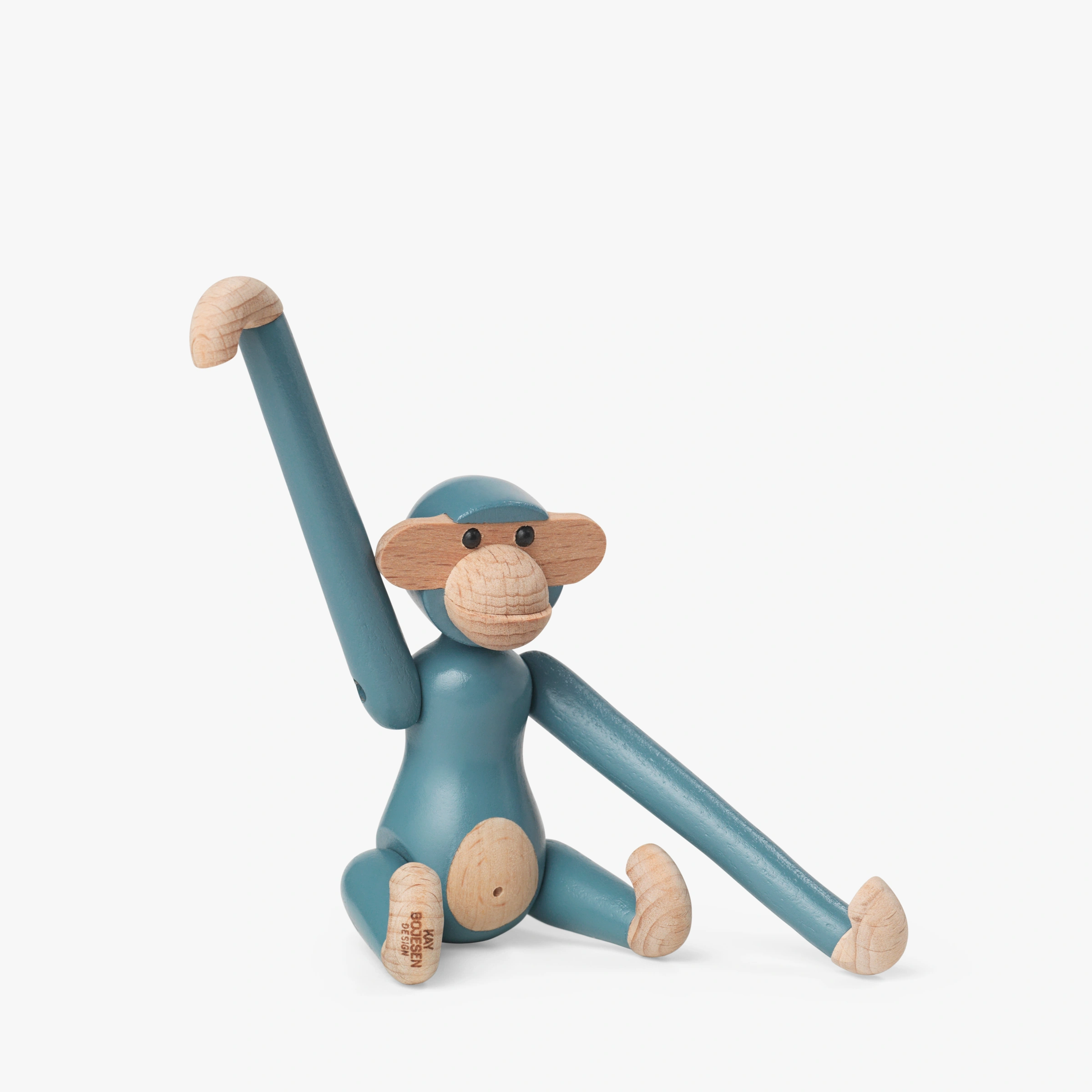
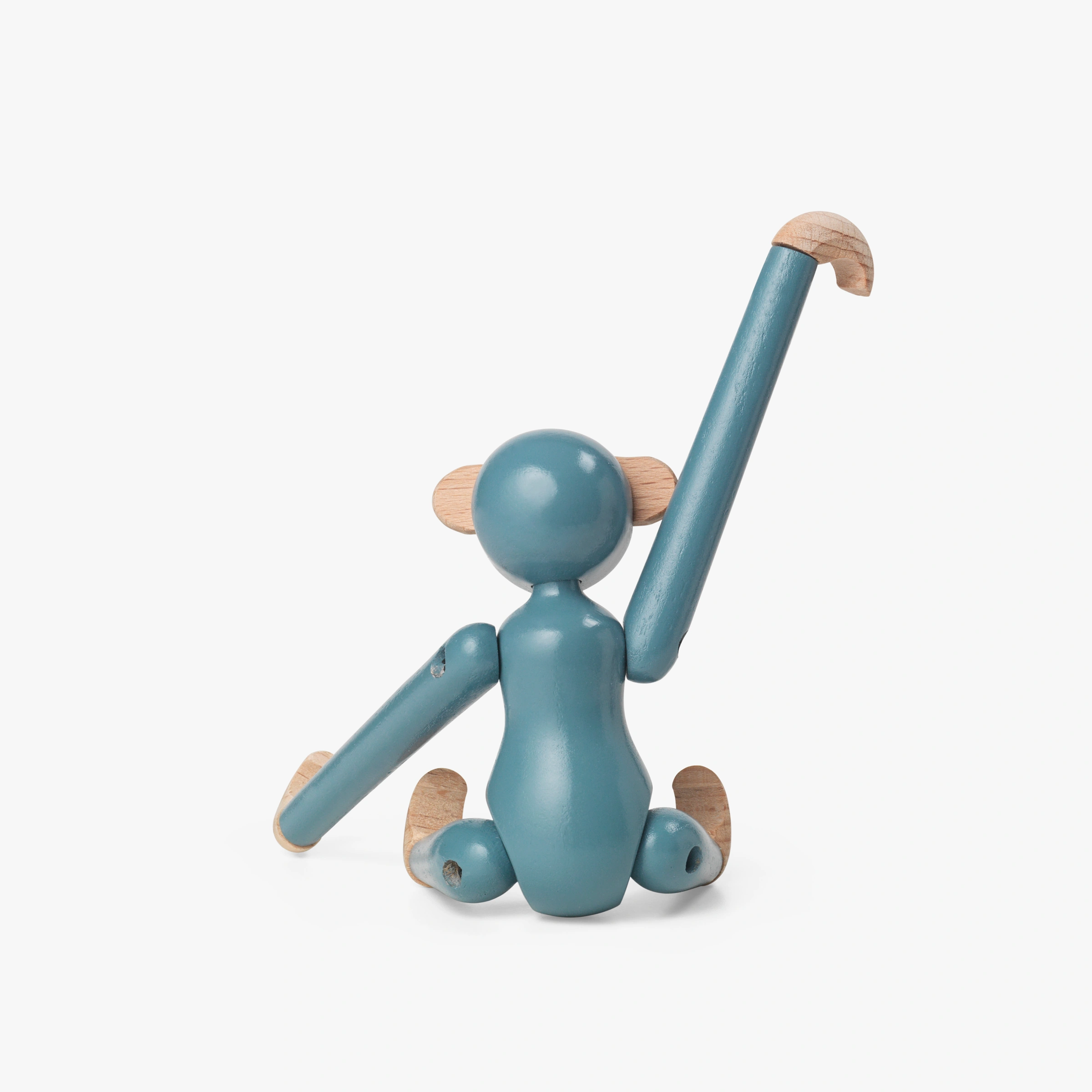
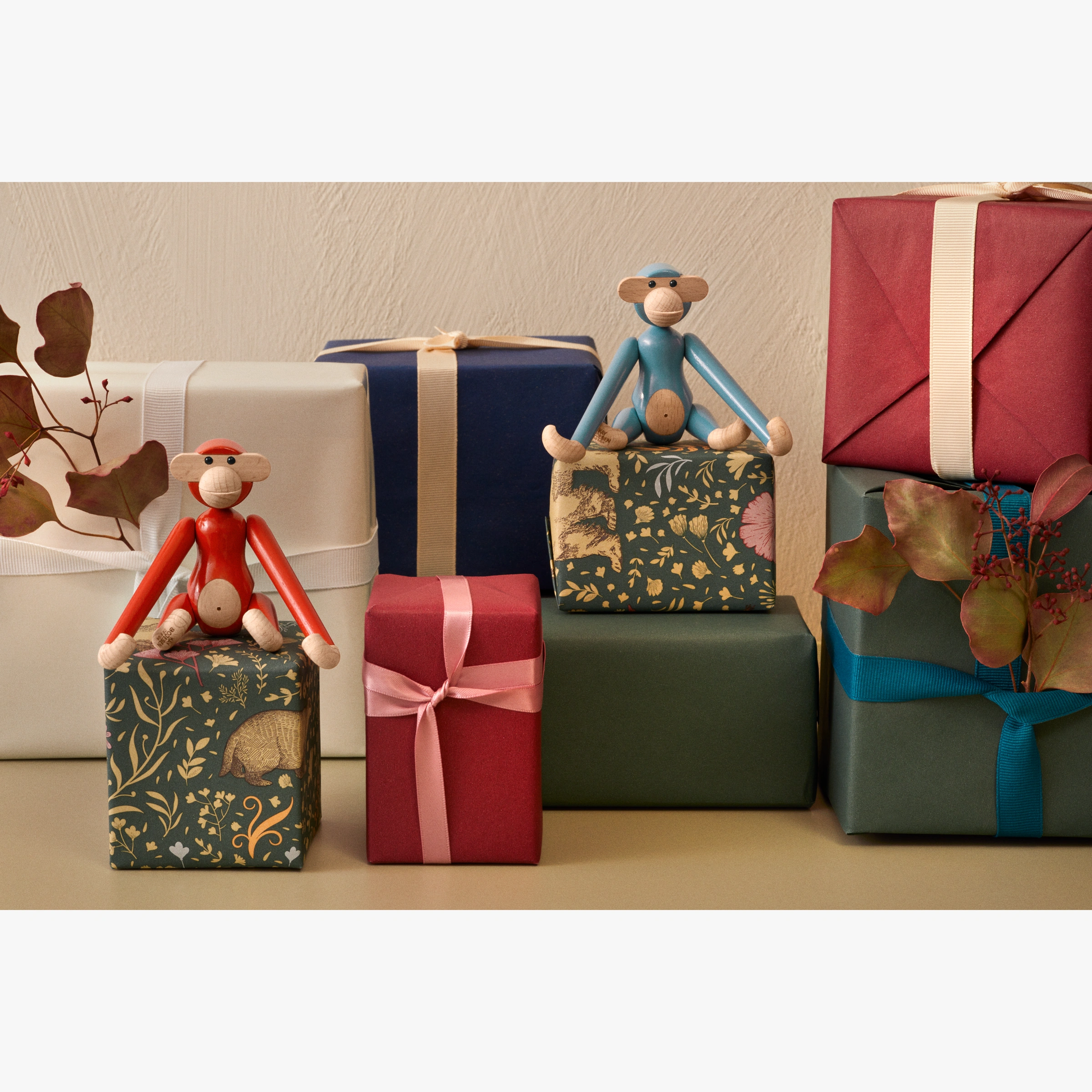
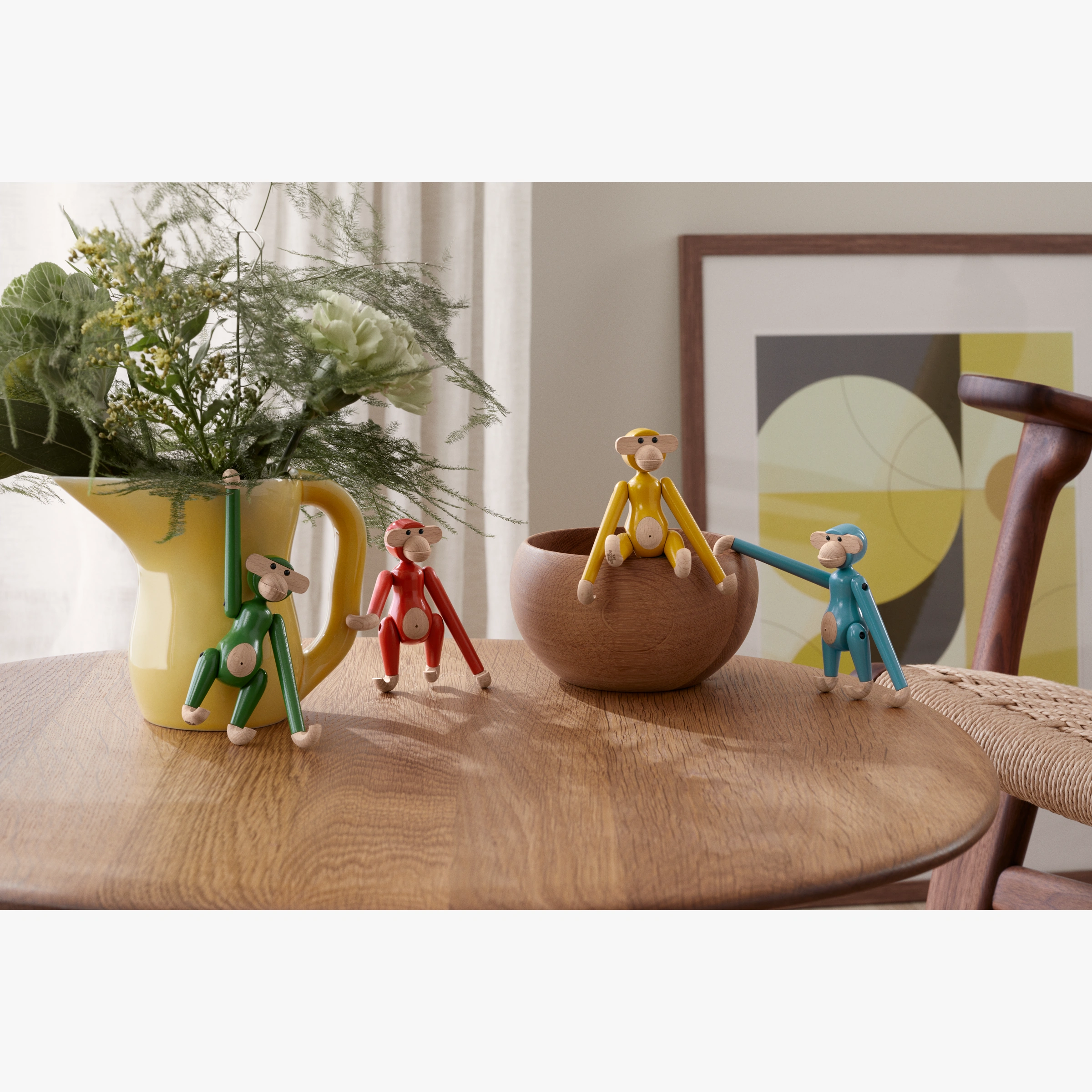
Kay Bojesen’s articulated wooden monkey in miniature, with painted beech and warm natural-wood details. The vintage blue comes from colors in his late-1940s wallpaper designs.
Image source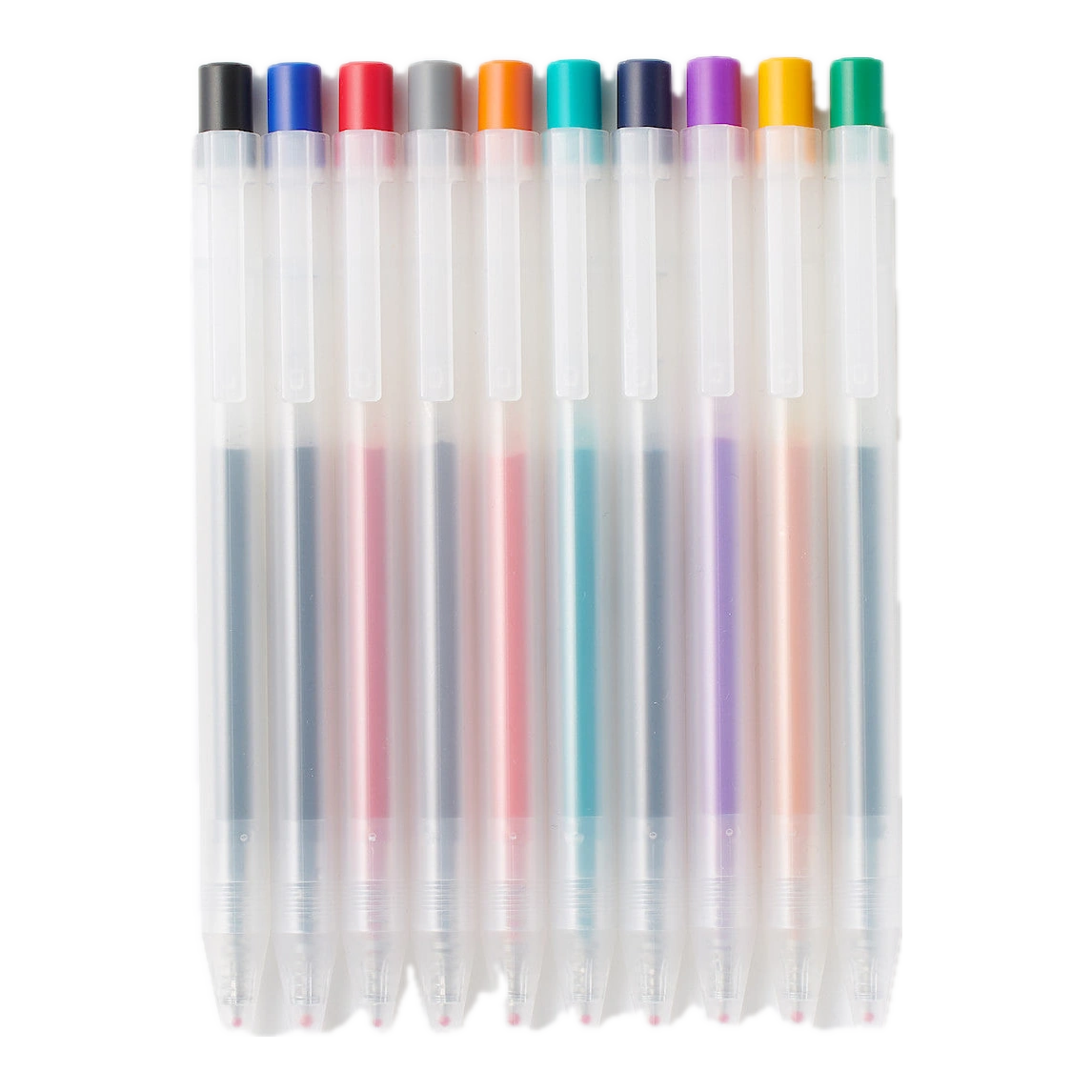
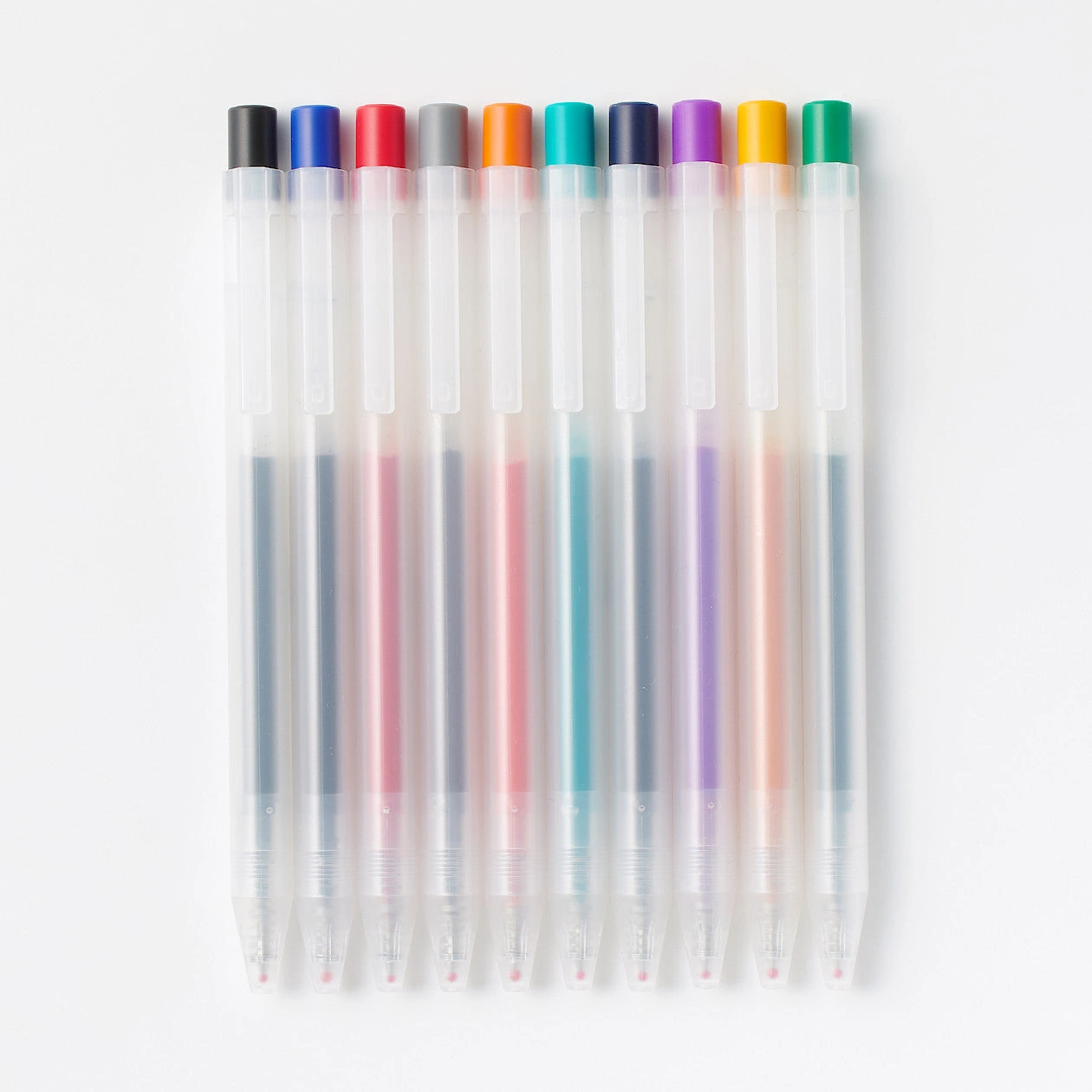
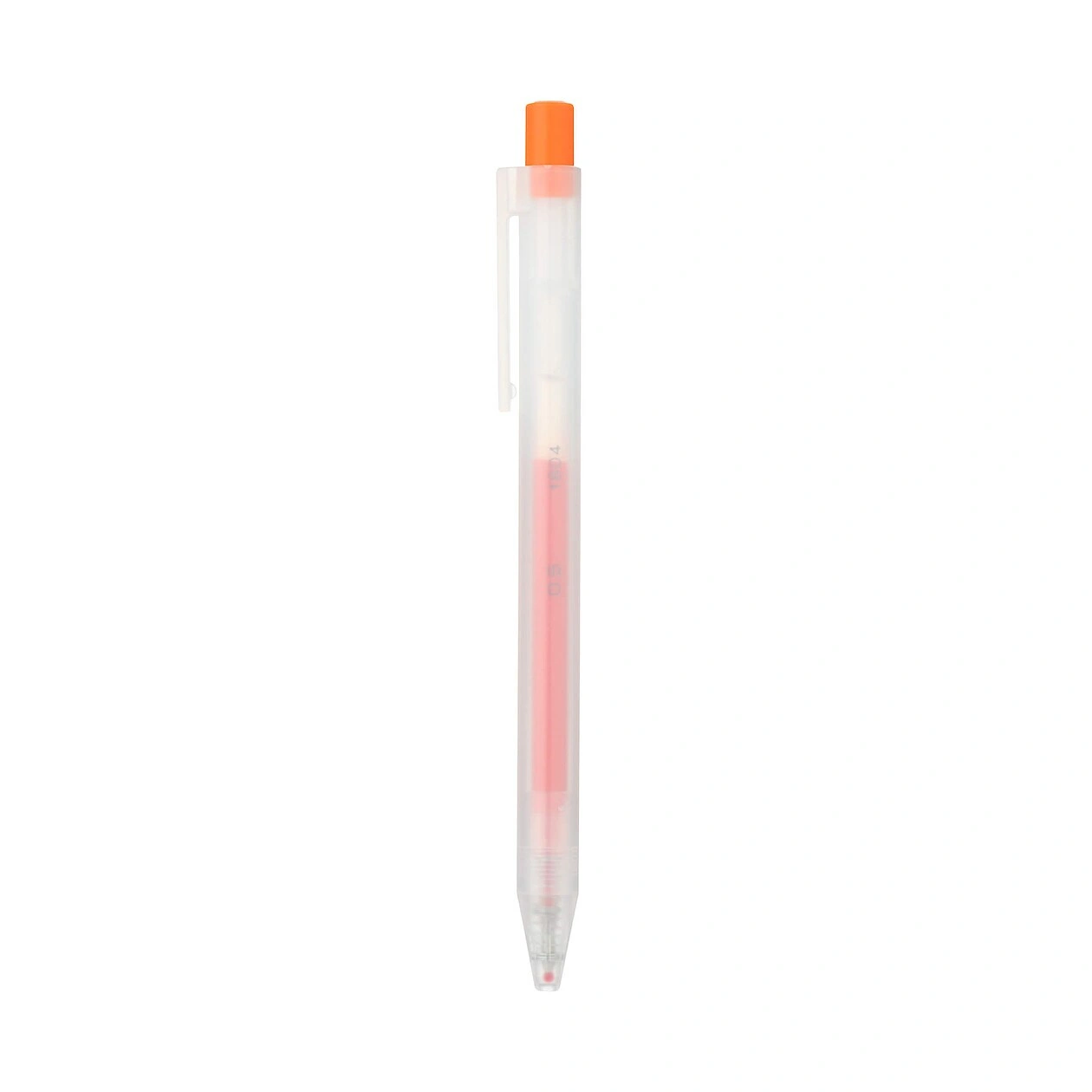
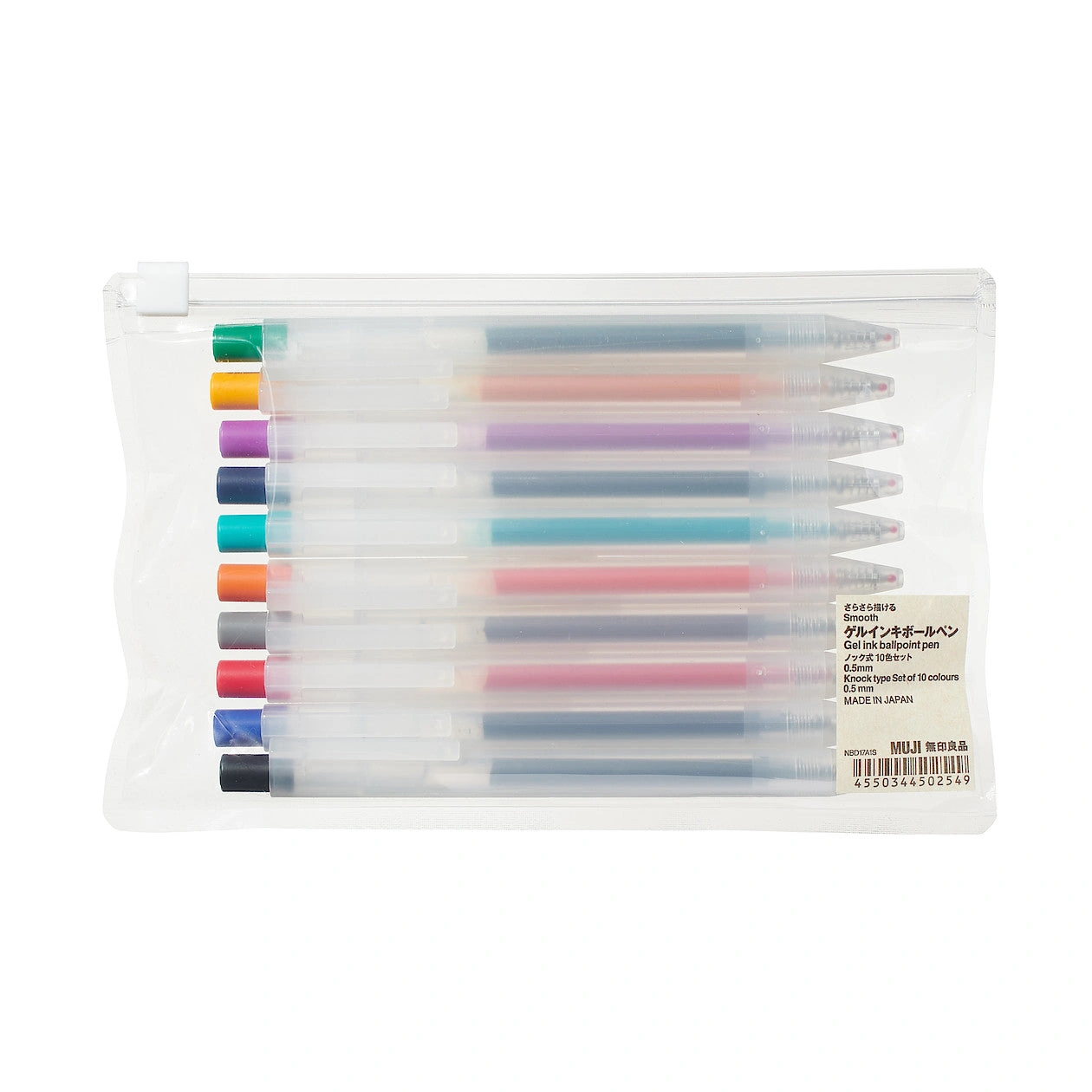
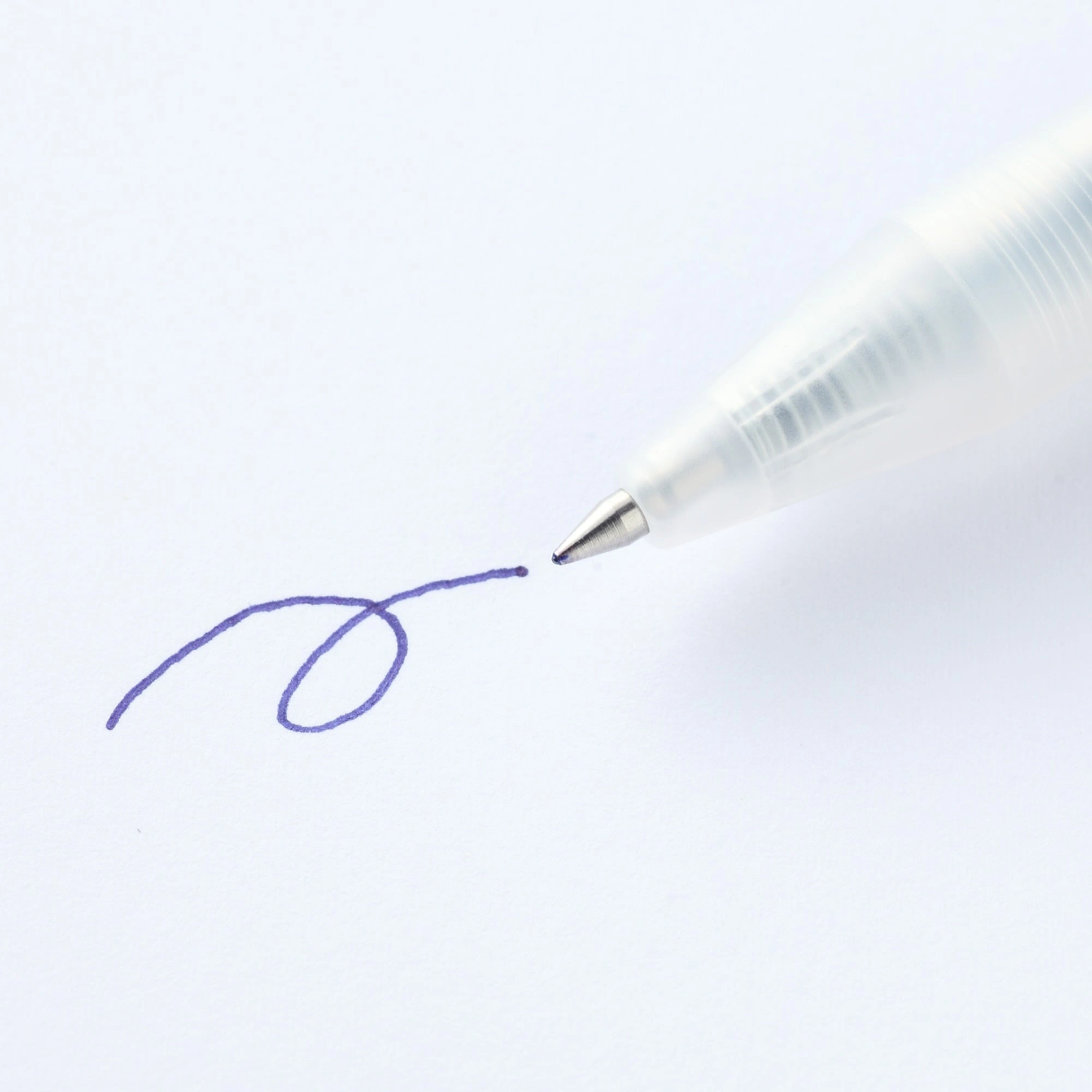
A refillable gel ink pen with a translucent barrel and a simple push-button mechanism. The smooth-writing 0.5 mm tip comes in a broad range of ink colors for notes, sketches, and everyday lists.
Image source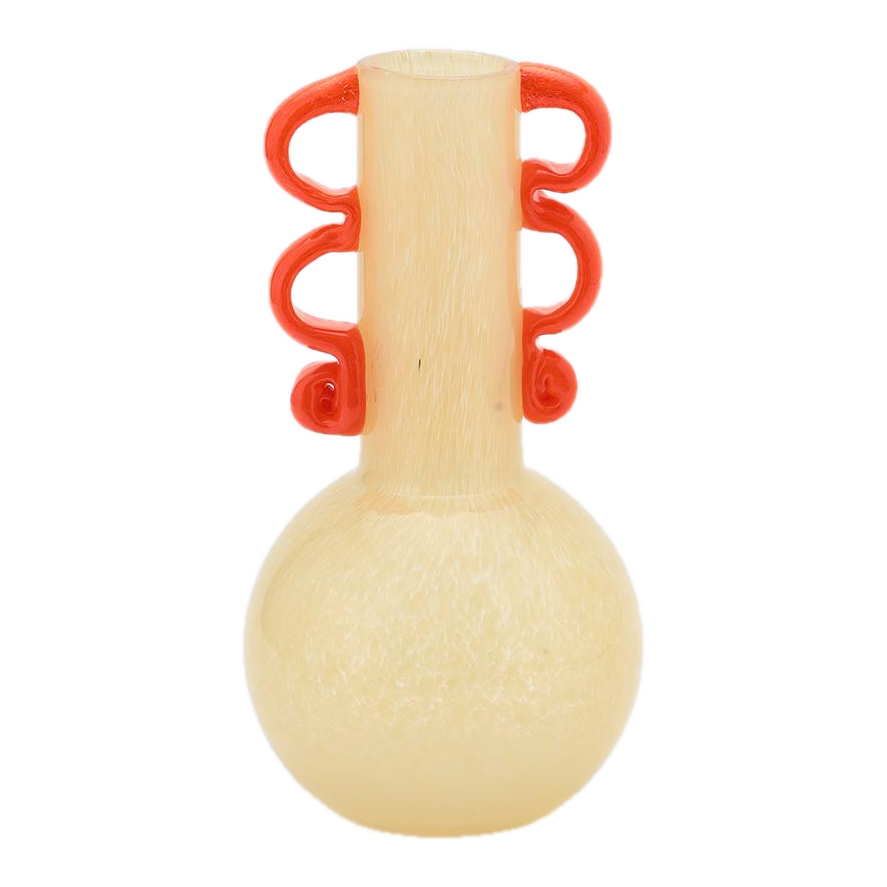
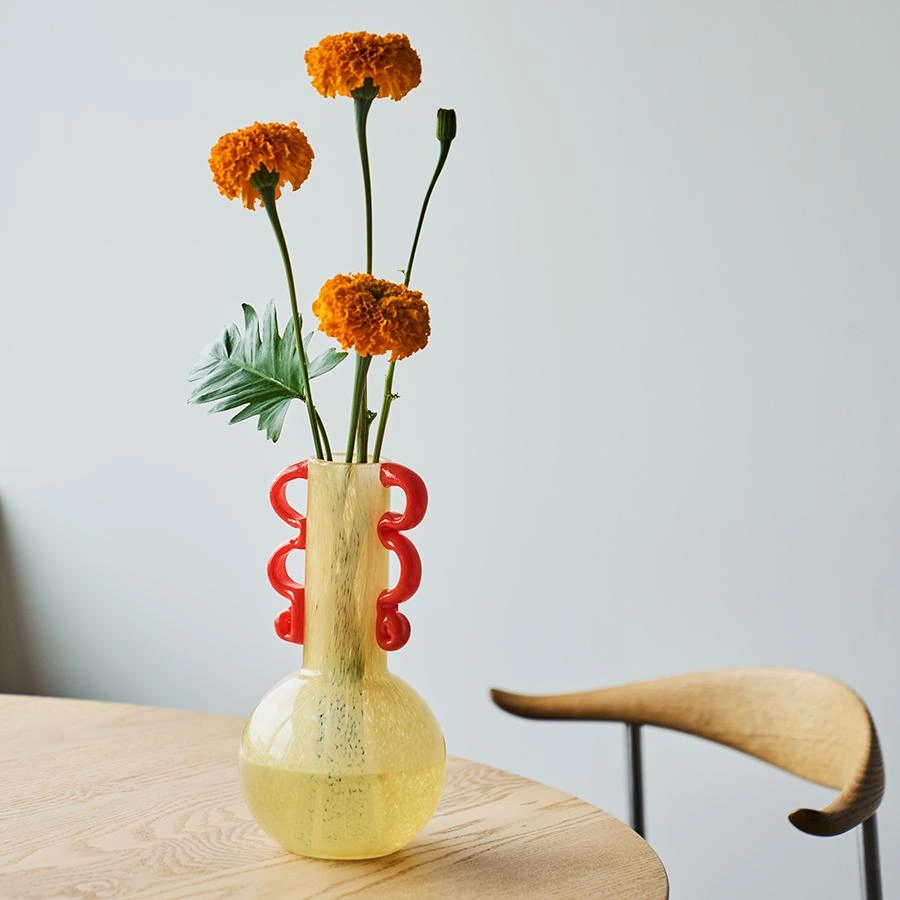
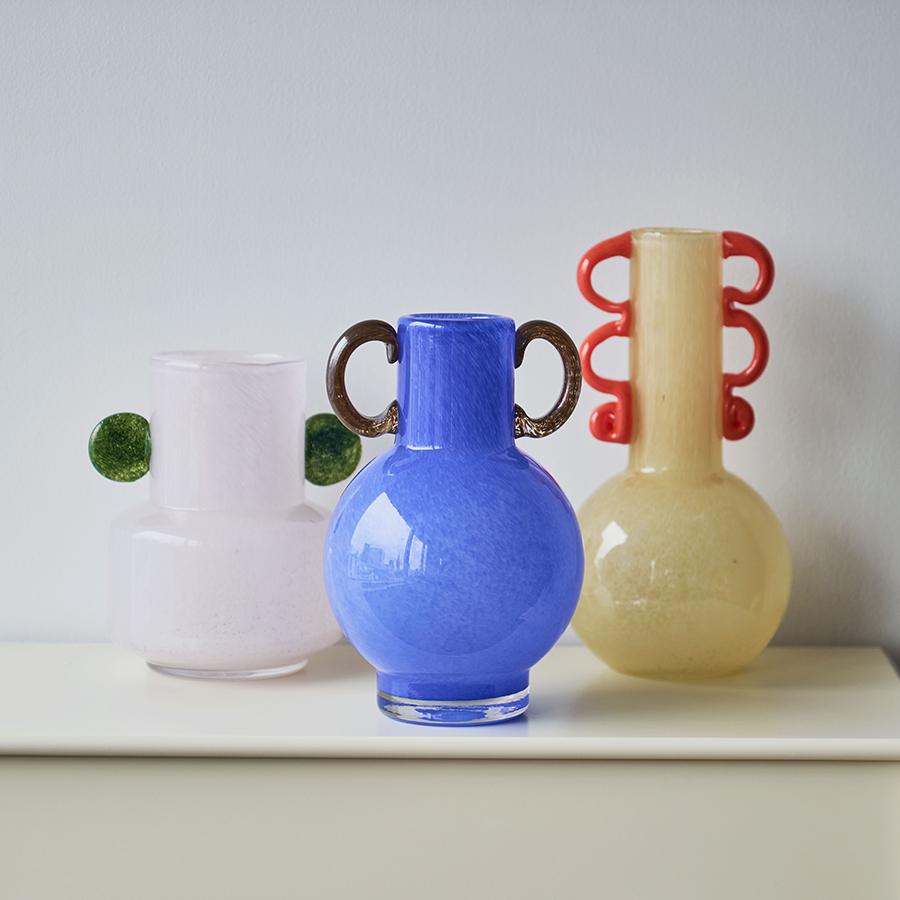
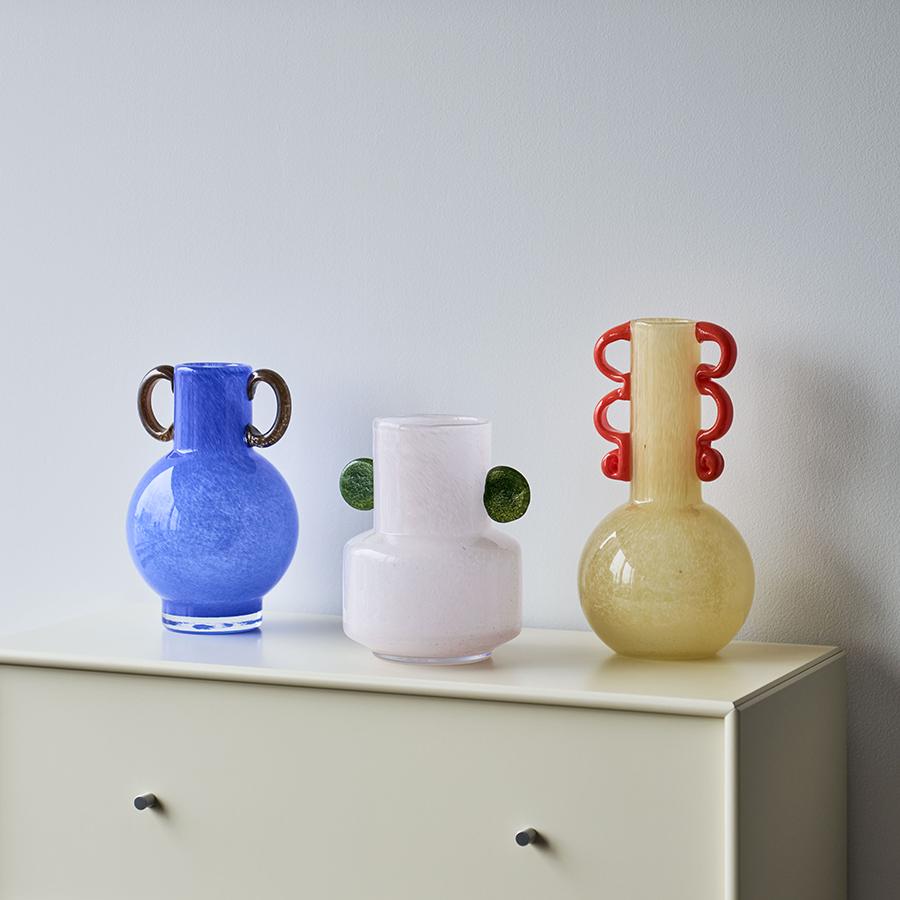
A sculptural glass vase with a rounded body, tall neck, and curling handles.
Image source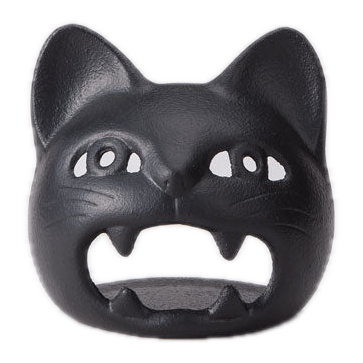
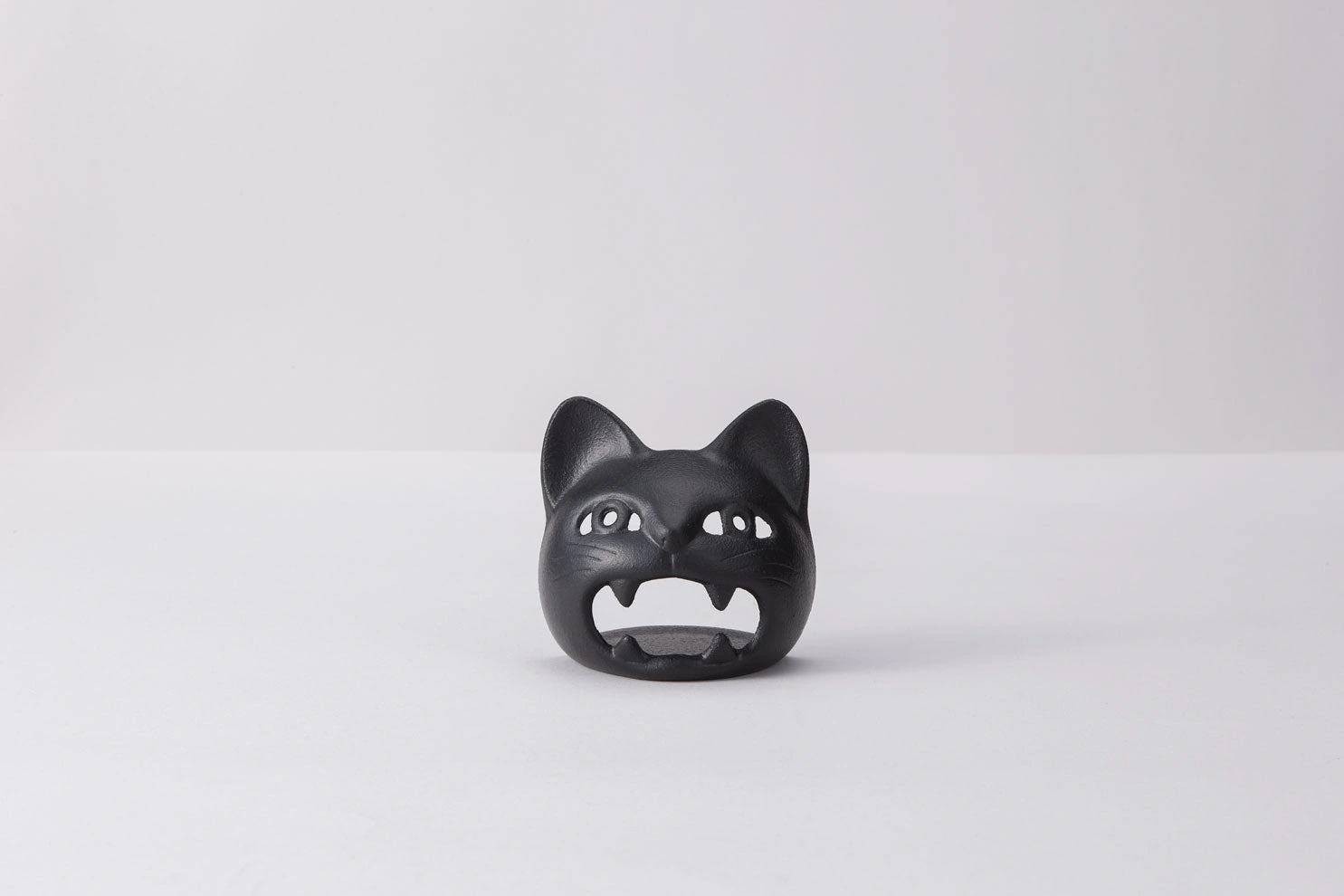
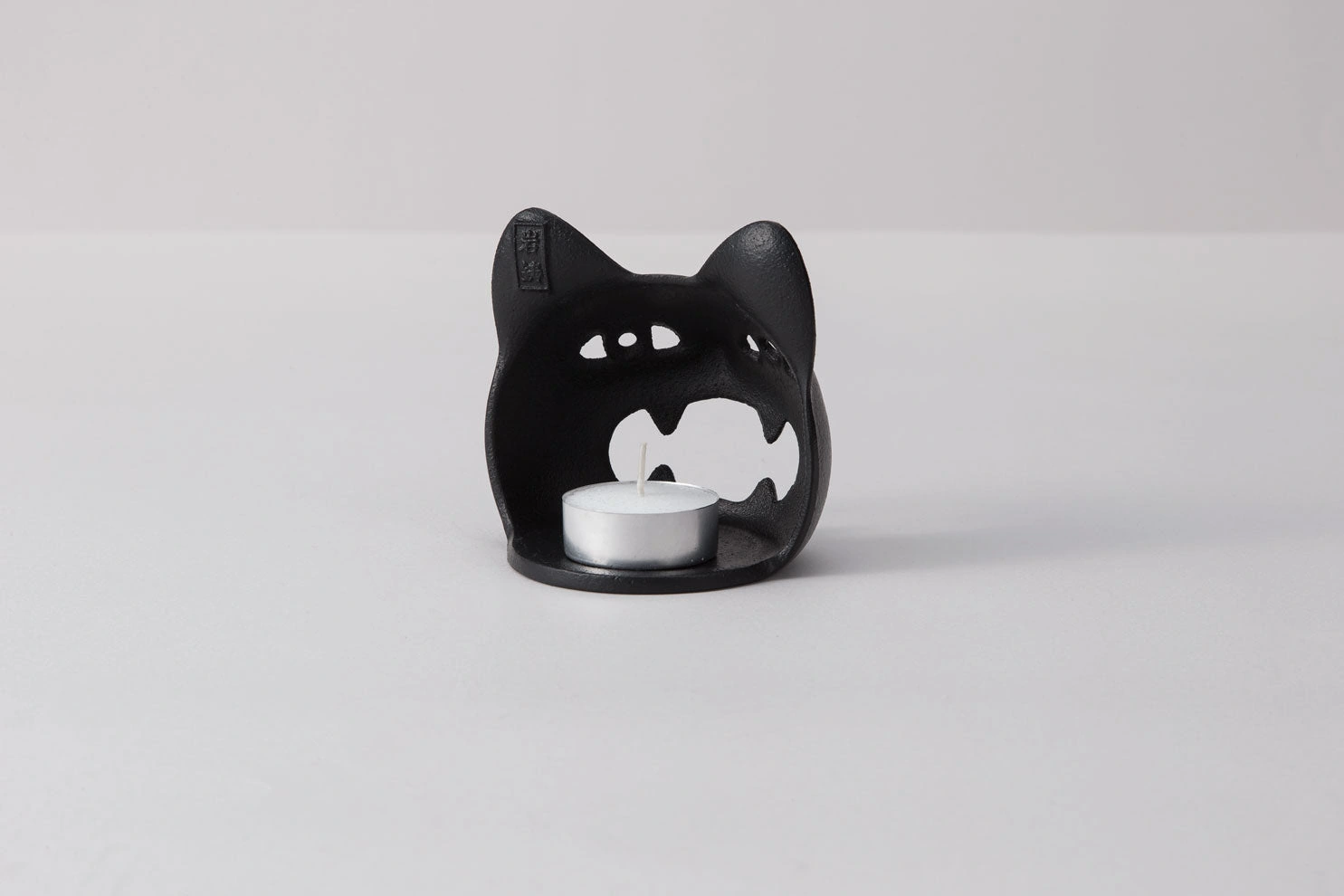
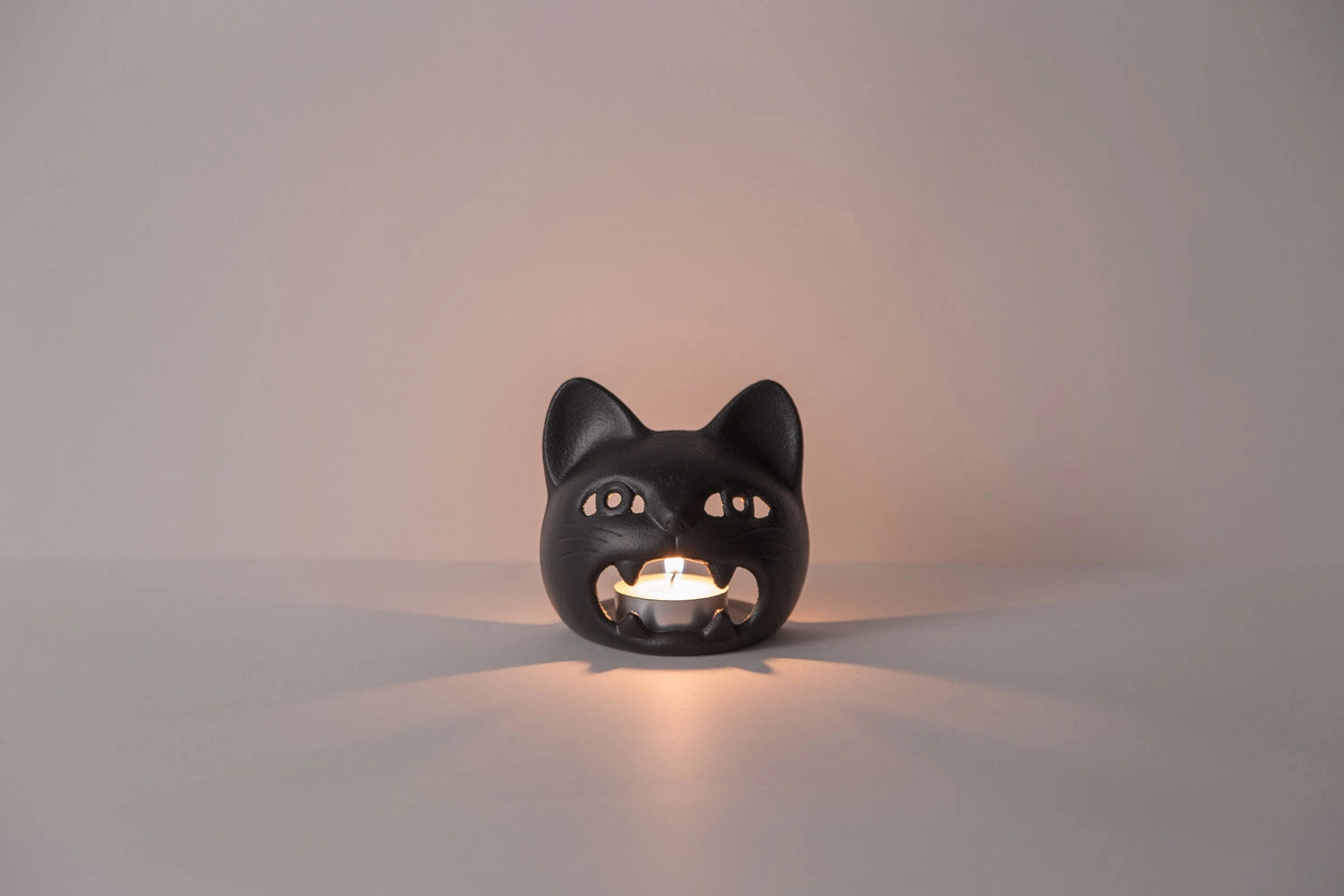
A cast-iron cat whose open mouth holds a tealight, letting candlelight shine through its face.
Image source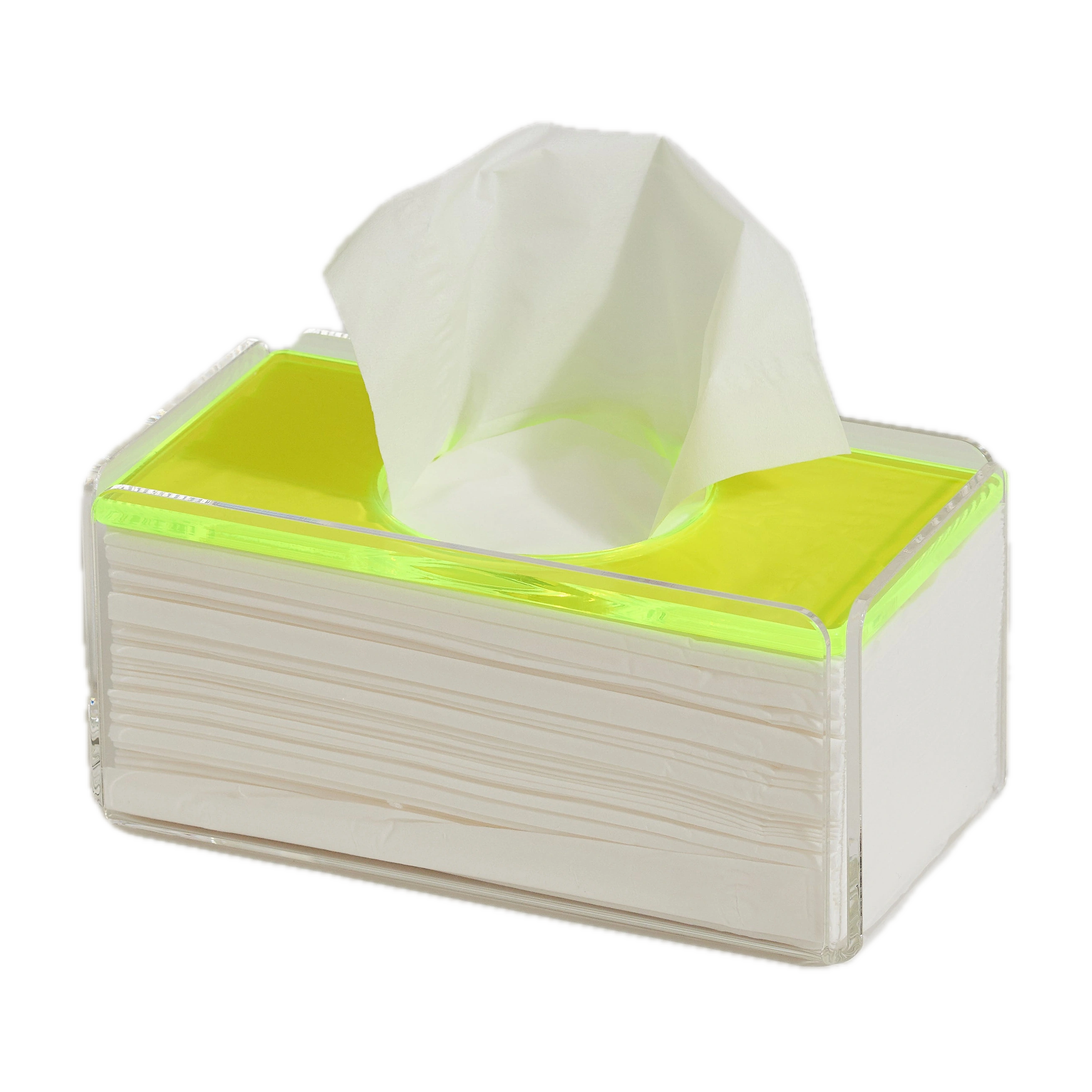
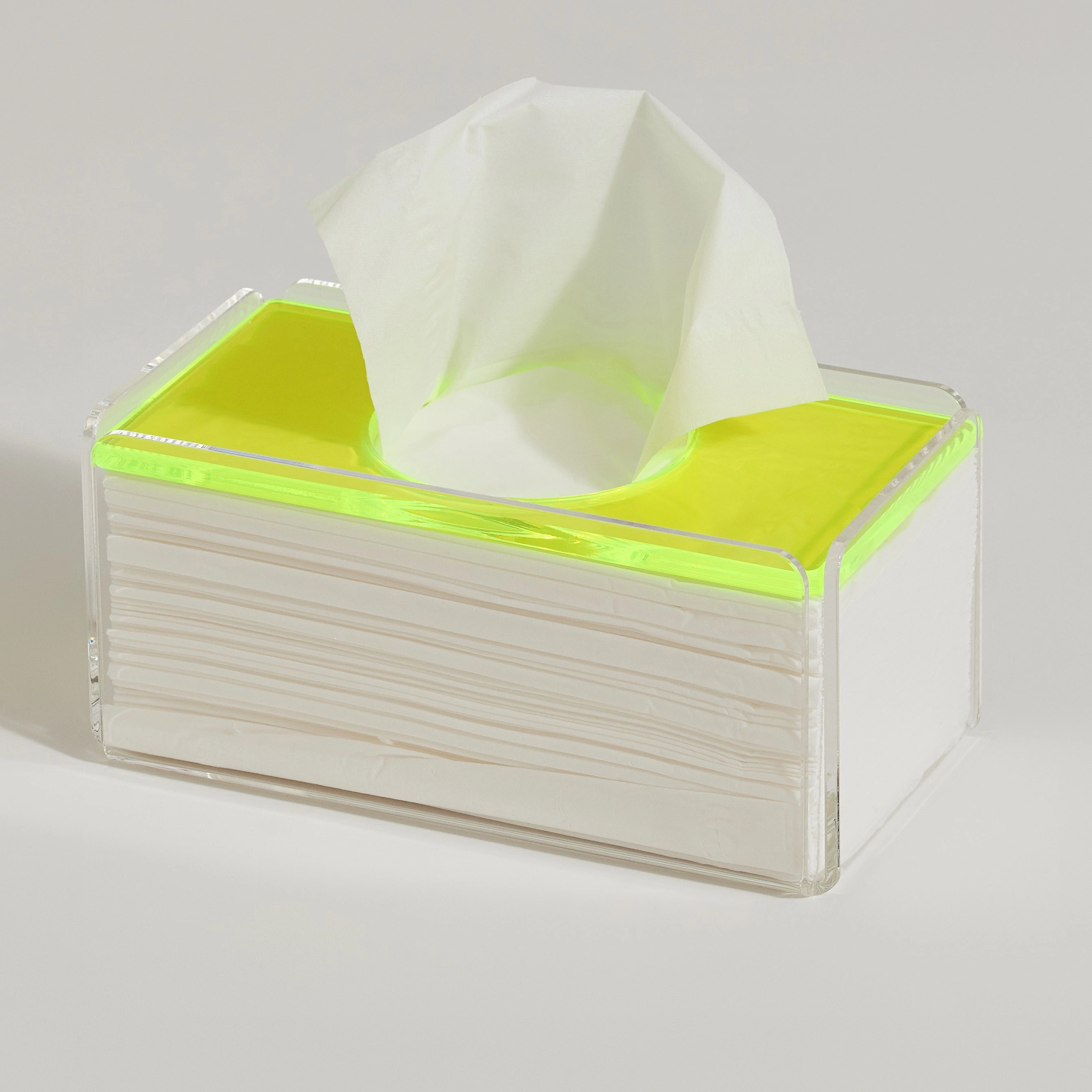
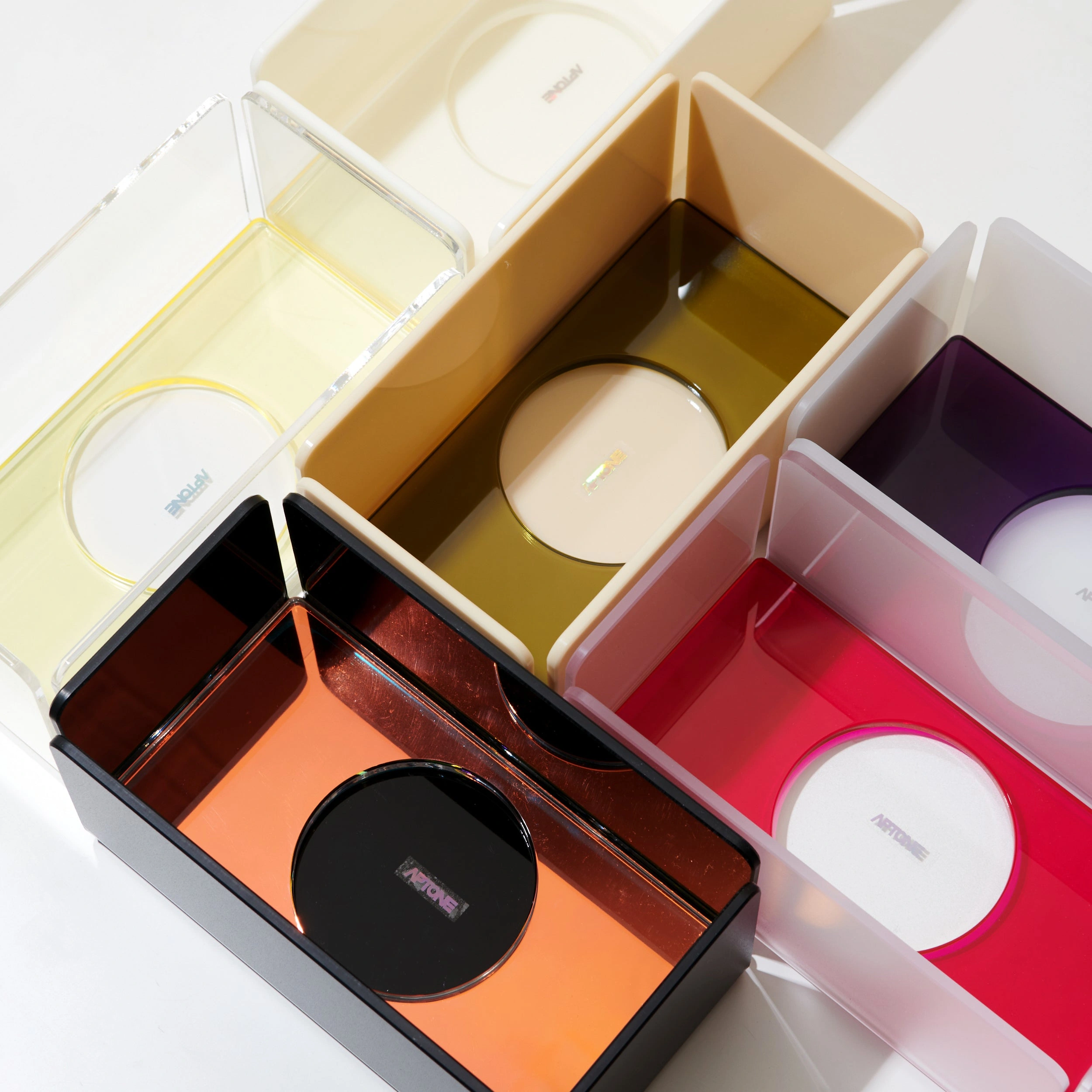
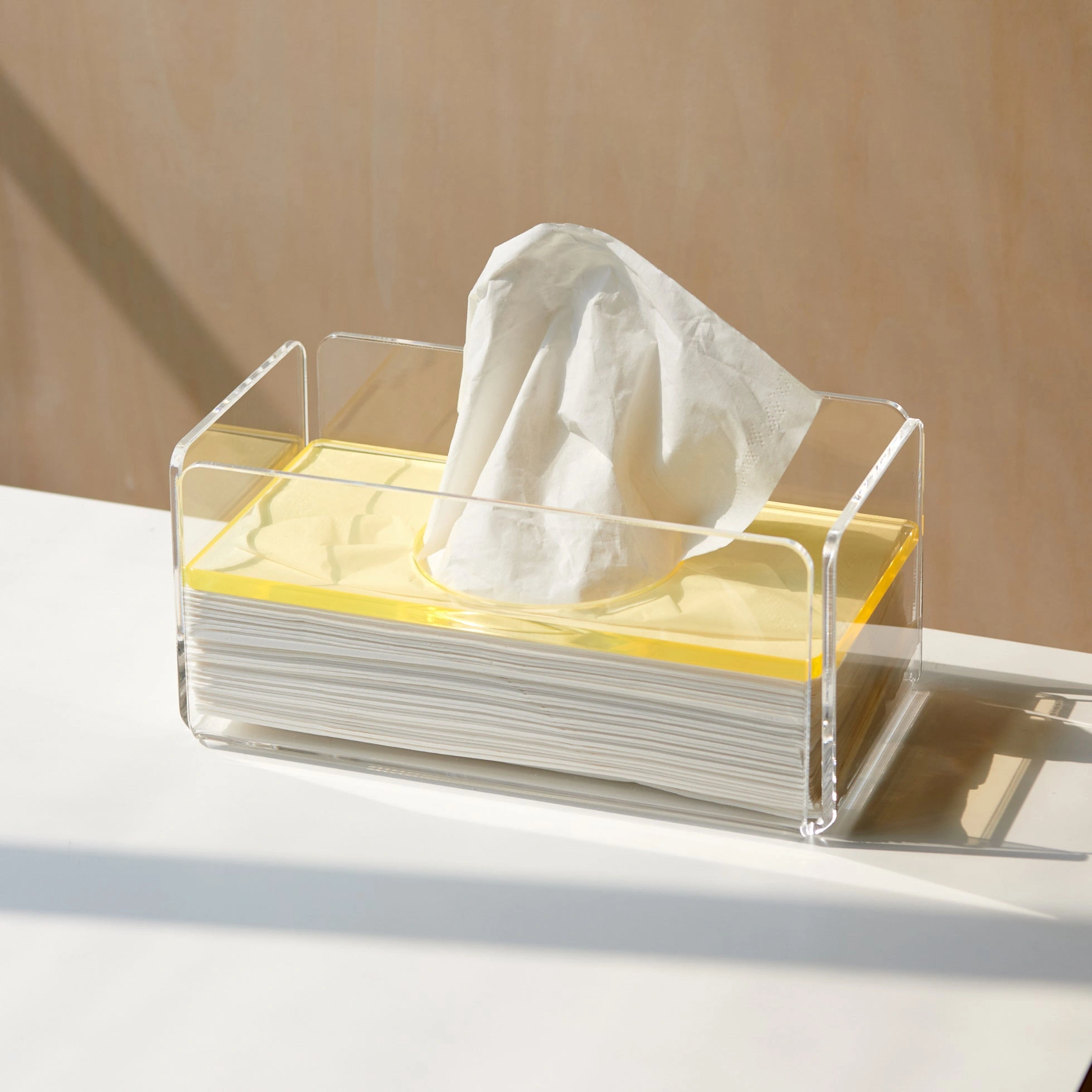
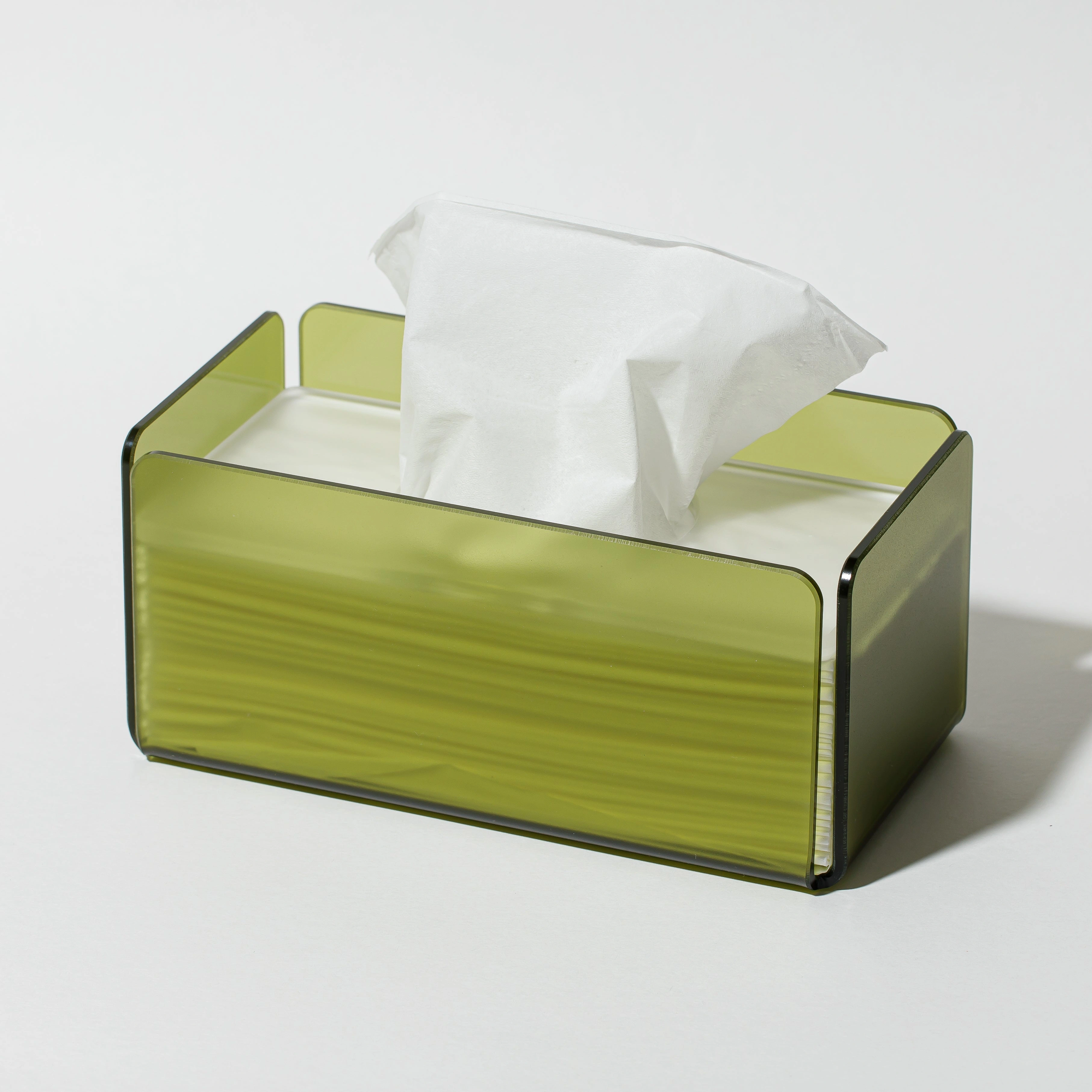
A two-part tissue case that pairs a transparent body with a contrasting top, making an everyday stack of tissues part of the display.
Image source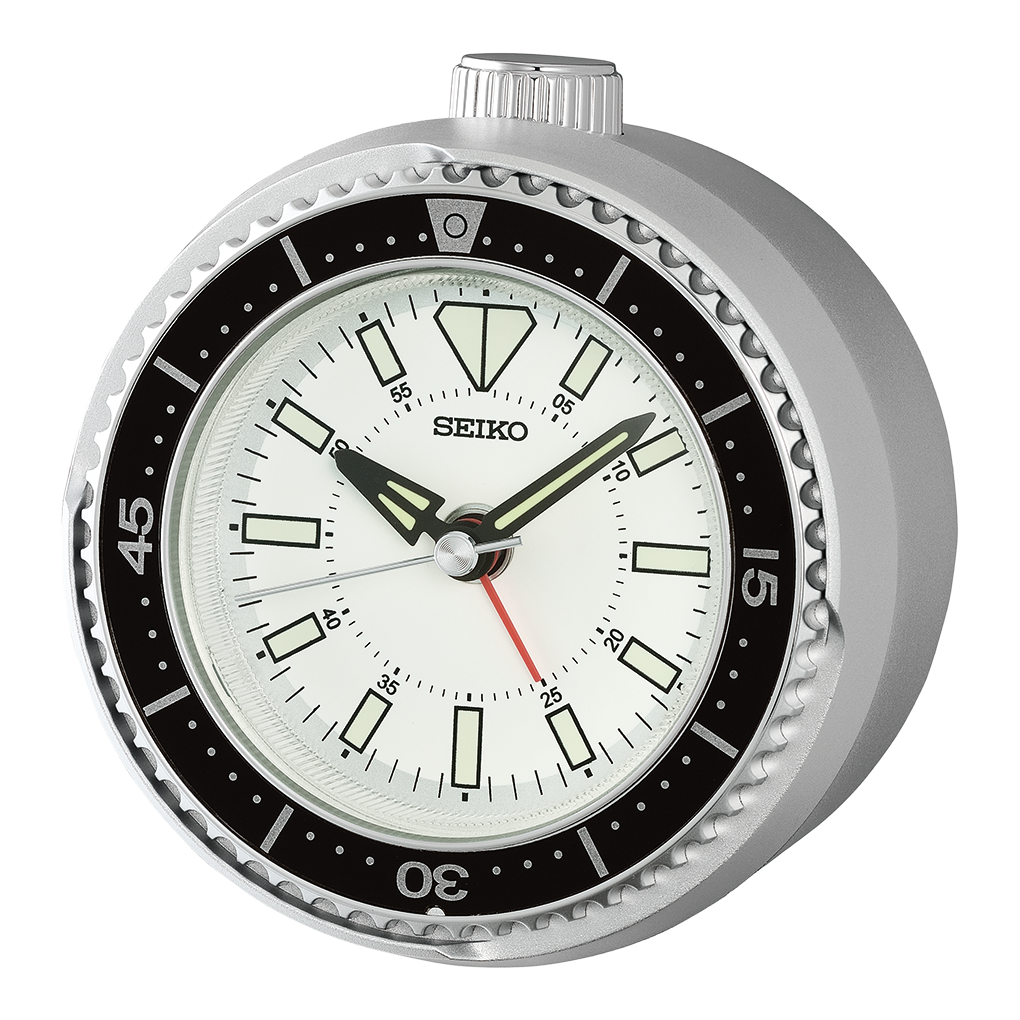
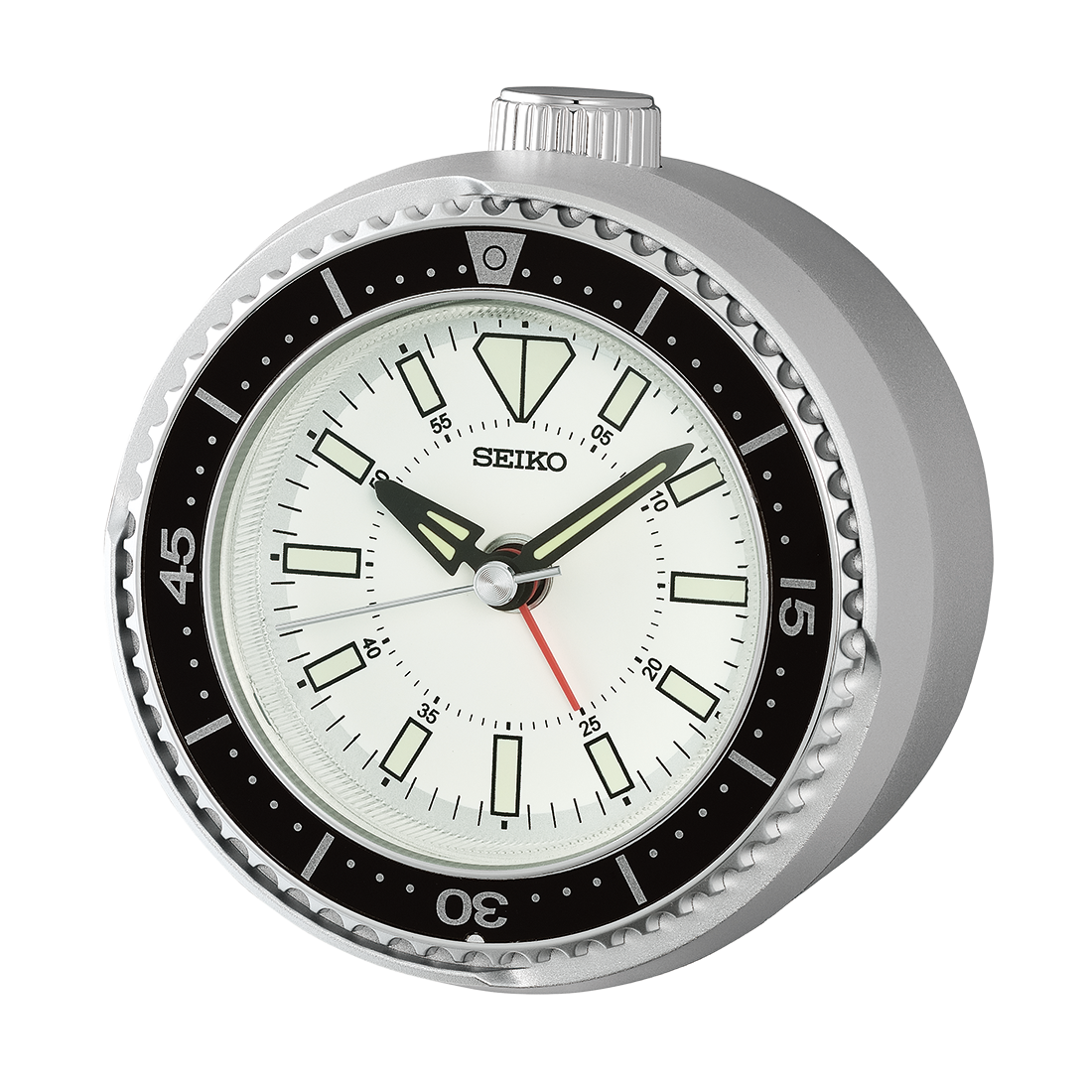
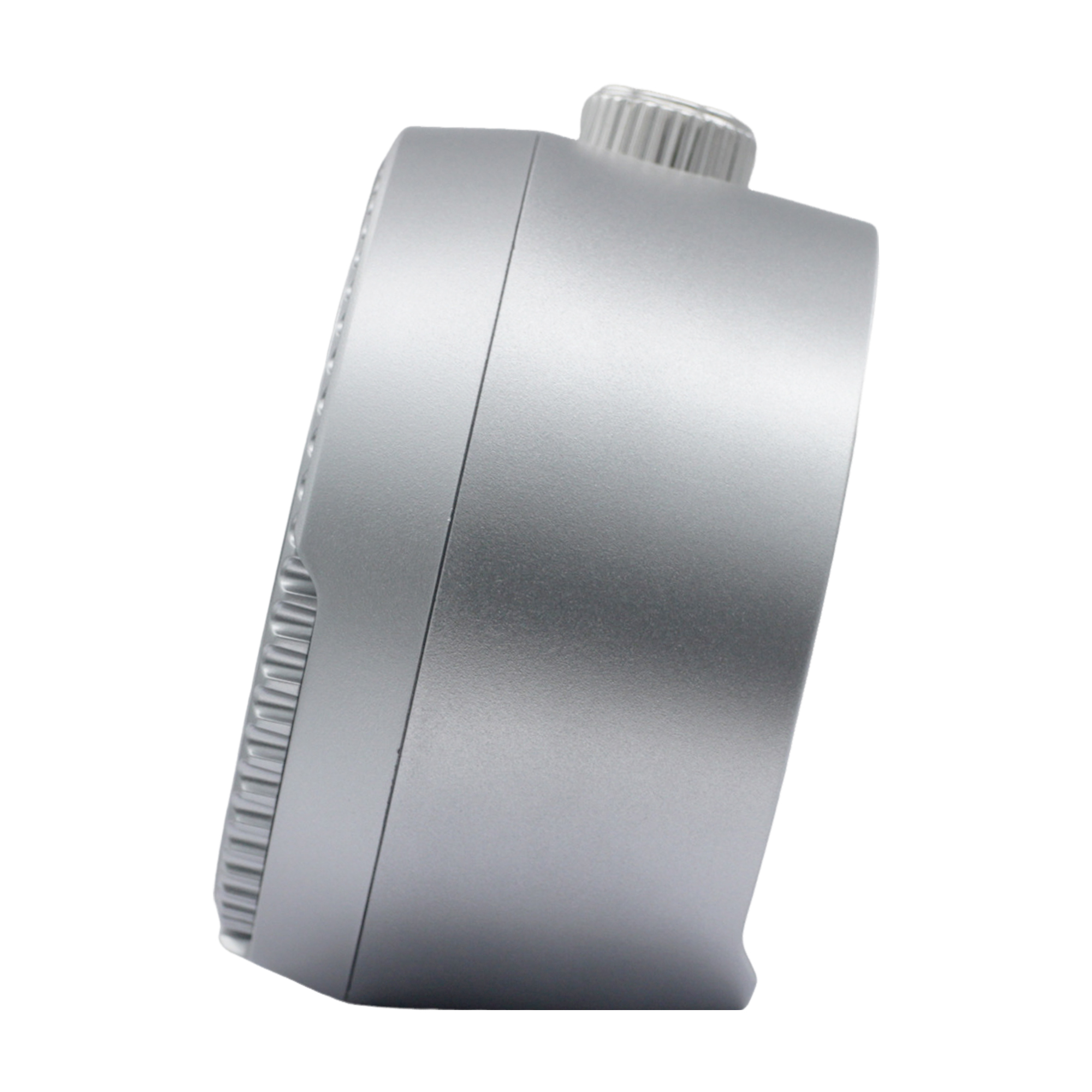
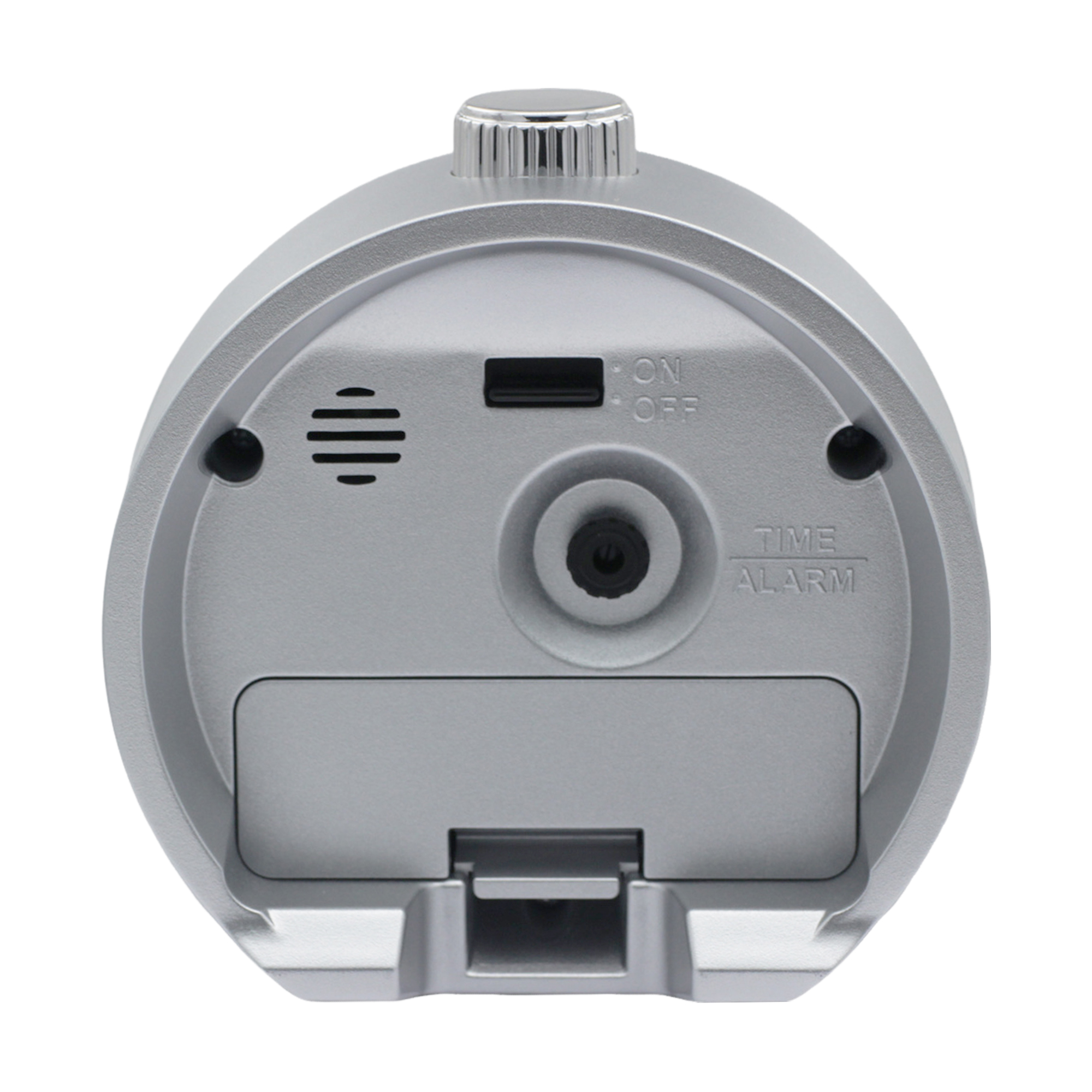
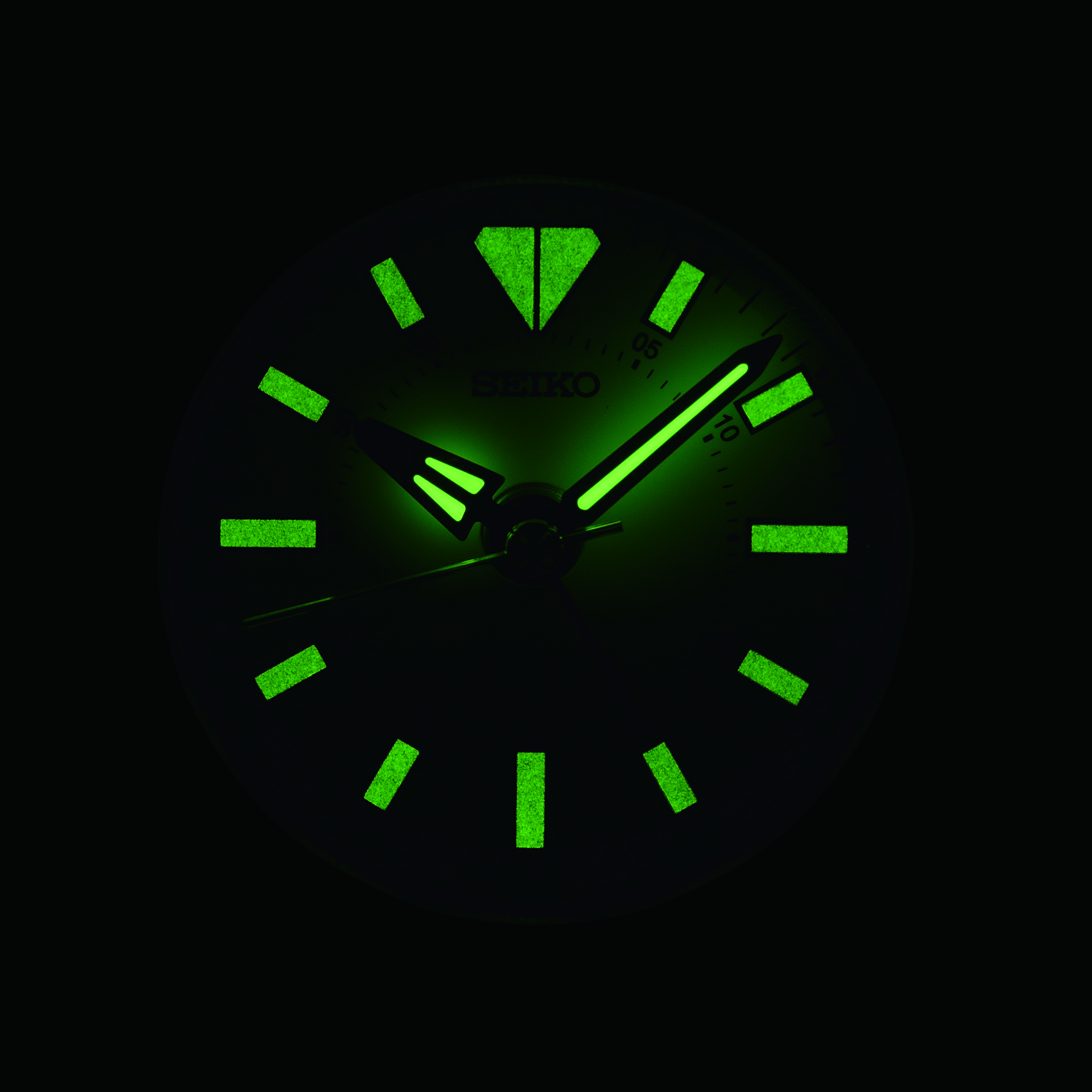
A diver’s watch translated into a bedside clock, with a rotating bezel and luminous hands.
Image source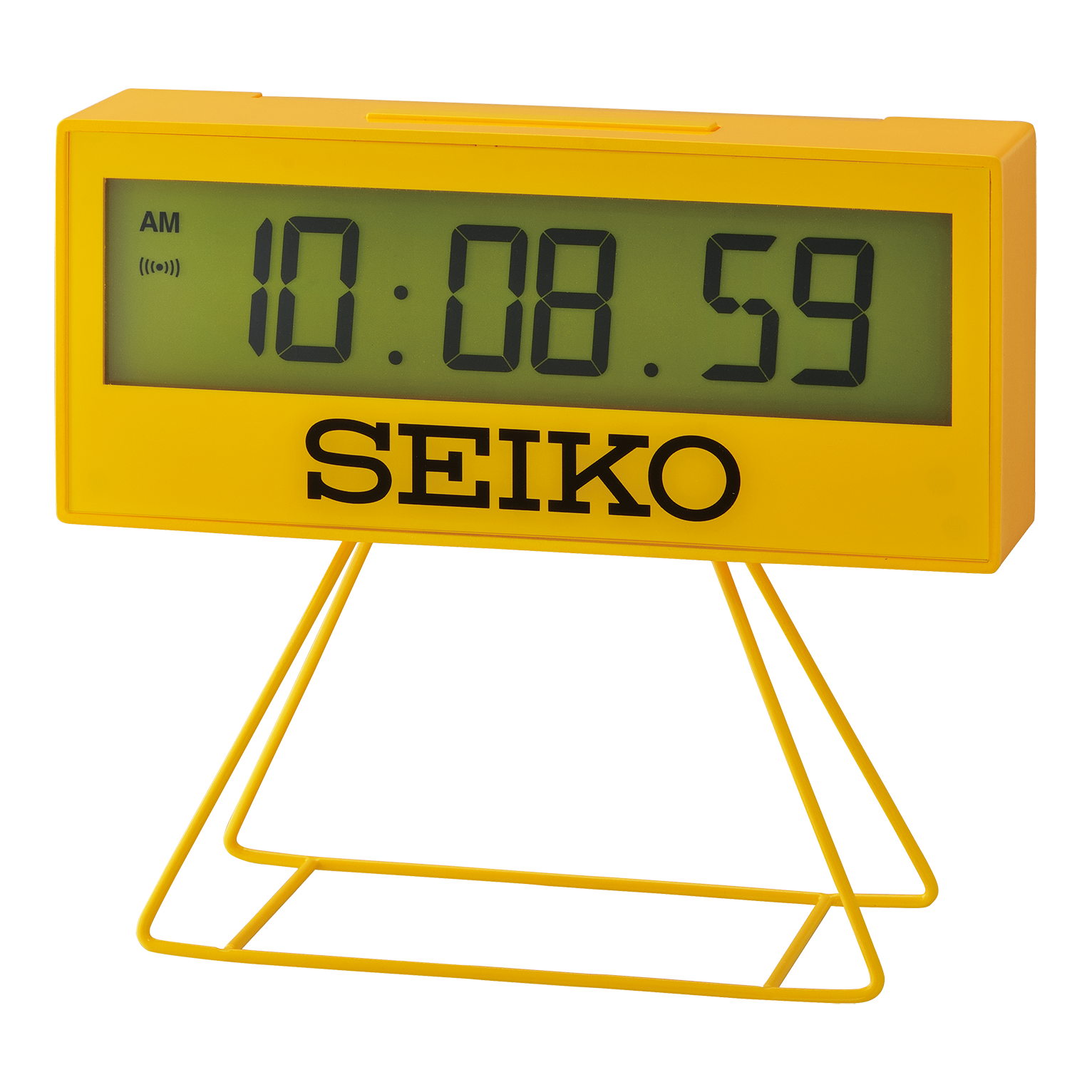
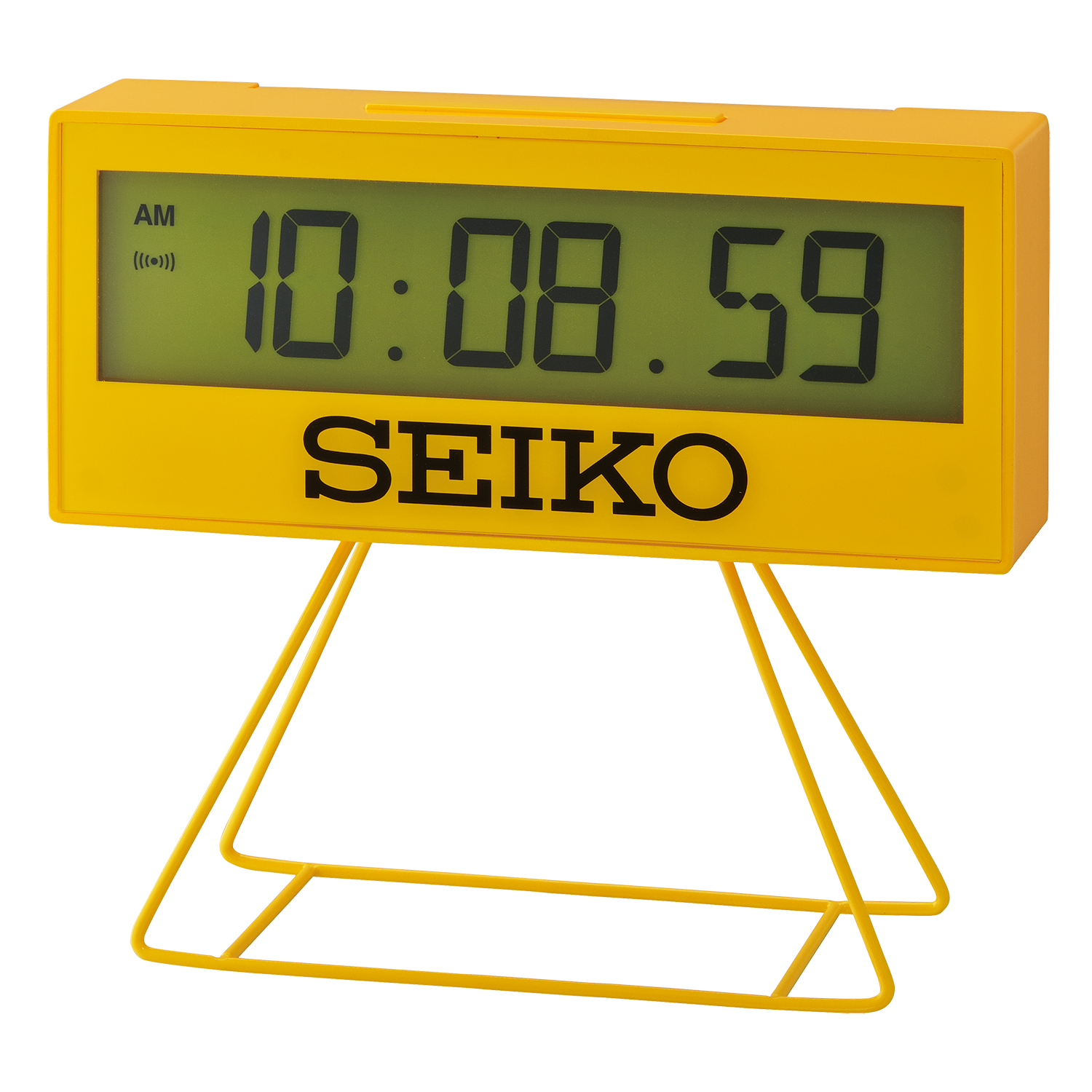
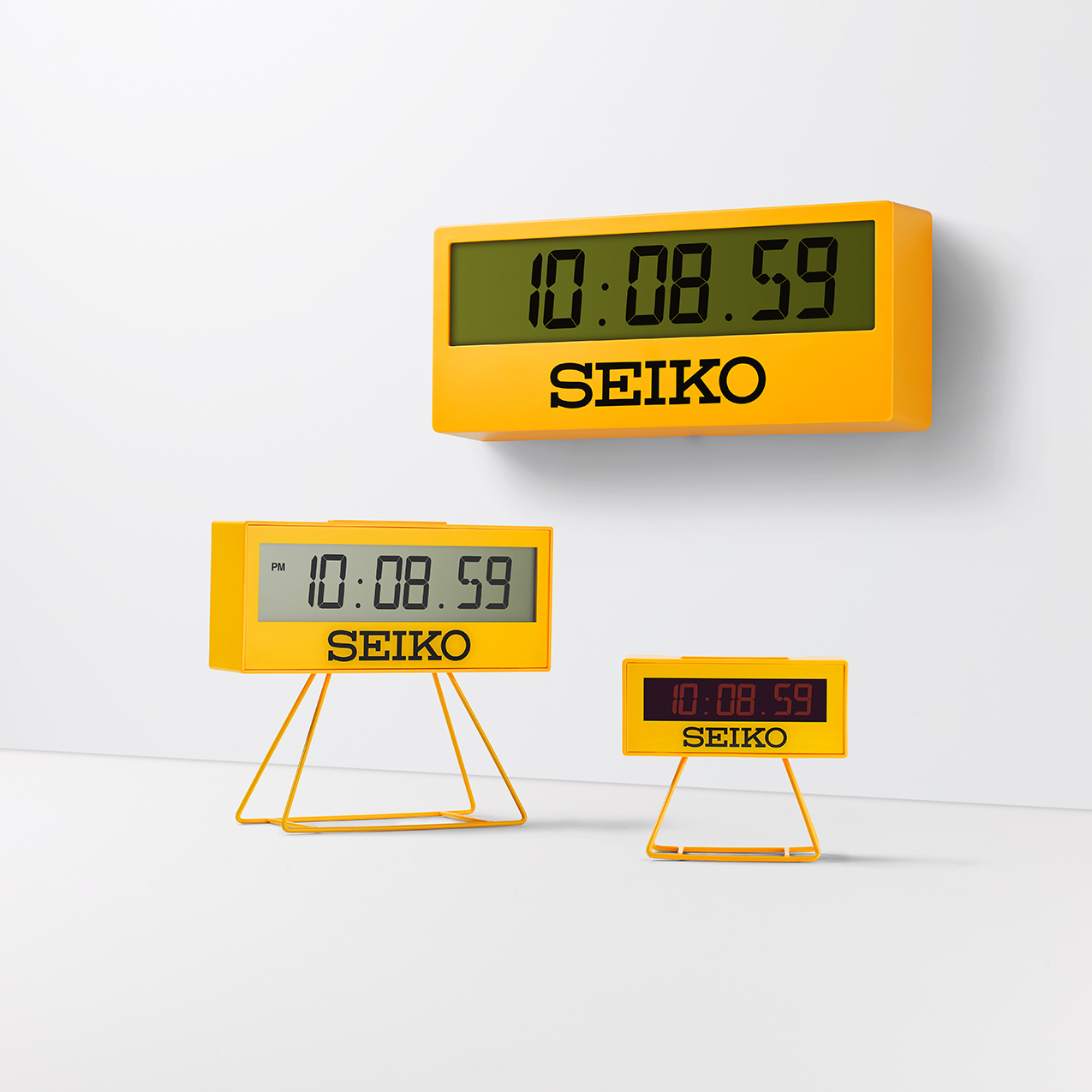
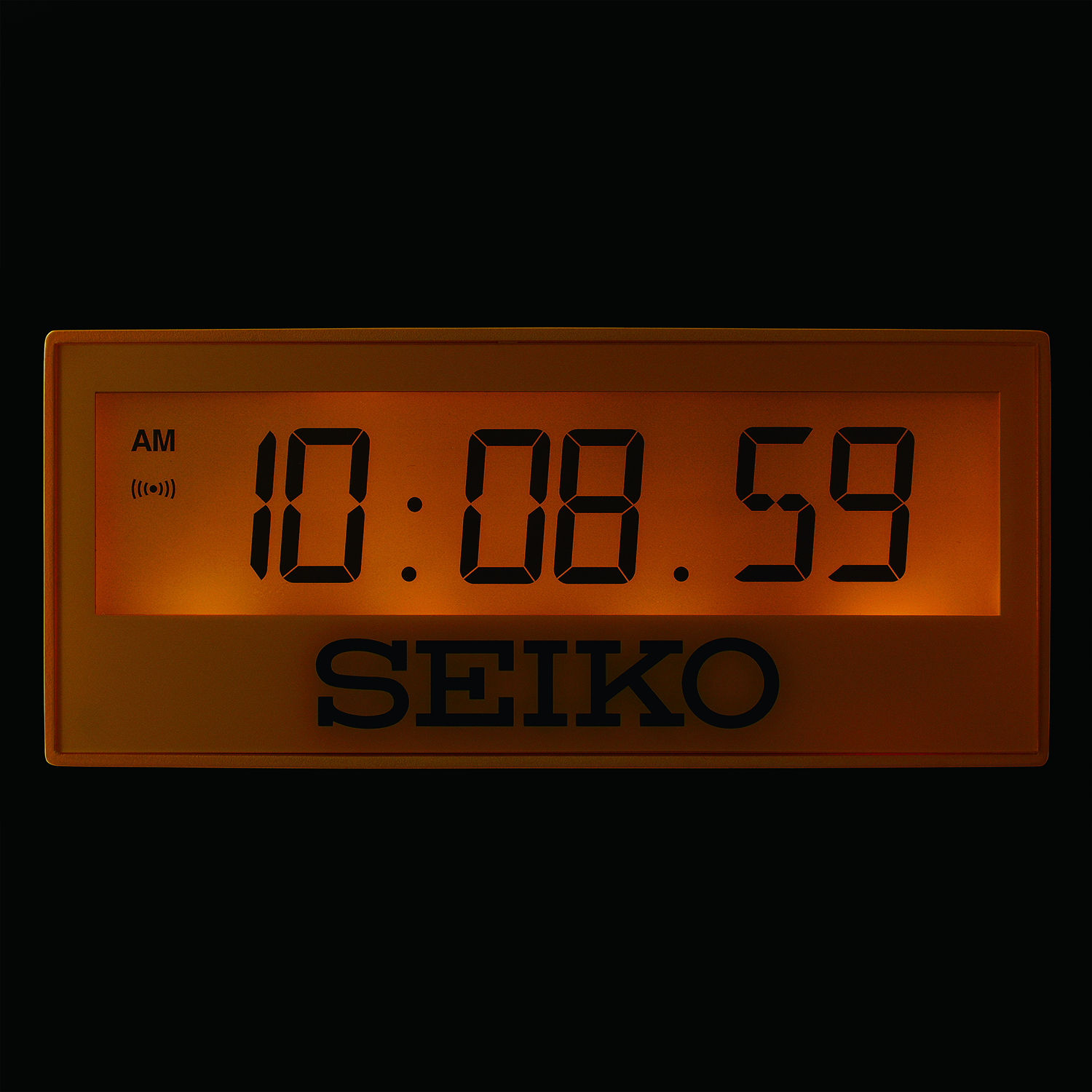
A tabletop version of Seiko’s trackside timer. The detail gallery includes the smaller stadium-style clocks.
Image source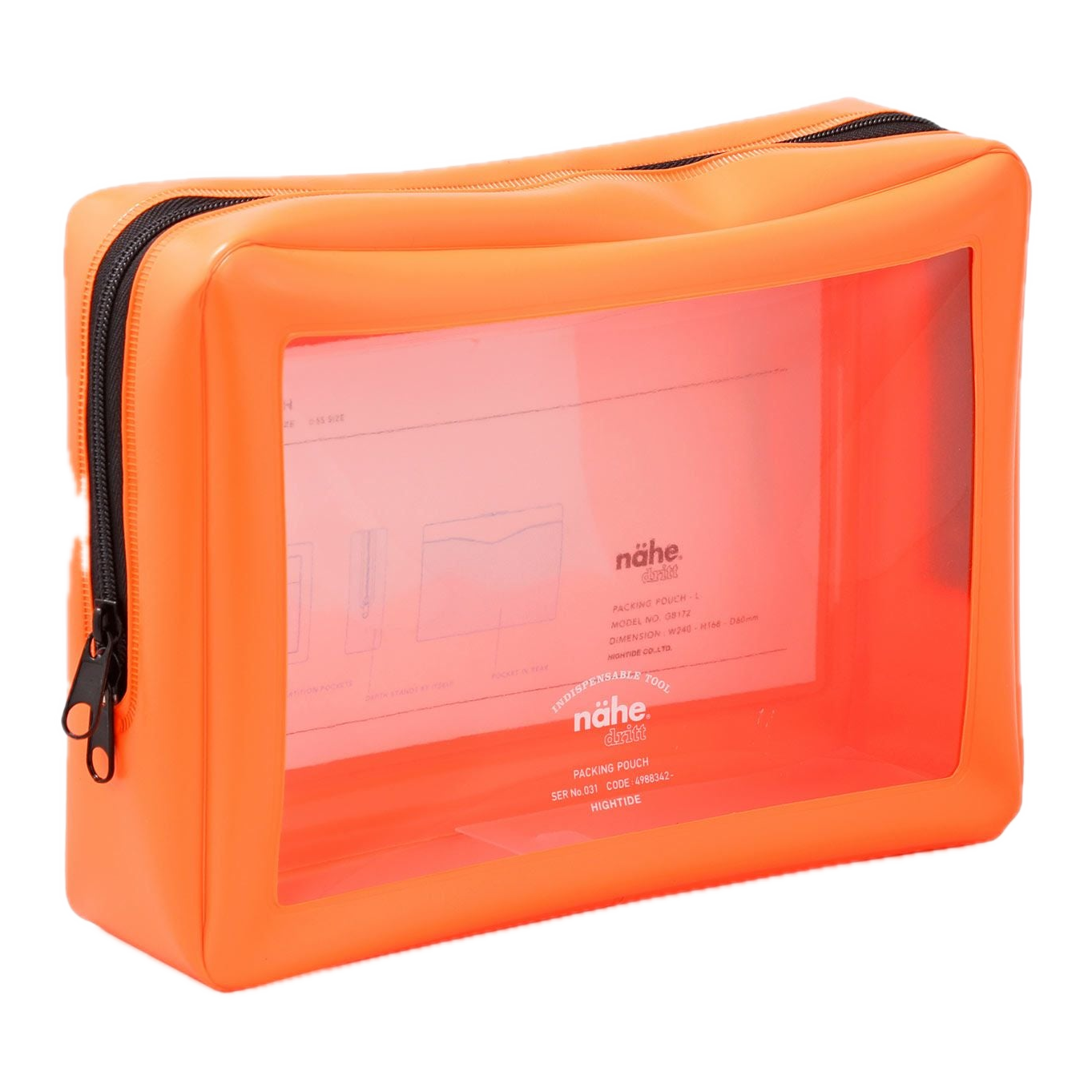
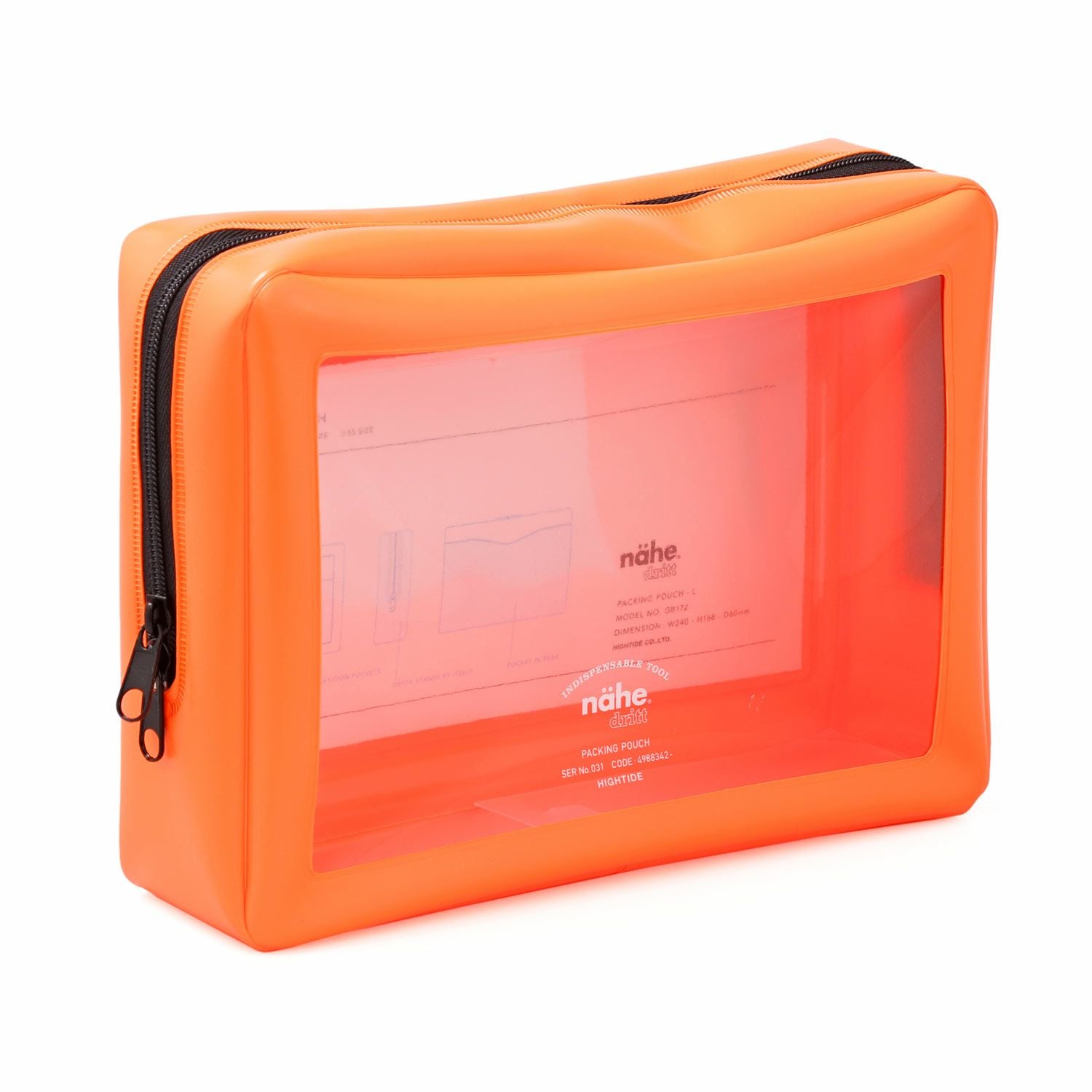
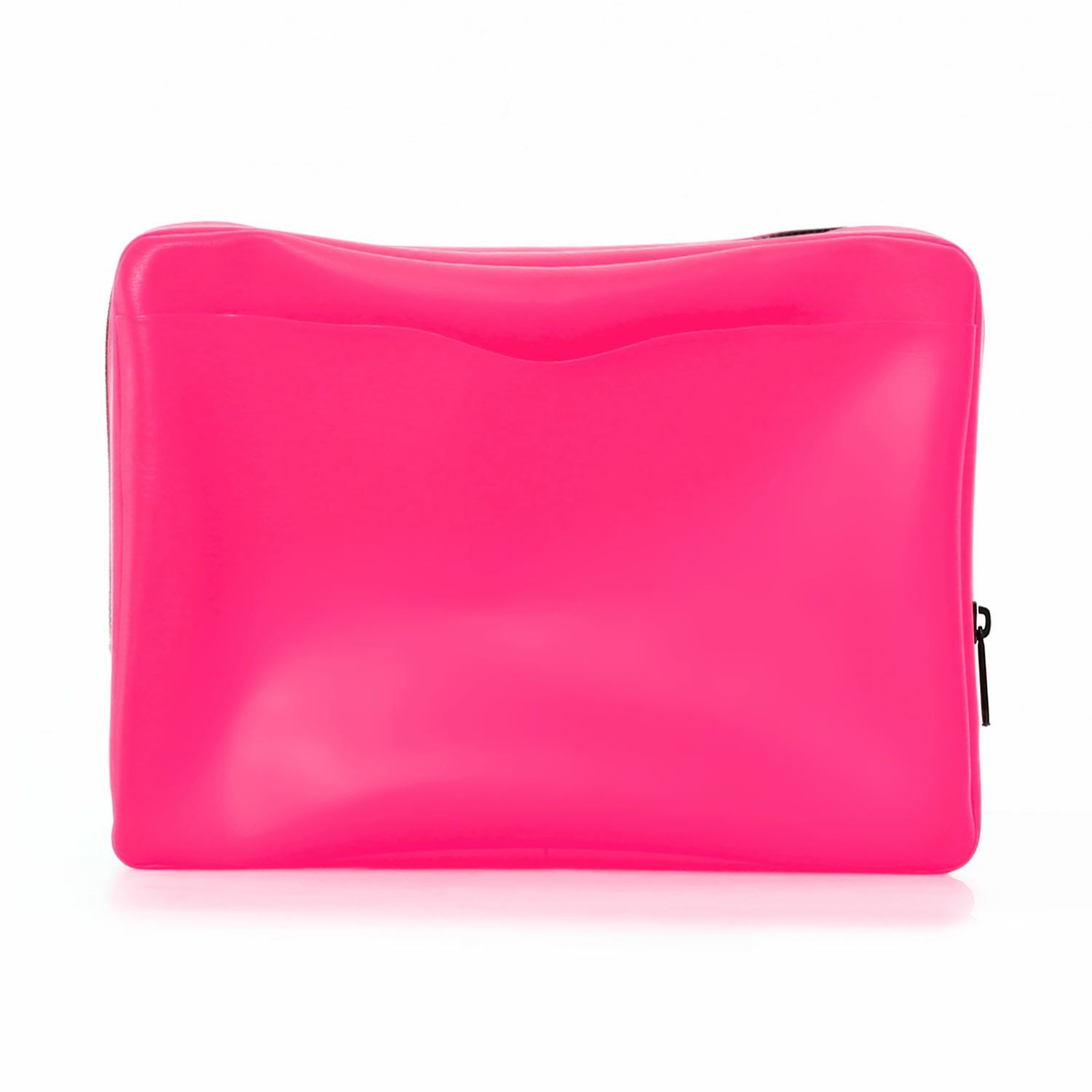
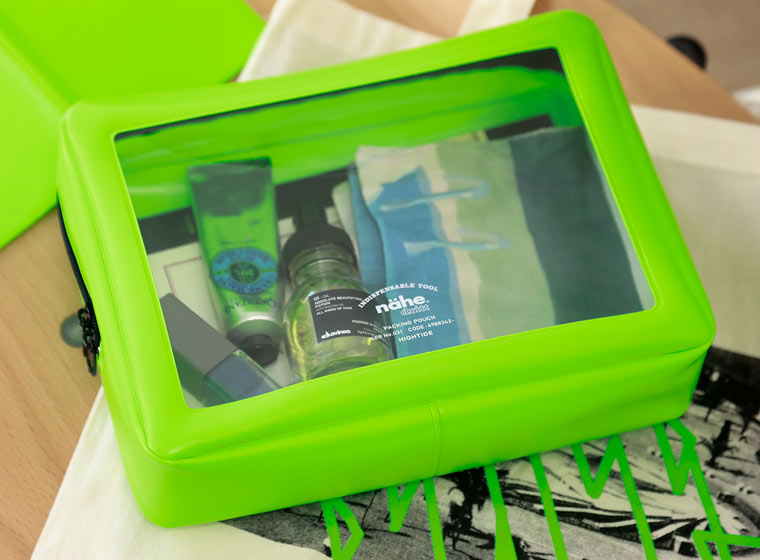
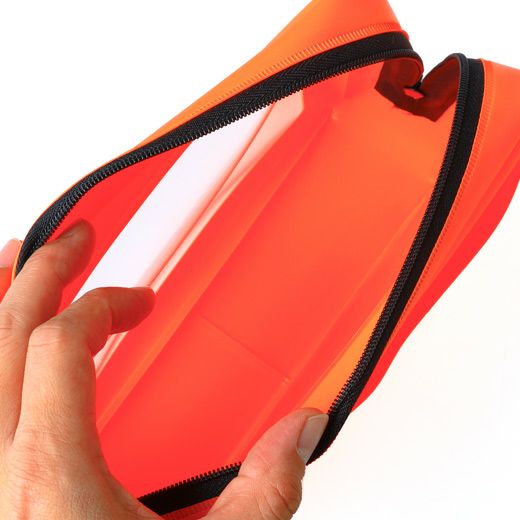
A lightweight packing pouch with a transparent window, zip closure, and pockets inside and out.
Image source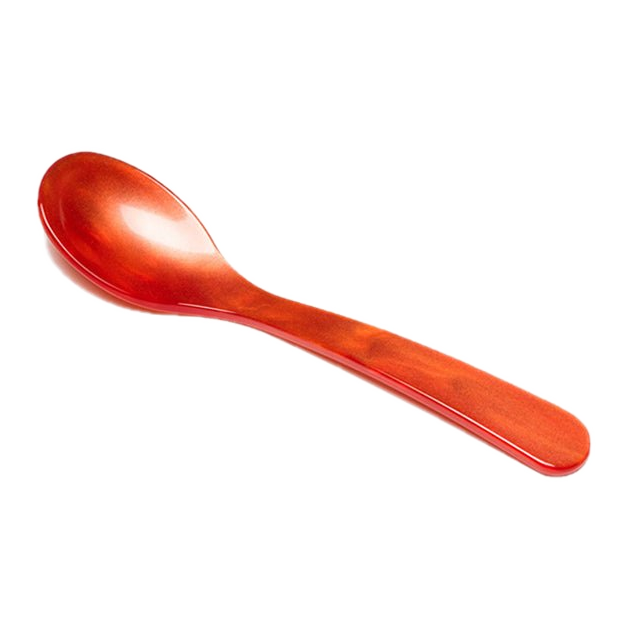
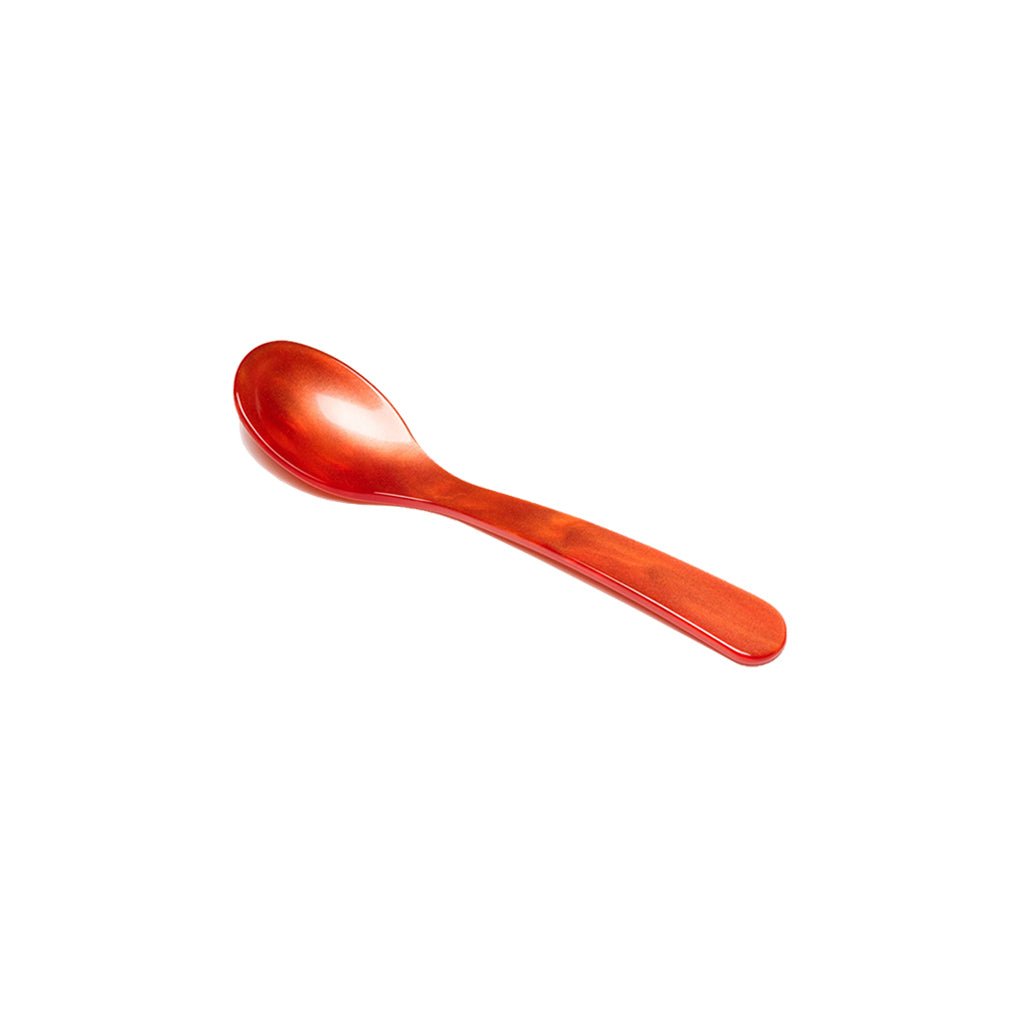
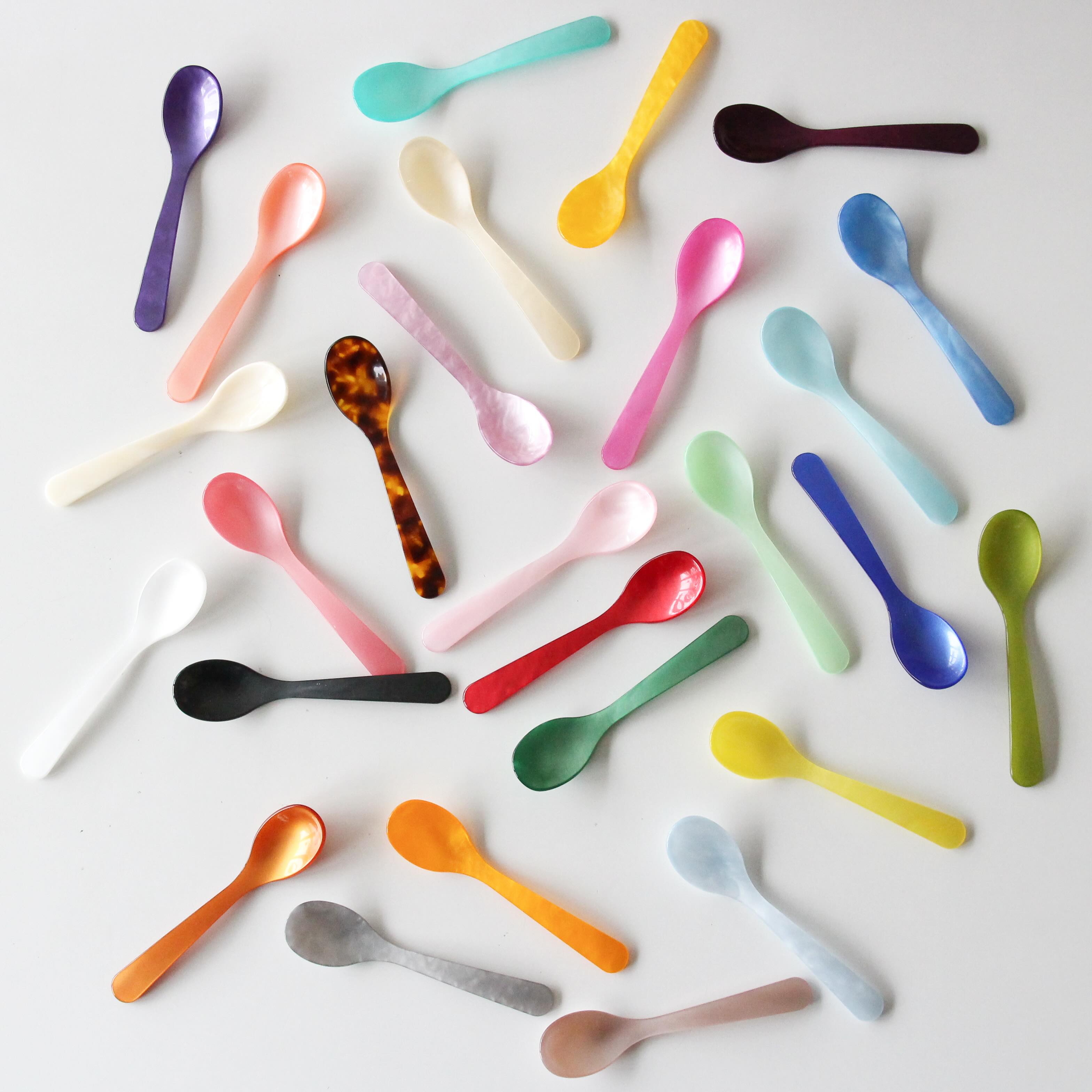
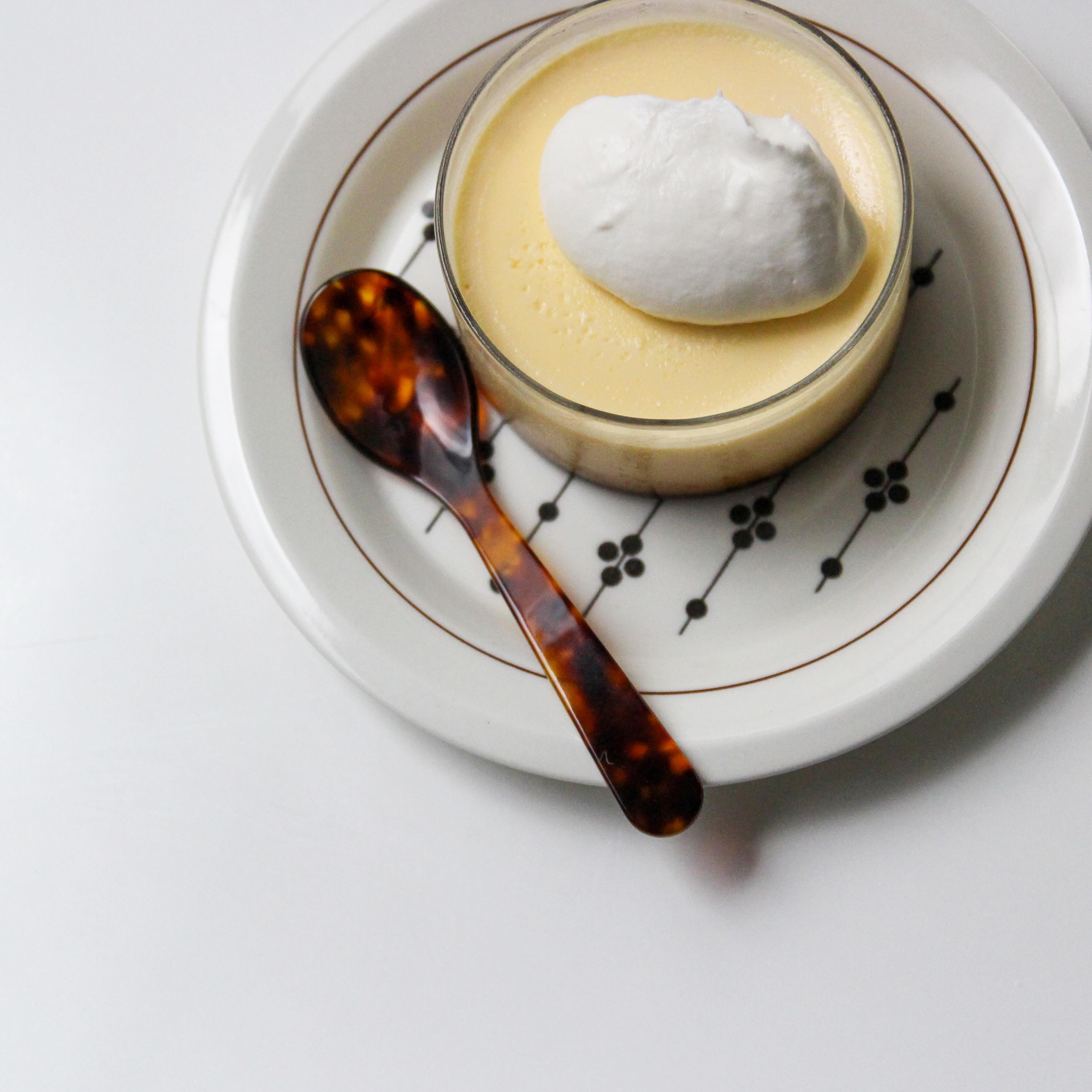
A small spoon with a generous palette of colors and patterns, for eggs, pudding, and little treats.
Image source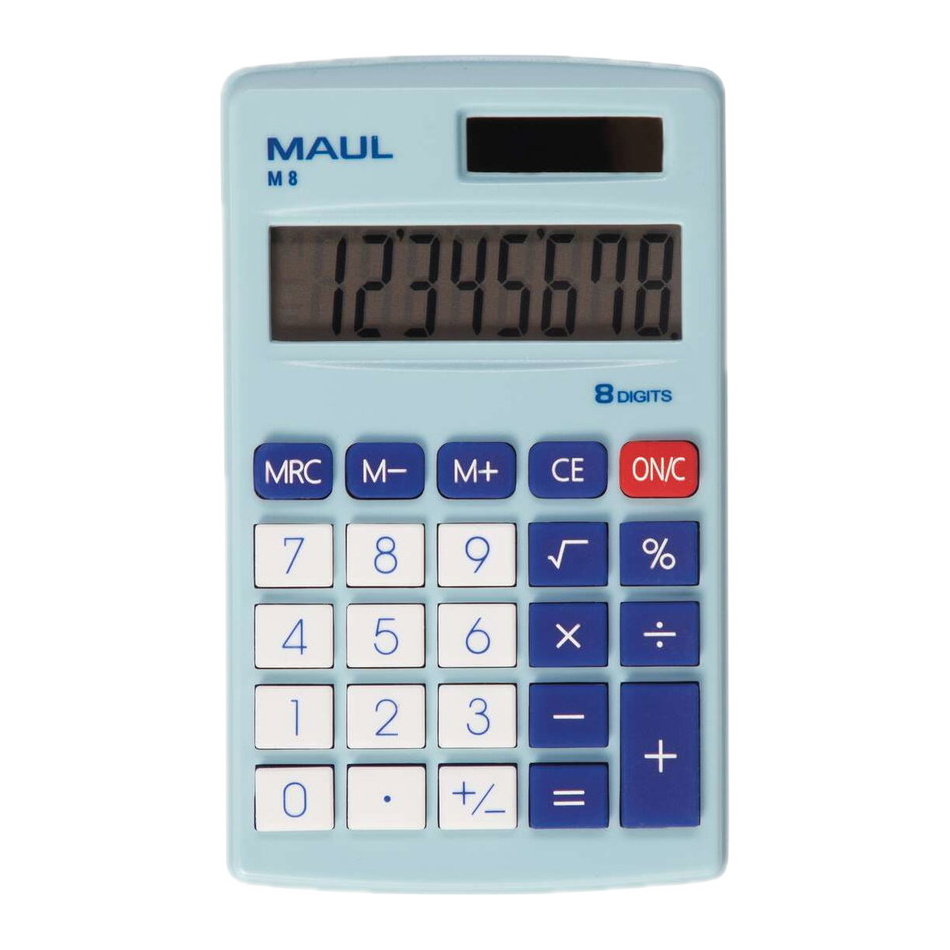
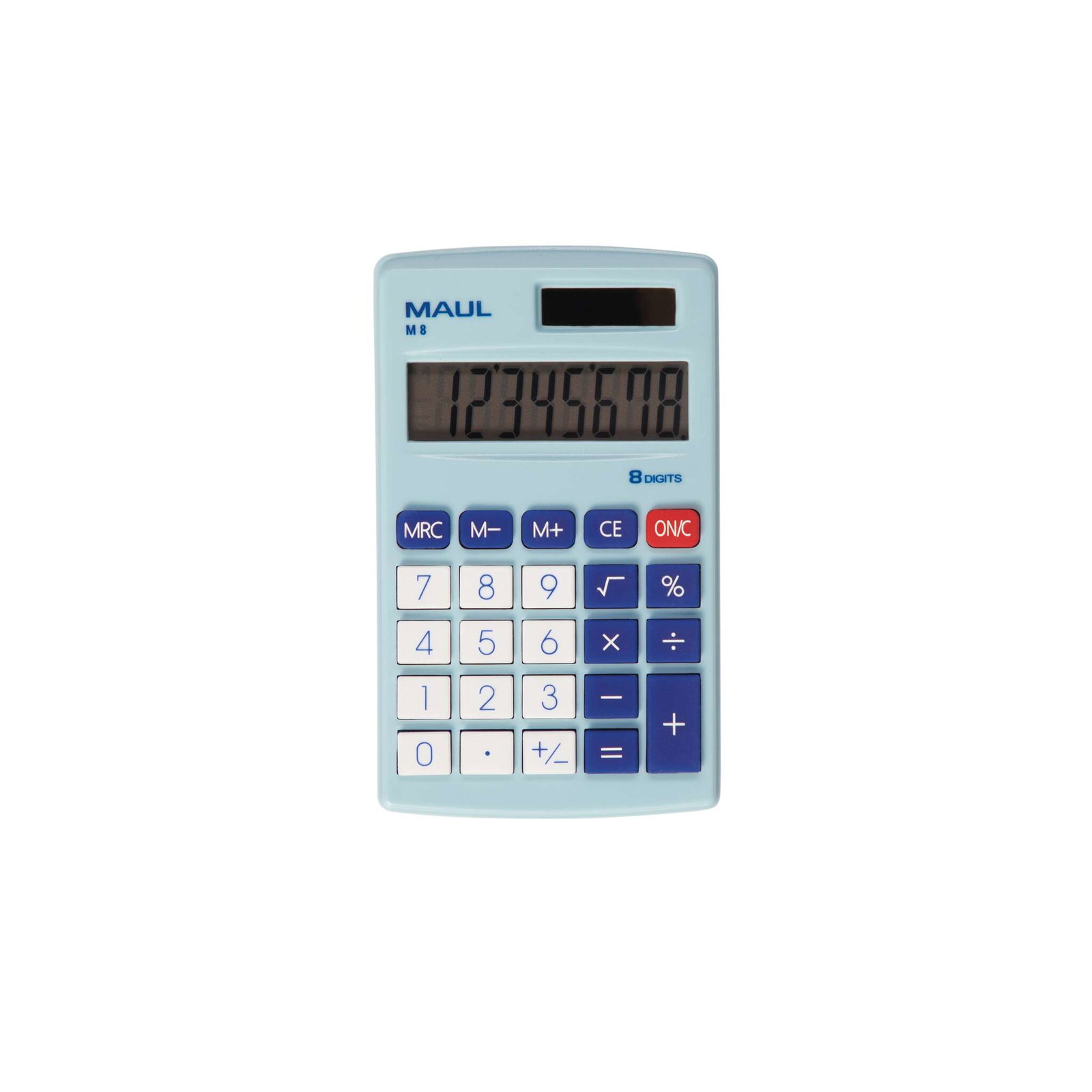
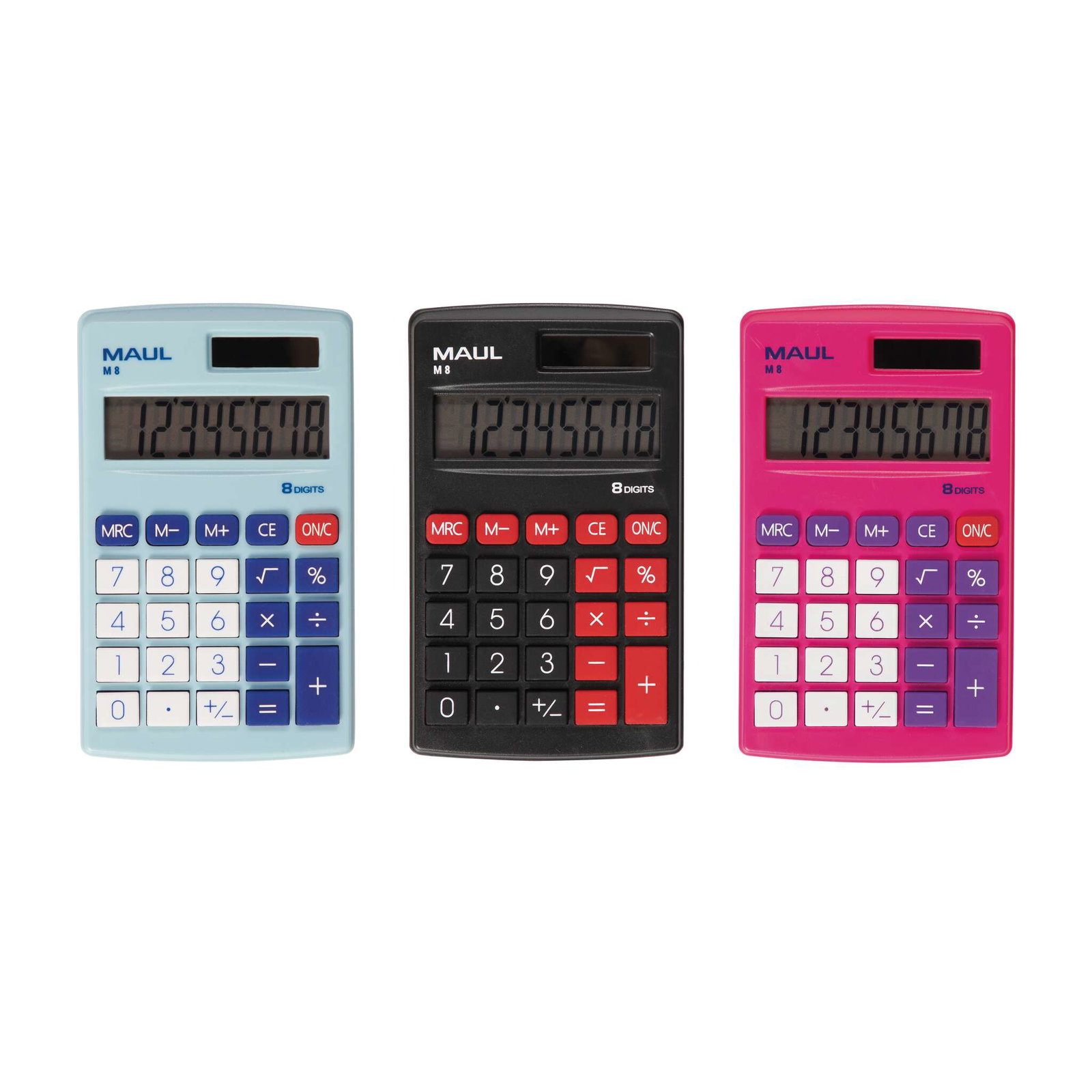
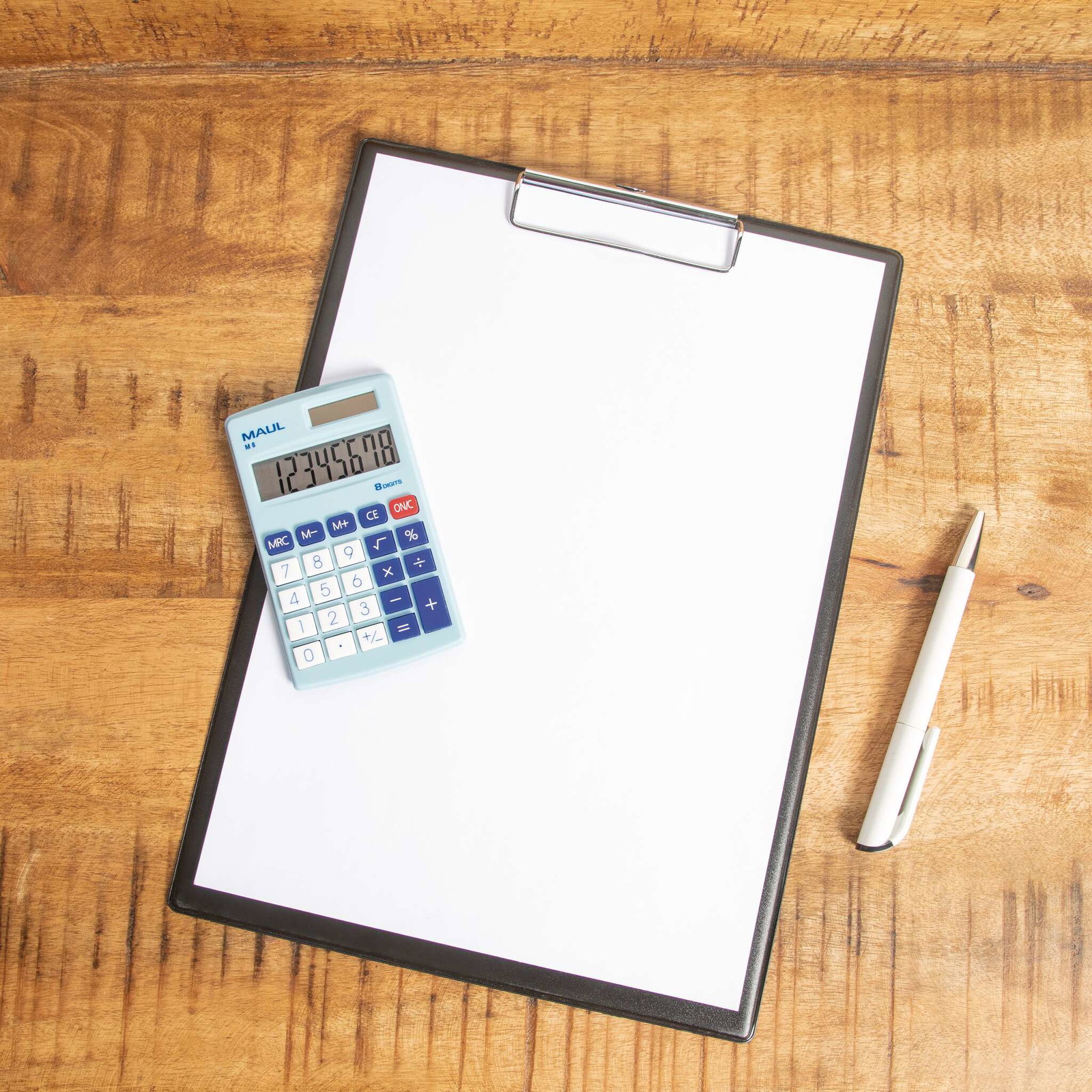
An eight-digit pocket calculator with large keys, a solar panel, and a cheerful contrast of colors.
Image source

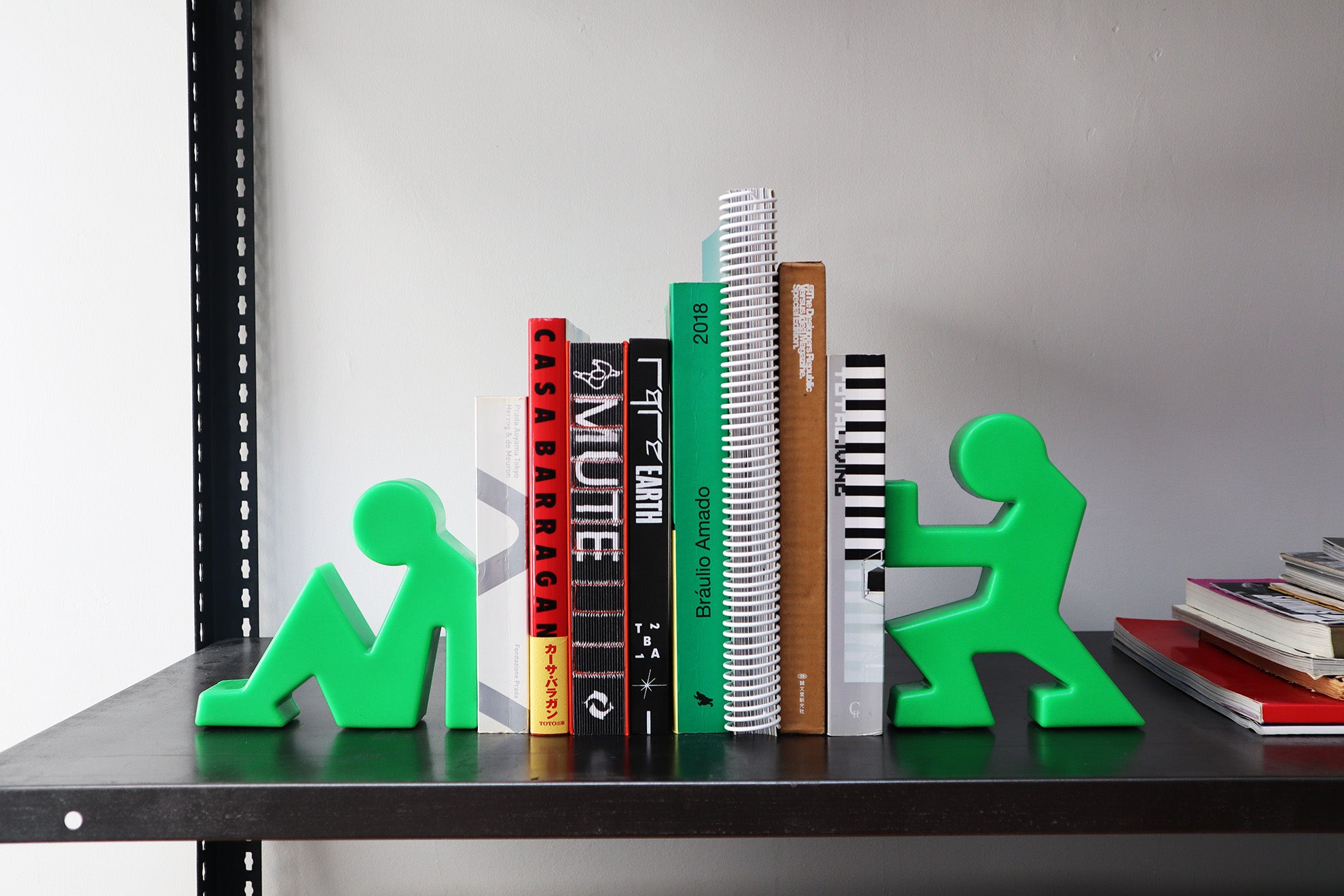
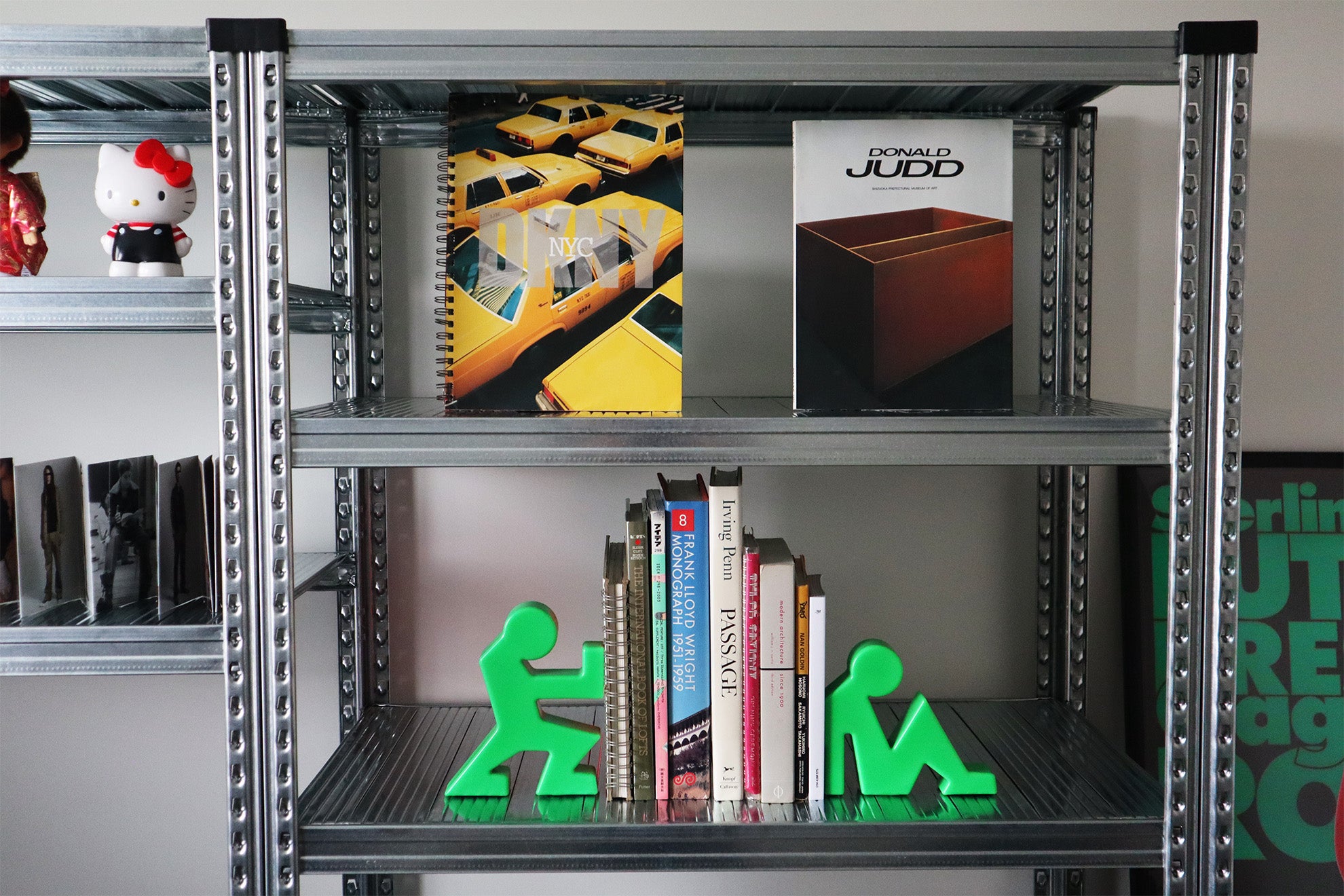
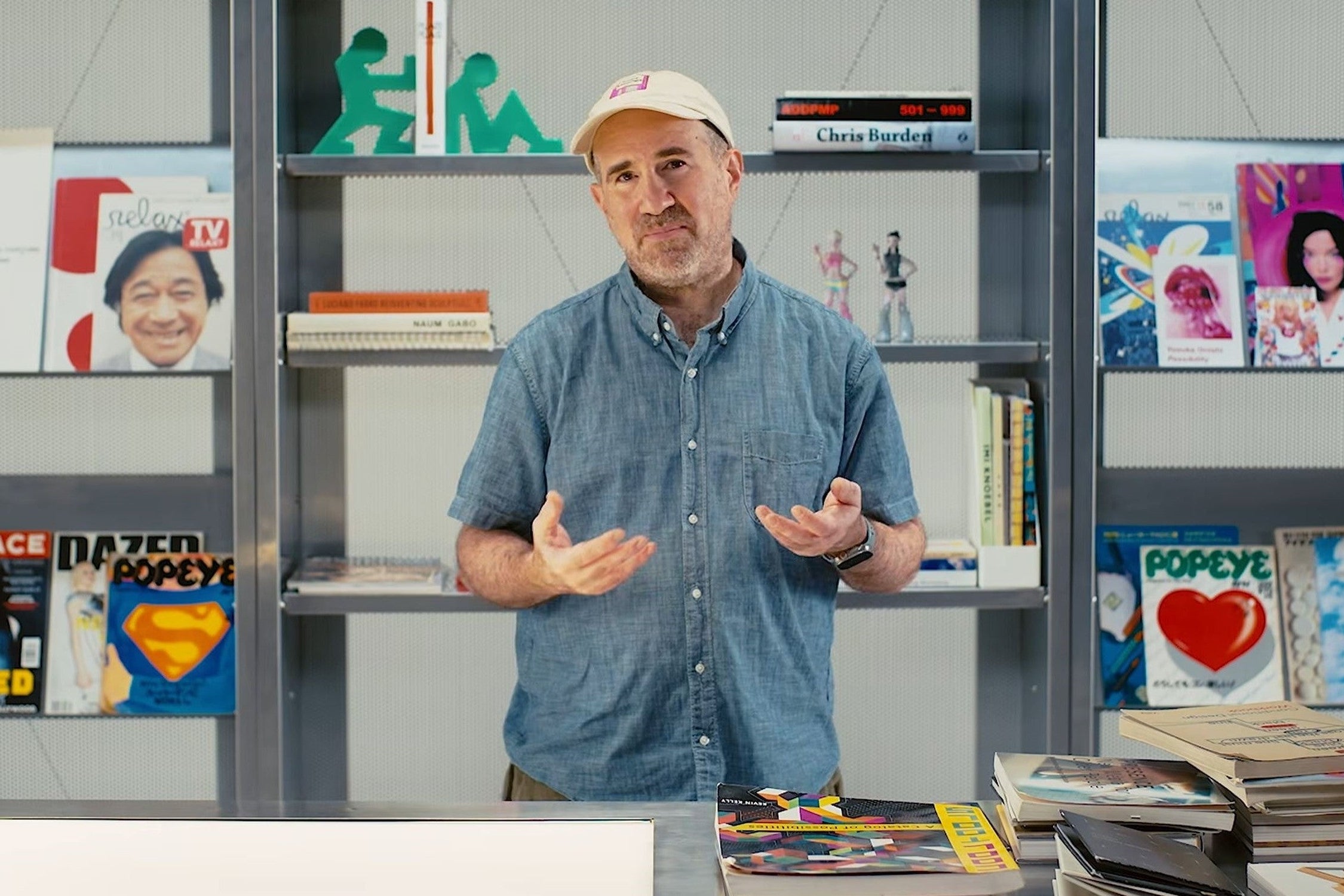
A pair of sculptural polyethylene bookends that give your books a little company.
Image source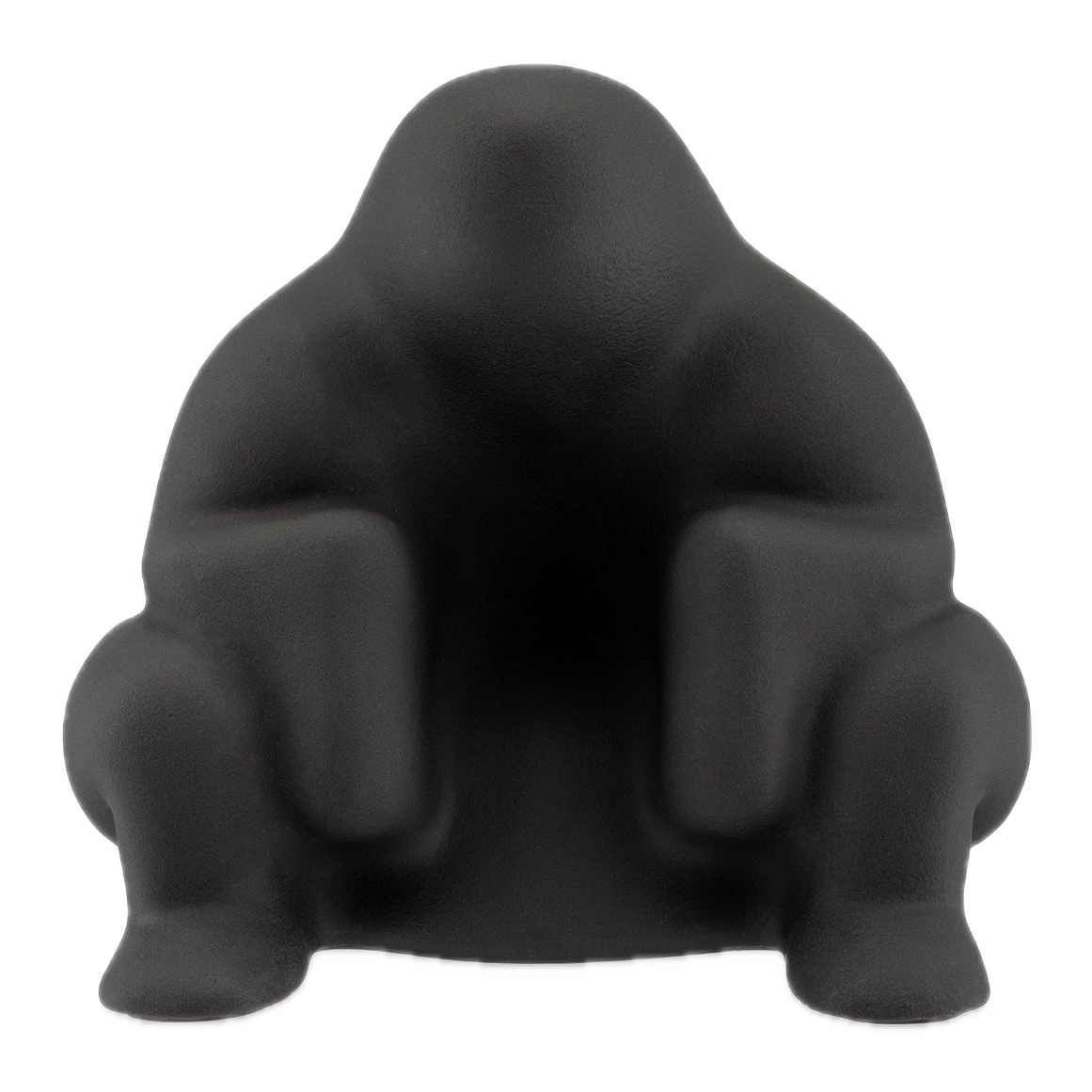
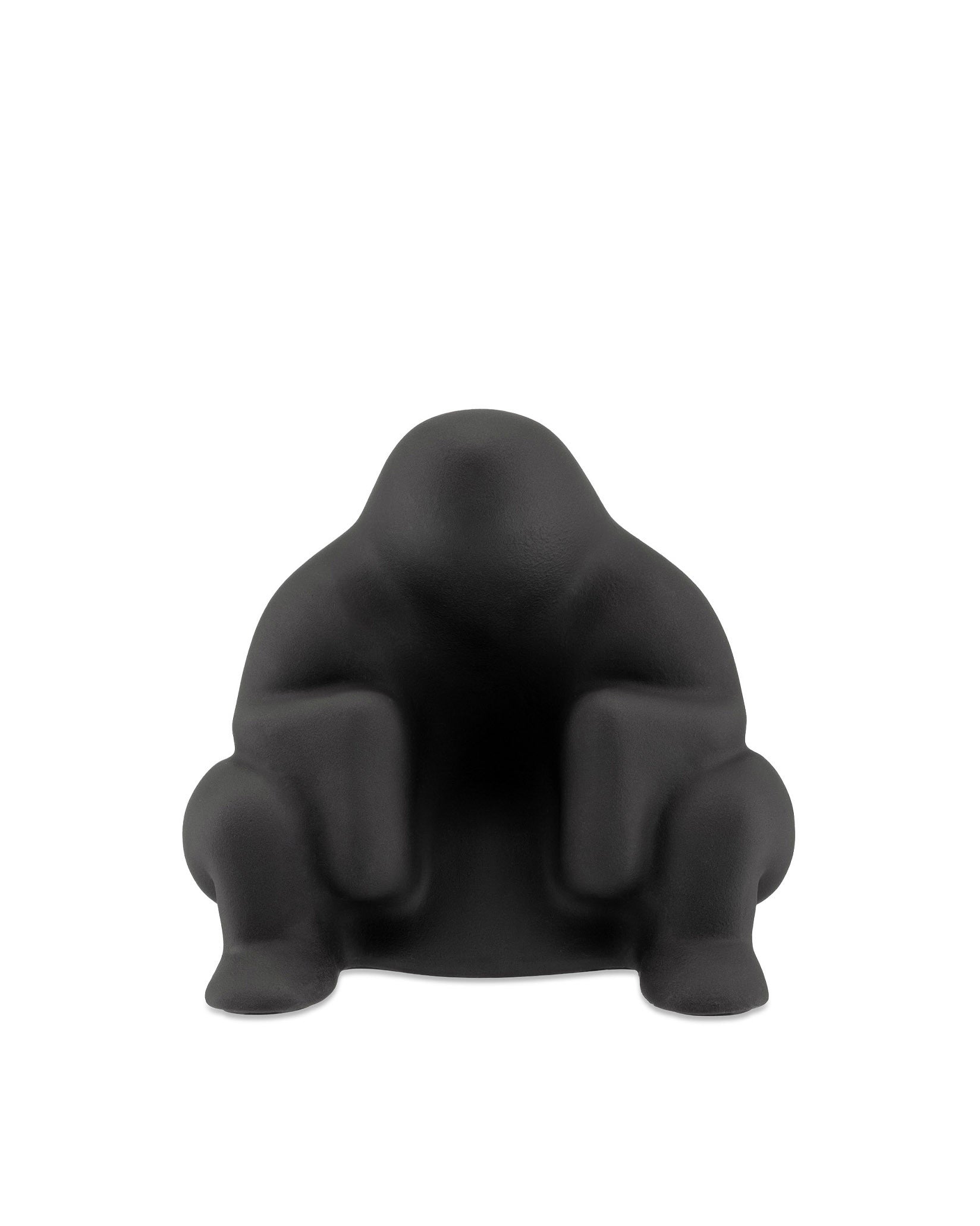
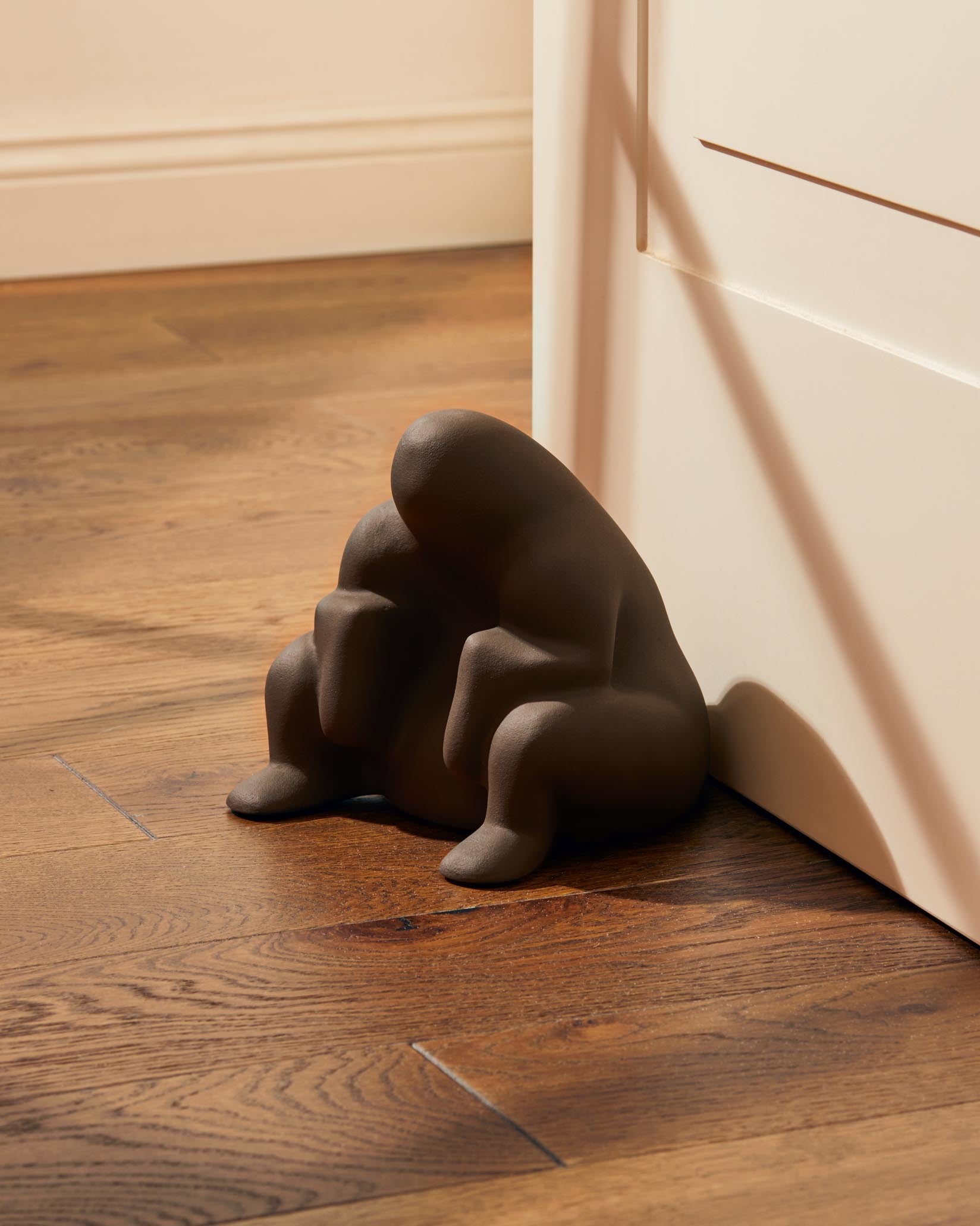
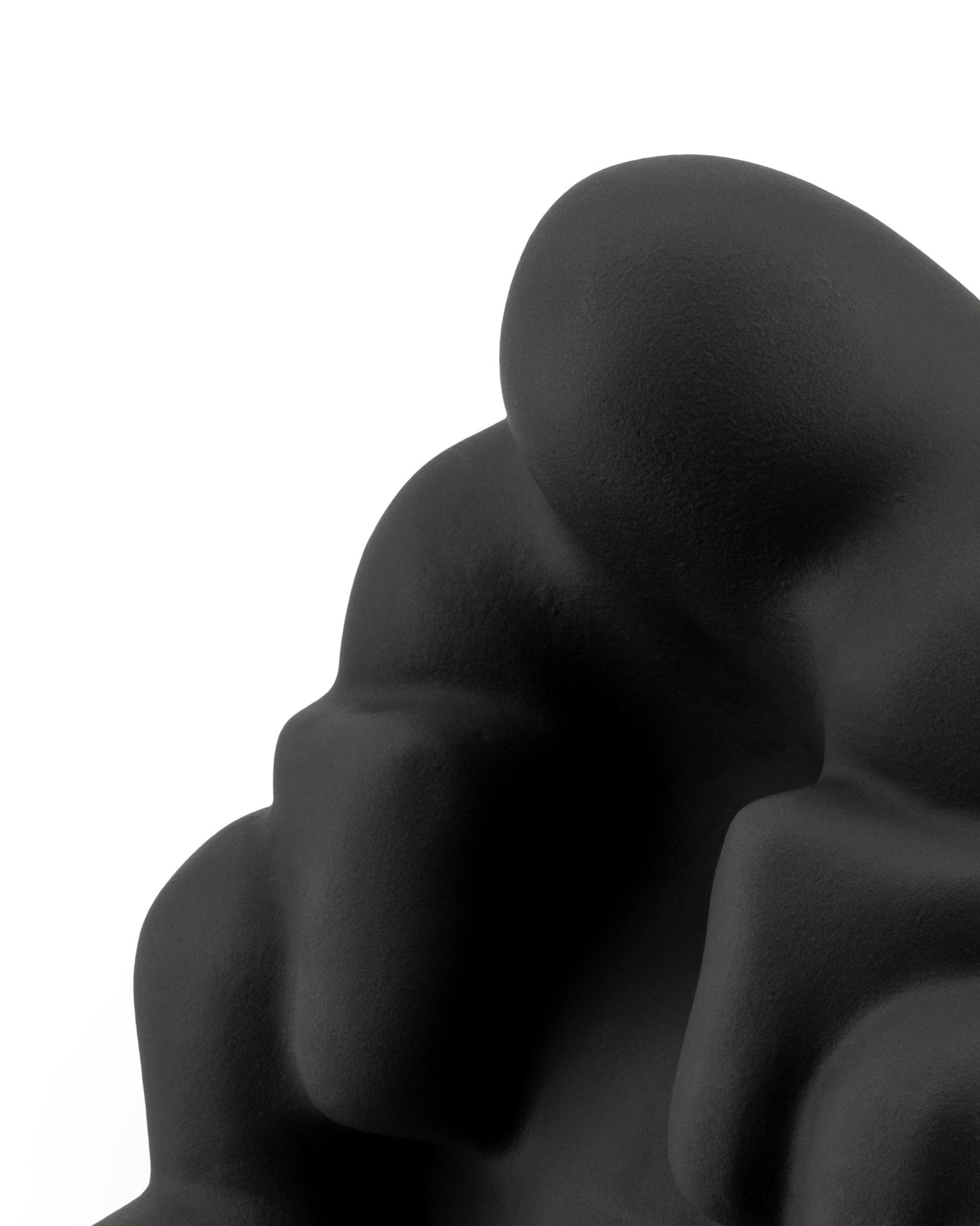
Philippe Starck’s crouching figure keeps a door open with quiet character.
Image source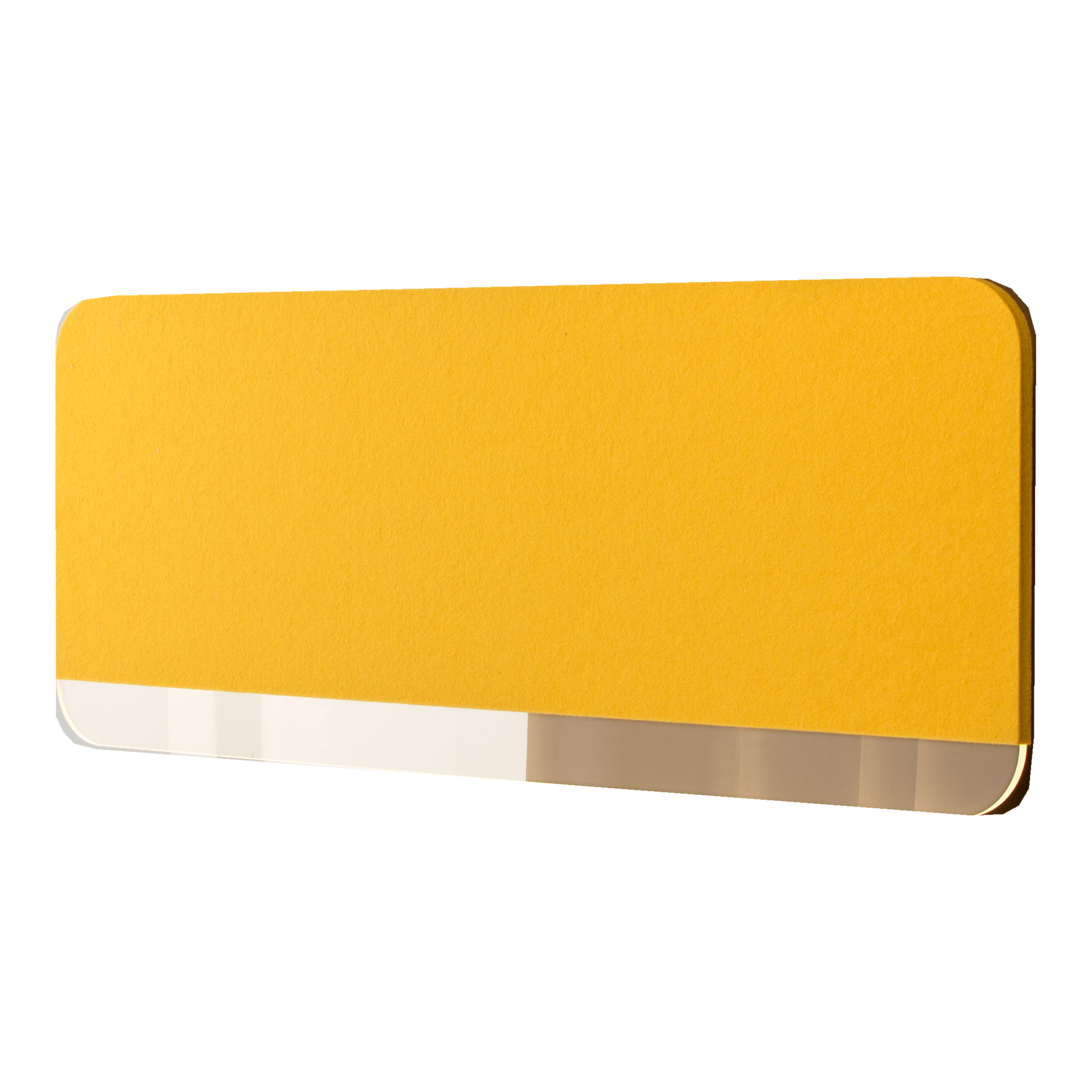
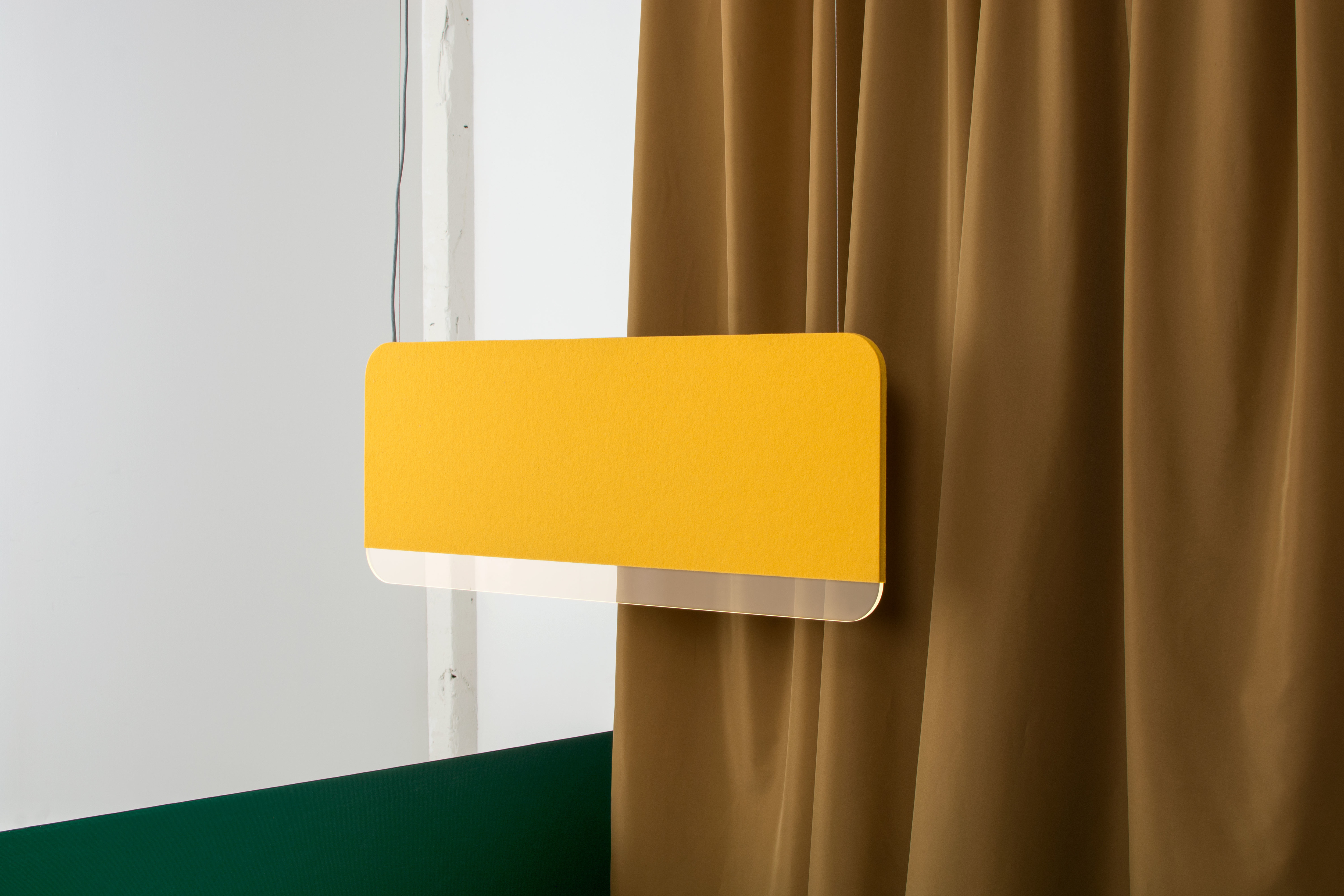
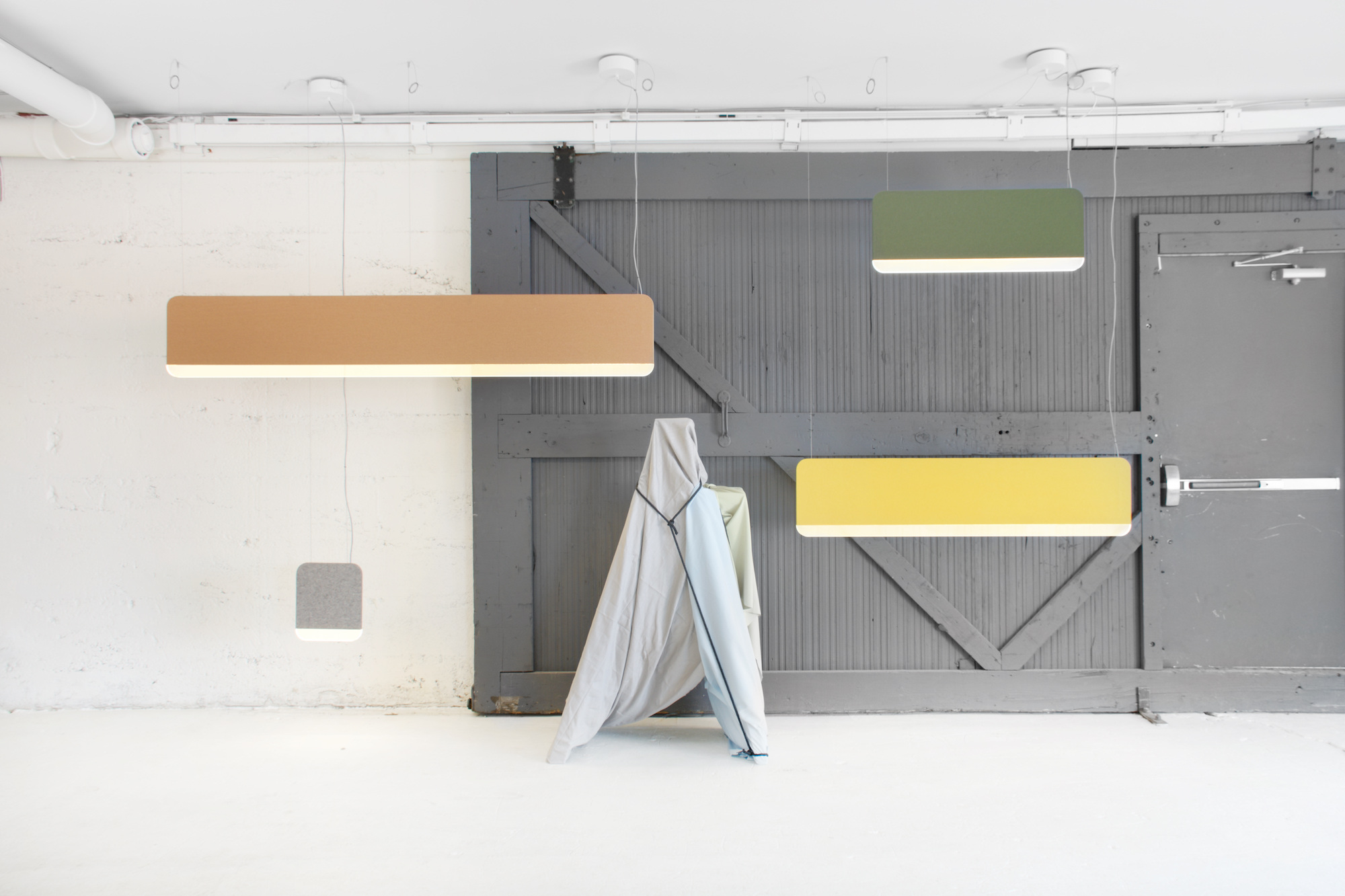
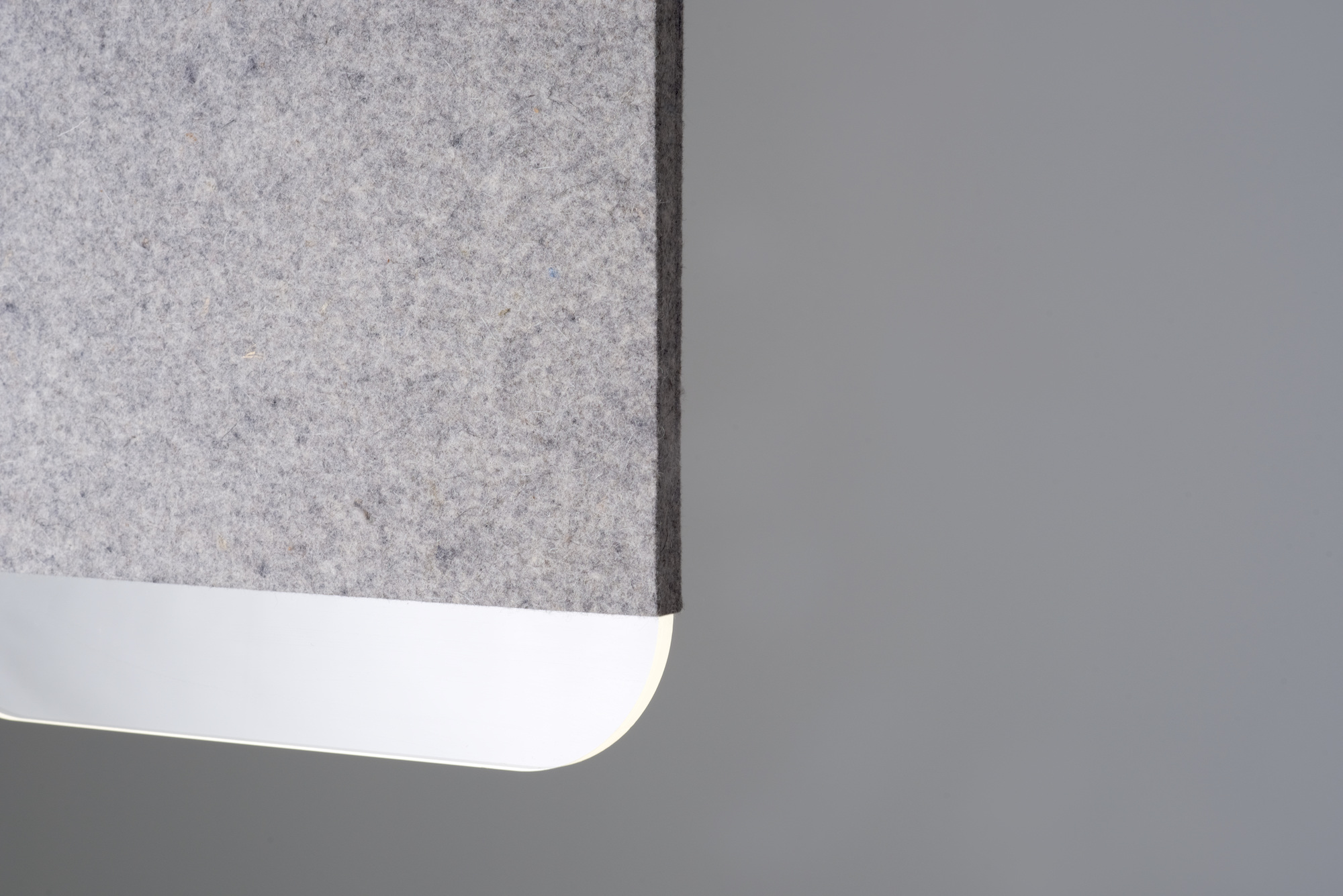
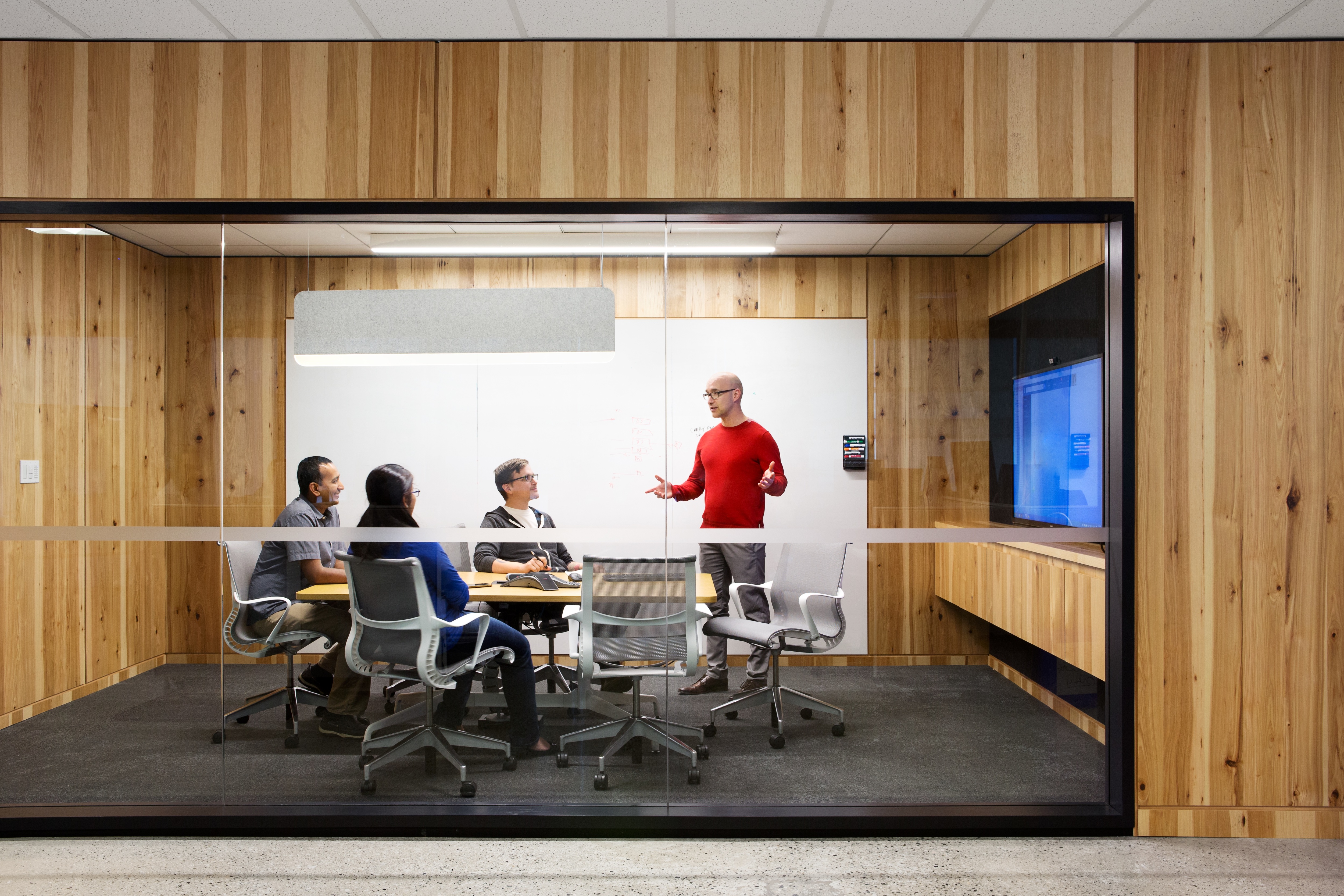
Lukas Peet’s slender LED lights pair a broad face of wool felt or cork with a narrow illuminated edge.
Image source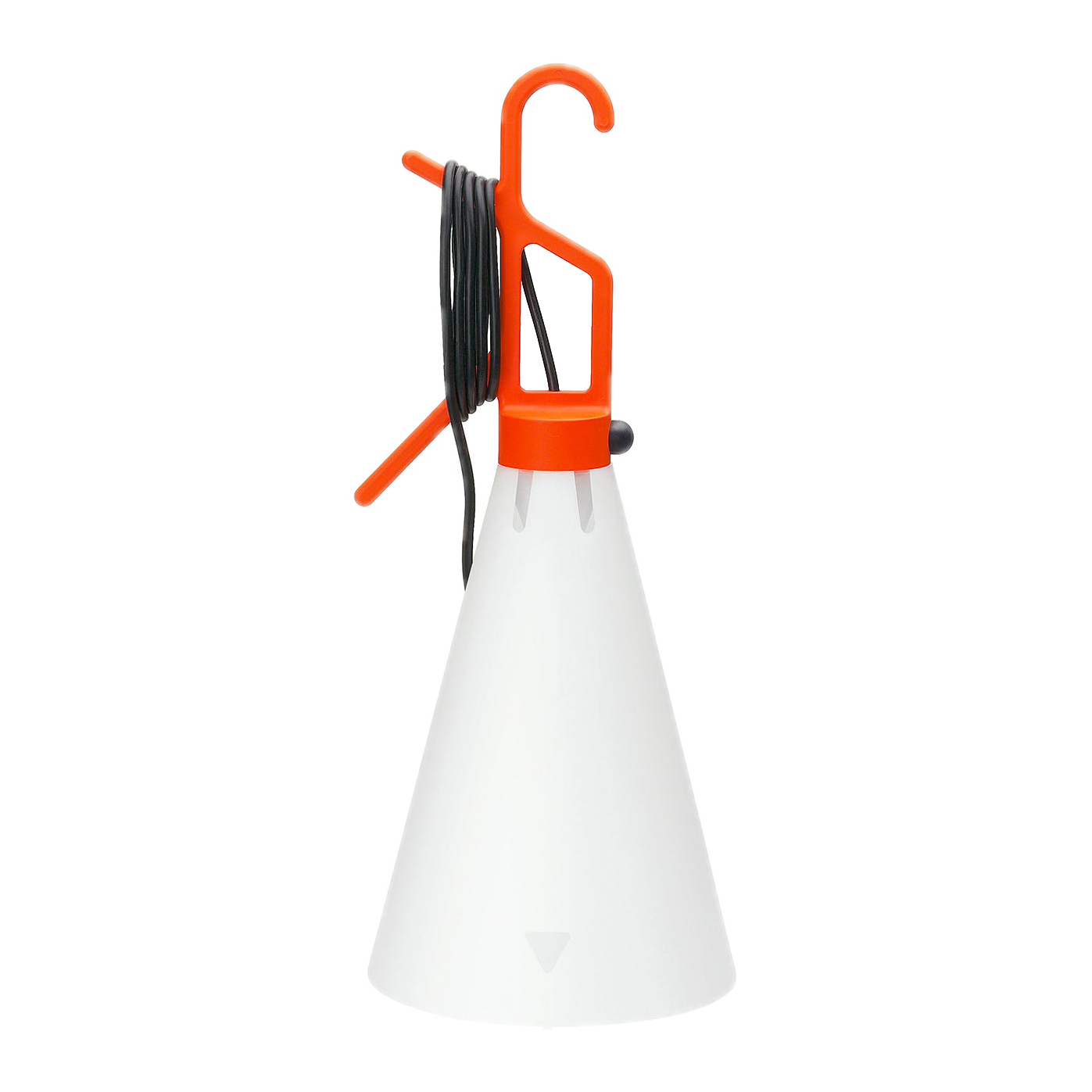
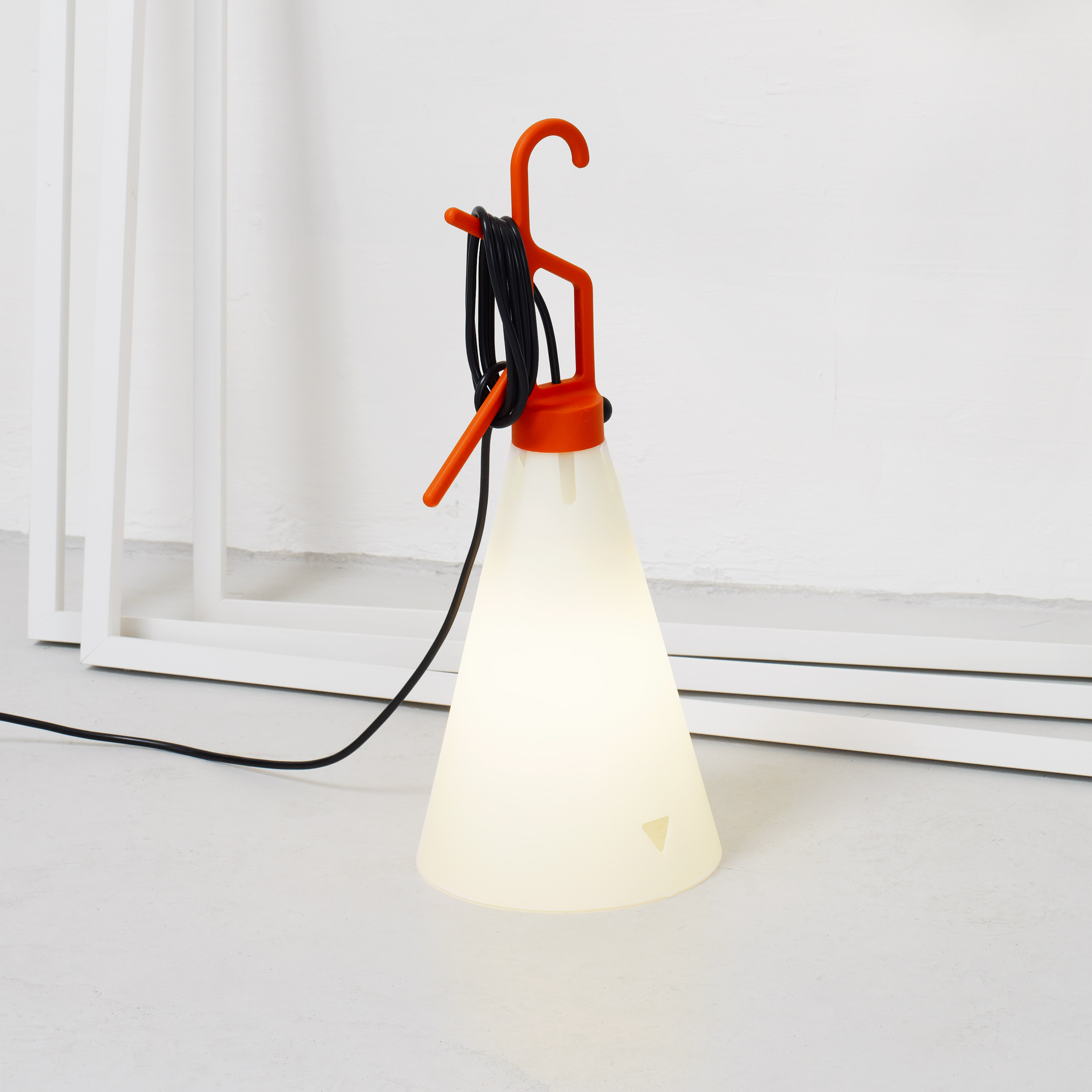
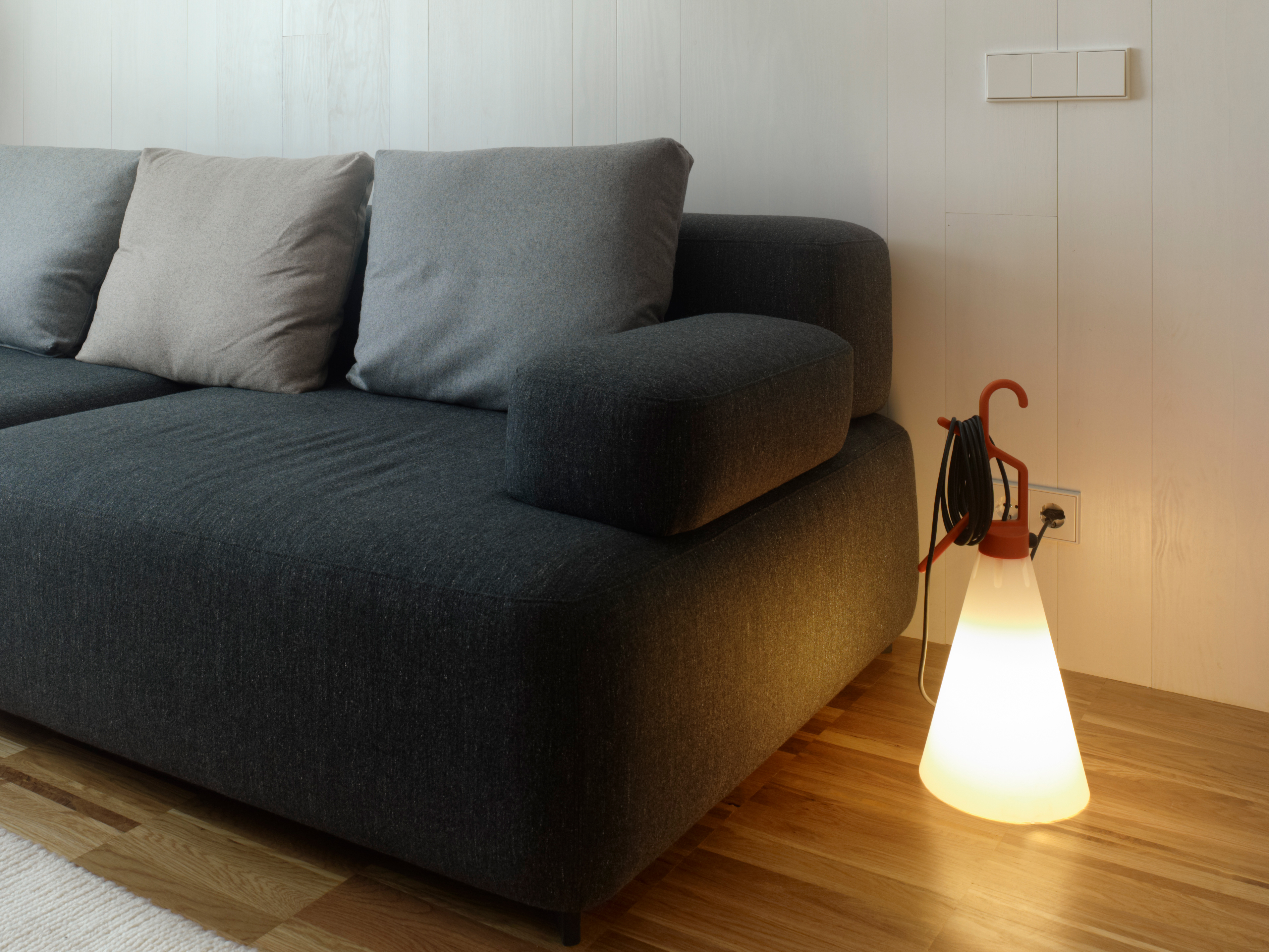
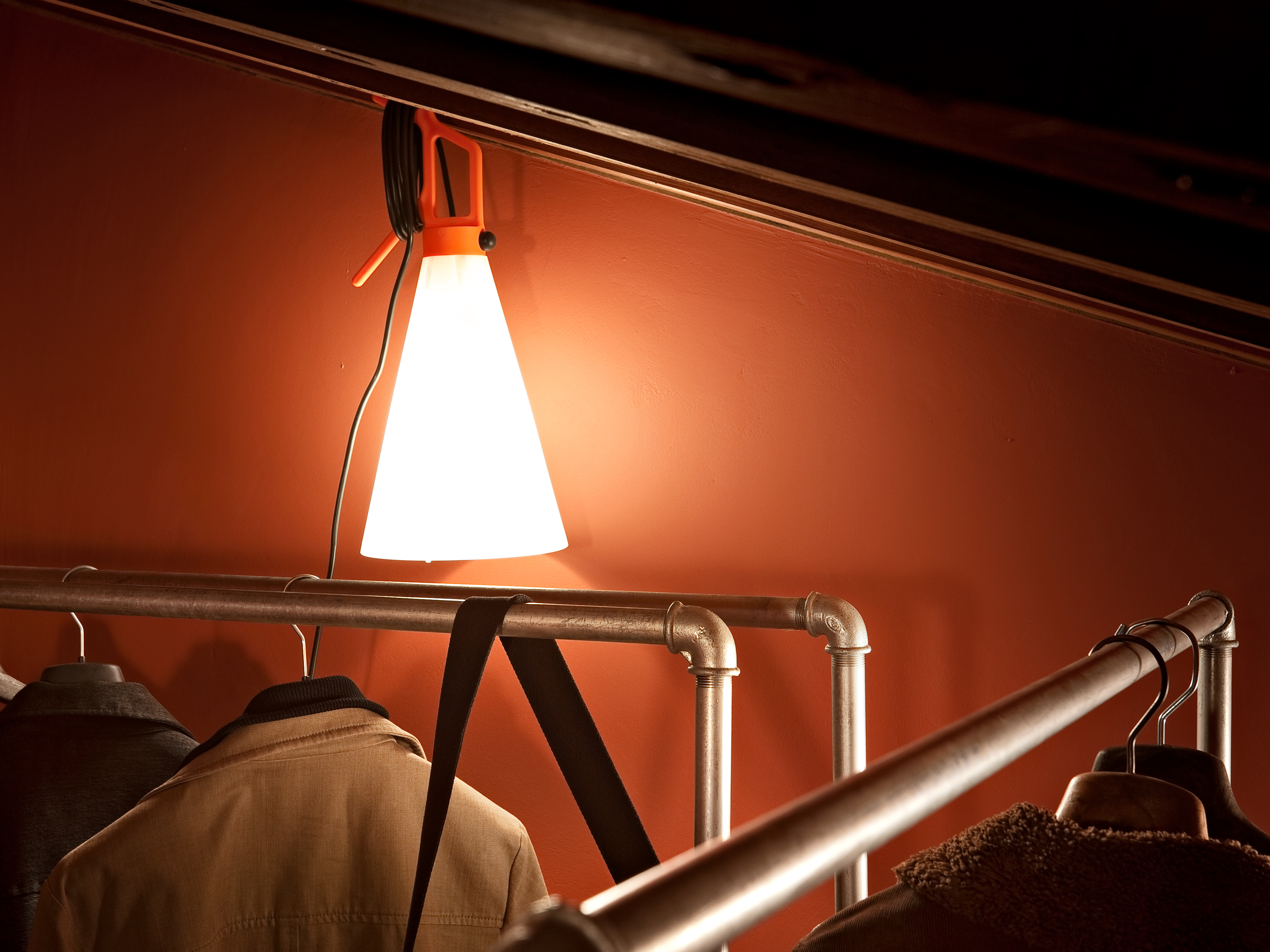
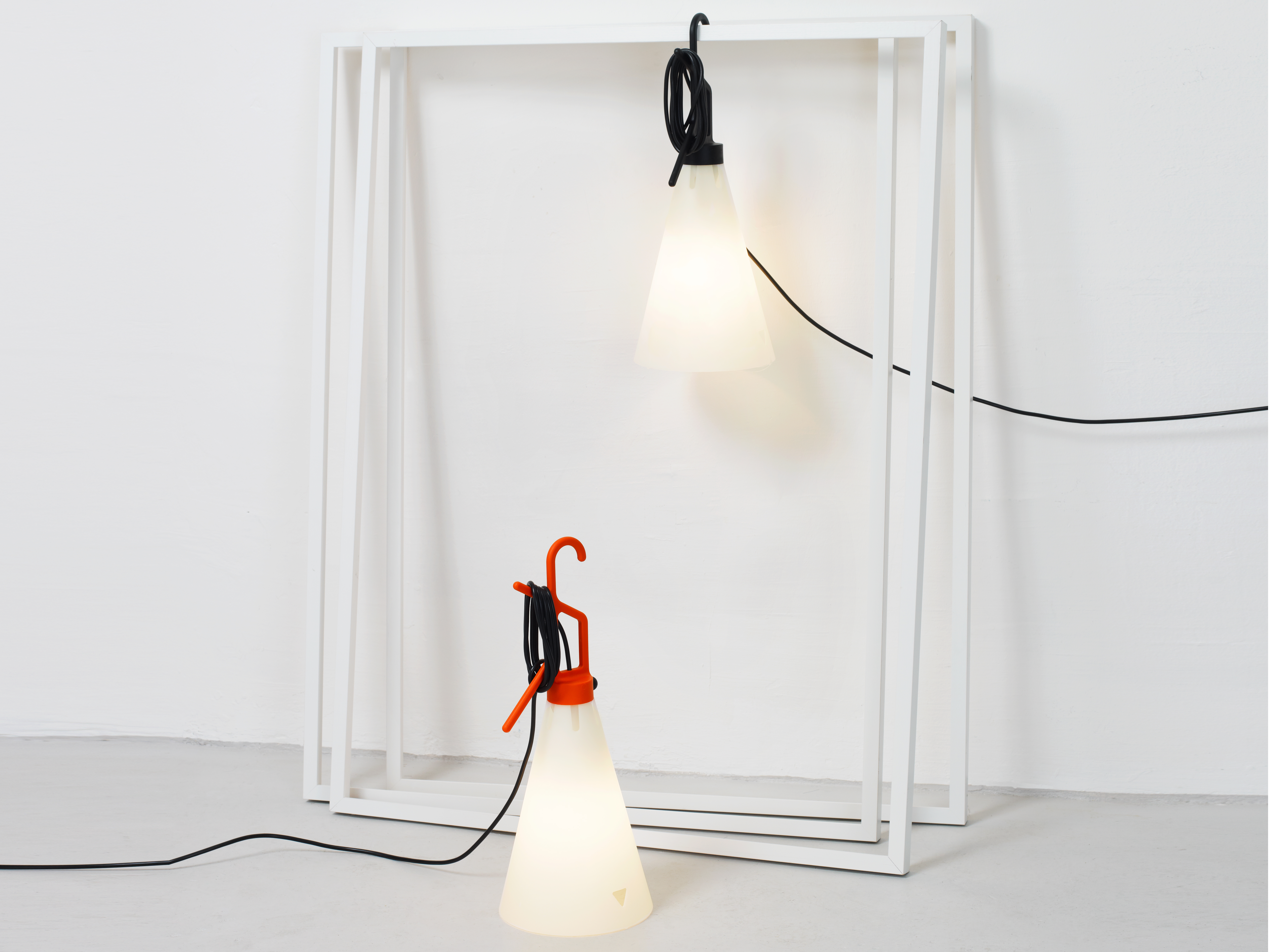
Konstantin Grcic’s adaptable utility lamp has a hook for hanging, a handle for carrying, and a place to wind its long cord.
Image source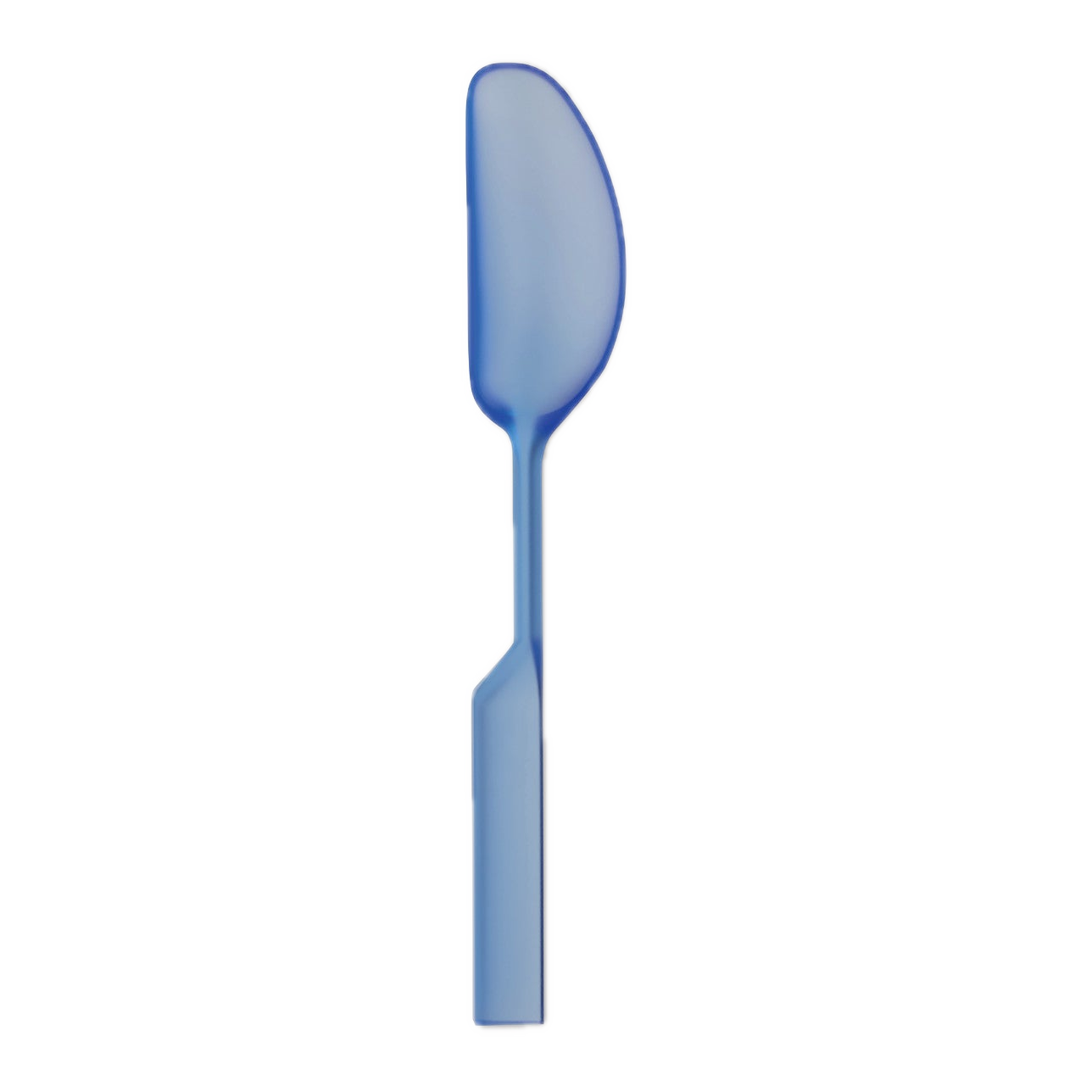
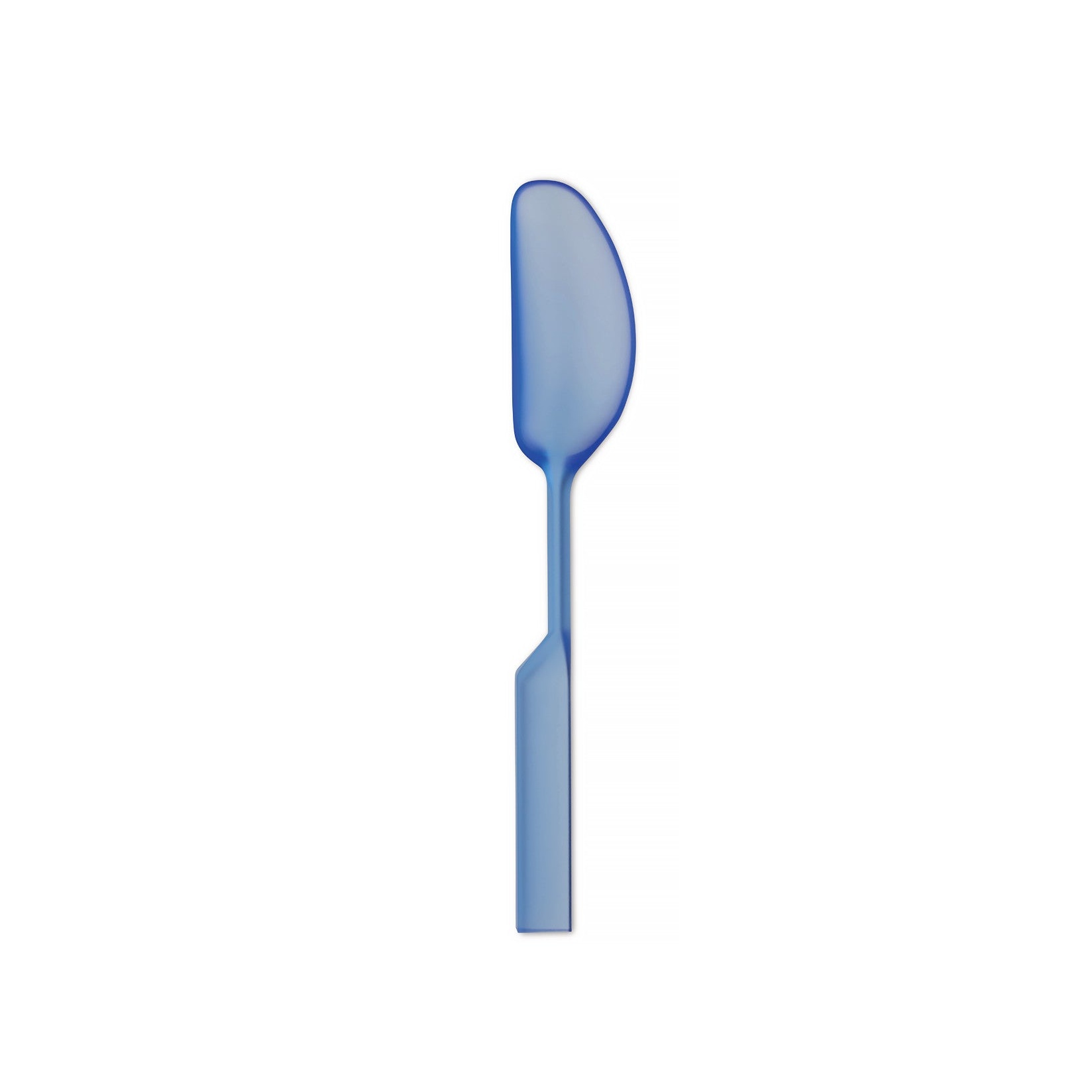
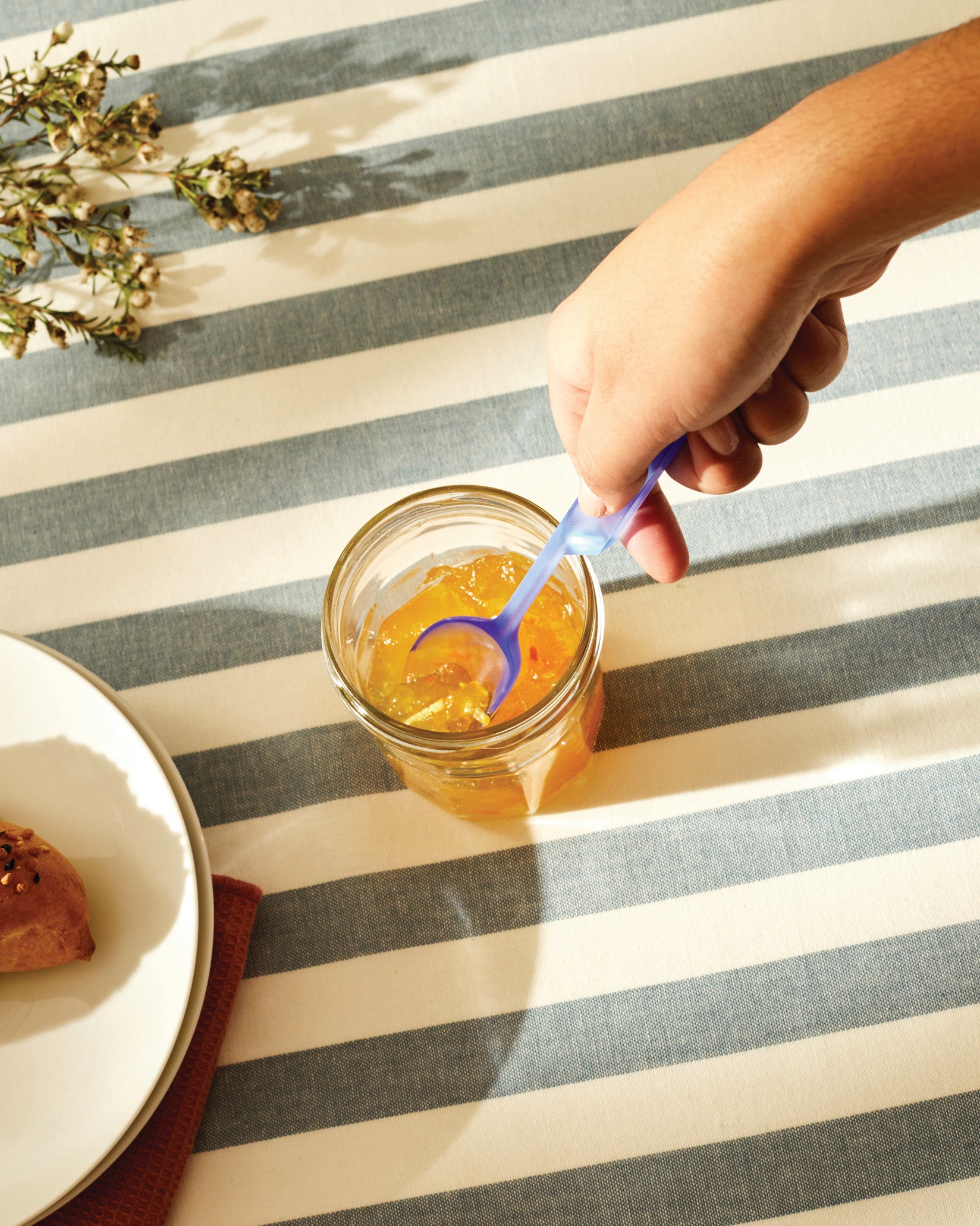
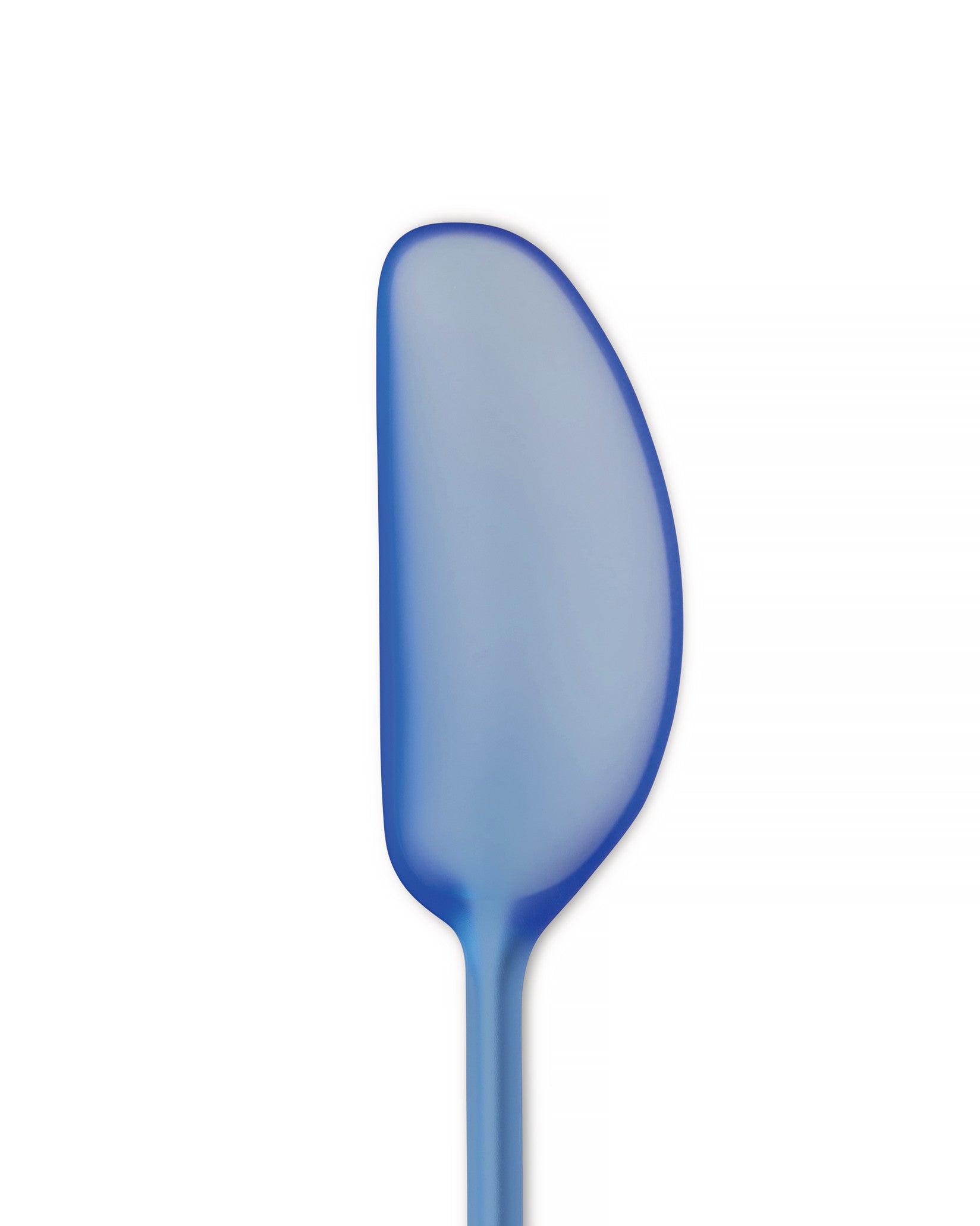
Achille and Pier Giacomo Castiglioni’s spoon for jars, with a curved edge that reaches into corners and a translucent blue body.
Image source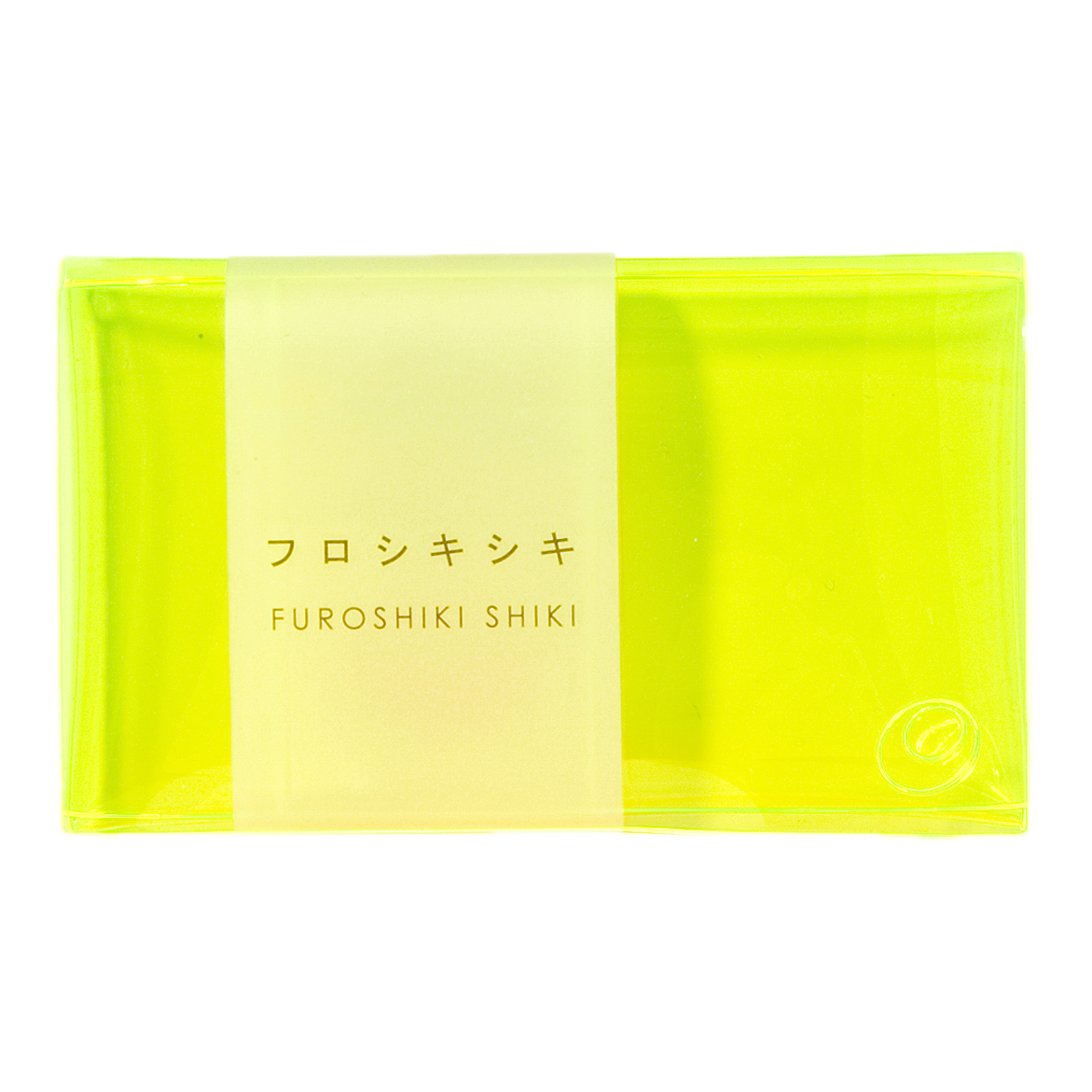
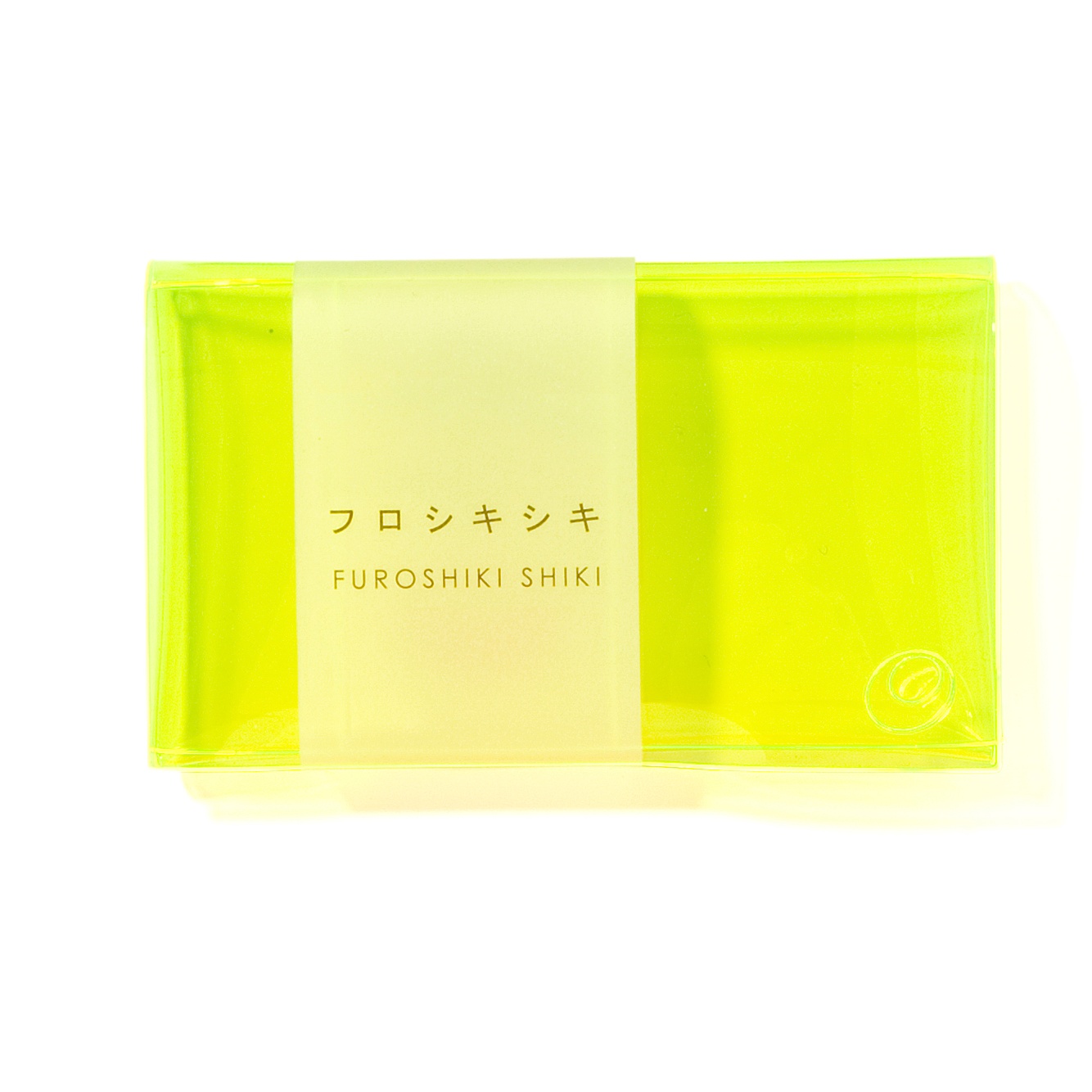
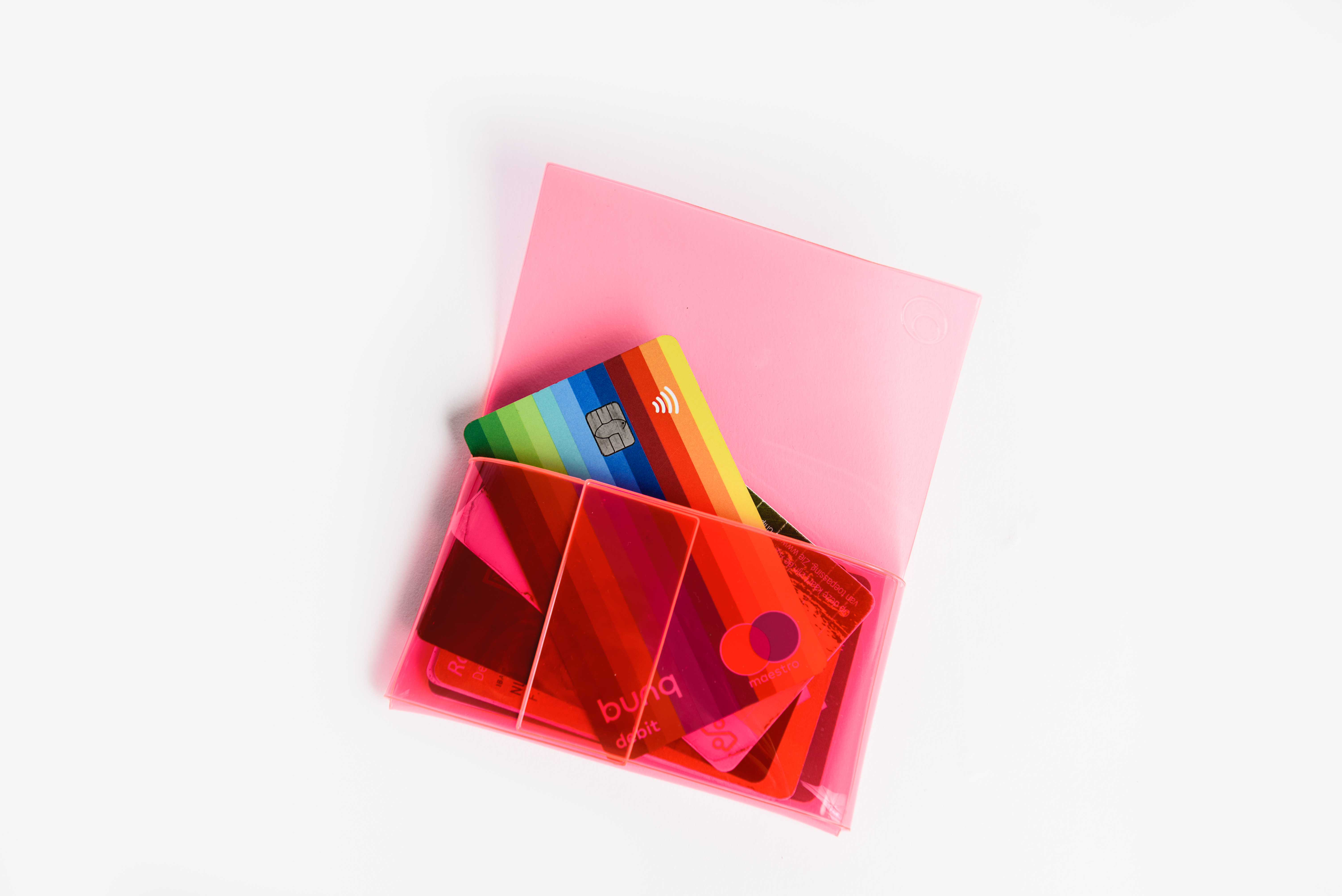
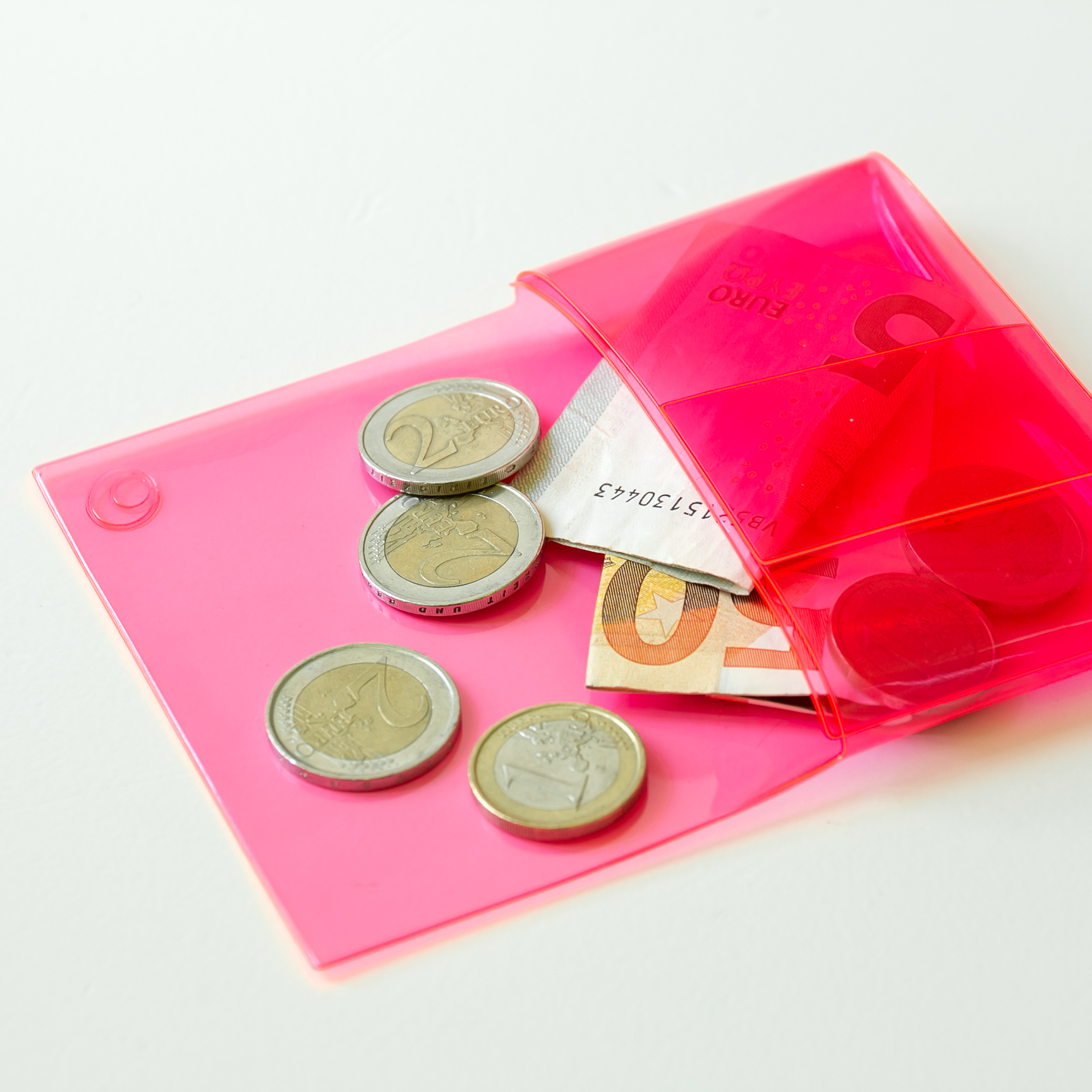
Samira Boon’s card case folds a single sheet of translucent vinyl into a pocket, using the material’s own adhesion instead of buttons or a zipper.
Image source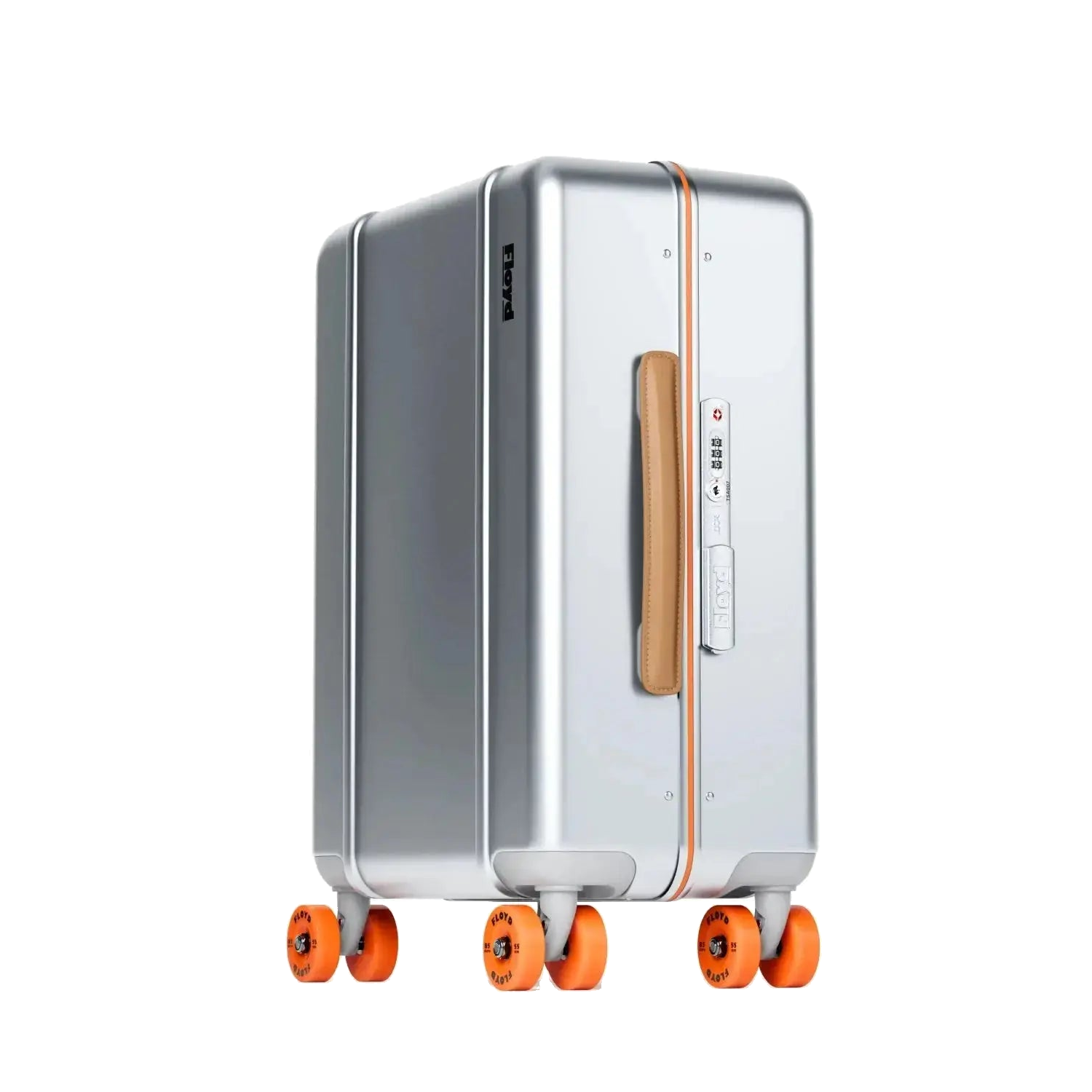
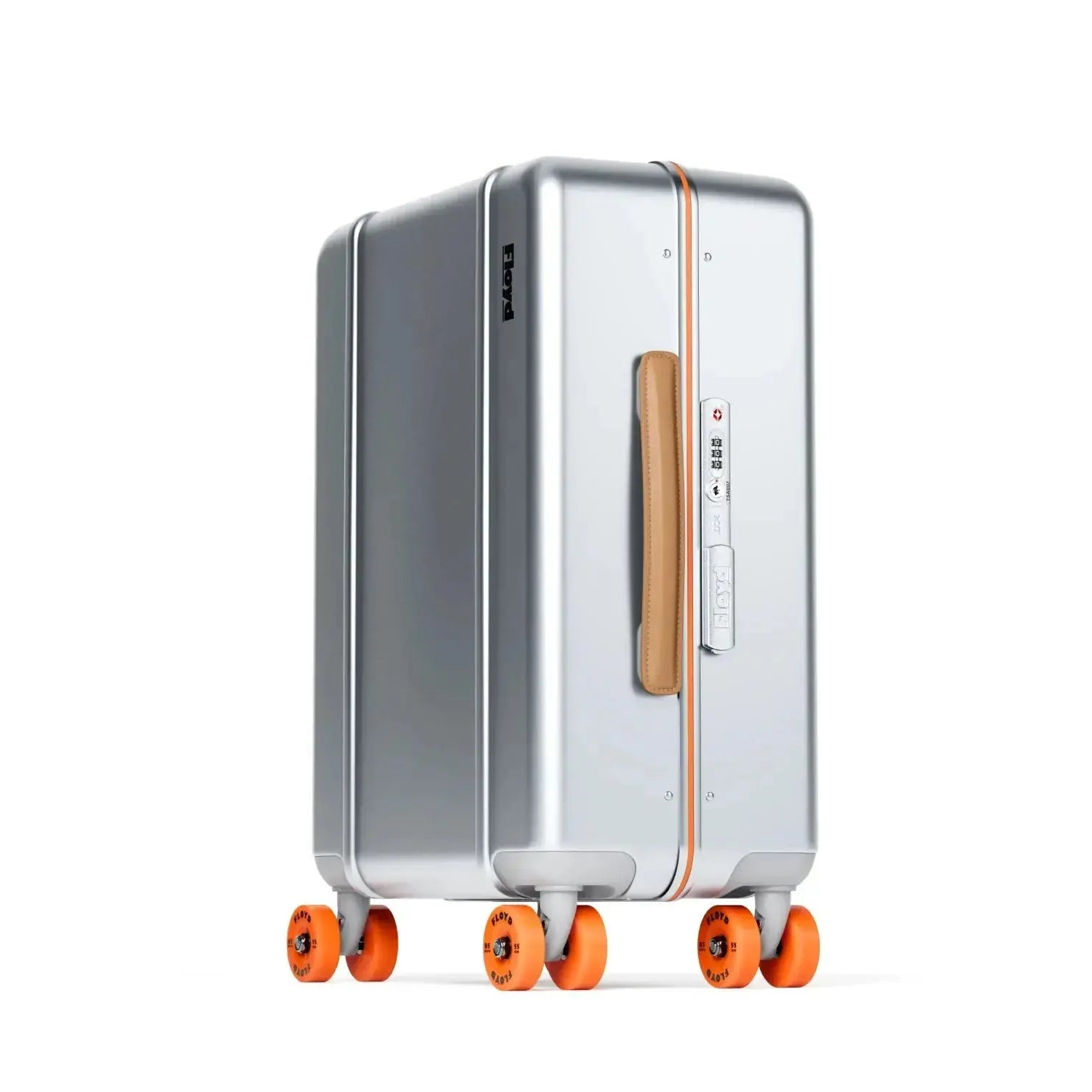
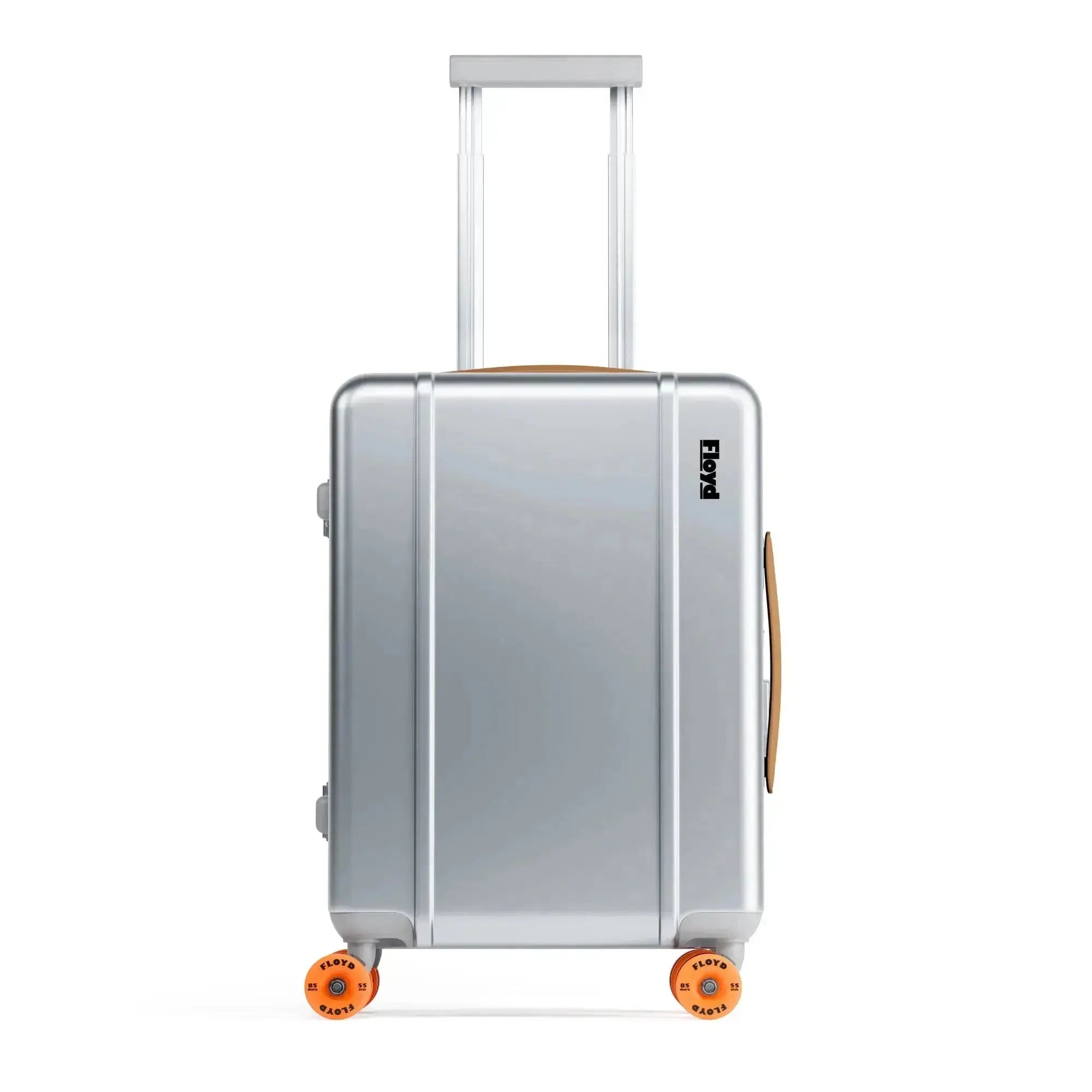
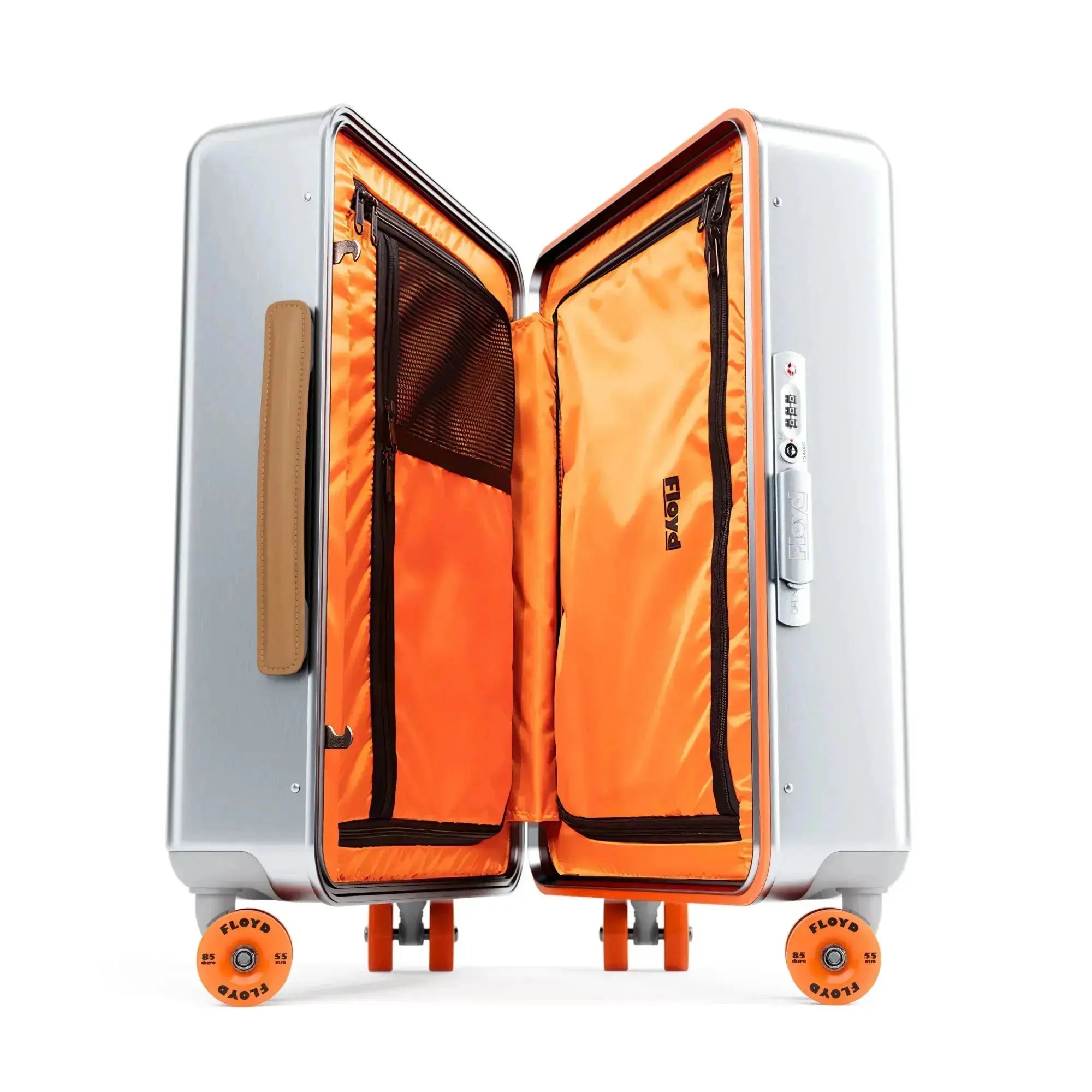
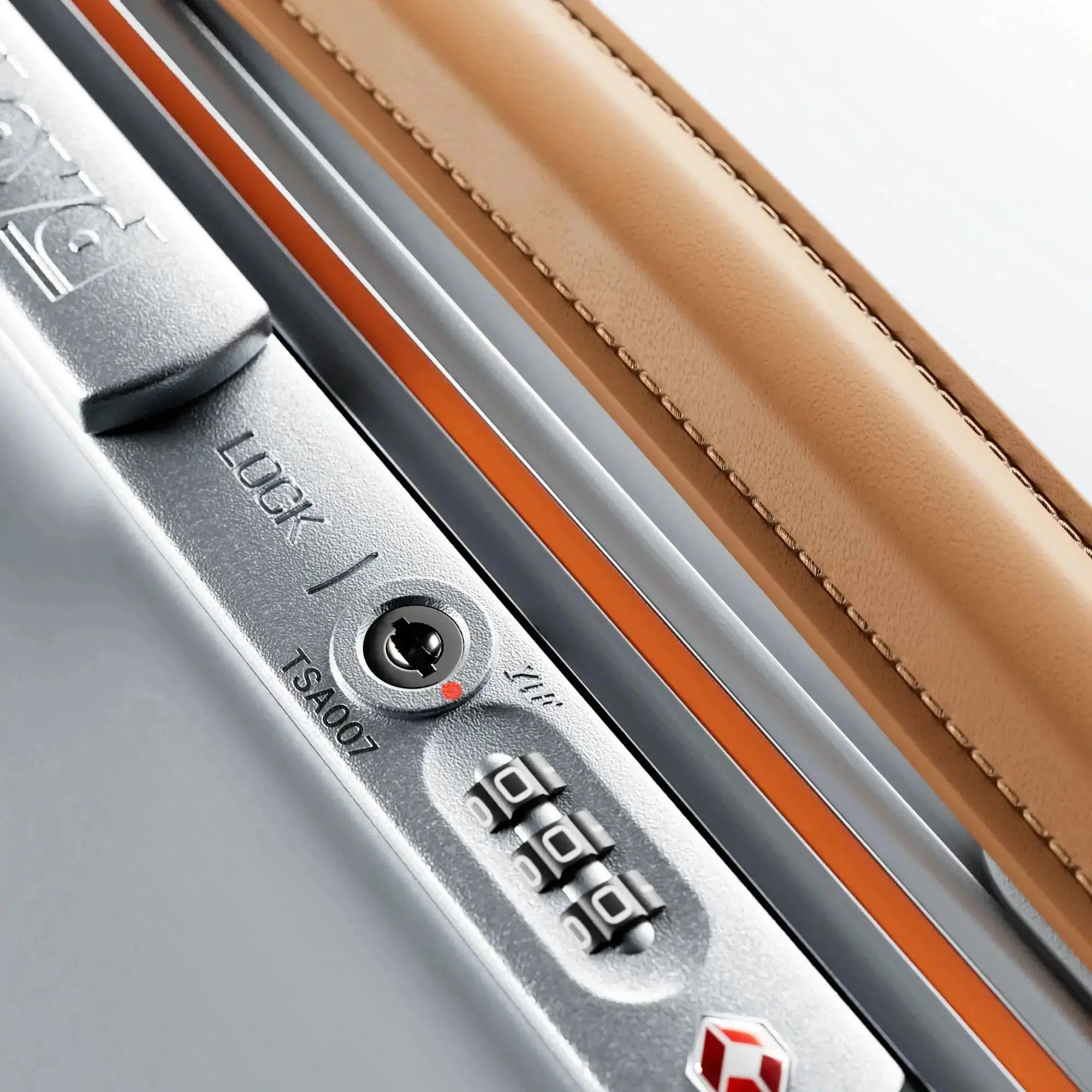
A molded aluminum cabin suitcase with leather handles, bright orange skateboard wheels, and an orange recycled-satin interior.
Image source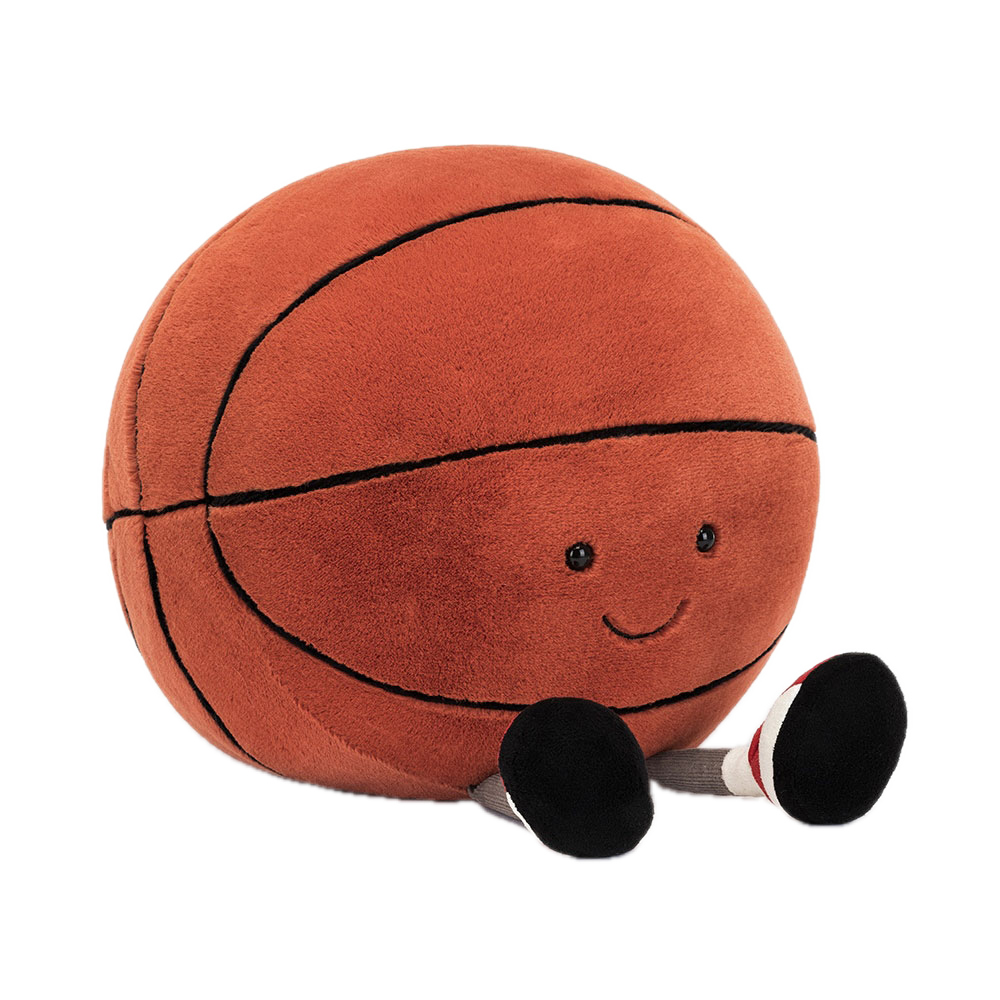
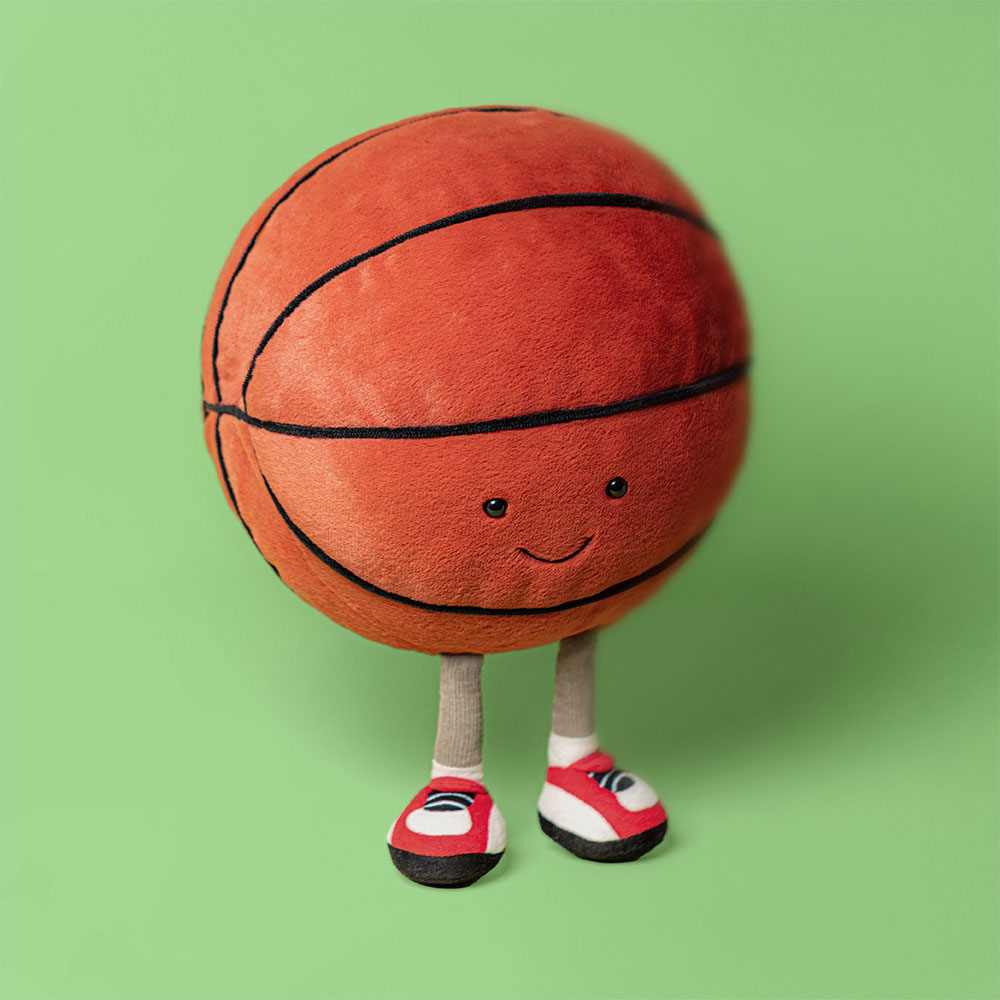
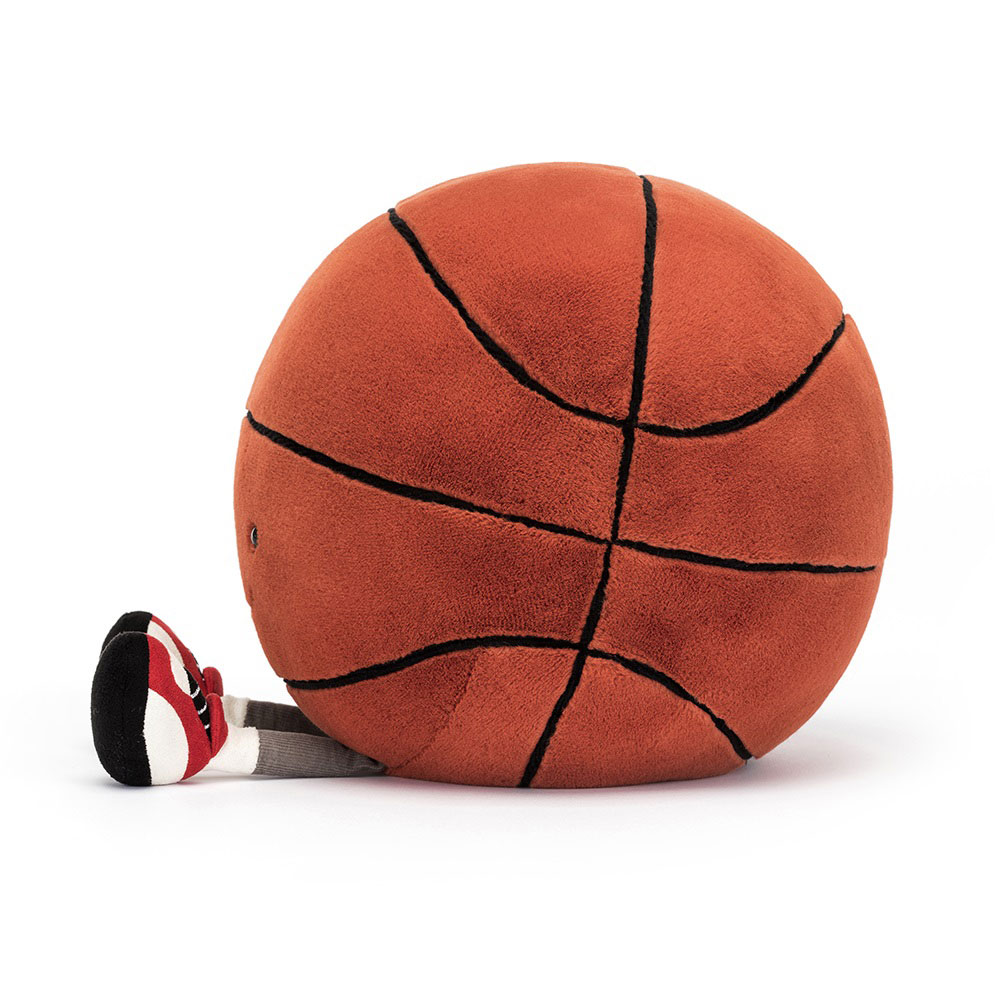
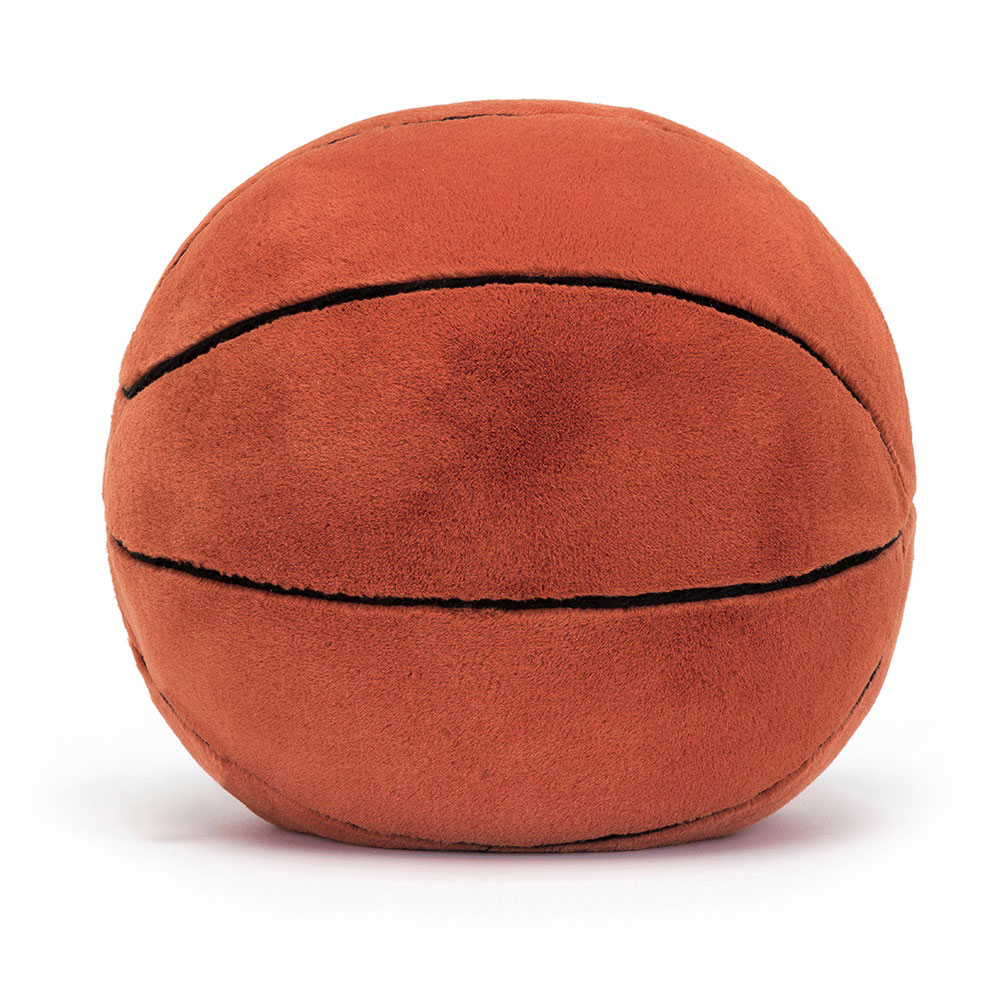
A soft basketball with stitched black lines, a smiling face, and little sneaker-clad feet.
Image sourceNo objects match these filters.